
You’re surrounded by quiet little miracles. You touch them, sit on them, wrap food in them, swipe across them, and walk past them all day long without a second thought. Yet behind a lot of the stuff you treat as ordinary, there’s some seriously wild science at work that engineers, physicists, and biologists obsess over.
Once you start seeing everyday materials through that lens, your kitchen foil, your window glass, and even the rust on a forgotten bike stop being boring and start looking like superpowers in disguise. In this article, you’ll peel back the surface layer and find out what these materials are really doing, why scientists study them so intensely, and how you can actually use their hidden abilities in everyday life.
1. Aluminum Foil: Your Pocket-Sized Heat Shield
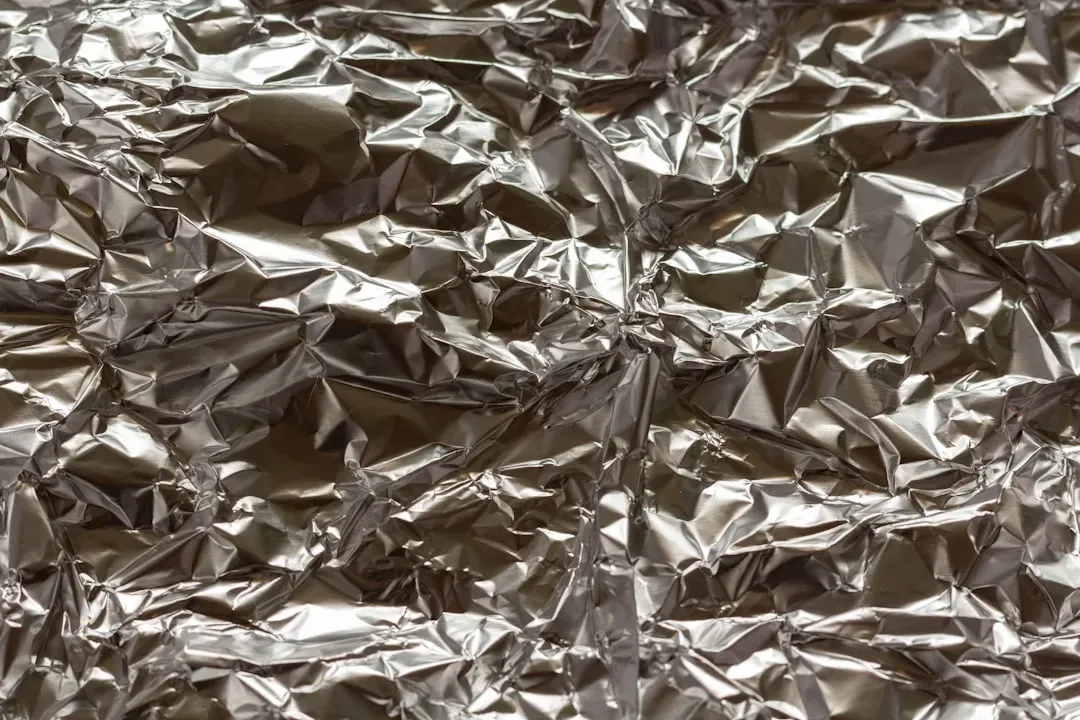
You probably think of aluminum foil as a simple kitchen helper, but what you’re holding is basically a thin metal force field. Aluminum is incredibly reflective, so when you wrap food in foil, you’re not just covering it, you’re bouncing heat radiation back toward it like thousands of microscopic mirrors. That’s why roasted vegetables crisp better when you remove the foil at the end, and why your leftovers warm up more evenly when you cover them first and then peel it back.
At the same time, aluminum conducts heat very quickly, which sounds like it should do the opposite of insulating. The trick is how you use it: if you wrap something tightly, you cut off air movement and reduce heat loss by convection, while the shiny surface bounces radiant heat. When you loosely tent foil over a dish, you trap steam and keep food moist while still letting some heat escape so things don’t turn soggy. You’re basically playing with multiple heat-transfer modes like a lab tech every time you adjust that crinkly sheet.
2. Glass: A Solid That’s Not Quite What It Seems
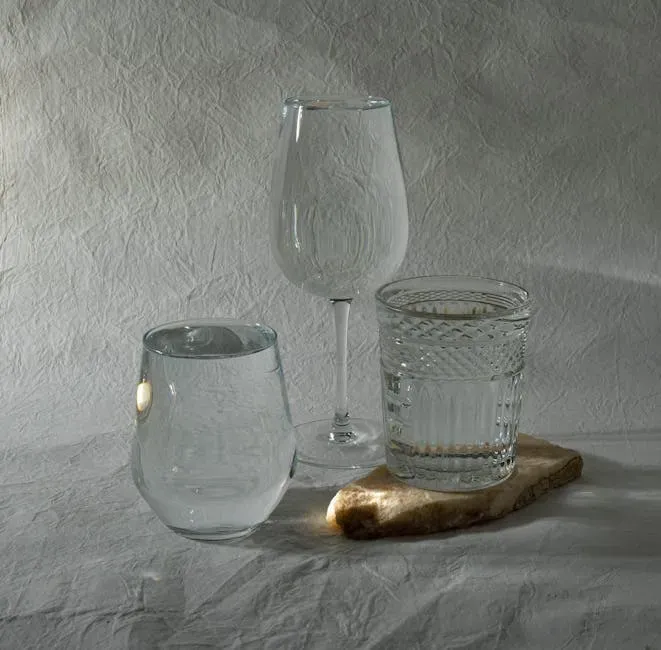
When you look out a window, you’re staring through a material that still manages to confuse scientists. You normally think of matter as either a crystal (like salt) or a disordered fluid (like water), but glass sits weirdly in between. Its atoms are frozen in a tangled, disordered arrangement more like a liquid that got stuck on pause, yet it behaves like a rigid solid. That in-between state is one reason researchers still argue about what exactly glass “is” at a deep level.
For you, that strange atomic structure has very real consequences. Glass is naturally good at letting visible light pass through while blocking a lot of infrared and ultraviolet radiation, which is why it works so well in windows and greenhouse designs. When you hear about low-emissivity or “low‑E” windows, you’re really hearing about engineers tweaking glass coatings so your house gains light but leaks less heat. Every time you enjoy a bright room without freezing, you’re benefiting from that controlled manipulation of how glass interacts with different types of light.
3. Rust: The “Useless” Stuff That Protects And Powers
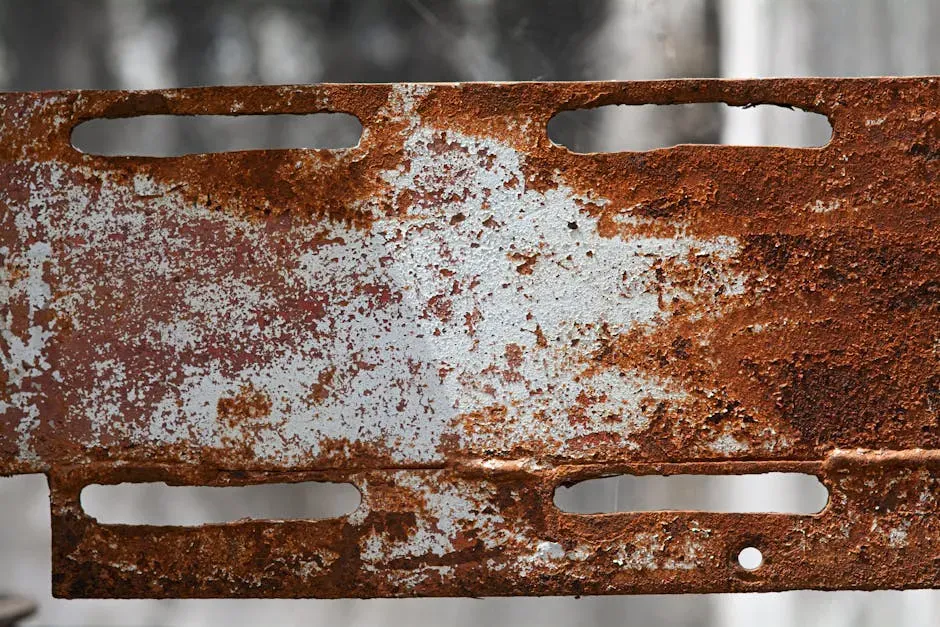
Rust looks like pure decay, but you’re actually seeing a very active chemical system at work. When iron reacts with oxygen and water, it forms an iron oxide layer – what you call rust – that changes how the metal behaves. In some alloys, this oxidized layer acts like a self-healing skin, sealing tiny cracks and slowing further corrosion in a way that reminds you of how a scab protects a wound. Certain weathering steels are deliberately designed around this effect, so the rusty surface you see is not a failure, it’s the armor.
On the more futuristic side, you’ll also find rust playing a role in emerging energy technologies. Iron oxides can help split water under sunlight in special systems, acting as catalysts or light-absorbers in experimental hydrogen production setups. When you read about artificial photosynthesis or solar‑driven chemical reactions, there’s a good chance some humble iron compounds are involved. So that orange-brown crust on a garden tool is a small, messy cousin of the same chemistry that could one day help store clean energy on a large scale.
4. Rubber Bands: Tiny Engines Of Elastic Energy
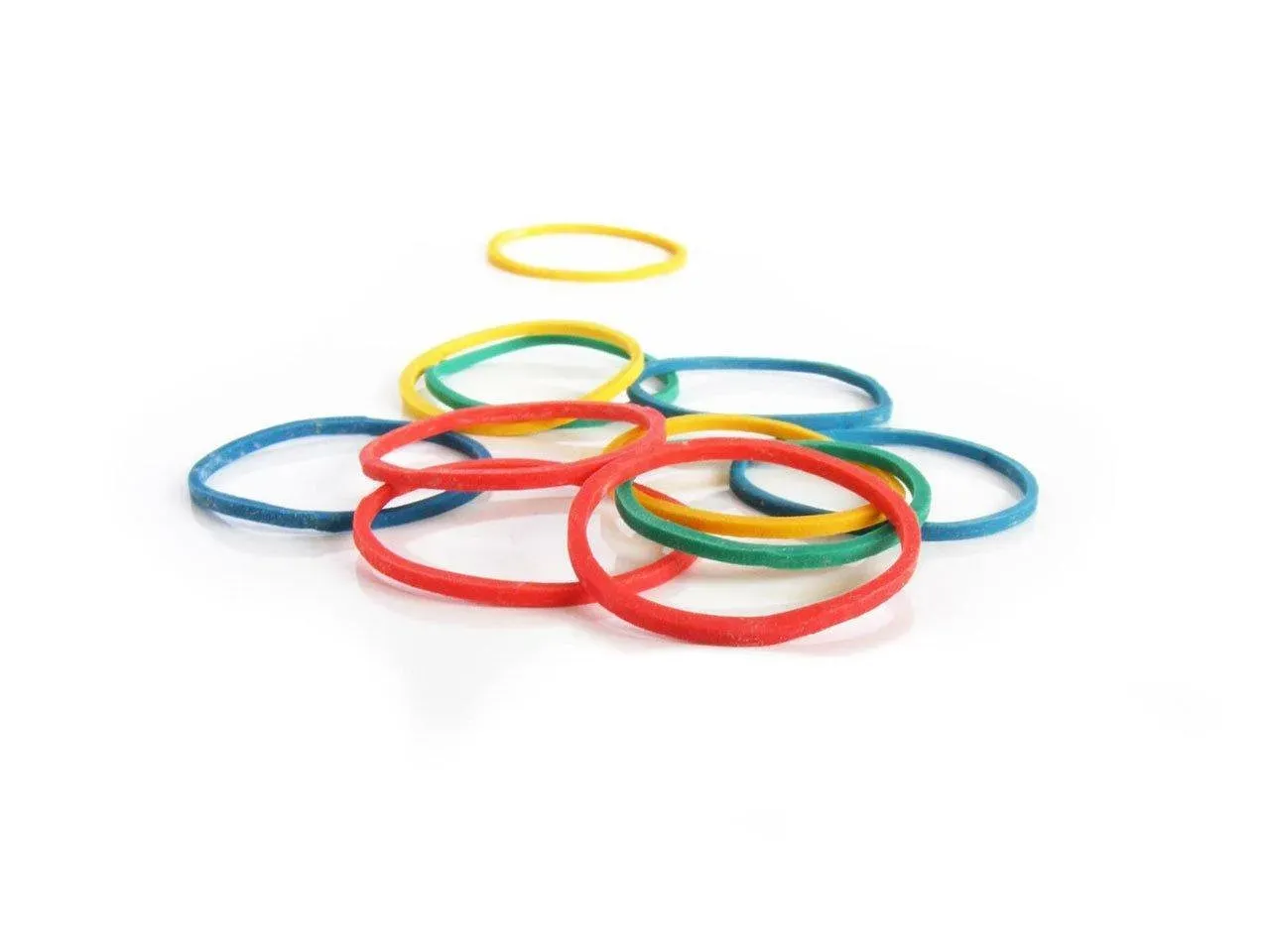
When you stretch a rubber band, you feel resistance and instinctively know it’s storing energy, but the way it does this is surprisingly counterintuitive. Instead of acting like a rigid spring, rubber is built from long, tangled chains of molecules that behave more like a pile of cooked spaghetti. When you pull on the band, you’re forcing those chains to line up; when you let go, they snap back into a more jumbled, higher‑entropy state. The “snap” you hear is that microscopic re-tangling happening all at once.
There’s another twist: if you stretch a rubber band quickly and touch it to your lips, you’ll notice it actually warms up. That happens because the chains are being forced into alignment and lose some of their freedom, giving off energy as heat. When the band contracts, it cools slightly as those chains regain their disorder. You’re not just playing with a strip of material; you’re using a real-life demonstration of thermodynamics and entropy that scientists study to design better seals, tires, medical devices, and even soft robots.
5. Paper: A Fragile Sheet With Serious Engineering Inside

It’s easy to dismiss paper as flimsy, but you’re dealing with a surprisingly sophisticated fiber network. Each sheet is made of countless cellulose fibers from plant cell walls, and those fibers are incredibly strong along their length. When they’re mashed together and dried, hydrogen bonds form between them, creating a dense web that can handle a lot more tension than you might expect for something so thin. That’s why a simple folded paper structure, like an origami crane or a cardboard beam, can bear loads that feel almost ridiculous for its weight.
Once you start looking closer, you see how controllable paper really is. By changing fiber length, orientation, and additives, manufacturers can tune how easily it tears, how well it absorbs ink, or how resistant it is to grease and water. The coffee filter that keeps grounds out of your drink, the tissue that stays intact when damp, and the cardboard box that survives shipping are all carefully engineered variations on the same cellulose base. Every time you fold, crease, or tear a page, you’re manipulating a natural composite material that material scientists treat with serious respect.
6. Teflon-Coated Pans: Slippery Surfaces With Extreme Stability
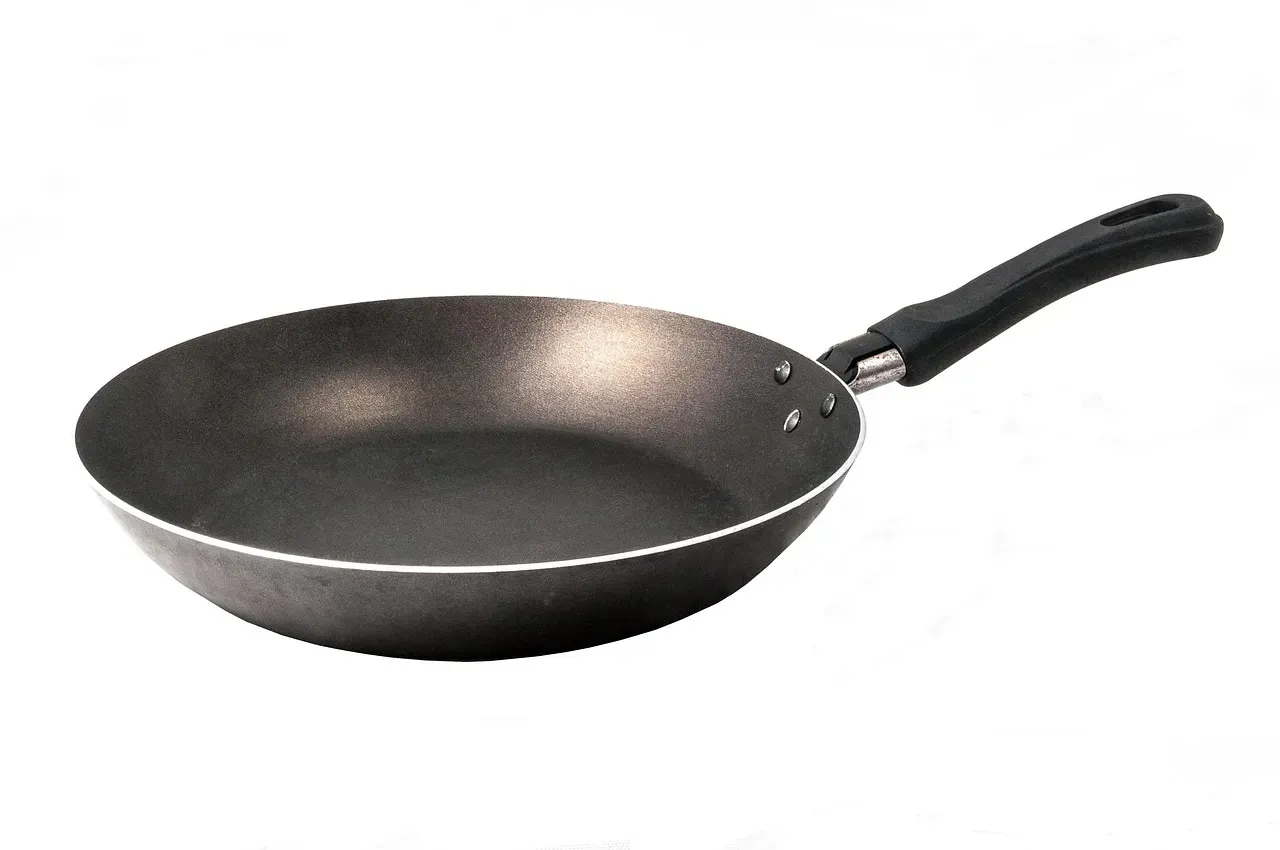
When you slide an egg around a nonstick pan, you’re seeing a subtle superpower in action: extremely low surface energy. The Teflon coating is made from a fluoropolymer whose carbon backbone is fully wrapped in fluorine atoms, creating a surface that other molecules basically hate to stick to. That’s why oil, water, and food residues bead up and glide around instead of clinging stubbornly. In scientific terms, you’re cooking on a surface with one of the lowest known friction coefficients among solid materials.
That same structure makes Teflon remarkably chemically resistant and thermally stable in normal cooking conditions. It shrugs off most acids and bases and stays solid at temperatures where many plastics would deform or burn, which is why it also shows up in chemical processing equipment, wiring insulation, and aerospace applications. Of course, you still need to respect its limits: overheating an empty coated pan or scratching it deeply with metal tools can damage it and release unwanted byproducts. If you treat it well, though, you’re basically using a domesticated version of a high‑performance industrial coating every morning when you make breakfast.
7. Silica Gel Packets: Little Bags That Quietly Fight Chaos
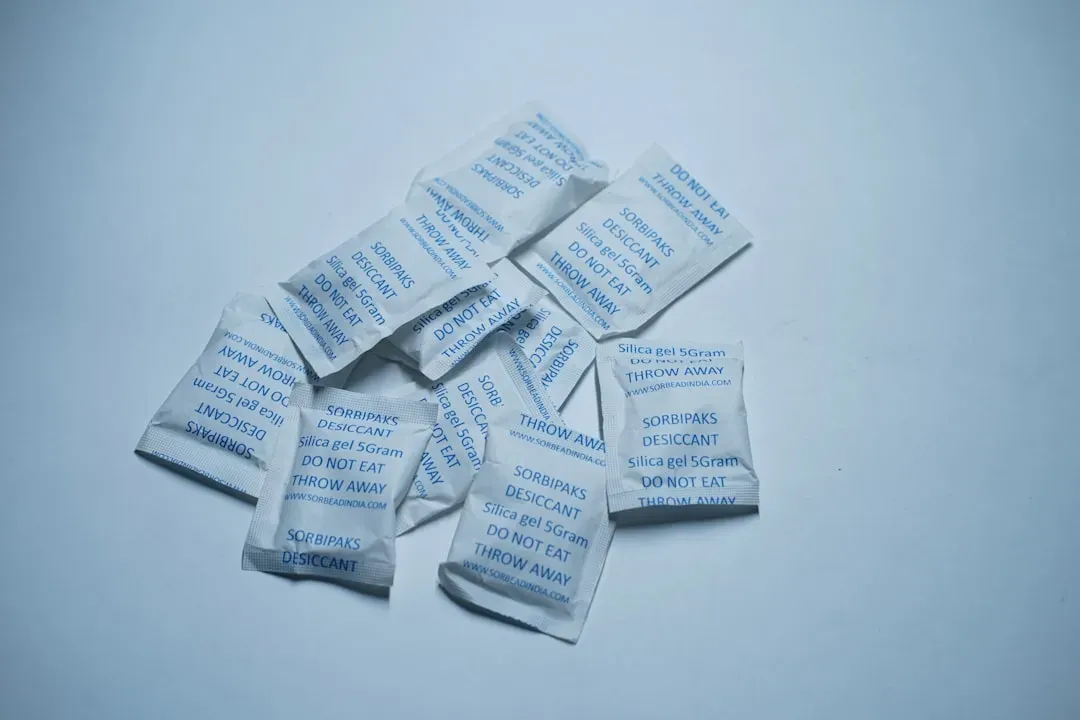
Those crinkly silica gel packets you find in shoe boxes and electronics packages might seem like trash, but they’re quietly doing serious work. The tiny beads inside are made of porous silica, riddled with microscopic channels and cavities that can hold water molecules on their surfaces. When you toss a packet into a drawer or storage bin, it slowly soaks up moisture from the air, lowering the humidity in that little space without any power source or moving parts. You’re effectively deploying a passive, reusable dehumidifier the size of a sugar packet.
Because of that, you can repurpose these packets in surprisingly useful ways. You can keep them with important documents to help prevent warping and mildew, toss them in a gym bag to reduce odor‑causing moisture, or store them with camera gear to fight condensation and mold growth. In some setups, people even recharge silica gel by gently heating it so the trapped water is driven off, making it ready to work again. Once you understand the porous, high‑surface‑area structure inside those beads, you stop seeing them as annoying packaging filler and start seeing them as tiny guardians against humidity and hidden damage.
Conclusion: Seeing The Hidden Lab Around You

Once you know what to look for, your home starts to feel like a low-key science museum. That sheet of aluminum foil becomes a heat-management tool, your windows become controlled light filters, rubber bands turn into thermodynamics demos, and even rust stops being just “damage” and starts looking like evidence of powerful chemistry. You’re not just using objects anymore; you’re watching forces like entropy, radiation, molecular bonding, and surface energy play out right in front of you.
If you let that perspective sink in, it quietly changes how you interact with things. You get a bit more curious, a bit more respectful, and maybe a bit more experimental with materials you used to ignore. And who knows – maybe the next time you crumple paper, stretch a band, or rescue a silica gel packet from the trash, you’ll feel like you’re not just tidying up, you’re tinkering with the same principles scientists use in the lab. Which of these “ordinary” materials are you going to look at differently the next time you pick it up?