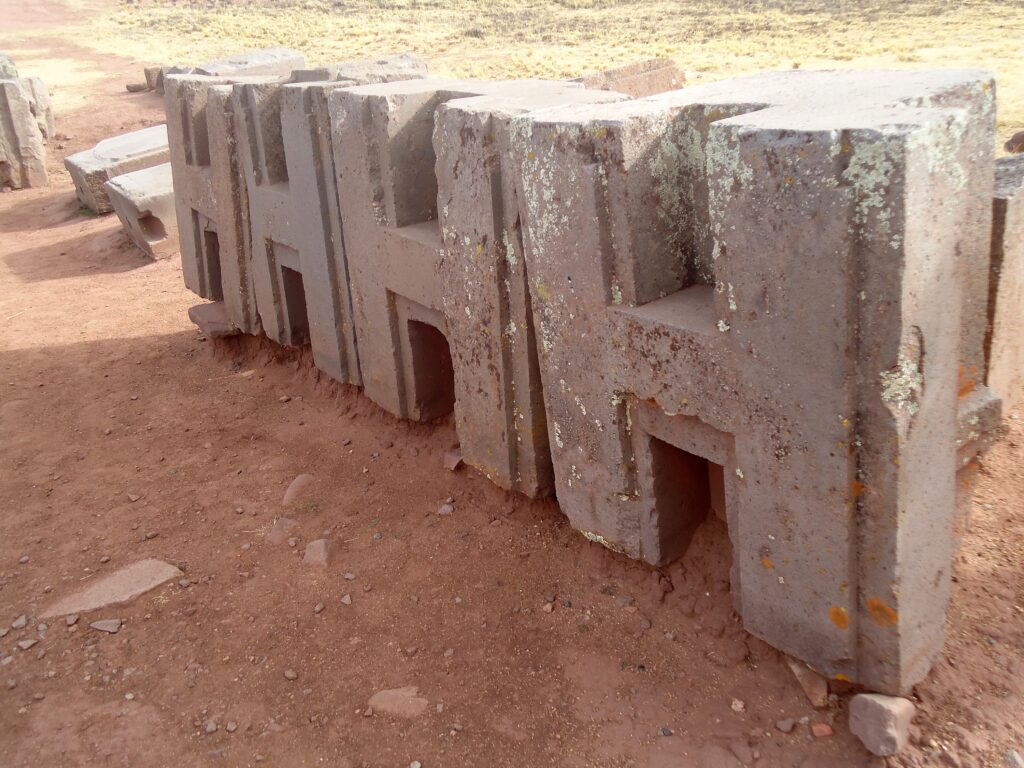

You stand in front of Puma Punku, and nothing about it feels rough or primitive. The stones look like they were shaped in a factory, not on a windswept plateau at high altitude more than a thousand years ago. Yet when you look closer, you realize something unsettling: for several of the most extreme features here, modern engineers still cannot reproduce the results with the same scale, precision, and unknown tools the original builders used on site. Before you jump to exotic explanations, it is worth staying grounded. You are not looking at laser burns or alien alloys. Instead, you are facing a mix of baffling stonework, incomplete data, erosion, and missing context. What follows are seven specific things at Puma Punku that specialists still struggle to explain or accurately replicate using practical, field-ready modern cutting methods instead of idealized lab setups and computer models.
1. The Razor-Sharp Right Angles on Massive Andesite Blocks
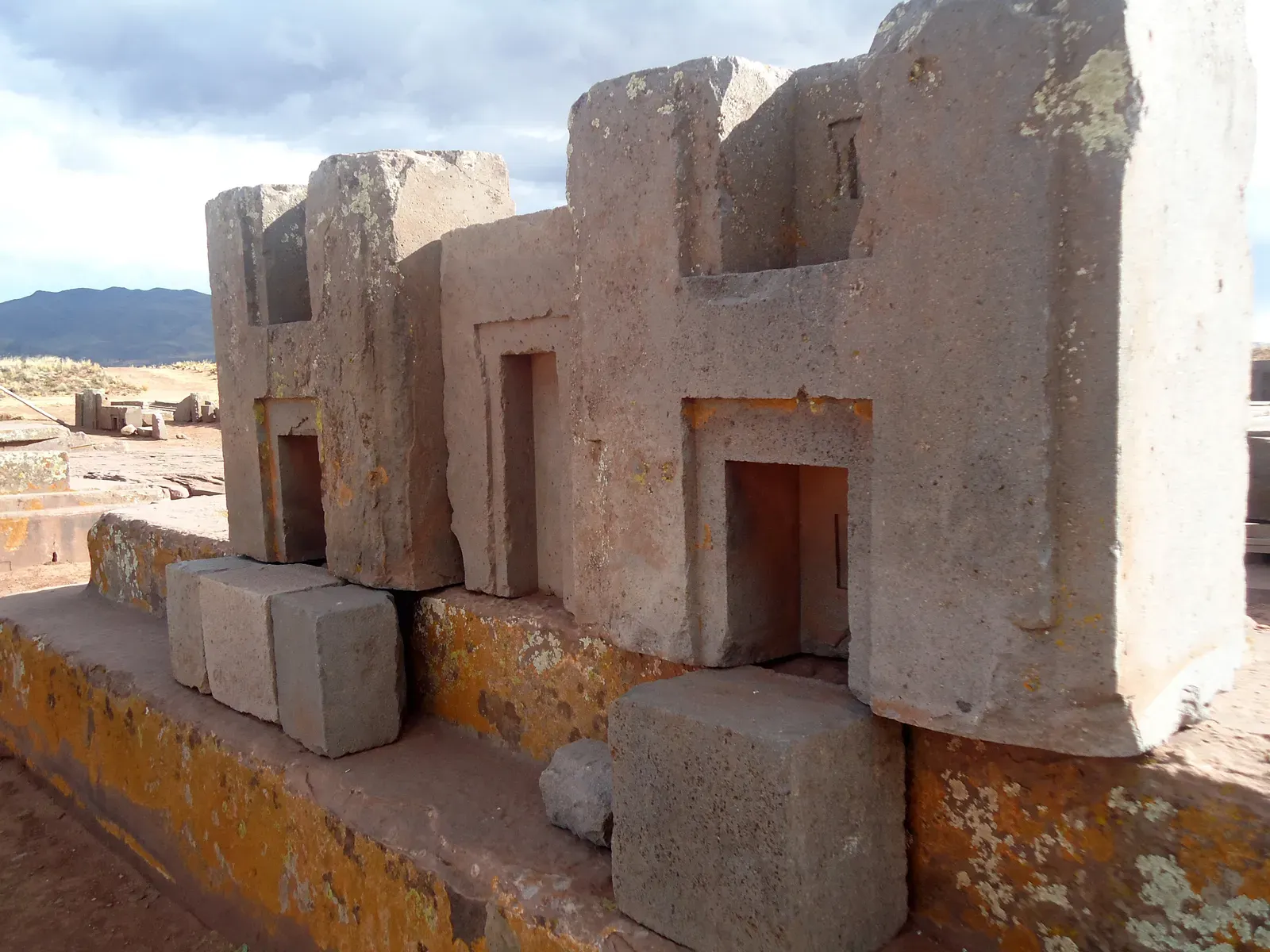
If you run your fingers along some of the andesite blocks at Puma Punku, you notice something strange: the corners do not feel like weathered stone. They feel like the crisp edges of machined parts, with right angles that look more like something milled in a shop than hacked out with hand tools. When archaeologists and engineers measure those corners, they often find angles approaching perfect ninety degrees, repeated across faces that are several feet long. In theory, you can absolutely create similar angles today with diamond-tipped blades, CNC machines, and carefully controlled shop conditions. But here’s the catch: the Puma Punku builders did this on huge, dense andesite blocks, at high altitude, with no clear evidence of metal saws or advanced jigs. Modern field experiments using stone tools or simple metal chisels struggle to recreate that same razor geometry on the same scale without taking far longer and leaving obvious tool signatures that you simply do not see on the original stones.
2. The Famous Interlocking “H-Blocks” With Millimeter-Level Consistency
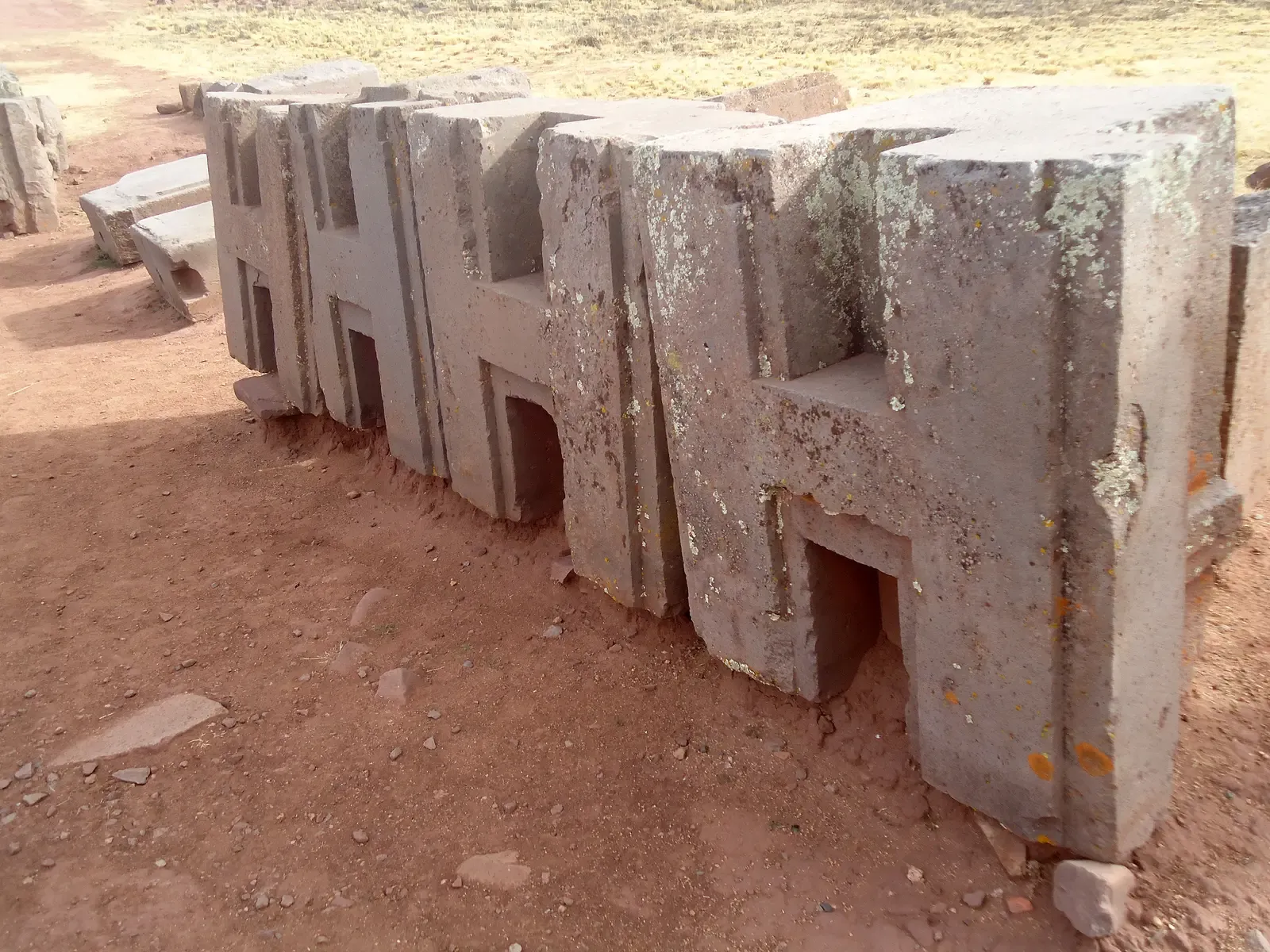
You have probably seen photos of the Puma Punku H-blocks: dozens of nearly identical, complex H-shaped stones that look like pieces from some giant stone construction set. When you study them closely, you see a repeating pattern of recesses, ledges, and steps that line up with surprising accuracy from block to block. The dimensions of many of these features are so consistent that they suggest a standardized template or gauge system that is still not fully understood. Yes, you could program a modern stone-cutting CNC machine to carve you a perfect H-block today, and it would do the job beautifully in a controlled workshop. What you cannot easily recreate, though, is the combination of hand production, on-site work, and the tight tolerances you see across many different blocks without leaving clear evidence of industrial-scale tooling. When engineers try to imagine a purely Bronze or stone-age toolkit replicating a whole array of such blocks, each with relatively matching dimensions, they run into serious questions about how the original builders measured, aligned, and repeated such precise work in the field.
3. Perfectly Straight, Deep Grooves and Channels in Hard Stone
As you walk around Puma Punku, you notice channels and grooves cut into andesite that seem unbelievably straight, as if someone dragged a router bit or a metal saw through the rock. These grooves are not just surface scratches; some are several centimeters deep, with flat bottoms and uniform widths that stay consistent along their length. Trying to do this by hand on hard volcanic stone is like trying to cut perfect dovetails in steel with a pocketknife. Modern engineering workshops can reproduce a similar groove using diamond saws, water-jet cutters, and precision guides. But out on a remote pre-Columbian site, you do not have that infrastructure, power, or stable tables to clamp stones. Experimental archaeology using hammerstones and chisels can produce channels, but usually with more variance, tear-out, and irregularity than what you see in some of Puma Punku’s best-preserved cuts. That mismatch between what you can practically do in the field today with simple tools and what you observe at the site is a big part of why these grooves remain such a puzzle.
4. Drill-Like Circular Features and Hollowed Cavities
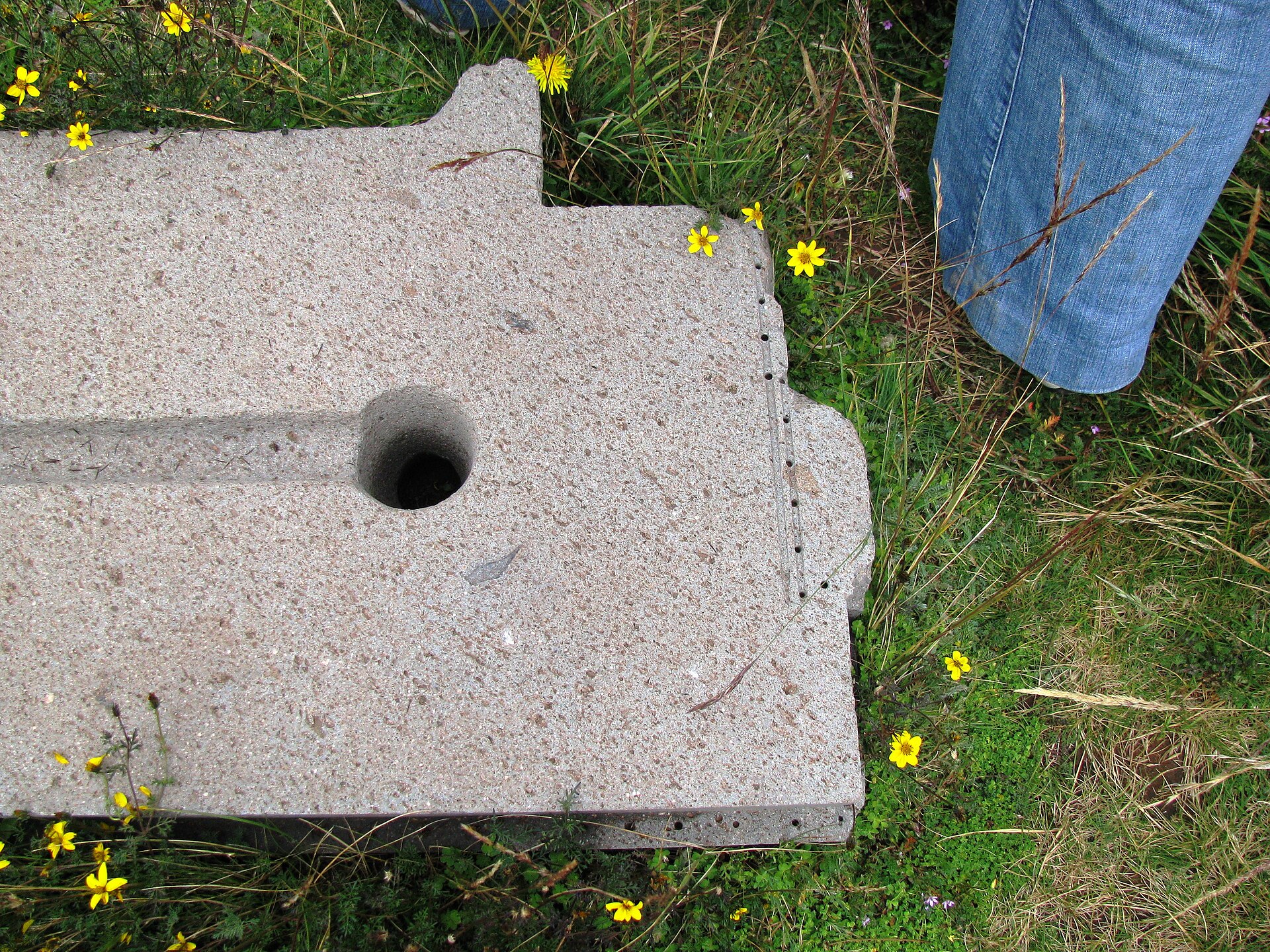
If you look closely, you can spot circular depressions and hollowed features that look suspiciously like the result of drilling or coring. Some appear to be small, regular recesses that could have housed metal or wooden elements, while others look more like part of a complex joint. The surfaces inside some of these features are smoother than you would expect from simple pounding, suggesting a more controlled removal of material. Of course, modern core drills, rotary tools, and diamond bits can make short work of similar shapes in hard rock. But when you restrict yourself to what is archaeologically confirmed at Puma Punku – no steel drill presses, no electric power, no modern abrasives – the path to those clean circular features gets murky. You can imagine sand-and-reed drills or copper-tube drills with abrasive slurry, but replicating the same speed, cleanliness, and uniformity under those constraints remains difficult. Engineers can match the shape in a lab, yet doing it under ancient conditions, at scale, still has not been convincingly reproduced.
5. Inward-Facing, Complex Recesses That Fit Like Puzzle Pieces
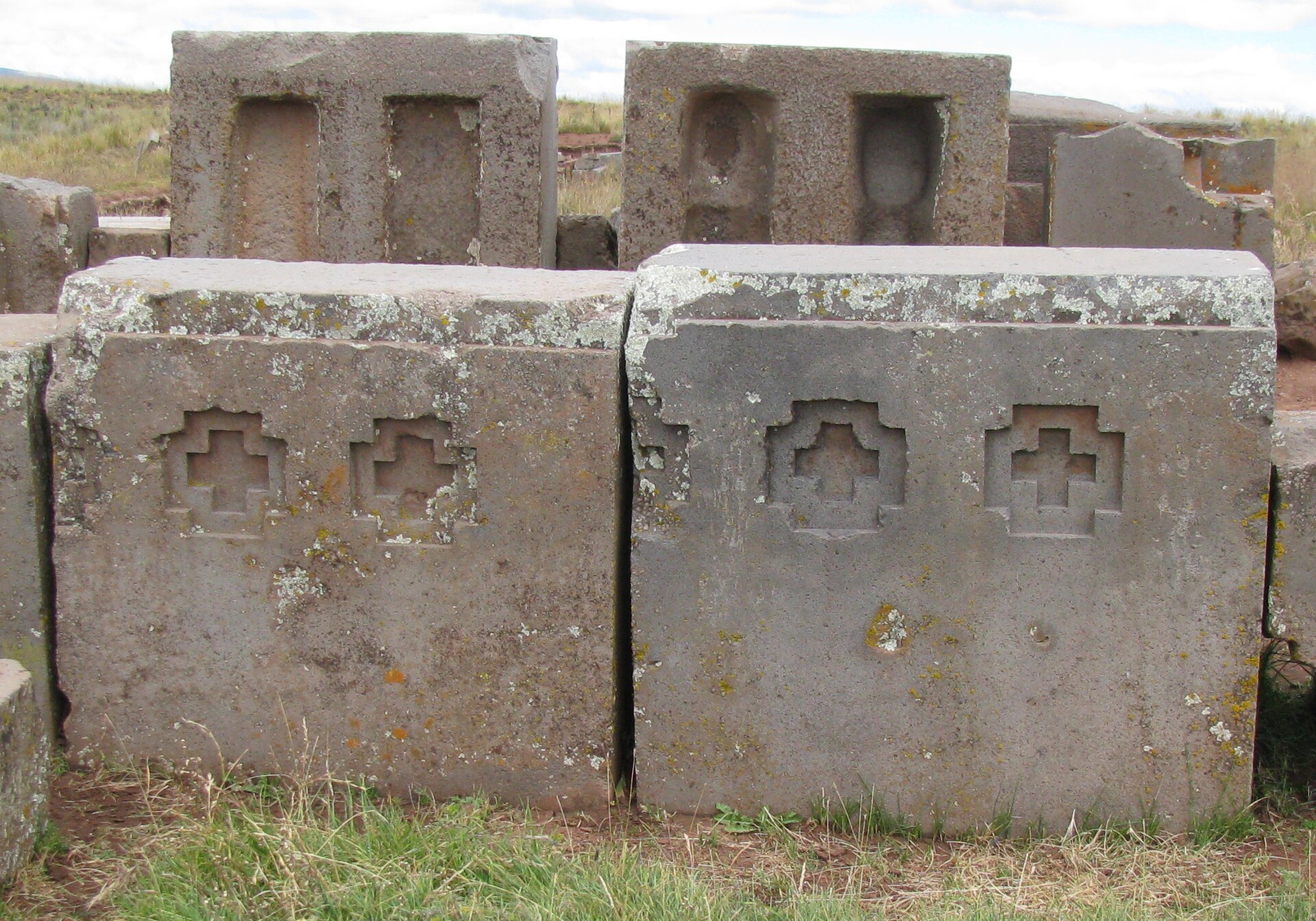
One of the most unsettling things you notice at Puma Punku is not just how the stones look individually, but how they were meant to fit together. Many blocks feature inward-facing recesses, tongues, and sockets that suggest a kind of three-dimensional puzzle. These recesses sometimes have stepped and undercut geometries, as if they were designed for a highly specific structural interlock rather than just stacking stones. In a modern context, you would design such shapes in CAD software, then machine them with multi-axis mills or controlled saws. At Puma Punku, you see tight internal corners and surfaces that look almost machined, but no obvious tooling remains, and the local technology as conventionally understood does not include multi-axis stone milling. Replicating these inward features by hand in hard stone, with the same crisp transitions and internal geometry, is something modern craftspeople can do in principle, but not with the same speed, repeatability, and low tool visibility that the archaeological record seems to imply.
6. Massive Stone Blocks Transported and Shaped With Minimal Visible Tool Marks
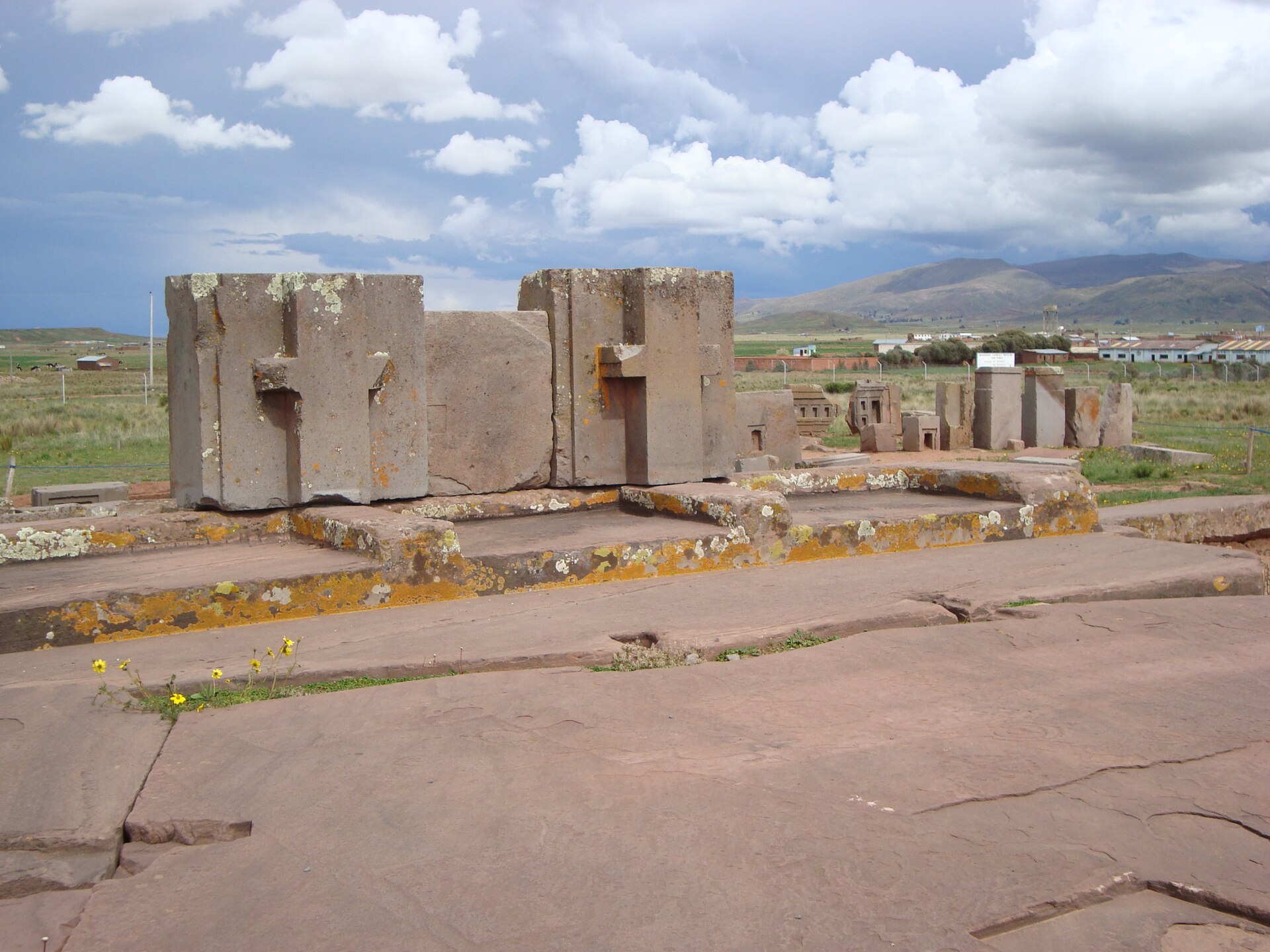
Some of the largest Puma Punku blocks weigh dozens of tons, yet their faces are flat, their corners crisp, and their surfaces comparatively free of scars that would betray the heavy labor it took to move and maneuver them. You are essentially looking at giant, precision-shaped blocks that seem to shrug off the chaotic reality of quarrying, hauling, and positioning stone in a rough landscape. For modern engineers, moving such blocks is not difficult; cranes, trucks, and rail systems handle that all the time. The problem comes when you try to reverse engineer how to do all of that using only the tools and infrastructure you can confidently attribute to the builders. Even when you focus purely on cutting methods, you run into another issue: modern techniques that can rapidly shape andesite at this scale usually leave distinct signatures – saw kerfs, burner marks, or patterned abrasions – that you do not cleanly see here. You can reproduce the shapes with industrial help, but you cannot convincingly replicate both the shaping and the near-absence of obvious high-energy cutting traces in an open-air, ancient environment.
7. Consistent Geometry Across Blocks Despite Weathering, Settlement, and Damage
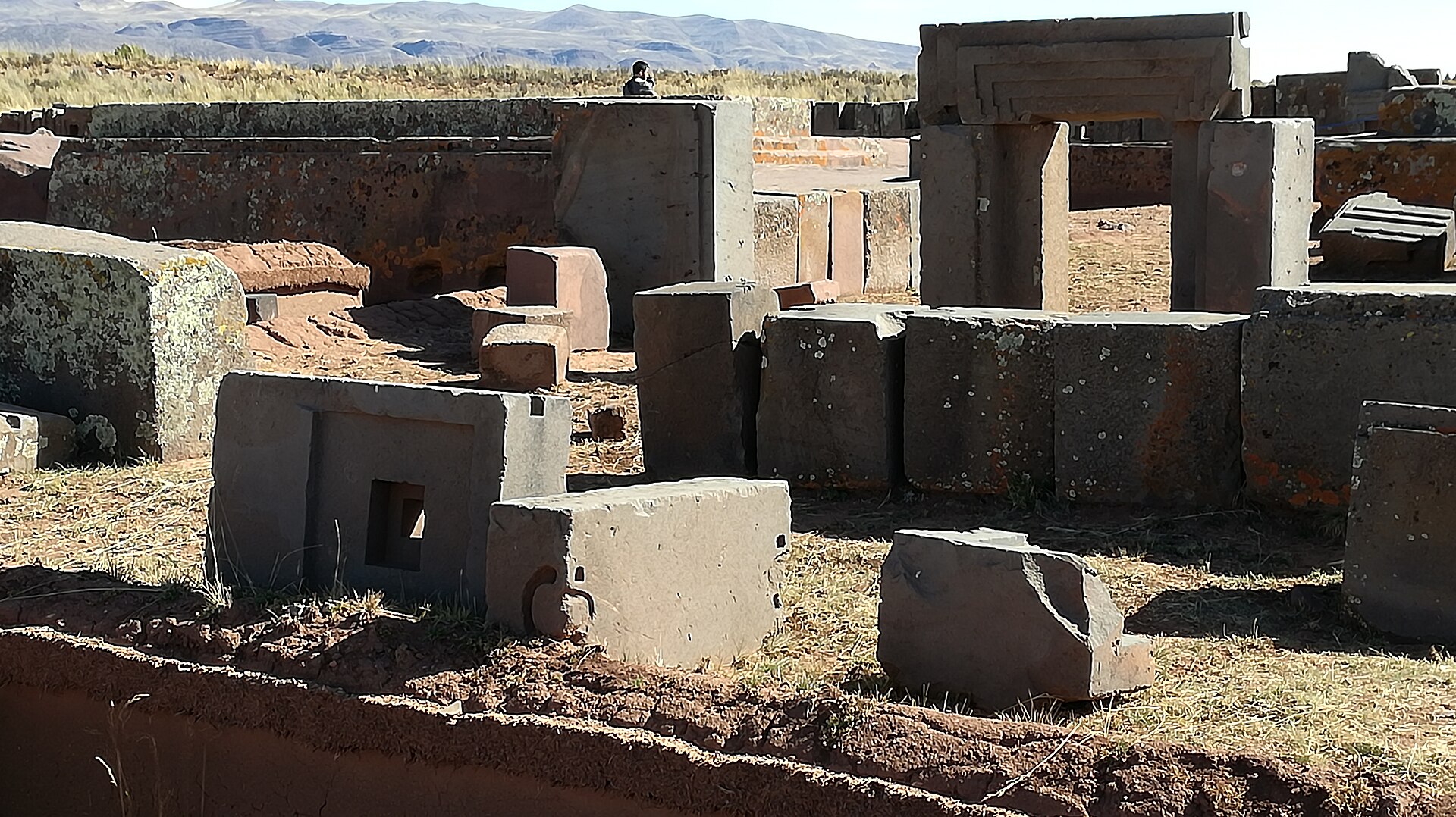
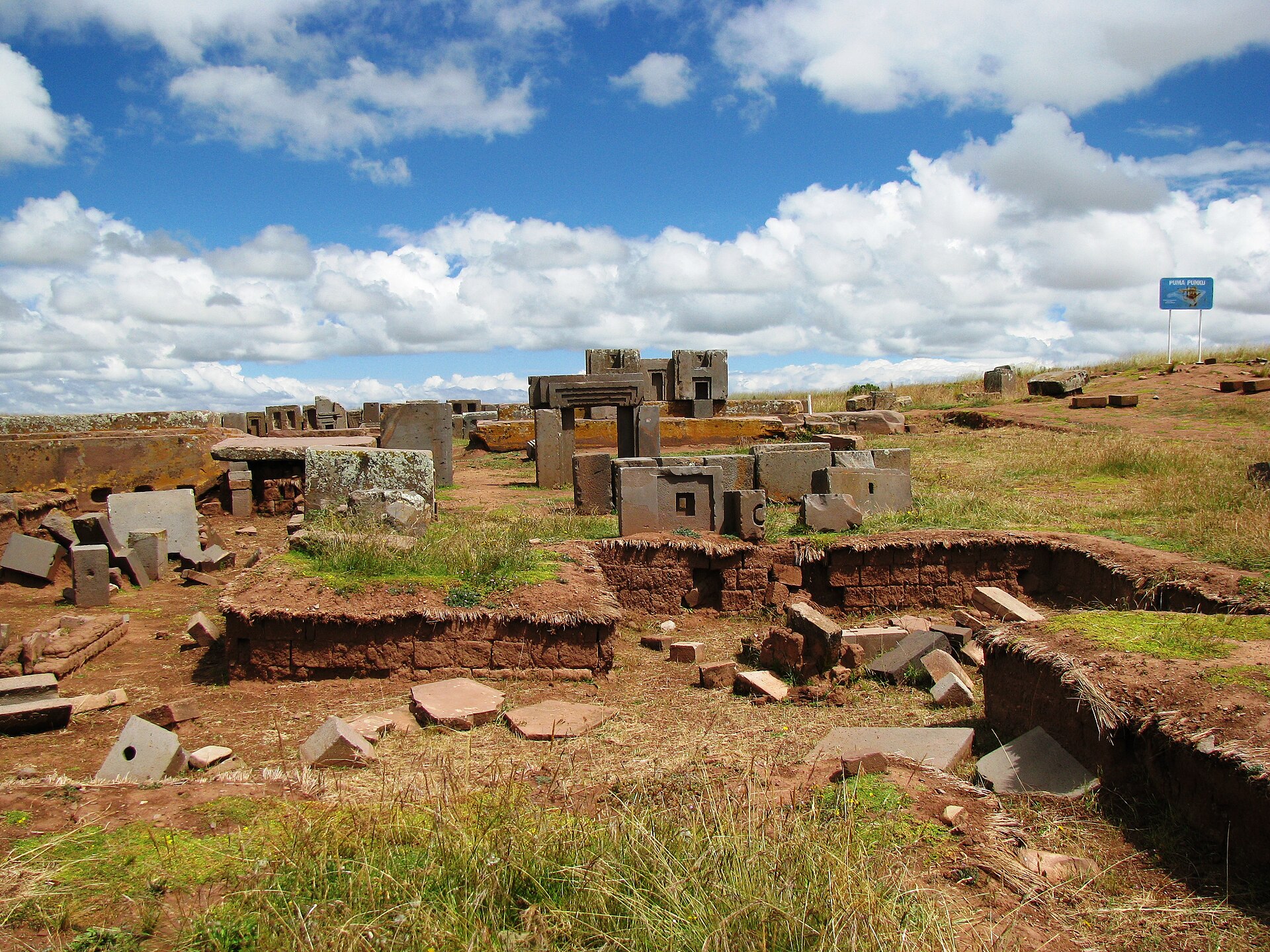
When you visit Puma Punku in person, much of what you see is broken, toppled, or partially buried. And yet, even through centuries of weathering and disruption, you can still trace consistent geometric rules across different blocks: repeated step heights, matching ledge widths, and correctly aligned recesses. This lingering order, visible despite the chaos, is a sign that the original tolerances were even tighter than what you now measure. Engineers can match or surpass those tolerances easily today – but with laser levels, total stations, and standardized, documented systems. At Puma Punku, no such instruments have been found, and nothing like a detailed construction manual survives. When you try to reconstruct how a pre-modern team could have measured, cut, and cross-checked all those stones so they would integrate seamlessly, you quickly realize that even with modern cutting tech in your hands, replicating the entire workflow on site, under ancient constraints, is not something anyone has demonstrably done. The geometry you are left with continues to outpace the simple stories we usually tell about stone-age construction.
Conclusion: Awe, Unanswered Questions, and Responsible Wonder
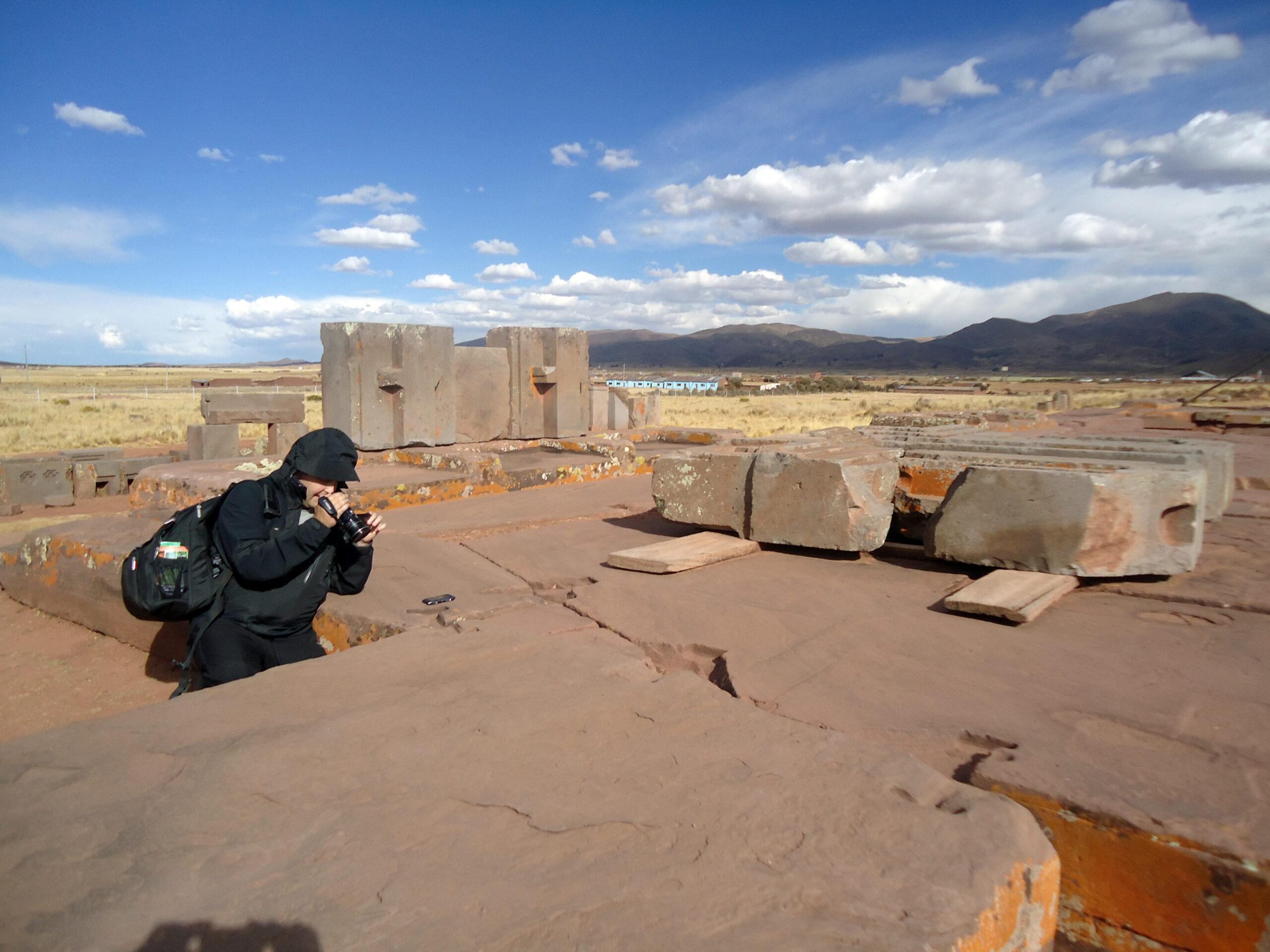
Standing among the ruins of Puma Punku, you are caught between two temptations: to shrug and assume there is nothing unusual here, or to jump straight to wild explanations that outpace the evidence. The truth sits awkwardly in the middle: you are looking at stonework that, in several specific ways, has not yet been convincingly replicated using practical, on-site methods that match what you know of the original culture’s confirmed tools and materials. Modern machines can outdo the shapes easily; modern engineers, constrained to ancient-style conditions, still cannot. That gap should not push you toward fantasy, but it should push you toward humility. You are seeing proof that ancient builders understood stone, measurement, and large-scale planning at a level that still surprises professionals who work with lasers and CAD every day. Maybe the real mystery is not magical technology but how much human skill and ingenuity you still underestimate when you look at the past. When you think about Puma Punku now, do you see just ruins – or a challenge to everything you thought you knew about what people can do with their hands, their minds, and stone?