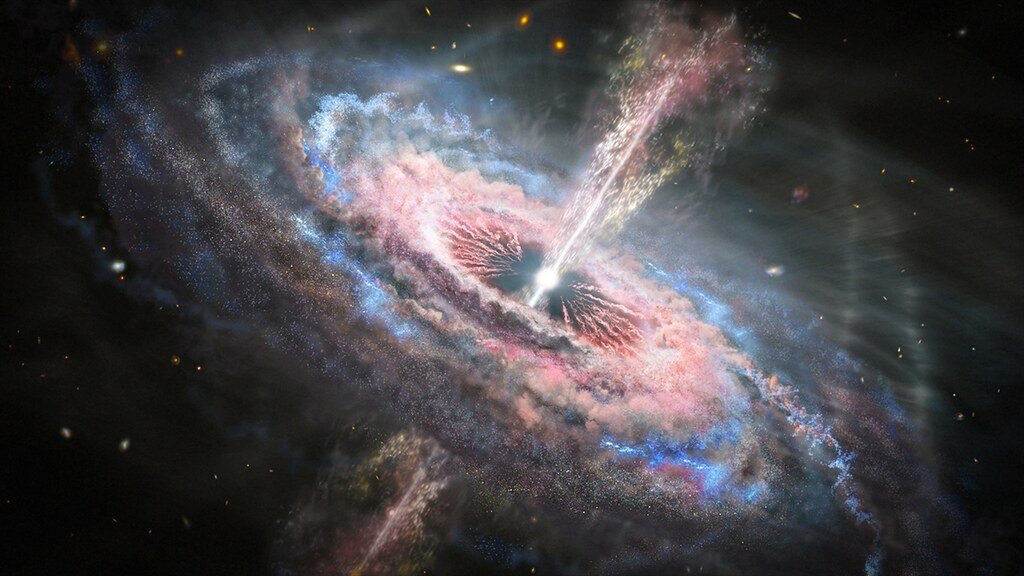

Space has always had a way of making you feel tiny. You look up on a clear night, and somewhere between the wonder and the discomfort, you realize you’re staring at questions that may never have answers. But here’s the thing – over the past few years, those questions have gotten bigger, stranger, and a whole lot more unsettling for the scientific community.
From galaxies that shouldn’t exist to invisible forces reshaping the cosmos, the universe is actively defying our best models. Some of what you’re about to read will rattle your sense of what’s possible. Be surprised by just how much we still don’t know.
1. Dark Matter: The Universe’s Invisible Skeleton
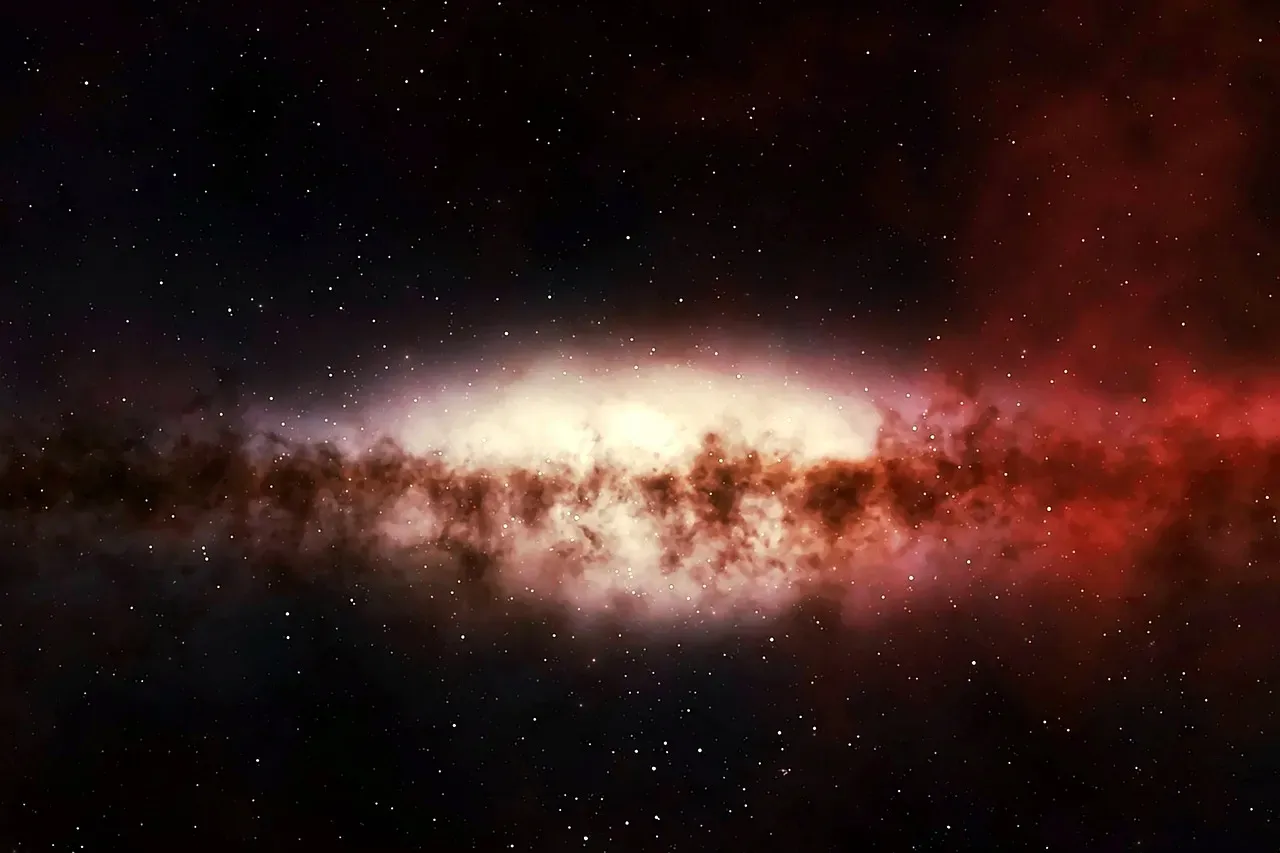
You’d think that after decades of searching, scientists would have at least found one particle of dark matter. They haven’t. Scientists studying the rotation of galaxies realized that visible stars and gas alone cannot account for the gravitational forces holding galaxies together – something invisible, dark matter, must be providing that missing mass. It’s a bit like building an entire skyscraper and realizing later that the steel beams holding it up are completely invisible to every instrument you own.
This invisible substance makes up roughly a quarter of the universe’s total mass-energy, yet it refuses to interact with light in any detectable way. Galaxies would literally fall apart without dark matter’s gravitational scaffolding holding them together. Despite building increasingly sensitive detectors and running countless experiments, scientists haven’t directly caught a single dark matter particle. The leading theories suggest it could be made of undiscovered particles such as WIMPs (Weakly Interacting Massive Particles) or axions. Some even propose it may not exist at all, and instead, our understanding of gravity itself may be incomplete.
2. Dark Energy: The Force Tearing the Universe Apart
If dark matter is the universe’s invisible glue, dark energy is its invisible wrecking ball. This enigmatic force makes up a staggering portion of the universe – roughly two-thirds of everything – and as you look deeper into cosmic expansion, it becomes apparent that galaxies are moving away from each other, indicating the universe is not static but continually growing. Now, here’s what makes this genuinely jaw-dropping: evidence is now piling up to suggest that this mysterious dark energy guiding the evolution of our universe may not be constant over cosmic history, but might actually grow weaker over time.
What scientists do know about dark energy is that it has a gravitationally repulsive effect – the opposite of gravitational pull – and that it’s responsible for the expansion of the universe. But what exactly dark energy is continues to elude scientists, leaving researchers wondering if Einstein got his theory of gravity wrong. Honestly, I think that’s one of the most humbling sentences in all of science. The man who redefined physics may have missed something, and we still don’t know what it is.
3. The Hubble Tension: When the Universe Disagrees With Itself
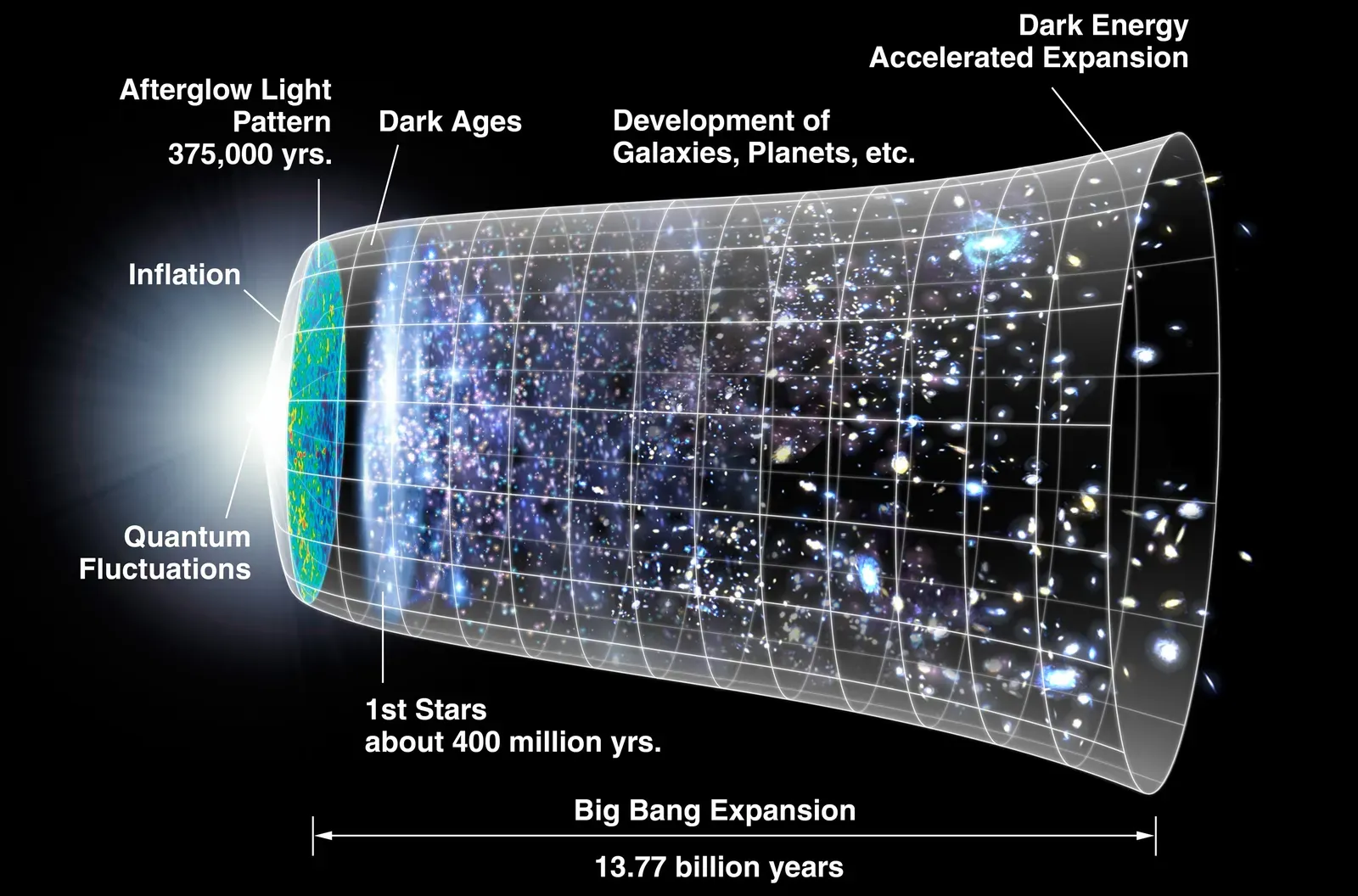
Imagine measuring your own height with two completely different rulers, and both rulers are perfectly calibrated, yet they keep giving you different numbers. That’s essentially the Hubble tension. A recent measurement confirms what previous and highly debated results had shown: the universe is expanding faster than predicted by theoretical models, and faster than can be explained by our current understanding of physics. This discrepancy between model and data became known as the Hubble tension.
If the Hubble tension cannot be explained by measurement error, it implies that the standard model of cosmology is broken or incomplete. This would require new physics – such as new particles, modified gravity, or a more complex understanding of dark energy. A team of cosmologists in China has introduced a mathematical framework that investigates two of the deepest mysteries in cosmology at the same time, suggesting their work could pave the way for vital corrections to the current cosmological model, alongside a long-awaited resolution to the Hubble tension. It’s hard to say for sure whether any of these solutions will stick, but the very fact that cosmology’s most fundamental number is in dispute tells you everything about how young this science still is.
4. Fast Radio Bursts: Millisecond Screams From Across the Cosmos
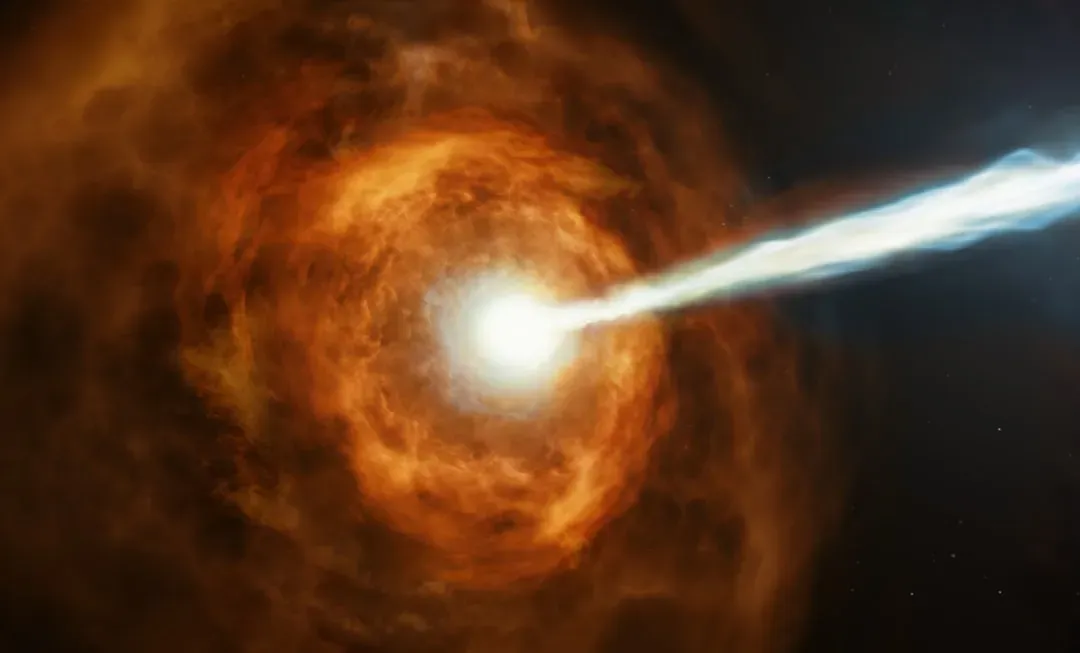
Picture a burst of energy so intense that it releases more power in a single millisecond than the Sun produces in an entire day – and it vanishes before you can even blink. That’s a fast radio burst. In radio astronomy, a fast radio burst is a transient radio wave of extremely short duration, caused by a high-energy astrophysical process that is not yet understood. Astronomers estimate the average FRB releases as much energy in a millisecond as the Sun puts out in three days.
Astronomers have spotted the brightest fast radio burst yet coming from a nearby galaxy. Observations of this phenomenon – a powerful flash of radio waves that lasts only about a millisecond – could shed light on one of the most mysterious cosmic phenomena ever studied. Fast radio bursts were first discovered in 2007, but their exact sources remain unknown. Since their identification, astronomers have been tracing the bursts’ origin in the hopes of gathering clues about what unleashes them. This discovery tells researchers that perhaps not all FRBs come from young stars, and that maybe there are multiple ways these signals are produced, with a possible subpopulation coming from older systems.
5. Supermassive Black Holes That Shouldn’t Exist Yet
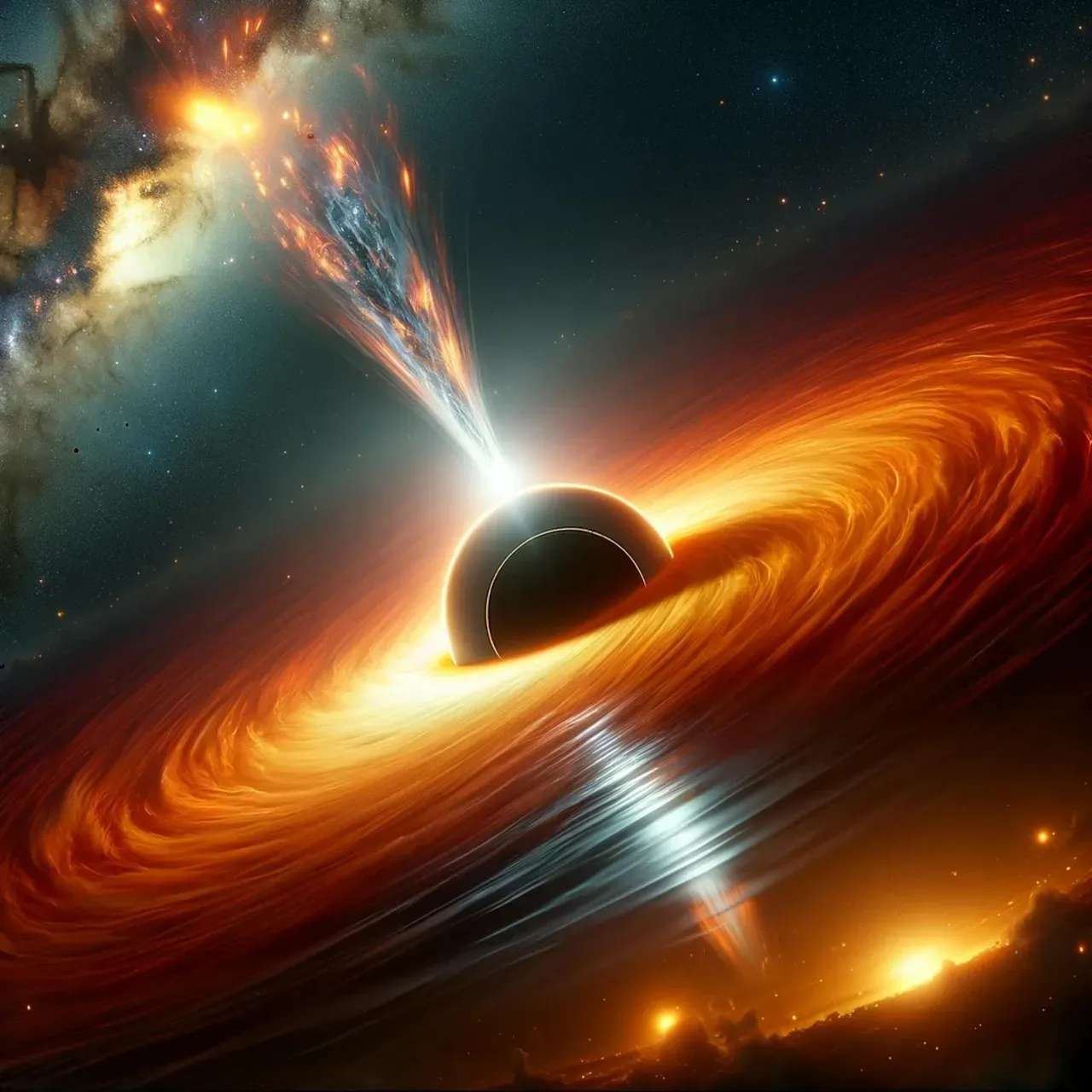
Here’s a cosmic riddle that keeps astronomers up at night: how do you grow something enormous when you haven’t had enough time to do it? In 2025, astronomers made an astounding discovery: they found a supermassive black hole that was born only 500 million years after the Big Bang. The black hole sits at the centre of a galaxy named CAPERS-LRD-z9 and is estimated to weigh up to 300 million times the mass of our sun. The discovery raised serious questions about the formation of supermassive black holes.
Part of a class of small, very distant galaxies that have mystified astronomers, certain early-universe objects represent vital pieces of a puzzle that challenges existing theories about the formation of galaxies and black holes. The discovery connects early black holes with the luminous quasars we observe today. How the most distant quasars grow their supermassive black holes to enormous masses so early in the history of the universe remains one of the great puzzles of modern physics. There’s also the black hole information paradox: if black holes can evaporate away, what happens to the information stored in them? This appears to be an issue because the laws of quantum mechanics do not allow for the destruction of information.
6. Gravitational Waves: Ripples That Rewrote Astronomy
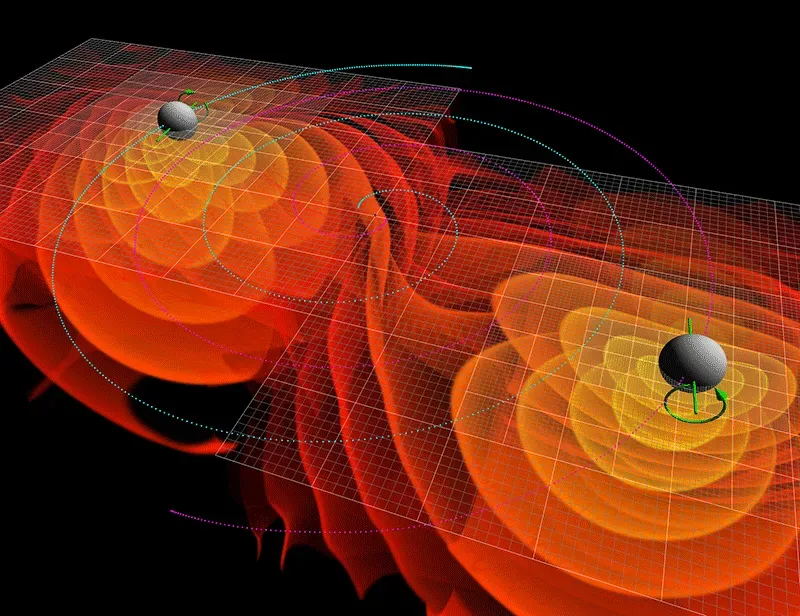
Imagine standing on a dock, and far away, two incomprehensibly massive objects collide and send ripples across the entire fabric of space and time – and those ripples pass right through you without you feeling a thing. Gravitational waves are distortions in spacetime itself, carrying information about the universe’s most violent events, traveling unimpeded through matter that would block any form of light. Since their first detection in 2015, these ripples from merging black holes and neutron stars have opened an entirely new window for studying the cosmos.
In January 2025, scientists heard two black holes merging to form a gigantic cosmic object. Using the Laser Interferometer Gravitational-wave Observatory (LIGO), they found evidence for a theory proposed by Stephen Hawking over 50 years ago. LIGO witnessed two black holes merging to form a black hole significantly bigger than the two colliding objects – before the merger the combined surface area was 243,000 square kilometres, and the new black hole had a surface area of 400,000 square km. Yet many questions persist about the population and formation of these extreme binary systems, and scientists still haven’t detected the expected background hum of gravitational waves from countless unresolved sources. Future space-based detectors promise to reveal supermassive black hole mergers and potentially exotic phenomena that current Earth-based instruments cannot sense.
7. The Universe’s Accelerating Expansion: A Runaway Cosmos
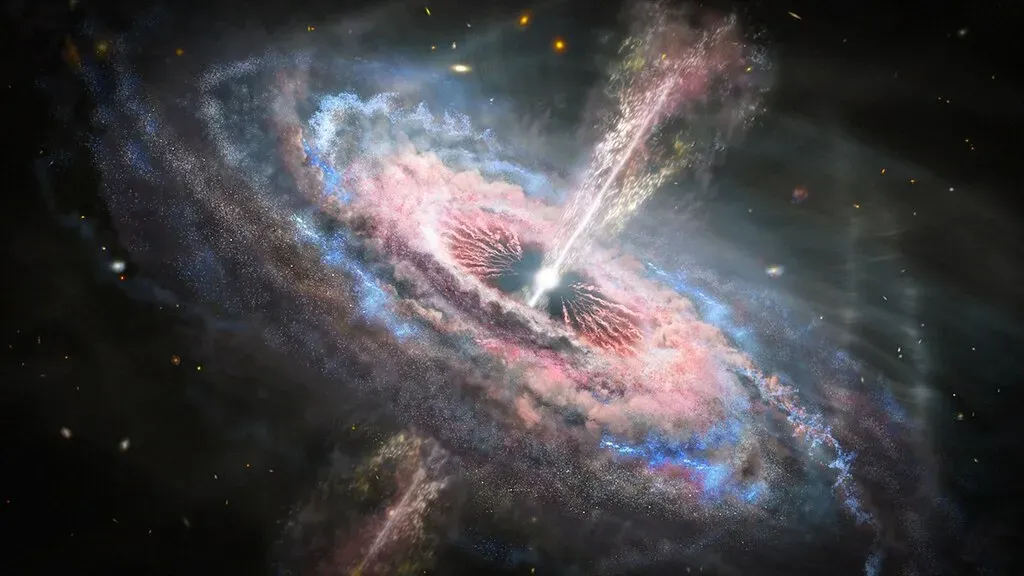
Let’s be real – the universe expanding is weird enough. The universe expanding faster and faster? That’s the kind of thing that makes perfectly reasonable physicists question everything they’ve built. Recent observations from advanced space telescopes have provided clearer data on distant galaxies, revealing that the universe is not only expanding but doing so at an accelerating rate. This acceleration has led to a reevaluation of the forces at play, particularly the enigmatic role of dark energy. Researchers have begun exploring various models to explain this acceleration, including modifications to Einstein’s theory of general relativity and alternative theories that incorporate additional dimensions or fields.
Results from multiple research teams show clear evidence for the dynamic evolution of dark energy over cosmic history – and the persistent Hubble tension, unresolved by existing theoretical extensions, points to a deeper challenge in cosmology. The implications of these findings are profound, suggesting that our understanding of gravity and cosmic evolution may need to be fundamentally rethought. Think about what that means – the framework Einstein gave us, the one that predicted black holes and GPS systems and the bending of light, may be incomplete at the grandest scales. That’s not a failure. That’s science doing exactly what it should.
A Universe Full of Questions Worth Asking
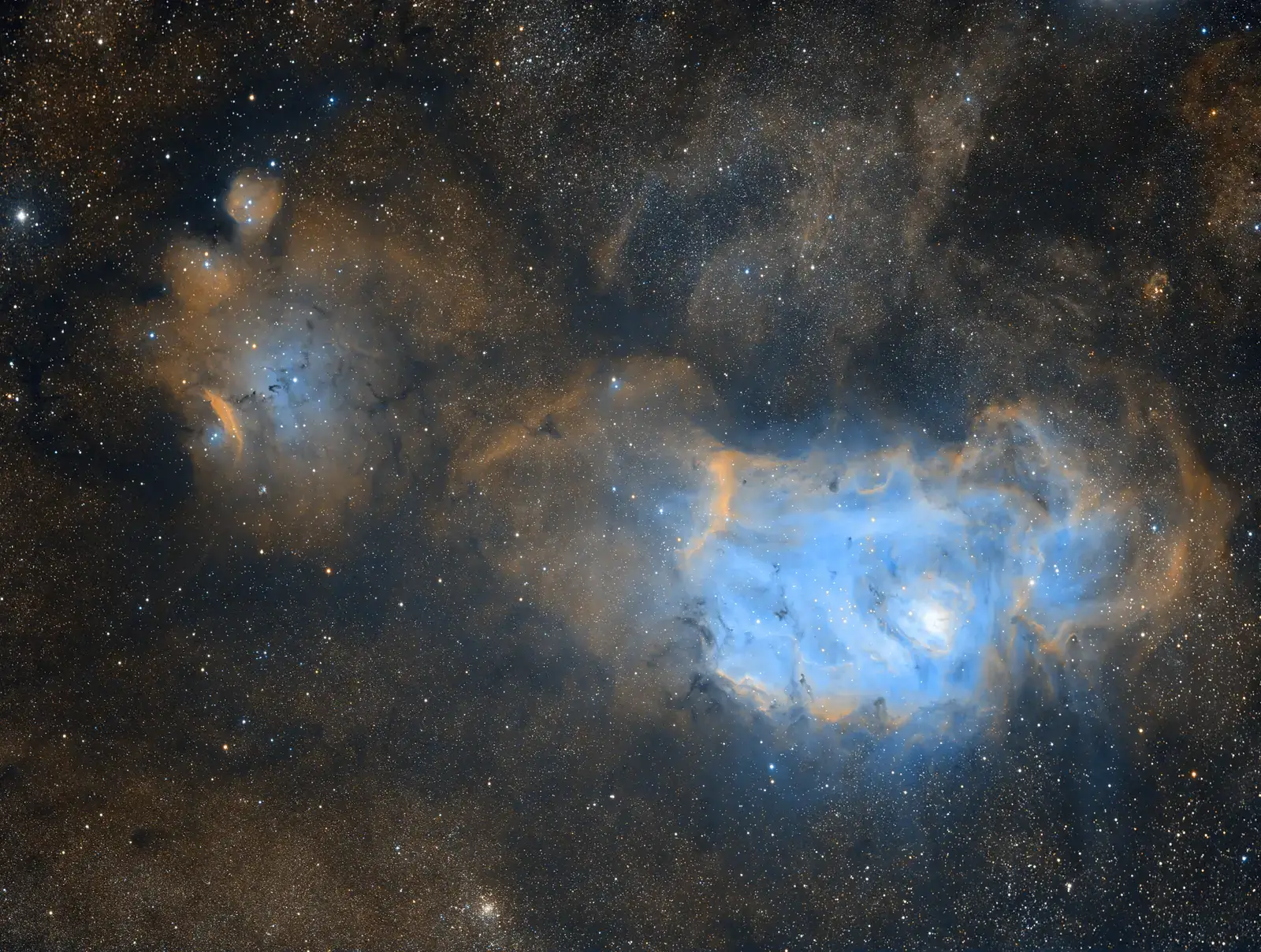
What you’ve just read isn’t a list of failures. It’s a list of frontiers. Every single one of these cosmic wonders represents a place where human curiosity has outpaced human knowledge, and there’s something deeply exciting about that. Every unsolved question is a reminder that science is a journey, not a destination. The universe is richer, stranger, and more wondrous than we can yet imagine.
From invisible dark matter scaffolding to millisecond screams from across billions of light-years, the universe seems almost designed to confound us. These cosmic mysteries remind us that despite our technological advances, the universe still holds countless secrets waiting to be unlocked. Each phenomenon challenges our current understanding and pushes the boundaries of what we thought possible in space. The cosmos continues to humble us with its complexity, ensuring that astronomy will never lack for fascinating questions to explore.
We are standing at the edge of a map, peering into the blank spaces that read “here be dragons.” The dragons are real. We just haven’t named them yet. Which of these seven wonders surprised you the most? Tell us in the comments – we’d love to know.