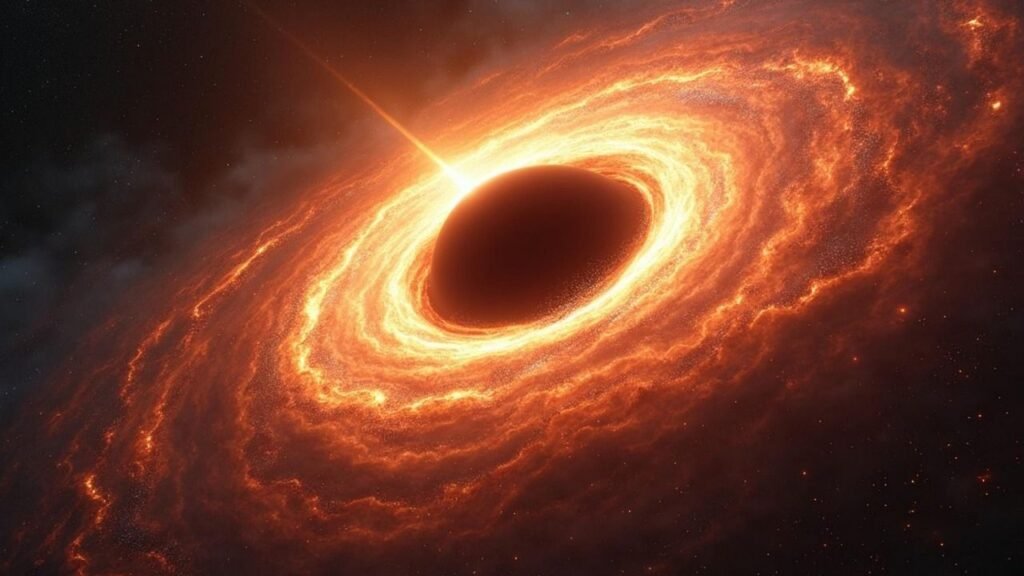

The universe has always been full of surprises. Just when we think we have it all figured out, something happens that makes us question everything we thought we knew. Right now, we’re living through a golden age of astronomical discovery where powerful new instruments and advanced detection technologies are revealing phenomena that challenge the very foundations of physics and cosmology.
You might think of space as this vast, unchanging emptiness, but here’s the thing: it’s actually buzzing with activity. From mysterious bursts of energy traveling billions of light years to colliding giants that warp the fabric of reality itself, these cosmic events aren’t just beautiful, they’re telling us stories about how our universe actually works. Let’s dive into seven of the most mind-bending cosmic events that scientists are studying right now.
Gravitational Wave Discoveries Revealing Dark Matter’s Hiding Spots
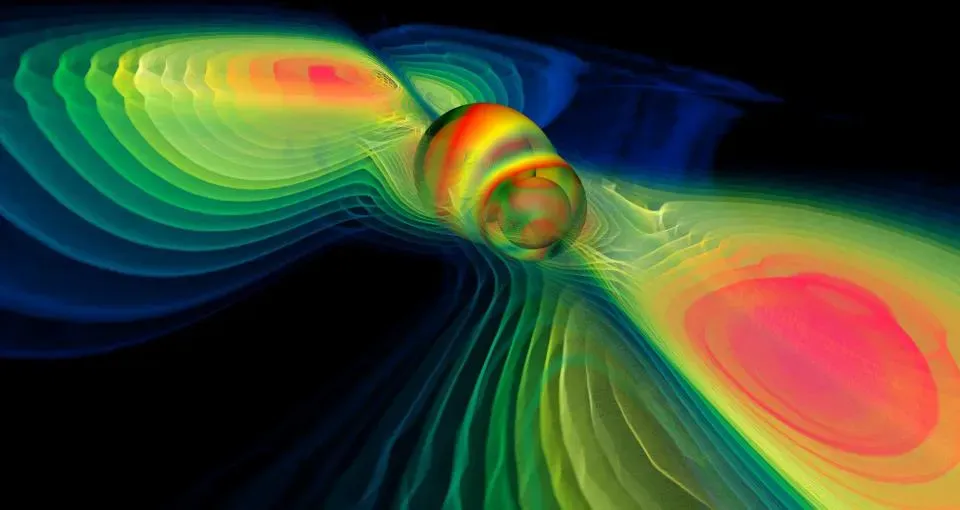
Gravitational waves might carry hidden clues about dark matter near massive black holes, according to new research showing that these ripples in spacetime could offer a way to detect dark matter and learn more about its behavior. Think about that for a moment. We’ve been searching for dark matter for decades using every conceivable method, yet the answer might be hidden in the waves produced when black holes collide.
A recent study shows how gravitational waves from black holes can reveal the presence of dark matter and help determine its properties, with particular focus on dense concentrations of dark matter called “spikes” or “mounds” that may form around massive black holes. Future space missions like the European Space Agency’s LISA space antenna, planned for launch in 2035, are expected to record these signals for months or years, tracking hundreds of thousands to millions of orbital cycles to reveal how dark matter is distributed in the immediate surroundings of massive black holes. The implications are staggering because roughly twenty-seven percent of our universe is made up of this mysterious stuff we can’t see.
Fast Radio Bursts Mapping the Universe’s Hidden Matter
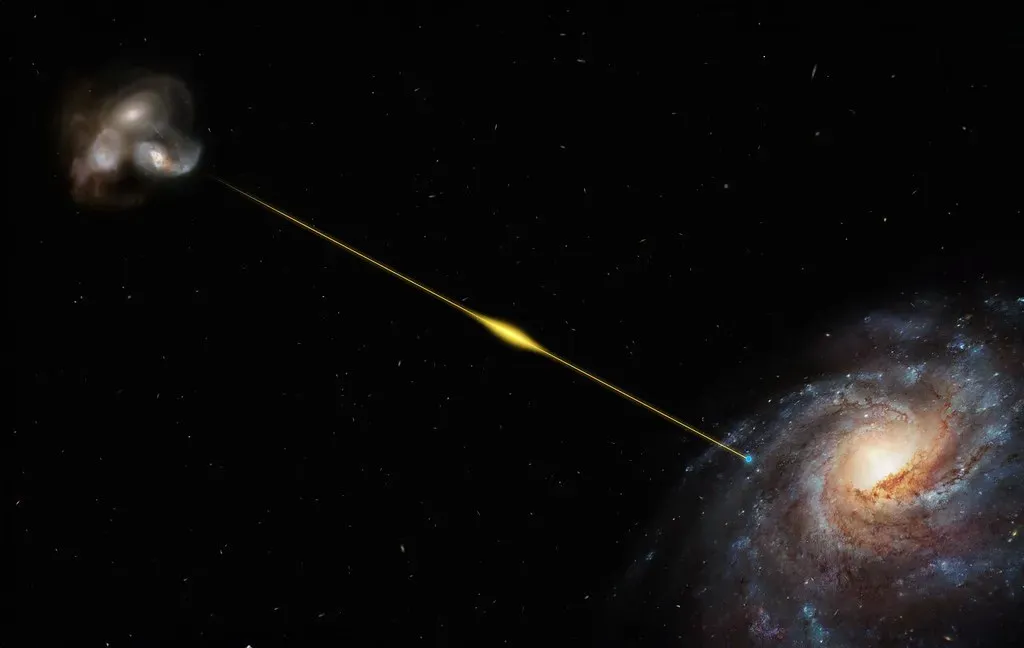
Fast radio bursts are transient radio waves lasting from a fraction of a millisecond to 3 seconds, caused by high-energy astrophysical processes that aren’t yet understood, with astronomers estimating the average FRB releases as much energy in a millisecond as the Sun puts out in three days. Honestly, these things are absolutely wild when you stop to consider what they represent.
The first FRB found outside a dead galaxy is also the farthest from the galaxy it’s associated with, and its location is surprising, raising questions about how such energetic events can occur in regions where no new stars are forming. Fast radio bursts have led to a full accounting of baryonic matter showing that seventy-six percent is in warm intergalactic clouds, fifteen percent is cold gas in and around galaxies, and just nine percent makes up all the stars and planets. That missing matter problem? Basically solved thanks to these bizarre cosmic flashes.
James Webb’s Revelations About the Early Universe
The James Webb Space Telescope has confirmed a bright galaxy that existed 280 million years after the big bang, with the newly confirmed galaxy holding intriguing clues to the universe’s historical timeline and revealing just how different a place the early universe was than astronomers expected. Let’s be real here. Every time Webb sends back data, it seems to contradict something we thought we knew for sure.
MoM-z14 is one of a growing group of surprisingly bright galaxies in the early universe that are 100 times more than theoretical studies predicted before the launch of Webb, according to the research team, creating a growing chasm between theory and observation related to the early universe. A newly discovered system dubbed “JWST’s Quintet” shows multiple galaxies interacting within a compact region of space, and what makes this remarkable is that a merger involving such a large number of galaxies was not expected so early in the universe’s history. Galaxies shouldn’t have been this organized this quickly. Yet there they are.
Supermassive Black Holes Forming Without Stars
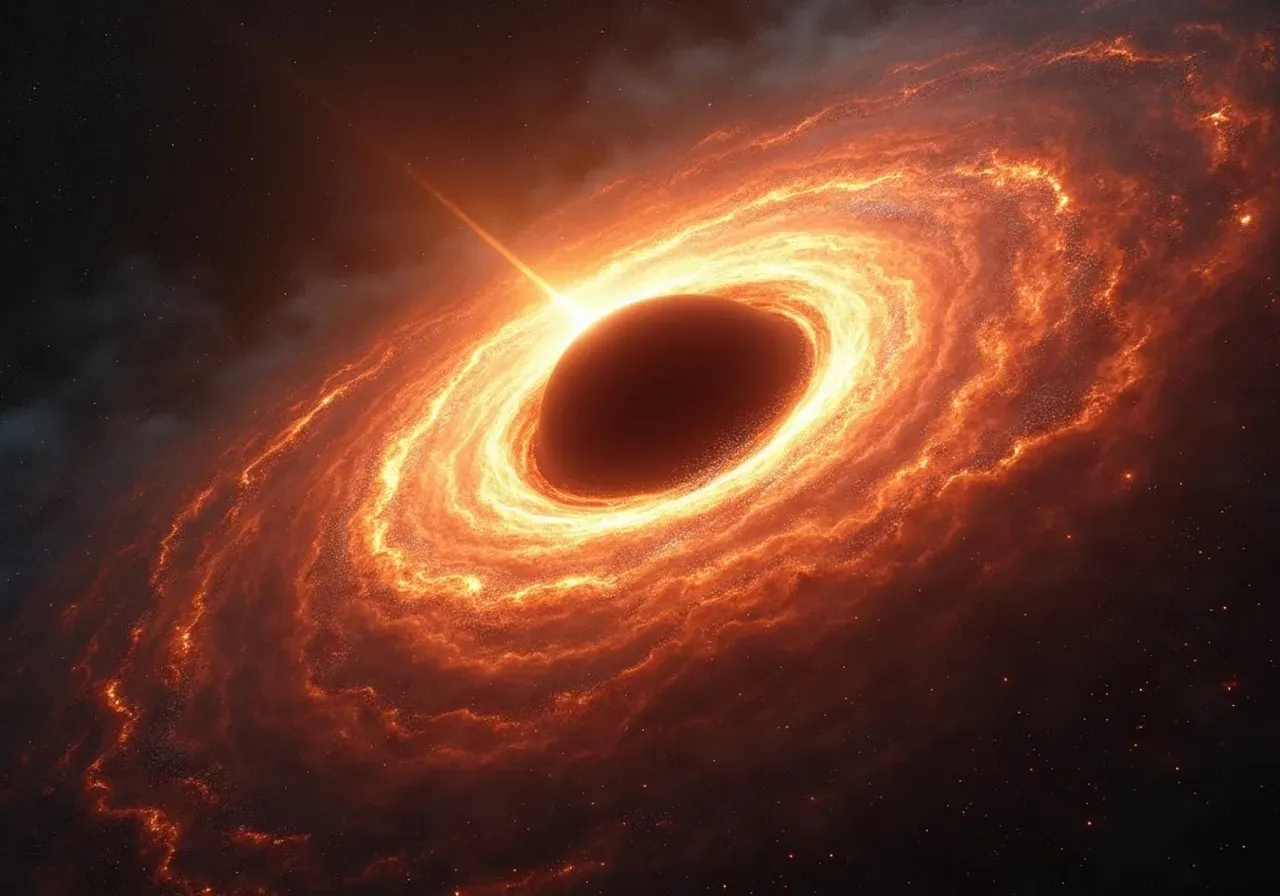
Recent James Webb Space Telescope data confirms a decade-old theory that the universe’s earliest supermassive black holes formed without stars. This is where things get really interesting, because for years we assumed all black holes had to come from collapsing stars. Turns out, nature had other ideas.
Evidence has been presented for an active black hole in the galaxy GHZ2 at roughly twelve billion years after the beginning, less than 400 million years after the Big Bang, the most distant black hole identified to date, further challenging standard accretion limits and supporting rapid formation mechanisms. Starting from unusually large “seeds” helps resolve the timing problem posed by the existence of billion-solar-mass black holes less than a billion years after the universe formed, with such a system being an “overmassive black hole galaxy whose light is dominated not by stars but by a black hole growing in its center.” These aren’t your garden-variety black holes either. They’re absolute monsters.
The Most Massive Black Hole Collisions Ever Detected
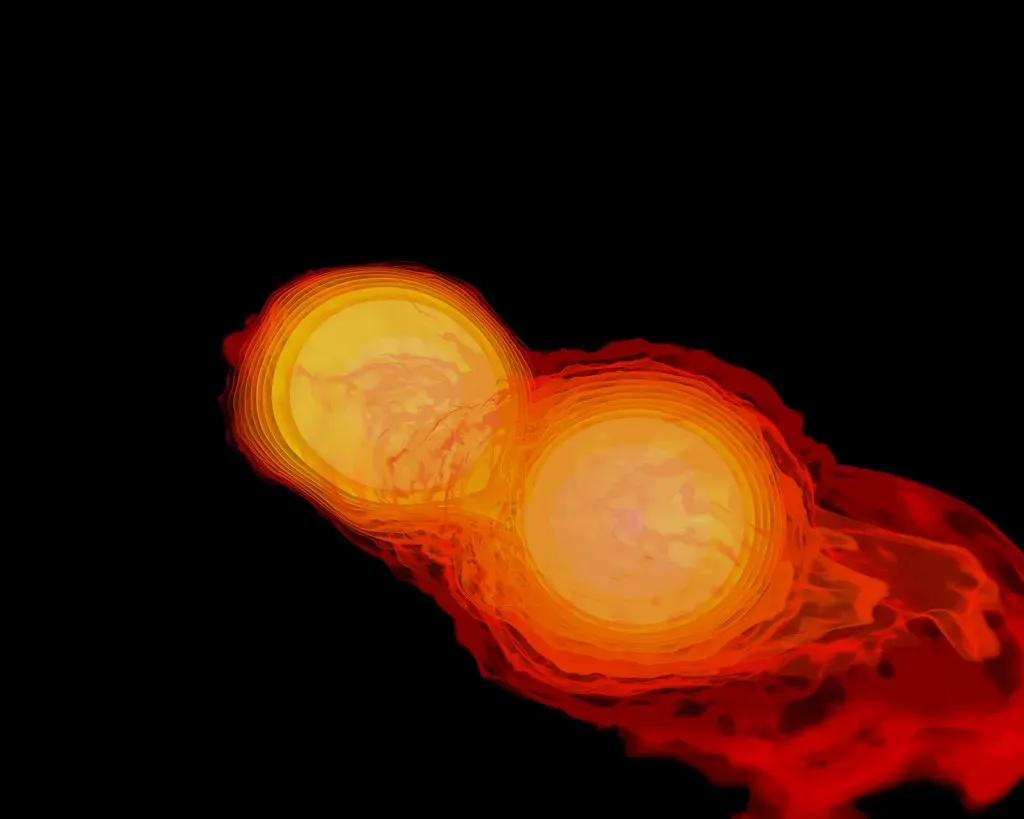
A collision observed between two black holes, each more massive than a hundred suns, is the largest merger of its kind ever recorded, with the event dubbed GW231123 detected when LIGO observed faint ripples in space-time produced by two black holes slamming into each other. The sheer violence of these collisions is almost impossible to comprehend. We’re talking about objects so dense that nothing, not even light, can escape them.
Both events have one black hole that is significantly more massive than the other and rapidly spinning, providing tantalizing evidence that these black holes were formed from previous black hole mergers. A natural explanation for these peculiarities is that the black holes are the result of earlier coalescences, a process called hierarchical merger suggesting that these systems formed in dense environments like star clusters where black holes are more likely to run into each other and merge again and again. It’s like cosmic billiards on an unimaginable scale.
Dark Energy’s Evolution Across Cosmic Time
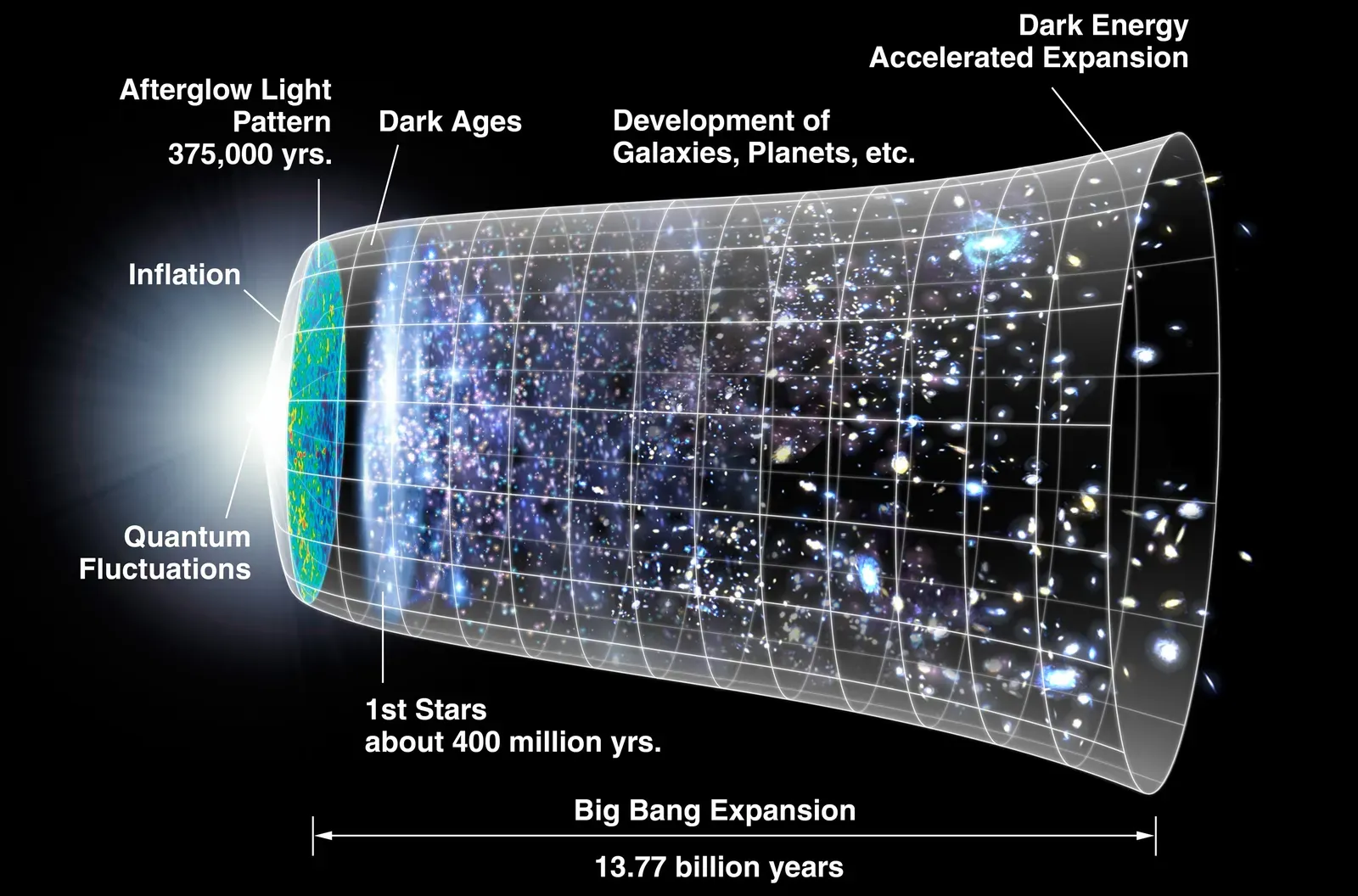
The universe consists of approximately seventy percent dark energy, twenty-five percent dark matter, and five percent ordinary atoms, with dark energy driving the accelerated expansion of the universe, a phenomenon confirmed by observations and surveys. Most of everything that exists is stuff we can’t directly see or touch. Let that sink in for a moment.
While current data are consistent with a cosmological constant, recent results hint that dark energy may evolve over time, a question future surveys aim to resolve. New observations reveal that the relationship between ultraviolet and X-ray light in quasars has changed over billions of years, with this unexpected shift suggesting the structure around supermassive black holes has changed. If dark energy is changing, that fundamentally alters our understanding of the universe’s fate. We might not know how this story ends after all.
Nancy Grace Roman Telescope’s Upcoming Dark Matter Hunt

NASA’s Nancy Grace Roman Space Telescope may launch later in the year and start its mission to study large-scale cosmic structures to help clarify the still-mysterious nature of dark matter and dark energy, and it will hunt for dark matter and dark energy, survey billions of galaxies and trace how cosmic structure evolved over time. This isn’t just another telescope. It’s a game-changer.
Its 300-megapixel camera can capture regions of sky about 100 times larger than the Hubble Space Telescope’s field of view while maintaining comparable sharpness, like switching from studying individual tiles to surveying the entire mosaic at once. Together with the new Vera C. Rubin Observatory on the ground, the Roman, PLATO and Xuntian space telescopes will study the cosmos not just as it is but as it evolves. What discoveries await us when these instruments come online? Nobody knows for sure, but one thing’s certain: we’re about to learn a whole lot more about the invisible forces shaping everything we see.
Conclusion
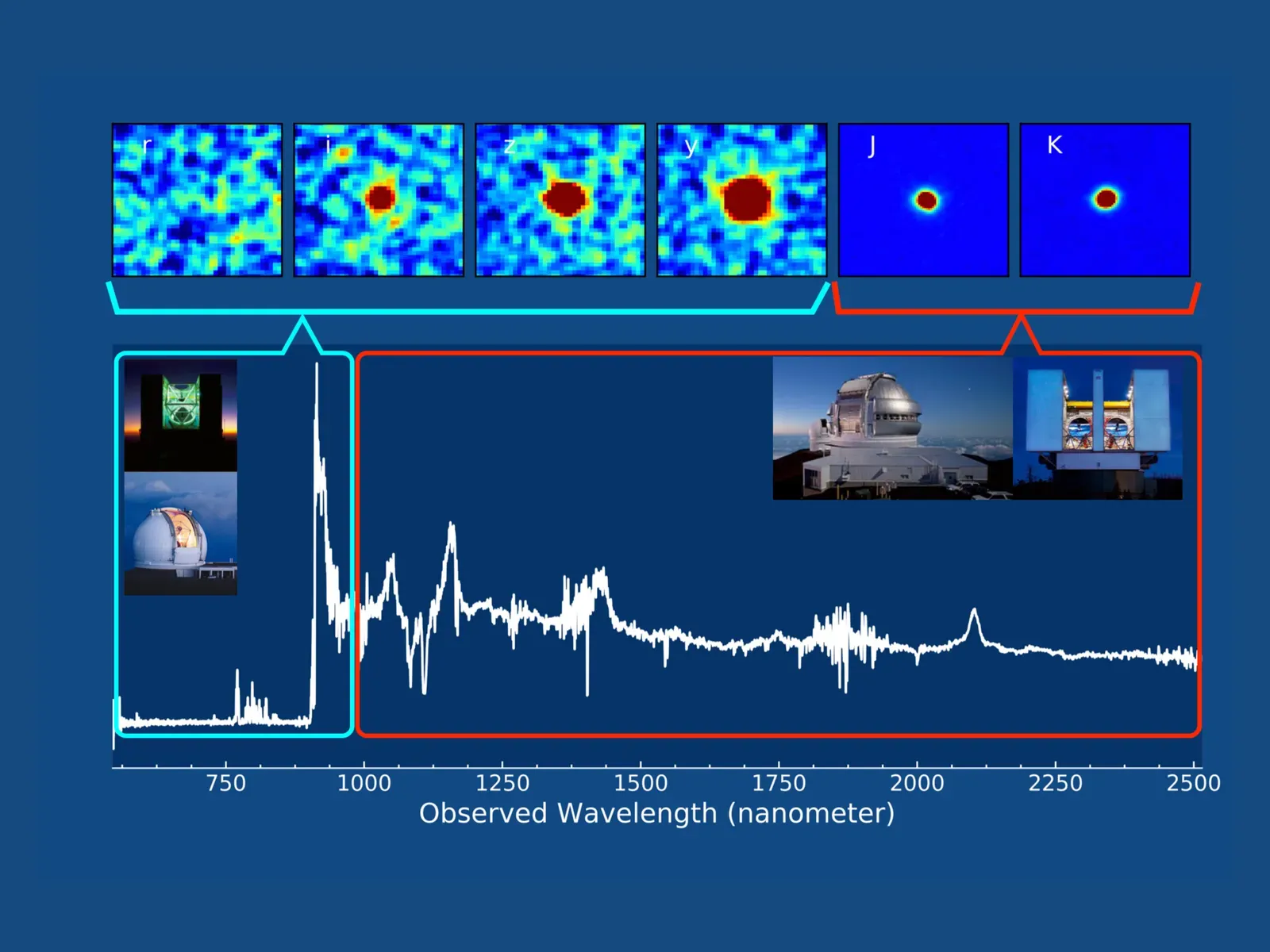
The universe isn’t done surprising us. Each of these cosmic events represents a puzzle piece that could completely reshape how we understand reality itself. From dark matter signatures hiding in gravitational waves to galaxies that shouldn’t exist appearing in the early universe, we’re witnessing discoveries that would have seemed like science fiction just a decade ago.
What’s truly exciting is that we’re still in the early stages of this revolution in astronomy. With new telescopes launching and improved detection methods coming online, the next few years promise even more discoveries that will challenge everything we think we know. Are you ready to have your mind blown by what the universe reveals next?