
Not that long ago, it felt like America was quietly saying goodbye to some of its most iconic animals. Bald eagles were disappearing under clouds of toxic pesticides, wolves were ghosts in their own historic ranges, and sea turtles were washing ashore tangled in human trash. If you grew up seeing these species only in old photos or school posters, you might’ve assumed they were just part of a fading past.
But that’s not the whole story. Across the United States, a mix of stubborn scientists, tribal nations, local communities, and even hunters and farmers have pushed back against that quiet loss. Laws were changed, habitats were restored, and some risky, controversial experiments were tried. The results? In a surprising number of cases, animals that seemed doomed just a few decades ago are now clawing, flying, and swimming their way back. Let’s look at seven of the most powerful examples.
Bald Eagles: From National Symbol on the Brink to Sky-Filling Comeback
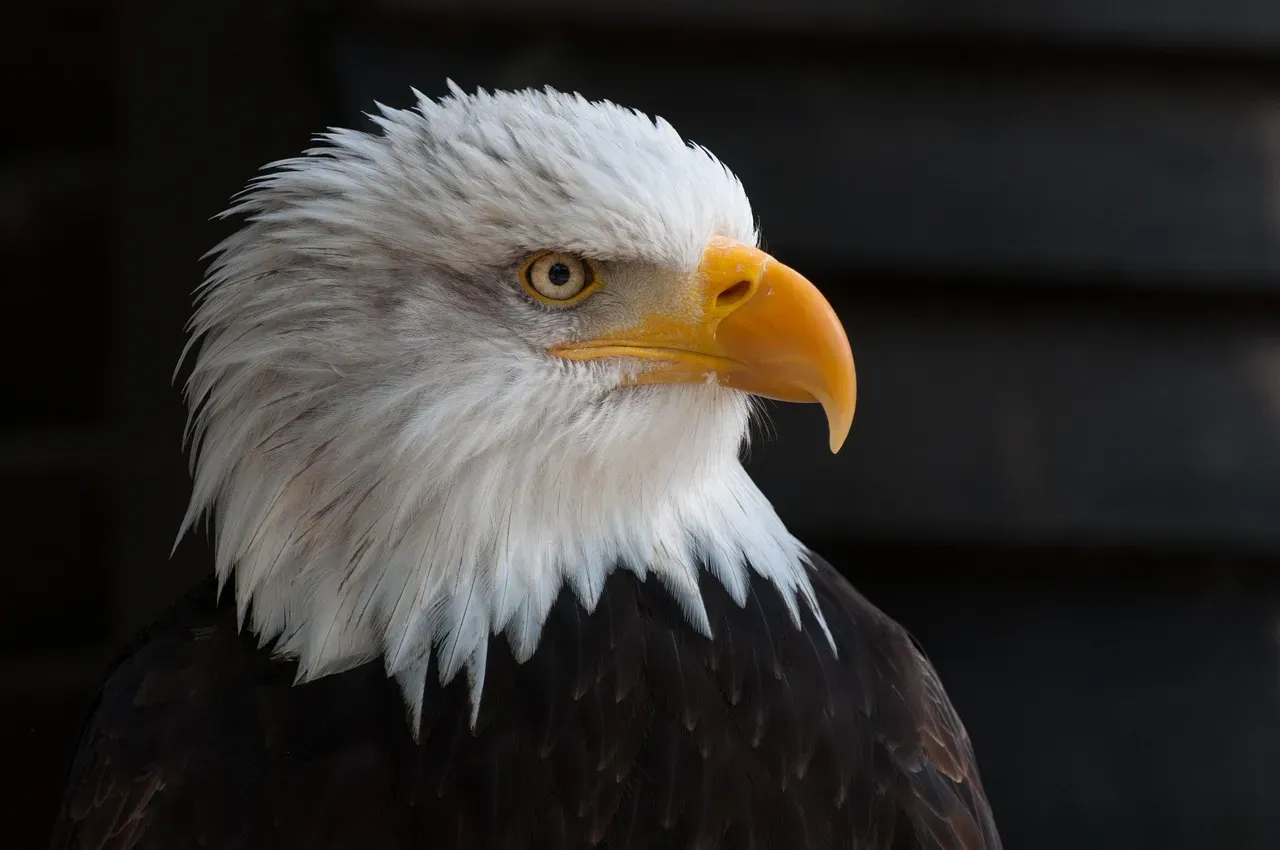
Imagine a national symbol so threatened that it was almost gone in the wild; that was the bald eagle’s reality in the mid-twentieth century. Widespread use of the pesticide DDT thinned their eggshells, so eggs broke under the parents’ own weight, and breeding success crashed. By the early nineteen sixties, only a few hundred nesting pairs were documented across the entire lower forty-eight states, a shock for a bird that once dominated North American skies.
The turnaround began when DDT was banned nationally in the early nineteen seventies and the bald eagle was protected under the Endangered Species Act. Biologists climbed tall trees and power poles to relocate chicks, built artificial nests, and even used helicopters and boats to monitor breeding success. Over the decades, as lakes and rivers slowly cleaned up and pesticides faded from the food chain, eagle numbers climbed sharply. Today, bald eagles nest in nearly every US state except Hawaii, and their removal from the federal endangered list is often held up as one of the clearest proof points that tough environmental laws can actually work.
Gray Wolves in the Northern Rockies: A Controversial Revival
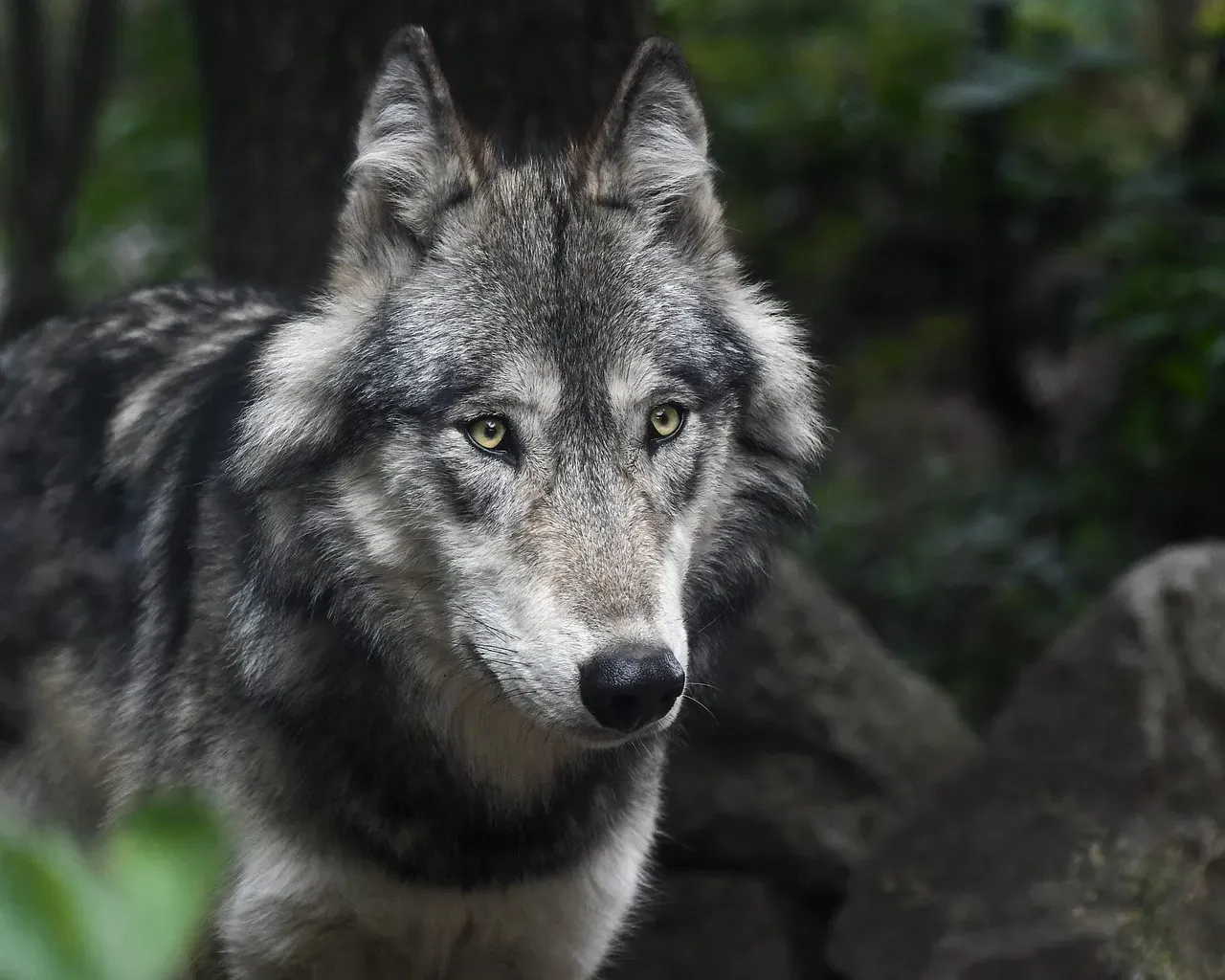
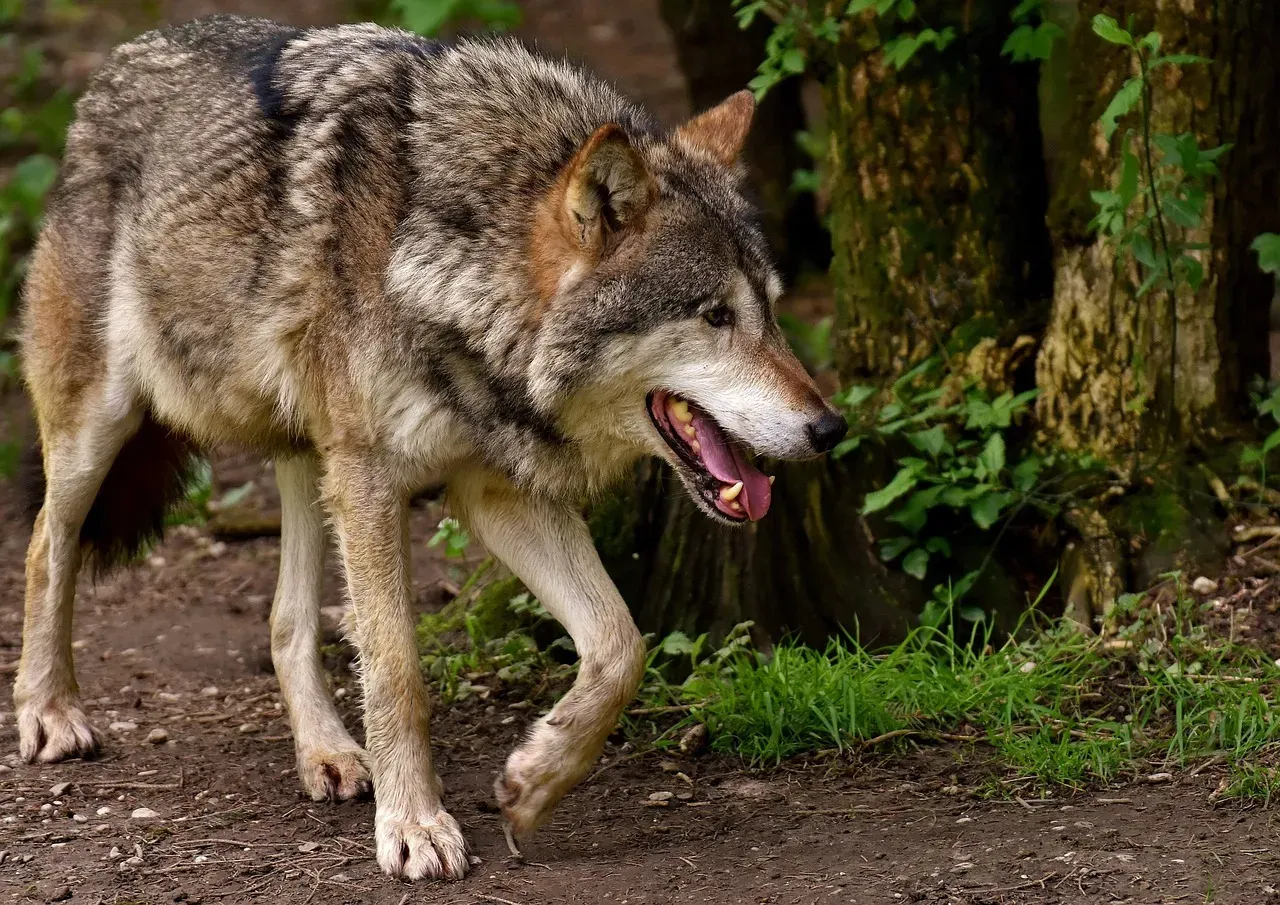
Gray wolves were once so hated that governments paid people to kill them, and by the early twentieth century they were nearly wiped out in the lower forty-eight states. For many Americans, wolves became more myth than reality, something you read about in folk tales rather than ever heard howling at night. Their absence dramatically reshaped ecosystems, as elk and deer populations boomed and overgrazed young trees and shrubs, weakening entire food webs.
The decision in the nineteen nineties to reintroduce gray wolves to Yellowstone National Park and parts of the Northern Rockies was one of the boldest conservation moves the US has ever tried. Biologists trapped wolves in Canada and carefully transported them south, releasing them into strictly monitored areas. Over time, wolf packs reestablished territories, elk shifted their behavior, and vegetation in some river valleys began to recover. The story is not simple or calm – ranchers worry about livestock losses, hunters argue about competition for game, and management rules are constantly debated – but the fact remains: a top predator that had been functionally erased is once again shaping the landscape in real time.
American Alligators: From “Vermin” to Conservation Poster Species
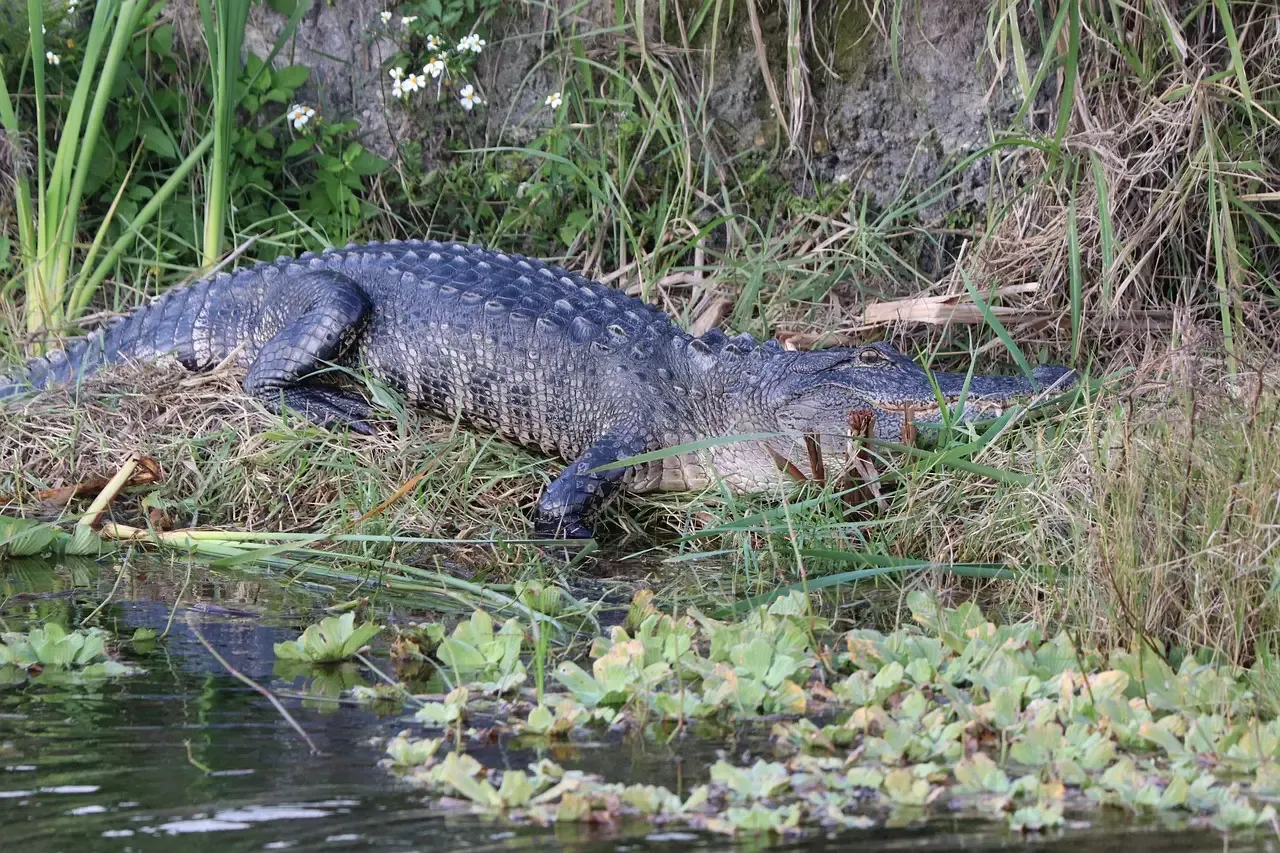
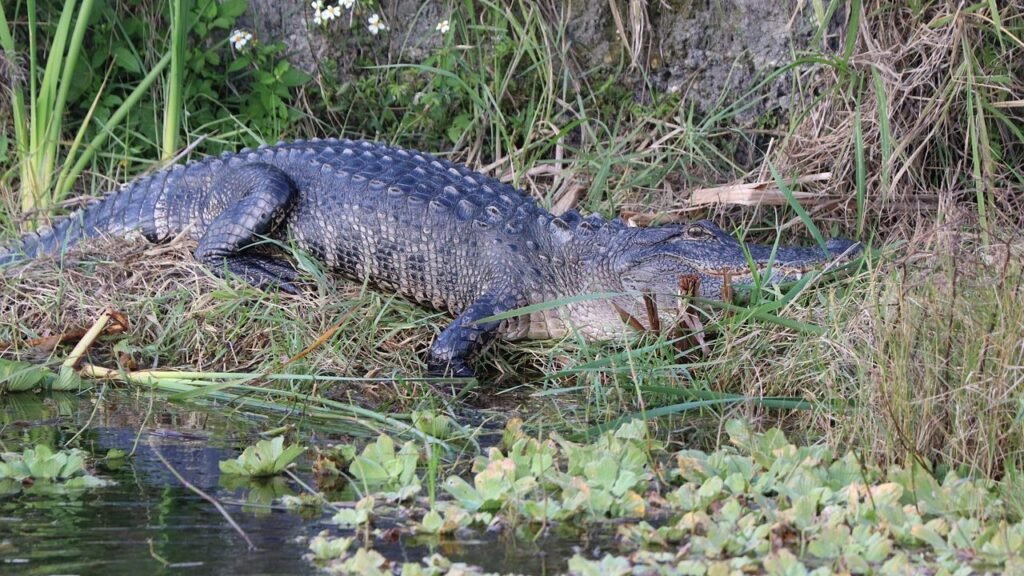
It’s hard to imagine now, but American alligators in the southeastern US came frighteningly close to disappearing in the mid-twentieth century. Heavy hunting for their hides, combined with habitat loss in swamps and marshes, pushed them to the edge and earned them a spot on the endangered species list in the nineteen sixties. People once saw them as dangerous pests to be cleared out of wetlands rather than crucial ecosystem engineers that create ponds and channels other wildlife depend on.
Strict protections, including bans on unregulated hunting and trade, gave alligators breathing room to recover. Wetland conservation and better water management in key states like Florida and Louisiana also helped, keeping crucial nesting and feeding areas from being totally drained or paved over. Within a few decades, their populations rebounded so strongly that they were removed from the federal endangered list and are now managed as a stable, native species. Today, regulated alligator harvests and eco-tourism actually help fund ongoing conservation, a sharp reversal from the days when killing them was seen as the only answer.
California Condors: Saving a Species at the Last Possible Moment
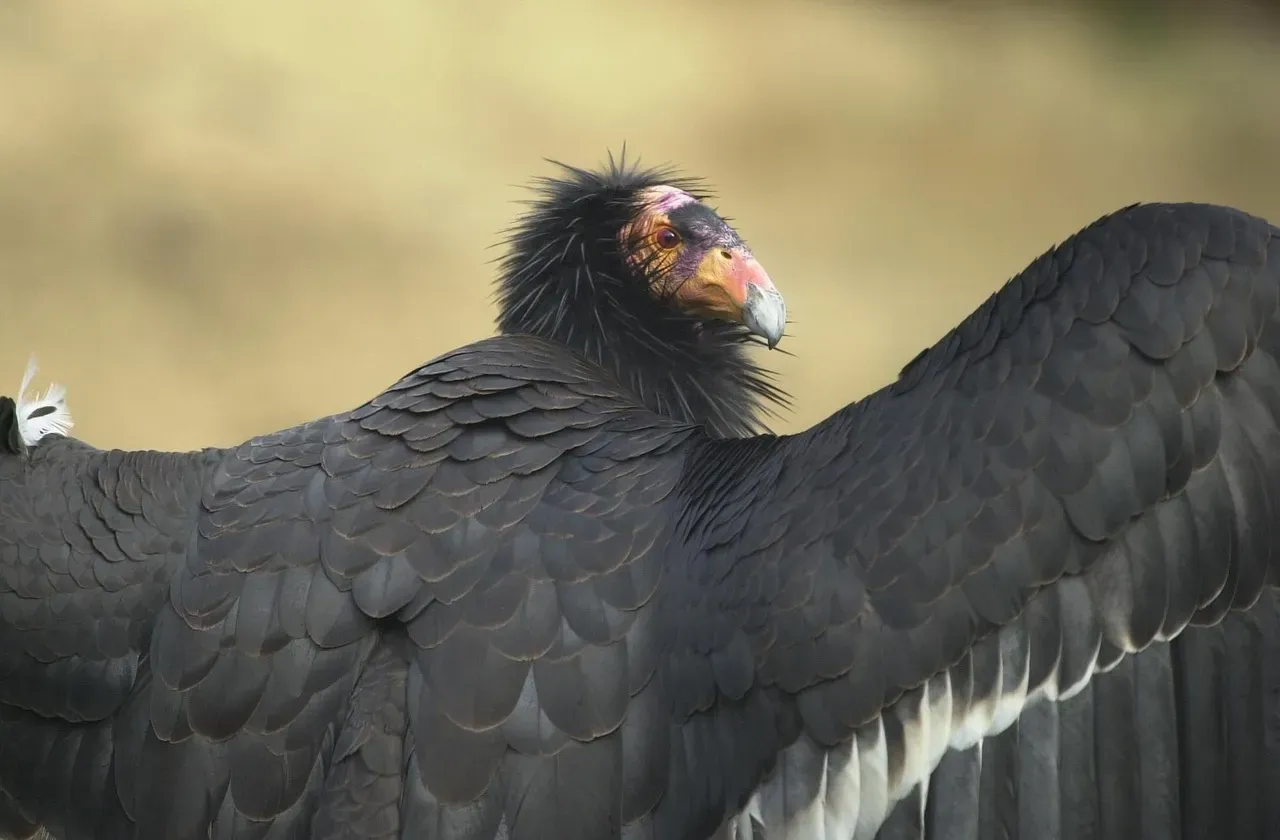
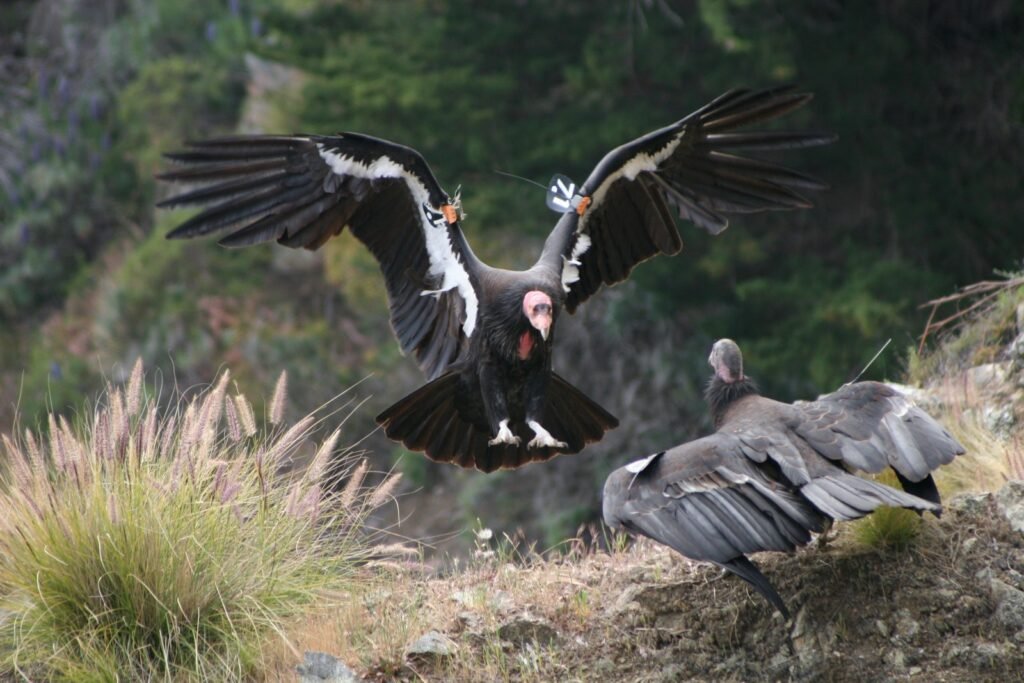
The California condor’s story reads like the plot of a desperate last-chance drama. By the mid nineteen eighties, fewer than three dozen of these enormous vultures were left on the planet, all in the western United States. Lead poisoning from carcasses shot with lead ammunition, collisions with power lines, and habitat loss had pushed the species so low that extinction felt almost inevitable. The idea of capturing every last wild condor to start a captive breeding program was incredibly controversial and emotional at the time.
In the end, that drastic step is what kept the species from disappearing entirely. Zoos and conservation centers worked together to carefully breed condors, monitor their genetics, and train young birds for a life in the wild. Starting in the nineteen nineties, birds were slowly released in California, Arizona, Utah, and Baja California in Mexico, with each individual tracked by radio transmitters or GPS devices. While threats like lead poisoning still linger and every death is taken seriously, the number of free-flying condors has grown into the hundreds. Seeing their huge wings stretch across desert canyons today is a direct result of humans choosing to intervene instead of walking away.
Humpback Whales: Silencing Harpoons and Hearing Songs Again
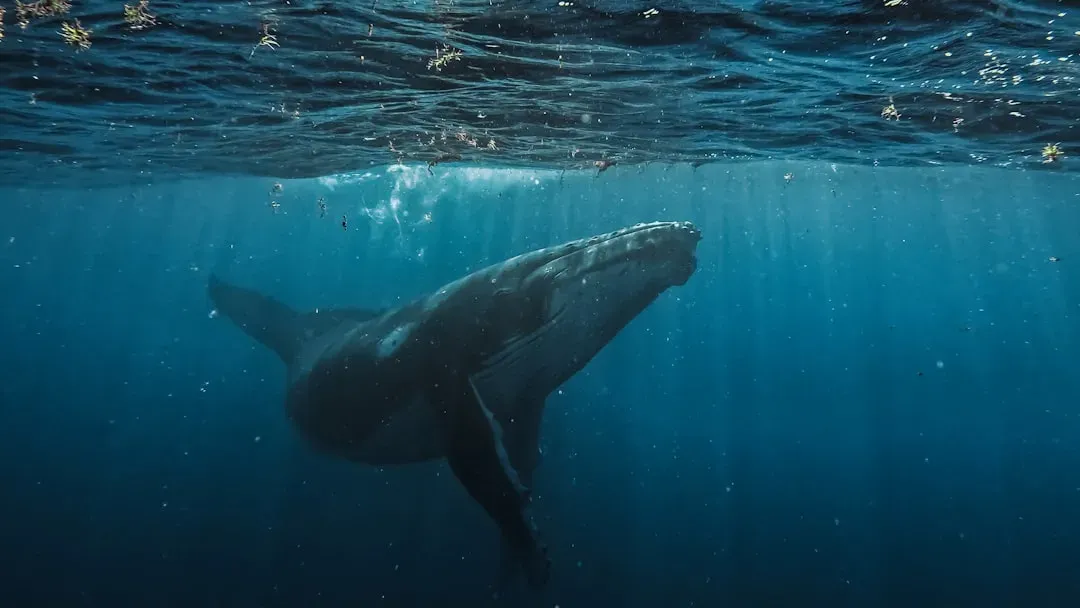
For most of the twentieth century, industrial whaling fleets targeted humpback whales so heavily that their global numbers collapsed. In US waters, these whales were once a familiar sight along both coasts, but relentless hunting pushed many populations toward the edge of total loss. Even after some whaling restrictions began, ship strikes, entanglement in fishing gear, and underwater noise kept piling on new risks for a species that depends on long migrations and complex communication.
The big shift came when commercial whaling was effectively ended in US waters and large-scale international restrictions followed. US laws that protect marine mammals, combined with efforts to adjust shipping routes and modify some fishing practices, gave humpbacks room to slowly rebuild. Researchers started using photo identification and acoustic monitoring to track individual whales and their haunting songs, revealing that many populations were bouncing back far better than expected. While not every group of humpbacks has fully recovered, some distinct populations in US waters have grown enough to be taken off the endangered species list, proving that even large, slow-breeding animals can recover when the killing stops and the seas are made a little safer.
Sea Turtles: Protecting Beaches, Bycatch, and a Life Spent at Sea
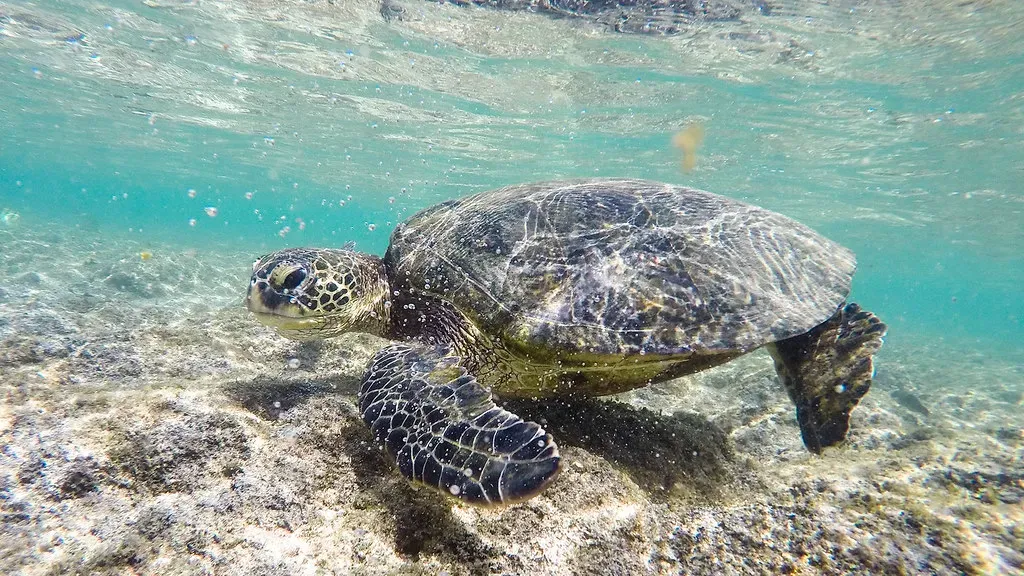
Sea turtles live lives so long and mysterious that for decades humans mostly just saw them as curiosities or food. By the late twentieth century, nesting numbers for species like loggerhead, green, and Kemp’s ridley turtles in US waters had crashed. Eggs were dug up on beaches, adults were harvested, and huge numbers of turtles drowned as bycatch in fishing nets and longlines meant for other species. When people finally started adding up all the losses, it turned out these ancient mariners were far closer to disappearing than most had realized.
US conservation efforts came at the problem from several angles at once. Protected nesting beaches were set up, hatcheries were built in some places, and lighting restrictions were introduced so newborn turtles would not be lured away from the ocean by bright coastal development. At sea, turtle excluder devices were required in many shrimp trawls so turtles could escape instead of drowning, and some high-risk fishing areas or seasons were restricted. Over time, these measures helped increase nesting numbers on key US beaches, particularly for loggerhead and Kemp’s ridley turtles, although climate change and rising seas now add new complications. The improvements show that when both land and sea are considered together, even animals with such complex life cycles can catch a break.
Black-Footed Ferrets: Back from “Extinct in the Wild”
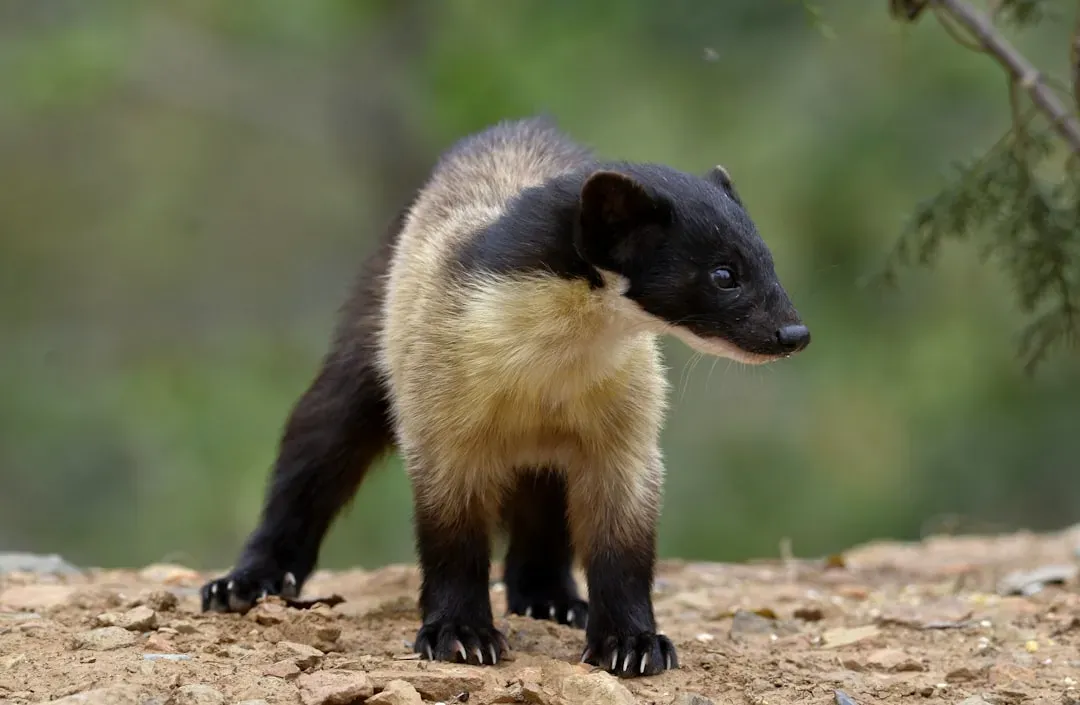
If you asked people in the nineteen seventies whether black-footed ferrets still existed, many experts would have told you no. After massive extermination of prairie dogs, which are their primary prey, and outbreaks of diseases like sylvatic plague, the ferrets were declared extinct in the wild. Then, in a twist that feels almost cinematic, a small remnant population was discovered on a Wyoming ranch in the early nineteen eighties, giving conservationists a tiny sliver of hope. Those few remaining animals became the entire genetic foundation for a last-ditch rescue attempt.
Biologists captured the remaining ferrets to start a captive breeding program, carefully pairing animals to maintain as much genetic diversity as possible. Young ferrets were later reintroduced to protected prairie habitats across several western states, often after prairie dog colonies were restored or managed to ensure a steady food supply. The work has been painstaking: vaccines are used to help protect against plague, and many released ferrets are tracked and monitored intensively. Even though the species is still considered endangered and vulnerable to disease and habitat loss, there are now hundreds of black-footed ferrets living in the wild again. An animal once written off as gone is back on the grasslands, hunting at night where almost no one sees it.
What These Comebacks Really Tell Us
Each of these stories is different, but they share a few hard truths: species do not slide toward extinction by accident, and they do not come back by accident either. It takes laws with real teeth, uncomfortable policy debates, money that could have been spent on something easier, and people willing to fight for animals they may never personally see. Sometimes it means clashing with powerful interests, changing long-established traditions, or admitting that earlier generations went too far in trying to dominate nature.
At the same time, these recoveries prove that damaged ecosystems are not automatically doomed and that human choices can be restorative, not just destructive. The US has not magically “fixed” conservation, and many species are still in serious trouble, especially as climate change reshapes coastlines, forests, and oceans. But bald eagles in suburban backyards, wolves howling in Yellowstone, and condors circling over desert cliffs are living reminders that turning back from the brink is possible. The real question now is simple: which species do we decide to save next, and will we move fast enough this time?