
You probably think of birds as creatures that fly around, chirp, and maybe steal your chips at the beach. Honestly, most people do. Yet these feathered animals are doing things that would make a neuroscientist do a double-take. They are crafting tools, outsmarting rivals, remembering the past, and even showing emotional awareness that once seemed strictly human territory.
The world of bird cognition has been turned on its head over the last few decades. What started as a passing curiosity for researchers has grown into one of the most exciting fields in animal science. There is so much more going on inside those tiny skulls than anyone expected. So let’s dive in and see just how brilliantly birds are operating right under our noses.
The Brain Behind the Feathers: Why Birds Are Smarter Than We Assumed
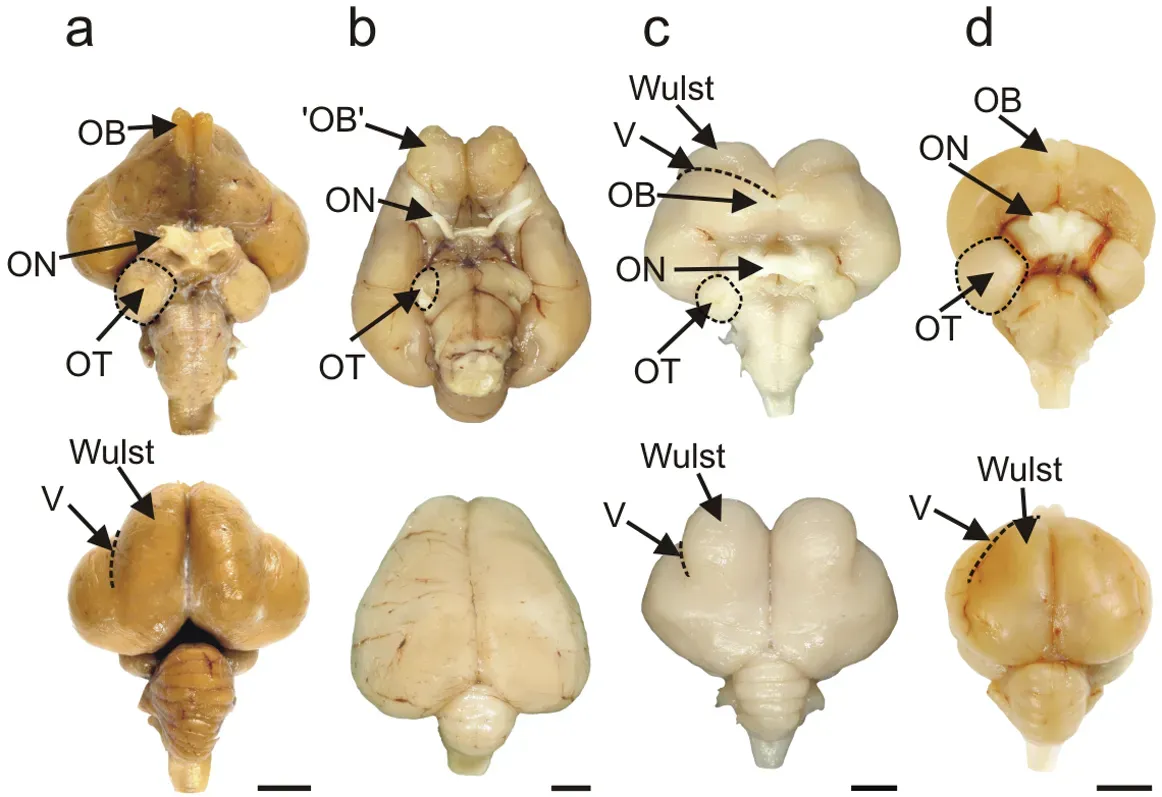
For most of the 20th century, scientists genuinely believed birds were operating on little more than instinct. The reasoning made sense at the time. For the first half of the 20th century, neuroanatomists assumed that birds were simply not that smart, noting that they lack anything resembling a neocortex, the highly ordered outermost structure in the brains of humans and other mammals where language, communication, and reasoning reside. That assumption turned out to be wrong in a deeply satisfying way.
Here’s the thing. Smaller does not mean simpler. Some bird species, like corvids and parrots, have tightly packed neurons in their brains, allowing for a greater density of neurons in a smaller space. Think of it like data storage. A USB drive the size of your thumbnail can hold more than an entire filing cabinet full of paper. A series of studies published in Science in February 2025 provides the best evidence yet that birds and mammals did not inherit the neural pathways that generate intelligence from a common ancestor, but rather evolved them independently, suggesting that vertebrate intelligence arose not once, but multiple times. That is a stunning discovery that changes everything we thought we knew.
Tool-Making Mastery: Crows That Engineer Their Own Equipment
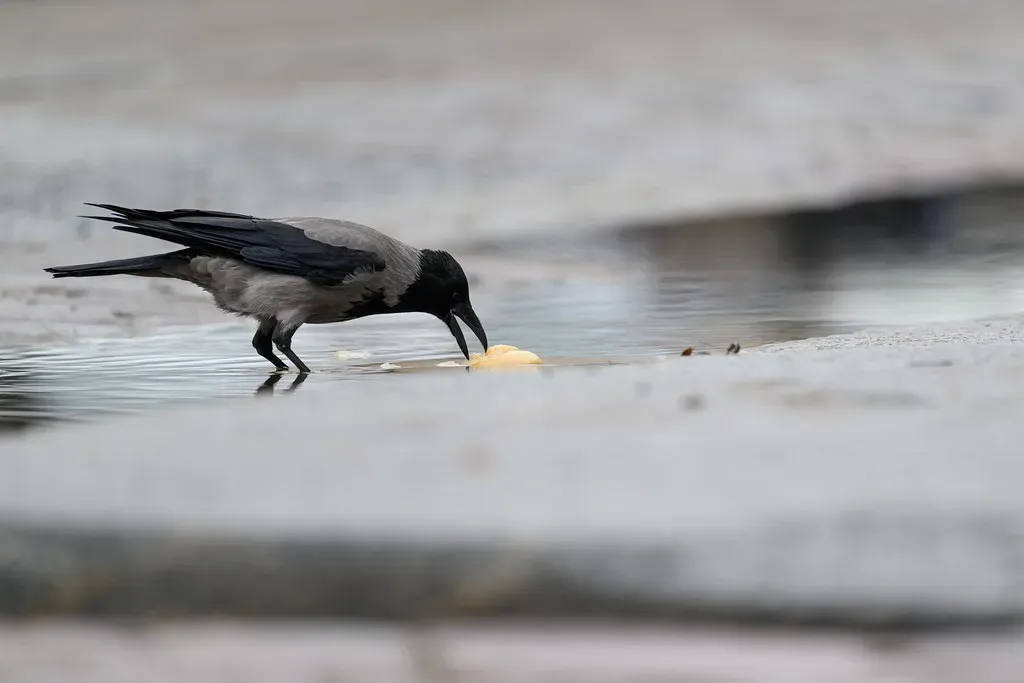
If someone told you a bird could pick up a wire, bend it into a hook, and use it to fish food out of a container, you might laugh. That is precisely what happened. While young birds in the wild normally learn tool-making techniques from elders, a laboratory crow named Betty improvised a hooked tool from a wire with no prior experience, the only known species other than humans to do so. Let that sink in for a moment. No training. No guidance. Pure innovation.
Researchers have discovered that New Caledonian crows don’t just use single objects as tools. They can also construct novel compound tools through assemblage of otherwise non-functional elements. This is metatool use, and it is breathtaking. Tool use is rare in the animal kingdom but relatively common among dexterous generalists such as primates, parrots, and corvid songbirds. Crows essentially belong to an elite club that very few species on Earth can join.
Episodic Memory: Birds That Remember What, Where, and When
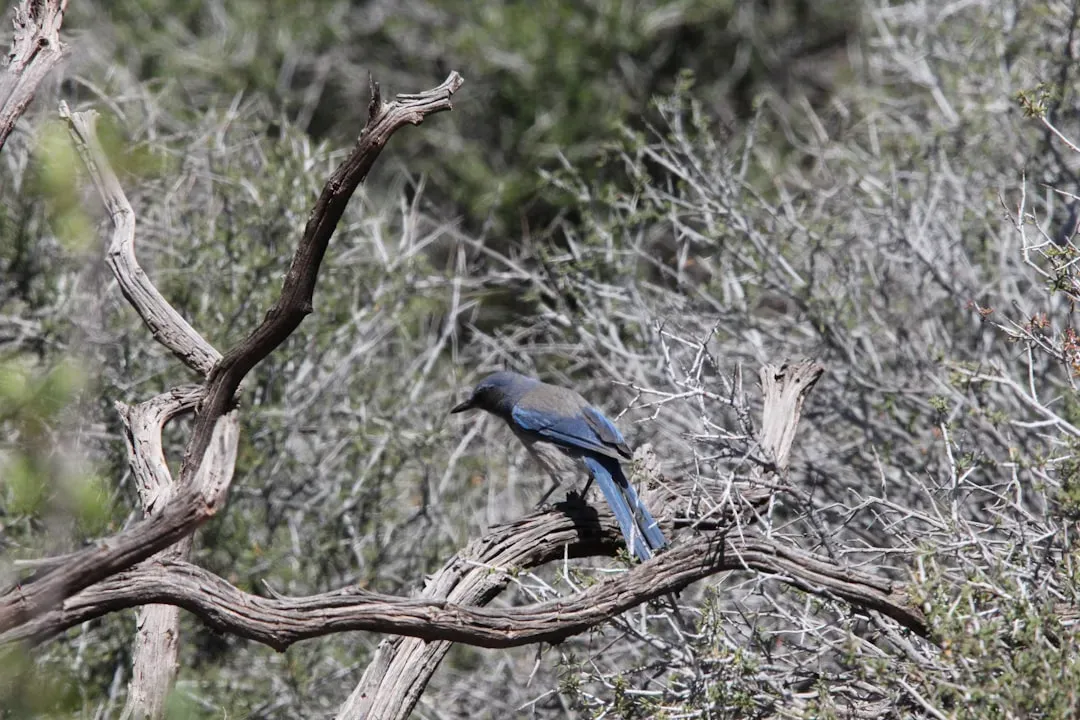
Imagine you hid your car keys five days ago, in a specific spot, under specific circumstances, and you can remember every detail of that moment precisely. That is what scrub jays do, but with food. Scrub-jays have been shown to remember what they hoarded, as well as where and when, to do so in an integrated manner, to be able to use this information flexibly, and to be able to plan for the future, suggesting an ability to mentally travel in time. That is genuinely astonishing for an animal the size of your fist.
These large-brained, long-lived, and highly social birds hide food caches for future consumption and rely on memory to recover their caches of hidden food at a later date, typically weeks if not months into the future. They show an ability to form what-where-when memories characteristic of episodic memory as they remember the spatial location and contents of their caches as well as recalling which conspecifics were watching during caching. It’s hard to say for sure whether this constitutes true consciousness, but it certainly blurs a line that was once thought crystal clear.
Future Planning: Ravens and Jays That Think Ahead
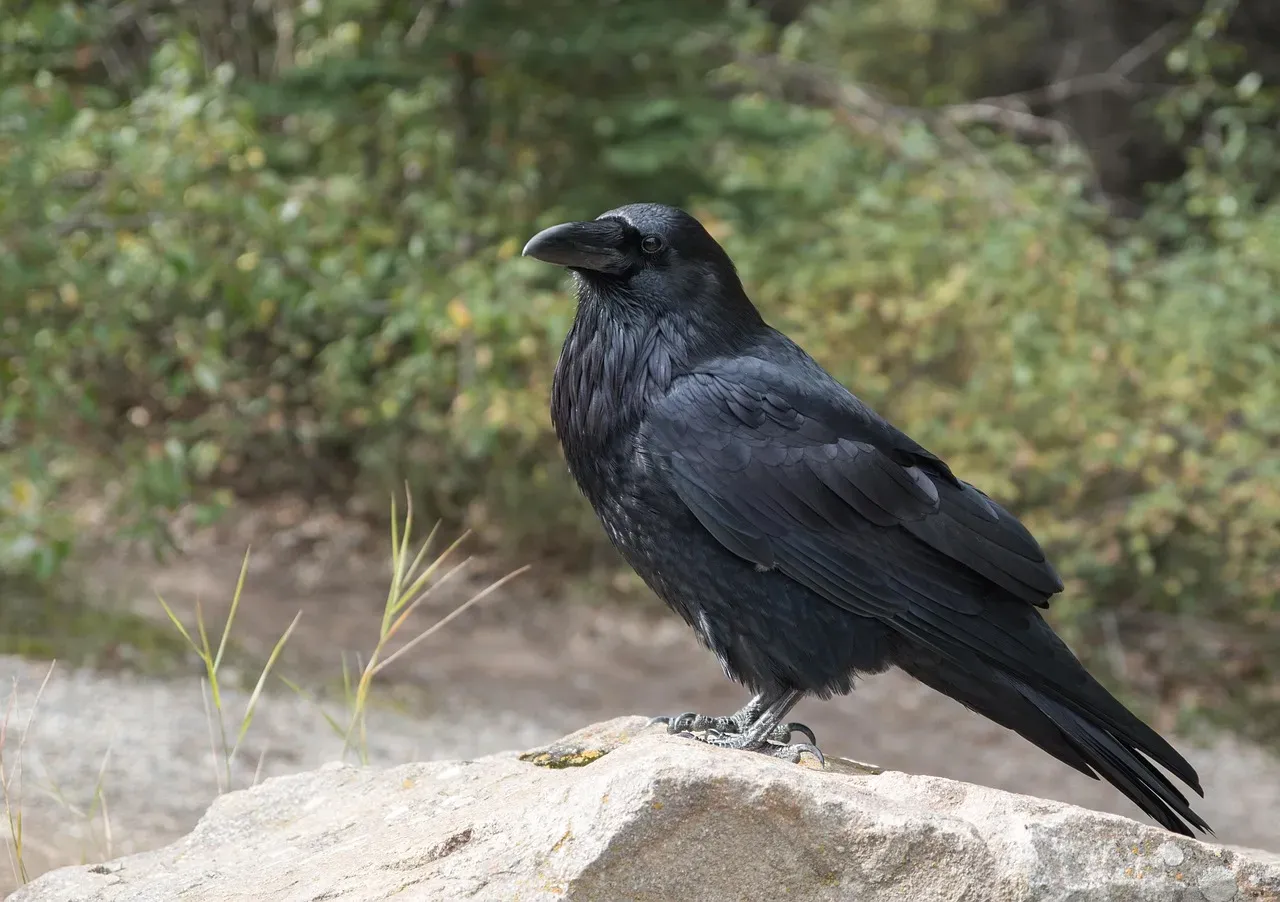
Planning for the future requires imagining something that does not yet exist. That was long considered a uniquely human gift. Yet ravens have now proven otherwise. Ravens plan for different kinds of future events. They will refuse an immediately available small reward and instead select a tool or a token. The next day they either use the tool or barter the token to obtain a larger reward. Delayed gratification, in a bird. That is the kind of self-control many humans struggle with at a buffet.
Studies of western scrub jays also suggest that birds may be able to plan ahead, as they cache food according to future needs and at the risk of not being able to find the food on subsequent days. You can think of it like a bird version of meal prepping for the week. Ravens plan for the future, crows count and use tools, cockatoos open and pillage booby-trapped garbage cans, and chickadees keep track of tens of thousands of seeds cached across a landscape. These are not random behaviors. They are calculated, deliberate acts of planning.
Social Intelligence and Deception: When Birds Play Mind Games
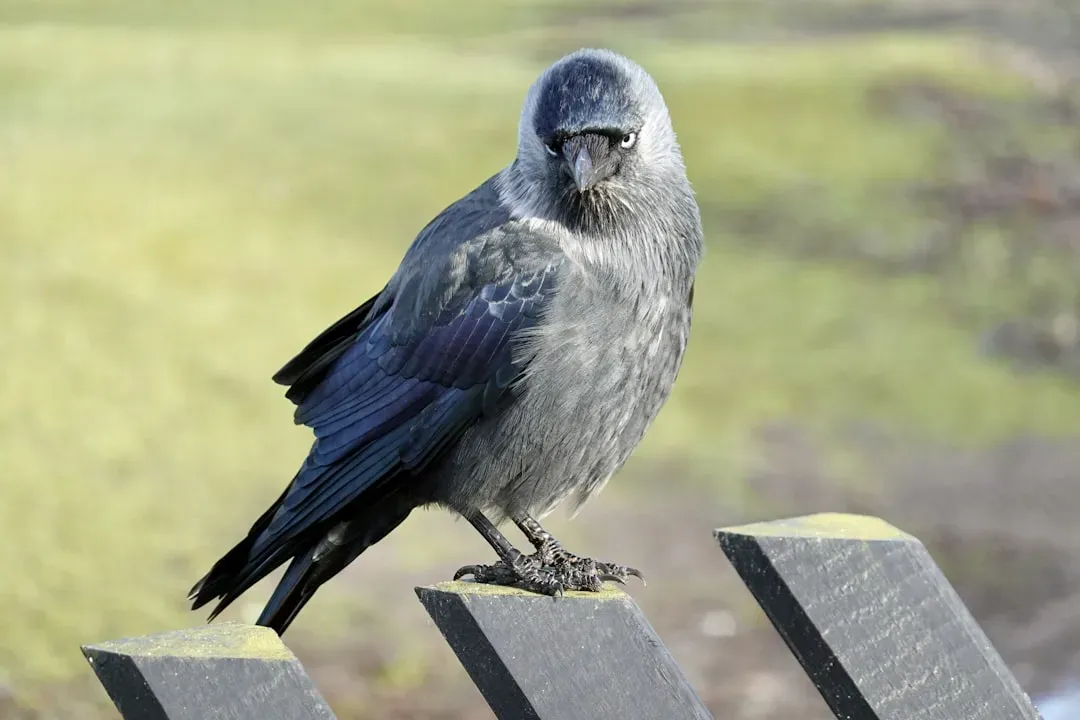
Here is where things get genuinely wild. Some birds are not just smart, they are strategically cunning. The California scrub jay hides caches of food and will later re-hide food if it was watched by another bird the first time, but only if the bird hiding the food has itself stolen food before from a cache. In other words, it takes a thief to know a thief. This bird is projecting its own dishonest experience onto others and acting accordingly.
Research results suggest that jays relate information about their previous experience as a pilferer to the possibility of future stealing by another bird, and modify their caching strategy accordingly. That is a form of perspective-taking that scientists once believed only great apes and humans could pull off. Predatory birds hunting in pairs have been observed using a “bait and switch” technique, whereby one bird will distract the prey while the other swoops in for the kill. Tactical cooperation, deception, and awareness of others’ minds. Birds are out here playing 4D chess.
Language and Mimicry: Parrots That Actually Understand Context
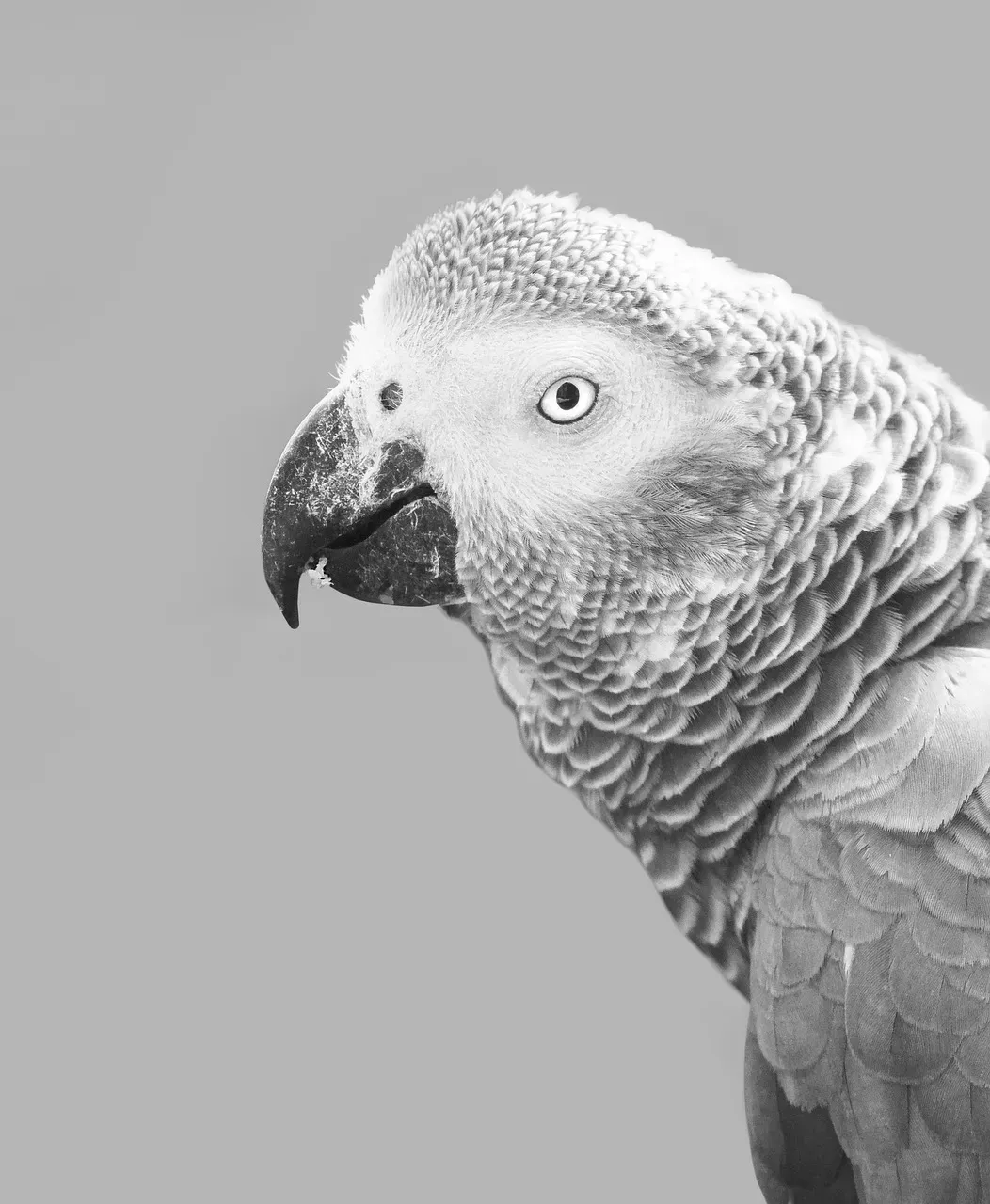
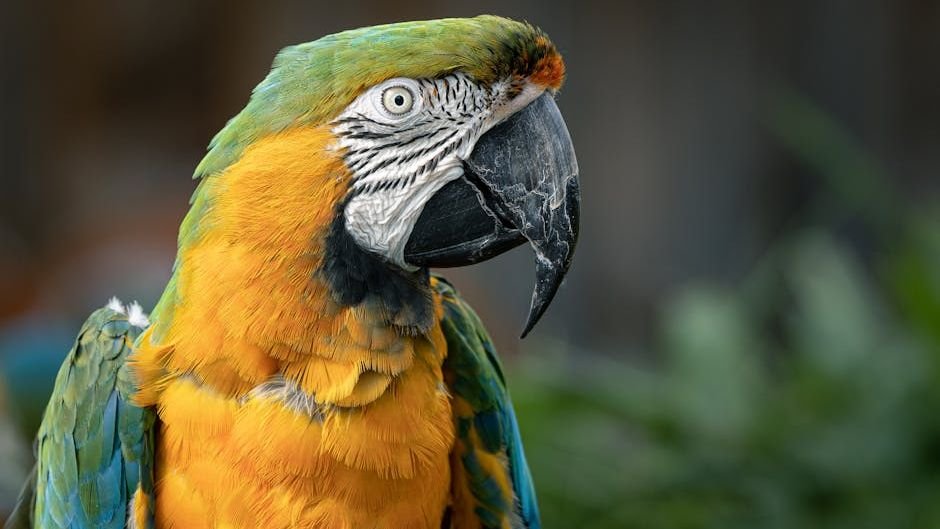
Let’s be real. We’ve all seen a parrot repeat a phrase and assumed it was just imitating sounds like a living recording device. The truth is far more interesting. Perhaps most fascinating is how some parrots engage with language itself, not merely repeating words without context but using them meaningfully. Alex didn’t just say “banana”; he would request it appropriately, saying “Want banana” or identify its color upon inquiry. These instances highlight that parrot communication transcends simple mimicry; it reflects deeper understanding.
Alex could identify 50 different objects, recognize seven colors and five shapes, and understand concepts like “same” and “different.” That is the cognitive level of a young child. Meanwhile, from a neurological perspective, parrots’ unique mimicry skill stems from a specialized vocal learning pathway in their brains. Unlike many other birds, parrots possess a highly developed “song system,” an area in the brain responsible for producing and controlling learned vocalizations. This system features direct connections between the brain regions responsible for hearing and those responsible for motor control in vocal production, allowing parrots to closely link what they hear to what they produce vocally. These birds aren’t just talking. They are communicating.
Emotional Intelligence: Birds That Feel, Empathize, and Bond
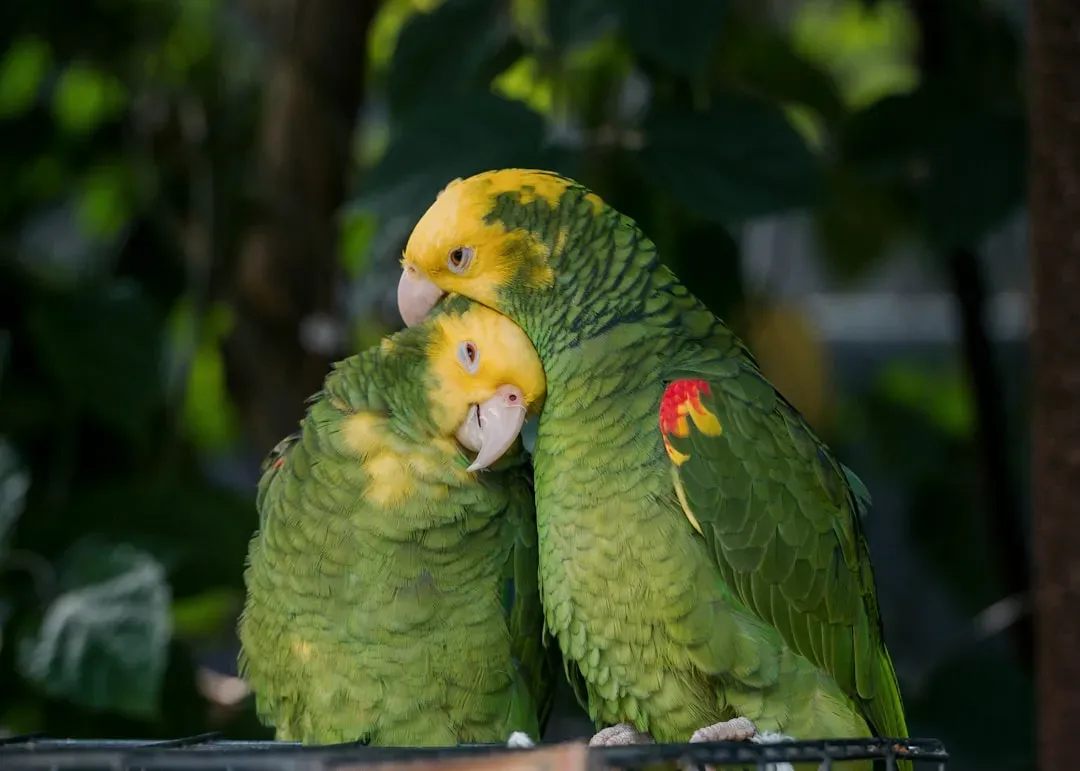
This final behavior is perhaps the most surprising of them all, and the one that tends to move people the most. Many parrot owners report observing empathy-like behaviors where parrots console each other after conflicts or adjust their behavior according to human emotions, becoming quieter when someone is sad or agitated during routine changes, which indicates emotional awareness akin to having theory-of-mind capabilities. That is not just cute. That is cognitively complex.
The selfless behavior shown by parrots reveals that they have social intelligence and are capable of understanding the needs of others and responding with generosity. The fact that these birds were helping each other without expecting anything in return is a significant finding in the study of animal cognition, marking a new milestone in our understanding of how animals interact with one another. Honestly, that description could apply to the most generous humans you know. Hens will become more stressed if they see their chicks in distress, indicating a level of emotional intelligence that is often overlooked. Even the humble chicken is feeling things we never gave it credit for.
Conclusion: We Were Always Wrong About Birds
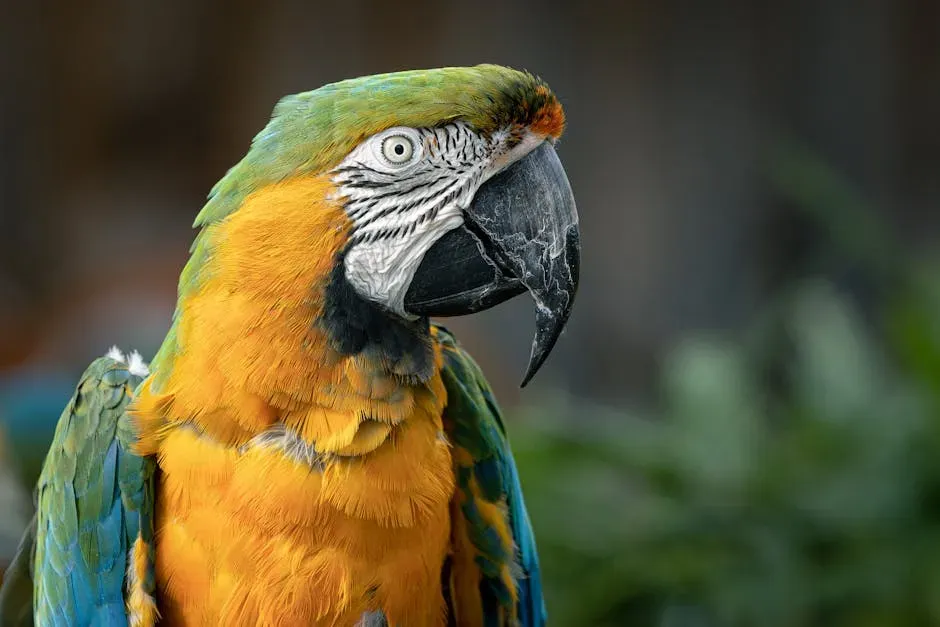
The more researchers study birds, the more it becomes clear that we dramatically underestimated them. From fashioning complex tools to remembering the distant past, outsmarting rivals with tactical deception, planning for future needs, using language in context, and demonstrating genuine emotional depth, birds are operating on a cognitive level that challenges everything we thought made humans and primates uniquely intelligent.
Think of bird intelligence not as a lesser version of our own, but as a parallel solution to the same universal challenges: survival, connection, and adaptation. Intelligence takes many forms, and different animal species have developed unique behavioral and cognitive toolkits to adapt to the environmental challenges and evolutionary pressures that they face. Birds simply took a different route and arrived at a destination that looks remarkably similar to our own.
Next time you see a crow on the sidewalk eyeing you suspiciously, just know, it probably remembers your face. What would you have guessed about what’s really going on behind those eyes? Tell us in the comments below.