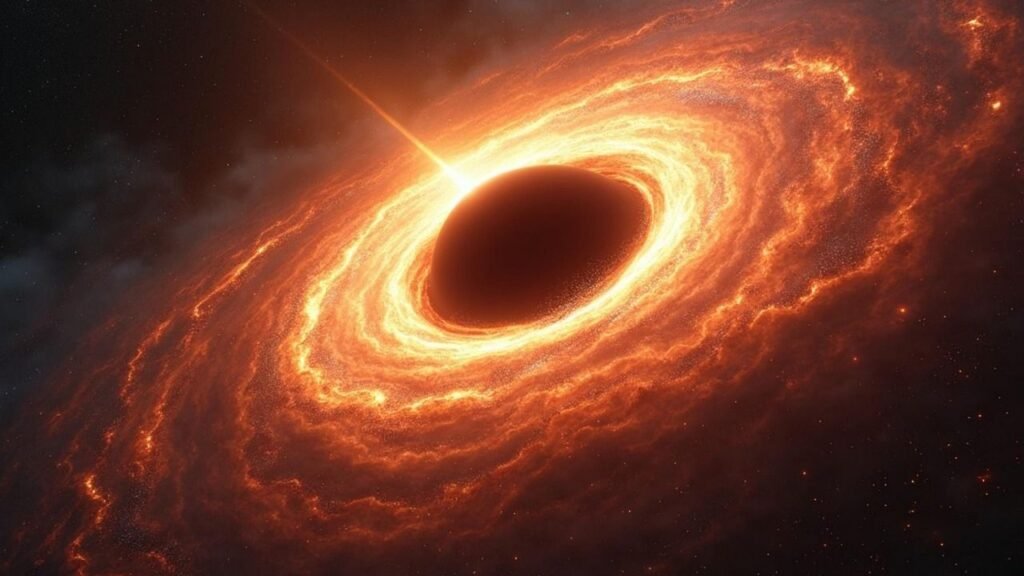

If you’ve ever looked up at the night sky and felt like the universe was hiding something from you, you’re not wrong. Astronomers keep discovering things so strange that even the best theories feel like rough sketches on a napkin. Every time we think we’ve got a handle on how reality works, deep space quietly drops another cosmic plot twist.
What follows isn’t science fiction. These are real, observed phenomena that push our physics, our imagination, and sometimes our sanity right to the edge. Some of them bend light, some swallow time, some scream across the cosmos as invisible ripples, and others just sit there like a cosmic glitch no one can debug. Ready to feel small, amazed, and a bit unsettled all at once?
1. Fast Radio Bursts: Millisecond Cosmic Blasts With No Clear Cause
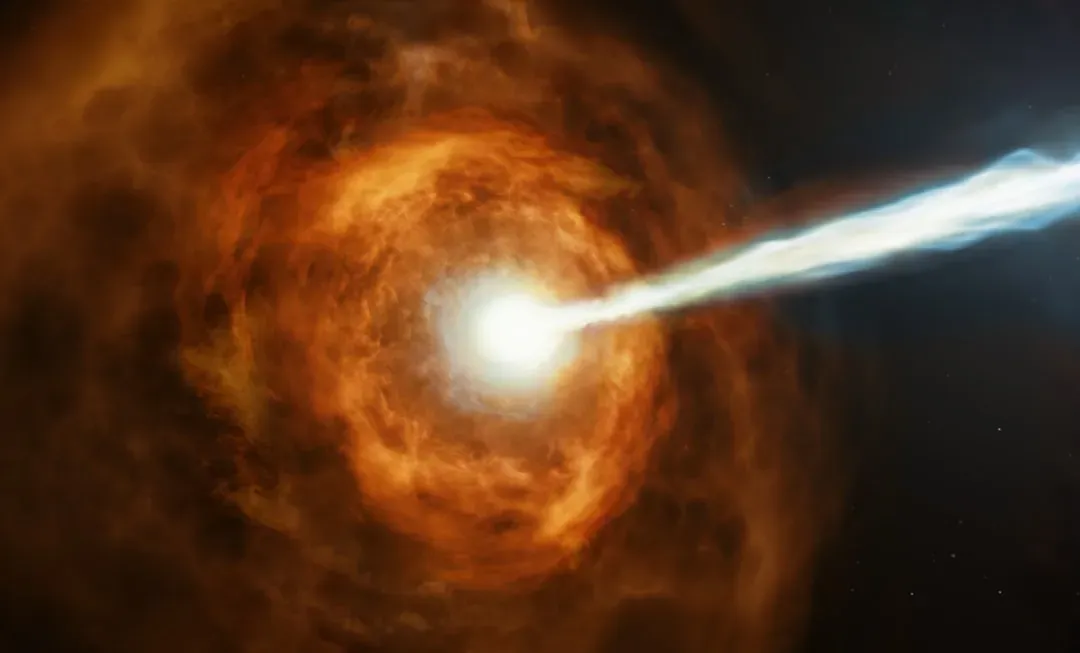
Imagine a signal so powerful that in a fraction of a second it releases as much energy as the Sun does in days, and then vanishes without a trace. That’s a fast radio burst, or FRB, a millisecond flash of radio waves that slams into our telescopes from far beyond our galaxy. The first one was noticed in old data back in the early 2000s, and since then astronomers have cataloged hundreds, with new radio observatories finding more all the time.
Here’s the creepy part: we still don’t really know what causes them. Some FRBs repeat, others are one-and-done; some come from tiny, intensely magnetized dead stars called magnetars, but that explanation doesn’t neatly cover all of them. We’ve ruled out things like alien beacons in any serious scientific sense, but we haven’t settled on a single natural mechanism that fits every observation. The universe is pinging us with cosmic radio pops, and we’re still piecing together who – or rather, what – is doing the talking.
2. Dark Matter: The Invisible Mass That Holds Galaxies Together
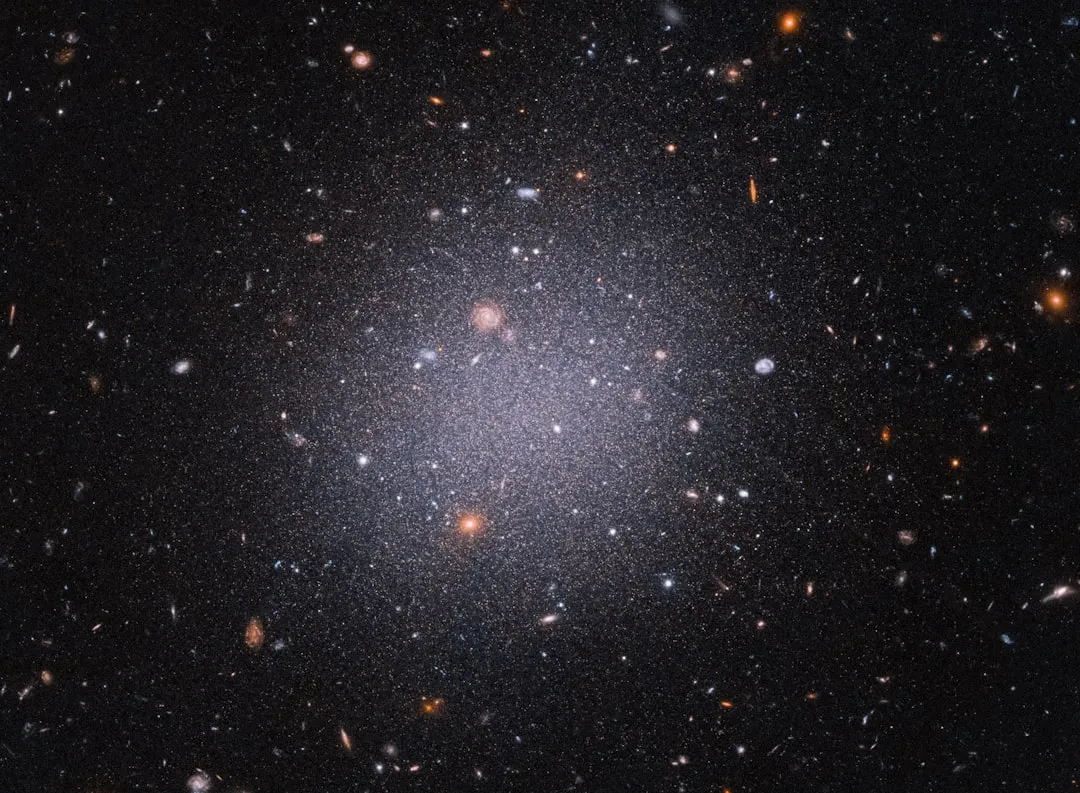
When astronomers measured how fast stars orbit around galaxies, they hit a brick wall of confusion: the outer parts were moving way too fast. Based on the visible matter alone, those galaxies should have flown apart long ago, like a merry-go-round spinning so fast the horses break off. Instead, they hold together, stable and organized, as if something unseen is quietly adding extra gravity in just the right places.
That “something” is what we call dark matter, and it makes up the vast majority of the universe’s matter, yet we’ve never directly detected a single particle of it. For decades, massive underground detectors, particle colliders, and satellite experiments have gone hunting for dark matter particles, and the silence has been deafening. It’s a bit like knowing there’s an elephant in the room because of the footprints and broken furniture, but every time you turn on the lights, there’s nothing there. We can map its effects with exquisite detail, but what it actually is remains one of the most stubborn mysteries in modern physics.
3. Dark Energy: The Mysterious Force Tearing the Cosmos Apart
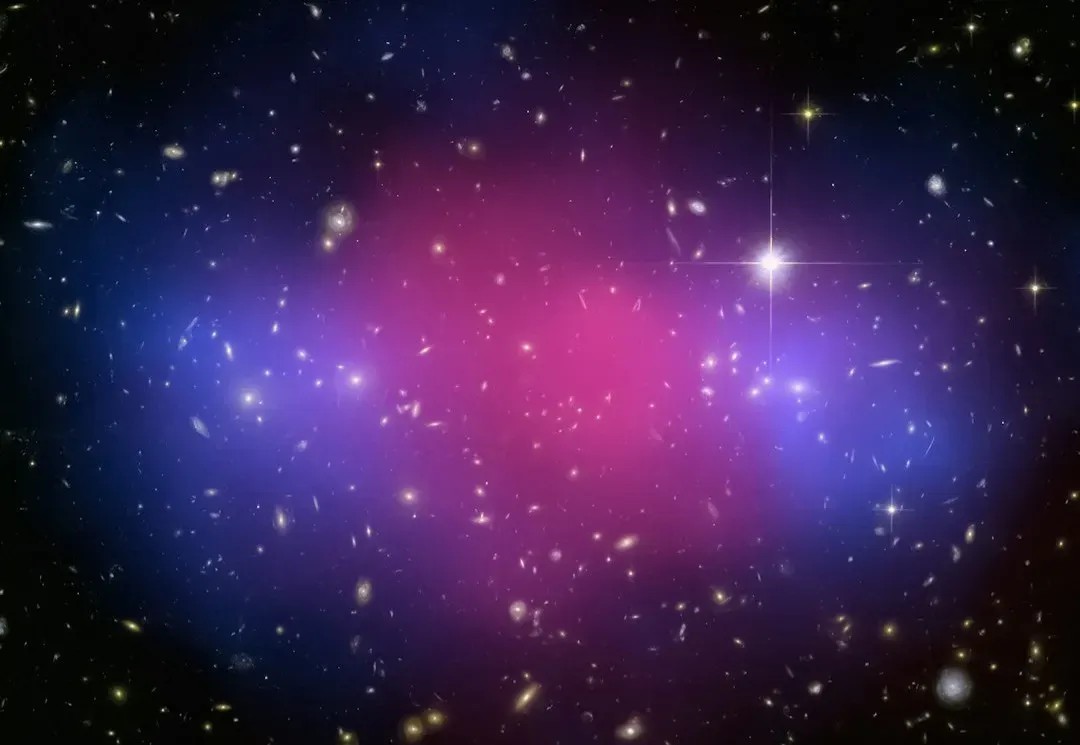
Just when cosmologists were getting comfortable with the idea that the universe was expanding and slowing down under its own gravity, the data flipped the script. In the late twentieth century, observations of distant exploding stars showed that cosmic expansion isn’t slowing – it’s speeding up. Space itself is stretching faster and faster over time, as if some hidden force is pressing its foot on the accelerator.
We call that hidden something dark energy, and it’s even more baffling than dark matter. Dark energy appears to make up the vast majority of the universe’s total energy content, yet we only feel its effects on the largest scales of space and time. We don’t know whether it’s a property of empty space, a new kind of field, or a sign that our theory of gravity breaks down at cosmic distances. It’s as if the universe is quietly inflating a balloon from the inside, and we’re stuck riding on the surface, trying to guess what’s doing the blowing.
4. Black Holes: Gravity So Extreme That Space and Time Collapse
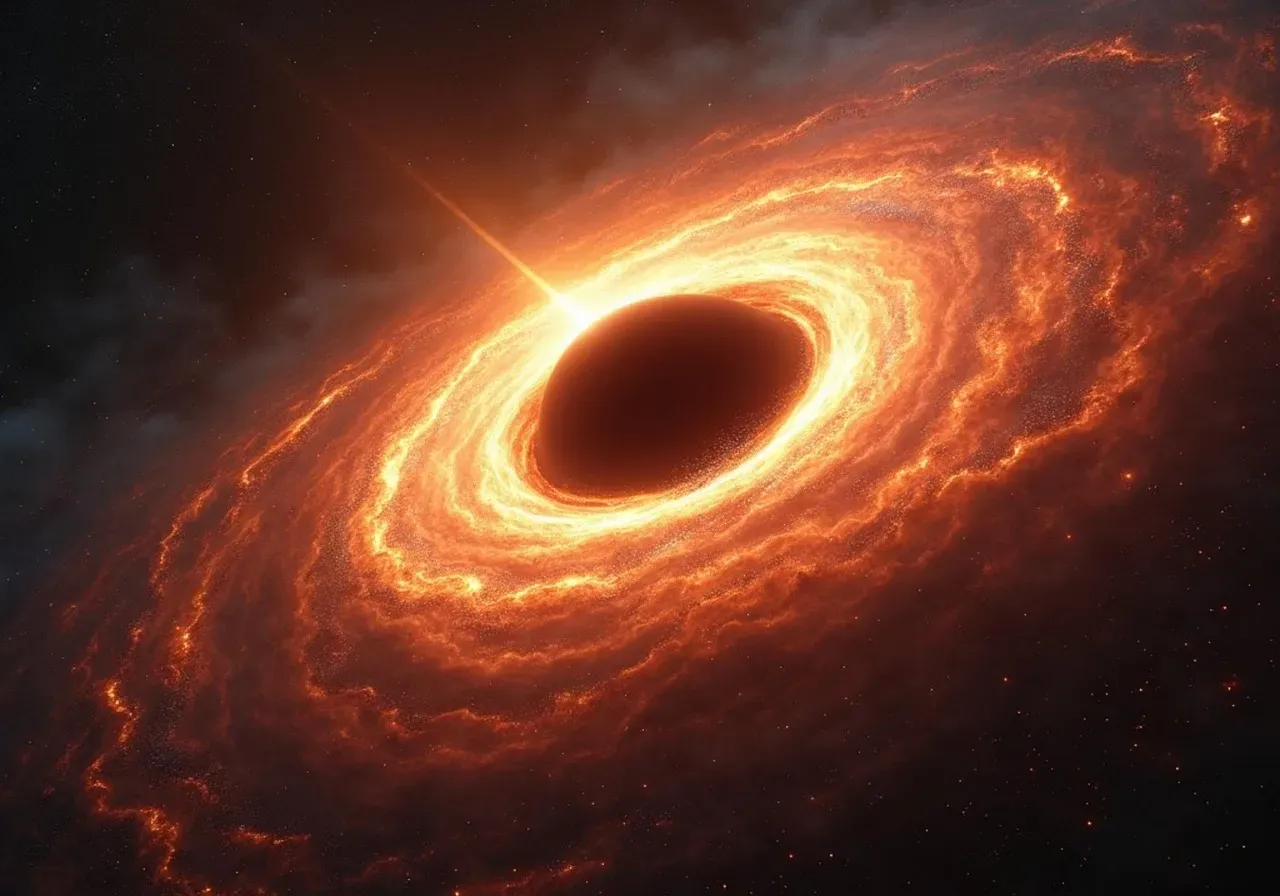
Black holes start as massive stars that have run out of fuel and collapsed under their own weight, but that description barely hints at how bizarre they really are. Pack several Suns’ worth of mass into a region smaller than a city and gravity becomes so intense that not even light can escape once it gets too close. That boundary is called the event horizon, and beyond it, our current physics just shrugs – our equations blow up into infinities and nonsense.
We’ve now imaged the shadow of a supermassive black hole and heard the “chirps” of black holes colliding through gravitational waves, so we know they’re very real. Yet their interiors are still theoretical no-man’s-land, where general relativity and quantum mechanics clash like rival gangs in a cramped alley. Add in puzzles like the information paradox – whether information about what falls in is lost forever – and black holes become less like objects and more like testing grounds for the very structure of reality. They’re not just cosmic vacuum cleaners; they’re where our understanding of space, time, and matter goes to the breaking point.
5. Gravitational Waves: Ripples in Spacetime From Violent Cosmic Collisions
For a long time, the idea that space itself could ripple sounded almost poetic, not practical. Then detectors like LIGO and Virgo started listening, and in the mid-2010s they picked up something astonishing: tiny, rhythmic stretches and squeezes of space caused by merging black holes more than a billion light-years away. These were gravitational waves, predicted decades earlier but finally measured as faint distortions in the length of laser-filled tunnels on Earth.
Each detection is like eavesdropping on a distant, invisible disaster – black holes smashing together, neutron stars spiraling in and tearing themselves apart. What’s bizarre is how subtle these signals are by the time they reach us; the change in distance they cause is smaller than the width of a proton over kilometers of detector arms. And yet from those whispers we can reconstruct cosmic collisions we could never see with light alone. It’s as if the universe has been playing a symphony in a register we were deaf to, and now that we can finally hear it, we’re realizing how much of the story we were missing.
6. Cosmic Voids: Giant Empty Bubbles in the Cosmic Web
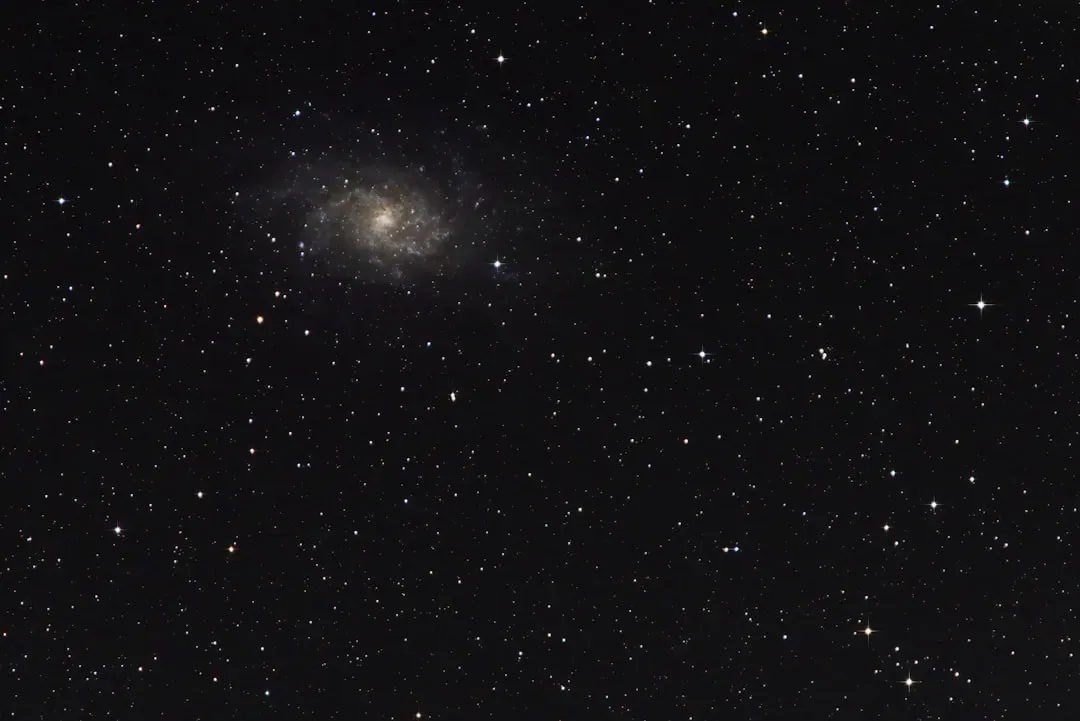
When you zoom out far enough, the universe doesn’t look like a random sprinkle of galaxies; it looks like a web. Galaxies gather along filaments and cluster into knots, and between those structures lie enormous regions that are almost eerily empty. These are cosmic voids, vast bubble-like gaps that can stretch hundreds of millions of light-years across, containing only a few lonely galaxies scattered through otherwise thin darkness.
Voids are strange not just because of their emptiness but because of what that emptiness tells us. They are sensitive to the properties of dark matter and dark energy and to how gravity works on the largest scales. Some of the biggest known void-like regions, such as unusually cold patches in the cosmic microwave background, have even led scientists to wonder whether something exotic is going on – though nothing conclusive has emerged. To me, there’s something haunting about them: huge cosmic deserts where almost nothing has ever happened, silent witnesses to a universe that mostly is not there.
7. The Cosmic Microwave Background Anomalies: Subtle Glitches in the Baby Picture of the Universe
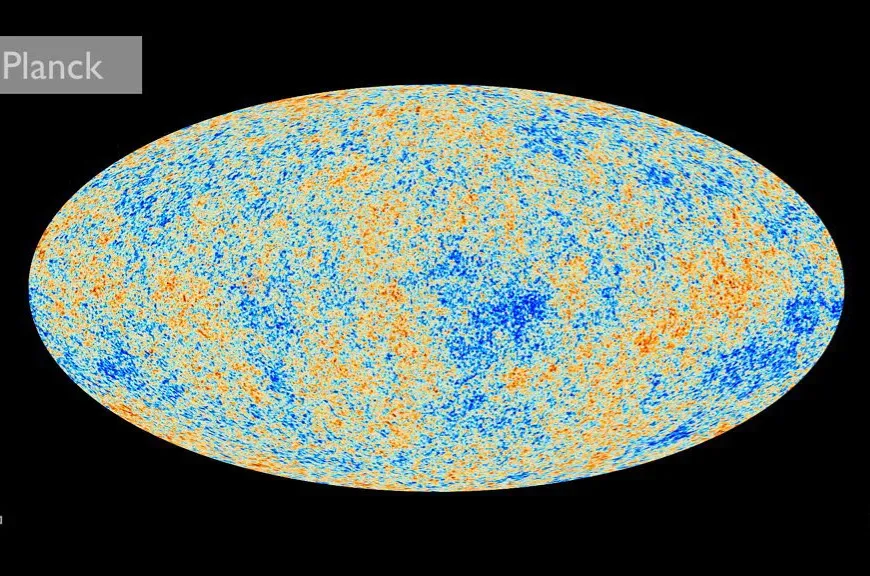
The cosmic microwave background, or CMB, is the afterglow of the hot, dense early universe, a faint microwave light field bathing all of space. When satellites mapped it in detail, they found tiny temperature variations that matched our standard cosmological model incredibly well. But buried in that near perfection were a few weird features: a large, unusually cold region, alignments of temperature patterns across the sky, and asymmetries that seem slightly at odds with the idea of a perfectly random, isotropic beginning.
Some scientists argue these anomalies might just be statistical flukes, like odd clumps that show up if you flip a coin enough times. Others have suggested they could hint at new physics, such as early-universe effects we don’t yet understand or even signatures of interactions with regions beyond our observable universe. The evidence isn’t strong enough to rewrite textbooks, but it’s irritatingly persistent, like a smudge on a lens you can’t quite wipe off. It’s possible that when we finally make sense of these subtle glitches, we’ll discover that our current picture of the universe’s origin was missing an important twist.
A Universe That Keeps Saying “Not So Fast”
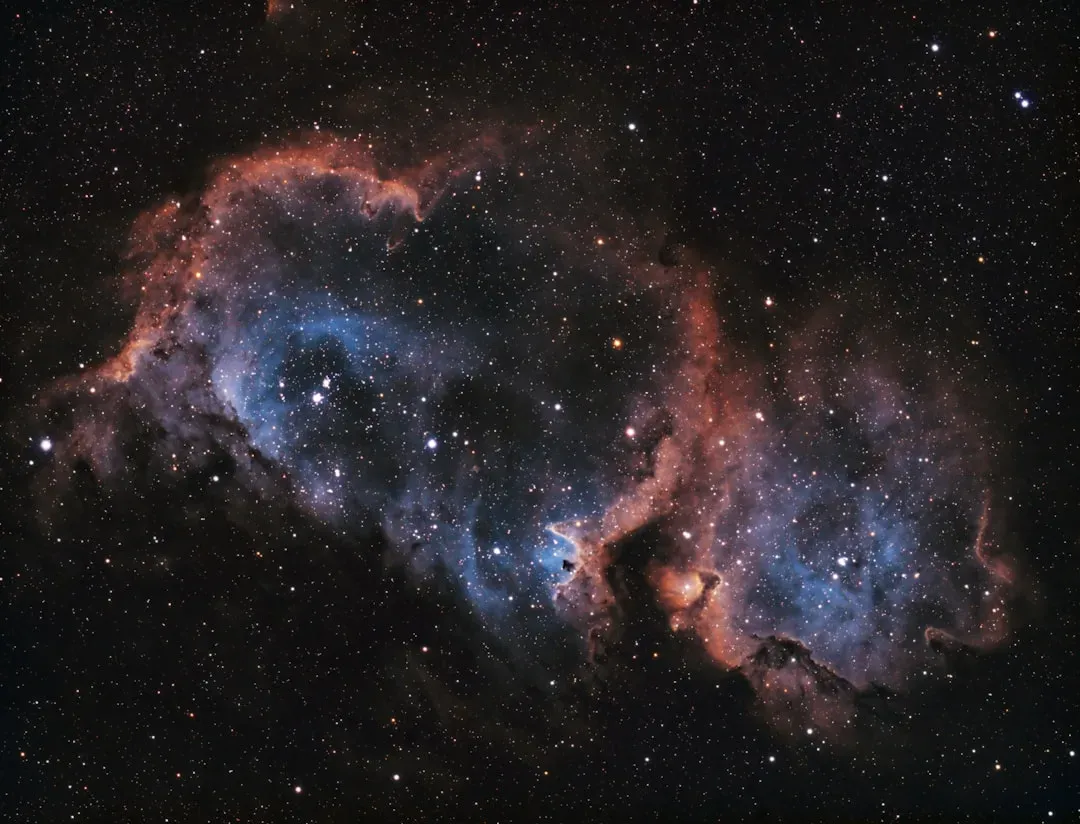
All of these phenomena – sudden radio bursts, invisible matter and energy, collapsing stars, ripples in spacetime, giant voids, and strange patterns in ancient light – have one thing in common: they remind us that the universe is under no obligation to make sense to us. Every time we think we’ve built a sturdy theory, observations from deep space lean in and quietly say, “Not so fast.” That might feel intimidating, but it’s also what makes this era of astronomy so electric.
We’re living at a time when our instruments are finally sensitive enough to pick up the universe’s whispers and screams, but our theories are still scrambling to keep up. I like that tension; it feels honest, like admitting we’re clever monkeys with fancy telescopes poking at something ancient and vast. Maybe the wildest part isn’t the phenomena themselves, but the fact that our tiny species can detect them at all. When you think about it that way, it’s hard not to wonder: which of today’s mysteries will turn out to be tomorrow’s obvious truth – and which will lead to an even stranger universe than we dared imagine?