
Have you ever stopped to think about life in places where you wouldn’t last five minutes? We’re talking freezing cold that would turn your blood to ice, pressures that would flatten you like a pancake, or deserts so hot and dry that even thinking about them makes you thirsty. Yet nature has found a way to not just survive but flourish in these nightmare zones. Let’s be real, some of these adaptations sound like science fiction, yet here they are, written into the DNA of creatures sharing our planet.
From the microscopic to the surprisingly visible, animals have developed some truly mind-boggling tricks to cheat what seems like certain death. These aren’t just minor tweaks or clever behavioral shortcuts. We’re talking about biological superpowers that fundamentally challenge what we thought possible for living tissue. So let’s dive in and explore seven of the most outrageous survival strategies evolution has ever cooked up.
Tardigrades Enter Cryptobiosis to Survive Almost Anything
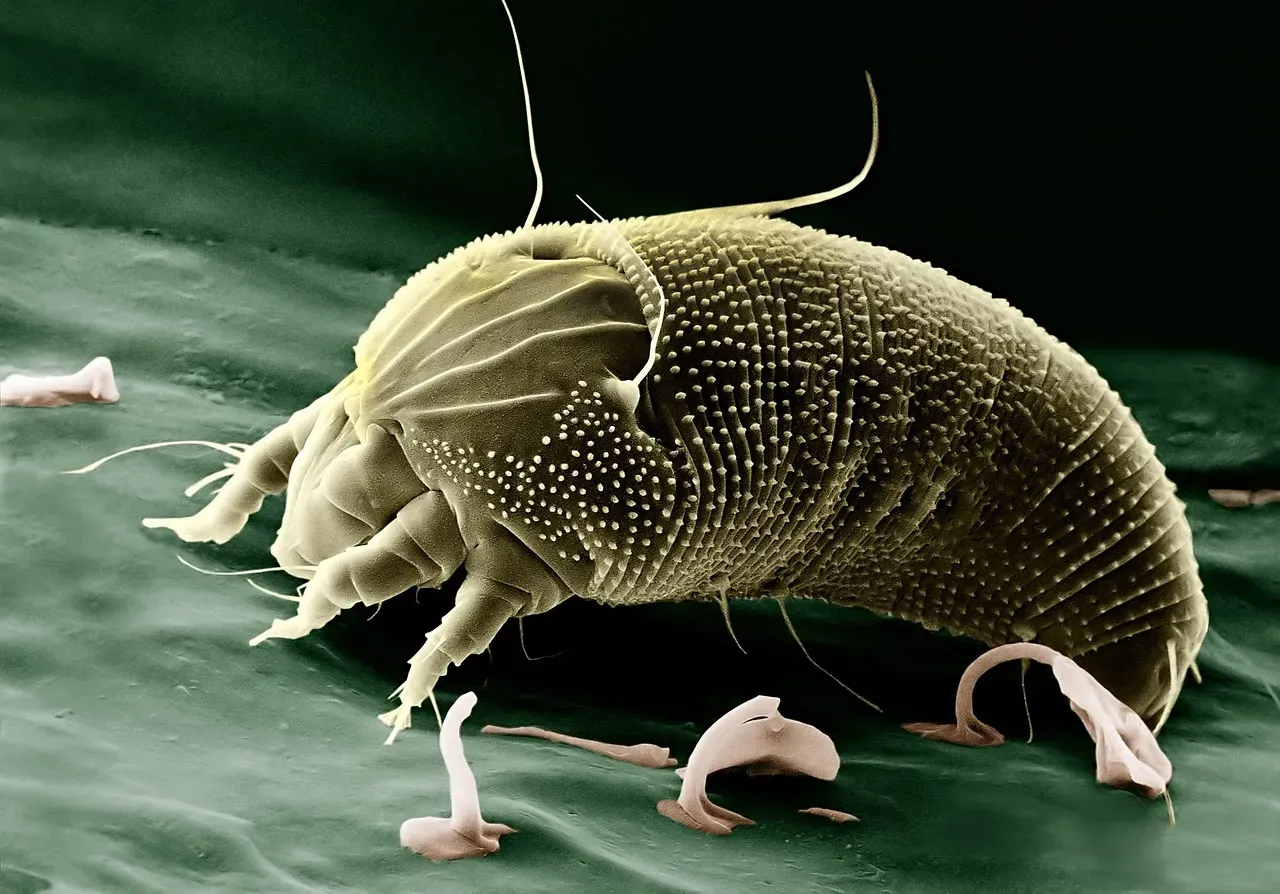
Picture a creature so small you need a microscope to see it, yet so tough it can survive the vacuum of space. Tardigrades can live in a state of suspended animation known as cryptobiosis for decades, and when exposed to water, they return to active life. These microscopic water bears achieve this by essentially hitting the pause button on their metabolism.
While in a cryptobiotic state, a tardigrade’s metabolism reduces to less than point zero one percent of what is normal, and its water content can drop to just one percent. Tardigrades in this desiccated condition have endured the vacuum of space and pressures six times that of the ocean bottom, persisted through temperatures as low as negative four hundred fifty eight degrees Fahrenheit and higher than three hundred degrees, and emerged unscathed from bombardments of radiation that are fourteen hundred times higher than the levels that would kill a human being. Honestly, if aliens landed tomorrow and asked to meet Earth’s toughest organism, we’d probably hand them a tardigrade.
Wood Frogs Freeze Solid for Eight Months and Thaw Back to Life
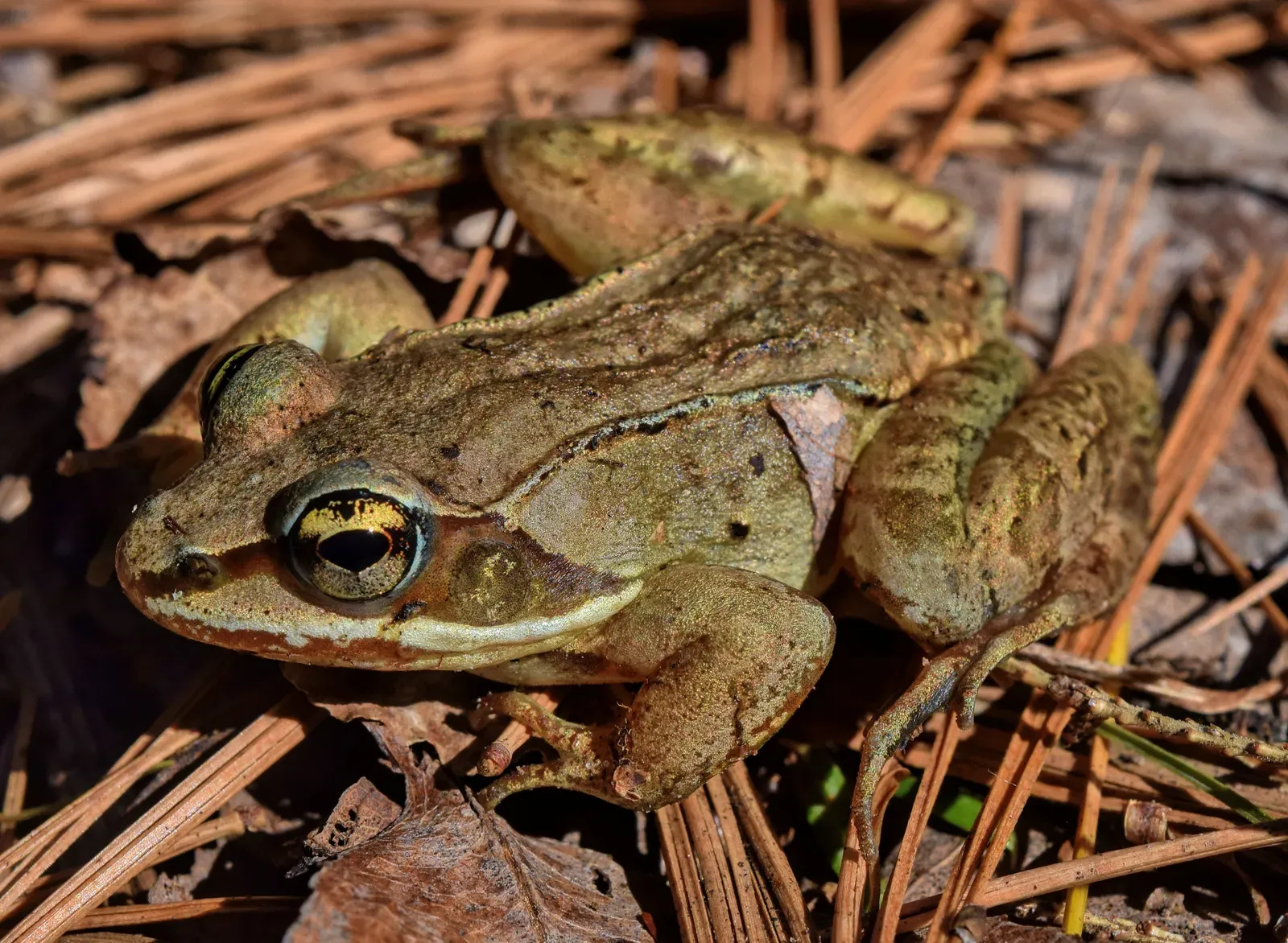
Most animals would die if ice formed in their bodies. Wood frogs have adapted to remain frozen for up to eight months of the year, with ice filling their abdominal cavity and forming between their layers of skin and muscle, while the frog’s liver produces large amounts of glucose which prevents their cells from freezing and binds water molecules to prevent dehydration. Think of it as nature’s version of cryogenic freezing, except it actually works.
These frogs endure the freezing of sixty five to seventy percent of their total body water in extracellular ice masses, and have implemented multiple adaptations that manage ice formation, deal with freeze induced ischemia reperfusion stress, and limit cell volume reduction with the production of small molecule cryoprotectants. Wood frogs have been recorded staying frozen for as long as eight months, and as temperatures rise in the spring, the frog thaws starting with its heart and brain, and within ten hours it is back to normal function. It sounds crazy, yet every spring these little amphibians just hop away like nothing happened.
Deep Sea Fish Withstand Crushing Pressure Through Unique Proteins
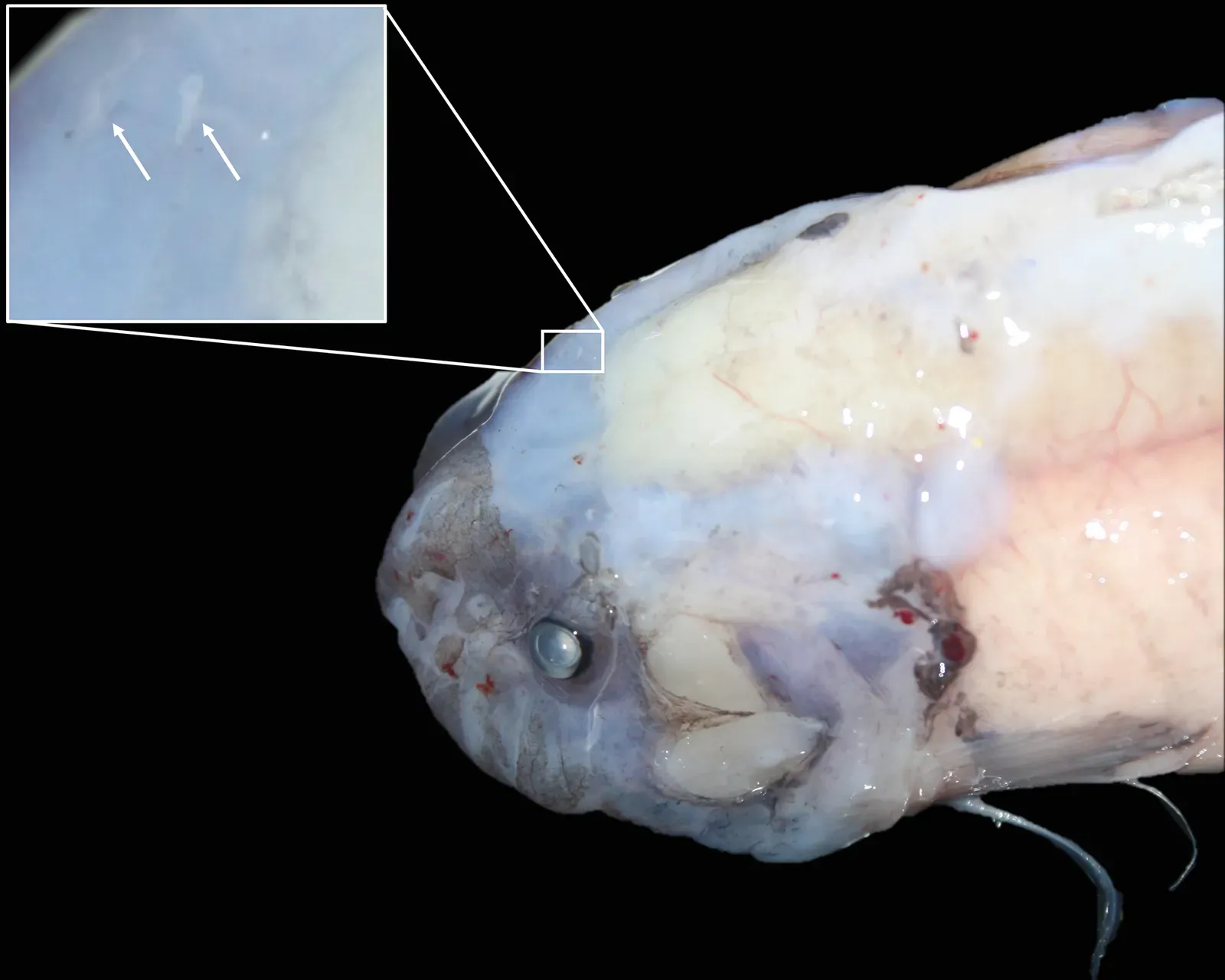
Imagine living where the pressure could crush a submarine. In the Mariana Trench, seven thousand meters below the ocean’s surface, fish make a living in total darkness and at crushing pressures that can reach one thousand times more than at sea level. The Mariana snailfish has cracked the code for surviving this hellish environment through some remarkable adaptations.
The fish have gaps in their skulls which may help the internal and external pressures to be balanced, because if the fish had a complete and fused skull it would be crushed by the pressure. Their bones are not entirely made of bone but are largely cartilage, as the team found that the fish have a mutation in the primary gene responsible for calcification, rendering the gene partially nonfunctional, which makes their bones more flexible and likely more able to withstand pressure. Their bodies are basically built like shock absorbers designed for an environment that would obliterate most vertebrates.
Pompeii Worms Endure Extreme Heat Near Hydrothermal Vents
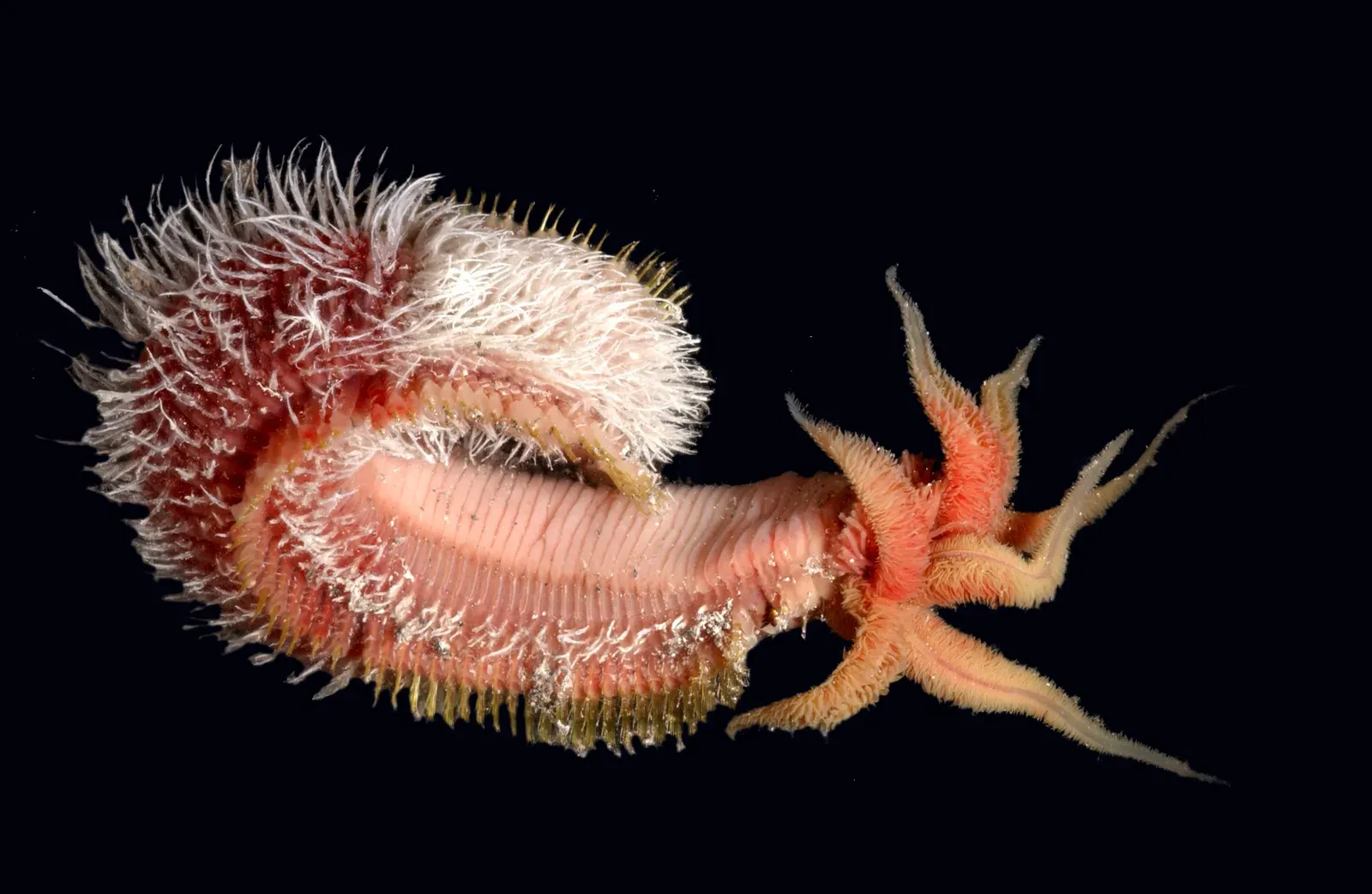
If you think hot tubs are warm, try living next to a volcanic vent on the ocean floor. Pompeii worms live around hydrothermal vents on the ocean floor where they endure temperature extremes that would cook most other organisms, with their heads exposed to temperatures up to one seventy six degrees Fahrenheit while their tails may simultaneously be in water as cold as thirty nine degrees Fahrenheit. That’s a temperature difference of more than one hundred forty degrees across a five inch body.
To survive these conditions, Pompeii worms have developed specialized proteins that remain stable at temperatures that would denature most biological molecules, and their bodies are covered with a layer of bacteria that may provide additional insulation and protection from the extreme heat. It’s hard to say for sure, but these worms might just be living in the most uncomfortable neighborhood on Earth. The fact that they’ve evolved to handle it shows just how adaptable life can be when pushed to its absolute limits.
Horned Lizards Shoot Blood From Their Eyes as Defense
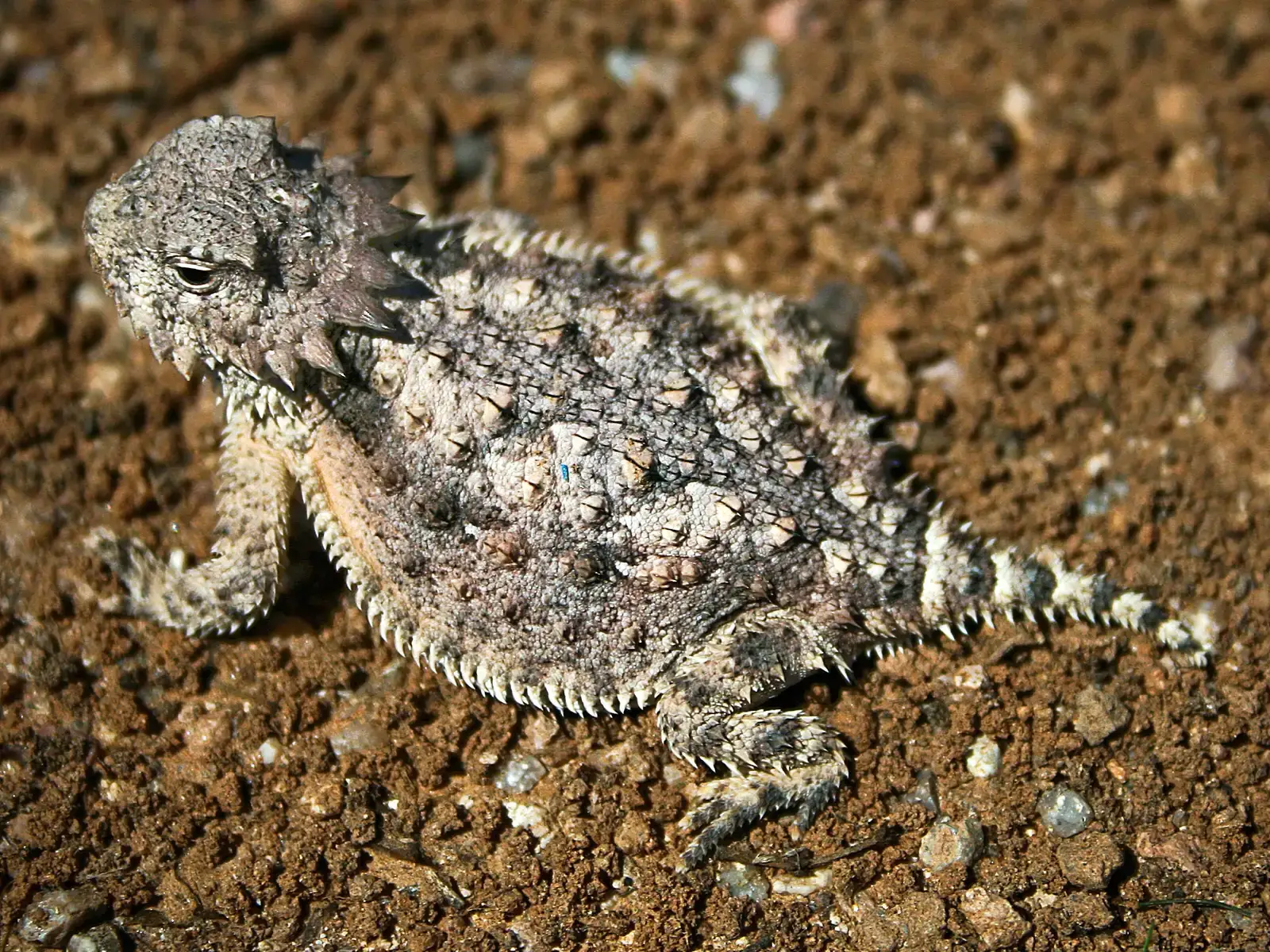
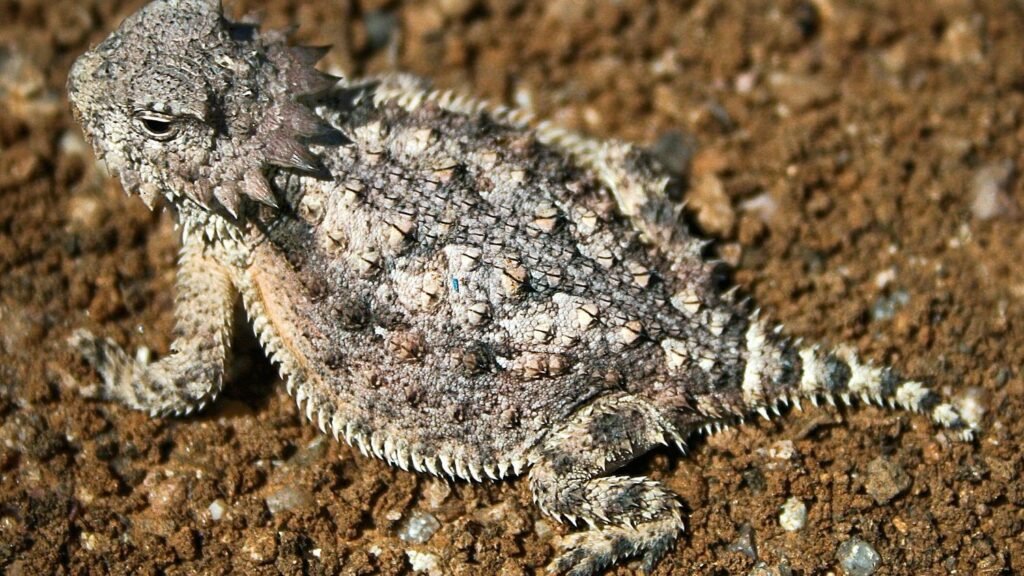
Let’s talk about a defense mechanism that sounds like it came from a horror movie. The horned lizard employs one of the most bizarre defensive mechanisms in the animal kingdom by shooting blood from its eyes, and when confronted by predators particularly canines this desert dwelling reptile increases blood pressure in vessels around its eyes until they rupture, spraying blood up to five feet away, and this blood contains chemicals that are particularly foul tasting to canine predators.
Here’s the thing: this isn’t just random weirdness. Beyond its blood shooting ability, the horned lizard has evolved several other adaptations for desert survival including specialized scales that help it blend with rocks and sand, and a flattened body shape that allows it to collect water through skin channels that direct moisture to its mouth. Desert life demands creative solutions, yet spraying blood from your eyeballs to gross out a coyote might be evolution’s most metal invention.
Kangaroo Rats Survive Without Ever Drinking Water
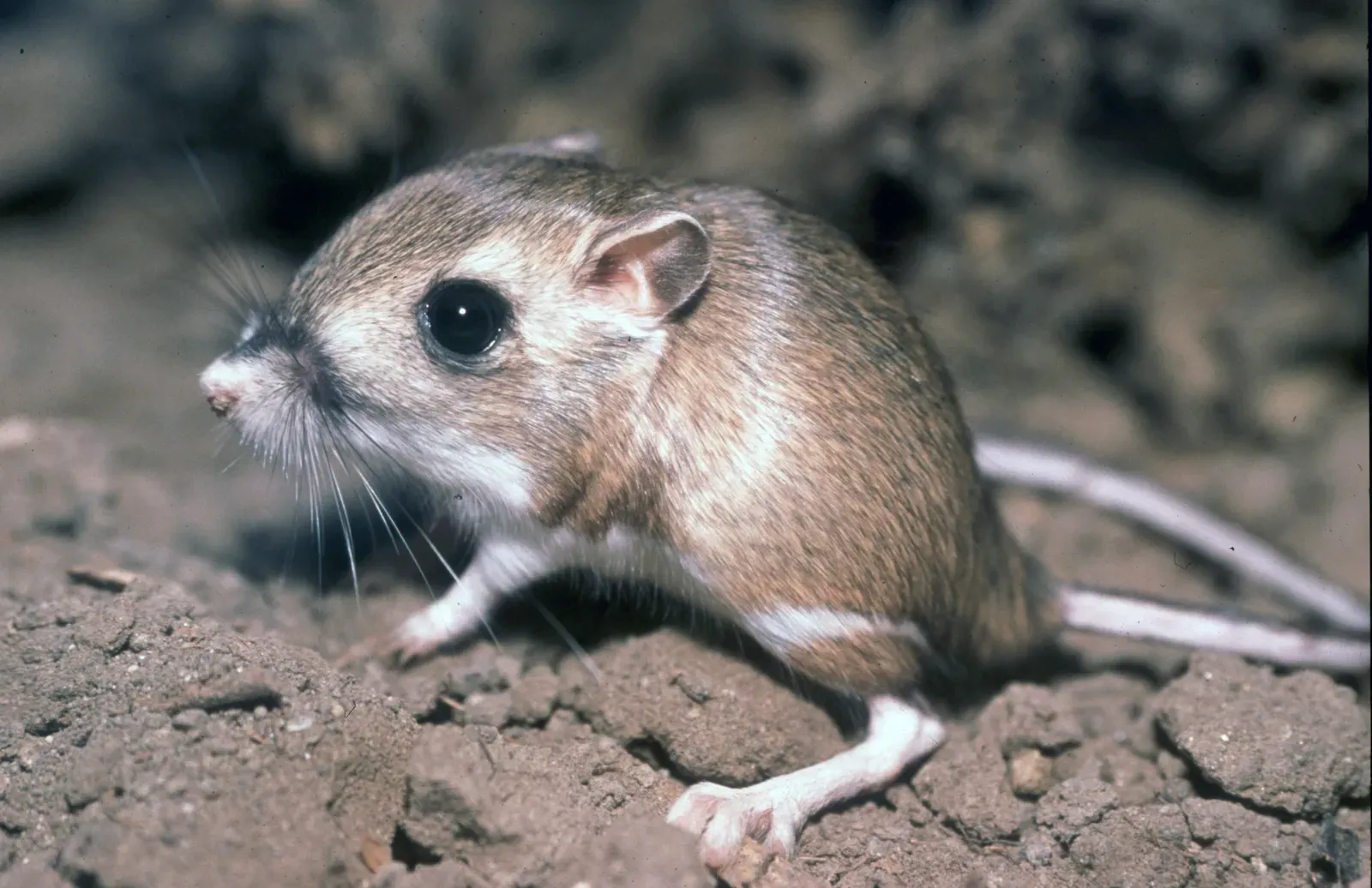
Water is supposed to be essential for life, right? The kangaroo rat is a desert rodent that can survive without drinking water for its entire life, obtaining all the water it needs from the food it eats, and its kidneys are highly efficient at conserving water. This adaptation takes desert survival to another level entirely.
These small rodents have become masters of metabolic water production, creating moisture internally through the breakdown of seeds and plant material. Their bodies waste almost nothing, producing incredibly concentrated urine that minimizes water loss. Meanwhile, they spend their days underground in burrows where humidity is higher and temperatures are cooler, only emerging at night when conditions are less brutal. The kangaroo rat essentially turned the desert’s harshest challenges into a lifestyle it could not only tolerate but master completely.
Emperor Penguins Huddle and Fast for Months in Antarctic Winter
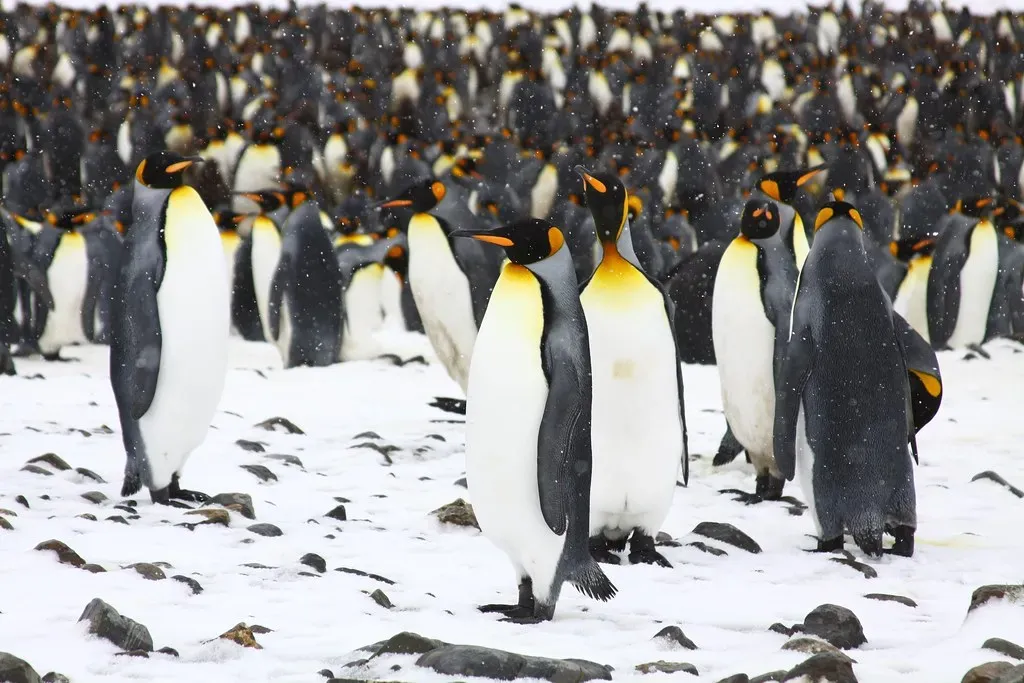
Emperor penguins breed during the brutal Antarctic winter when temperatures can drop below negative forty degrees Celsius and winds exceed two hundred kilometers per hour, with male emperor penguins undertaking one of nature’s most extraordinary acts of endurance by incubating eggs on their feet under a specialized brood pouch for approximately two months without feeding, and during this period they can lose up to forty five percent of their body weight. That’s not survival, that’s dedication bordering on the absurd.
Emperor penguins survive the polar climate with specialized insulation including three layers of feathers and a fat layer for warmth and energy, and their unique parenting involves males protecting eggs from freezing winds and both parents caring for chicks until independence. They huddle together in massive groups, rotating positions so everyone gets a turn in the warmer center. It’s a cooperative survival strategy that turns a frozen wasteland into a nursery.
Conclusion
From microscopic tardigrades that laugh at the vacuum of space to wood frogs that literally freeze and thaw like organic popsicles, evolution has sculpted survival strategies that push the boundaries of what seems biologically possible. These creatures remind us that life doesn’t just find a way, it finds spectacularly weird ways.
The extreme adaptations we’ve explored today aren’t just fascinating curiosities. They’re teaching scientists about everything from organ preservation to radiation resistance, potentially unlocking medical breakthroughs that could transform human health. Next time you’re complaining about the weather, just remember there’s a frog somewhere frozen solid waiting for spring, or a worm chilling next to a volcanic vent wondering why you think your commute is tough. What’s the most extreme adaptation you’ve ever heard of? Tell us in the comments.