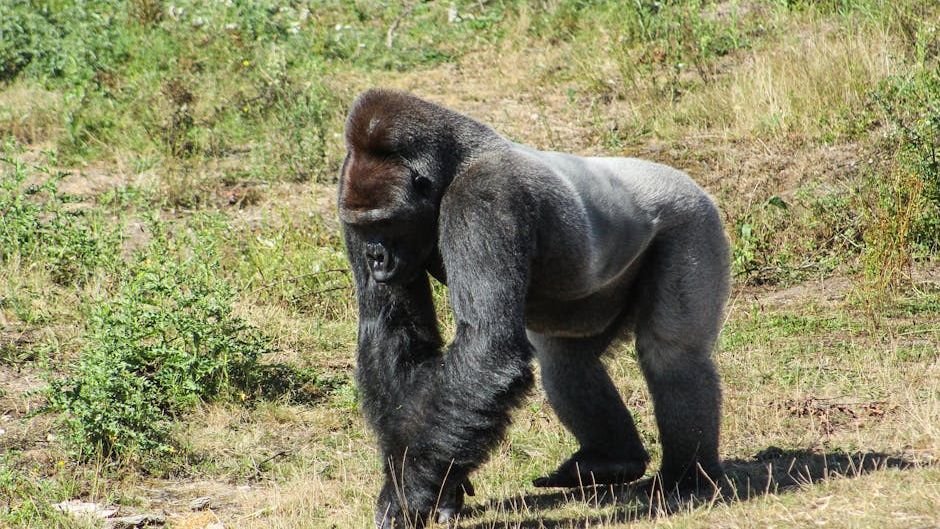

The natural world is a battlefield where survival depends on deadly precision. While humans have spent centuries developing weapons of war, nature has been crafting biological arsenals for millions of years. From microscopic toxins that can paralyze prey in seconds to chemical compounds that dissolve flesh, evolution has created some of the most sophisticated and terrifying weapons imaginable. These aren’t just survival tools—they’re masterpieces of biological engineering that put our modern weaponry to shame.
The Cone Snail’s Venomous Harpoon
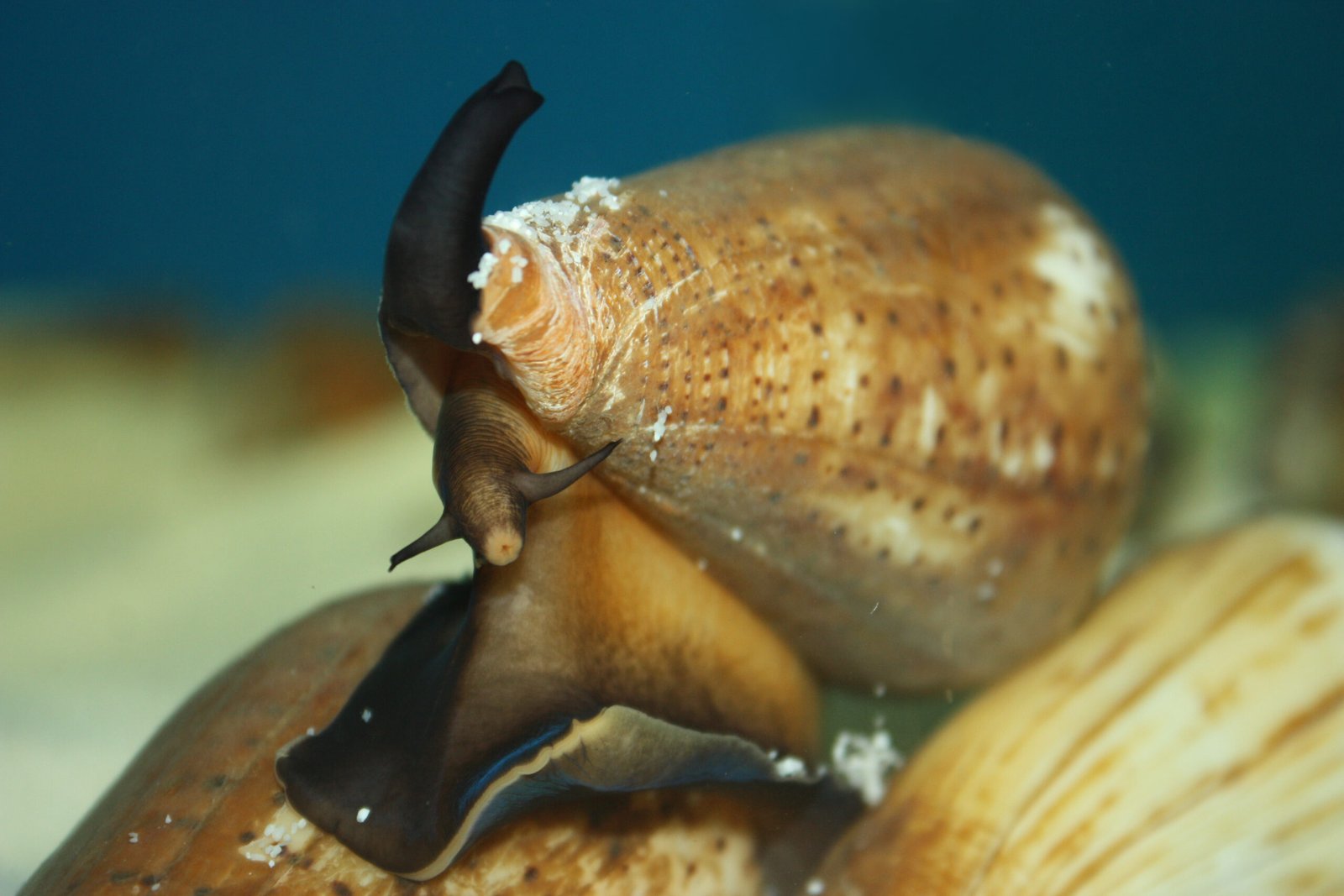
Hidden beneath the beautiful shell of the cone snail lies one of nature’s most sophisticated killing machines. This marine predator fires a venomous harpoon that delivers conotoxins powerful enough to paralyze fish instantly. The venom contains over 100 different compounds, each targeting specific nerve channels with surgical precision.
What makes this weapon truly remarkable is its delivery system. The snail’s proboscis shoots out like a high-speed syringe, injecting venom directly into its prey’s bloodstream. The toxins block sodium channels in nerve cells, causing immediate paralysis and death.
Scientists have discovered that cone snail venom is so potent that a single drop could kill 20 adult humans. The snail essentially turns its prey into a living torpedo, unable to move or escape while being slowly consumed.
The Bombardier Beetle’s Chemical Explosion
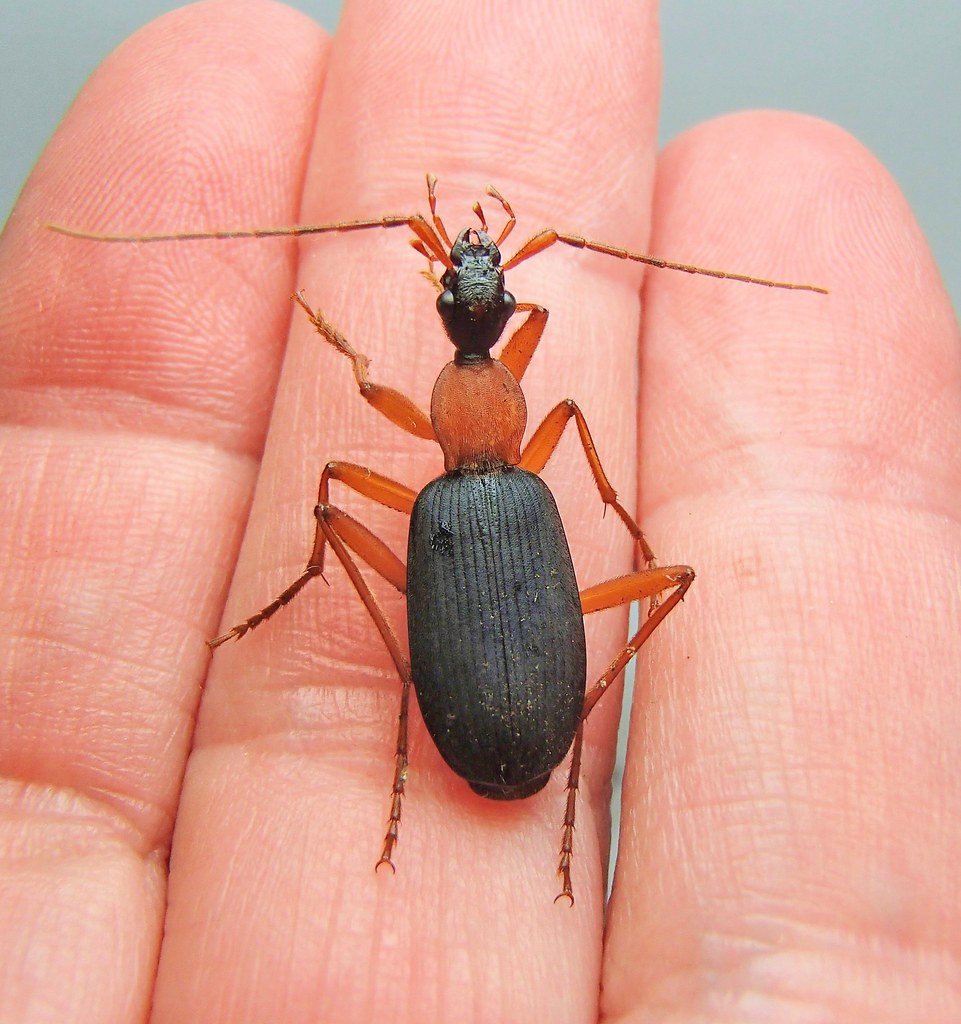
When threatened, the bombardier beetle transforms into a living chemical warfare unit. This remarkable insect mixes hydrogen peroxide and hydroquinone in specialized chambers within its abdomen, creating a boiling hot spray that reaches temperatures of 100°C.
The reaction happens in milliseconds, producing a violent chemical explosion that can be aimed with pinpoint accuracy. The beetle can rotate its spray nozzle 270 degrees, making it nearly impossible for predators to attack from any angle without getting blasted.
This biological weapon system inspired engineers to develop new propulsion technologies. The beetle’s ability to create controlled explosions without harming itself has led to innovations in rocket engine design and defensive systems.
The Platypus’s Venomous Spur
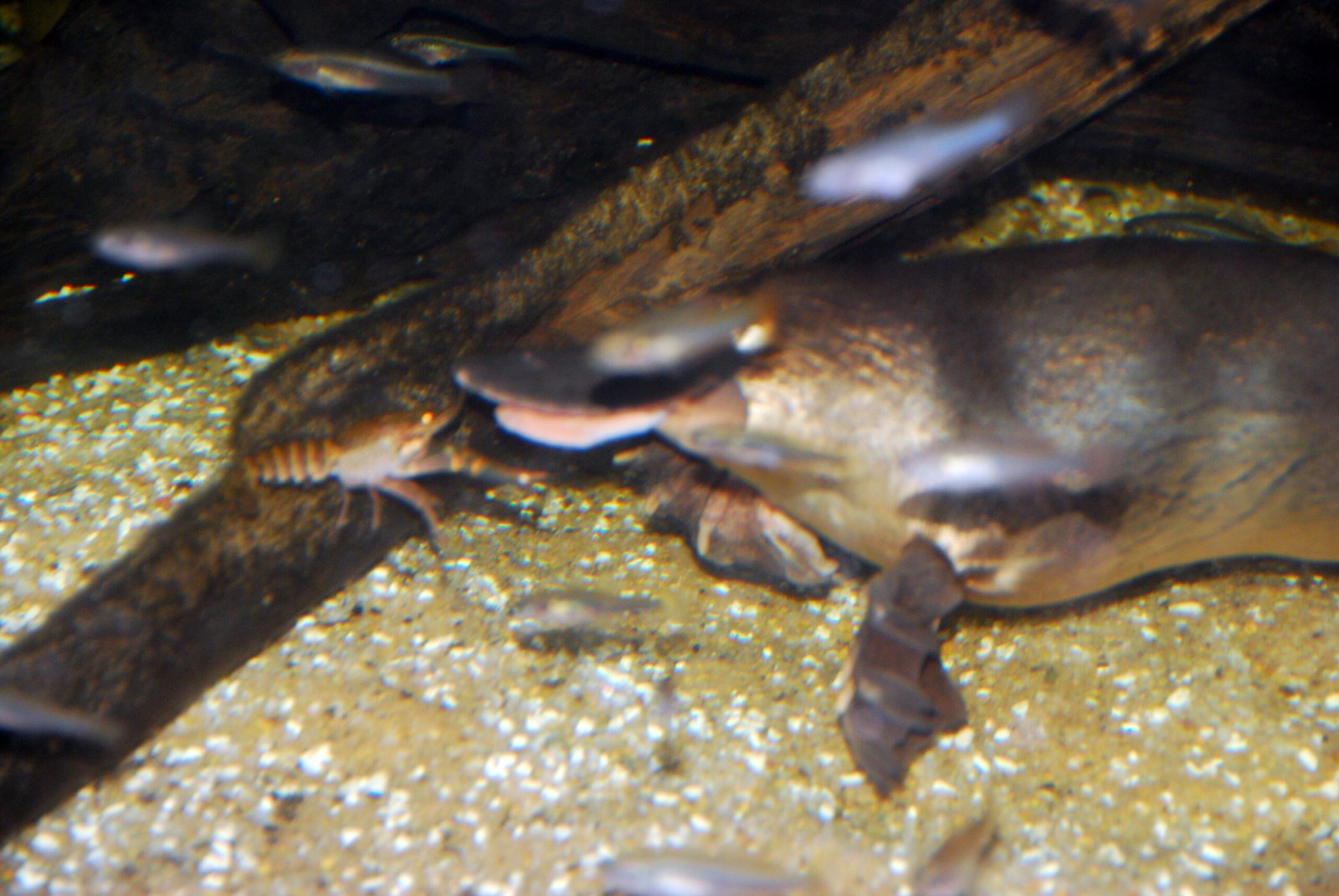
The platypus might look adorable, but males carry a secret weapon that makes them one of the few venomous mammals on Earth. Hidden on their hind legs are hollow spurs connected to venom glands that produce a cocktail of toxic proteins.
During breeding season, venom production increases dramatically, turning the platypus into a territorial enforcer. The venom causes excruciating pain that can last for weeks, even in humans. Unlike snake venom, platypus toxins target pain receptors specifically, creating agony so intense that morphine provides no relief.
The evolutionary purpose of this weapon system remains partially mysterious. Scientists believe it evolved primarily for male-to-male combat during mating season, giving venomous males a significant advantage in territorial disputes.
The Blue-Ringed Octopus’s Neurotoxic Bite
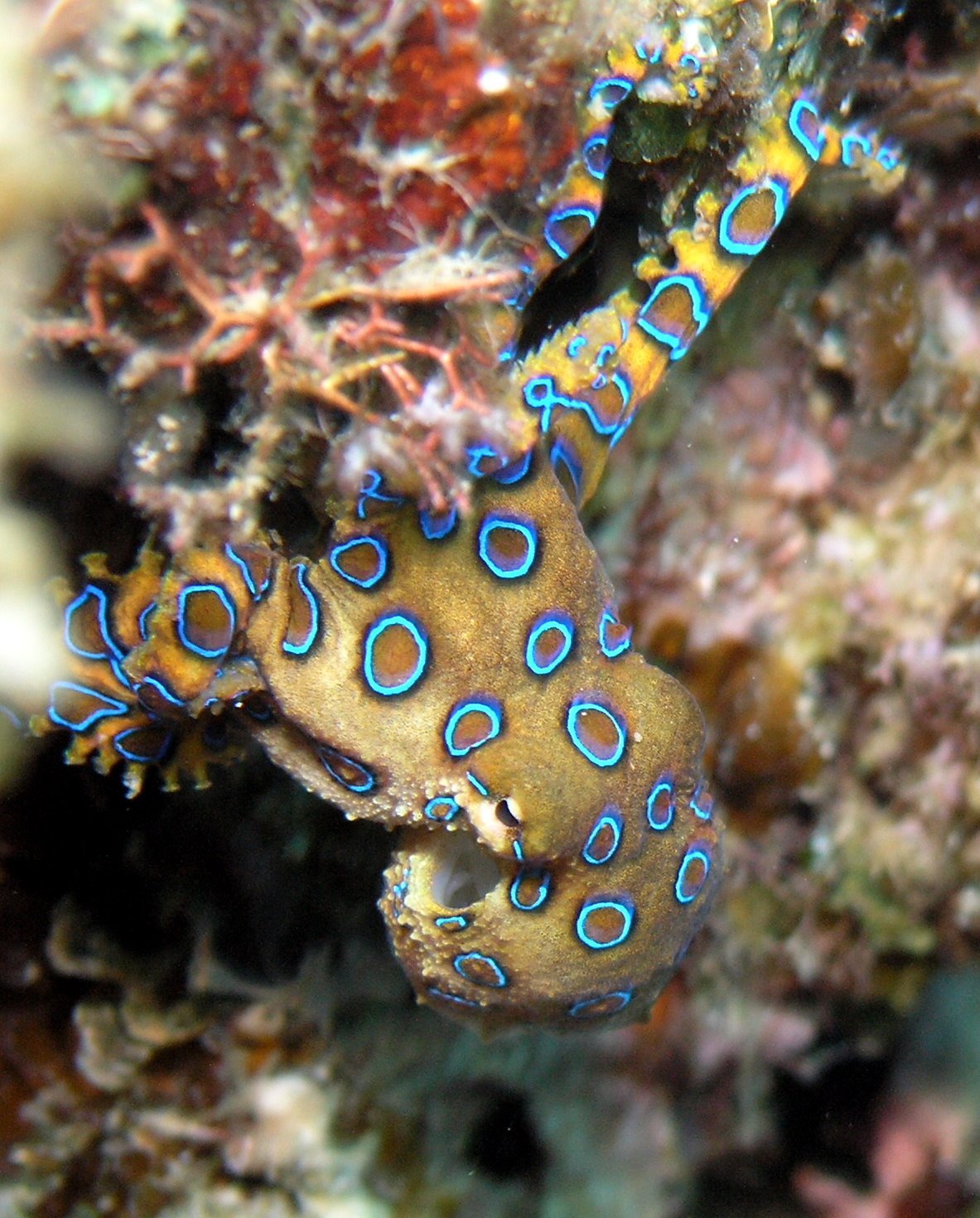
Despite being smaller than a golf ball, the blue-ringed octopus carries enough venom to kill 26 adult humans within minutes. Its bite delivers tetrodotoxin, a neurotoxin 1,000 times more potent than cyanide, directly into the victim’s bloodstream.
The octopus stores this deadly weapon in its salivary glands, ready to deploy through its beak-like mouth. The toxin blocks sodium channels in nerve cells, causing rapid paralysis while the victim remains fully conscious—a terrifying experience that often leads to death by respiratory failure.
What makes this biological weapon particularly insidious is its lack of antidote. Modern medicine has no effective treatment for tetrodotoxin poisoning, making the blue-ringed octopus one of the ocean’s most feared predators.
The Slow Loris’s Toxic Saliva

The slow loris appears harmless, but this primate possesses the only known venomous bite among mammals. Special glands in its elbows produce a toxic secretion that becomes lethal when mixed with saliva and delivered through grooved teeth.
This biological weapon system evolved as both defense and offense. Mother lorises coat their young with the toxic mixture to protect them from predators while they forage. The venom causes severe allergic reactions and tissue necrosis in victims.
The slow loris’s weapon is particularly sophisticated because it requires activation. The animal must lick its elbow glands to arm its bite, creating a venomous cocktail that remains potent for hours. This delayed-activation system allows the loris to choose when to deploy its deadly arsenal.
The Gila Monster’s Venomous Grip
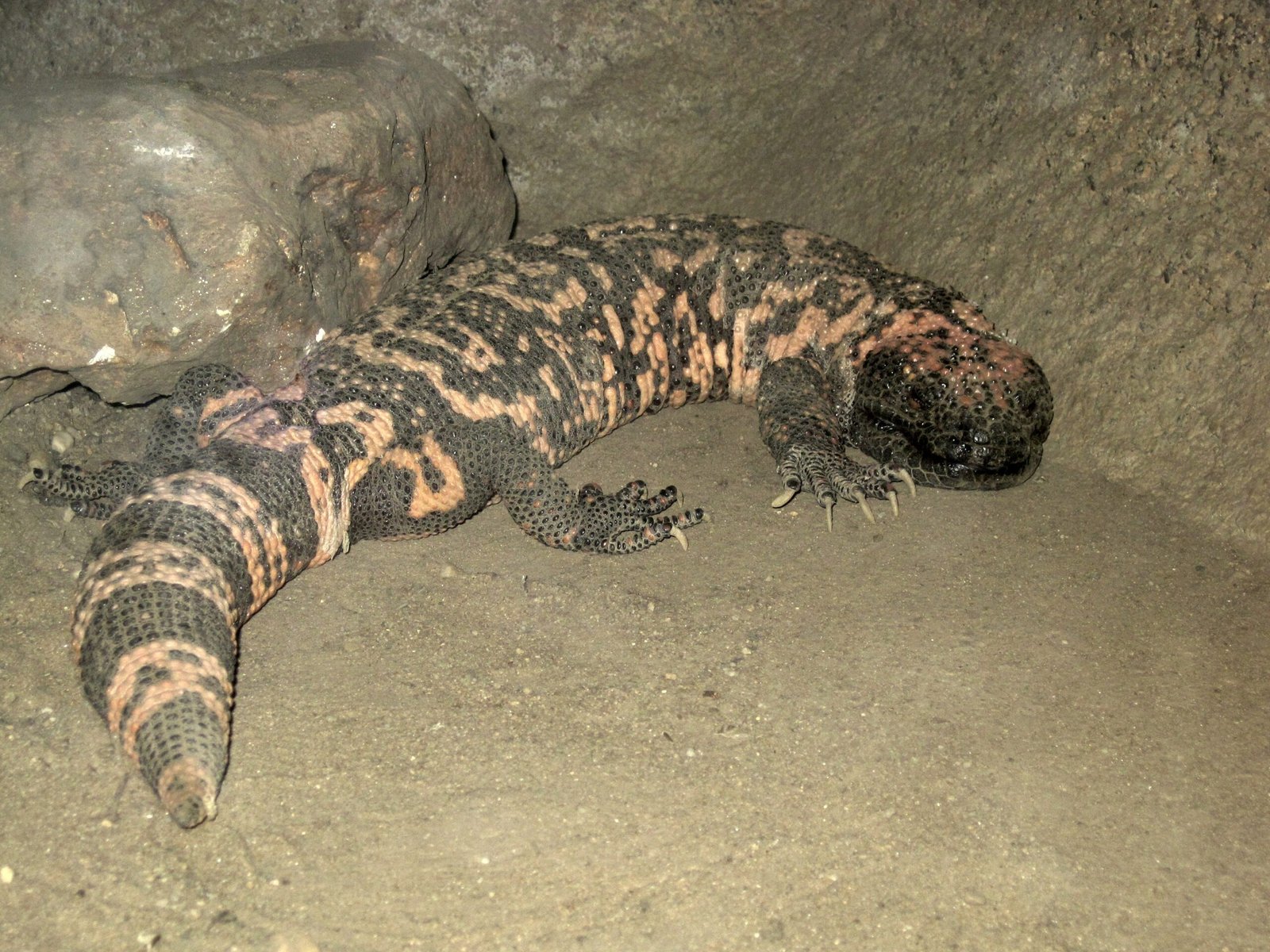
The Gila monster’s bite is legendary in the American Southwest, and for good reason. This lizard’s venom contains powerful enzymes that break down blood vessels and prevent clotting, causing victims to bleed internally while experiencing excruciating pain.
Unlike snakes that inject venom through hollow fangs, the Gila monster uses grooved teeth to deliver toxins through prolonged chewing. The longer it maintains its grip, the more venom enters the wound, making this weapon system particularly brutal.
Recent research has revealed that Gila monster venom contains compounds now used in diabetes medication. The same toxins that cause hemorrhaging in prey also help regulate blood sugar in humans, showing how nature’s weapons can become medical tools.
The Stonefish’s Spinal Arsenal
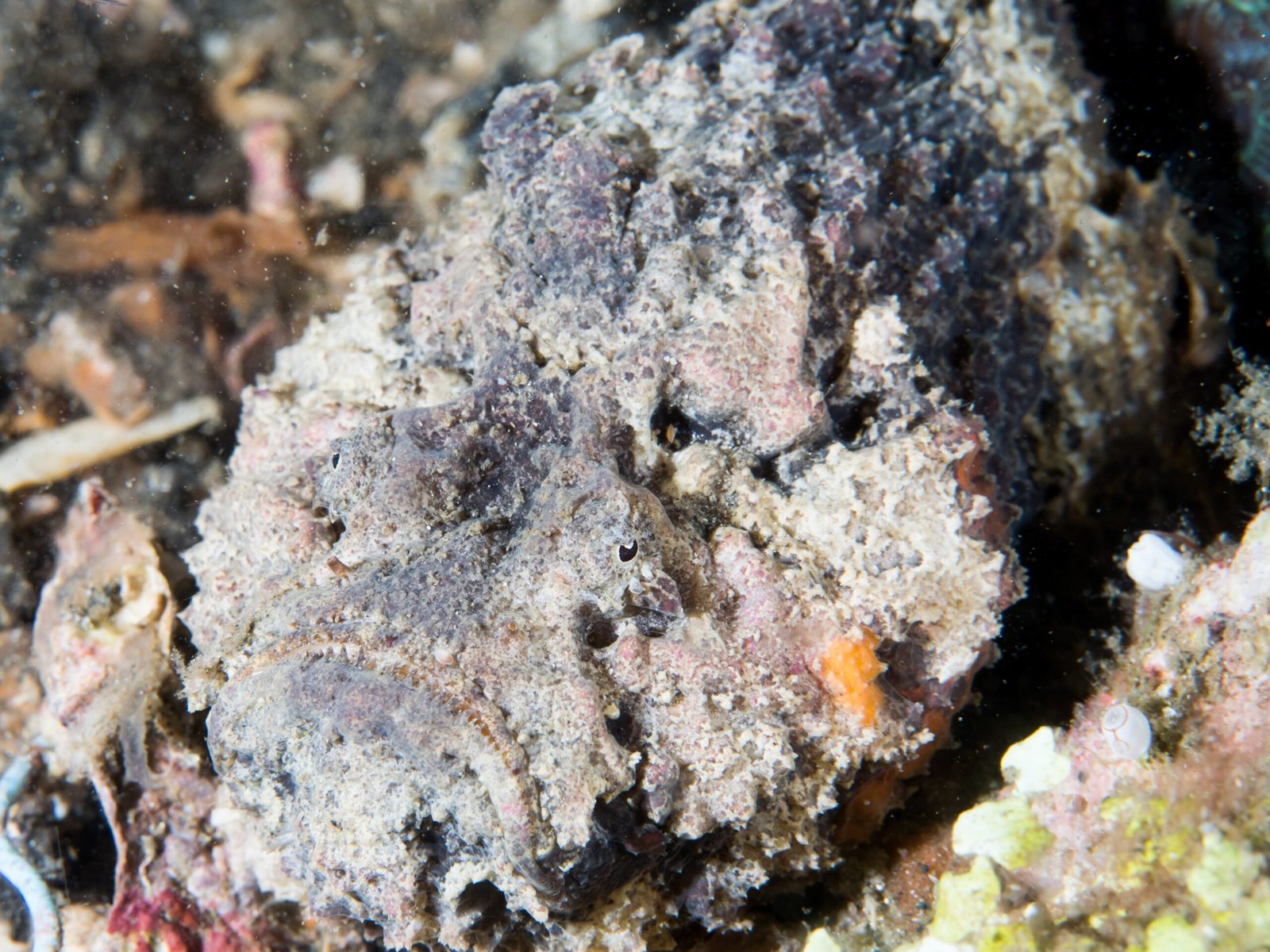
Perfectly camouflaged on the ocean floor, the stonefish deploys the most venomous spines in the marine world. Thirteen dorsal spines inject venom so potent that stepping on one can cause death within hours if left untreated.
The fish’s weapon system is entirely defensive, activated only when pressure is applied to its spines. Each spine contains enough venom to kill an adult human, and the fish can fire multiple spines simultaneously when threatened.
What makes this biological weapon particularly effective is its stealth delivery system. The stonefish looks exactly like a rock covered in algae, making it nearly impossible to detect until it’s too late. The venom causes tissue necrosis, excruciating pain, and cardiovascular collapse.
The Evolutionary Arms Race
These biological weapons didn’t appear overnight—they’re the result of millions of years of evolutionary pressure. Each species faced life-or-death scenarios that favored individuals with increasingly sophisticated defensive and offensive capabilities.
The development of venom systems represents one of evolution’s most successful strategies. Unlike physical weapons that can break or wear down, biological weapons are self-replenishing and can be fine-tuned through genetic mutations.
This evolutionary arms race continues today, with prey species developing resistance to toxins while predators evolve more potent venoms. The result is a constant biological cold war where the stakes are survival itself.
Molecular Precision in Nature’s Arsenal
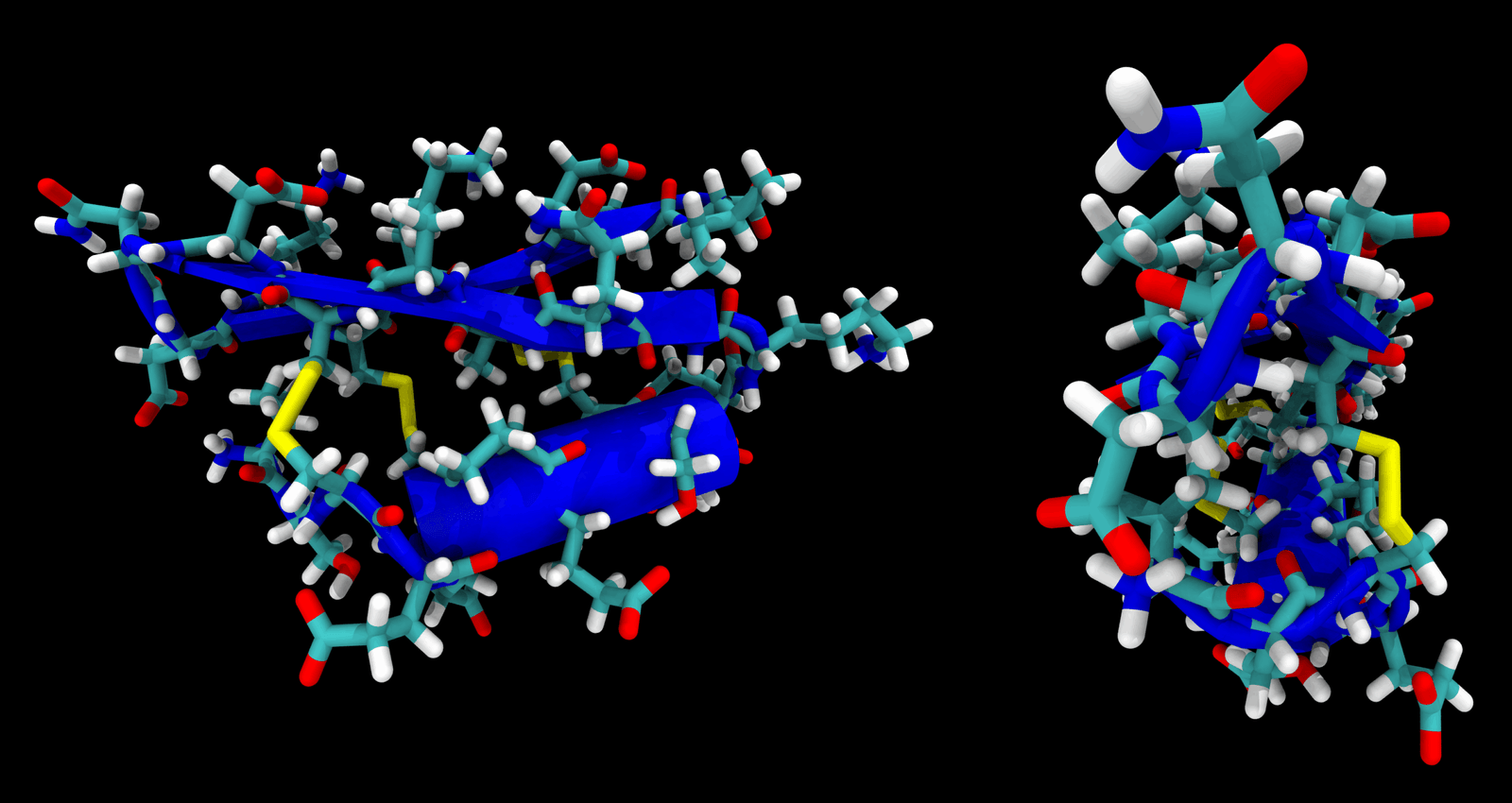
The molecular complexity of these biological weapons surpasses anything humans have created. Each toxin is composed of precisely folded proteins that target specific cellular mechanisms with incredible accuracy.
Take conotoxins from cone snails—these molecules are so specific that different compounds target different types of nerve channels. This precision allows the snail to customize its weapon for different prey species, much like a smart bomb selecting its target.
Scientists study these molecular structures to understand how evolution creates such sophisticated weapons. The knowledge gained has led to breakthroughs in drug development, with several venom-derived compounds now used in medicine.
The Speed of Biological Warfare

Time is crucial in nature’s battlefield, and these biological weapons are optimized for rapid deployment. The cone snail’s harpoon system can fire and inject venom in less than a second, while the bombardier beetle’s chemical explosion happens in milliseconds.
This speed advantage often determines survival outcomes. Prey animals that can deploy their weapons faster are more likely to survive predator attacks, while predators with quicker toxin delivery systems catch more food.
The temporal precision of these systems rivals military technology. The blue-ringed octopus, for example, can calculate the exact moment to bite for maximum venom transfer, demonstrating split-second decision-making that would impress any strategist.
Defensive Strategies and Countermeasures
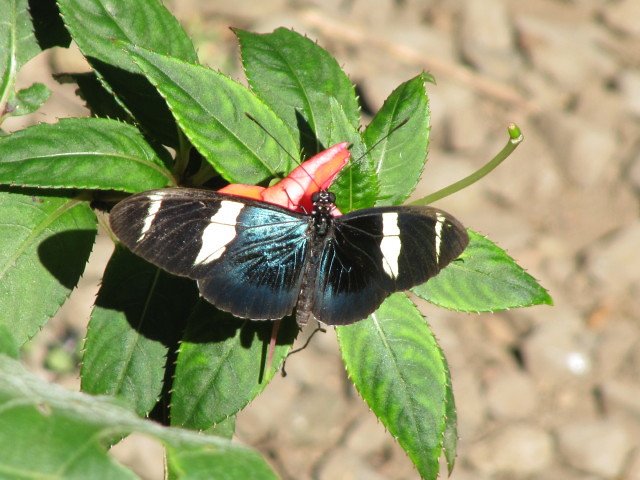
Evolution has also produced remarkable defensive strategies against these biological weapons. Some species have developed immunity to specific toxins, while others use behavioral adaptations to avoid contact entirely.
Certain birds have learned to recognize the bright warning colors of venomous creatures, while marine animals often detect chemical signals that indicate danger. These evolutionary countermeasures create a complex web of biological warfare and defense.
The most fascinating aspect is how some species have turned defensive adaptations into offensive weapons. Birds that eat venomous insects often store the toxins in their own bodies, becoming poisonous to their predators—a biological recycling program with deadly consequences.
Environmental Applications of Biological Weapons

These natural weapons don’t just affect individual prey—they can reshape entire ecosystems. A single blue-ringed octopus can control the population of crabs and small fish in its territory, while cone snails help maintain the balance of marine communities.
The presence of venomous species often creates “zones of influence” where other animals modify their behavior. Fish avoid areas where stonefish are known to hide, while small mammals give wide berths to slow loris territories.
This ecosystem-level impact demonstrates how biological weapons serve as population control mechanisms. They prevent any single species from dominating an environment, maintaining the delicate balance that allows biodiversity to flourish.
Medical Breakthroughs from Nature’s Arsenal

Modern medicine has found incredible value in studying these biological weapons. The same compounds that cause paralysis and death in prey animals are now saving human lives in carefully controlled doses.
Cone snail venom has provided breakthrough treatments for chronic pain, while Gila monster toxins help millions of diabetics manage their blood sugar. The slow loris’s venom has led to new antibiotics, proving that nature’s weapons can become healing tools.
Research into these biological systems continues to yield medical discoveries. Scientists are currently investigating how bombardier beetle chemistry might inspire new cancer treatments, while platypus venom proteins show promise in developing novel painkillers.
The Future of Biological Weapon Research

As technology advances, our understanding of these natural weapons becomes more sophisticated. Advanced imaging techniques now allow scientists to observe venom delivery systems in real-time, revealing secrets that were hidden for millions of years.
Genetic engineering techniques are being used to produce these natural toxins in laboratory settings, making them more accessible for medical research. This approach allows scientists to study and modify these compounds without harming wild populations.
The potential applications seem limitless. Researchers are exploring how these biological weapons might inspire new materials, propulsion systems, and even robotic designs. Nature’s arsenal continues to provide blueprints for human innovation.
Conservation Implications
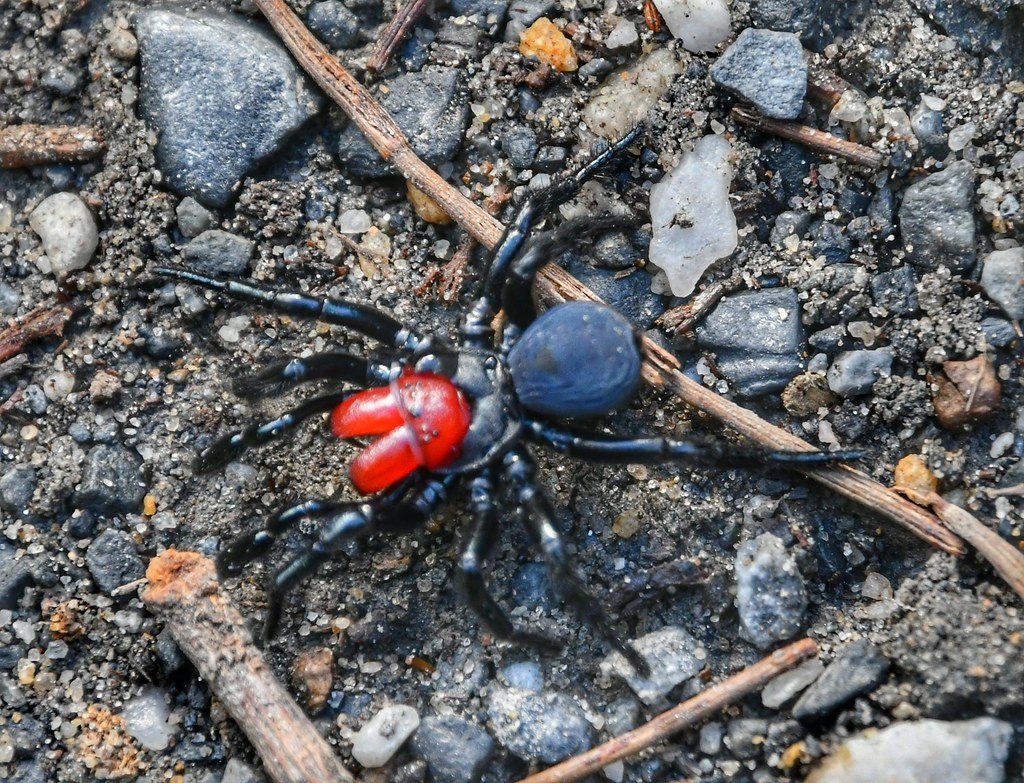
Many of these venomous species face threats from habitat destruction and climate change. The loss of any species carrying unique biological weapons represents the disappearance of millions of years of evolutionary innovation.
Conservation efforts are increasingly focused on protecting these remarkable creatures and their habitats. Scientists argue that preserving venomous species is crucial not just for biodiversity, but for future medical and technological breakthroughs.
The irony is striking—some of the most feared creatures on Earth may hold the keys to solving humanity’s greatest challenges. Protecting these natural weapons systems isn’t just about preserving nature; it’s about securing our own future.
Conclusion

Nature’s biological weapons represent evolutionary masterpieces that dwarf human technological achievements. From the cone snail’s precision harpoon to the bombardier beetle’s chemical explosions, these systems demonstrate the incredible sophistication possible through millions of years of natural selection. Each weapon tells a story of survival, adaptation, and the relentless drive to persist in a competitive world.
The study of these natural arsenals continues to revolutionize medicine, inspire new technologies, and deepen our understanding of life’s complexity. As we face our own survival challenges, from disease to environmental threats, these ancient weapons may provide the solutions we desperately need.
What would you have guessed could be more sophisticated than our most advanced military technology?