
Slip into a dark forest at dawn, stand very still, and listen. You might swear you’re completely alone, yet all around you, shy, sharp‑eyed animals are watching from the shadows. America is packed with wildlife that almost never shows its face, living parallel lives right beside ours, far out of sight and, honestly, far beyond most people’s imagination.
I used to think “elusive animals” just meant they were hard to find. But the deeper I dug into their behavior, the more it felt like uncovering a hidden world with its own rules, dramas, and plot twists. These are not just “rare animals”; they’re masters of vanishing, shape‑shifting schedules, silent migrations, and secret survival tricks that sound almost unreal until you see the evidence. Let’s pull back the curtain on a few of them.
1. Mountain Lions Can Live Right Next to Cities Without Anyone Noticing
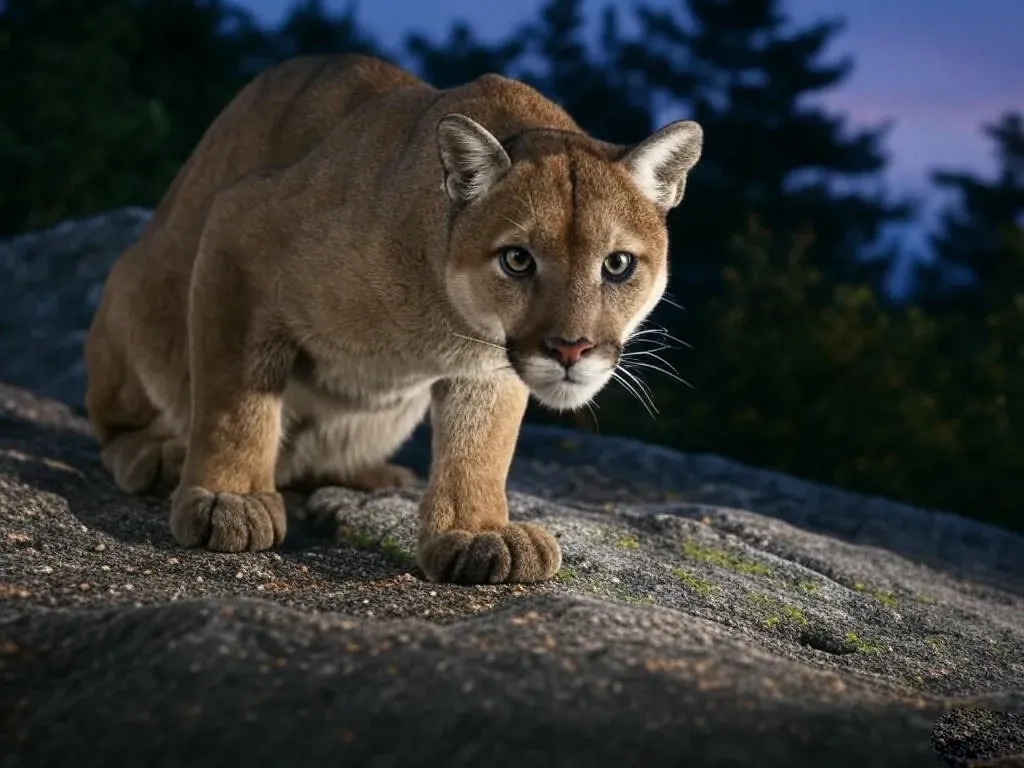
It sounds like something out of a thriller, but large wild cats sometimes live just beyond the glow of suburban porch lights, slipping through greenbelts, golf courses, and even under freeway overpasses. In states like California and Colorado, GPS-collared mountain lions have been documented traveling through narrow strips of habitat wedged between housing developments and highways. People walk their dogs nearby, completely unaware that a two-hundred-pound predator padded past in the middle of the night.
What’s truly astonishing is how carefully these cats schedule their lives around us. Studies have found mountain lions in human-dominated areas become almost entirely nocturnal, waiting for darkness before moving, hunting, and crossing roads. They can cross huge distances in a single night, yet leave almost no trace beyond a faint paw print in soft soil or a distortion on a trail camera image. The idea that such a powerful animal can live for years practically in our backyard, most of us never seeing it once, is both unsettling and strangely awe-inspiring.
2. Wolverines Can Smell Food Under Snow Deeper Than Most People Are Tall
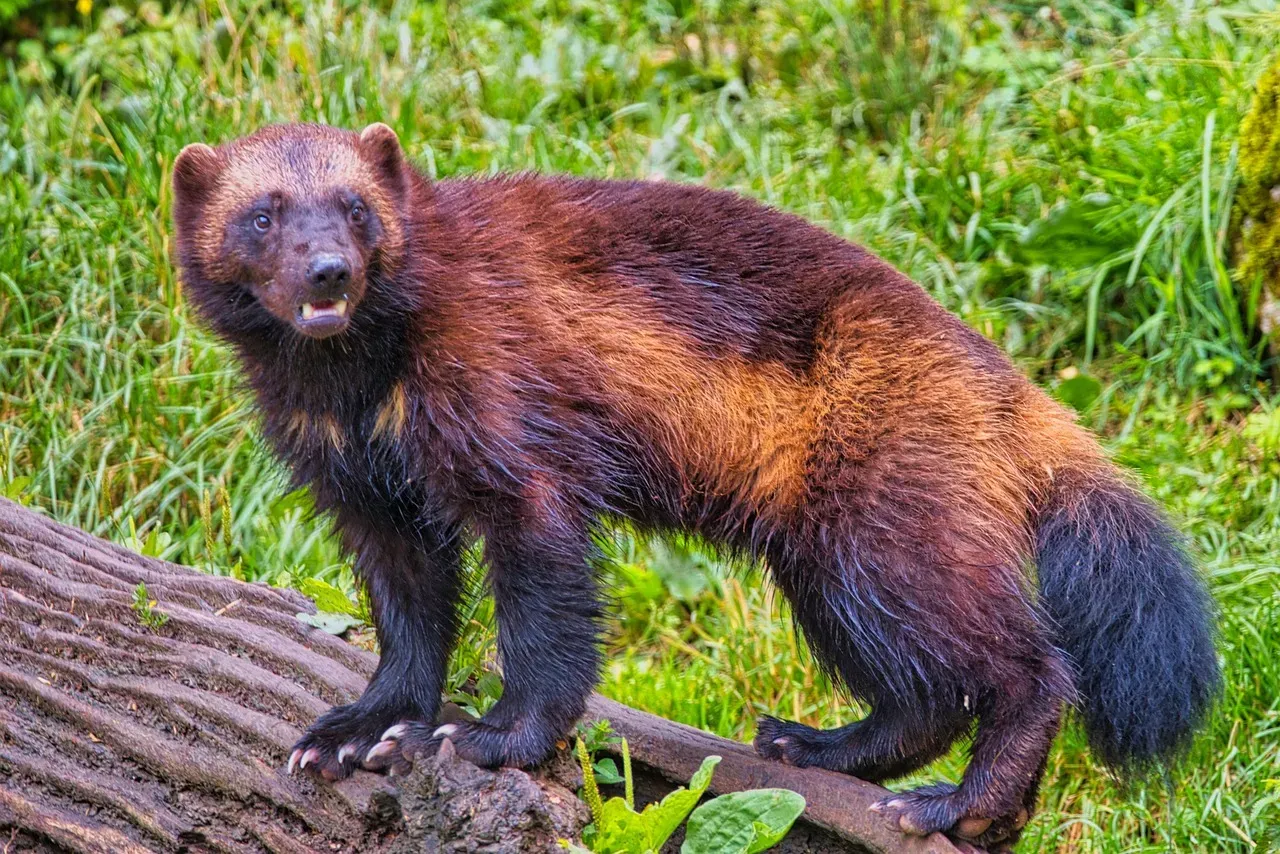
Wolverines already have a reputation as tough, ghost‑like wanderers of the northern wilderness, but their sense of smell pushes them into almost superhero territory. Biologists have documented wolverines locating food hidden beneath several feet of compacted snow, essentially “smelling through” a frozen barrier thicker than a person is tall. In brutal mountain winters, that nose is the difference between life and death.
They roam enormous territories, sometimes spanning hundreds of square miles, using this outrageous ability to locate carcasses buried by avalanches, cached food, or frozen remains left by other predators. Imagine searching a supermarket where all the shelves are buried under white concrete and still knowing exactly where the snacks are. That’s how dialed-in a wolverine’s world is. It’s one reason you almost never see them: they don’t need to come anywhere near us to find what they need.
3. Jaguars in the United States Are Making Quiet Comebacks Across the Border
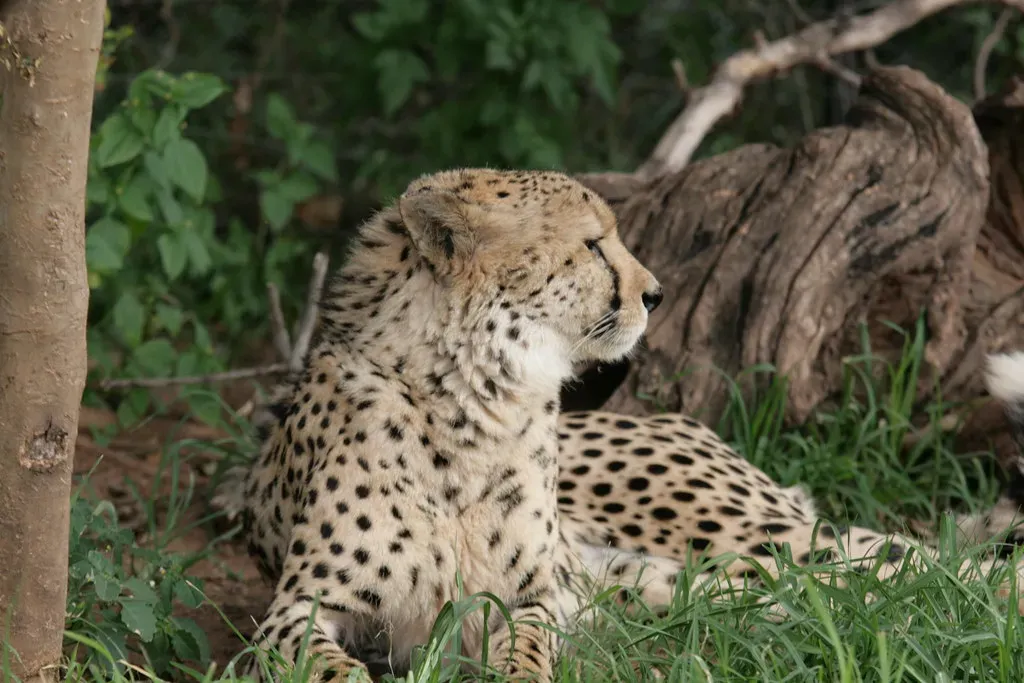
Most people in the U.S. think of jaguars as strictly a Central or South American species, but historically they roamed parts of the American Southwest, too. In the past couple of decades, camera traps in Arizona and New Mexico have photographed a few male jaguars slipping north from Mexico, wandering rugged mountain ranges and canyons like ghosts reclaiming old territory. Many residents hike those same trails and never realize a spotted cat the size of a big dog passed through days or even hours earlier.
What’s wild is how quietly this story is unfolding. These are not reintroductions by humans; they’re animals moving on their own, following ancient routes that ignore political borders. Some of these cats have been tracked for years by their unique spot patterns, yet almost nobody ever sees them in person. Whether they establish permanent breeding populations again is still unknown, but the fact that a top predator we’d basically written off as gone is slipping back into the landscape feels like nature turning a page while most of us haven’t even realized the chapter started.
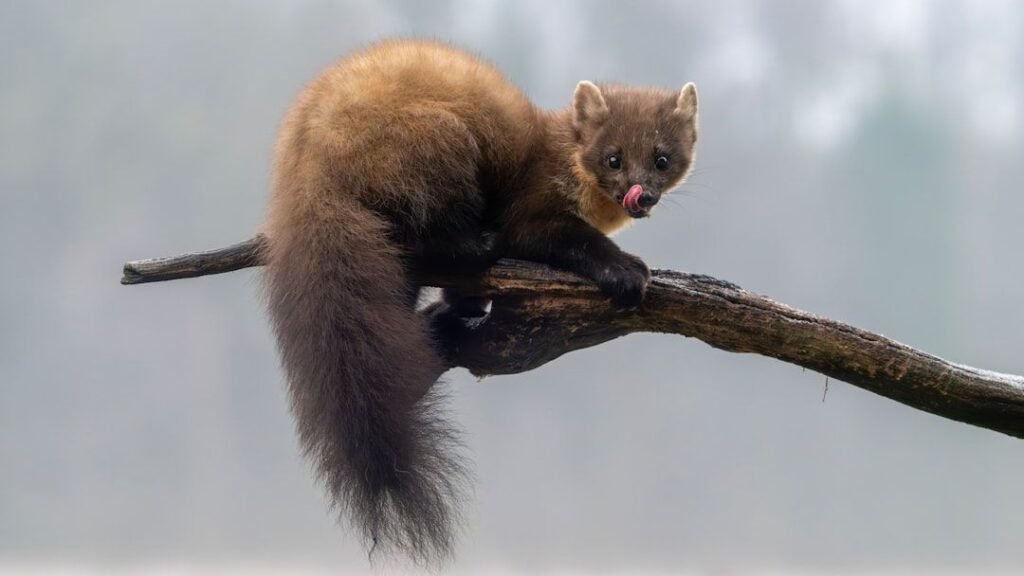
4. The American Marten Moves Through Forests Like a Phantom Acrobat
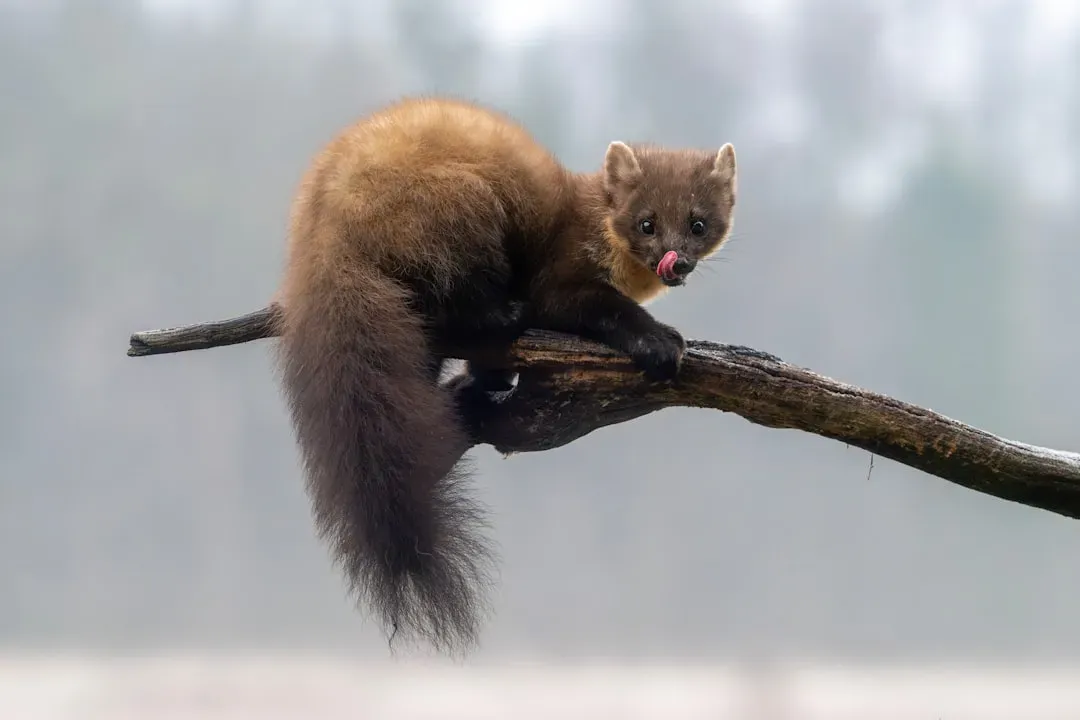
The American marten is small, cat‑sized, and ridiculously hard to spot, even in forests where it’s fairly common. They weave through branches and fallen logs with a kind of effortless acrobatics, jumping gaps that look impossible and squeezing into holes that seem too tight. In heavy snow, they’ll use buried logs and hollow stumps like secret tunnels, popping up in unexpected spots and vanishing again just as quickly.
They’re so elusive that entire forests can feel empty until a trail camera reveals martens zipping by night after night. Trappers, researchers, and backcountry hikers might go years without seeing one in the flesh, even when tracks are sprinkled all over fresh snow. To me, martens feel like the forest’s stage crew: always working behind the scenes, never in the spotlight, but absolutely essential to the show. They hunt rodents, raid bird nests, and even clean up carrion, all while most of us have no idea they’re there.
5. The Eastern Hellbender Is a Huge Salamander That Almost Nobody Has Ever Seen
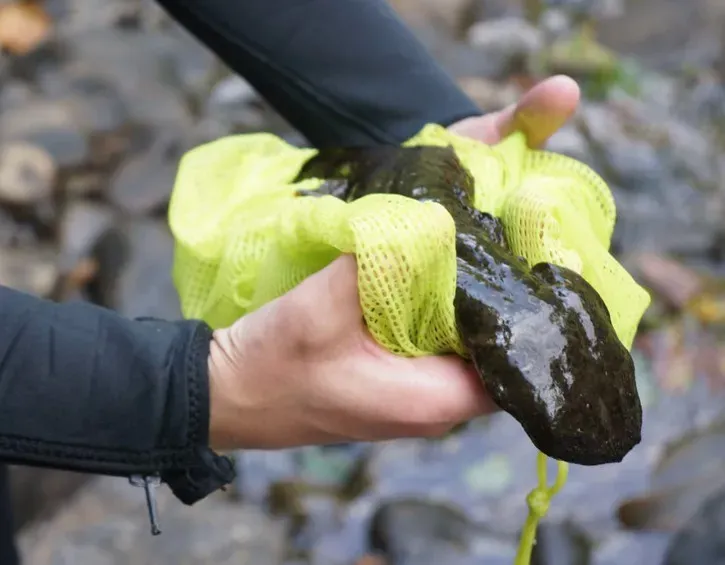
The name sounds made up, but the Eastern hellbender is painfully real: a giant, slimy salamander that can grow nearly as long as a person’s arm. It lives flat against the bottoms of clean, rocky streams in the Appalachians and Midwest, wedged under stones like a living piece of mud. Even people who swim, fish, or kayak in hellbender rivers for years may never see one, because these animals prefer dim light, slow movements, and deep crevices.
They breathe mostly through their skin, which means they need cold, highly oxygenated water. That makes them living water-quality test kits: if hellbenders disappear, the river is in trouble. Biologists sometimes gently lift rocks during surveys and find an animal that looks part dinosaur, part soggy rug, staring back. The fact that such a large creature can spend decades in the same stretch of stream and go completely unnoticed by the public is one of the strangest, and most fragile, wildlife realities in America.
6. Black Bears Can Hide in Plain Sight, Even in Heavily Visited Parks
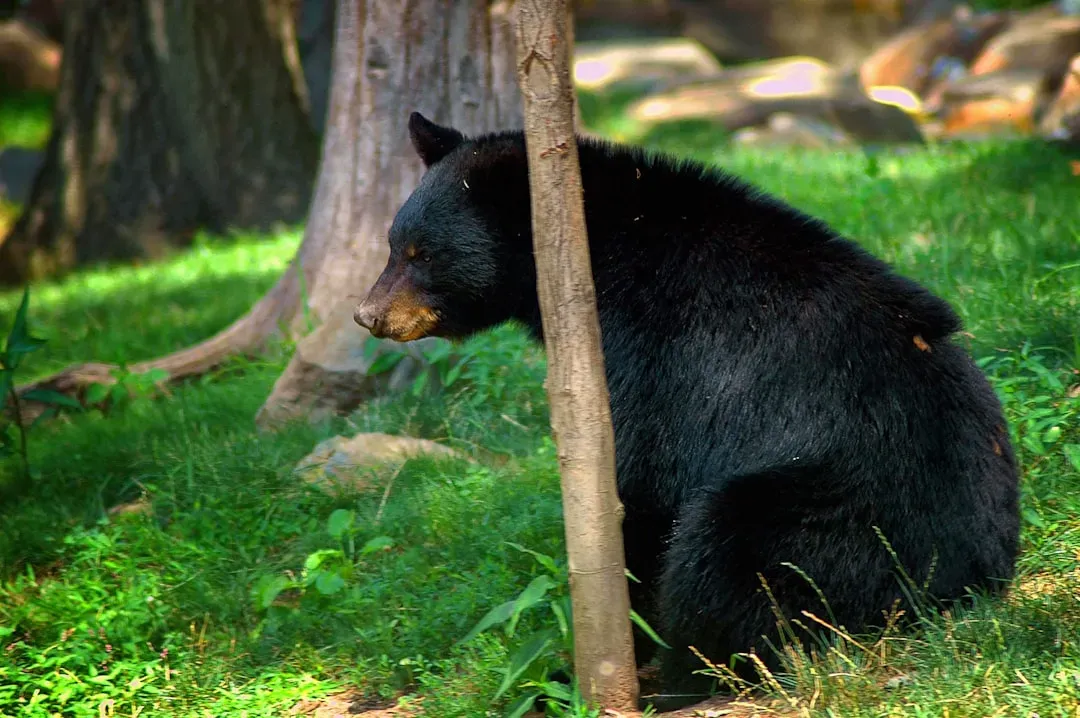
Black bears feel familiar thanks to social media videos and road‑side sightings, but in many places, most bears are never seen at all. They’re masters at slipping into thick brush, moving silently, and flattening themselves behind deadfalls when they sense a person approaching. In big national parks, researchers using GPS collars have found bears bedding down just a short distance from busy trails and campgrounds, staying perfectly still as dozens of hikers walk past.
What I find incredible is how well they read human behavior. Bears quickly learn where people usually go, what time they’re active, and which areas are safest to move through at night. They might raid a berry patch under cover of darkness and then vanish into dense cover by sunrise, leaving only a few broken twigs and half-eaten fruit as clues. That ability to fold themselves into the landscape is part of why conflicts can suddenly spike when food is scarce: the bears were always there, we just didn’t notice until they stepped out of the shadows for something we value too.
7. Bobcats Can Completely Disappear Only a Few Steps Away
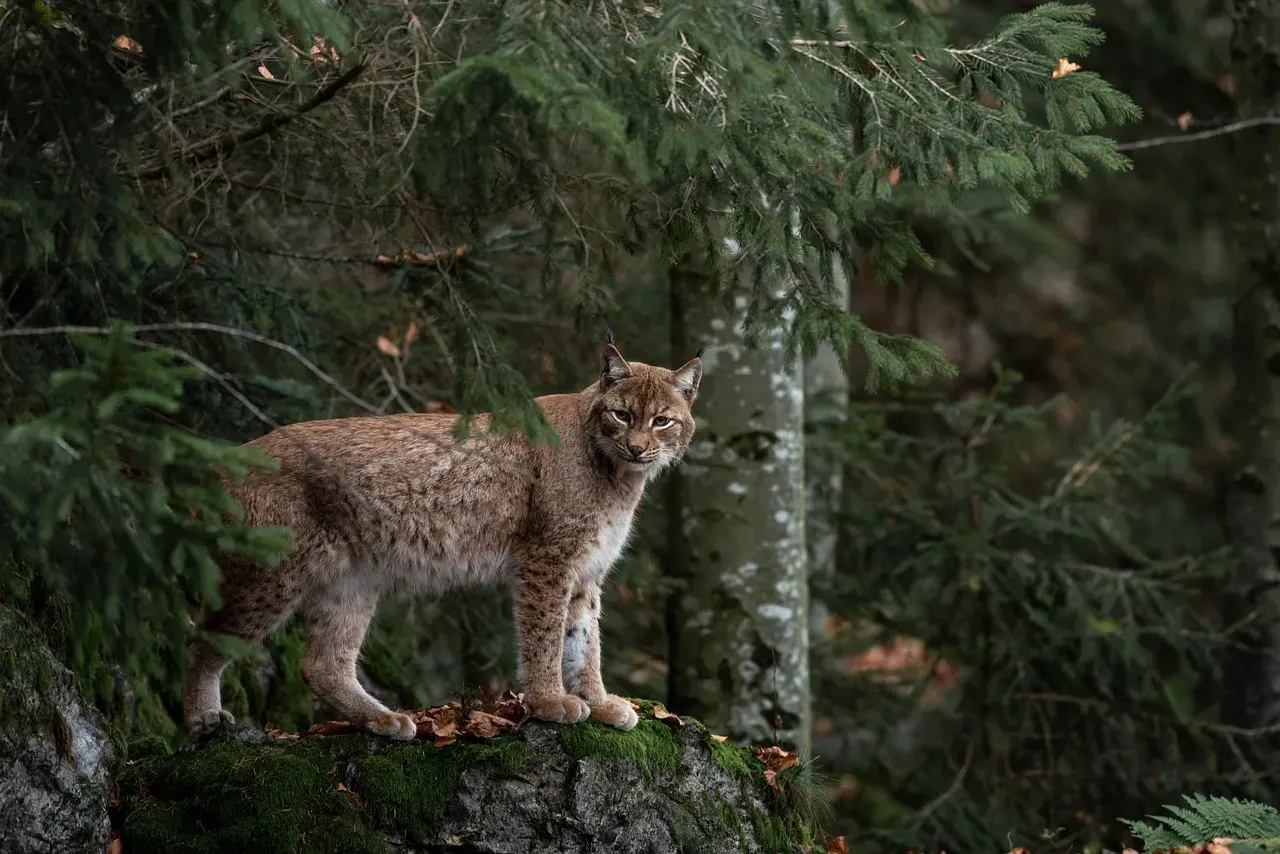
Bobcats are probably the most common large wild cat in the United States, yet many people go their whole lives without knowingly seeing one. They’re not huge, but they’re incredibly good at using terrain: a single rock, a clump of tall grass, or the shadow of a ditch is enough for a bobcat to vanish. I’ve had moments in the field where I spotted one, blinked, and then genuinely doubted I’d seen anything at all because it dissolved so perfectly into the background.
They tend to move at dawn and dusk, gliding along fencelines, creek beds, and field edges where prey like rabbits and rodents are active. Trail cameras reveal that bobcats routinely patrol the outskirts of farms, suburbs, and even industrial areas, yet live almost entirely off wild prey. They may cross the same backyard night after night while the homeowners sleep a few meters away. Once you realize how often bobcats are likely close by, unseen and uninterested in us, your whole idea of what “wild” means around your neighborhood starts to shift.
We are not nearly as alone or as dominant on this landscape as we like to think. Every time you step outside, there’s a decent chance something wild is watching from just out of sight, mapping your patterns the way we try to map theirs. Maybe the most astonishing wildlife fact of all is simply this: the less we see, the more is actually going on. Next time you walk a familiar path, will you picture who might be quietly sharing it with you?