
Ever looked up at the night sky and wondered what secrets it holds? You’re about to find out things that will completely shift how you think about the cosmos. Space isn’t just empty darkness dotted with stars. It’s alive with bizarre phenomena, hidden structures, and revelations that challenge everything scientists thought they knew. The discoveries happening right now are reshaping our entire understanding of what’s out there.
Get ready to have your mind stretched, because these findings aren’t just interesting facts to memorize. They’re revelations that force us to rethink our place in the universe. Let’s dive in.
Black Holes Can Actually Rip Stars Apart and Build New Ones
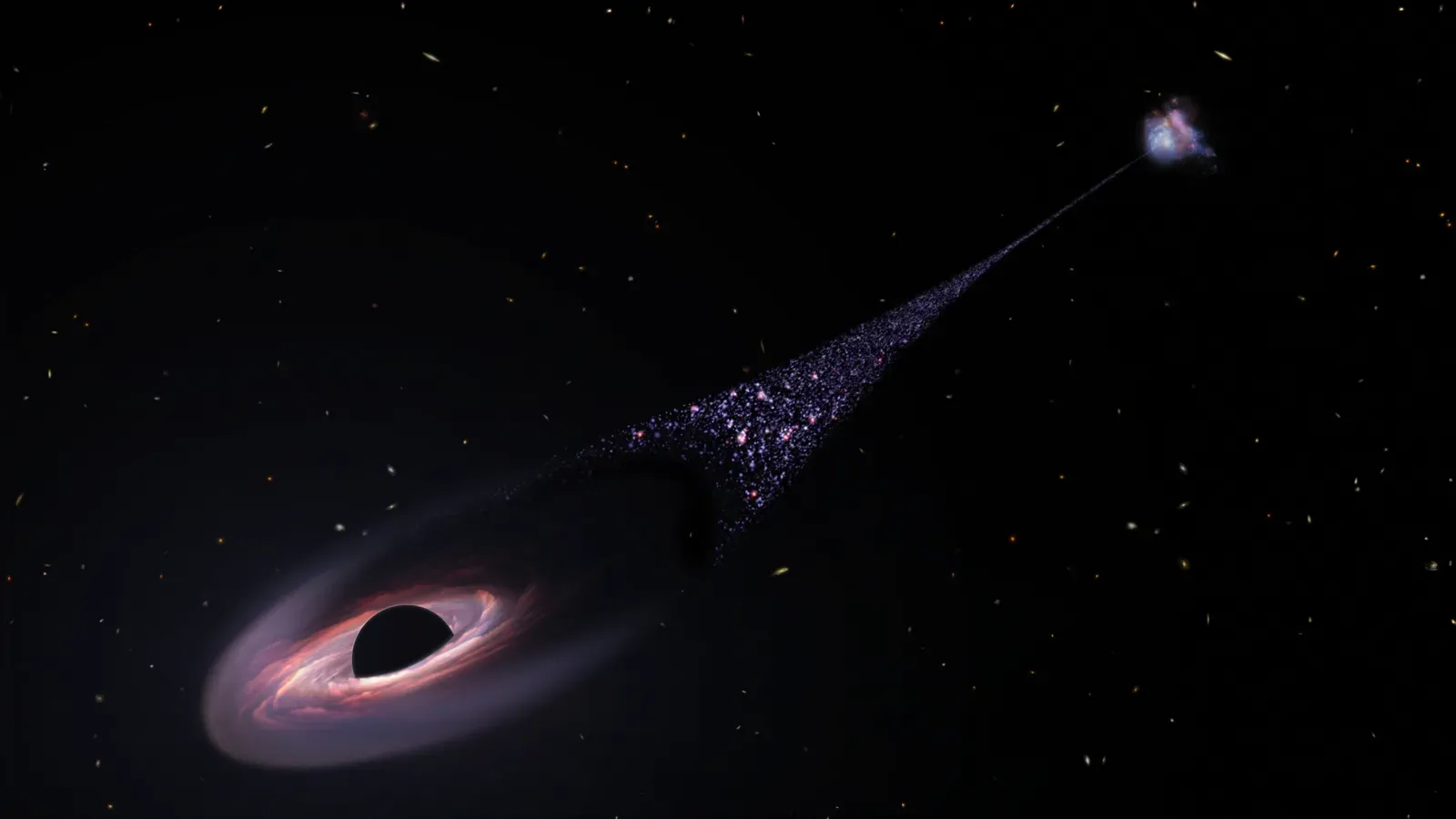
You might think the region around a supermassive black hole is a cosmic death zone where nothing can survive, yet scientists discovered binary stars orbiting each other right next to Sagittarius A*, the supermassive black hole at our galaxy’s heart, which challenges everything we thought about these extreme environments. These twin stars are dancing dangerously close to a monster with roughly four million times our sun’s mass.
Here’s the thing: we always assumed supermassive black holes would tear apart any binary system that wandered too close. The immense gravitational forces should shred them like tissue paper. Yet this discovery indicates that environments around supermassive black holes might not be as turbulent as feared, even though scientists expect these two stars will eventually merge. It’s like finding delicate flowers growing on the edge of a volcano, and it makes you wonder what else might be thriving in places we dismissed as cosmic wastelands.
There’s a Moon Hiding Around Uranus That Nobody Noticed for Decades
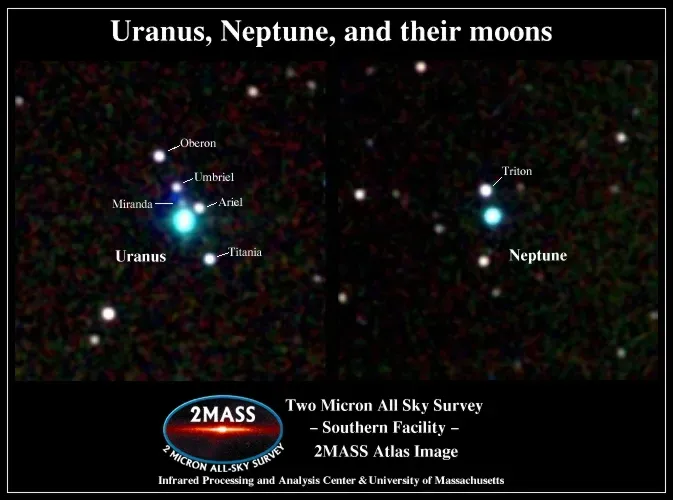
The James Webb Space Telescope discovered a new moon orbiting Uranus, provisionally named S/2025 U1, which is so small and faint that Voyager 2 completely missed it during its Uranus flyby nearly 40 years ago. Think about that for a moment. We sent a probe all the way to Uranus in the 1980s, and we’re still finding moons there in 2025.
This tiny moon sits nestled at the edge of Uranus’s inner rings, roughly 35,000 miles from the planet’s center in its equatorial plane. The discovery reminds us that even in our own solar system, secrets remain hidden in plain sight. Webb’s incredible infrared vision pulled back another curtain on what we thought was familiar territory. How many other moons are lurking out there, waiting to be spotted?
An Interstellar Visitor Is Racing Through Our Solar System Right Now
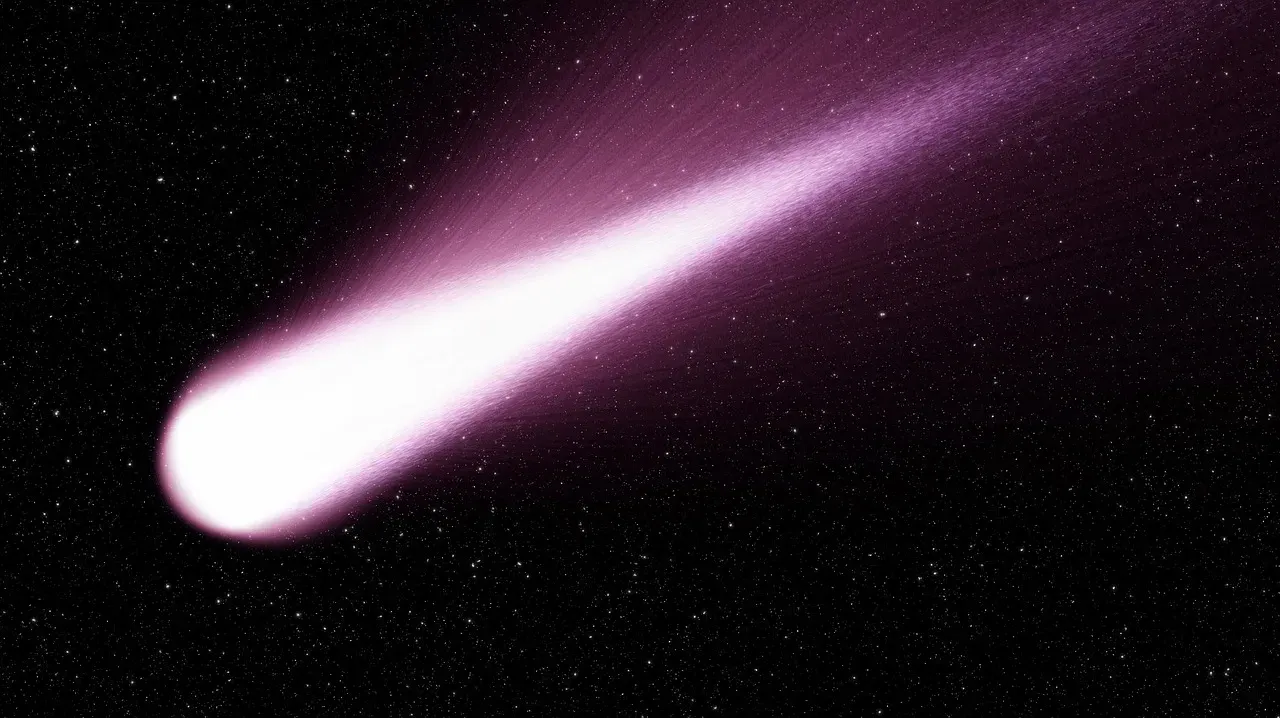
A comet named 3I/ATLAS, which hails from a distant star system, has astronomers around the world racing to gather as much data as possible before it vanishes forever, offering exceptionally rare opportunities to study samples from other planetary systems. Let’s be real: this is absolutely wild. A cosmic traveler from another star system just breezed through our neighborhood.
Researchers have already uncovered fascinating details about 3I/ATLAS, including its unusually high carbon dioxide content and incredible age, with NASA using several different spacecraft to observe the comet and gathering a wealth of data. What makes this visitor especially tantalizing is that it carries chemical fingerprints from wherever it formed, potentially billions of years ago. It’s like receiving a message in a bottle from across the galaxy, except the bottle is made of ice and rock traveling at tremendous speeds.
Mars Might Be Screaming Evidence of Ancient Life at Us
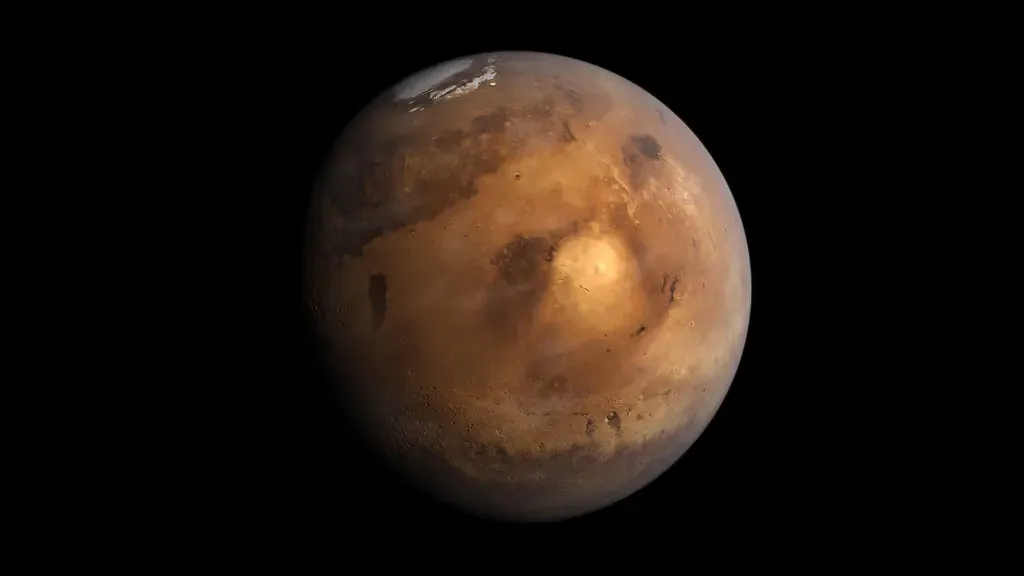
A rock called Chevaya Falls may be the clearest sign of past life ever found on Mars, containing not only ingredients for life like organic carbon, sulfur, oxidized iron, and phosphorus, but also minerals often associated with microbial metabolism on Earth. Stop and think about what that means. We might literally be looking at fossilized alien microbes.
NASA’s Perseverance rover drilled into this rock and analyzed its chemistry in stunning detail. These findings, published in the journal Nature, point to a possible biosignature, though scientists will need to retrieve the core and analyze it on Earth to confirm this. The frustrating part? We found it, but we can’t say for certain what it means without bringing it home. It’s hard to say for sure, but this might be the closest we’ve ever come to answering that age-old question: Are we alone?
Ultramassive Black Holes Hide in Plain Sight Using Einstein’s Physics
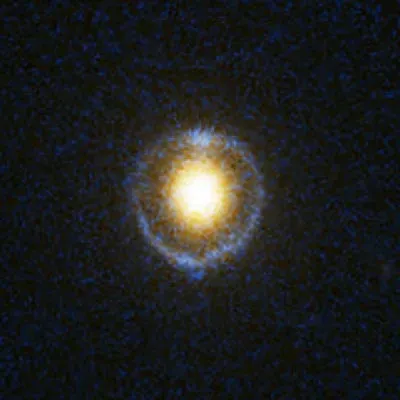
The monster black hole lies at the center of a supermassive galaxy called the Cosmic Horseshoe, located five billion light-years away, where the galaxy’s gargantuan size visibly warps spacetime, bending light from nearby galaxies into a horseshoe-shaped glare called an Einstein ring that played an important role in helping astronomers spot it. You have to appreciate the cosmic irony here.
Cosmological models predict that larger galaxies like the Cosmic Horseshoe can host ultramassive black holes, but conventional detection methods can’t spot them, so scientists overcame this by combining gravitational lensing with telescope data to detect a dormant ultramassive black hole by observing the gravitational effect it has on its surroundings. Essentially, these black holes are so massive they create their own cosmic magnifying glass. Researchers had to use the universe’s own distortions to find something that was technically invisible. It’s like trying to spot a ghost by watching how it bends light around corners.
The Milky Way’s Biggest Black Hole Just Got a Companion After Years of Mystery
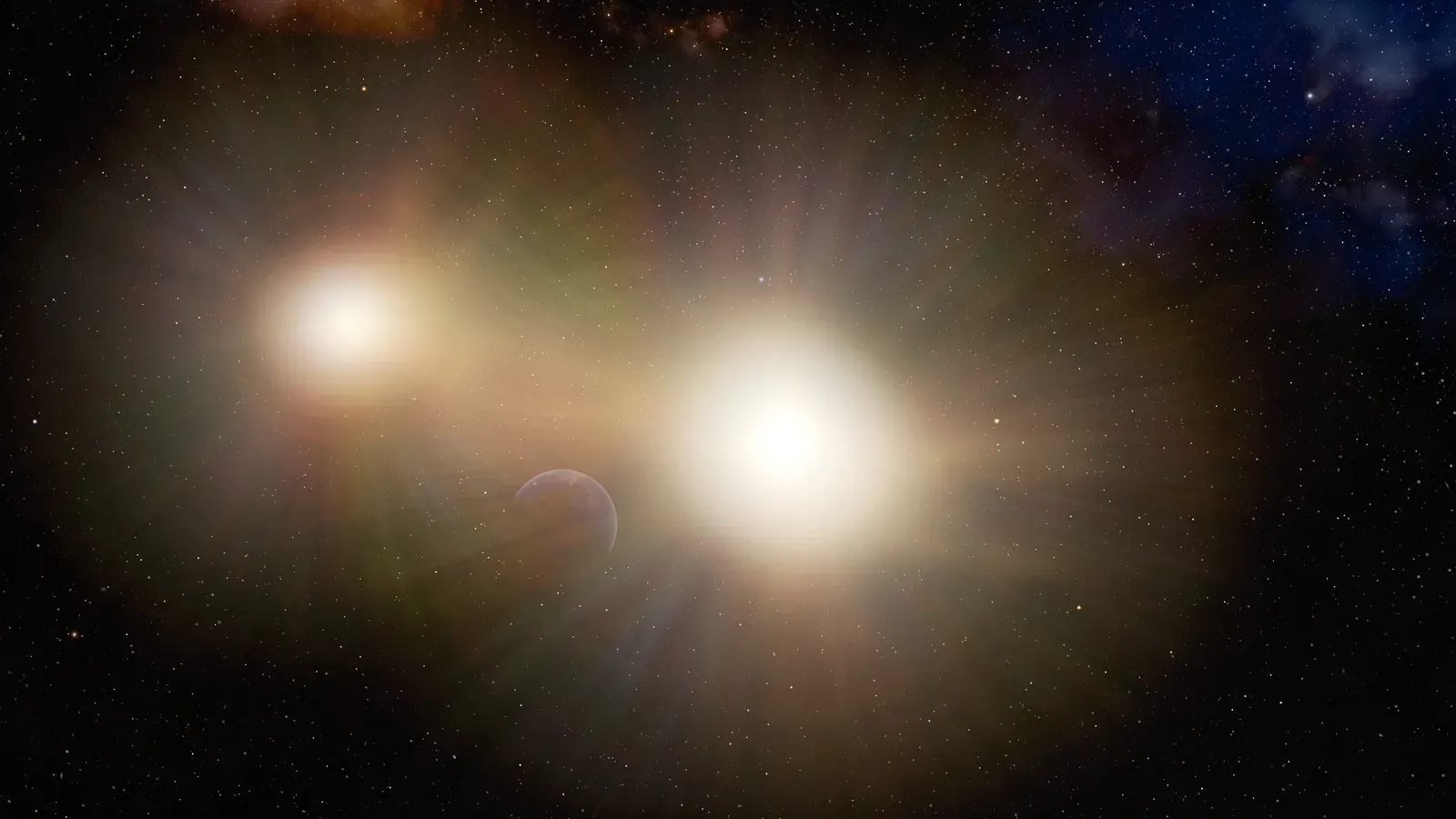
The bizarre glowing patterns of Betelgeuse, a red supergiant star in the constellation Orion, puzzled astronomers for years, and in 2024, astronomers hypothesized that Betelgeuse might have a tiny stellar companion that could explain this strange phenomenon. For a long time, Betelgeuse acted weird. Its brightness fluctuated in ways that made no sense.
The star would randomly dim and brighten, sparking wild speculation ranging from imminent supernova explosions to alien megastructures. Then scientists finally cracked it: Betelgeuse has a buddy. A companion star orbiting nearby was messing with the light patterns we observed. It’s a reminder that sometimes the simplest explanation is the right one, but getting there takes patience and really good telescopes. The universe loves keeping its secrets until we look hard enough.
Scientists Confirmed Where the Solar Wind Actually Comes From
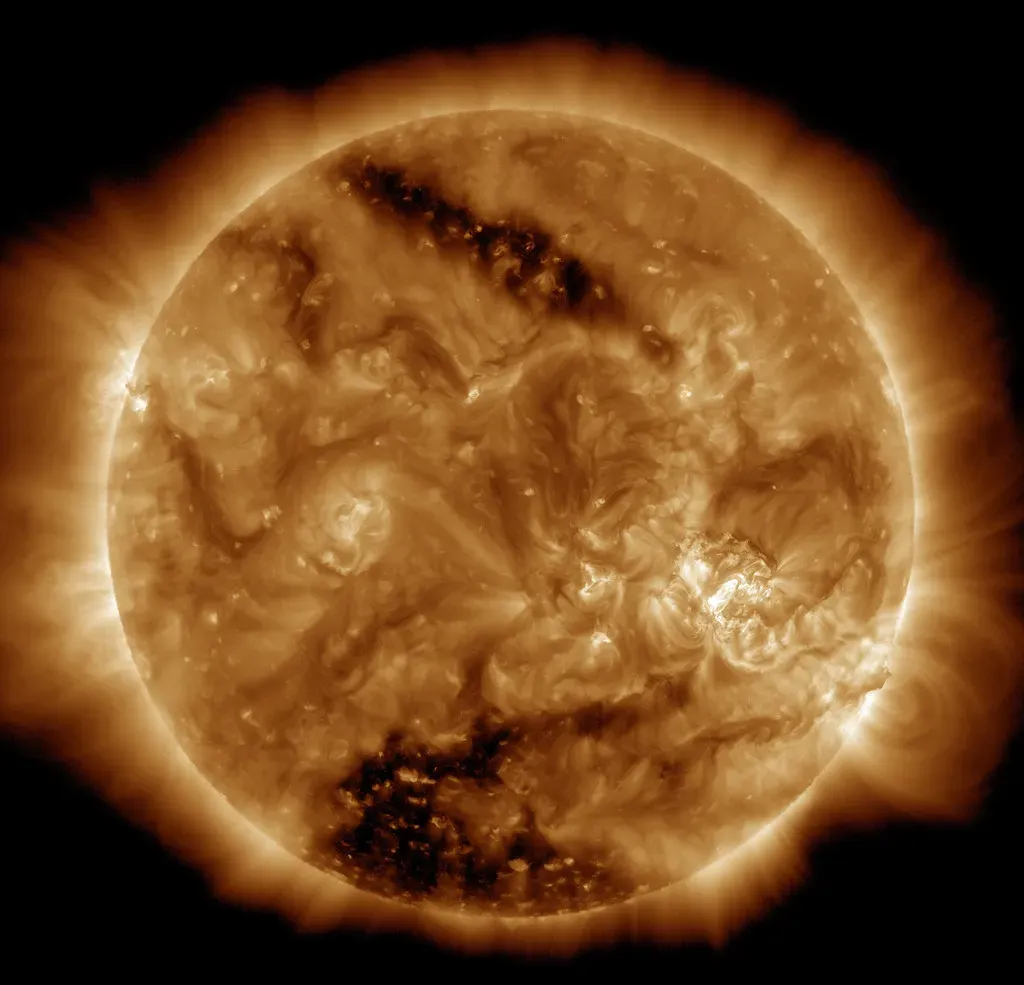
After several decades of theoretical speculation, solar physicists are now certain they’ve discovered how our sun produces the interplanetary wind of matter that streams out of its corona at speeds of over 200 km/s, with the ESA-led Solar Orbiter spacecraft in 2024 making the first-ever connection between measurements of the solar wind around a spacecraft and high-resolution images of the Sun’s surface at close distance. Honestly, this might sound technical, but think about what it means.
For decades, scientists knew the solar wind existed. They could measure it, feel its effects, watch it create auroras on Earth. But they couldn’t definitively pinpoint where it originated or how it got accelerated to such incredible speeds. The spacecraft passed through the magnetic field connected to the edge of a coronal hole complex, letting the team watch how the solar wind changed its speed and other properties, confirming they were looking at the correct region. It’s like finally tracing a river back to its hidden spring after centuries of speculation. Now we understand one of the fundamental forces that shapes our entire solar system.
Conclusion
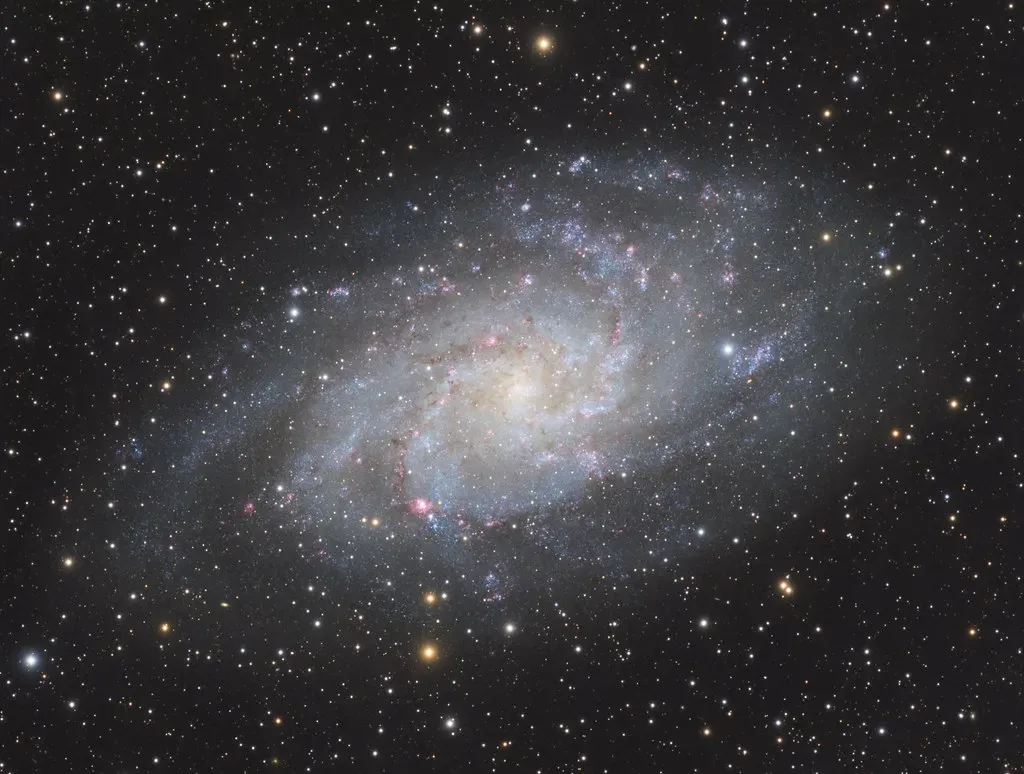
These discoveries aren’t just abstract science happening in labs and observatories. They fundamentally change what we know about the universe and our place within it. From binary stars defying black hole gravity to mysterious interstellar visitors carrying secrets from distant star systems, space keeps proving it’s far stranger and more wonderful than we imagined.
The universe is actively showing us that nearly everything we thought was settled science still has layers we haven’t uncovered yet. And here’s the really exciting part: these are just the discoveries from the past couple of years. What will we find next month? Next year? What do you think is the most mind-blowing discovery on this list? Let us know your thoughts.