
Across the United States, some of the rarest animals are doing something quietly remarkable: they’re refusing to give up. Even as habitats shrink, climates shift, and human activity spreads into wild spaces, a handful of endangered species are hanging on thanks to weird, wonderful, and surprisingly clever adaptations. These are not just survival stories; they’re proof of how inventive life can be when pushed to the edge.
When I first started really paying attention to endangered wildlife, I assumed it was all sadness and loss. But the deeper you look, the more you find moments of stubborn resilience, like a plant growing out of a crack in the pavement. The seven species below are all officially at risk, but they each carry some extraordinary trait that lets them survive in places and situations where, realistically, they should have no chance at all.
1. Florida Panther: Night Vision and Stealth in a Crowded World
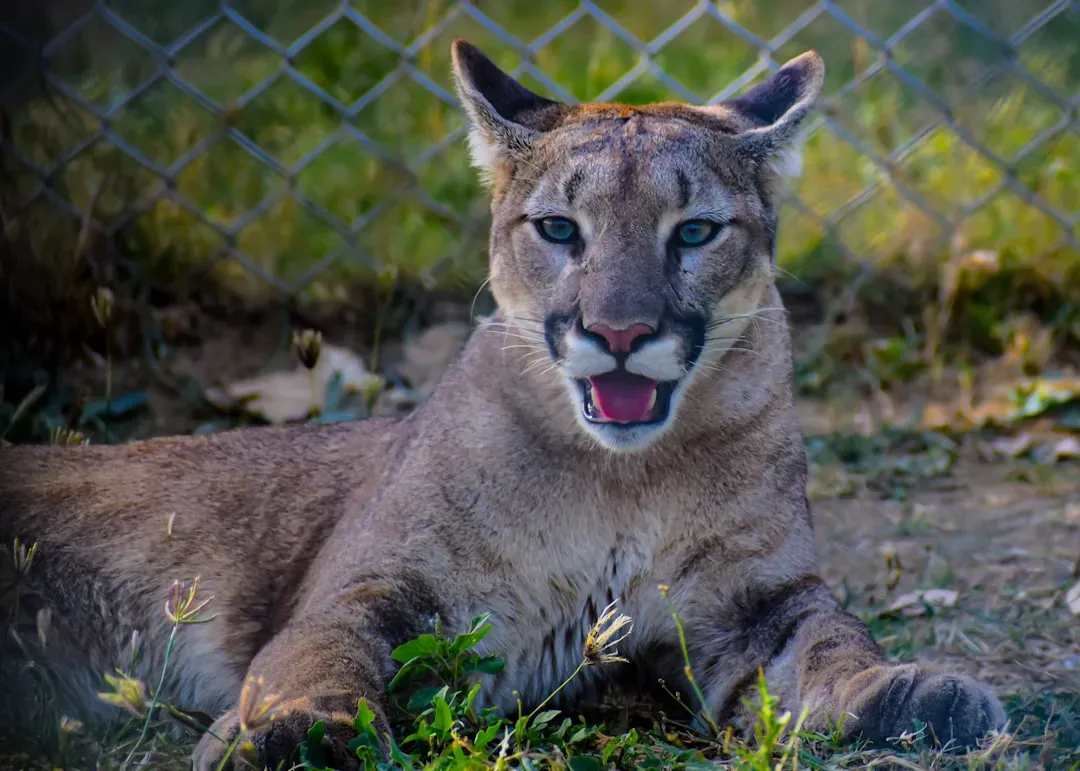
The Florida panther, a critically endangered subspecies of cougar living mostly in south Florida, should not still be here. Its habitat has been sliced up by highways, suburbs, and canals, yet a small population still prowls the swamps and pine flatwoods. One of its greatest assets is its mastery of the night; those large, forward-facing eyes are adapted for low light, letting panthers hunt when most humans are asleep and traffic is lighter.
They pair that night vision with paws built for silence, moving through dense palmetto and swamp without much more than a whisper. Their tawny coats blend into the dappled shadows of cypress hammocks and sawgrass, turning them into moving ghosts. Even in areas where human presence is heavy, their secretive behavior, twilight and nighttime activity, and strong territorial instincts reduce direct conflict and help them avoid detection for years. It’s a fragile existence, but that stealth is buying them time while wildlife crossings and habitat protections slowly expand.
2. Red Wolf: Super Hearing and Family Loyalty in Fragmented Habitats
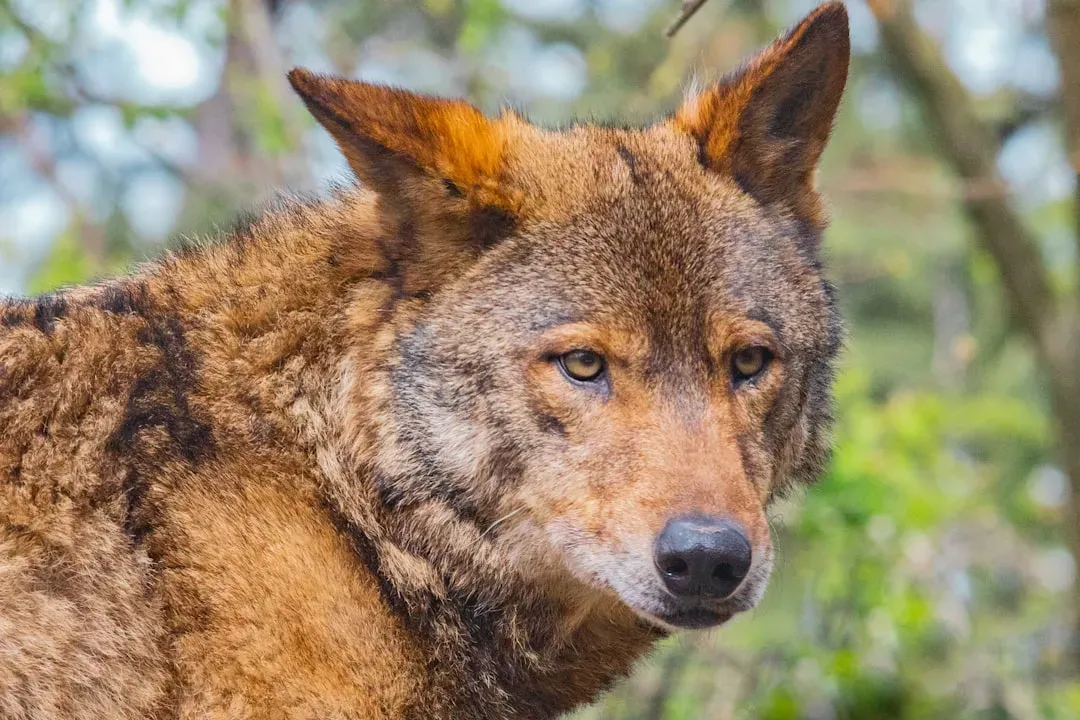
On the coastal plains of North Carolina, the red wolf clings to survival as one of the world’s most endangered canids. With only a small wild population, you might expect them to fade quietly, but they’ve evolved a suite of subtle superpowers. Their ears are tall and sharply tuned, able to pick up faint rustles in tall grasses or the distant footsteps of a human long before they come close.
Even more impressive is how red wolves lean on their social structure to cope with a broken landscape. They form tight-knit family packs, with older offspring often helping parents raise new pups. This cooperative living means pups are watched, fed, and moved if danger appears, spreading out the work of survival across the whole group. In a world of roads, farms, and shrinking wild land, that loyalty and teamwork make every individual wolf count a little bit more.
3. Hawaiian Monk Seal: Deep-Diving Endurance in a Changing Ocean
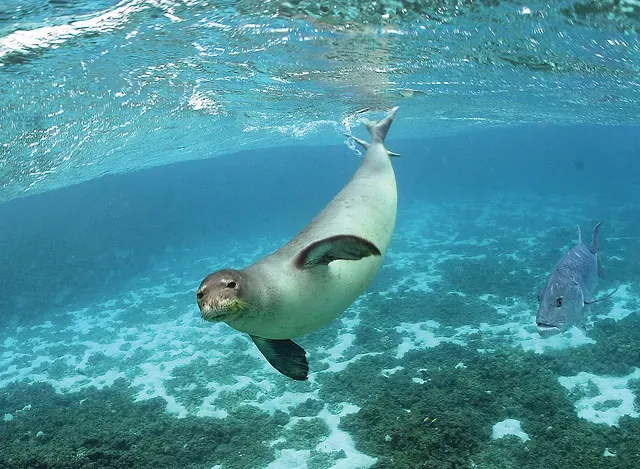
The Hawaiian monk seal, one of the very few tropical seal species on Earth, is federally endangered but strangely well-equipped for a harsh, warming ocean. These seals are true diving specialists: they routinely plunge hundreds of feet down, sometimes staying underwater for more than twenty minutes at a time. A slow heart rate, large blood volume relative to body size, and the ability to redirect oxygen to critical organs during dives make that possible.
This deep-diving endurance gives them access to prey that other coastal hunters can’t reach, like deep reef fish, eels, and small cephalopods. Even as nearshore ecosystems get crowded with human activity or shift due to warming waters, monk seals can explore underwater “neighborhoods” most predators never touch. Their thick blubber layer, while not ideal in an overheated world, still helps them withstand long, energy-demanding foraging trips between islands and remote atolls. They are, in a very literal sense, survivors of the deep.
4. Gray Wolf: Lean Bodies and Long-Distance Roaming in Rugged Terrain
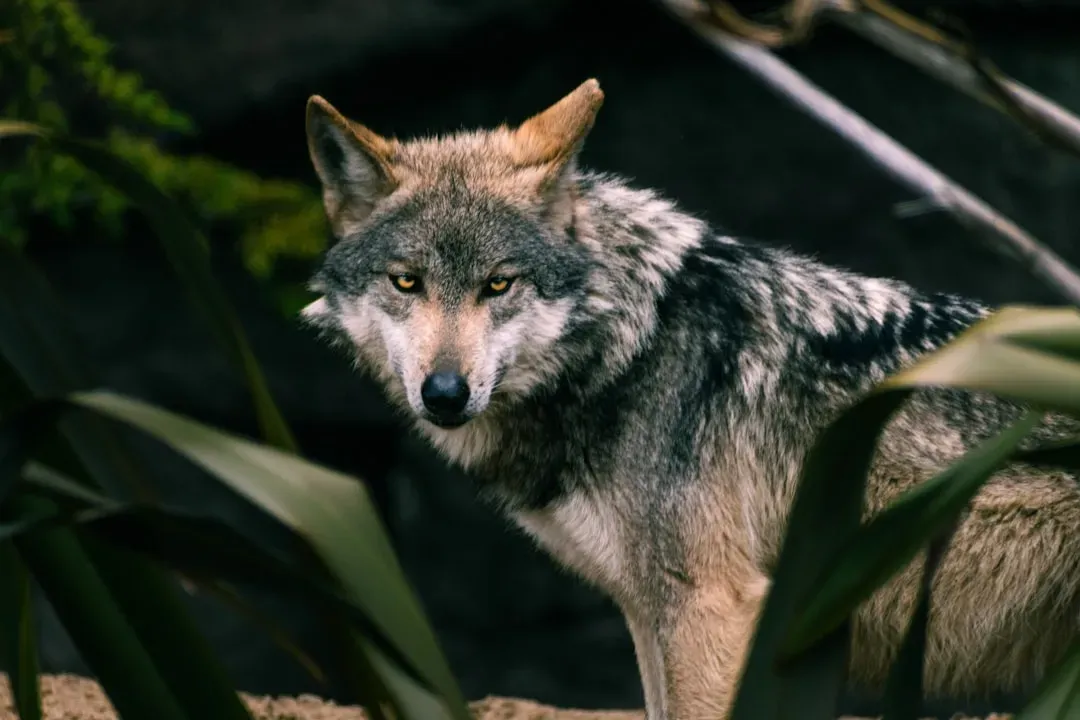
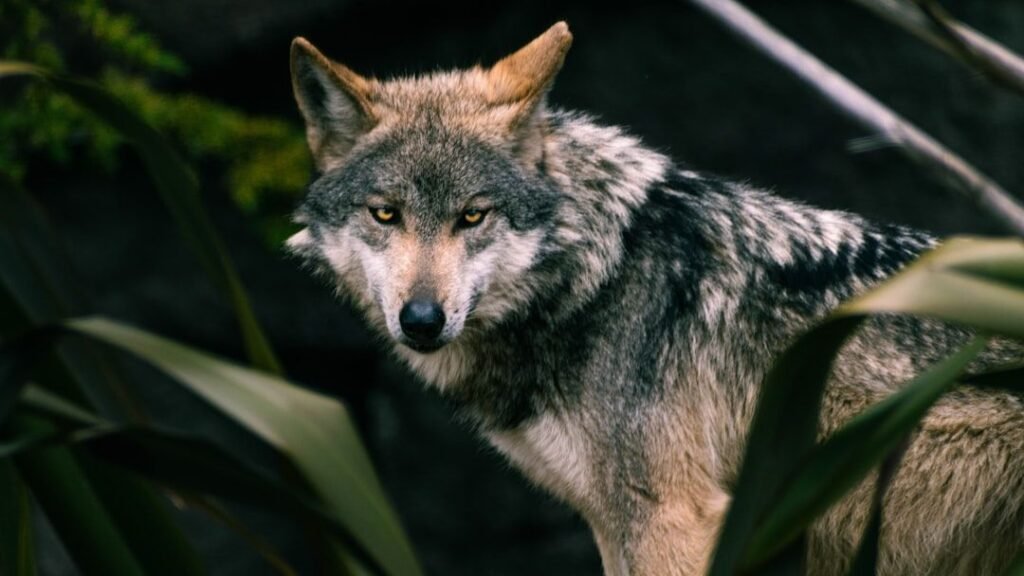
In the mountain forests of Arizona and New Mexico, the Mexican gray wolf – often called the “lobo” – is slowly reclaiming some of its lost range. Compared with northern gray wolves, these wolves tend to be smaller and more lightly built. That leaner body works like a natural efficiency upgrade, helping them navigate steep canyons, broken rock, and dense woodland with less energy cost per mile.
Their stamina is astonishing; they can travel long distances overnight searching for elk, deer, or smaller prey, linking scattered habitat patches together with their own footsteps. This roaming ability becomes a survival mechanism in a landscape dotted with ranches, roads, and fences, allowing them to move away from disturbances and find more remote hunting grounds. Their keen sense of smell, sharp vision, and habit of working cooperatively in packs turn that mobility into real staying power. Even with heavy management and human pressures, they keep quietly slipping back into wild corners that once lost them.
5. Hawaiian Hoary Bat: Solo Flight and Echolocation Over an Island Mosaic
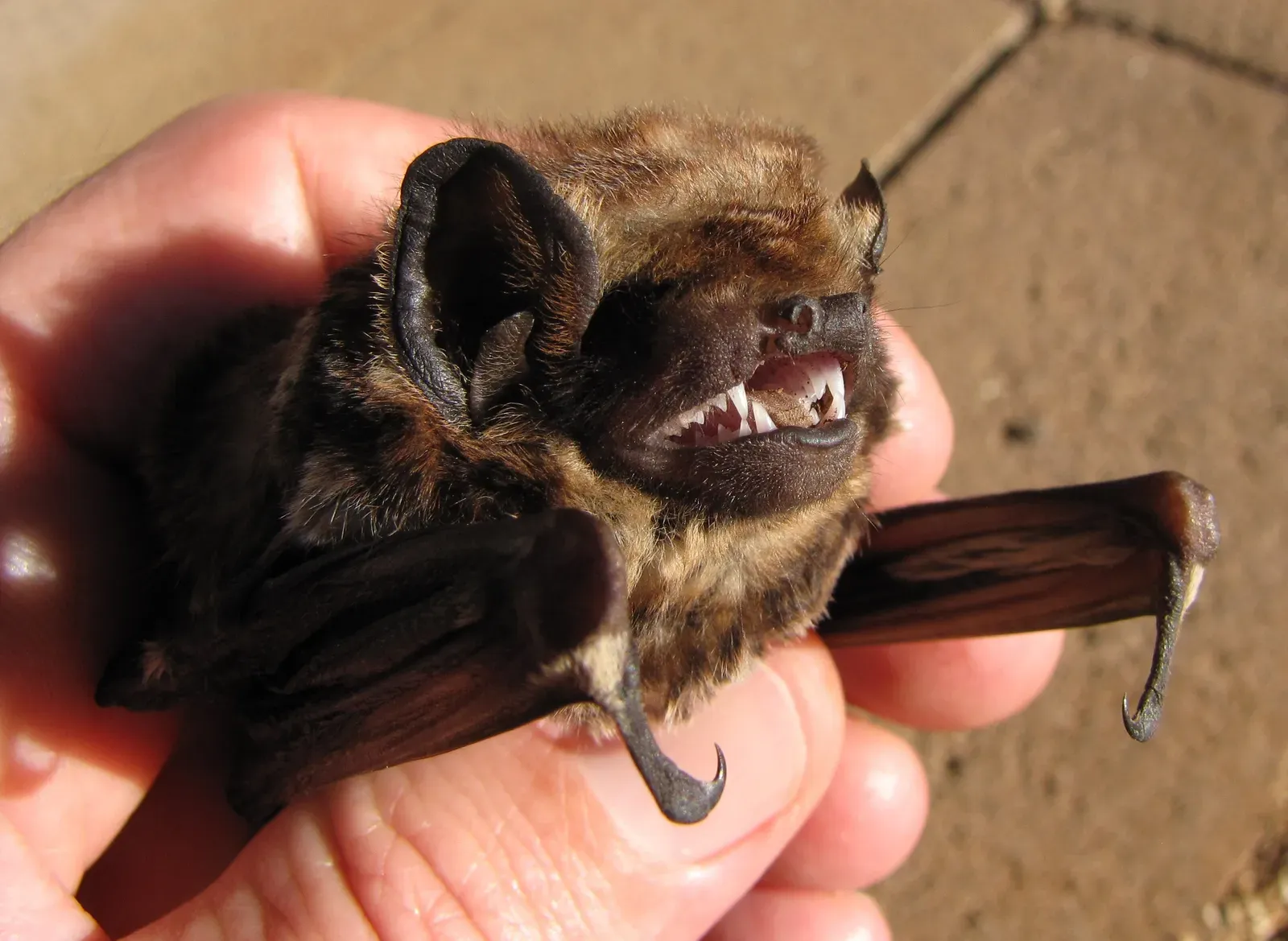
The Hawaiian hoary bat, or ʻōpeʻapeʻa, is the only native land mammal in Hawaii and is listed as endangered in the islands. While many bats around the world form large colonies, this species often flies solo or in small groups, which might sound like a disadvantage. But on fragmented islands crisscrossed by roads, farms, and forests, a solitary lifestyle can actually lower disease risk and reduce competition for food in a given patch of sky.
Their echolocation is geared for hunting flying insects across a mix of open areas and tree lines, allowing them to feed over forests, agricultural fields, and even near residential zones. They can shift their foraging routes as land use changes, essentially redrawing their mental map of the island night after night. Their mottled fur also provides camouflage when roosting in trees, hiding them from predators and curious humans. That combination of flexible flight paths and quiet, solitary habits lets them persist in places most people never realize a bat is passing overhead.
6. Desert Tortoise: Water-Wise Design in an Overheated Desert
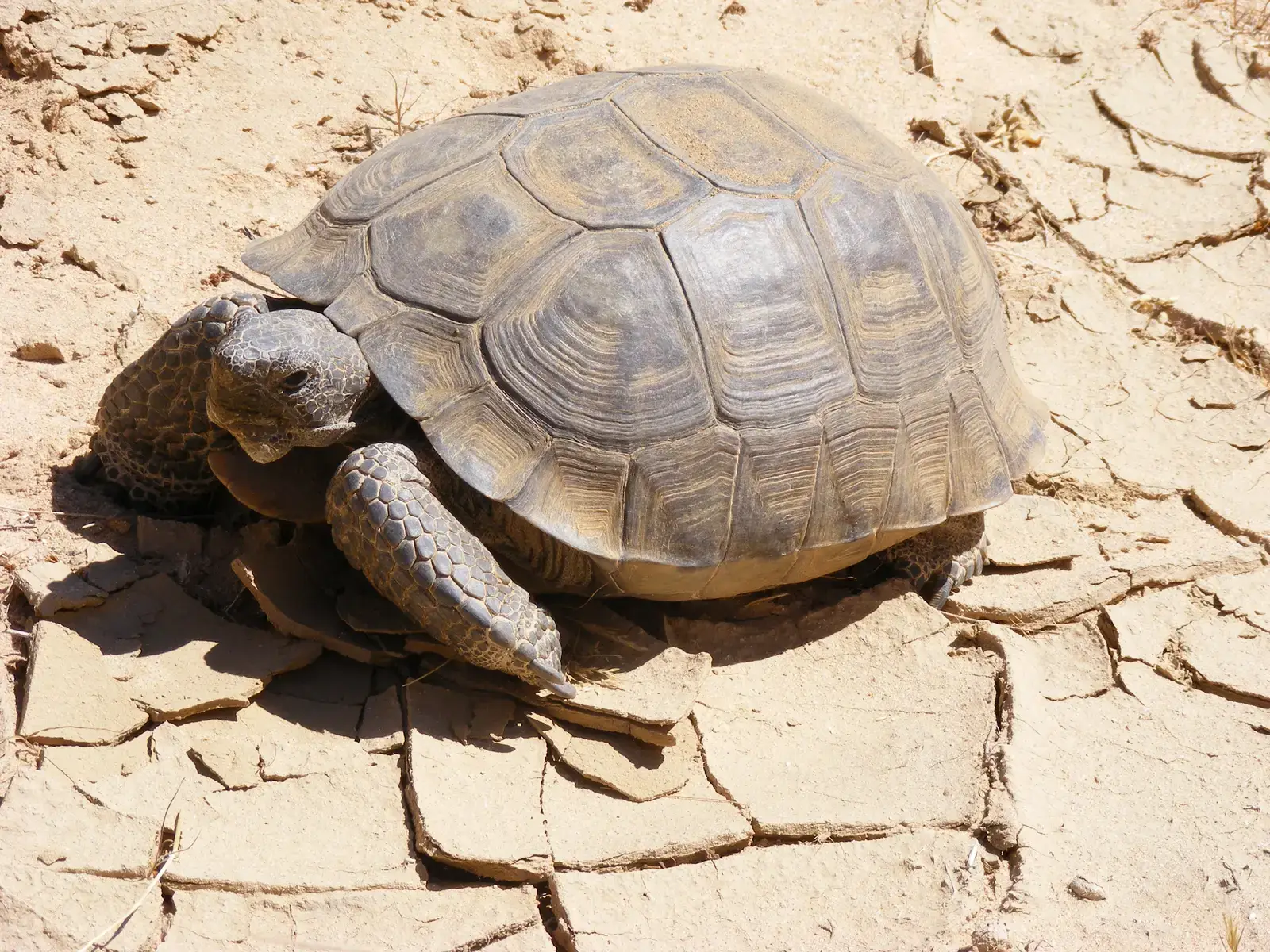
In the Mojave and Sonoran deserts of the American Southwest, the threatened desert tortoise has evolved to play the long game. At first glance, it looks slow and vulnerable, but its body is a masterclass in thrift. Desert tortoises can go many months without drinking free water, thanks to the way they extract moisture from the plants they eat and store it in their bladders and tissues.
Their heavy, domed shells and burrowing behavior are just as important; they spend much of their lives underground in self-dug burrows, where temperatures are far cooler and more stable than the baking surface. This not only shields them from the brutal heat that is becoming more intense with climate change, but it also protects them from many predators. During brief windows when conditions are right, they emerge to feed, mate, and move, then slip back into their underground shelters like living time capsules. In a world of rush and noise, their slow, cautious rhythm is exactly what keeps them alive.
7. California Condor: Soaring Efficiency and a Taste for the Hardest Job
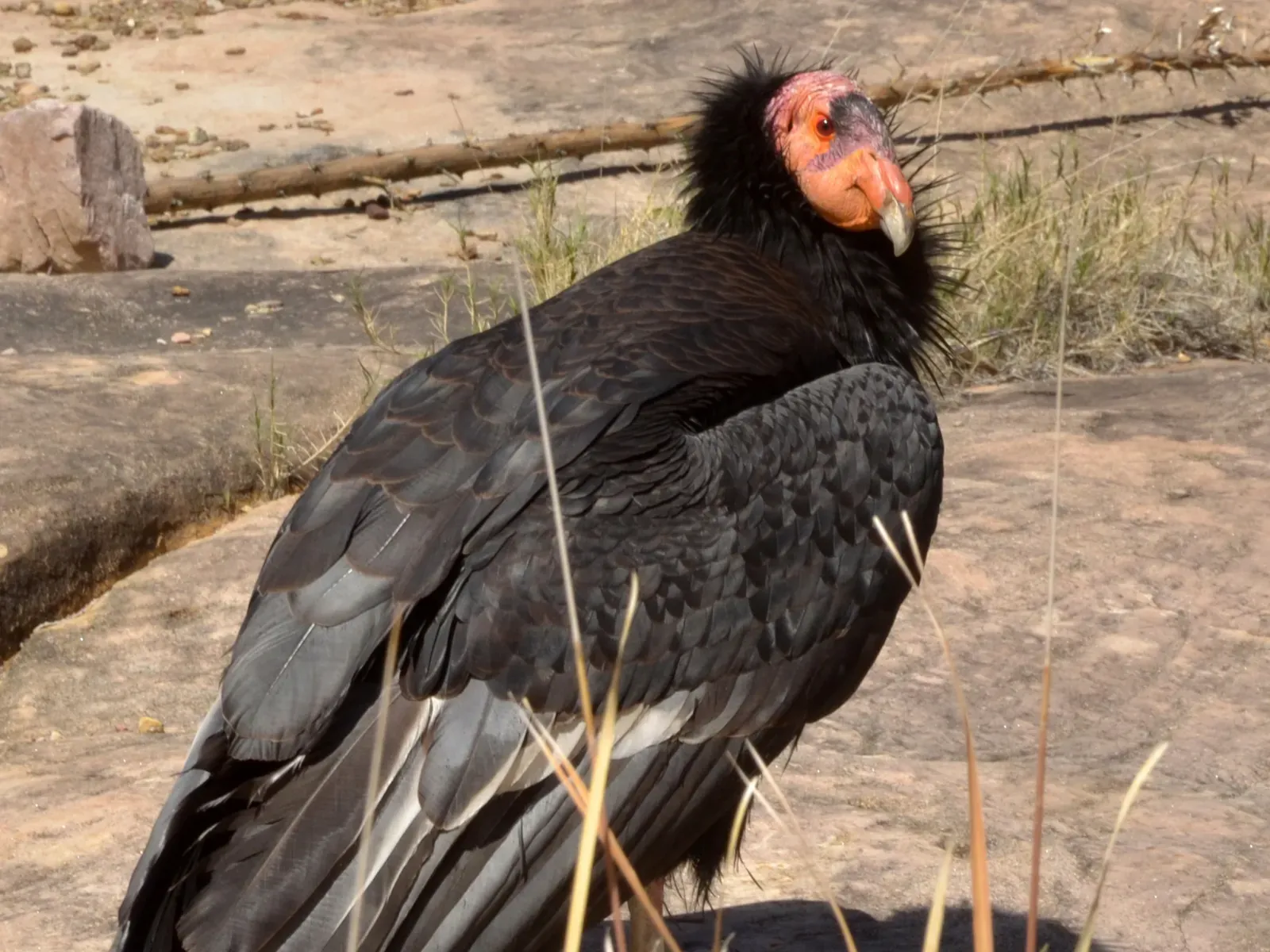
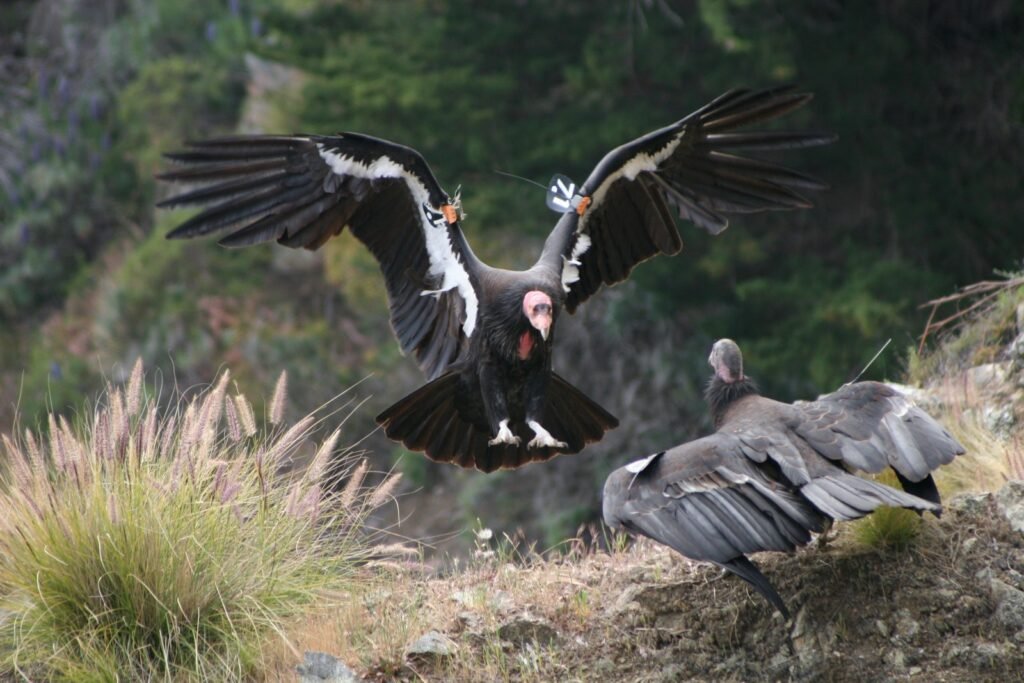
The California condor, one of the most famous conservation stories in the United States, nearly vanished in the twentieth century and is still critically endangered. But biologically, this bird is built for survival on a massive scale. With a wingspan stretching to about the height of an average adult, condors are superb gliders, using rising air currents to travel vast distances while barely flapping their wings. That soaring efficiency conserves energy and lets them patrol huge areas in search of food.
Their chosen food is another secret weapon: they are specialized scavengers that feed on large animal carcasses, doing nature’s cleanup work that few species can handle. A powerful beak, strong neck muscles, and a digestive system that can cope with decaying flesh turn what looks like a grim diet into a niche that often has less competition. High visual acuity lets them spot carcasses or other scavengers from miles away. In a changing landscape where large mammals still die near roads, ranches, and wildlands, condors’ ability to travel far and capitalize on rare, scattered food sources gives them a real, if precarious, edge.
There’s something humbling about realizing how much effort life is putting into staying with us, even as we make the world more difficult to live in. These animals are not just rare curiosities; they’re living tests of whether resilience plus human responsibility can beat the pressures of the modern age. If they are doing this much to hold on, it raises a simple, uncomfortable question for us: are we willing to meet them halfway?