
Heat is no longer background noise; it’s the headline. As global temperatures climb and cities swelter, our machines groan and our bills spike, yet wildlife keeps its cool with effortless precision. This isn’t magic – it’s millions of years of field-tested engineering hidden in fur, feathers, and fractal skin. Today’s mystery is simple but delicious: how do animals beat the heat without a plug, a fan, or a drip of refrigerant? The answers are surprising, a little weird, and full of clues for the next generation of climate-smart design.
Saharan Silver Ant: Mirror Fur That Radiates Heat to the Sky
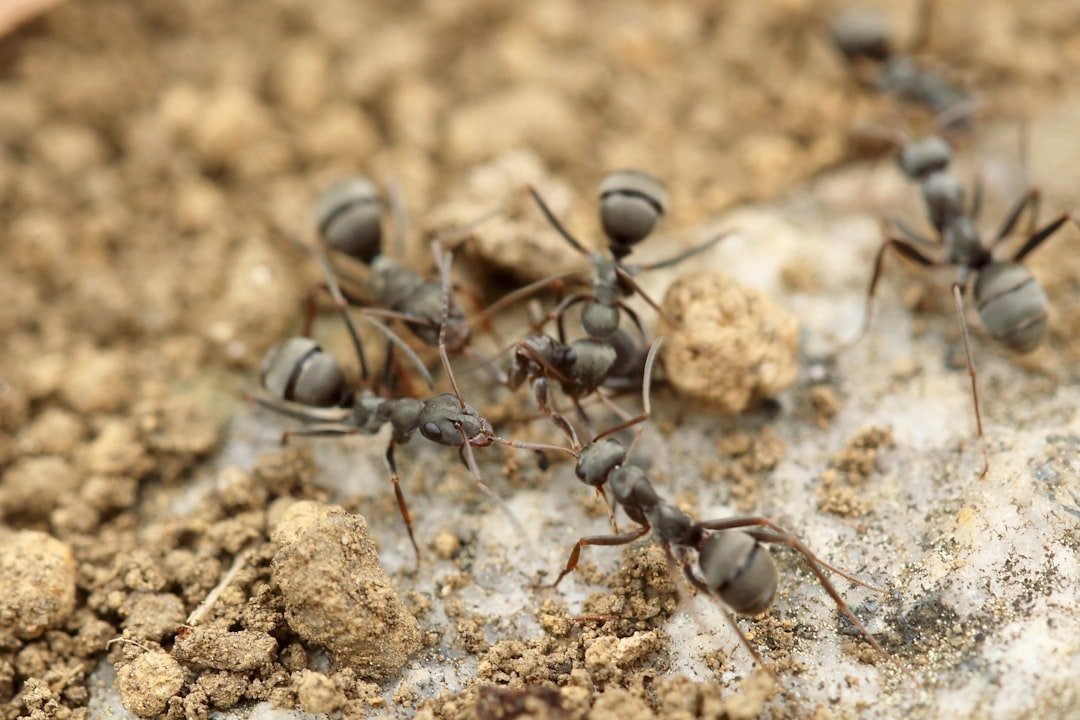
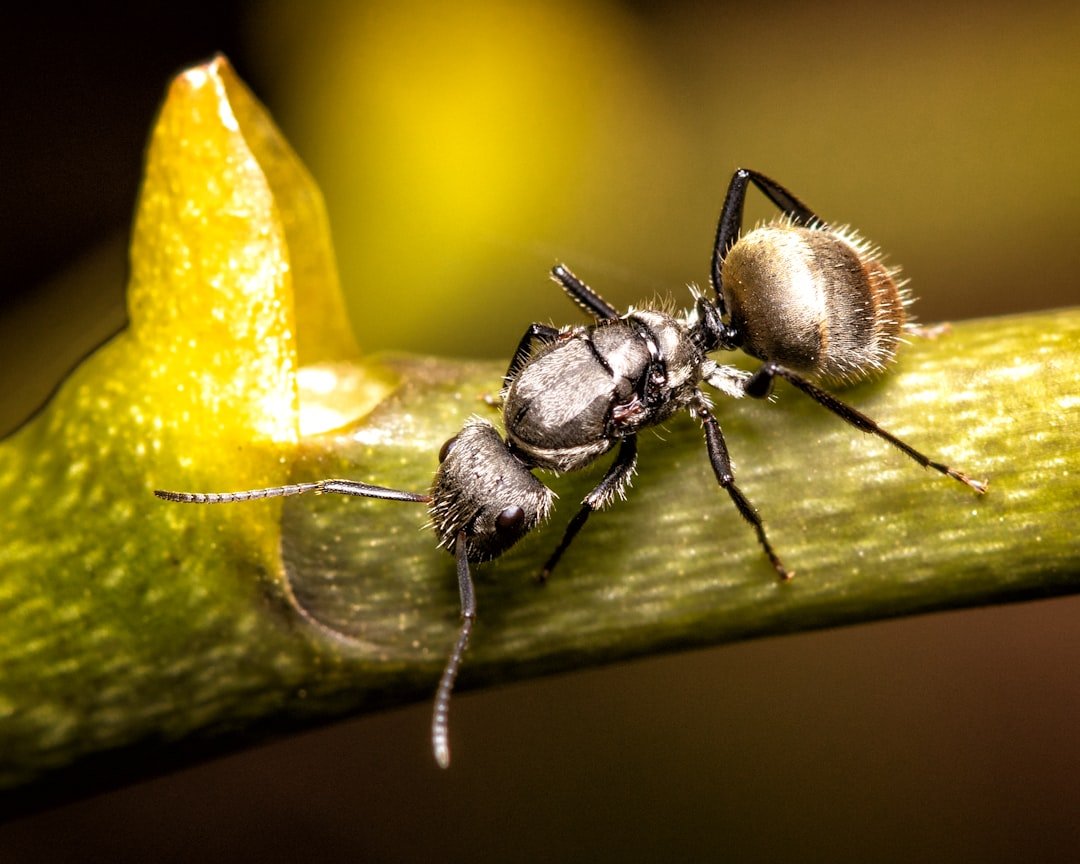
What cools better than a fan under the desert sun? Try a coat of tiny, triangular hairs that bounce away sunlight and beam body heat straight into the sky’s cold sink. Saharan silver ants forage at midday when the sand can be hot enough to scorch, yet stay several degrees cooler than you’d expect because those hairs reflect visible and near-infrared light while enhancing heat emission in the mid-infrared. It’s passive radiative cooling, built right into their armor.
Imagine a house roof that reflects the harshest sun while quietly venting indoor heat to space – these ants do that on six legs. Their trick buys precious minutes to find food before overheating, a razor-thin survival window that would cook most creatures. It’s not sci-fi; it’s optics tuned by evolution.
African Elephant: Giant Ears as Living Radiators
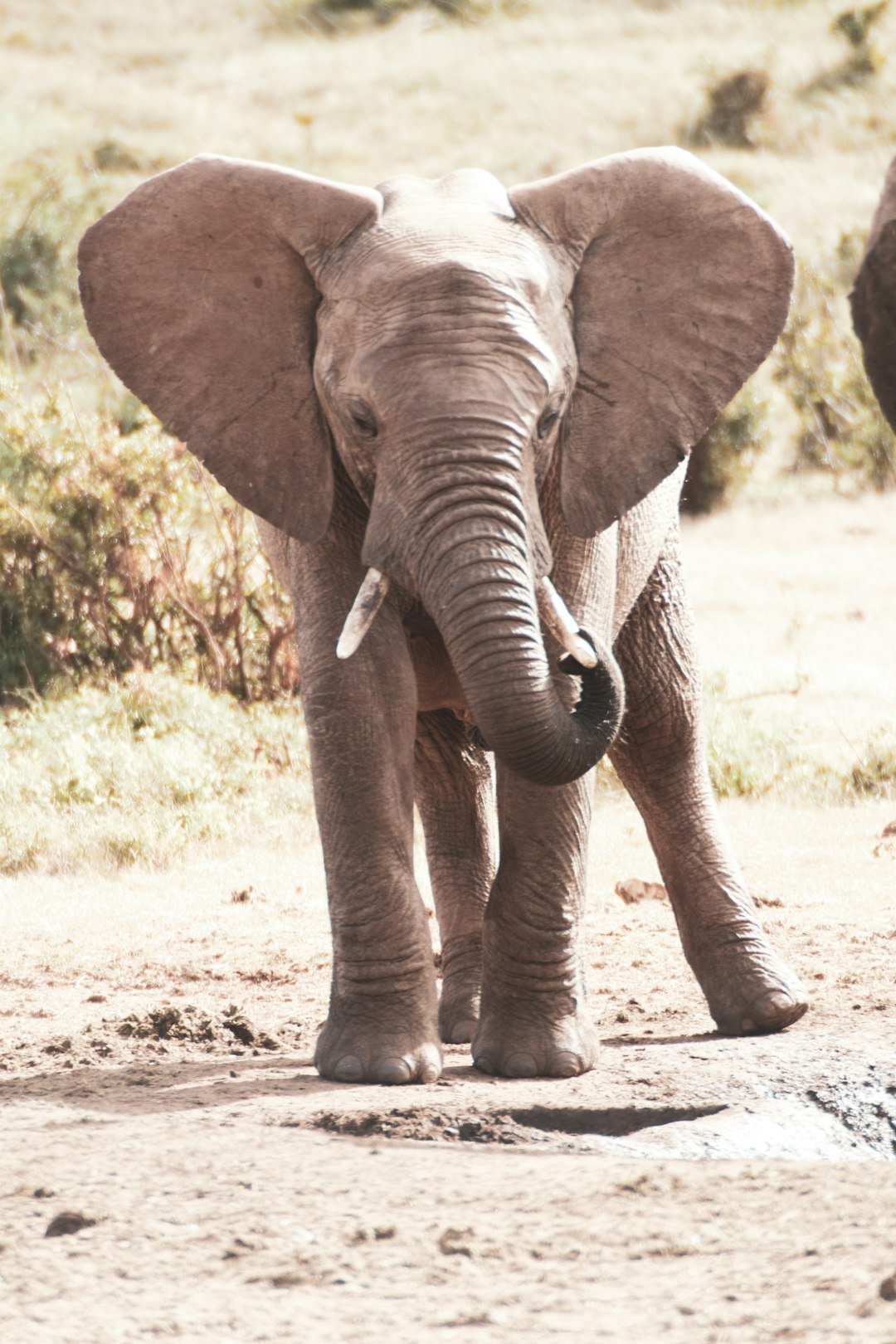
An elephant’s ears aren’t just for show; they’re thin, sprawling radiators laced with blood vessels close to the air. When heat builds, blood flows through these vascular “wings,” and a few rhythmic flaps turbocharge convection like a slow, deliberate fan. In thermal images, those ears glow hot while the core stays cooler, a quiet proof that surface area is power.
Mud and water add a second layer of defense, trapping moisture in the animal’s deeply wrinkled skin so evaporation lasts longer. It’s the desert version of a chilled towel over a heater – a simple move, huge payoff. When the sun drops, elephants throttle back, saving water and energy for tomorrow’s furnace.
Red Kangaroo: Saliva-Cooled Veins on the Forearms

On scorching afternoons, red kangaroos lick their forearms until they shine. Under that damp skin sits a dense web of blood vessels near the surface; as the saliva evaporates, the blood cools before it returns to the core. It’s targeted evaporative cooling, not unlike placing a cold pack over a pulse point.
Kangaroos stack the deck with behavior too – digging shallow pits, lying in the shaded depressions, and moving at night when possible. The combination of anatomy and timing works like a mobile, water-thrifty AC. I’ve watched them in the field and it’s oddly graceful: like watching someone lean into a breeze only they can feel.
Turkey Vulture: Evaporative Cooling With a Startling Twist
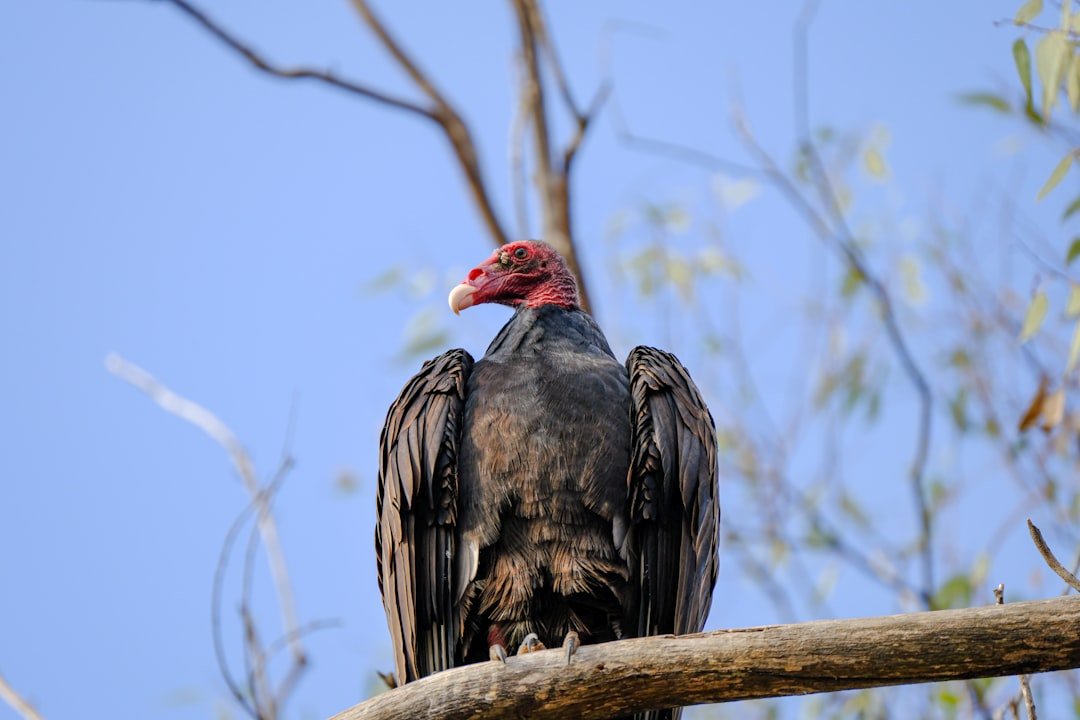
Here’s one that makes people squirm: turkey vultures cool themselves by releasing liquid onto their legs, then letting evaporation pull heat away. The pale, bare skin on those legs acts like a built-in cooling pad, no cloth needed. In brutal heat, this method keeps circulation tempered so the bird can continue riding thermals rather than dropping into the shade.
It’s efficient, if unglamorous, and it works fast when the air is bone-dry. Some other large birds use similar tactics because wings are for flight, not heat dumping, and flight muscles can’t afford to overheat. In the calculus of survival, elegance is optional; effectiveness is everything.
Dromedary Camel: Heat Banking and Desert-Grade Nasal Tech
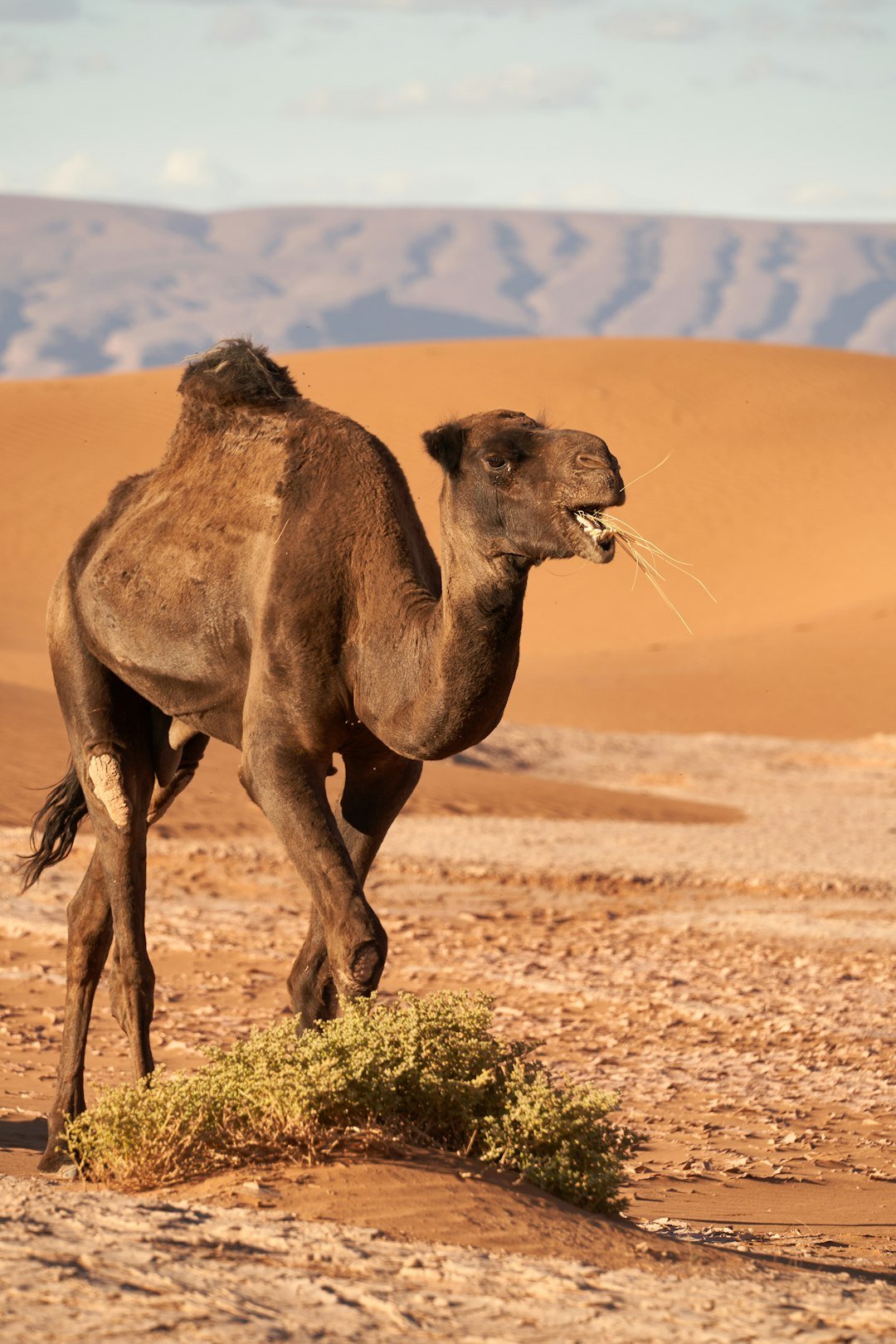
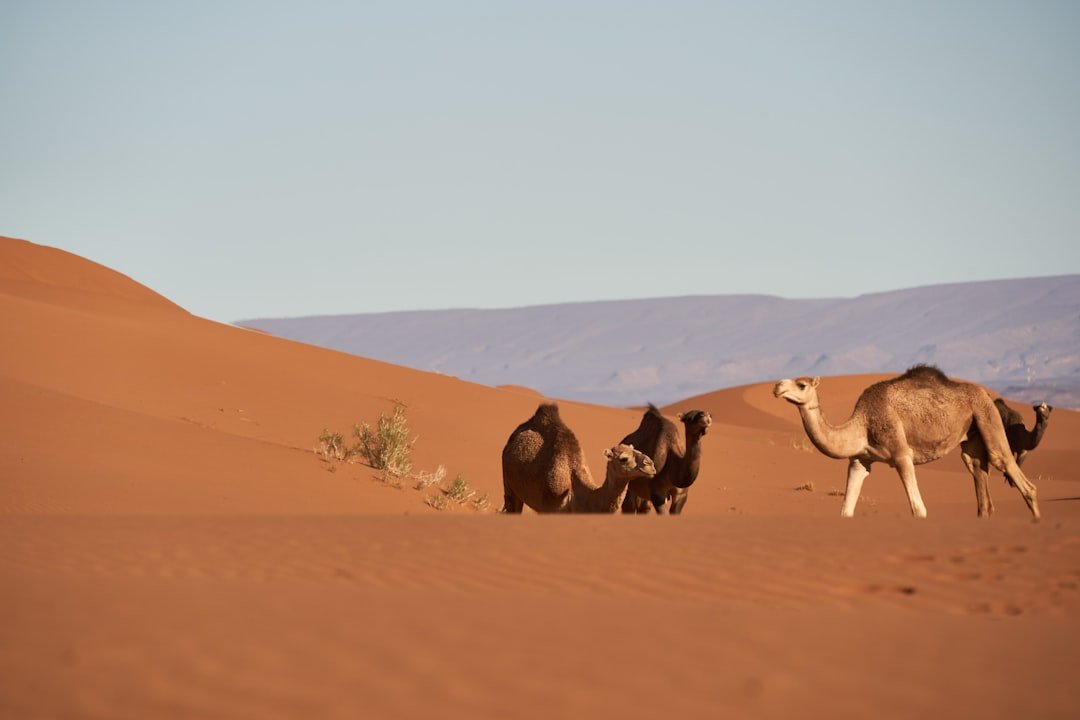
Camels don’t fight every degree; they budget heat like accountants. By allowing body temperature to rise during the day and fall at night, they cut water loss that would otherwise be burned in constant cooling. Their thick coat sounds counterintuitive, but it insulates against radiant heat, reducing the solar blast reaching the skin.
Inside the nose, intricate turbinates reclaim moisture and cool exhaled air, trimming the cost of each breath. Think of it as a countercurrent heat exchanger tucked behind a soft, whiskered smile. Add fat stored in the hump and you get a living thermal bank account, steady through a desert’s wild swings.
Black-Tailed Jackrabbit: Oversized Ears That Dump Heat on Demand
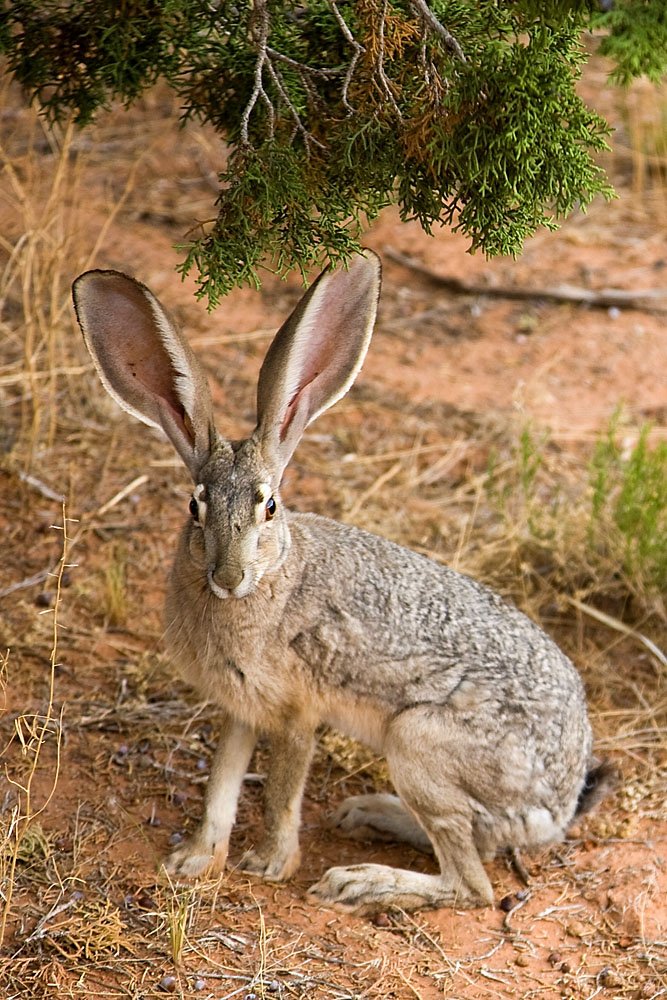
Those comically large ears aren’t for better gossip; they’re heat sinks with fur only where it’s useful. On a hot day, the rabbit can shunt warm blood into the ears, which radiate heat quickly thanks to thin skin and huge surface area. When the air cools, flow dials back, conserving warmth for sprint-ready muscles.
Watch closely and you’ll see the ears flush from pale to crimson as the thermostat shifts. It’s a visual status light for the animal’s inner climate control. One sprint later, those ears are part radiator, part spoiler, built for survival in open country.
Honeybees: Swarm-Scale Air-Conditioning With Water and Fans
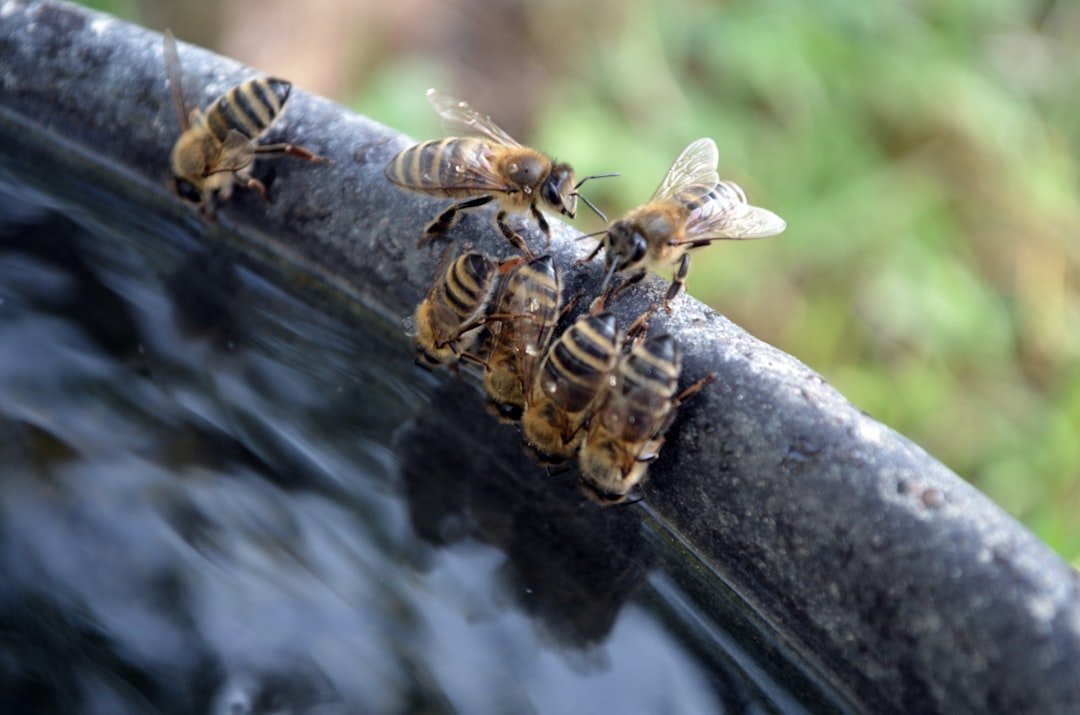
Honeybee colonies regulate brood temperature with a precision that would humble a data center. When the hive runs hot, workers collect water and spread thin films across comb, while other bees fan in coordinated rows to drive airflow. The result is evaporative cooling scaled to thousands of residents.
What’s wild is the feedback: bees sense heat, humidity, and vibration, then self-assign tasks in minutes. No central controller, just rules and thresholds tuned by evolution. In scorching spells, the brood chamber holds remarkably steady, because in honeybee math, a few extra fanners today mean a healthy workforce tomorrow.
The Hidden Clues: Why These Tricks Matter
We’re used to metal boxes humming in windows, but biology solves heat with geometry, materials, and behavior long before electricity. These animals show three recurring patterns: reflect what hurts, radiate what you can, and evaporate only where it matters most. Each approach slashes energy and water costs by pushing physics in your favor rather than overpowering it.
That mindset is contagious. I still remember stepping into a desert lab at noon and touching a prototype coating inspired by the silver ant; under blistering sun, the panel felt cooler than the air. That’s not a gimmick – it’s a proof point that nature’s playbook can rewrite how we cool homes, vehicles, and cities.
The Future Landscape: Bioinspired Cooling for a Hotter Planet
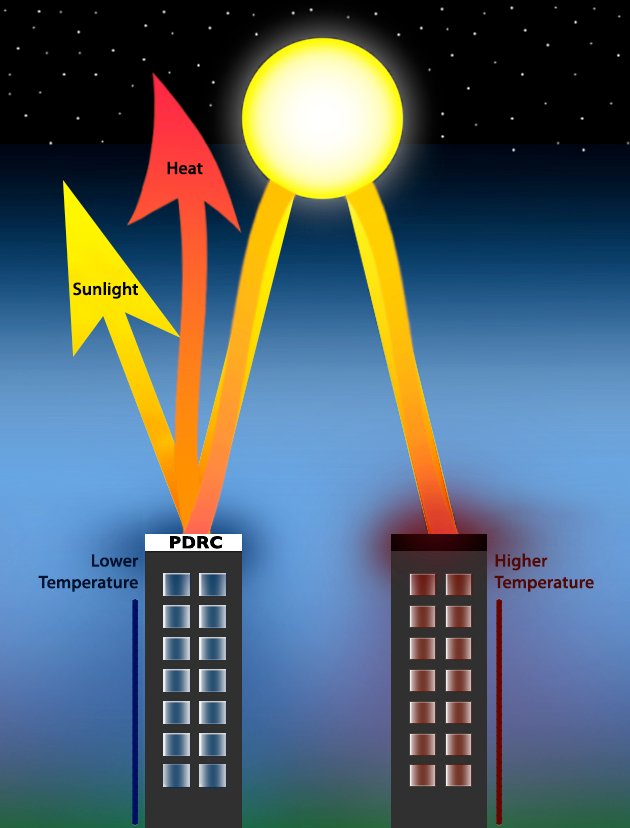
Engineers are already borrowing from these creatures: mirror-like roof coatings that radiate heat to the sky, porous foams that trap water like elephant skin, and textile patterns channeling airflow the way jackrabbit ears do. Building facades with micro-structured films could reflect harsh sunlight while emitting heat through the atmospheric window, cutting cooling loads without power. In vehicles, targeted cooling at pulse points – seats, armrests, steering surfaces – echoes kangaroo forearm logic to trim battery drain.
Challenges remain: durability in pollution and sand, cost at scale, and public acceptance of surfaces that feel cooler than the air. But the horizon looks promising when materials, sensors, and smart controls collaborate with simple physical principles. The best climate tech might start to look less like a compressor and more like a clever coat of fur.
Simple Ways to Help: Your Call to Action
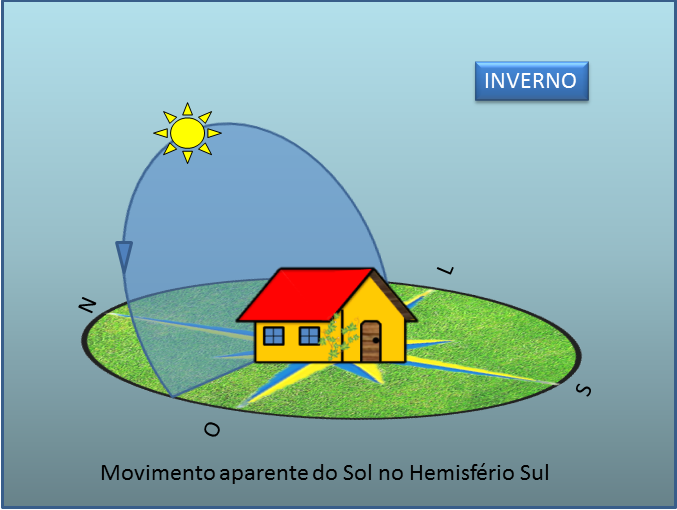
Start small at home: seek shade-first design, light-colored exteriors, and cross-ventilation that moves air the way a beehive fans. Choose fabrics that wick and evaporate efficiently instead of blasting cold air at an entire room. If you have a garden or balcony, try reflective mulches and strategic shading to cool soil like a micro oases.
Support policies and startups aiming for passive cooling in homes and public spaces. If you’re in education, bring animal thermoregulation into classrooms and makerspaces; kids grasp these ideas instantly when they see a rabbit’s ears or a bee’s fanning. When city plans go up for comment, ask for trees, cool roofs, and materials that work with the sky, not against it.
Conclusion: Nature’s Cooling Manual, Open on the Hottest Day
From mirror-furred ants to fan-making bees, the message is consistent: smart surfaces and smart behavior beat brute force. These animals don’t waste energy chilling every cubic inch of space; they cool blood, skin, vents, and brood cells with precision where it counts. That’s an antidote to our habit of overcooling entire buildings just to comfort a few bodies.
As heatwaves intensify, the clever path isn’t louder machines – it’s quieter physics stitched into design. Your next shade canopy, roof coating, or car seat could echo a desert trick already proven at scale by life itself. Which animal’s strategy would you borrow first?
Suhail Ahmed is a passionate digital professional and nature enthusiast with over 8 years of experience in content strategy, SEO, web development, and digital operations. Alongside his freelance journey, Suhail actively contributes to nature and wildlife platforms like Discover Wildlife, where he channels his curiosity for the planet into engaging, educational storytelling.
With a strong background in managing digital ecosystems — from ecommerce stores and WordPress websites to social media and automation — Suhail merges technical precision with creative insight. His content reflects a rare balance: SEO-friendly yet deeply human, data-informed yet emotionally resonant.
Driven by a love for discovery and storytelling, Suhail believes in using digital platforms to amplify causes that matter — especially those protecting Earth’s biodiversity and inspiring sustainable living. Whether he’s managing online projects or crafting wildlife content, his goal remains the same: to inform, inspire, and leave a positive digital footprint.