

Every time we think we’ve nailed the story of human progress, some dusty artifact or forgotten ruin turns up and quietly says, “Think again.” The deeper archaeologists dig, the more it looks like our ancestors were not fumbling around in the dark ages of technology, but running surprisingly sophisticated experiments with stone, metal, math, and even proto-robotics.
What makes this so gripping isn’t just the cleverness of these inventions, but how much they mess with our modern ego. We like to believe advanced tech is a smartphone thing, a silicon thing, a now thing. But scattered across the world are hints that earlier civilizations were playing on a field we assumed belonged only to us. Let’s walk through seven ancient technologies that feel shockingly ahead of their time – and force us to rethink what “primitive” really means.
The Antikythera Mechanism: The World’s First Analog Computer
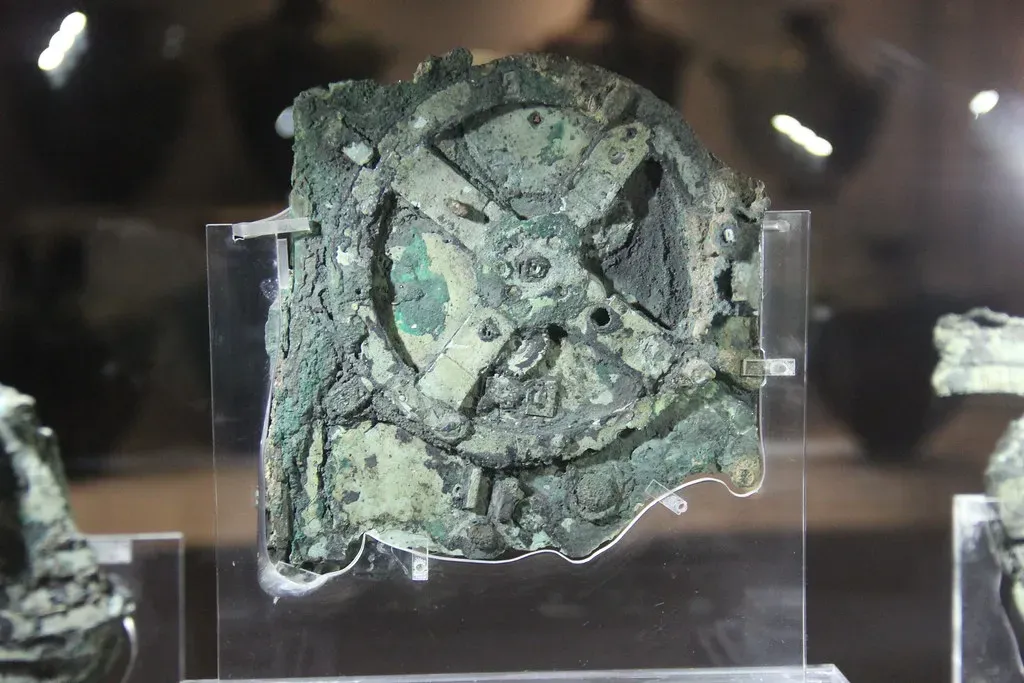
Imagine a corroded lump of bronze pulled from a shipwreck, turning out to be a precision machine so complex that for decades no one could even agree on what it did. That’s the Antikythera mechanism, recovered off a Greek island in the early twentieth century and only truly understood with modern X‑ray imaging. Inside the encrusted shell are dozens of bronze gears, dials, and inscriptions that model the motions of the Sun, Moon, and possibly the known planets with eerie accuracy.
Researchers now see it as an astronomical calculator, built around the second or first century BCE, that could predict eclipses and track celestial cycles using interlocking gear trains. What makes it wild is not just that it works, but that nothing of comparable mechanical sophistication turns up again for more than a thousand years in the historical record. It’s like finding an advanced watch in the ruins of a village that otherwise only has stone tools lying around.
Roman Concrete: A Building Material That Outlasts Ours
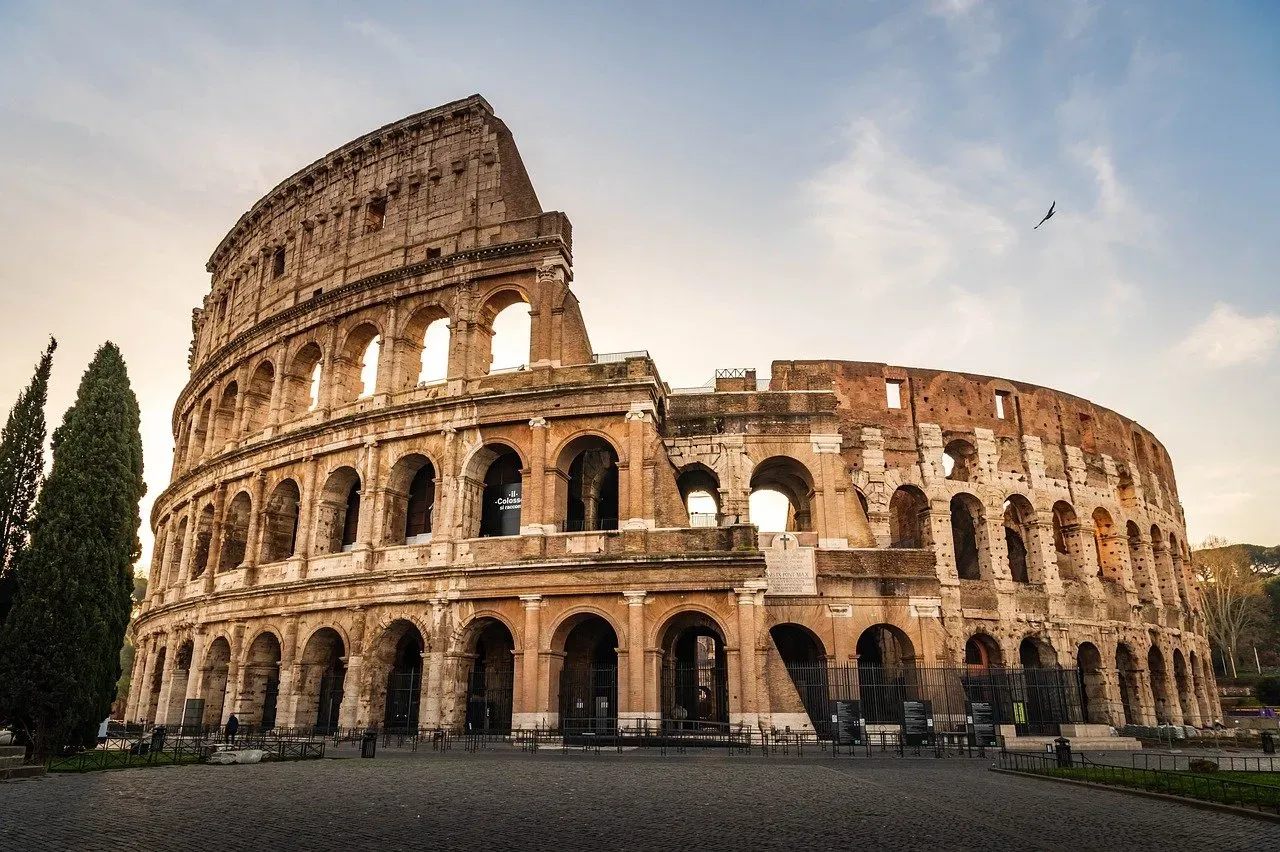
We pour concrete everywhere today, but a lot of it cracks, crumbles, and needs serious repair in just a few decades. Meanwhile, Roman harbors, aqueducts, and domes have stared down nearly two thousand years of waves, earthquakes, and weather. The secret is in their recipe: a blend of lime, volcanic ash, and rock that actually gets stronger over time as it reacts with seawater and the environment. Some recent analysis has shown that Roman concrete can “self-heal” thanks to lime clasts that dissolve and re‑crystallize, sealing tiny fractures.
Roman engineers didn’t just stumble into this; they experimented with local materials and tuned mixtures for different uses, from massive harbor piers to soaring interiors like the Pantheon. In a way, they were doing early materials science without calling it that, tweaking chemistry to get performance we still struggle to match sustainably today. It’s humbling to realize that some of our “cutting-edge” research on low-carbon, long‑lasting concrete is basically us trying to reverse‑engineer what Roman builders already knew worked.
Nabataeans and Their Hidden Water Engineering in the Desert

If you’ve ever seen photos of Petra – the city carved into rose‑red cliffs – you might’ve focused on the grand facades and missed the real magic: water. The Nabataeans, who built Petra and controlled trade routes in what is now Jordan, mastered hydraulic engineering in some of the driest landscapes on Earth. They carved channels into rock faces, built covered aqueducts, and designed underground cisterns that collected rare desert rains and minimized evaporation.
The layout of their city is basically a giant water‑management machine disguised as architecture. They used settlement basins to trap silt, overflow systems to handle floods, and strategically placed reservoirs to supply homes, gardens, and caravans. It’s remarkable because it looks like a deliberate, system‑level design, not just a few clever wells here and there. In an era when we’re worrying about water scarcity and climate extremes, their ability to stretch every drop of rainfall feels uncomfortably more advanced than many of our sprawling, wasteful modern cities.
The Baghdad Battery: Early Electrochemistry or Misunderstood Artifact?
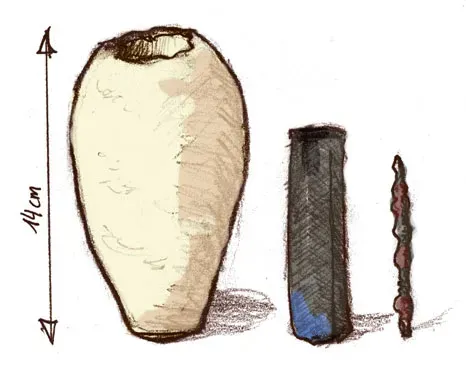
Few ancient objects spark as much debate as a set of small clay jars, copper cylinders, and iron rods found near modern‑day Baghdad. When researchers reconstructed them and filled them with acidic liquids like vinegar or grape juice, the setup produced a small electric potential, behaving a lot like a primitive battery. These artifacts date to around two thousand years ago, long before modern descriptions of electricity and electrochemistry appeared. The idea that someone back then might have stumbled onto controlled electricity is unsettlingly intriguing.
No one can say with complete certainty what the jars were used for, and that’s part of what keeps the story alive. Some theories suggest they powered early electroplating for decorative metals, others think they might have had a ritual or medicinal function, or weren’t batteries at all and only accidentally form a working circuit by our modern standards. What’s undeniable is that, at minimum, the components show a sophisticated grasp of materials and design. Whether or not they truly were “batteries,” they remind us that ancient experimenters may have explored phenomena we tend to assume belong only to the industrial age.
Greek Fire: A Fearsome Lost Chemical Weapon

Byzantine naval battles introduced a nightmare weapon that terrified enemies for centuries: Greek fire, an incendiary mixture that could be sprayed from ships and kept burning even on water. Accounts describe ships engulfed in flames that clung to hulls and sailors alike, turning sea battles into infernos. The formula was so tightly guarded that it never clearly survived in writing, and modern chemists are still arguing over what exactly it contained. Proposals range from petroleum‑based mixtures to combinations including resin, sulfur, and quicklime.
What stands out is not just the chemistry but the delivery systems: pressurized siphons, nozzles, and possibly handheld projectors that functioned almost like ancient flamethrowers. This was integrated weapons engineering, not just tossing flaming oil from a bucket. The Byzantines used it strategically to defend their capital and control sea lanes, showing an understanding of both chemistry and tactics that feels chillingly modern. The fact that we still haven’t conclusively recreated the substance suggests it was not just advanced, but also finely tuned and carefully managed by skilled specialists.
Ancient Indian Metallurgy and the Delhi Iron Pillar
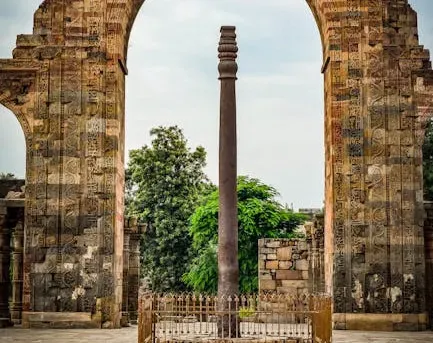
In a busy corner of Delhi stands a massive iron pillar, over fifteen hundred years old, that stubbornly refuses to rust away like any ordinary chunk of exposed metal would. This pillar, erected during an early Indian dynasty, has survived monsoon rains, heat, and pollution with an almost arrogant calm. Metallurgical analyses show that the iron contains very low sulfur and manganese, and that over centuries it formed a tight, protective layer of iron hydrogen phosphate that seals it from deep corrosion.
Producing such a large, high‑purity iron object required serious control of smelting and forging techniques, especially without modern blast furnaces or analytical tools. Ancient Indian metallurgists also developed high‑carbon steel, often called wootz steel, that was prized for its sharpness and toughness and traded widely. When you think about weapons and tools forged from that metal, it’s hard not to see them as the “high‑tech hardware” of their age. That quiet pillar in Delhi is basically a standing argument that early metallurgists understood long‑term material behavior at a level that still impresses scientists today.
Mayan Astronomy and Calendars: Precision Written in Stone
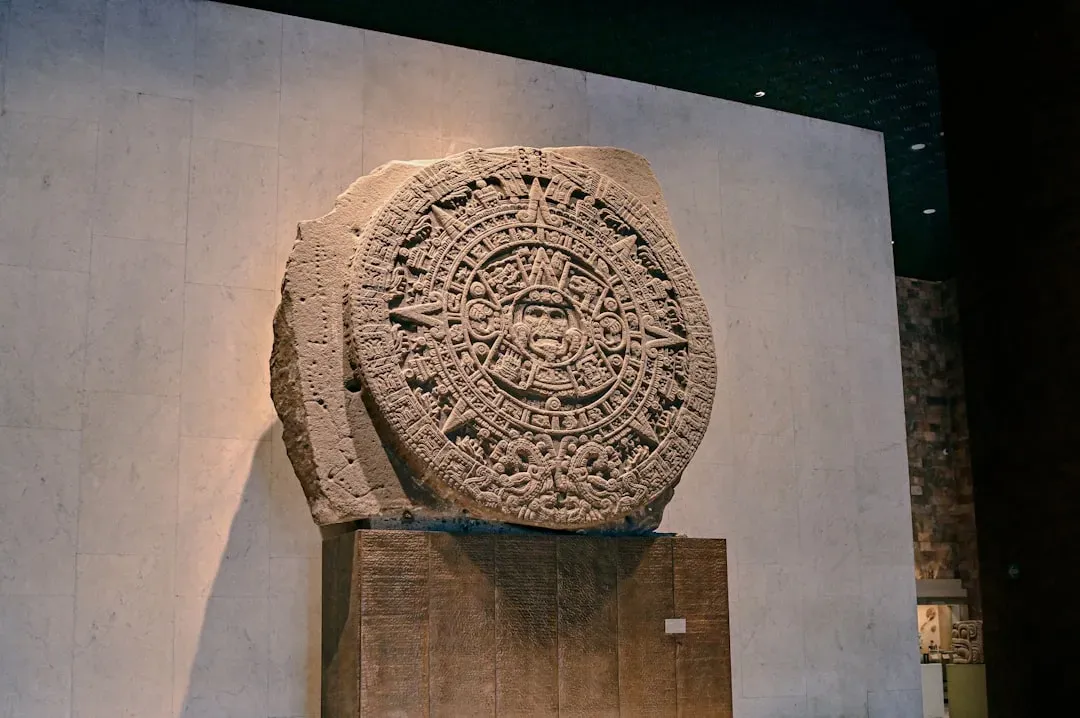
The stereotype of ancient calendars is that they’re rough guesses about seasons, but the Maya weren’t guessing. They tracked celestial cycles with a precision that holds up unsettlingly well under modern scrutiny. At sites like Chichén Itzá and Uxmal, temple orientations line up with solstices and equinoxes, and shadow effects on stairways and façades mark key points in the solar year. Their calendar systems combined multiple interlocking cycles, including a roughly three hundred sixty‑five day solar year and a sacred ritual count, to predict events far into the future.
They also kept records of Venus’s movements and other planetary phenomena, using them to schedule rituals, political events, and possibly warfare. The fact that they encoded such sophisticated observational astronomy into architecture and carved texts, without telescopes or modern instruments, speaks to generations of careful measurement and mathematical modeling. It’s like seeing spreadsheets and observatories rendered in stone and myth, wrapped in a worldview where science and spirituality weren’t separate categories at all. The precision of their sky‑watching quietly undercuts the idea that advanced astronomy only arrived with European observatories and polished lenses.
Rethinking What “Advanced” Really Means
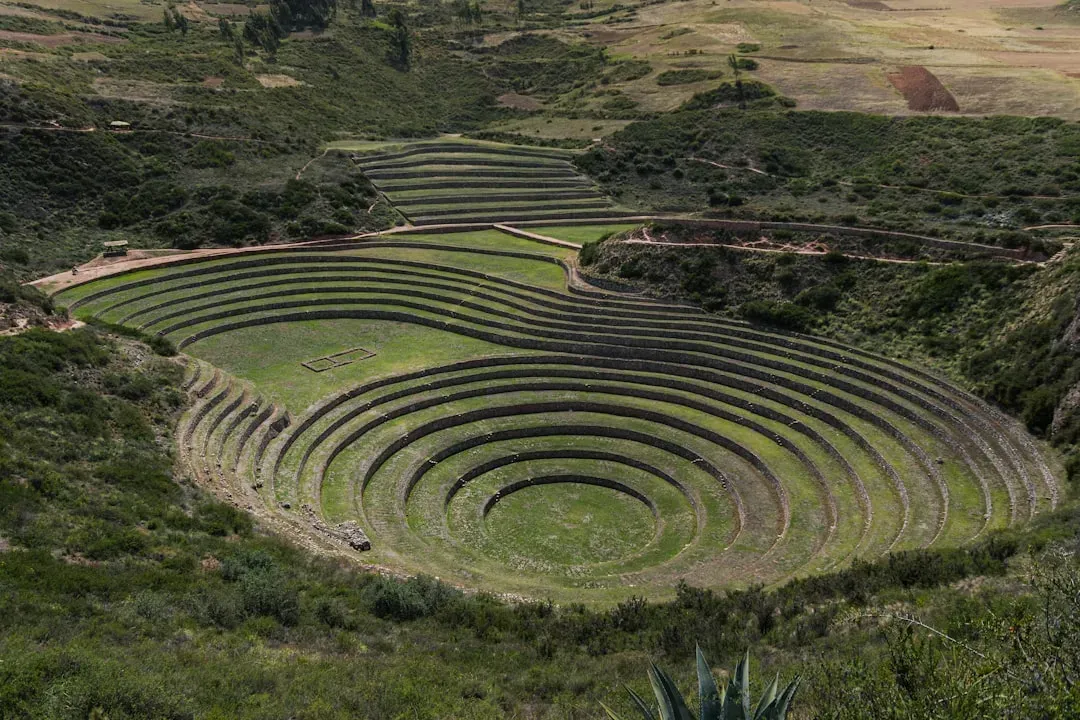
Looking across these examples – from gear‑driven star calculators and flame‑throwing warships to self‑healing concrete and desert water systems – it becomes harder to cling to the idea that earlier civilizations were simply “behind.” They were solving the problems in front of them with creativity, patience, and a level of empirical experimentation that feels very familiar if you’ve ever worked in a lab or a workshop. The main difference is that their breakthroughs ended up buried in ruins, while ours get buried in patents and cloud servers.
Maybe the most unsettling realization is that knowledge can be both brilliant and fragile, leaping forward in one era and then vanishing for centuries because of war, collapse, or simple neglect. It makes our own technologies feel a little less permanent and a lot more like a passing chapter in a much longer story of human ingenuity. When you think about the tools we’re building today, it’s hard not to wonder what future archaeologists will say as they piece our world back together: which of our “modern miracles” will still look impressive, and which will seem as basic as a chipped stone knife?