Every so often, archaeology turns up something that feels almost like a time traveler’s calling card: a device, a building, or a system so advanced it seems to have leapt several centuries ahead of its era. These are not fantasy gadgets or conspiracy-theory relics, but real artifacts studied in labs, scanned with modern instruments, and argued over in peer‑reviewed papers. Together they reveal just how inventive, precise, and occasionally baffling our ancestors could be with stone, bronze, and wood instead of silicon and steel. Looking closely at these technologies does more than feed wonder; it forces us to rewrite timelines of innovation, and to admit that past societies solved problems in ways we still struggle to fully reverse‑engineer today.
The Antikythera Mechanism: A Bronze Computer Lost at Sea
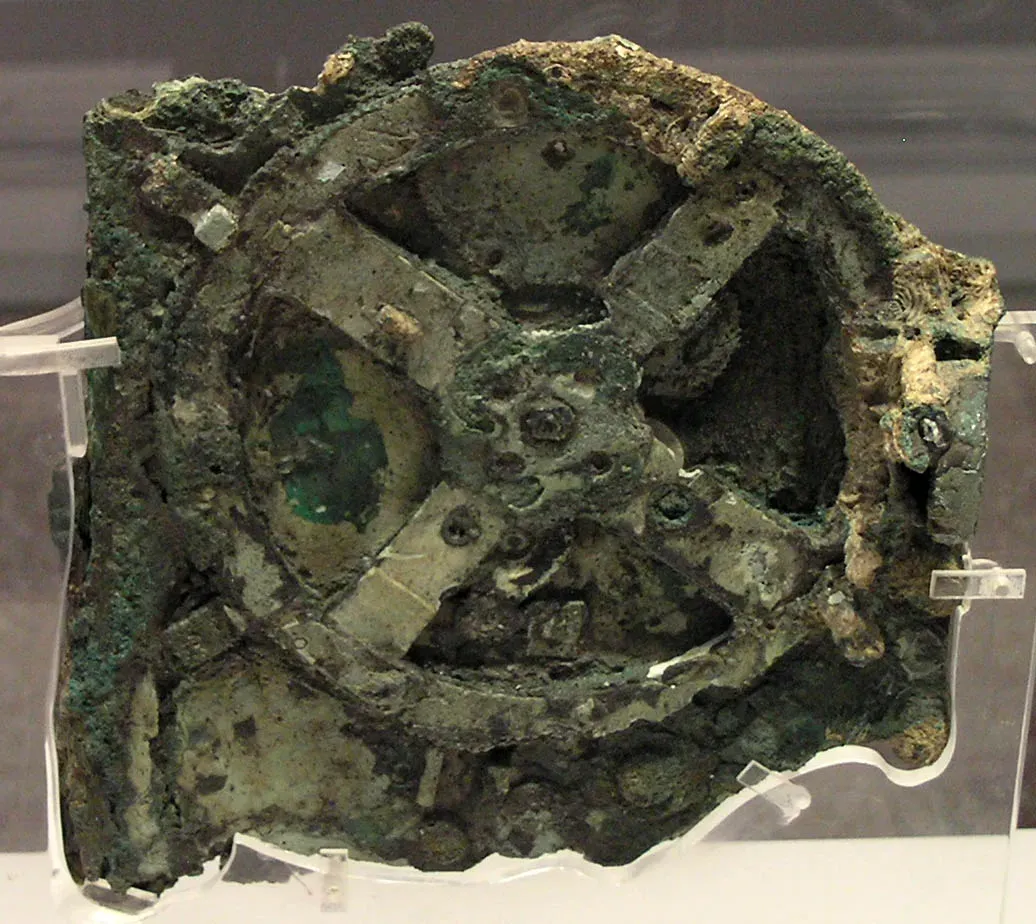
Picture a corroded clump of bronze fished from a shipwreck, then imagine X‑rays revealing a dense forest of gears inside it – this is the Antikythera mechanism, and it should not exist for its time. Discovered off a Greek island and dated to around the second or first century BCE, the device models the motions of the Sun, Moon, and possibly planets using a complex train of interlocking gears. Its surviving fragments suggest on the order of three dozen precisely cut bronze gears, some with extraordinarily fine teeth that would challenge many pre‑industrial workshops. For decades, scholars assumed this level of gearwork came much later in medieval Europe, which made the Antikythera mechanism feel like an outlier that had somehow fallen through a crack in history.
Modern 3D imaging and careful reconstructions show that turning a single crank could display lunar phases, eclipses, and perhaps even the timing of athletic games on various dials. It is not just the astronomy that is impressive but the miniaturization and error‑tolerant engineering embodied in the gear ratios and layout. No other surviving Greek artifact matches this mechanical sophistication, raising uncomfortable questions about how widespread such knowledge once was and why it disappeared for so long. In many ways, it functions like a pocket analogy to a smartwatch built in an era of oil lamps, and that mismatch continues to unsettle historians of technology.
Roman Concrete: A Self‑Healing Material That Outlasts Steel

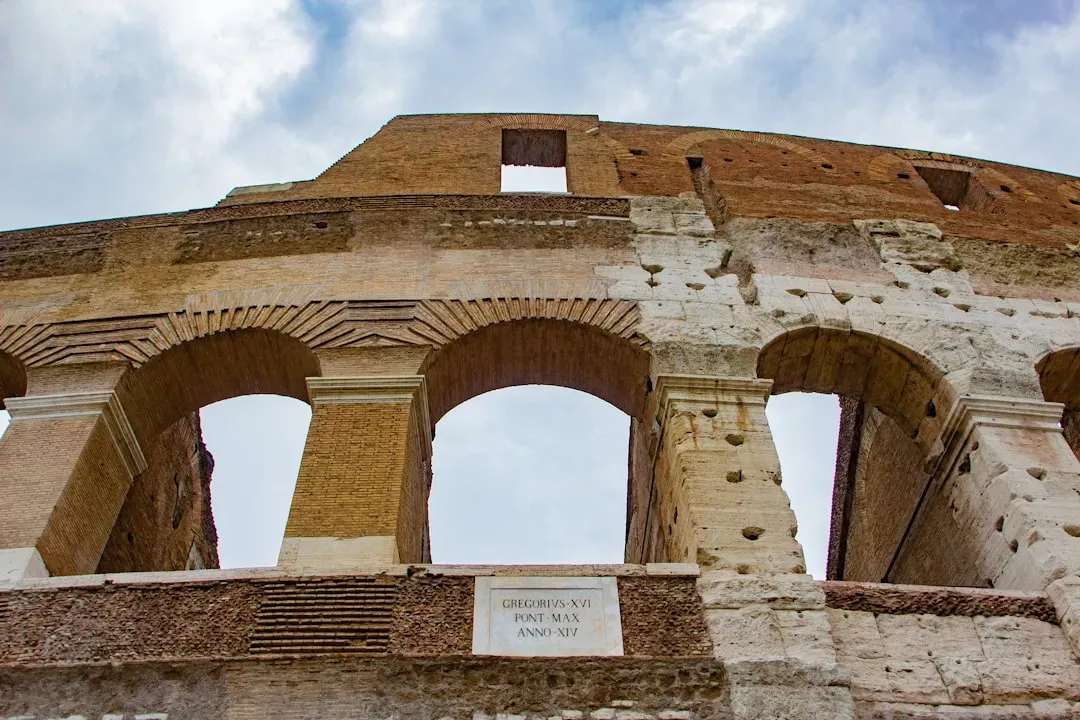
Walk past a modern bridge spalling and cracking after a few decades, then look at a two‑thousand‑year‑old Roman harbor still stubbornly intact under crashing waves, and it feels like someone swapped the labels on old and new. Roman concrete, especially the kind used in marine structures, was mixed with volcanic ash and lime in a way that let it get stronger over time. Recent microscopic studies show that tiny lime clasts inside the material can dissolve and re‑precipitate minerals when microcracks form, effectively knitting the concrete back together. That self‑healing behavior is something modern materials scientists actively chase with special additives and polymers, yet Roman builders achieved a version of it with local rock and empirical know‑how.
The environmental angle makes it even more striking: Roman concrete cured in seawater and required different, often lower‑temperature ingredients than many modern Portland cement mixes. Large monuments like the Pantheon dome and seaside piers have endured earthquakes, storms, and centuries of neglect far better than a lot of twentieth‑century infrastructure. Engineers now study Roman recipes not out of nostalgia, but as templates for more durable and lower‑carbon building materials. The idea that a “primitive” mixture might outperform some of our most common construction staples is a humbling reminder that technological progress is not always a straight, upward line.
Nazca Hydraulic Engineering: Invisible Infrastructure Beneath the Desert
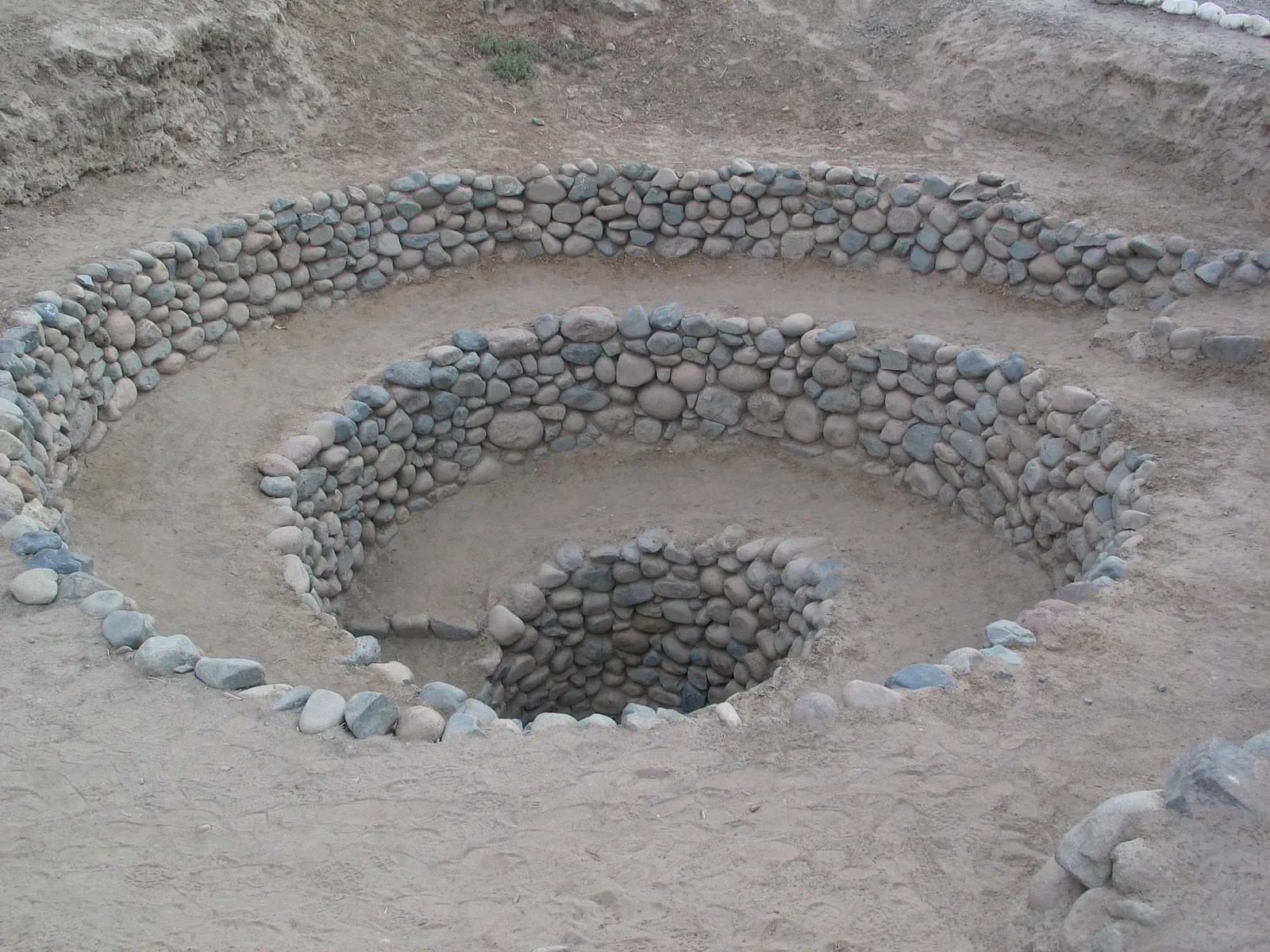
The Nazca region of southern Peru is famous for its giant desert geoglyphs, but the truly radical technology there is something far less photogenic: water systems carved invisibly into bone‑dry ground. Centuries before modern drilling equipment, Nazca engineers created spiral access shafts called puquios and underground galleries that captured and moved groundwater across long distances. These channels were lined and shaped to resist collapse, and some are still functional today in one of the harshest desert environments on Earth. From the surface, they can look like curious stone spirals and scattered openings, giving little hint that an entire hydraulic machine is running beneath the sand.
Researchers studying the layout of puquios and canals have noted how they exploit subtle topography and prevailing winds to keep water flowing and oxygenated. In places, the spiral shafts work like giant screw threads of air and stone, allowing people to descend, clear debris, and manage flow without elaborate tools. For a society often framed mainly through its mysterious desert drawings, this hidden infrastructure shows an equally impressive command of geology and fluid dynamics. The fact that locals still rely on parts of the system today makes it hard to dismiss as a relic; instead, it looks like a sustainable design that modern water‑stressed regions might learn from rather than just admire.
The Baghdad Batteries: Electrochemistry Before Electricity Had a Name
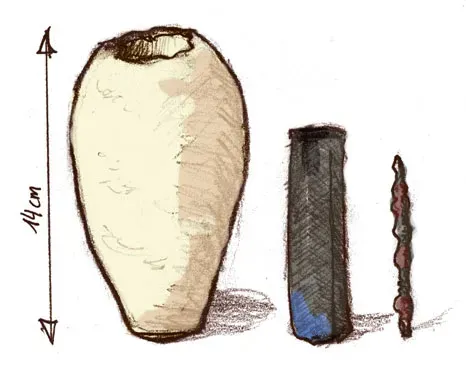
At first glance, the so‑called Baghdad batteries – ceramic jars containing copper cylinders and iron rods – look like everyday storage vessels, until you notice how oddly standardized their components are. Found near modern‑day Baghdad and usually dated to the early centuries of the common era, these objects can generate a small electric potential when filled with acidic liquid in modern reconstructions. That has led to heated debates over whether ancient artisans intentionally used them as electrochemical cells, perhaps for metal plating or ritual effects involving tingling sensations. The archaeological context is frustratingly incomplete, leaving experts to argue over whether we are looking at an early experiment in electricity or an elaborate misinterpretation.
What keeps the mystery alive is how neatly the pieces fit the physics of a simple battery while refusing to yield a clear historical explanation. No written texts from the region describe electrical devices, yet humanity’s curiosity about shimmering metals and bright colors makes the idea of galvanic plating tempting. Even if these jars were not batteries in the strict modern sense, they spotlight how easily basic electrochemistry can emerge from everyday materials – pottery, copper, iron, and fermented liquids. The debate itself is instructive: it shows where the boundaries lie between solid evidence and the urge to project modern technologies backward onto ambiguous finds.
Harappan Urban Planning and Sanitation: Cities Built on Silent Systems
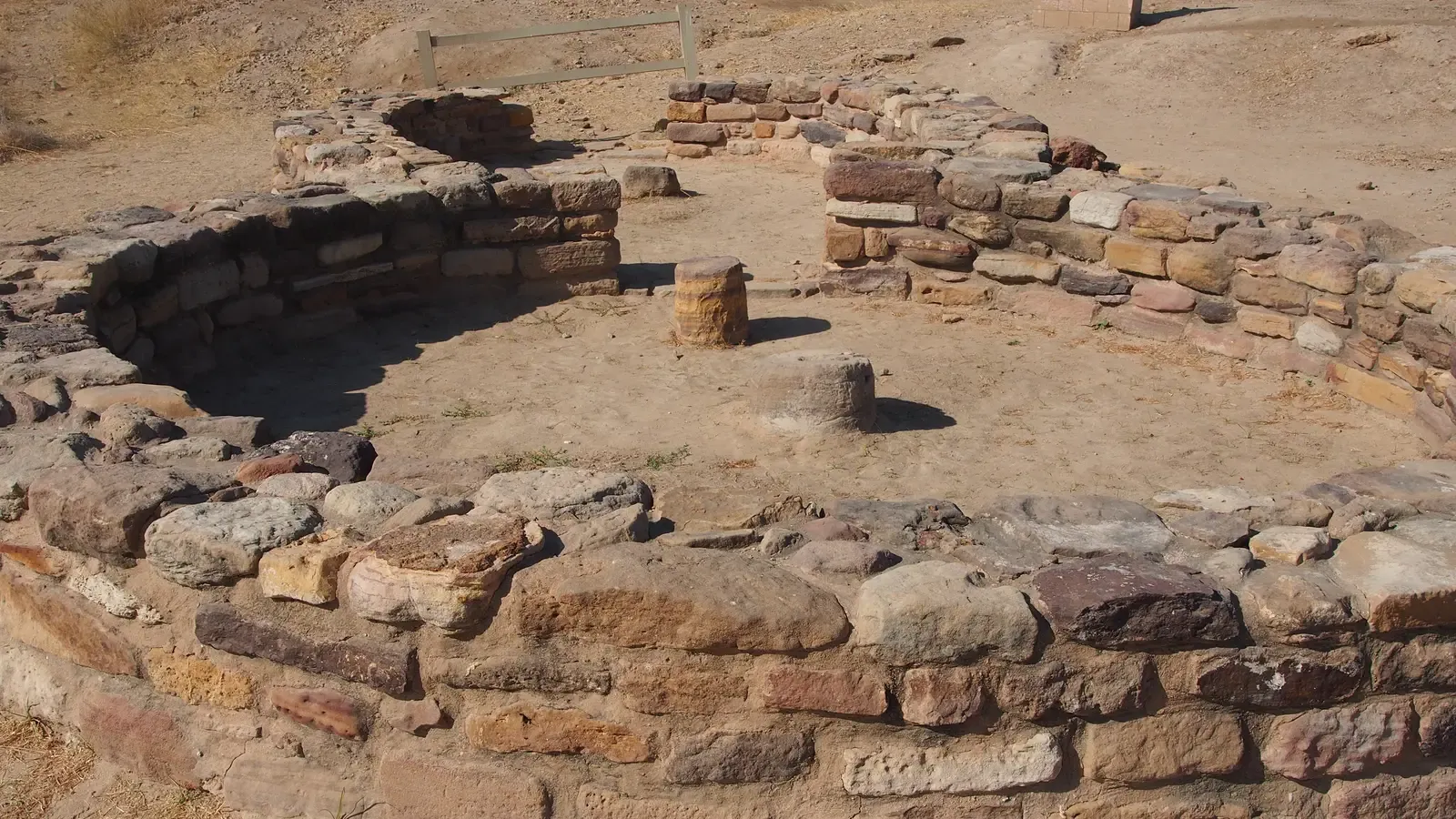
Thousands of years ago in the Indus Valley, Harappan cities like Mohenjo‑daro and Harappa were quietly doing something many later civilizations struggled with: treating urban life as an engineering problem from the ground up. Archaeologists have uncovered gridded street layouts, standardized baked‑brick dimensions, and, most strikingly, extensive drainage and sewage networks built into the fabric of these settlements. Many houses had bathing areas connected to covered drains that fed into larger street sewers, suggesting a cultural emphasis on cleanliness and a sophisticated understanding of waste management. While other ancient societies built monumental temples and palaces, the Harappans invested just as heavily in what we might now call infrastructure.
What baffles researchers is the level of standardization across sites separated by large distances, hinting at some shared system of weights, measures, and building practices. There is little evidence of grand royal tombs or obvious ruling elites, yet the coordination needed for such uniform planning is immense. In a sense, these cities resemble modern planned developments with their straight streets and utility corridors, except they were being laid out in the Bronze Age. The collapse of the Harappan civilization left their script undeciphered and their institutional structures obscure, but the bricks and drains endure as proof that advanced urban engineering does not require skyscrapers or steel – only a collective commitment to design for everyday life.
Maya Astronomical Architecture: Stone Alignments as Precision Instruments
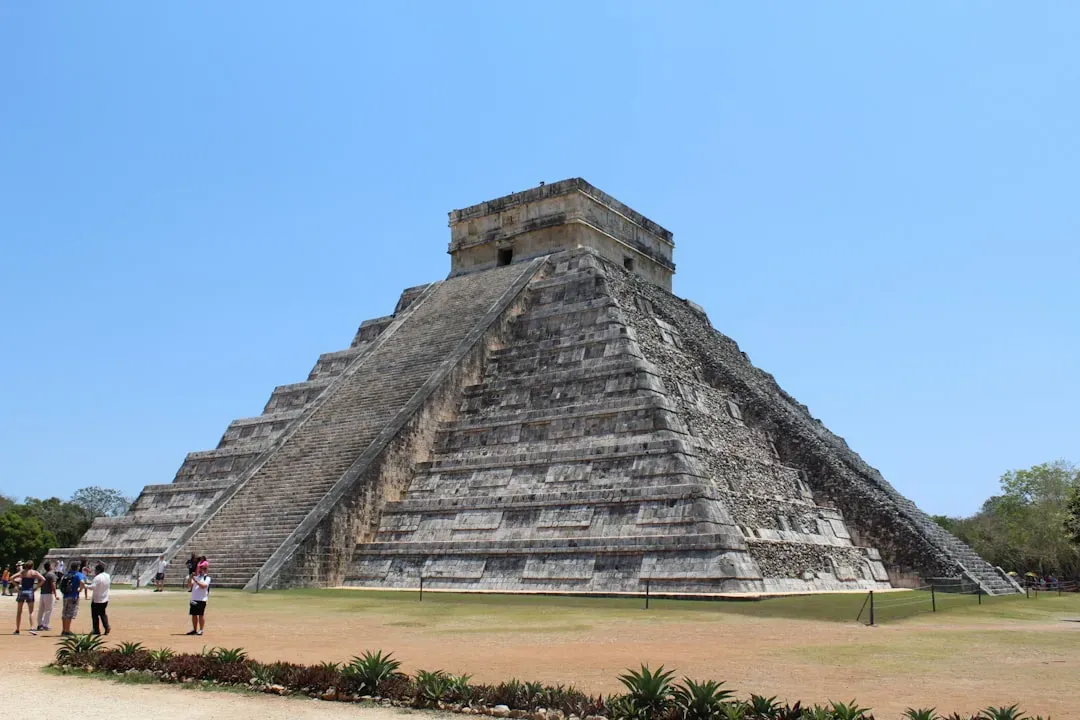
From the outside, a Maya pyramid or observatory can look like a massive block of stone meant mainly to impress or intimidate, but align these structures with the sky and a different layer of technology snaps into focus. Many Maya sites feature buildings and sightlines calibrated to solar events such as solstices and equinoxes, as well as the complex cycles of Venus that were central to their calendar. Observers could watch the Sun rise or set at specific points on the horizon when standing in designated positions, effectively turning the architecture into a large‑scale measuring device. This required not only long‑term observations but the ability to embody astronomical data in three‑dimensional stone layouts and ceremonial routes.
What feels ahead of its time is the way this knowledge is encoded simultaneously as science, art, and social choreography. The same passage that channels light on a key date also guides processions and frames political authority, fusing celestial mechanics with power structures. Surviving codices and carved inscriptions show an intense concern with prediction – of eclipses, auspicious days, and planetary cycles – that rivals many later Old World traditions. For modern archaeologists using simulation software and lidar scans, disentangling intention from coincidence in these alignments is an ongoing challenge, and each new alignment confirmed makes the picture of Maya observational skill even sharper.
Nabataean Desert Hydrology: Turning Arid Canyons into Living Networks
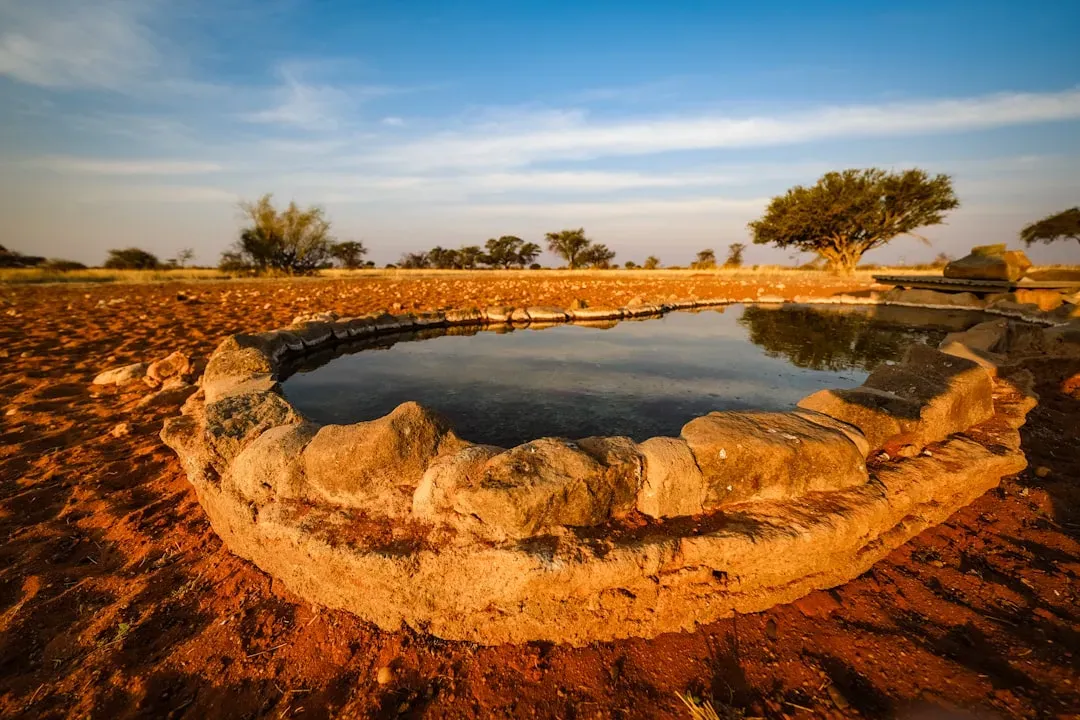
The rock‑cut façades of Petra in Jordan get the postcard attention, but the real technological masterpiece of the Nabataean civilization lies in what you almost do not notice: gutters, channels, and cisterns hidden along canyon walls. Living in an environment with brutal swings between drought and flash flooding, Nabataean engineers learned to redirect brief, violent rains into a network of storage systems. They carved channels with carefully chosen gradients, added settling basins to trap silt, and tucked away cisterns under layers of rock to reduce evaporation. To a modern visitor, the system is so well integrated into the landscape that it can fade into the background, which is a sign of how elegantly it was designed.
Archaeological surveys have mapped out long‑distance pipelines and terraces that redistributed water to agriculture and urban zones, turning what should have been marginal land into a thriving trade hub. The underlying principles – capture, slow, store, and protect – sound like the playbook for contemporary climate‑resilient water management. Yet the Nabataeans implemented them without pumps, reinforced concrete, or satellite rainfall data, relying instead on acute observation and iterative construction. In an age of growing water stress, their legacy feels less like an ancient curiosity and more like a manual we have only partly reread.
Why These Anomalies Matter: Rethinking the Timeline of Innovation
Looked at together, these seven technologies form a pattern that challenges one of our favorite modern myths: that progress is always linear, centralized, and driven by a few obvious “great civilizations.” Instead, we see advanced materials in Roman harbor walls, urban engineering in the Indus Valley, precise sky watching in Maya cities, and hydraulic genius in Peruvian and Jordanian deserts. Each case forces experts to ask uncomfortable questions about how knowledge is created, shared, and lost – sometimes for centuries at a time. The Antikythera mechanism, for example, implies a tradition of fine gear‑making that left almost no other physical trace, suggesting that entire branches of specialized craft can vanish from the record with shocking ease.
Comparing these achievements with earlier assumptions shows how much our interpretations have shifted. Where nineteenth‑century scholars might have dismissed indigenous hydrology or sanitation as rudimentary, newer fieldwork and analysis reveal layers of optimization and intentional design. At the same time, modern analogues – self‑healing concretes, smart cities, distributed water systems – echo principles embedded in these ancient examples, even if the tools have changed. Seen from that angle, the “ahead of their time” label says as much about the blind spots of past scholarship as it does about the ingenuity of the original builders.
How to Stay Curious About the Technologies Beneath Our Feet
One of the easiest ways to miss ancient innovation is to focus only on the spectacular: the biggest pyramid, the tallest statue, the most ornate tomb. The stories in this list remind us that some of the most radical technologies are quiet ones – drainage channels underfoot, lime crystals inside a wall, a gear hidden inside a lump of corrosion. Paying attention to those subtler details takes practice, whether you are walking through a ruined city, visiting a museum, or just looking at the way water runs off a street in your own neighborhood. I still remember the first time I noticed a barely visible Nabataean‑style channel carved next to a modern tourist path in Petra; once I saw it, the entire landscape rearranged in my mind around water, not stone façades.
If there is a call to action here, it is simply to treat infrastructure – past and present – as a story worth reading, not a backdrop. That might mean reading site reports instead of only looking at glossy photos, supporting preservation projects that focus on everyday structures, or asking museum guides about drains and bricks, not just kings and battles. The more we train ourselves to see these hidden systems, the less likely we are to underestimate the problem‑solving power of earlier cultures – or our own. And the next time a new scan or excavation reveals an “impossible” ancient technology, you might find yourself less shocked and more prepared to ask the better question: what else have we been walking past without really seeing?
Suhail Ahmed is a passionate digital professional and nature enthusiast with over 8 years of experience in content strategy, SEO, web development, and digital operations. Alongside his freelance journey, Suhail actively contributes to nature and wildlife platforms like Discover Wildlife, where he channels his curiosity for the planet into engaging, educational storytelling.
With a strong background in managing digital ecosystems — from ecommerce stores and WordPress websites to social media and automation — Suhail merges technical precision with creative insight. His content reflects a rare balance: SEO-friendly yet deeply human, data-informed yet emotionally resonant.
Driven by a love for discovery and storytelling, Suhail believes in using digital platforms to amplify causes that matter — especially those protecting Earth’s biodiversity and inspiring sustainable living. Whether he’s managing online projects or crafting wildlife content, his goal remains the same: to inform, inspire, and leave a positive digital footprint.