
Some structures are so old, so precisely built, and so improbably ambitious that even today’s engineers have to squint and say: “How on earth did they pull that off?” We can simulate them, measure them, reenact bits and pieces in controlled experiments. But standing in front of the real thing, you can almost feel the ground hum with a kind of quiet defiance: we are still here, and you still don’t fully understand us.
That’s the strange thrill of ancient engineering. It’s not that we couldn’t build something similar today with cranes, lasers, and computer models. It’s that people did it thousands of years ago with tools that, on paper, shouldn’t have been enough. The deeper we look, the more uncomfortable questions pop up: Who organized all this? How did they plan to such accuracy? Why this shape, this scale, this alignment? Let’s walk through seven of the most baffling feats that continue to tease modern science.
The Great Pyramid of Giza: Impossible Precision in Stone
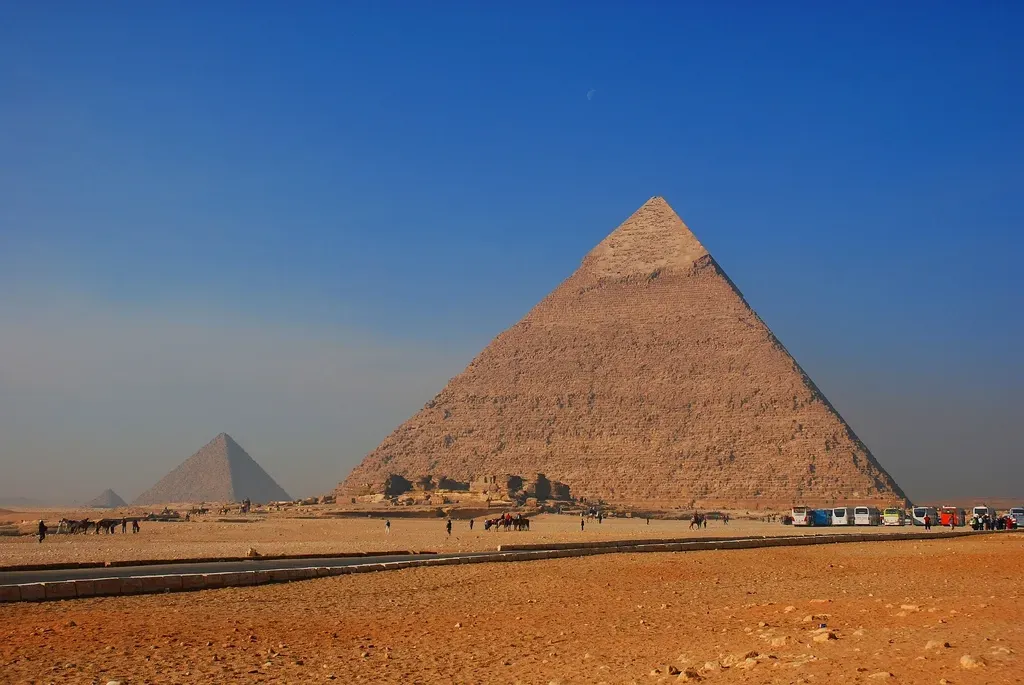
The Great Pyramid feels like it shouldn’t exist in its time period. Built more than four thousand years ago, this monster of stone is aligned to true north with an accuracy that would impress a modern surveyor, missing by only a tiny fraction of a degree. Its base is almost perfectly level, despite sitting on uneven bedrock, and the sides differ in length by mere centimeters over more than two hundred meters. If you’ve ever tried to hang a shelf straight and failed, those numbers feel almost insulting.
Engineers still argue over the practical “how.” We know the materials, the approximate tools, and the broad sequence of steps, but the details don’t quite lock into place. Simple ramp theories struggle to explain the logistics: the ramps would have needed as much material as the pyramid itself. The internal layout adds another layer of headache: the Grand Gallery and the tight shafts that point toward specific stars show planning and geometric confidence that seem far ahead of their time. We can sketch reasonable ideas, but no single reconstruction convinces everyone, and that nagging gap is where the mystery lives.
Stonehenge: Raised Megaliths and Cosmic Alignments
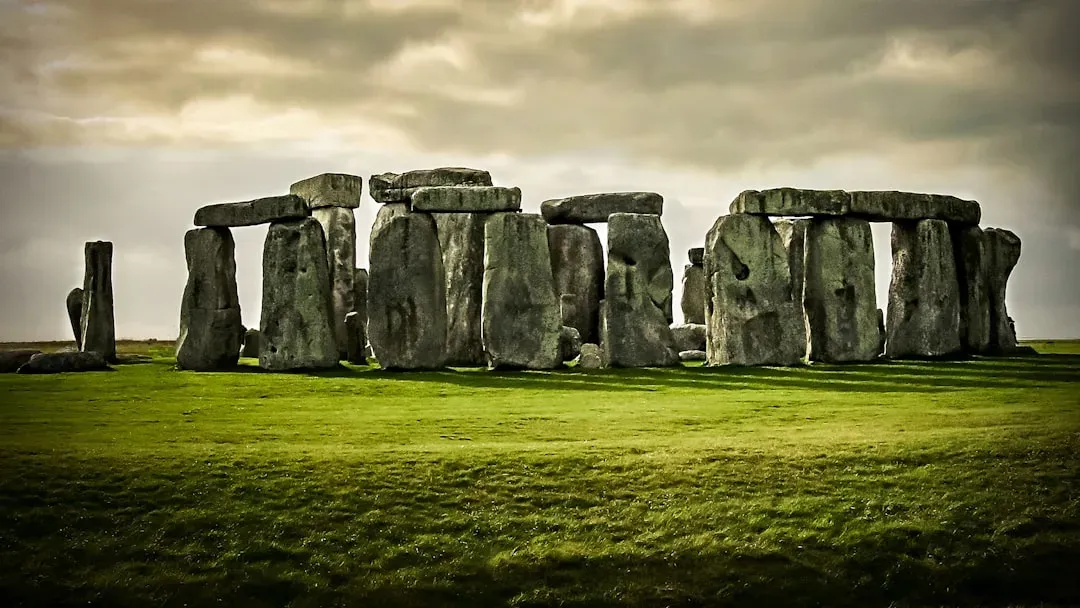
On paper, Stonehenge sounds manageable: upright stones in a circle, built over many centuries by Neolithic communities in what’s now southern England. Then you actually look at what they hauled. Some of the biggest stones weigh as much as a truck, and a set of smaller “bluestones” appears to have come from quarries in Wales, more than two hundred kilometers away. Dragging those across hills, rivers, and mud without wheels or modern roads is the kind of thing that makes your back hurt just thinking about it.
Equally puzzling is the role of astronomy in the design. Stonehenge’s primary axis aligns with the sunrise of the summer solstice and the sunset of the winter solstice, and other elements suggest a sophisticated awareness of the sky. This wasn’t just a pile of rocks; it was a deliberately shaped space that linked earth and heavens. How they coordinated the labor, kept track of long-term alignments, and maintained a shared vision over generations remains largely guesswork. We can replicate the lifting techniques in small tests, but that doesn’t fully explain the scale of planning and shared meaning that made people commit to this project for centuries.
Ba’albek’s Trilithon: Megaliths Beyond Our Cranes’ Comfort Zone
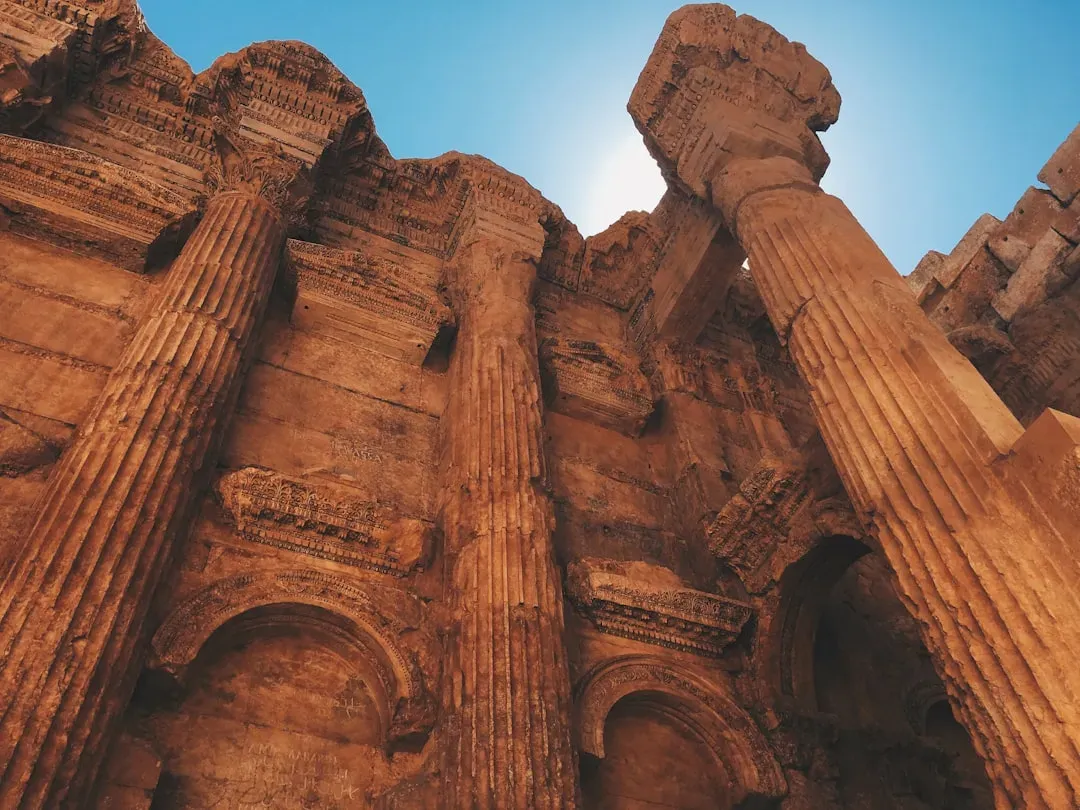
In the ancient city of Ba’albek, in modern Lebanon, three stones lie embedded in a podium wall that almost feels like a dare to future engineers. Known as the Trilithon, each block is more than twenty meters long and weighs several hundred tons, with estimates heading close to a thousand tons for some nearby quarried stones that never made it into place. Even today, moving a single block that big is a serious engineering project that demands custom equipment and meticulous planning.
Yet whoever built this platform carved, transported, and placed these giants with joints so tight you can barely slide a sheet of paper between them. No contemporary text clearly explains their construction methods, and the culture that put them there did not leave an instruction manual. Theories suggest rolling them on logs, sledging them on greased surfaces, or building repeated earthen ramps, but every proposal runs into painful practical problems over such distances and terrain. It’s not that it is magically impossible; it’s that we don’t have a clean, satisfying explanation that covers all the details without stretching assumptions to the breaking point.
Nazca Lines: Giant Geoglyphs Without a Bird’s-Eye View
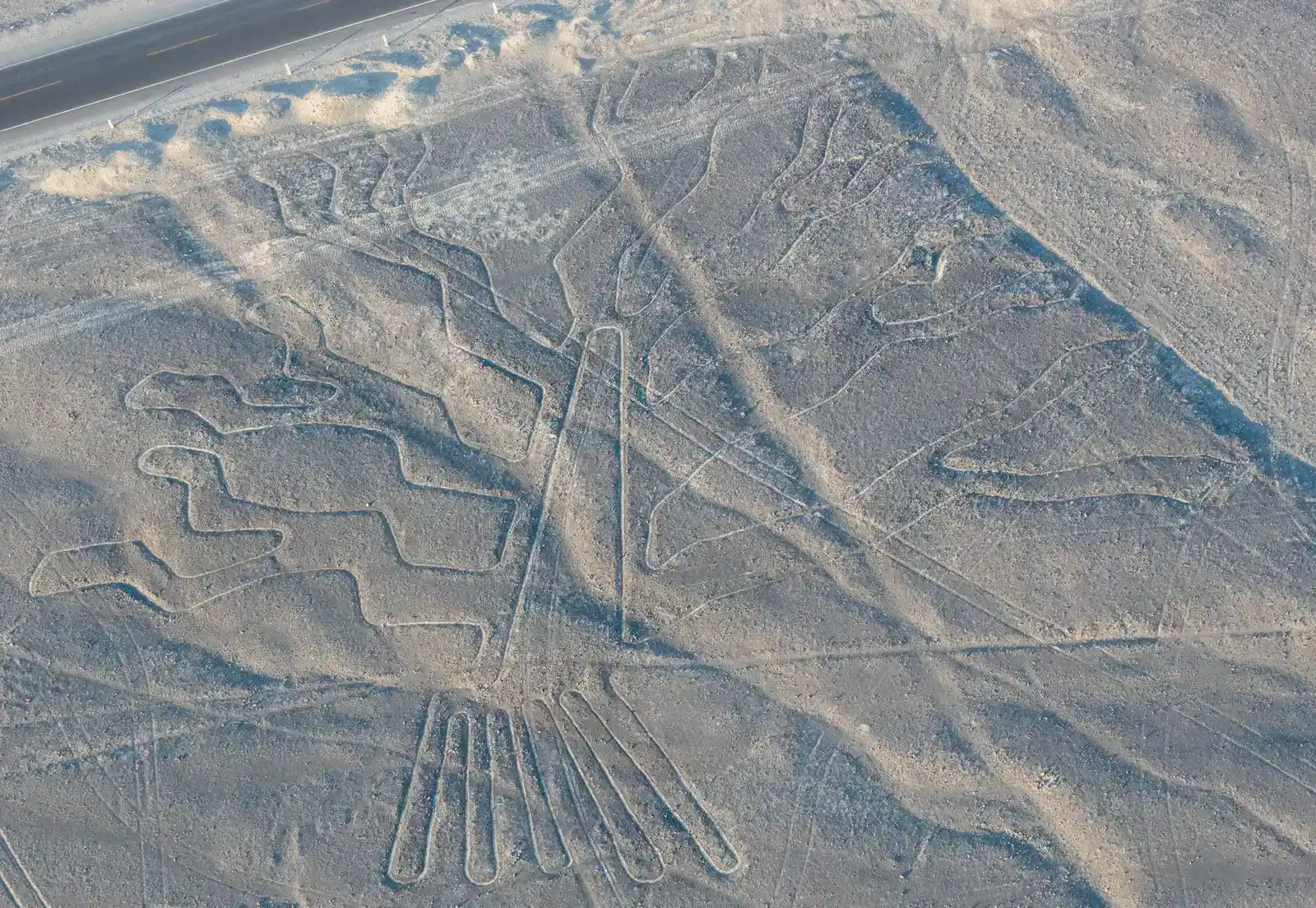
Spread across the dry plains of southern Peru, the Nazca Lines turn the desert into a sketchbook of immense drawings and geometric shapes. There are straight lines that run for kilometers, massive trapezoids, and figures of animals and plants that only make sense from high above. Created by removing the dark, oxidized surface stones to reveal lighter soil beneath, they seem simple on the ground but transform into something eerie and deliberate when seen from the sky. Long before airplanes or drones, that raises a blunt question: how did they plan and execute designs they could not fully see?
Researchers have proposed clever surveying techniques: grid systems on the ground, basic sighting poles, and careful step-counting to scale drawings from small templates. That all sounds reasonable and fits with what we know about human ingenuity. Still, maintaining the straightness of lines over such long distances and preserving proportions of complex shapes without a modern vantage point is achingly impressive. The purpose adds another layer of fog. Maybe they had ritual or astronomical meanings, maybe they marked water sources or pilgrimage routes. The hard part is that the people who made them never left a clear explanation, leaving us to connect dots that might not line up the way we think.
Machu Picchu: A City That Sits On a Landslide and Refuses to Fall
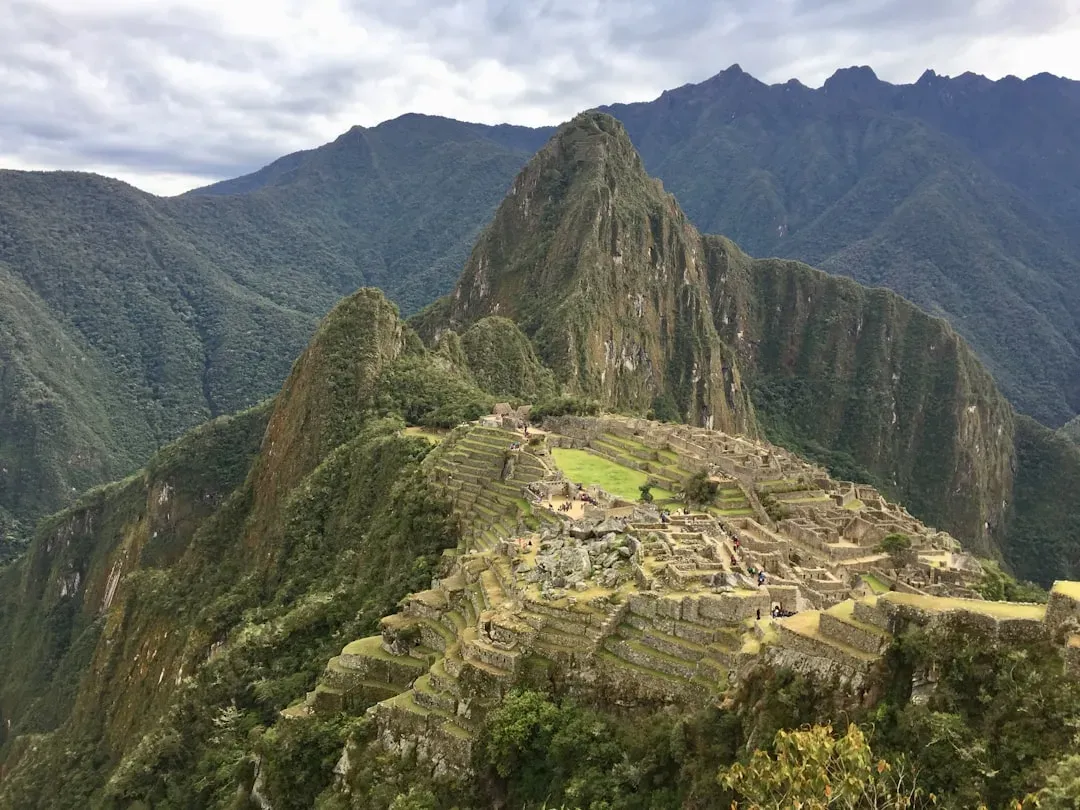
Machu Picchu, perched high in the Peruvian Andes, looks like the kind of place a risk-averse engineer would reject on sight. Built on a ridge flanked by steep slopes and active geological faults, it sits in a region hammered by heavy rains and periodic earthquakes. Yet the site has held together remarkably well for centuries. The stonework fits so closely, especially in the key walls and temples, that mortar was barely needed; the blocks lock together like a puzzle that flexes instead of shattering when the ground moves.
Modern studies have shown that beneath the visible stone lies an equally impressive hidden infrastructure. Terraces are not just pretty steps; they are retaining walls and drainage systems, layered with gravel and soil to manage water. Channels, fountains, and carefully cut runoffs redirect rain and ground flow in ways that keep slopes stable. How a relatively small, high-altitude society developed such a fine-tuned sense of geotechnical engineering without modern instruments is still hard to wrap your head around. You can model the flows today and nod in recognition, but the fact remains: they figured this out with observation, patience, and trial-and-error on a scale that feels almost reckless, yet somehow worked.
Gobekli Tepe: Monumental Architecture Before Cities
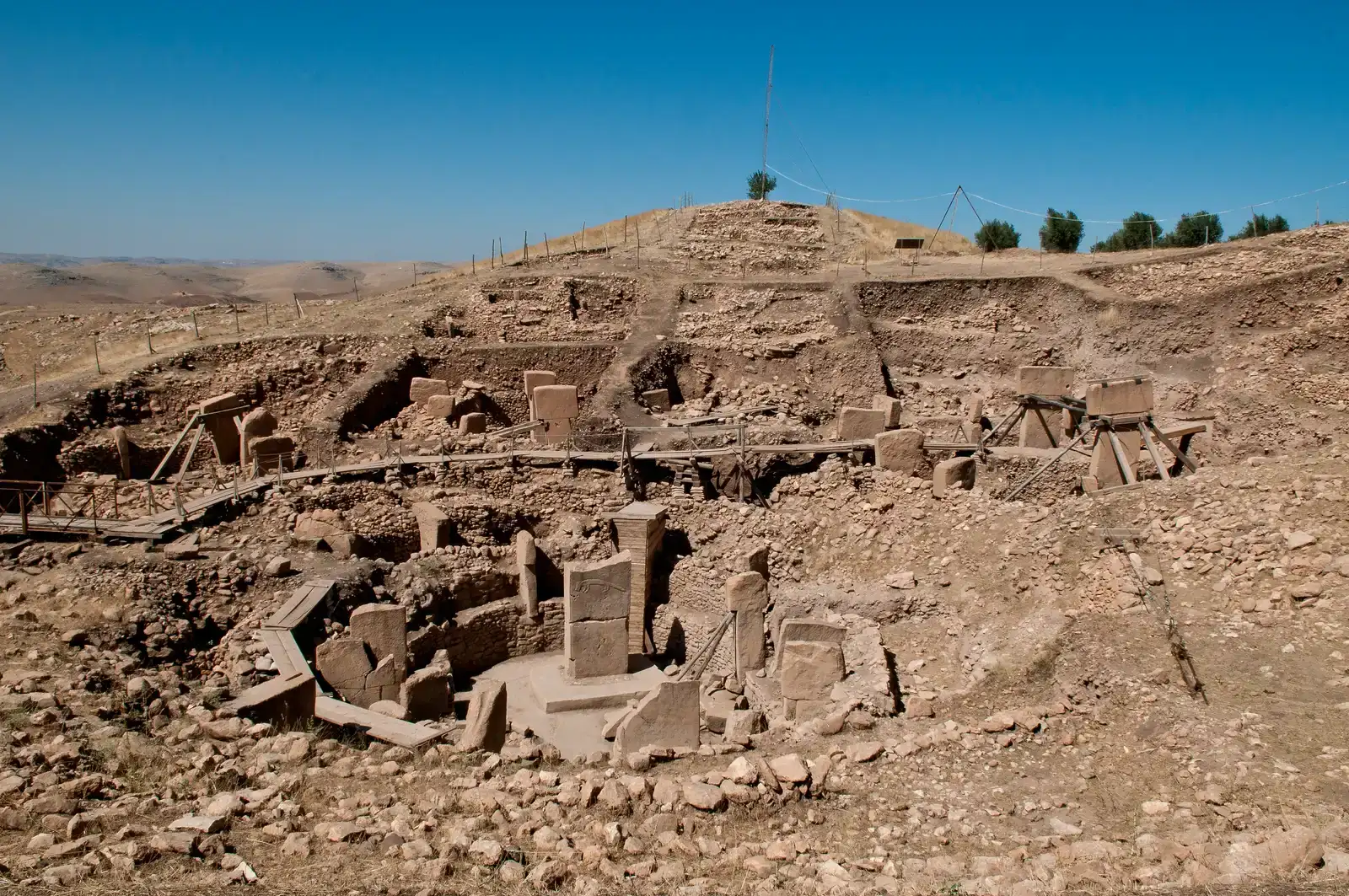
Gobekli Tepe, in southeastern Turkey, pushed our timeline of complex construction back in a way that genuinely shocked archaeologists. These circular stone enclosures, with towering T-shaped pillars carved from limestone, date to around eleven thousand years ago. That’s long before pottery, metal tools, or what we’d normally call settled, farming-based civilization in that region. In other words, people who were still largely hunter-gatherers came together to plan, carve, transport, and raise multi-ton pillars decorated with animal reliefs.
That flips a comfortable story many of us grew up with: first farming, then villages, then religion and monumental buildings. Here, you see something closer to the reverse: large-scale ritual architecture possibly encouraging more permanent settlement. From an engineering perspective, the puzzles are basic but brutal: how did small, mobile groups coordinate the labor and time for such a project without a strong central state or formal writing? The site suggests careful quarrying, coordinated teams, and shared knowledge of leverage and support. We can imagine the broad strokes, but the social and logistical wiring that made it possible is still mostly a blank space on the map.
Teotihuacan: A Meticulously Planned City with an Unknown Mastermind
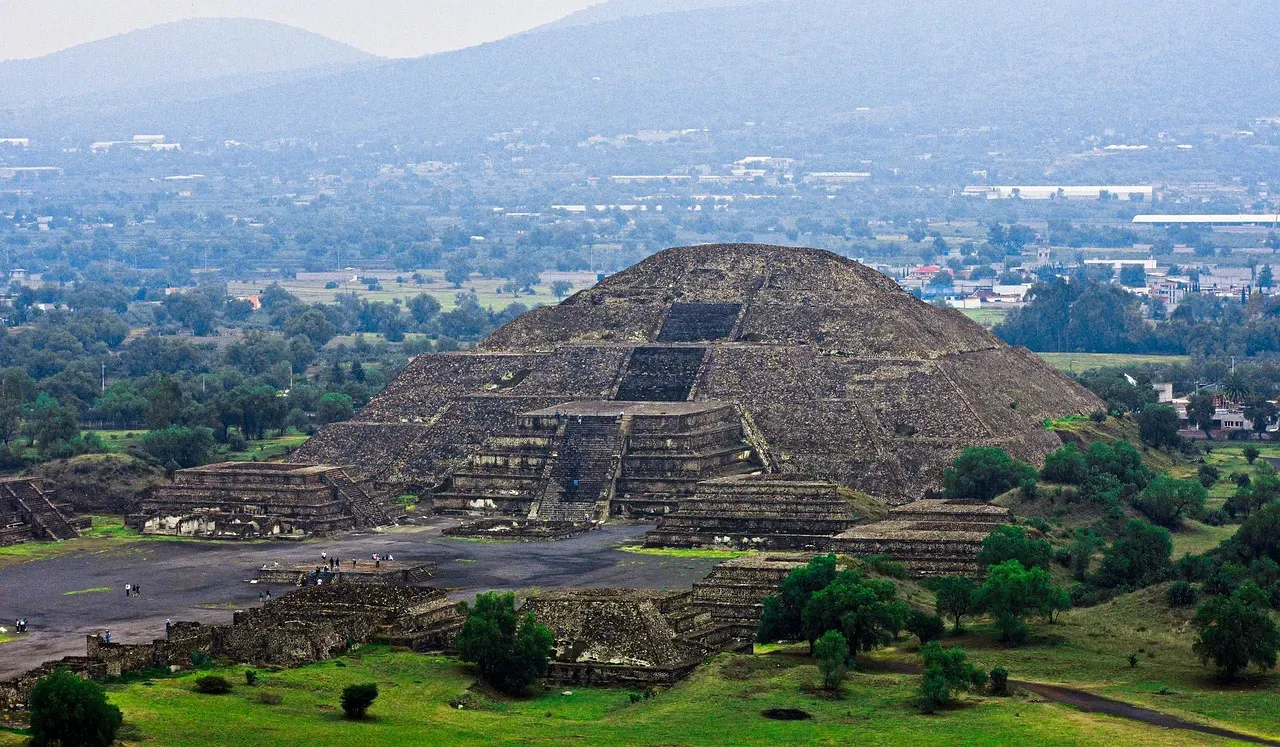
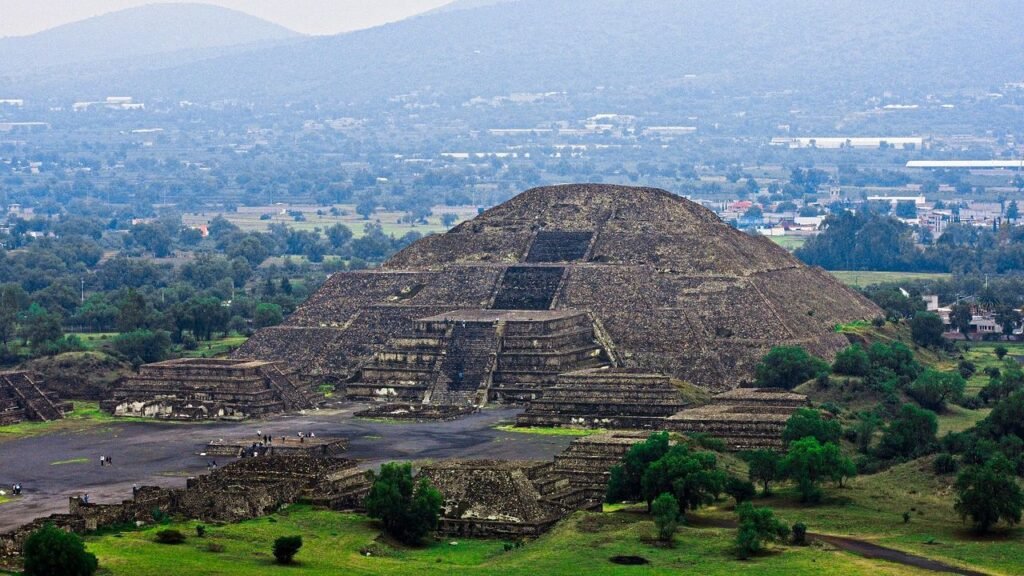
Teotihuacan, near modern Mexico City, feels less like a city that grew and more like one that was drafted. Its main avenue, often called the Avenue of the Dead, runs straight for several kilometers, flanked by pyramids, plazas, and apartment compounds laid out on a strict grid. The Pyramid of the Sun and the Pyramid of the Moon anchor a landscape that seems to blend astronomy, politics, and symbolic geometry. Underground, networks of tunnels and carefully engineered drainage channels suggest a deep understanding of water management in a highland basin that can swing from drought to flooding.
What makes Teotihuacan so strange is not just the engineering, but the silence around it. We still don’t know exactly who founded the city, what language they spoke, or how their political system worked at its peak. The alignment of structures hints at astronomical and perhaps calendrical intentions, but no clear written records explain those choices. It’s like walking into a perfectly organized, carefully wired office building and finding all the computers wiped clean. The city’s planning, scale, and endurance show that its builders had methods and knowledge we can only reverse-engineer from what’s left in stone, and we are still very far from a full blueprint.
When Stone Refuses to Give Up Its Secrets
These seven feats all share a stubborn quality: they sit there in the open, measurable and touchable, yet they refuse to fully explain themselves. We can weigh stones, scan foundations, map alignments, and run simulations until our laptops overheat. Still, the last ten or twenty percent of the story – how it felt, how the work was organized day to day, which ideas sparked which decisions – remains out of reach. That gap is where the unease and the fascination mix together.
Maybe that’s the real power of ancient engineering: not just that it was technically impressive, but that it reminds us how much can be achieved with limited tools and a stubbornly shared vision. It pokes at our modern pride a little, suggesting that we are not as uniquely advanced as we like to think, just advanced in different directions. The stones are not whispering supernatural answers; they’re quietly daring us to dig deeper, ask better questions, and accept that some parts of the past may always stay just beyond our grasp.