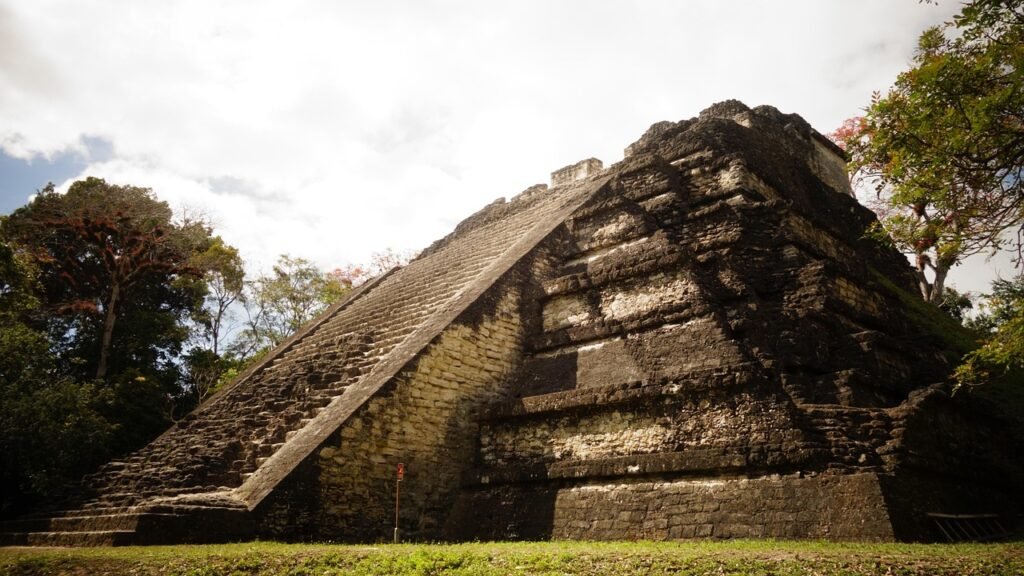

When you think of ancient civilizations, you probably imagine fertile river valleys or temperate coastlines where food was plentiful and the weather cooperated. That’s what the history books usually tell us, right? Yet scattered across our planet, hidden in deserts, perched on mountain peaks, or buried beneath jungles, lie the remains of societies that defied every expectation.
These weren’t your typical ancient empires. They thrived in places where survival itself should have been the primary concern, let alone building monumental architecture or complex trade networks. What makes these civilizations truly fascinating is how they managed not just to survive, but to flourish in environments that would make modern urban planners weep. Get ready to discover ten of the most unlikely success stories from humanity’s past, each one challenging what we thought we knew about where civilization could take root.
The Norte Chico Civilization and Peru’s Arid Coast
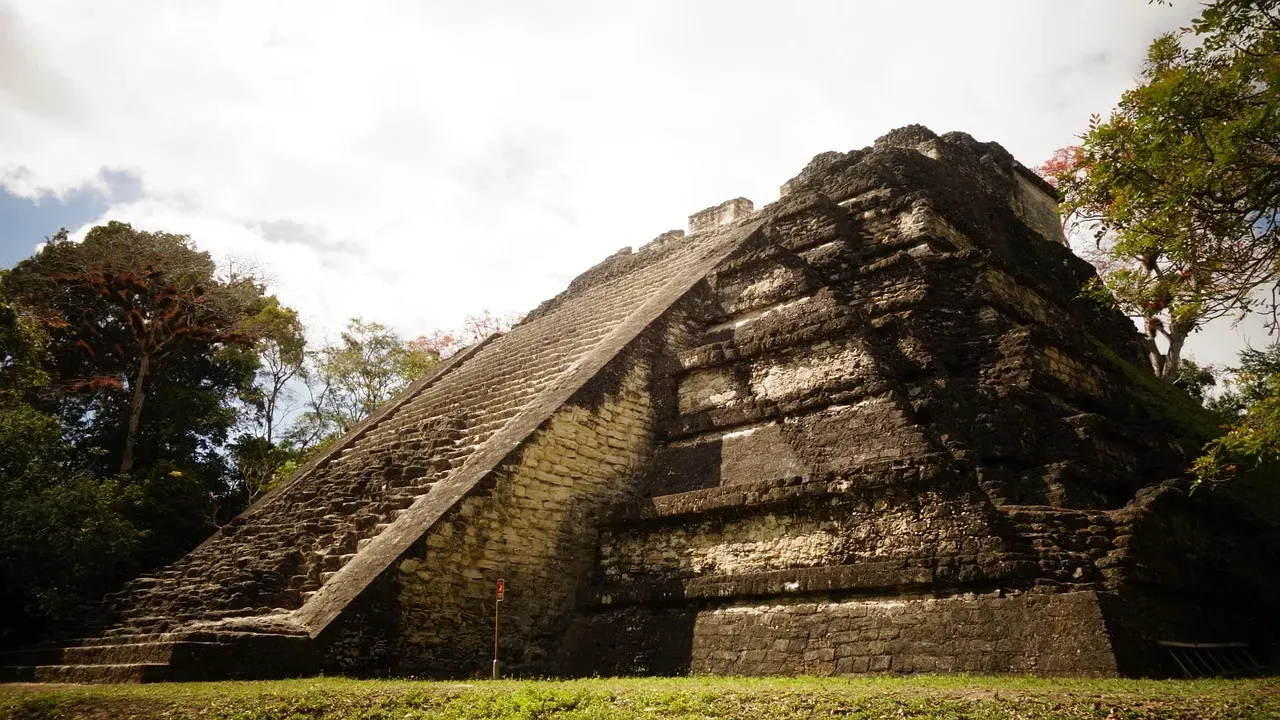
The Norte Chico civilization flourished on a harsh, arid strip of land in north-central Peru despite the challenging conditions for 1,200 years. What makes this achievement even more remarkable is the timing. They suddenly appeared around 3,000 B.C. and settled along a dry and hostile strip of land, establishing one of the earliest civilizations in the Americas long before writing systems emerged.
The Norte Chico people succeeded without writing, showed no evidence of social classes, yet their ability to arrange massive pyramids, houses, and plazas around their temples suggests the civilization enjoyed some kind of government, bountiful resources, and trained workers. Here’s the thing that really puzzles archaeologists: they didn’t leave behind pottery or art, making them completely unique among ancient cultures. How they organized their labor force and coordinated construction projects without written records remains one of archaeology’s enduring mysteries.
Derinkuyu’s Underground Marvel in Cappadocia
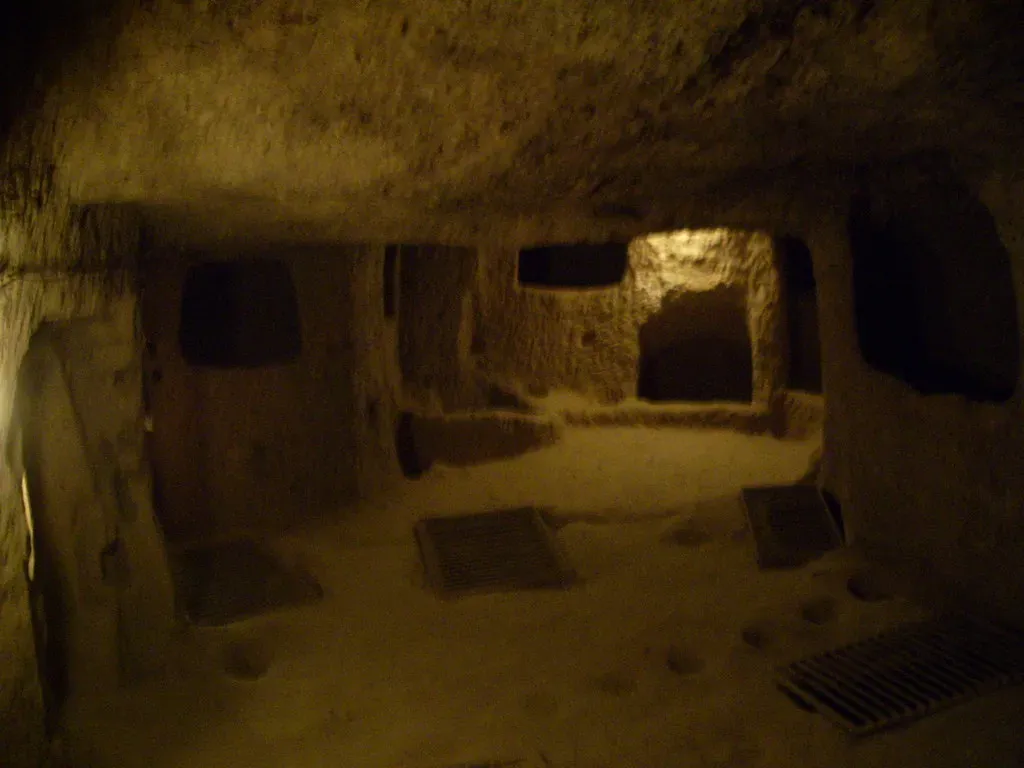
Picture discovering an entire city beneath your basement during a home renovation. That’s exactly what happened in 1963 in Turkey. A homeowner broke through a wall and found a vast underground network that could house 20,000 people, descending 18 stories deep with everything from stables to chapels and an intricate ventilation system that still works today.
The historic Cappadocia region hosts Derinkuyu, the largest multi-level underground city reportedly accessed by hidden doors in courtyards of ground-level homes, said to have housed around 20,000 residents in its heyday. What drove people to carve an entire metropolis from solid rock? Scholars believe it served as a refuge from invaders and harsh weather, but the sheer scale of engineering involved is staggering. The ventilation shafts alone represent sophisticated understanding of air circulation that many modern buildings struggle to achieve.
Poverty Point’s Geometric Mystery in Louisiana
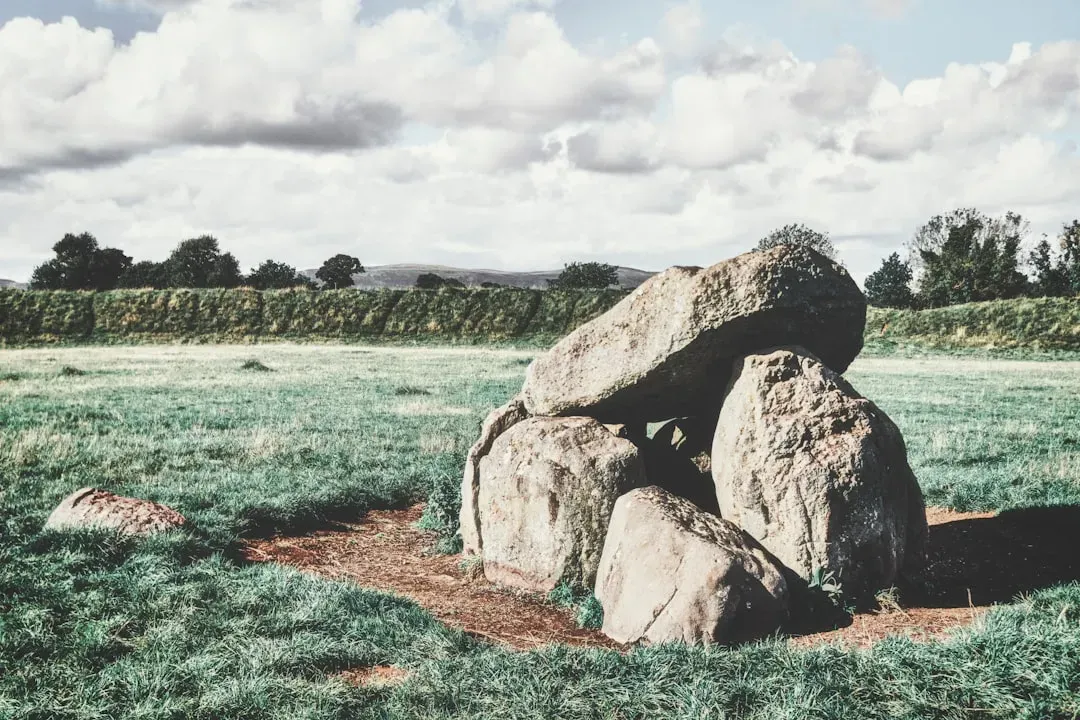
Louisiana’s Mississippi River delta seems an unlikely spot for a major ancient civilization, but Poverty Point, a 3,400-year-old site, features massive earthen mounds and ridges forming intricate geometric patterns visible only from the air. Long before sophisticated surveying equipment existed, the builders created designs that could only be fully appreciated from heights they themselves could never reach.
The sophistication of their trade networks rivaled anything in North America at the time, with artifacts found from as far away as the Great Lakes. Think about that for a moment. These people weren’t living in a resource-rich paradise. They were dealing with floods, humidity, and mosquitoes in a swampy river delta. Yet they developed commercial relationships spanning thousands of miles and built monuments that required moving millions of cubic feet of earth without wheeled vehicles or pack animals.
Cahokia Near Modern St. Louis
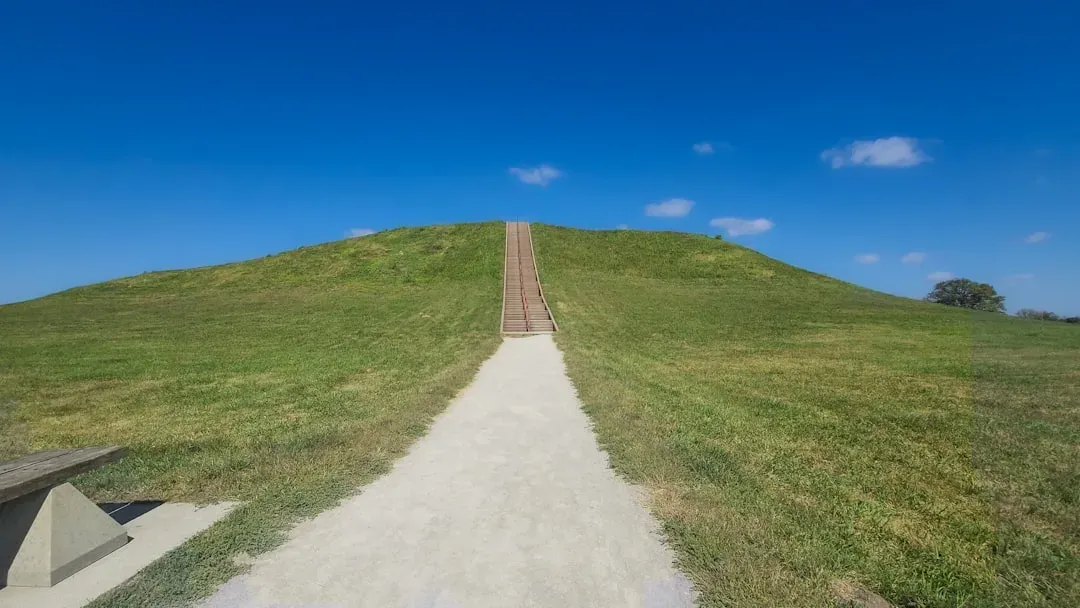
Most Americans have never heard of the largest city that once existed north of Mexico. Cahokia thrived near present-day St. Louis around 1050 AD, and at its peak, housed more people than London did at the same time. Let that sink in. While Europeans were building their medieval kingdoms, a massive metropolis flourished in what’s now Illinois.
The centerpiece Monks Mound still towers over the Illinois landscape, larger at its base than the Great Pyramid of Giza. Estimated at six square miles, Cahokia featured a massive central plaza, large earthen pyramids, and wood structures similar in shape to Stonehenge used to track the stars. The civilization mysteriously declined and was abandoned before European contact, leaving archaeologists to puzzle over what caused such a powerful society to simply vanish. Environmental degradation, disease, or political upheaval? We may never know for certain.
The Khmer Empire’s Jungle Cities in Cambodia
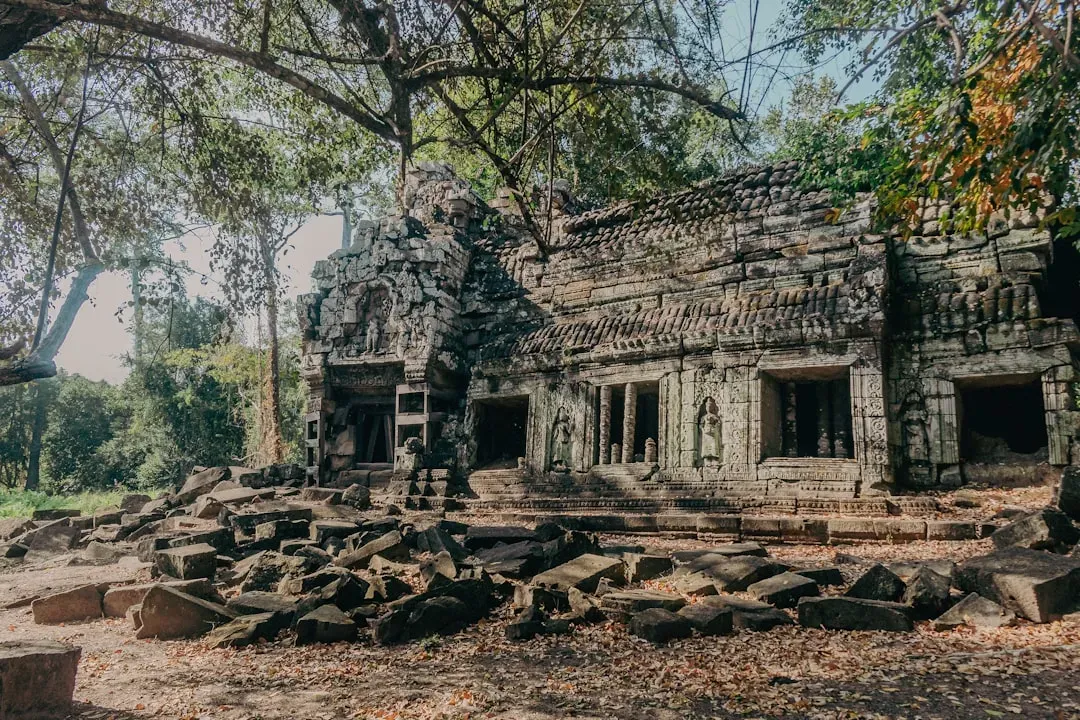
The Khmer flourished in parts of what are now Cambodia, Thailand, Laos, Vietnam, and Myanmar between 800 and 1400. Building monumental temple complexes in dense tropical rainforest presented challenges that would make modern construction crews quit on day one. The humidity alone destroys most materials within years.
Angkor was one of the civilization’s largest cities, with an extensive system of roads and canals and an estimated population of as many as one million people. The environmental impact of this ancient civilization was not without consequences, as deforestation and soil degradation appear to have been significant issues when the Khmer people cleared land for agriculture and construction. Their sophisticated water management systems were engineering marvels, yet these same innovations may have contributed to their eventual decline. The jungle has since reclaimed much of their territory, swallowing temples and palaces in a green embrace.
Çatalhöyük in Central Turkey
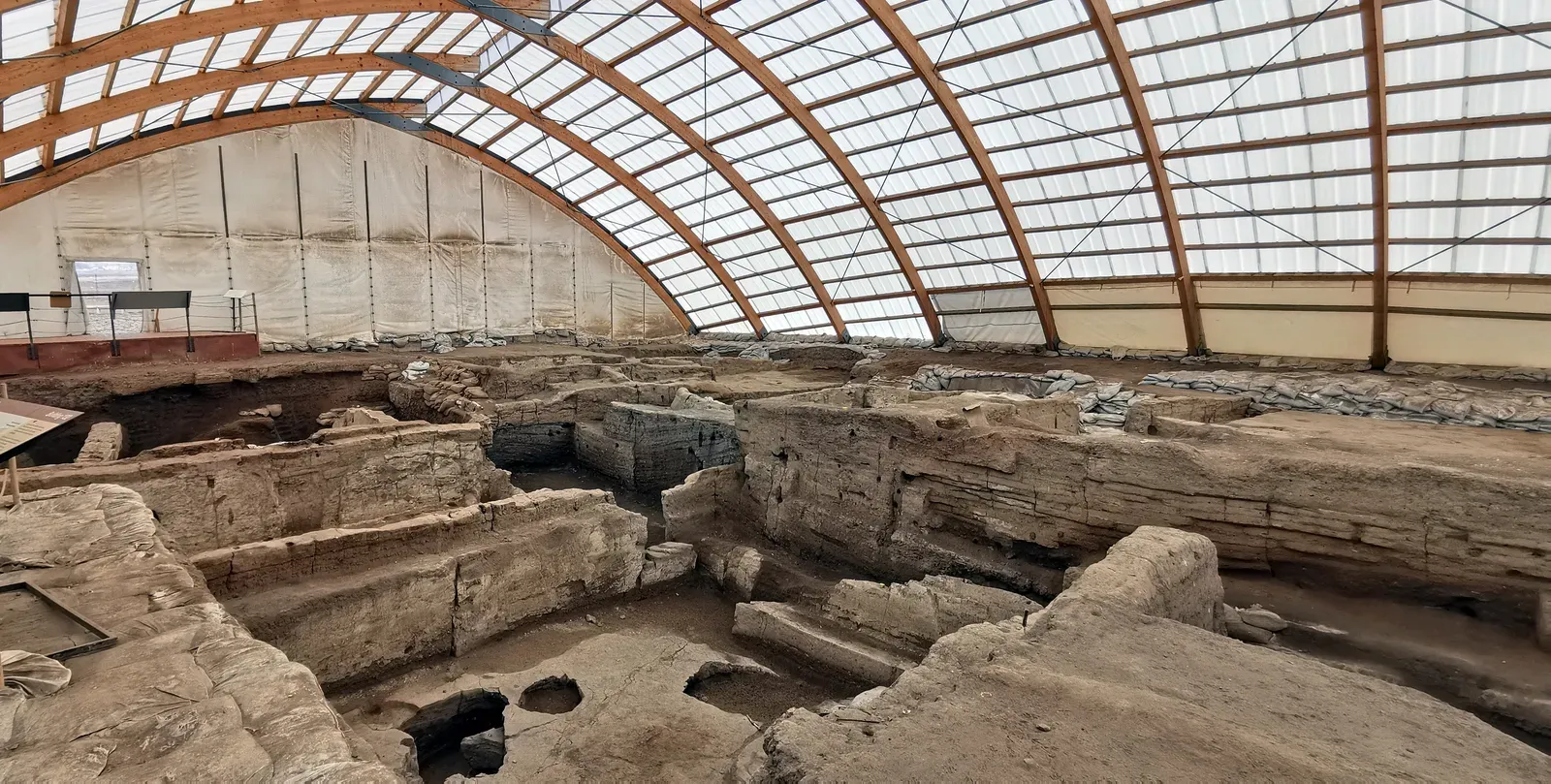
Çatalhöyük stands out as one of the oldest cities on Earth, built between 7100-5700 BCE, long before humans had even invented farming, writing, wheels, or metals. Honestly, this timeline doesn’t make sense by traditional archaeological understanding. Cities are supposed to develop after agriculture becomes established, not before.
The people of Çatalhöyük were probably nomadic hunter-gatherers who may have only lived indoors during the winter, showing very little social division and living an equitable, communal lifestyle. Houses were small and packed tightly, with no streets between buildings; the main entrance was a ladder in the roof, and while scrupulously clean, they buried their dead under the floors of their own homes. Imagine climbing down into your living room every morning and walking across the graves of your ancestors to start breakfast.
Machu Picchu’s Mountain Fortress in Peru
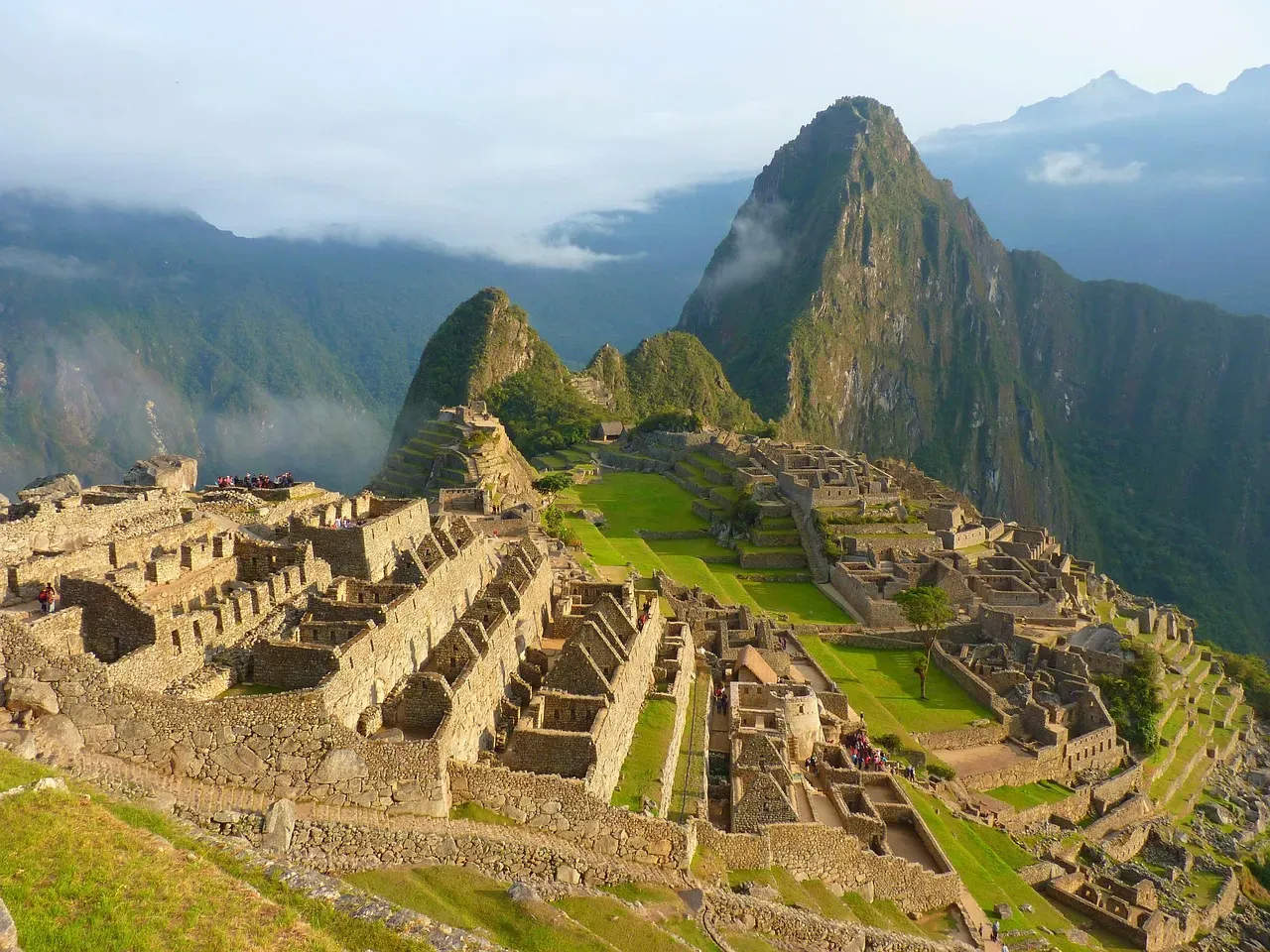
Stretching over five miles, the site is flanked by steep drops on three sides and elevated 7,972 feet above sea level, prompting geologists to question why such a remote and inaccessible spot was chosen. The Inca didn’t just stumble upon this location. They deliberately selected it despite the logistical nightmares involved.
Positioned where two tectonic plates meet, the faultline produced large amounts of stone over millions of years, offering the Incas plentiful building materials, and according to geologist Rualdo Menegat, this abundance of stone and natural drainage offered by fractures in the rock was likely an important factor aiding construction of the settlement’s intricate structures. The Inca Empire, perhaps the best-known mountain-based civilization, developed in isolation from Eurasian trade and cultural diffusion in the Andes Mountains, building roads and terraces into the mountains themselves, traversing valleys by bridge. They achieved architectural perfection in one of the world’s most challenging construction environments.
Did you expect that? Which of these unlikely civilizations surprised you most? Tell us in the comments.