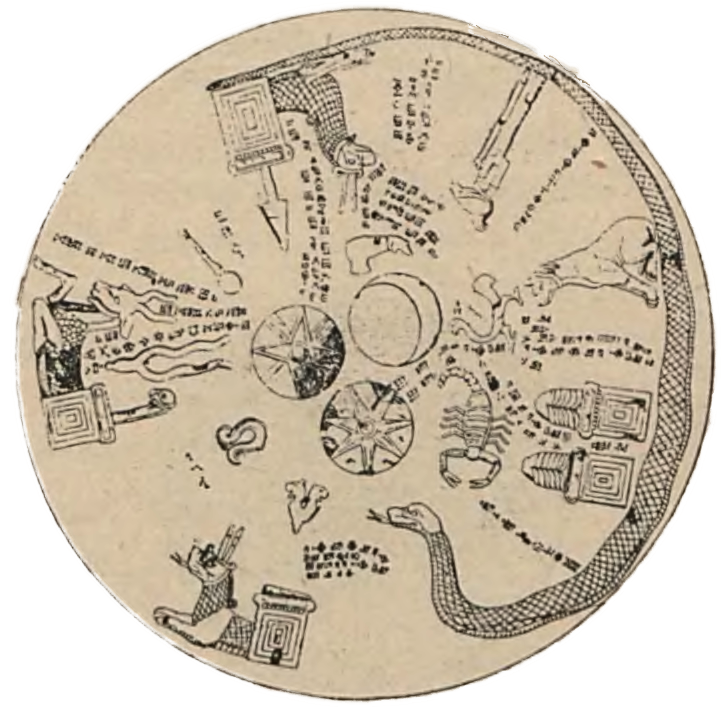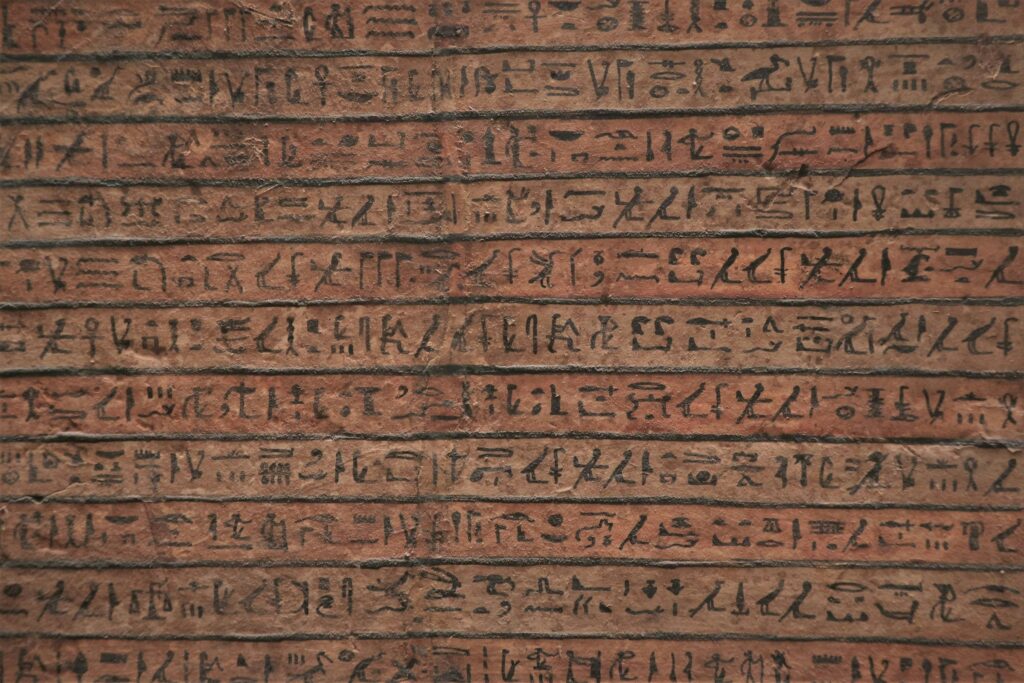

You probably grew up thinking electricity, precision lenses, and clever electrical tricks arrived with wires, smokestacks, and the Industrial Revolution. Then you stumble across things like the Baghdad “battery” or an Assyrian rock‑crystal lens and suddenly the past feels a lot less primitive. You start to wonder what people thousands of years ago were really doing in their workshops, temples, and palaces – and how much of that story you have actually lost. Before you dive in, it helps to keep two ideas in your head at once. First, some of these artifacts absolutely can behave like simple electrical devices when you test replicas in a lab. Second, almost every mainstream archaeologist will tell you there is zero solid proof that any ancient culture had a practical electrical grid or anything close to modern electronics. Walking that line – between what is physically possible and what is historically supported – is exactly where your curiosity gets really interesting.
1. The Baghdad “Battery” Jars: Tiny Clay Mysteries From Ancient Iraq
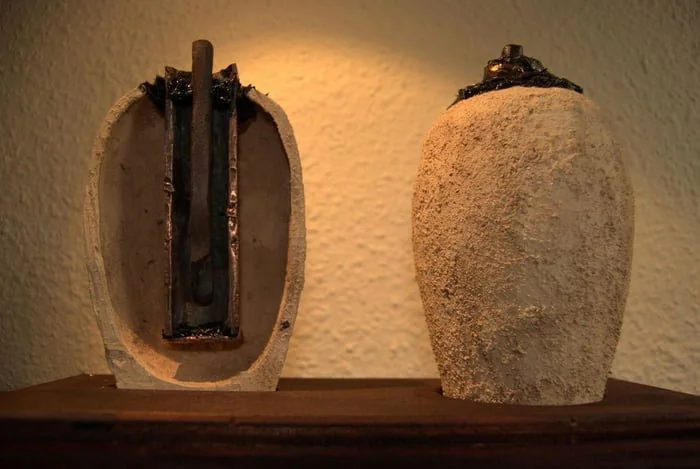
If you could hold one of the so‑called Baghdad batteries in your hand, it would probably surprise you how small and ordinary it looks: a clay jar, a copper cylinder, an iron rod sealed with bitumen. When you read that these jars were found near Baghdad in the 1930s and dated to around the Parthian or early Sasanian period, you suddenly realize you are dealing with objects that predate Volta by well over a thousand years. Replicas filled with acidic liquids like vinegar or lemon juice can generate a small but measurable voltage, enough to power a basic electrochemical reaction or give a faint tingle. Here is where you need to be careful. When you look at what archaeologists actually say, you find that most of them don’t buy the “ancient power pack” jump at all. There are no ancient texts describing batteries, no tools obviously designed to run on current, and no clear pattern of installation that screams “electrical system.” Many researchers now think you are more likely looking at storage vessels for scrolls or ritual objects made of copper and iron, with any electrical behavior being an accidental side effect of their construction rather than their intended purpose. ([history.com](https://www.history.com/articles/baghdad-battery?utm_source=openai))
2. The Nimrud Rock‑Crystal Lens: Assyrian Magnifier or Proto Telescope?
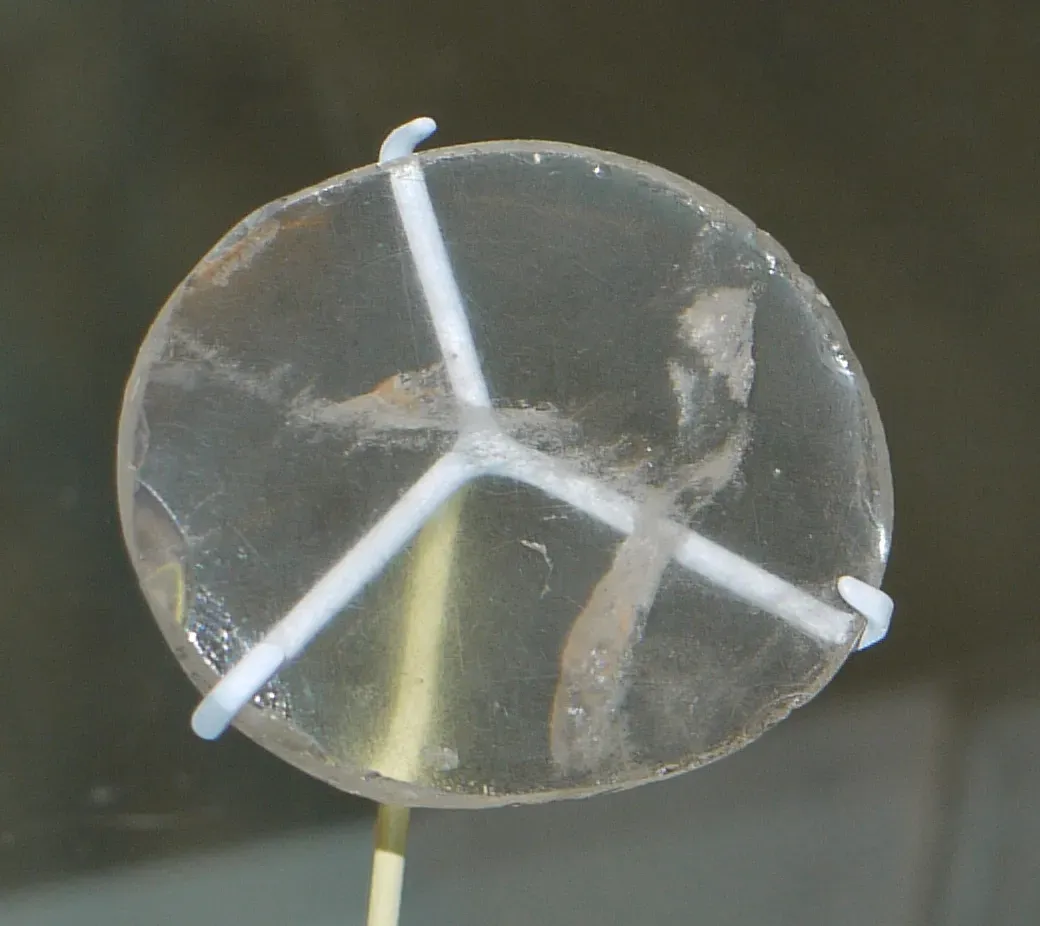
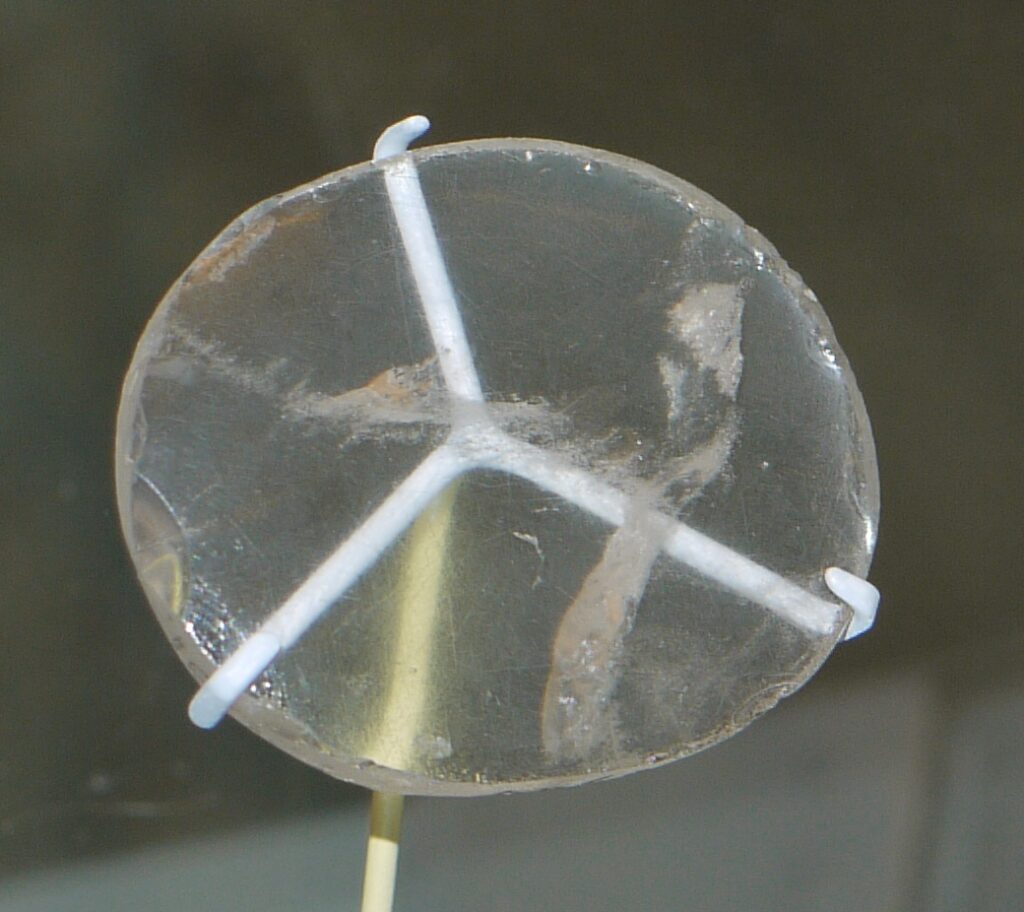
Imagine walking through the ruins of an Assyrian palace in what is now northern Iraq and finding a small, oval piece of polished rock crystal the size of a large coin. That is essentially what happened in the mid‑1800s at Nimrud, where archaeologists uncovered what is now known as the Nimrud lens, dated to roughly the eighth century BCE. If you place it above a surface today, it acts as a low‑power magnifying glass with a focal length of around twelve centimeters, enough to enlarge small details by about three times. You can picture ancient artisans, jewelers, or scribes using something like this to inspect tiny carvings or delicate inlay work, because that is exactly how you might use it yourself at your desk. Some more speculative writers argue that such lenses could have been pieces of crude telescopes and even tie them to surprisingly accurate ancient observations of planets and stars, but that jumps far beyond what you can prove. When you look at the actual object, its grinding is rough, its focus is imperfect, and experts tend to see it as a magnifier, a burning glass for starting fires, or even just an ornamental inlay rather than a precision optical instrument. ([en.wikipedia.org](https://en.wikipedia.org/wiki/Nimrud_lens?utm_source=openai))
3. Other Ancient Lenses: From Greek “Burning Glasses” to Viking Visby Lenses
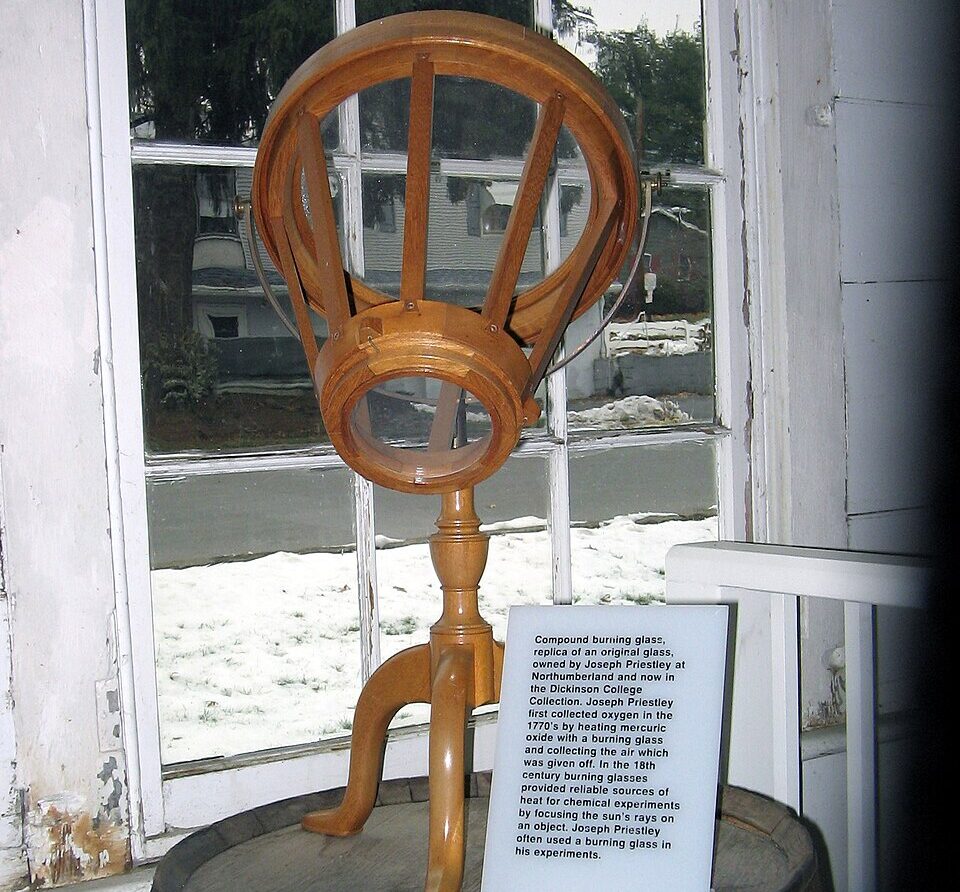
Once you know the Nimrud lens exists, you start spotting hints of ancient optical know‑how all over the place. Greek and Roman writers mention “burning glasses,” and archaeologists have uncovered a scatter of worked crystal and glass pieces that behave as lenses when you test them. Much later than Nimrud, refined glass lenses from Viking‑age sites near Visby on Gotland show that people in the early Middle Ages understood how to grind precise curves capable of focusing light quite well, probably for jewelry work or fine detail rather than astronomy. ([en.wikipedia.org](https://en.wikipedia.org/wiki/History_of_optics?utm_source=openai)) If you work with tiny fonts, circuit boards, or jewelry today, you already know why magnification matters: your eyes alone are not enough for the really small stuff. Ancient die engravers, gem cutters, and metalworkers faced the same problem. Experimental and historical work suggests they absolutely could have used simple magnifiers, even if no surviving text literally says “use this lens to carve coins.” So when you hear someone leap from “ancient lenses existed” to “there must have been telescopes and secret observatories,” you can pause and remind yourself that the everyday craft explanation is more modest but also far more secure.
4. The Dendera “Lightbulb” Reliefs: Electric Tubes or Sacred Symbols?
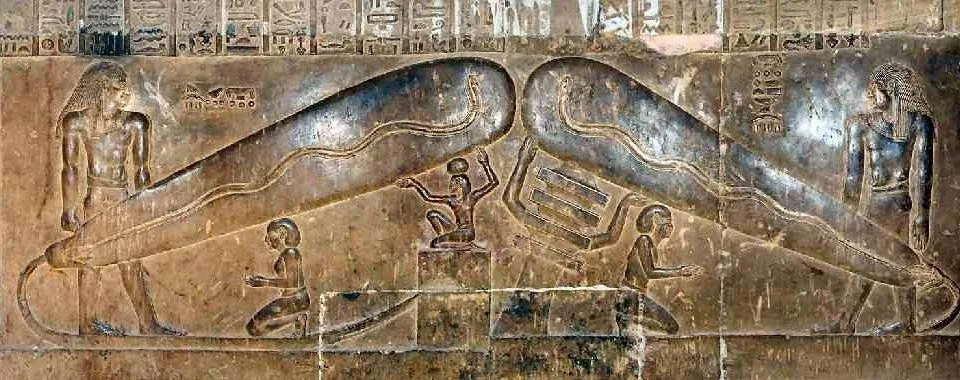
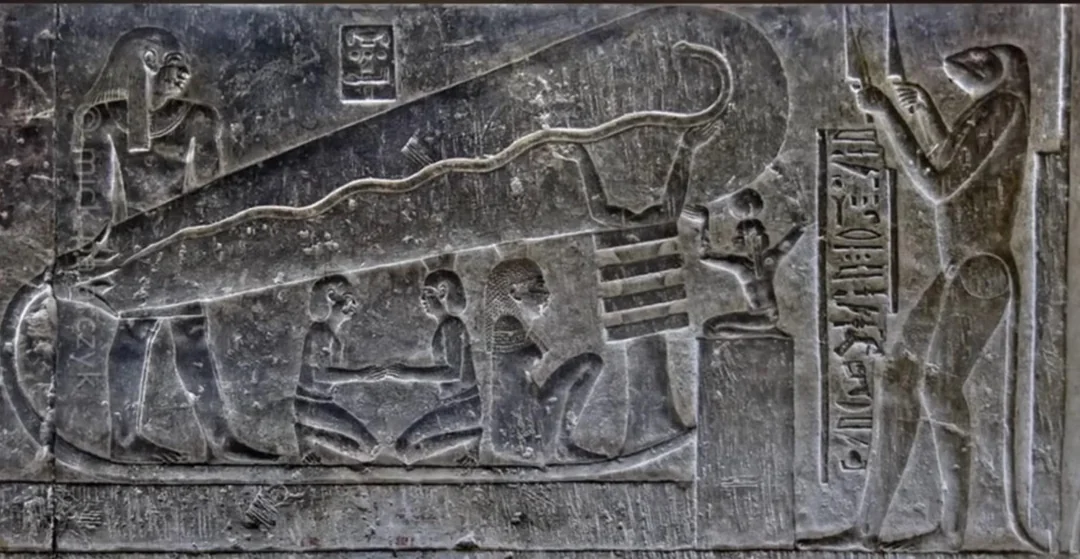
If you have ever seen pictures of the reliefs in the temple of Hathor at Dendera in Egypt, you know how eerie they look through modern eyes. Long, bulb‑shaped forms with what appears to be a central “filament” stretch from lotus‑like bases, sometimes supported by a pillar‑like symbol. For decades, popular books and TV shows have told you these are ancient electric lamps or Crookes‑tube‑style devices, plugged into a supposed lost power system that kept tombs lit without smoke. Once you have that image in your head, it is very hard to unsee. ([en.wikipedia.org](https://en.wikipedia.org/wiki/Dendera_light?utm_source=openai)) But when you step back and actually read the hieroglyphic inscriptions and religious context, the story changes dramatically. Egyptologists interpret these scenes as mythic images of a lotus flower, a serpent emerging, and the djed pillar representing stability and divine energy, not hardware plans. The temple walls are full of similar symbolic compositions, and there is no archaeological trace of wires, sockets, or glass tubes. Modern lighting experiments show that clean‑burning oil lamps, polished copper mirrors, and routine cleaning can explain the low soot in decorated spaces without invoking electricity. If you visit Dendera yourself one day, you might still feel the thrill of that “lightbulb” illusion, but the evidence keeps nudging you back toward theology, not technology. ([theoriesofanything.com](https://theoriesofanything.com/research/dendera-light-reliefs-interpretations-evidence?utm_source=openai))
5. Electroplating Theories: Could Ancient Artisans Have Used Small Currents on Metal?
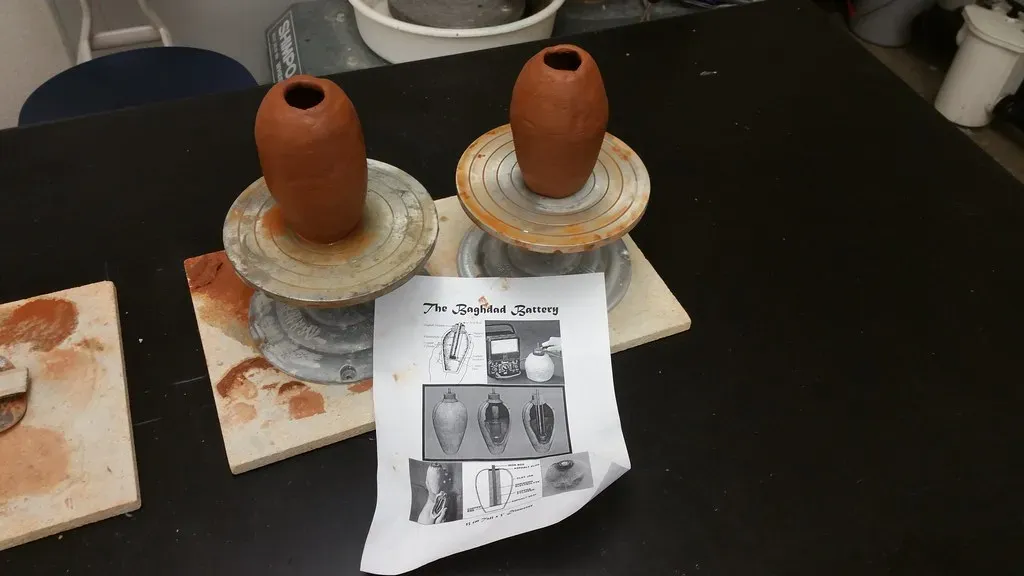
Because the Baghdad jars can generate a small voltage in experiments, you will often see claims that ancient craftspeople used them to electroplate thin layers of metal onto jewelry or statues. As a modern maker, the idea probably appeals to you immediately: set up a row of clay cells, run a weak current, and deposit a film of precious metal without hammering or pounding. Replicas have shown you can get minor electrochemical effects this way, enough to coat something very lightly if you are patient and fussy about your setup. ([satyori.com](https://satyori.com/ancient-sciences/baghdad-battery/?utm_source=openai)) The problem you keep running into is context. When you look at actual ancient metal objects under the microscope, their gold and silver layers almost always show signs of mechanical application, like gilding by hammering thin foil or using mercury amalgam, rather than smooth electroplated films. There are no depictions of plating baths, no workshop layouts designed around strings of jars, and no written recipes that describe anything electrical. So while you can build a tabletop experiment that proves a Baghdad‑style jar could in principle help with plating, you still do not have solid proof that anyone in antiquity actually knew or cared about that trick.
6. Static and Atmospheric Electricity: Invisible Forces Without Batteries

You have probably rubbed a balloon on your hair or walked across a carpet and zapped yourself on a doorknob. That same static electricity, along with lightning and charged dust storms, would have been part of daily life thousands of years ago too. There is good reason to think people in the ancient Near East, Mediterranean, and elsewhere noticed crackling sparks from certain materials or mysterious attractions between rubbed amber and light fibers, even if they had no abstract theory of electrons. In that sense, you can say they certainly knew “electricity” as a natural curiosity long before the word existed. ([en.wikipedia.org](https://en.wikipedia.org/wiki/History_of_optics?utm_source=openai)) What you do not see in the record is any consistent use of that force as controlled technology. No banks of Leyden jars, no lightning rods carefully grounded on temple roofs, no devices clearly meant to store charge. If you spend time in experimental archaeology circles, you will find people using reconstructed jars, fabrics, and rods to recreate static tricks that could absolutely have impressed temple visitors. It is tempting to imagine priests using little shocks for drama or healing rituals. But until you find an inscription saying something like “touch this rod and feel the power of the god,” it stays in the realm of plausible speculation rather than firm history.
7. What These Artifacts Really Tell You About Ancient Ingenuity
When you lay all of these finds on one mental table – jars that behave like crude batteries, rock‑crystal lenses, symbolic reliefs that resemble glass tubes – it is very easy to slide into the comforting idea of a lost high‑tech civilization. You may even feel a bit disappointed when you discover that most specialists see mundane explanations tied to craft, ritual, and symbolism rather than glowing bulbs and humming machines. The truth is less cinematic but, in its own way, far more impressive: ordinary people, with stone and metal tools, were already pushing the limits of what you can do with materials, light, and chemistry long before steam engines and dynamos existed. ([history.com](https://www.history.com/articles/baghdad-battery?utm_source=openai)) If you approach these objects with curiosity instead of wishful thinking, they actually give you something better than a lost power grid: they remind you that human experimentation never really stops. Someone in a Parthian workshop once poured pitch into a clay jar to hold a copper tube and an iron rod, with a purpose you may never fully recover. Someone in Assyria ground rock crystal until it bent light in their favor. Today, when you tinker with electronics on your kitchen table or adjust a cheap magnifier to get a clearer view, you are part of the same long story. Knowing that, do you feel more let down that there were no ancient lightbulbs – or more amazed that curiosity alone carried people this far without them?