
Walk through the forest in the Americas and you might be stepping over the ruins of a forgotten city without even knowing it. Over the past few decades, archaeologists have realized that the ancient Americas were far more crowded, complex, and surprising than the old school history books ever dared to admit. Hidden beneath jungle canopies, desert sands, and farmers’ fields are traces of civilizations that don’t fit neatly into the usual narrative of “Maya, Aztec, Inca, the end.”
What’s really wild is how recent some of these discoveries are. New technologies like LiDAR (a kind of laser mapping from the air) have exposed gigantic cities that nobody knew were there, even in places researchers had been walking around for years. What follows isn’t a greatest-hits playlist of famous ruins; it’s a tour through seven sites that are quietly rewriting what we thought we knew about the ancient Americas, and hinting at cultures we still barely understand.
Cahokia: The Lost City Bigger Than Medieval London
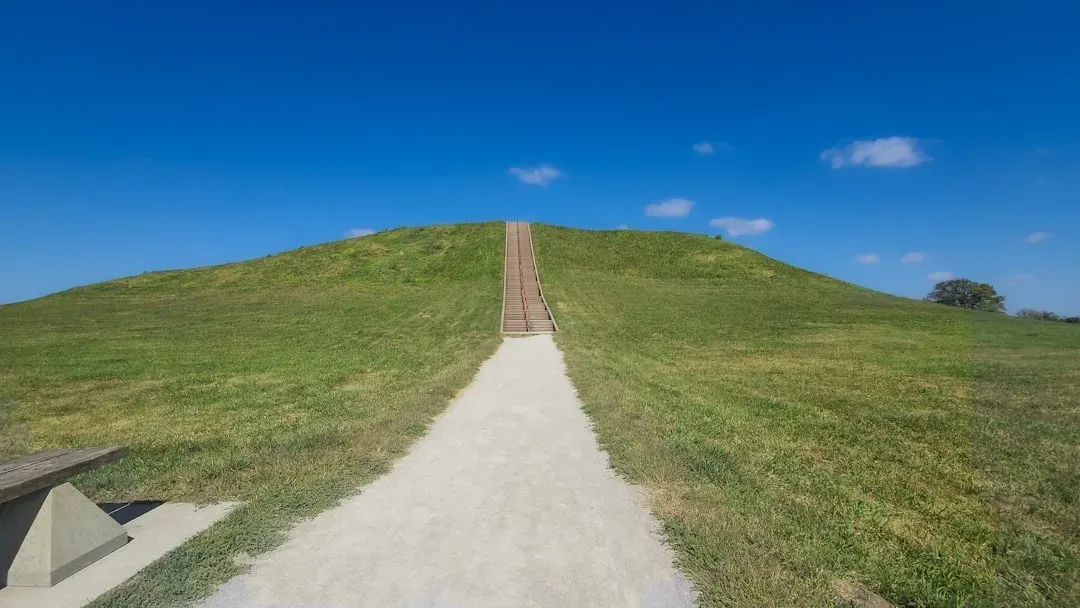
Imagine driving by St. Louis, glancing out at the flat landscape, and realizing that a thousand years ago you’d be staring at a skyline of massive earthen pyramids. That’s Cahokia, a pre-Columbian city that, at its peak around the year 1100, had a population on par with or larger than many European cities at the same time. The largest mound, Monks Mound, rises higher than a ten-story building, built basket by basket with soil carried by hand, with a footprint bigger than some of Egypt’s pyramids.
What makes Cahokia so eerie is how little we truly know about the people who built it. This city had neighborhoods, plazas, huge wooden posts aligned with the sun like a gigantic calendar, and trade connections that stretched across much of North America. Yet there’s no obvious single empire, no writing system left behind, and not even a clear name for these people. What you see instead is the ghost of a civilization that flourished, reshaped its environment, and then declined, leaving only mounds and a faint fingerprint in the soil as evidence of its power.
Tiwanaku: Mystery Megacity on the Shores of the Andes
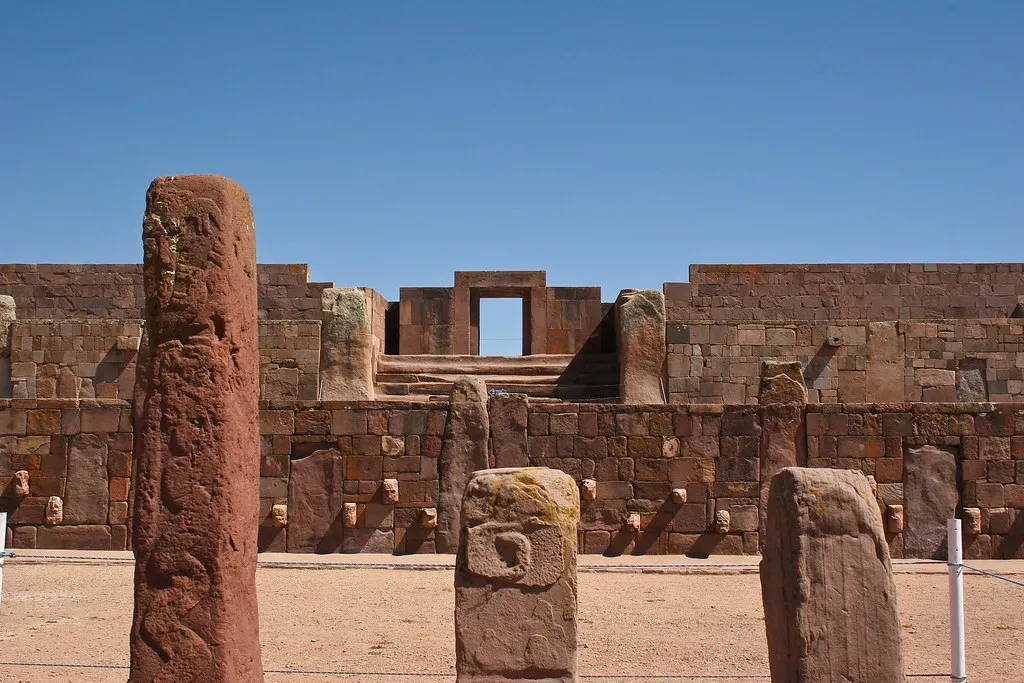
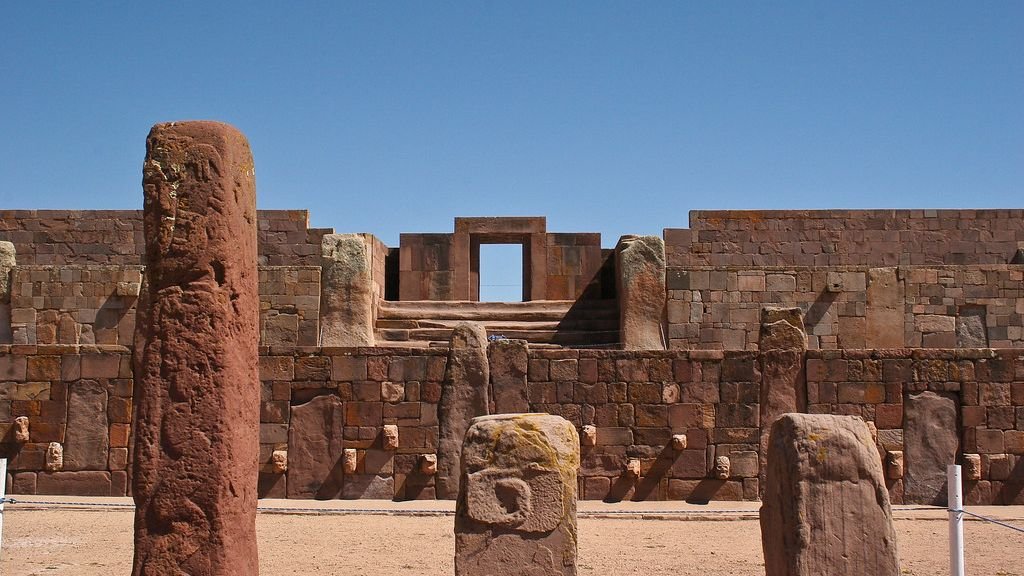
High on the Altiplano near Lake Titicaca in modern Bolivia sit the ruins of Tiwanaku, a place that feels less like a ruined city and more like the leftover pieces of a puzzle someone dumped on the table and walked away from. Stone blocks weigh many tons and fit together with astonishing precision, some carved in shapes that seem almost mechanical. The famous gateways and carved faces look out over a harsh landscape at more than twelve thousand feet above sea level, where farming shouldn’t be easy, yet people somehow supported a thriving city there for centuries.
Researchers now think Tiwanaku was the center of an expansive culture long before the rise of the Inca, with influence stretching across large parts of the Andes. They built raised fields and causeways to control water and temperature, turning a tough environment into an engineered landscape. I remember the first time I saw satellite images of the area; the faint geometric lines of ancient fields spread out like circuitry. It’s a stark reminder that whole civilizational experiments played out in the Andes long before the empires that get most of the headlines.
Sechín Bajo and the Forgotten Coastal Builders of Peru
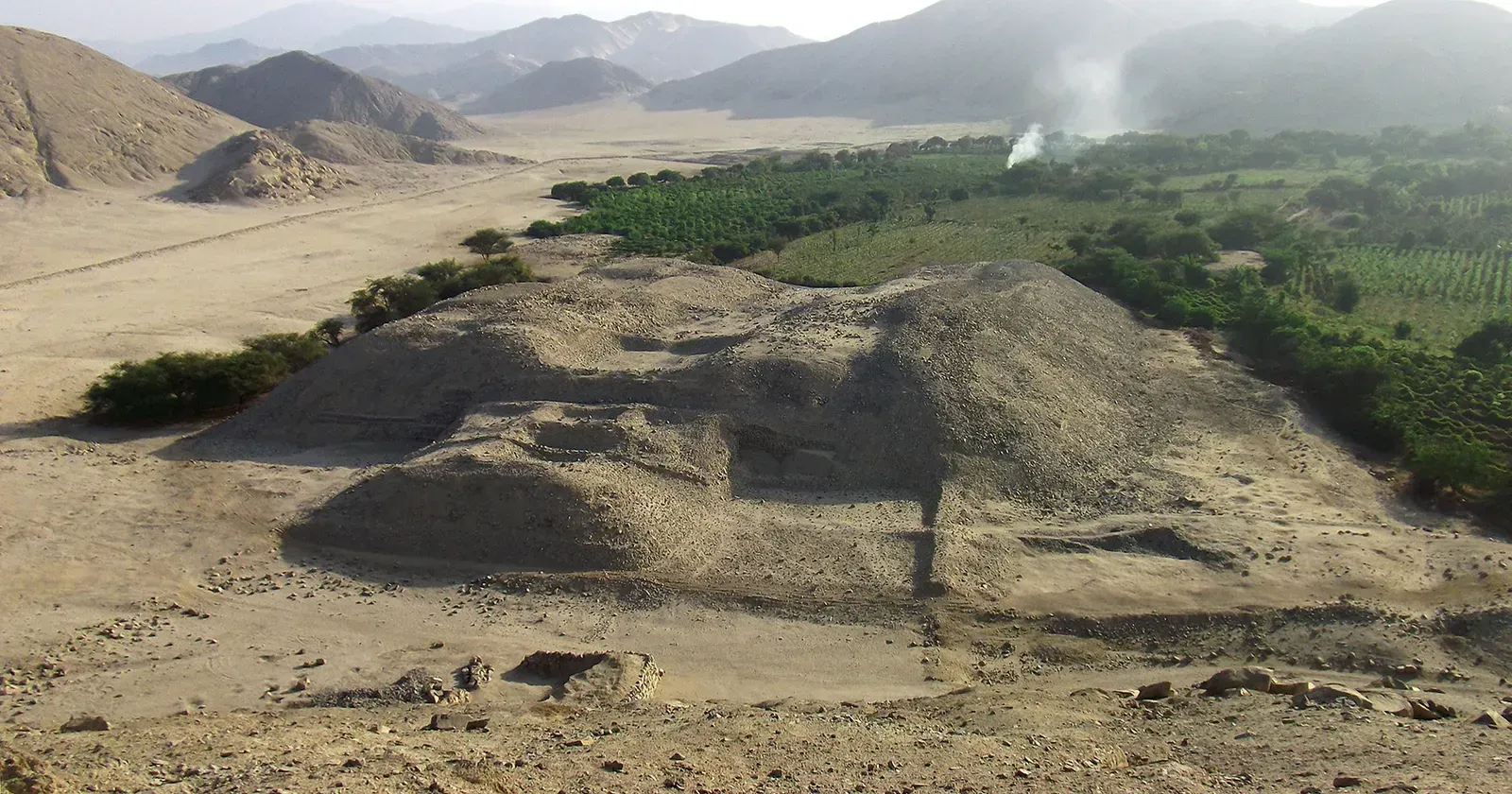
When people think of ancient Peru, they usually jump straight to the Inca or maybe the Nazca lines. But on the dry north-central coast, Sechín Bajo tells a very different, much older story. Here, archaeologists have uncovered monumental architecture going back several thousand years, including a circular plaza and huge walls decorated with carved figures. Some of the earliest construction dates to a time when many cultures around the world were just beginning to experiment with complex societies.
What’s striking is that this civilization developed large-scale building projects without the usual “textbook” markers like pottery or metal at first. They relied on fishing, agriculture, and irrigation, building layered adobe and stone complexes that seem almost minimalistic compared to later highland empires. Sechín Bajo and nearby sites hint at a coastal tradition of temple building and social organization that doesn’t neatly resemble the later Inca world. It’s like discovering a prequel series that changes how you interpret everything that came after.
El Mirador: The Jungle Megacity Before the Classic Maya
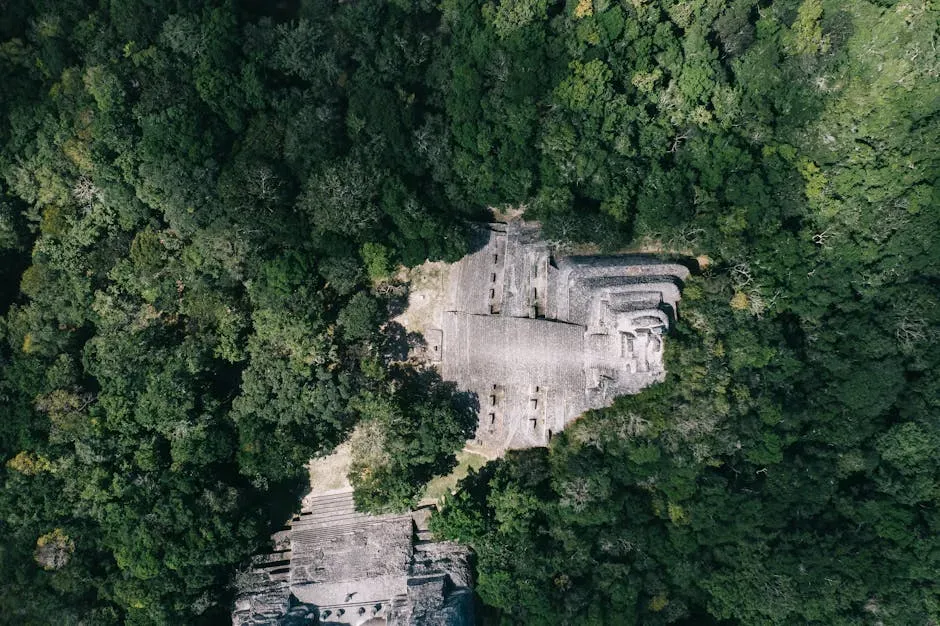
Deep in the tropical forests of northern Guatemala, El Mirador hides under a sea of green so thick that for decades only a handful of people even knew it was there. With LiDAR scans, researchers suddenly realized this wasn’t just a city; it was a whole network of urban centers connected by causeways, with some of the largest pyramids ever built in the Maya world. And here’s the twist: many of these huge structures date to centuries before the so-called Classic Maya florescence that usually gets the spotlight.
El Mirador suggests that an earlier Maya world rose, centralized power, built on a massive scale, and then largely collapsed long before famous cities like Tikal reached their heights. The scale of the platform constructions and pyramids is staggering, especially when you remember everything was done with stone tools and human labor. When I first read about it, it felt like learning there was an entire erased chapter to a favorite book. The civilization that built El Mirador still doesn’t have a clearly defined name that everyone agrees on, but its legacy looms over how we now think about Maya history.
Aguada Fénix: A Colossal Platform That Nobody Knew Existed
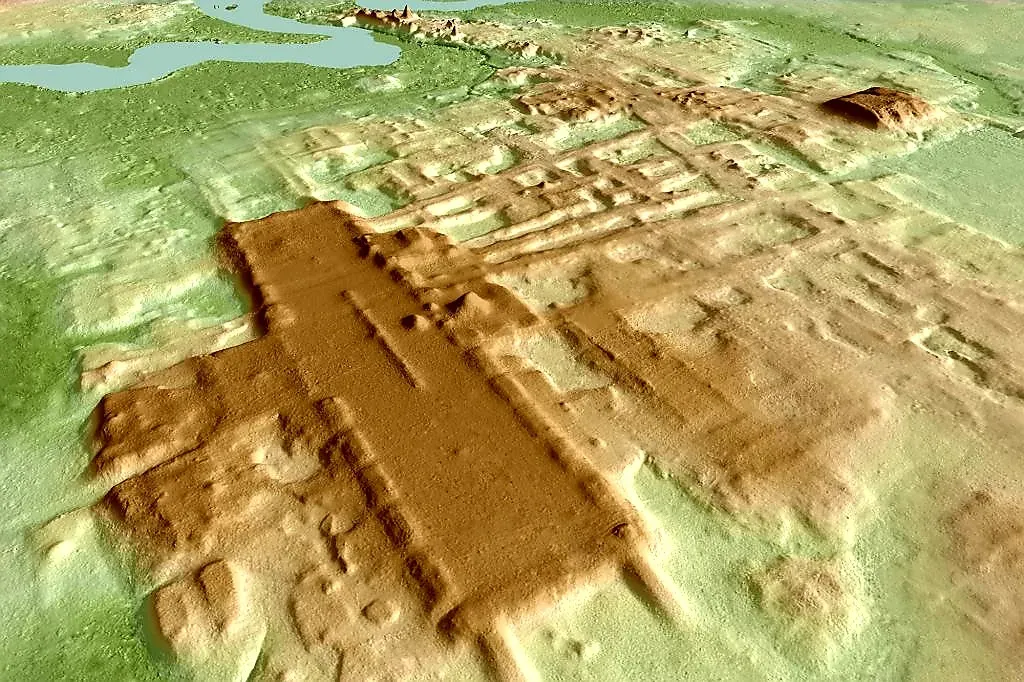
In southern Mexico’s Tabasco region, Aguada Fénix lay quietly as ranch land for who knows how long, passed by every day without a second thought. Then LiDAR mapping revealed a shocking shape: an enormous rectangular platform nearly a mile long and several stories high, one of the biggest known structures in all of ancient Mesoamerica. From the ground, it just looked like a gentle rise in the landscape; from the air, it turned into a giant man-made mesa with causeways and smaller platforms attached.
Dating suggests that Aguada Fénix is very early, connected to formative Maya communities or their close neighbors, but what’s striking is the apparent lack of obvious elite palaces or royal tombs. This has led some researchers to suggest that it reflects a more communal kind of monument building, at least in its early phase, before later hierarchies fully crystallized. It really challenges the idea that big architecture always means powerful kings or dynasties. In a way, Aguada Fénix feels like a monument to community coordination on a massive scale, created by people whose names and stories we can only guess at.
San Lorenzo and La Venta: The Mysterious Olmec Heartlands
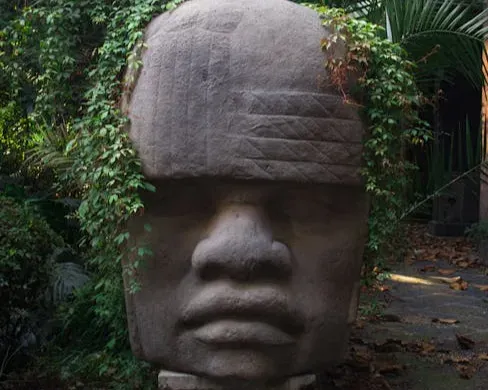
Carved stone heads taller than a person, each with a different face and expression, stare out over the humid lowlands of the Gulf Coast of Mexico. These are the famous colossal heads attributed to the Olmec culture, centered on places like San Lorenzo and La Venta. The Olmec are often called a “mother culture” of Mesoamerica, but that phrase hides how strange and singular they really seem. They created huge earth-and-clay platforms, sophisticated drainage systems, and complex iconography, yet left no known written texts that clearly spell out who they thought they were.
At San Lorenzo, archaeologists have found evidence of elite compounds, sculpted thrones, and reworked monuments that hint at political drama we can only infer. La Venta’s massive pyramid and elaborate offerings of jade and other materials suggest a powerful ceremonial center with wide-ranging connections. But we don’t even know what they called themselves or exactly how their society was structured. Standing in front of photos of those heads, I’ve always felt like I’m looking at a civilization that is both foundational and oddly out of reach, like hearing only the bass line of a song and having to imagine the rest.
Great Zimbabwe of the Americas: The Casarabe Culture of the Bolivian Llanos
In the seasonally flooded savannas of Bolivia, in a region long dismissed as marginal, recent surveys have revealed something astonishing: a constellation of ancient settlements with causeways, canals, and platform mounds built by what is now called the Casarabe culture. For a long time, people imagined Amazonian and nearby lowland societies as small, scattered villages. LiDAR has turned that idea upside down by exposing sprawling urban-like clusters with planned layouts and intricately engineered waterways.
These Casarabe sites, some of them quite large and interconnected, suggest a form of low-density urbanism very different from the packed stone cities we’re used to in history books. Instead of towering stone walls, they built with earth and reshaped the wetlands into a managed landscape of raised areas and channels. It reminds me a bit of a hidden operating system running underneath what looked like a simple screen saver. Until recently, almost nobody outside specialized circles had even heard the name Casarabe, but their fingerprints are now visible across a huge area, forcing a rethink of what “civilization” could look like in the lowland tropics.
Conclusion: Rethinking Who Built the Americas
All of these sites share a quiet but powerful message: the ancient Americas were home to many more kinds of civilizations than the tidy list we usually learn in school. From communal mega-platforms to engineered wetlands, from massive jungle cities to coastal temple complexes older than many classic empires, the story is broader and stranger than the simple timelines suggest. Each discovery chips away at the idea that history here moved in a straight, simple line from “simple villages” to “big empires.”
I find it oddly thrilling that so much of this has come into focus only in the last couple of decades, and that with every new LiDAR survey or excavation, more unknown cultures step out of the shadows. In a sense, we’re still just scratching the surface, literally and figuratively. The next time you look at a forest, a marsh, or an unremarkable rise in a field, it might be worth wondering what kind of city once sat there. How many more lost civilizations do you think are still hiding in plain sight?