
Every time we think we’ve pinned down the story of humanity, the ground quite literally shifts under our feet. Nowhere is that more dramatic than in the Americas, where new digs, new dating methods, and even new DNA analysis are forcing historians to rewrite timelines they once treated as untouchable. The old school version many of us learned – that people only arrived here relatively late, built a few great cities, then vanished – is quietly falling apart.
What’s taking its place is a far richer and stranger picture: older sites than anyone thought possible, cities on a massive scale, and cultures whose scientific and philosophical ideas still echo in our lives today. Some of these discoveries were hiding in plain sight; others were literally buried beneath modern suburbs, jungle canopy, or the bottom of ancient lakes. Together, they don’t just adjust a few dates in a textbook – they change how we think about human ingenuity, migration, and what it means to build a complex society.
1. Monte Verde, Chile: Human Footprints Far Older Than the Textbooks Allowed
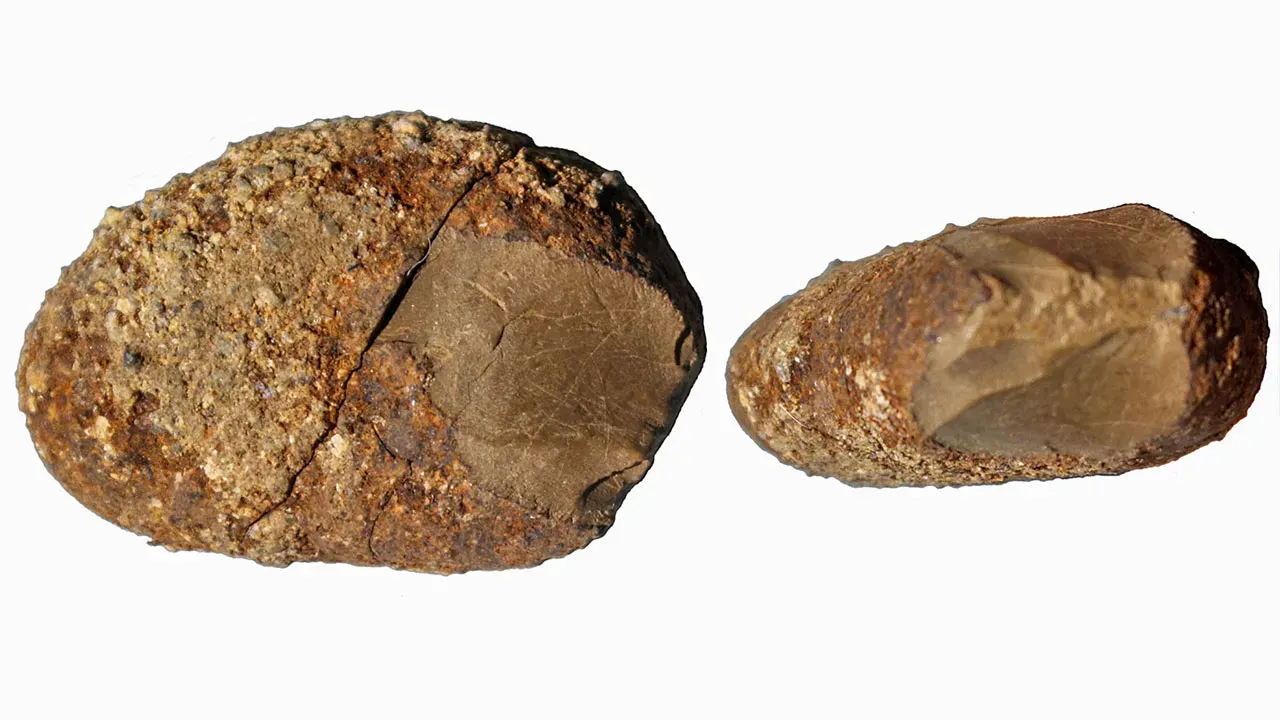
Imagine spending your whole career certain that the first Americans walked in around the end of the last Ice Age, only to have a marshy riverside camp in southern Chile tear that belief to pieces. That’s what Monte Verde did. This site, with its preserved wooden tent stakes, chewed seaweed, and animal bones, has been reliably dated to more than fourteen thousand years ago, and some evidence suggests people may have been around even earlier than that.
For decades, the dominant “Clovis-first” theory said humans only appeared in the Americas after massive ice sheets opened a corridor in the far north. Monte Verde upended that: it’s too old and too far south to fit the story. The simplest explanation is that people were already in the Americas long before that corridor opened, possibly traveling along the Pacific coast in small groups. It’s like showing up at a movie theater fifteen minutes before the film starts and realizing half the seats are already taken; clearly, the show began earlier than you were told.
2. Cerutti Mastodon Site, California: A Controversial Hint of Humans Over 100,000 Years Ago
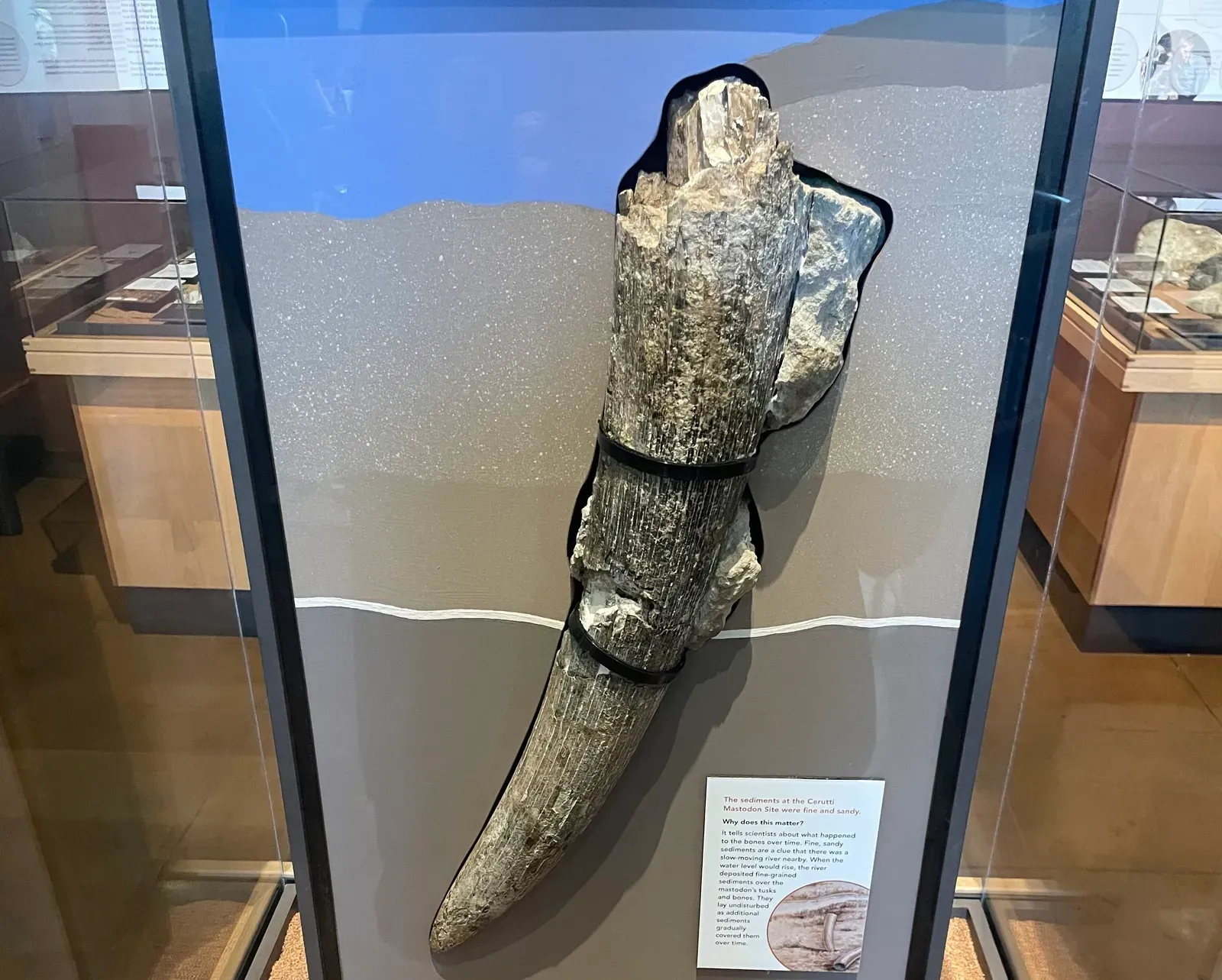
Few discoveries have triggered as much heated debate as the broken mastodon bones from a highway construction site near San Diego, known as the Cerutti Mastodon site. The bones and stones found there show patterns that some researchers argue look like deliberate breakage by humans using tools. The shocker is the proposed age: around one hundred and thirty thousand years old, which is far, far older than any widely accepted human presence in the Americas.
If that date is right and the marks really are from human activity, it would mean our species – or perhaps another closely related human species – reached the Americas unimaginably early. Many experts strongly doubt this, pointing out that natural processes can sometimes mimic tool marks and that such an old date requires extraordinary proof. Still, even the possibility forces archaeologists to ask bolder questions and to look again at old bones and rocks with fresh eyes. Whether Cerutti stands or falls, it has cracked open the door to considering timelines once dismissed as impossible.
3. Cahokia, Illinois: The Lost City Bigger Than Medieval London
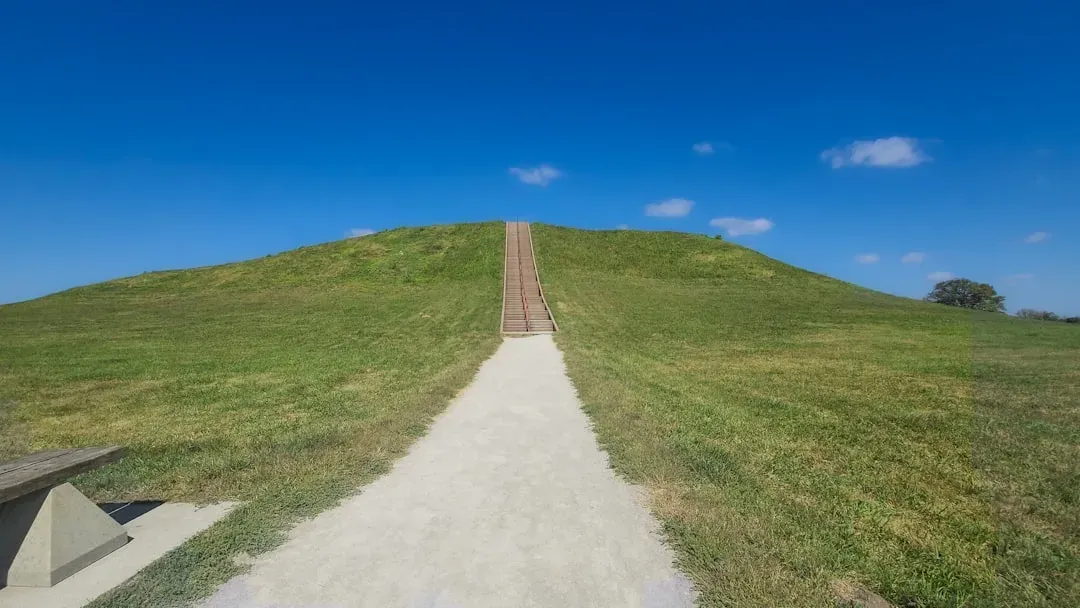
Drive past the Mississippi River near present-day St. Louis, and you might notice some oddly shaped green hills rising from the landscape. Those “hills” are the remains of Cahokia, the largest pre-Columbian city north of Mexico, and at its peak around a thousand years ago, it had a population that rivaled or exceeded many European cities of the same era. At the center stood Monks Mound, a massive earthen platform taller than a ten-story building, surrounded by plazas, neighborhoods, and wooden “woodhenge” circles aligned to the sun.
Cahokia forces us to drop the lazy stereotype that North America was only sparsely populated by small, mobile bands until Europeans arrived. This was a bustling urban center complete with long-distance trade networks, complex social hierarchies, and sophisticated agriculture. Archaeological evidence points to both dazzling achievements and serious challenges, including environmental stress and social conflict. The ruins feel like a quiet reminder that big cities rise and fall everywhere, and that urban life in North America has roots much deeper than modern skyscrapers suggest.
4. Caral-Supe, Peru: A Civilization Older Than the Pyramids of Egypt
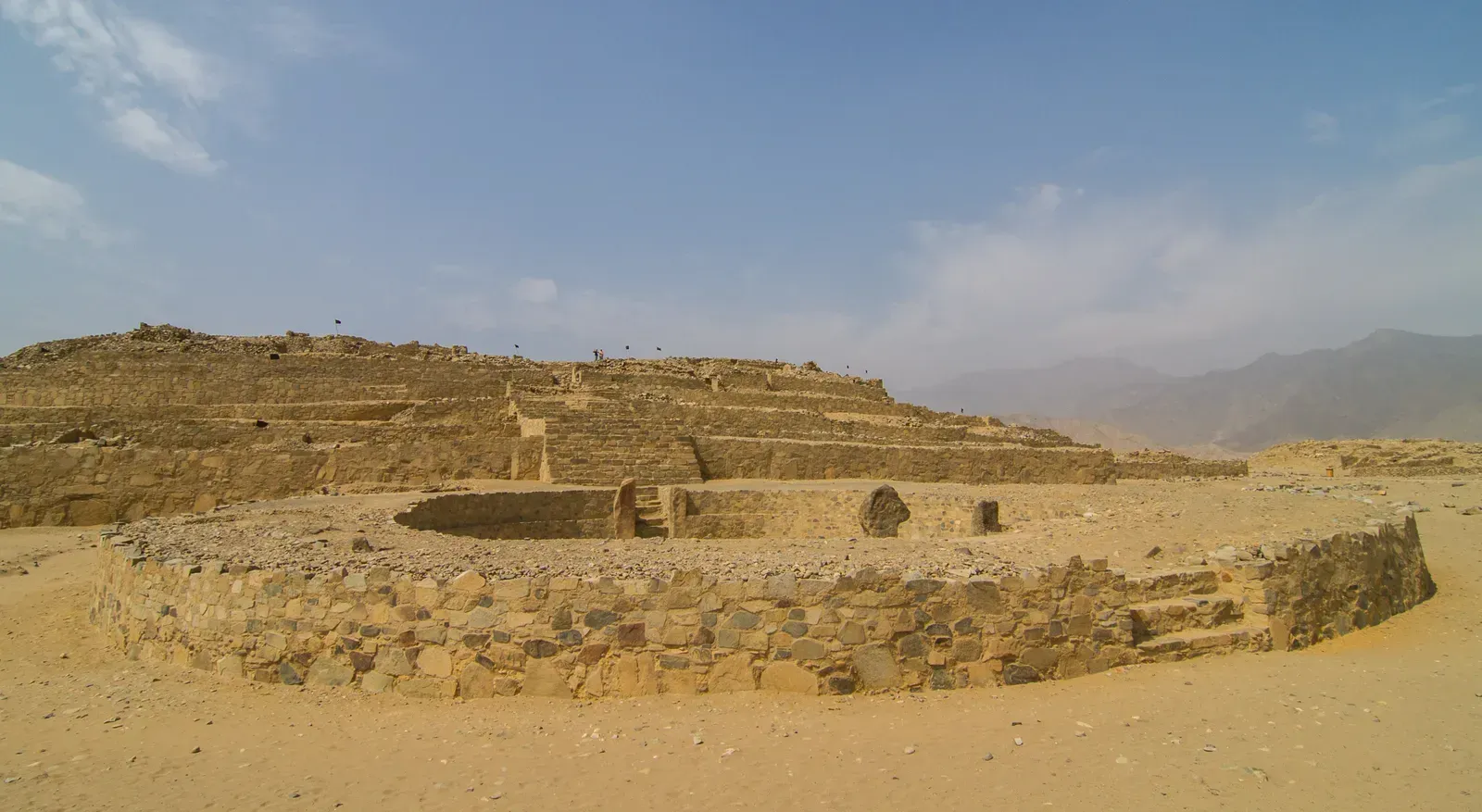
In the dry coastal valleys of Peru, the city of Caral-Supe sat unnoticed for a long time, its stone platforms and sunken plazas blending into the desert. When researchers finally pieced together its true age, the result was startling: this civilization was flourishing more than forty-five hundred years ago, making it one of the oldest known urban centers in the Americas and roughly contemporary with the pyramids of Egypt. That alone rewrites where and when complex societies first appeared on the global stage.
Caral-Supe is particularly striking because it seems to have blossomed without the dramatic signs of constant warfare found in some other early civilizations. Instead, the evidence highlights trade, music, ritual, and intensive agriculture, especially cotton that likely fed a thriving textile and fishing economy. It suggests that people here organized large-scale projects and elaborate architecture not only through fear or conquest, but through shared belief and mutual benefit. That’s a quiet but powerful counterpoint to the idea that violence is always the main engine of early state formation.
5. The Amazon’s “Geoglyphs” and Cities: A Forest That Was Once Engineered
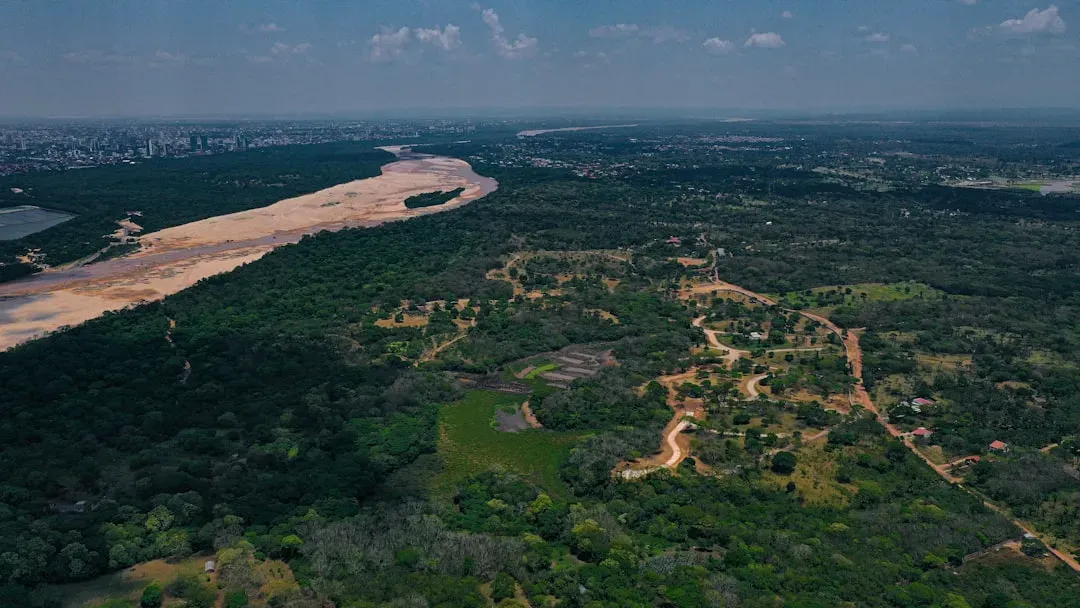
For a long time, schoolbooks painted the Amazon as a pristine wilderness, a dripping green world barely touched by humans until very recently. That image is collapsing. From satellite images, drones, and on-the-ground excavations, archaeologists have uncovered large geometric earthworks called geoglyphs, miles of raised roads and causeways, and vast areas of “dark earth” soil that was deliberately enriched by humans. Taken together, this points to complex societies that engineered the forest on a grand scale.
These discoveries show that the Amazon was not an untouched Eden but a kind of sprawling agro-urban landscape, with managed orchards, fish farms, and settlements interconnected by waterways and footpaths. When European diseases and disruptions swept through, these societies collapsed and the forest rebounded, hiding the evidence under thick canopy. It’s like looking at a lush garden that has gone wild; the vines and trees are real, but beneath them lies the layout of an intentional design. This reshapes environmental debates too, challenging the simple idea of “nature” versus “human impact” in favor of something more entangled.
6. Olmec Colossal Heads: Traces of a Mother Civilization in Mesoamerica
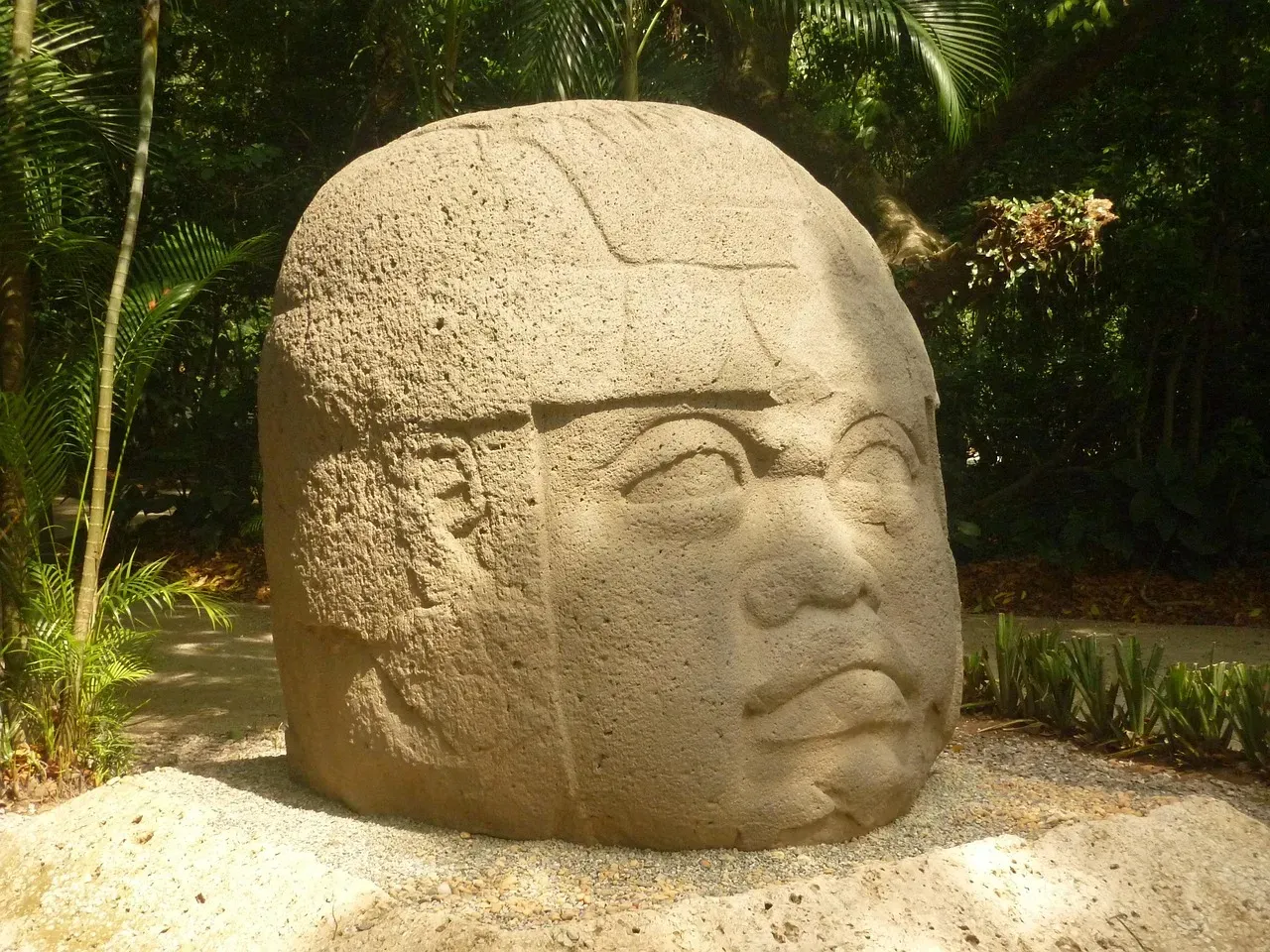
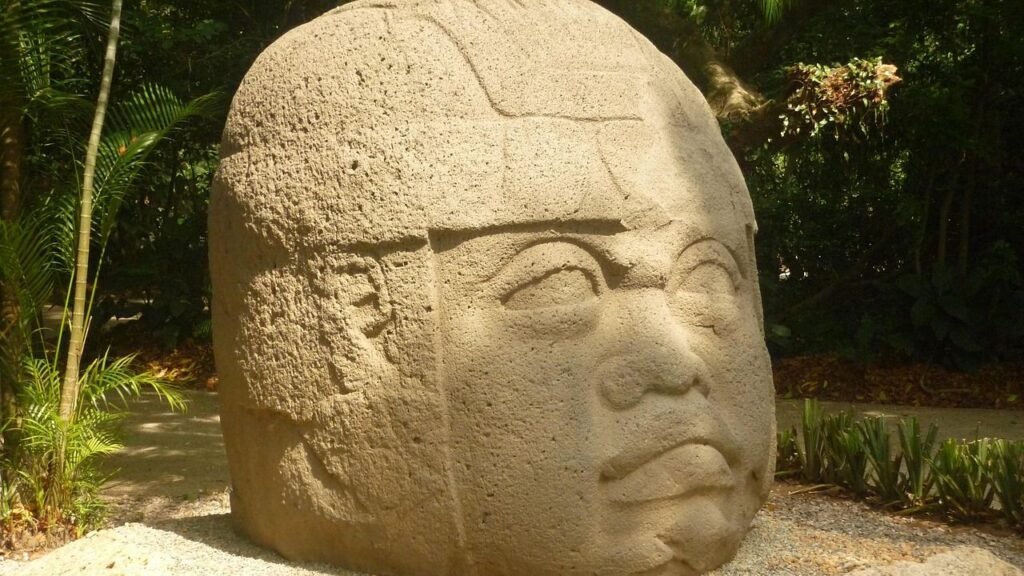
When people first saw the gigantic carved stone heads on the Gulf Coast of Mexico, some weighing many tons, it was hard not to feel like they’d stumbled into the opening scene of an adventure movie. These sculptures, created by the Olmec culture more than two and a half thousand years ago, are just the most visible sign of a society with a deep influence on later civilizations like the Maya and the Aztec. The Olmec developed monumental art, ritual centers, and symbols that look suspiciously like early versions of later writing and calendar systems.
For a while, the Olmec were sometimes described as a mysterious “mother culture” that single-handedly seeded Mesoamerican civilization. Current research paints a more nuanced picture, with multiple communities exchanging ideas, technologies, and religious concepts in a kind of dense cultural web. Still, the scale of Olmec achievements and their early dates remind us that sophisticated art and organized ceremonial life in the Americas go back much further than many people realize. Those stone faces, with their calm, almost knowing expressions, feel like they’re daring us to admit how much we still don’t know.
7. Chichén Itzá and Ancient American Science: Astronomy Carved in Stone
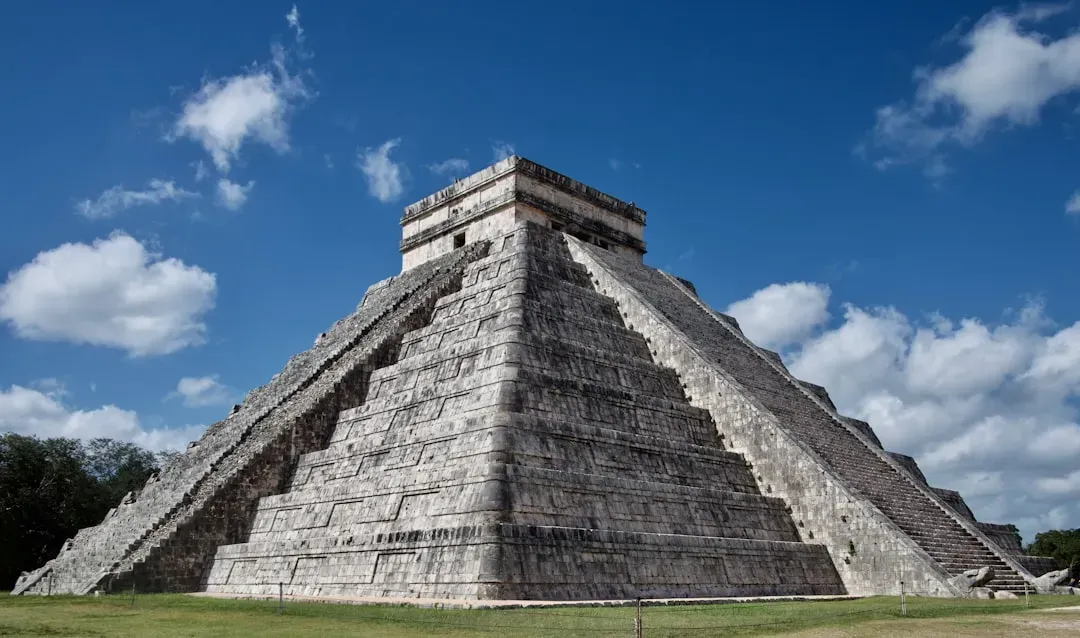
Stand in front of the pyramid of El Castillo at Chichén Itzá in Mexico, and you’re not just looking at a temple; you’re looking at a piece of architecture that doubles as an astronomical instrument. During the equinoxes, light and shadow create the illusion of a serpent body slithering down the staircase, aligning with a stone serpent head at the base. The structure’s layout ties into solar cycles, while nearby buildings line up with key positions of Venus and other celestial events that mattered deeply to Maya timekeeping.
All of this forces a rethink of how we talk about “science” in the Americas before European contact. People here tracked planetary movements with a level of precision that still impresses modern astronomers, and they embedded that knowledge directly into buildings, calendars, and rituals. This wasn’t science in a lab coat; it was science woven into daily life, politics, and spirituality. When you realize that, it becomes harder to treat these societies as somehow less advanced just because they expressed their knowledge in stone, ceremony, and story instead of telescopes and printed equations.
Conclusion: A Past That Refuses to Stay Small
Put together, these discoveries tear down the old, cramped story of the Americas as a late, quiet chapter in human history. Instead, they reveal deep time, sprawling cities, engineered landscapes, and intellectual traditions that stood shoulder to shoulder with anything happening in the so-called Old World. The more archaeologists dig, scan, and test, the more it looks like we’ve been underestimating both the age and the sophistication of the people who lived here long before colonial maps were drawn.
In a way, that’s both unsettling and strangely hopeful. If our picture of the past can still change this dramatically, then our sense of what humans are capable of – in creativity, in resilience, and in reinvention – is probably too small as well. The ground under our assumptions is shifting again, and that’s exactly what makes this moment so exciting. Which of these discoveries most surprised you?