
When most people think of ancient America, their minds jump straight to the Maya, the Aztec, or the Inca. But hidden behind those familiar names is a whole other cast of civilizations that rose, flourished, built cities, engineered landscapes, left mysteries in stone – and then almost disappeared from popular memory. Their stories are stranger, older, and far more surprising than the history most of us learned in school.
I still remember the first time I realized just how much I didn’t know about the Americas before Columbus – it felt like opening a door to a completely different world. These places had astronomers, urban planners, artists, and farmers experimenting with environments from Amazonian rainforests to Andean highlands. Once you meet them, it’s hard not to wonder why we talk about them so little – and how different our idea of “ancient history” would be if their names were as familiar as Rome or Egypt.
The Chachapoya: The “Cloud People” of the Peruvian Andes
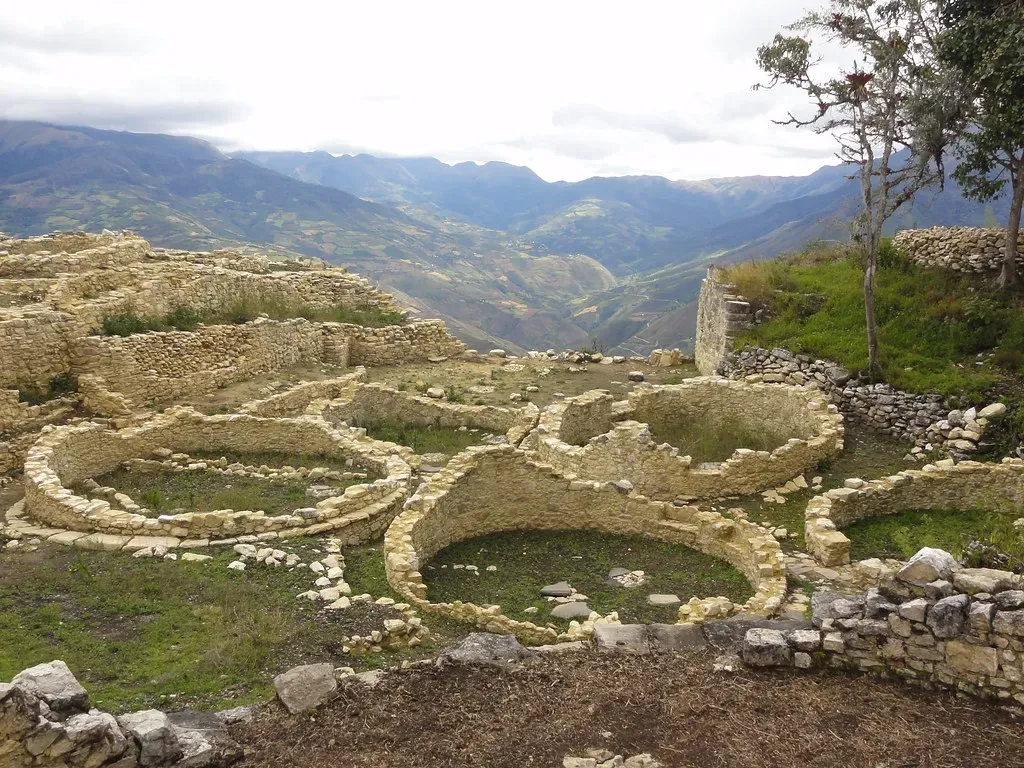
High in the cloud forests of northern Peru, the Chachapoya built stone cities along sheer cliffs and mountain ridges, so remote that mist still wraps around their ruins like a curtain. Spanish chroniclers described them as fierce warriors who resisted Inca expansion, living in fortified settlements perched above deep valleys. Their nickname, often translated as “Cloud People,” fits the eerie feeling of their mountaintop fortress of Kuélap, with its towering defensive walls that rival better‑known citadels in scale and ambition.
Instead of giant pyramids, the Chachapoya favored round stone houses clustered within massive walled complexes, decorated with geometric patterns and stylized animal designs. Their funerary sites are among the most haunting in the Americas: sarcophagi shaped like standing figures set into vertical cliff faces, seemingly watching over the abyss below. For centuries, dense forests and political instability kept many of their sites understudied, which is one reason they remain under the radar today. Yet as more research and careful restoration emerge, it’s becoming clear they were one of the great mountain civilizations of South America – just with more fog and fewer postcards.
Cahokia: The Forgotten Mississippian Metropolis
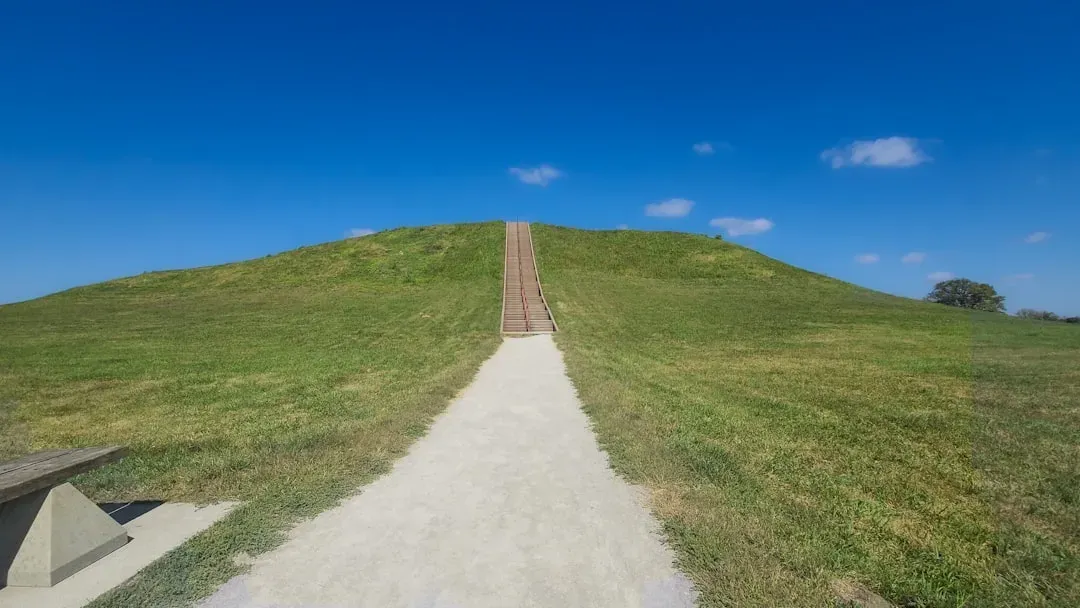
On the floodplains across from modern‑day St. Louis, a thousand years ago, stood a city larger than many European towns of its time. Cahokia was the heart of the Mississippian world, with tens of thousands of people clustered around enormous earthen mounds, broad plazas, and carefully aligned wooden posts that tracked the movements of the sun. At its peak, it was the biggest urban center north of Mesoamerica, yet countless drivers pass the site today without realizing they’re skimming around the edges of an ancient metropolis.
The sheer labor involved in building Cahokia’s mounds is staggering: the central pyramid‑like structure, known as Monks Mound, rises in terraces formed from millions of baskets of earth. Archaeologists have found evidence of long‑distance trade, elaborate ritual items, and startling signs of social hierarchy, including possible human sacrifices linked to elite burials. What makes Cahokia especially gripping is that it rose quickly and seems to have unraveled just as fast, likely due to a messy mix of environmental stress, political tension, and resource strain. Instead of stone temples, Cahokia left us sculpted earth and enigmatic symbols, quietly rewriting what we thought cities in North America looked like before European contact.
The Moche: Masters of Metal, Ceremony, and Storytelling in Clay
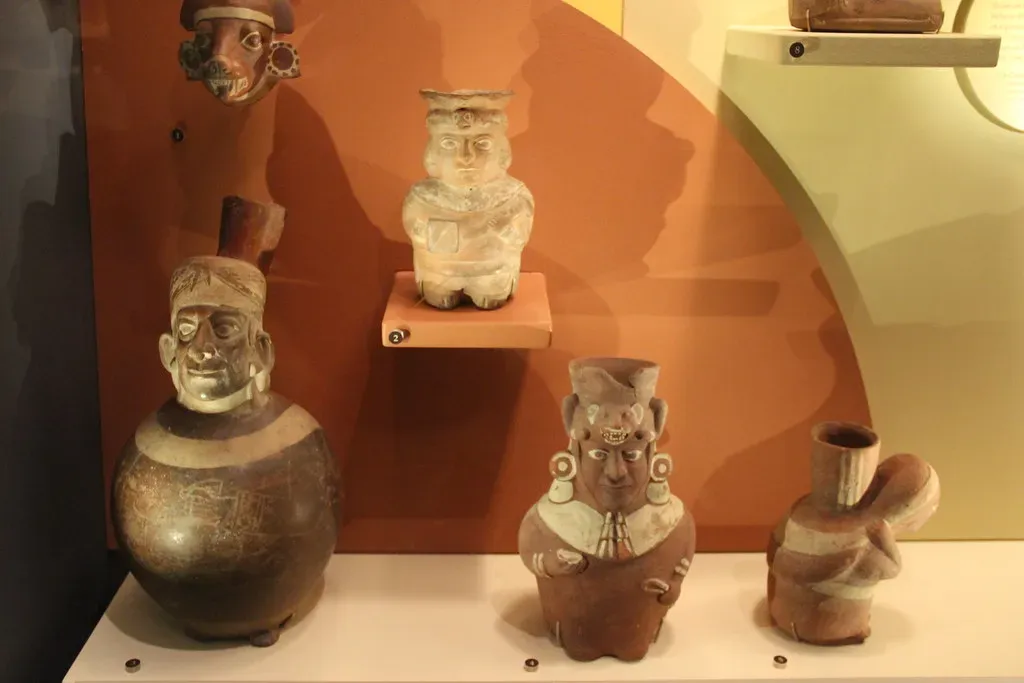
Long before the Inca ruled Peru, the Moche lined the desert coast with monumental pyramids of adobe and a network of irrigated fields that turned some of the driest landscapes on Earth into productive farmland. They are best known today for their pottery, which is startlingly realistic and often uncomfortably honest, depicting everything from everyday life to war, myth, and explicit ritual scenes. Through those ceramics, you can almost read their worldview like a comic strip, panel by panel, with warriors, prisoners, animals, and gods crossing between worlds.
Their temples, such as the Huaca de la Luna, hold layered murals painted in vivid colors that have somehow survived centuries of wind and sand. Archaeological discoveries over the past few decades, including richly furnished tombs of Moche elites and priestly figures, revealed a society with strong ritual specialization, rigid hierarchy, and dramatic public ceremonies. Environmental events like severe El Niño cycles appear to have battered their irrigation systems and strained their political order, contributing to regional collapses and reconfigurations. They may not have left written texts, but in metalwork, murals, and ceramics, the Moche told a story as complex and intense as any epic, only now being pieced together shard by shard.
The Tiwanaku: High‑Altitude Engineers of the Sacred Lake
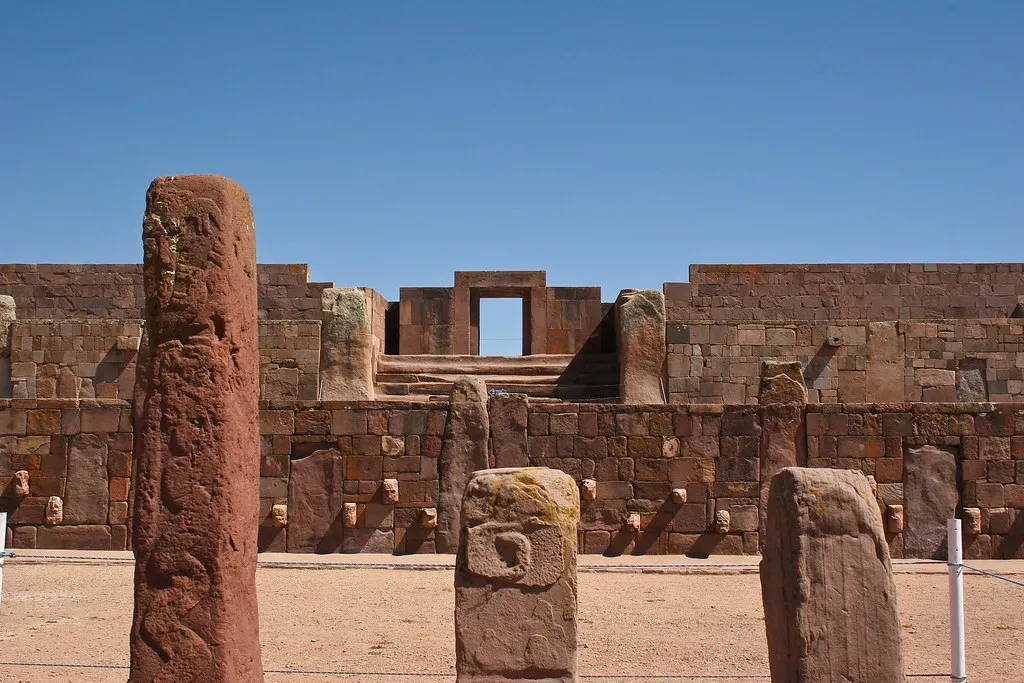
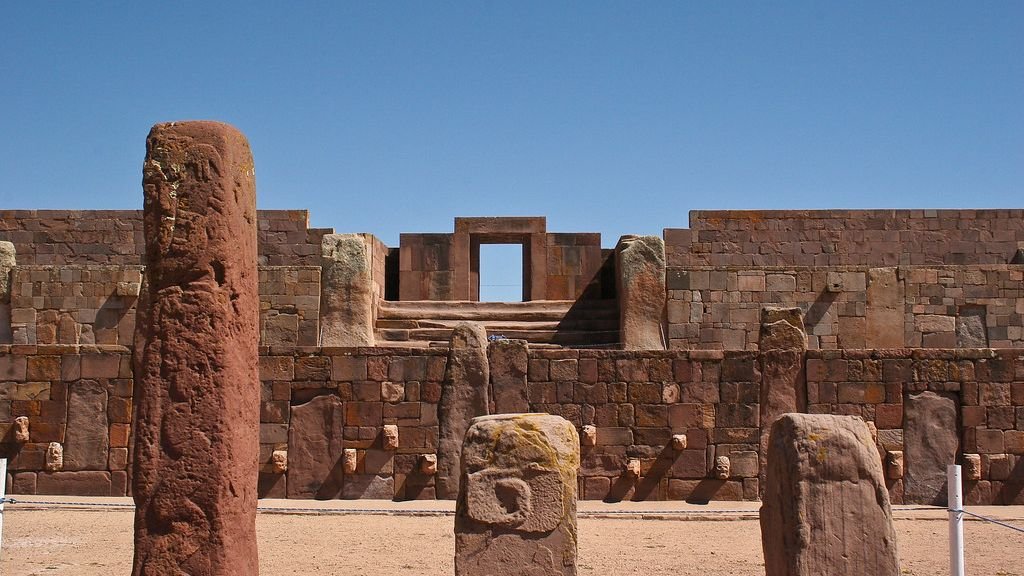
On the cold, wind‑swept altiplano near Lake Titicaca, the Tiwanaku civilization built stone monuments so precisely fitted that some early outsiders spun wild theories about lost advanced technologies. Their capital, also called Tiwanaku, was a ceremonial and political hub that served as the center of a vast Andean network centuries before the Inca empire arose. Massive carved stones, sunken plazas, and iconic doorways suggest a cosmology that tied sky, water, and earth into a single sacred landscape.
What really stands out about Tiwanaku is its approach to agriculture in an unforgiving environment. They developed raised‑field systems that countered frost and improved drainage, effectively hacking high‑altitude climate to support large populations around the lake. Artifacts show far‑reaching connections, with styles and goods traveling across the Andes, pointing to influence more through integration and ritual than straightforward conquest. When Tiwanaku declined, likely due to climate fluctuations and political fragmentation, it left behind an architectural puzzle on the plateau – massive stones, precise cuts, and enigmatic iconography that still fuels debate about how an ancient society thrived so high above sea level.
The Wari: The Empire Before the Empire in the Andes
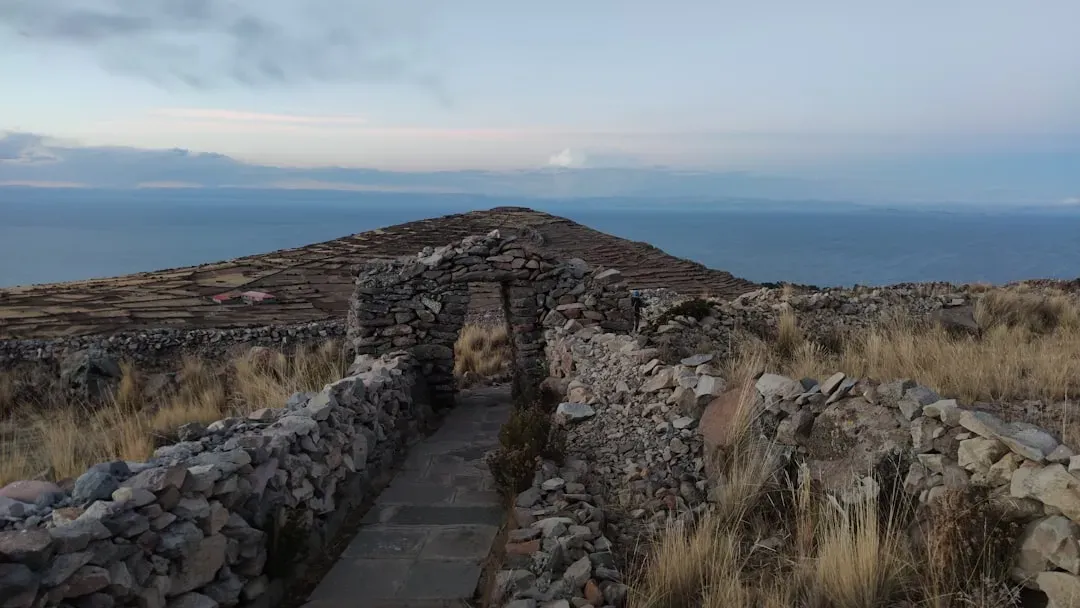
If the Inca are the headliners of Andean history, the Wari are the earlier act that quietly set up the stage. Centered in the highlands of what is now Peru, the Wari built planned cities with orthogonal street grids, standardized compounds, and administrative centers spread over a huge territory. Their urban planning feels surprisingly modern: neighborhoods, storage facilities, roads, and ritual spaces all carefully laid out, as if someone had drafted an imperial blueprint centuries before the better‑known empire.
The Wari also played a major role in weaving together different Andean regions through roads and state facilities, some of which the Inca later reused or expanded. Their art, especially textiles and ceramics, carries abstracted, almost pixelated divine figures and geometric patterns that influenced Andean aesthetics for generations. For a long time, they were overshadowed by their more famous successors, partly because their ruins lack the towering stone walls that make Inca sites so instantly recognizable. But as more Wari sites are excavated and analyzed, historians increasingly see them as pioneers of Andean imperial governance, testing out ideas about how to rule a far‑flung, diverse population in a tough landscape.
The Tairona: Stone Terraces in the Colombian Jungle
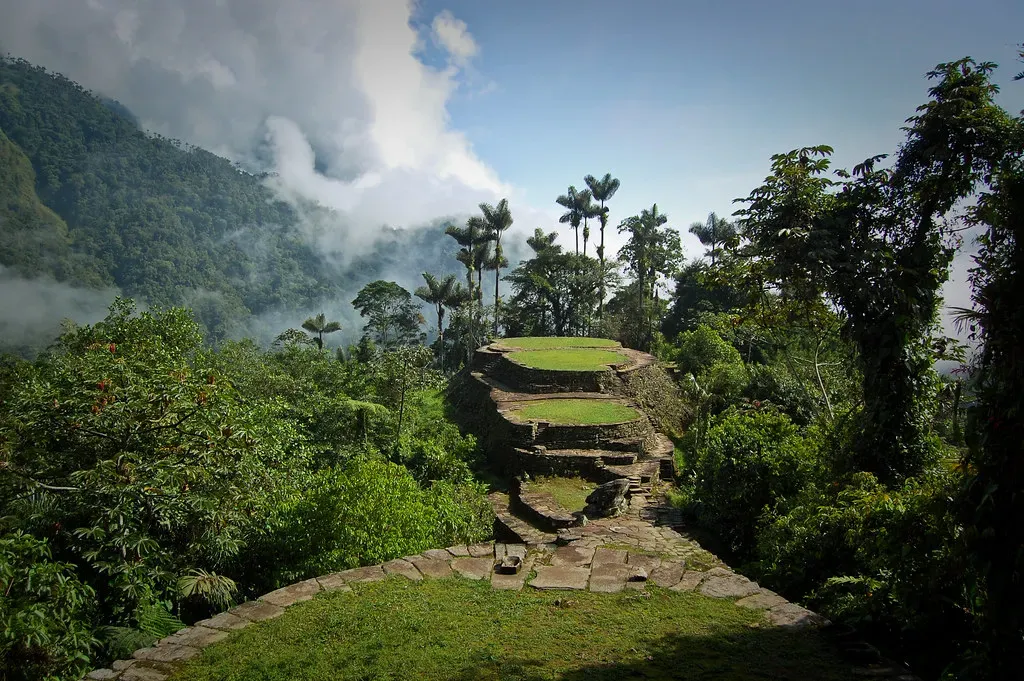
Buried in the lush Sierra Nevada de Santa Marta mountains of northern Colombia lies an archaeological site modern visitors call the “Lost City,” but it was part of a much larger Tairona world. The Tairona carved terraces, platforms, and stone walkways into steep slopes, creating multi‑level settlements that seem to float above rivers and forest. Their architecture didn’t reach upward with tall pyramids; instead, it spread out across the hillsides, blending into the terrain in an almost organic way.
They were skilled goldworkers and craftspeople, producing intricate pendants and ornaments that circulated widely and still capture attention in museums today. Spanish invasion and later upheavals fractured their society, but descendant Indigenous communities in the region preserve elements of their worldview and relationship to the land. Ongoing archaeological work suggests the Tairona formed a dense network of settlements tied together by stone paths and ritual centers, not just a single isolated city. Walking those stairways today, surrounded by dense foliage and humming insects, it’s hard not to feel that a whole chapter of ancient American urban life was quietly written in stone here, far from the deserts and high plateaus we usually picture.
The Olmec: The “Mother Culture” That Still Feels Mysterious
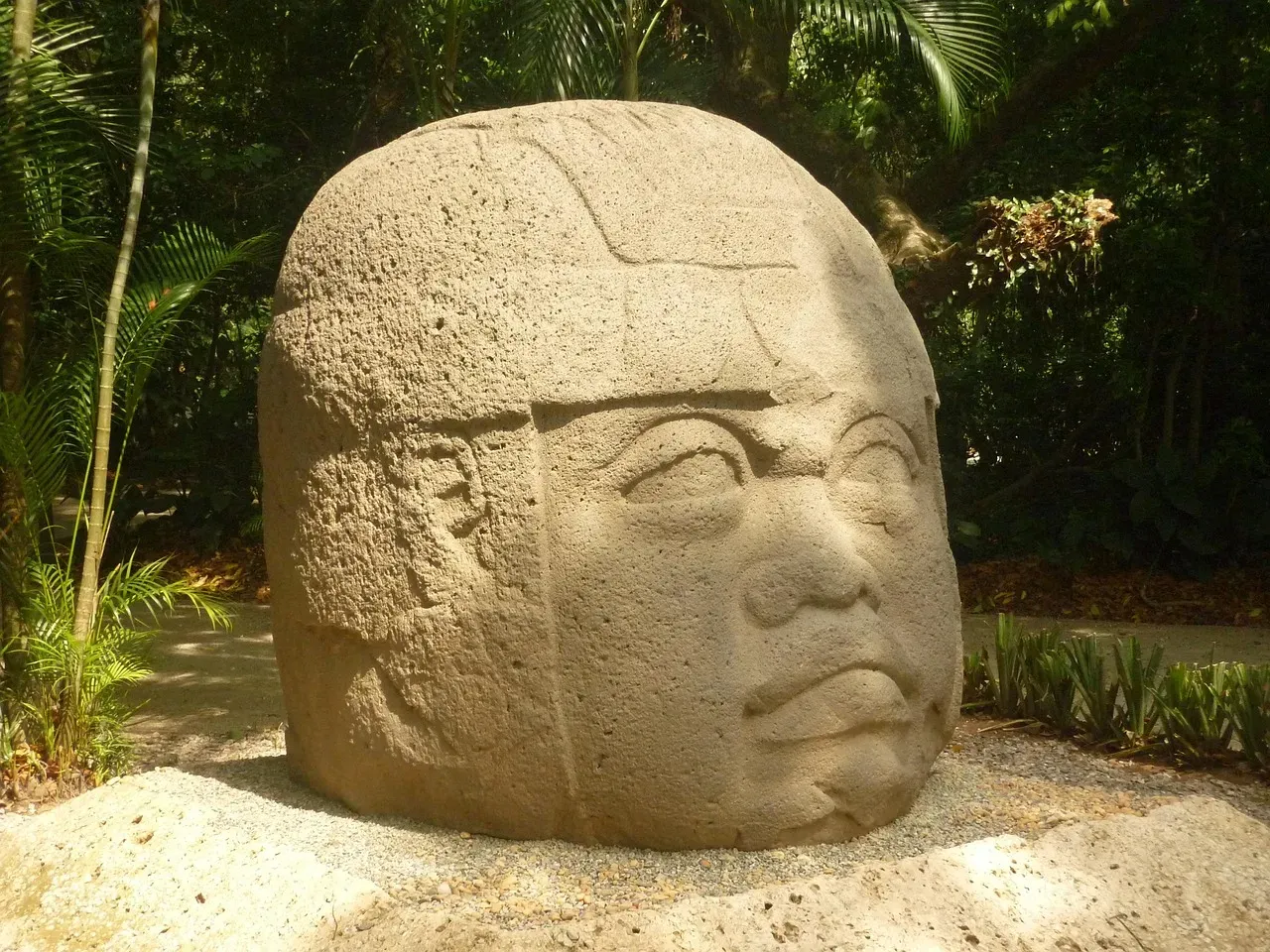
Even if you’ve never heard the name, you’ve probably seen their faces: the colossal carved stone heads with broad features and calm, watchful expressions. The Olmec flourished along the Gulf Coast of what is now Mexico long before the classic Maya cities rose, and many scholars see them as a foundational culture for later Mesoamerican civilizations. They built ceremonial centers with mounds, plazas, and sophisticated drainage systems, turning low, swampy terrain into hubs of ritual and politics.
What makes the Olmec especially intriguing is how many of their ideas echo through later cultures: the ballgame, certain deities or symbolic creatures, and complex art styles that hint at early forms of writing or notation. Yet we still know remarkably little about their internal politics, languages, and beliefs compared to later societies with surviving texts. Giant basalt heads, jade figurines, and carefully arranged offerings suggest an elite class with serious control over labor and resources. The Olmec feel like a prologue that is more shadow than script – clearly important, obviously influential, but still leaving us with more questions than answers about who they thought they were and how they understood their place in the world.
Rewriting the Map of the Ancient Americas
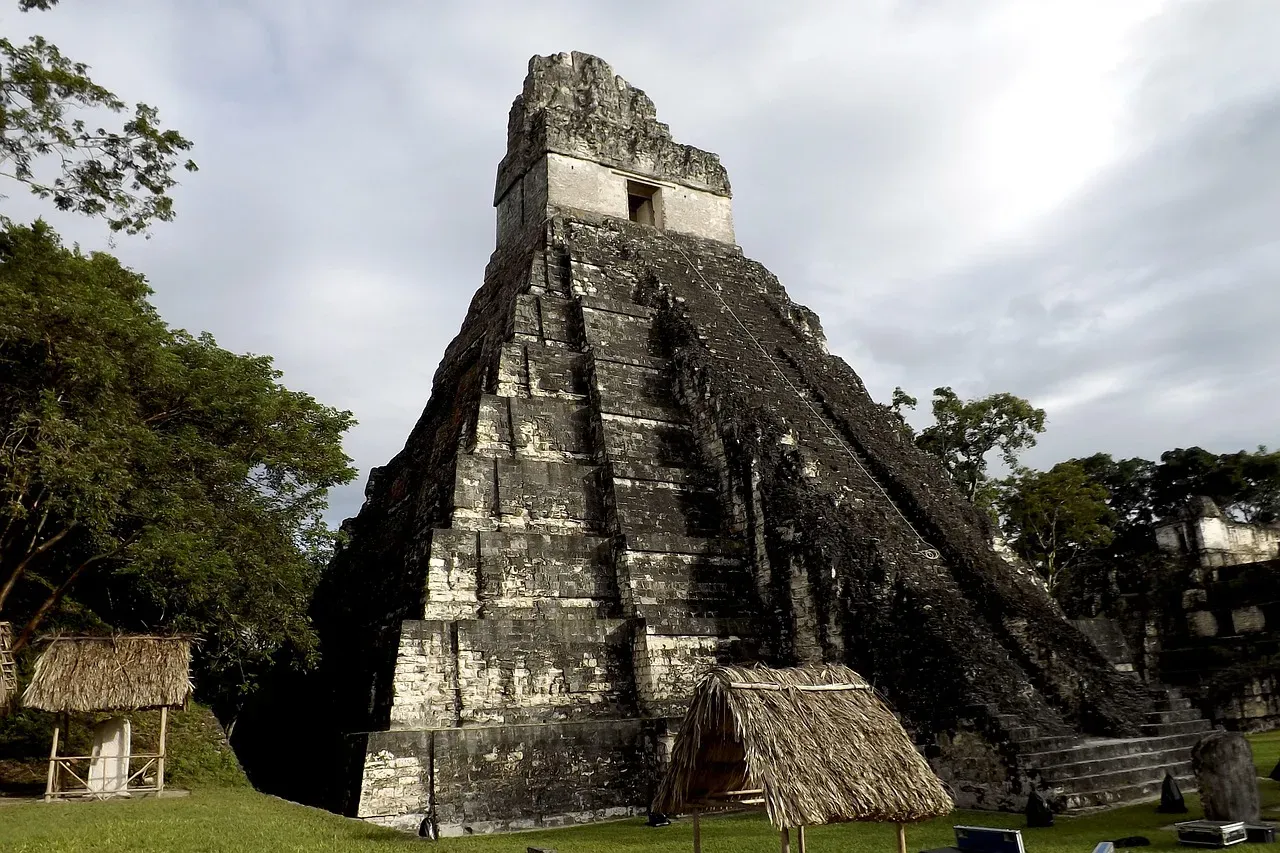
These seven civilizations are just a slice of a much bigger, more complicated story about the ancient Americas than most of us were ever shown. Once you know about the Chachapoya in the clouds, Cahokia on the Mississippi, the Moche on the desert coast, Tiwanaku by the sacred lake, the Wari in the highlands, the Tairona in the jungle, and the Olmec by the Gulf, the old picture of a sparsely populated, “waiting” continent starts to fall apart. In its place, you get a map crowded with cities, experiments, failures, and breathtaking successes in every kind of landscape.
What sticks with me is how differently these societies solved the same basic problems: how to feed people, how to organize power, how to make sense of the sky and the seasons, how to remember who they were. Some built earthen pyramids; others carved mountain terraces or raised fields or jungle stairways, each leaving a distinct fingerprint on the land. They may not be household names, but the traces they left – stone, earth, gold, pottery, and stories – are still here, waiting for us to notice. Now that you’ve met them, which one do you think deserves to be talked about as often as the famous three?