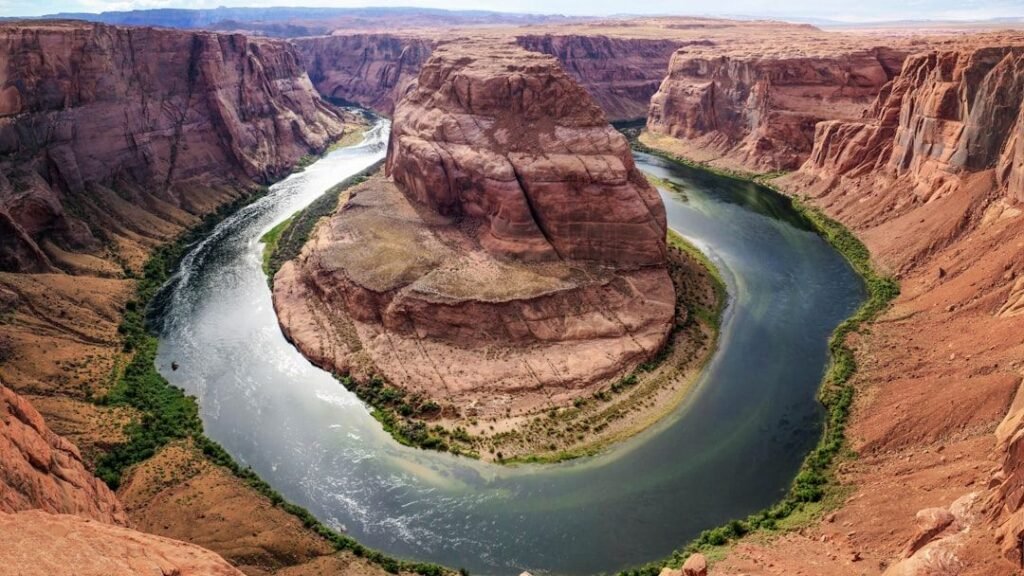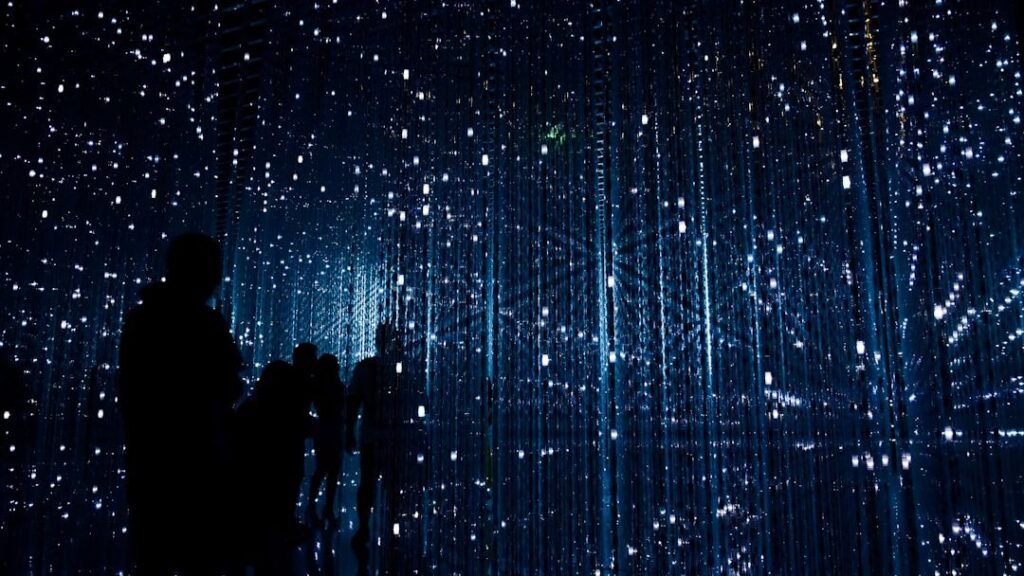

Somewhere between the interstates and the suburbs, the United States quietly hides places that look like they were borrowed from a sci‑fi movie set. You drive for hours through ordinary scenery, then suddenly the ground turns red, the rocks twist into impossible shapes, and you feel like gravity and time work differently there.
These are the spots that make your brain stutter for a second, where your phone photos look fake even though you swear you didn’t touch a single filter. A few of them are famous, others sit in quieter corners of the map, but they all share that same strange magic: they make you feel like you’ve left Earth without ever pulling out a passport.
1. Bonneville Salt Flats, Utah
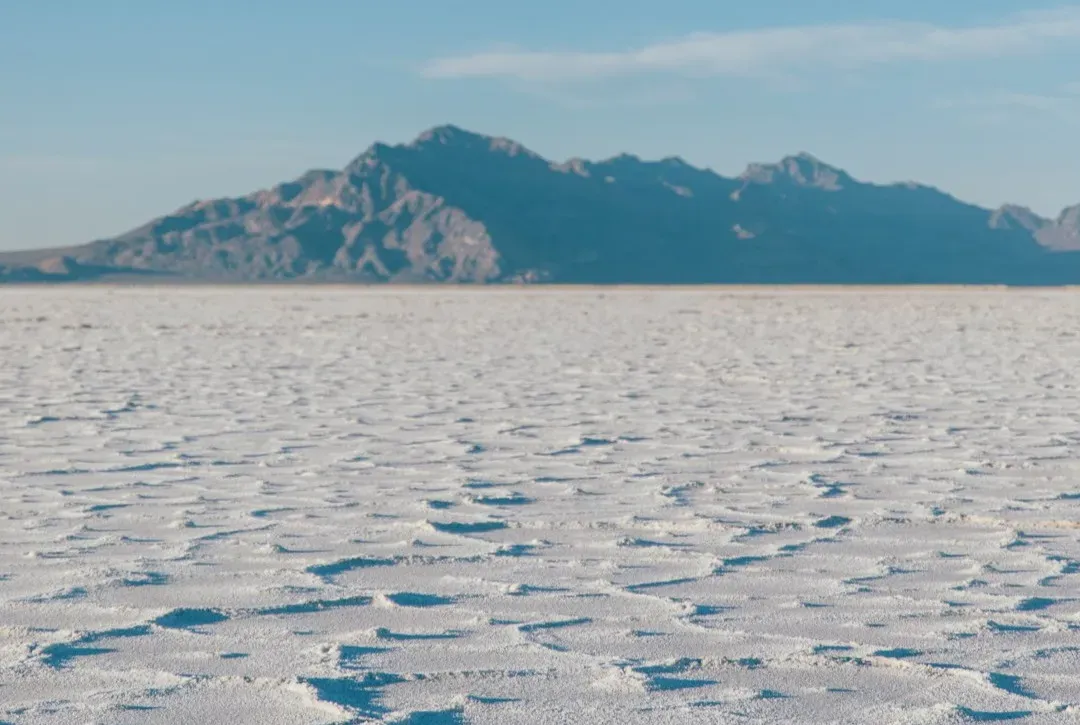
The first time you see the Bonneville Salt Flats, it almost looks like someone deleted the landscape in a photo editor and forgot to fill it back in. It’s just this endless, blindingly white sheet stretching to the horizon, with distant mountains floating like mirages on the edge of your vision. After a while, you lose all sense of distance; a person walking a few hundred yards away can look like a tiny speck on the moon.
When it’s dry, the surface cracks into geometric patterns that look like alien tiles; after rain, a thin layer of water turns the whole place into a perfect mirror of the sky. Cars and motorcycles race here because it’s so flat and open you can almost feel the curvature of the Earth under your feet. Standing in the middle of it, with nothing but sky and salt in every direction, feels less like being in Utah and more like standing on some silent, pale planet waiting for its first visitor.
2. Painted Hills, Oregon
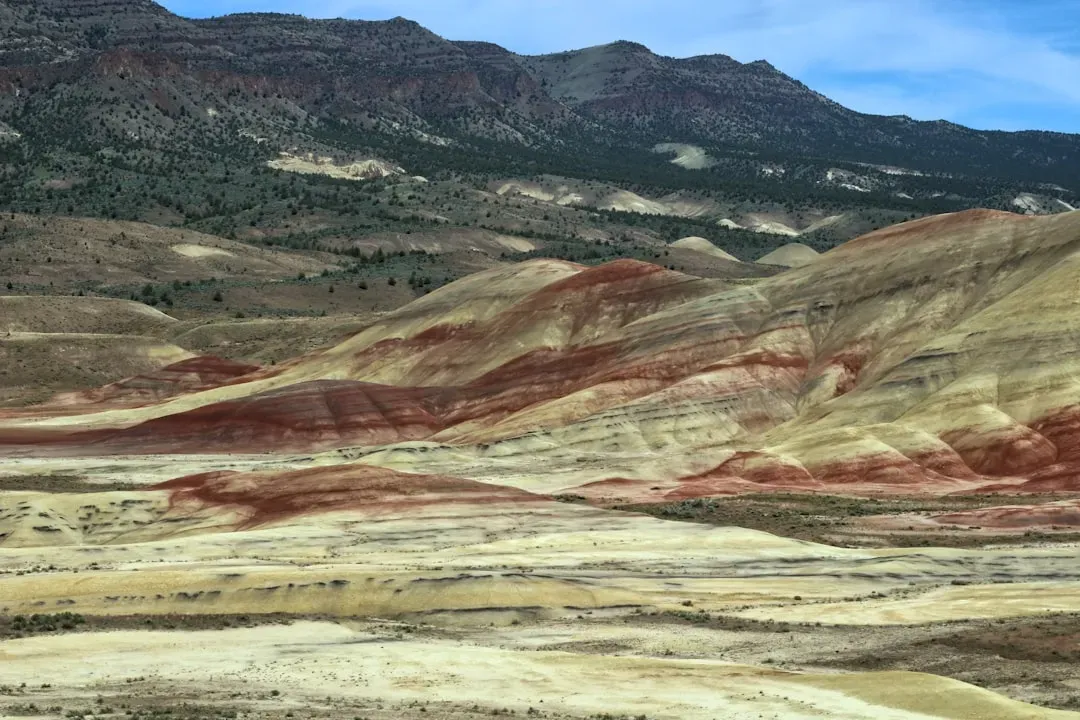
The Painted Hills look like someone took a giant paintbrush and dragged it across the Earth in slow, careful strokes. Rolling mounds glow in stripes of red, gold, black, and tan, each layer recording a different ancient climate like pages in a book written over tens of millions of years. On an overcast day, the colors seem soft and dusty; when the sun breaks through, they suddenly ignite and you realize no camera can quite get it right.
Walking the short trails here, you feel weirdly like you’re trespassing in a museum where the exhibits are made of time instead of stone. The hills are fragile – signs remind you to stay on paths because a single footprint can scar the surface for years. There’s a hush to the place too, as if the landscape itself is asking you to keep your voice down while it slowly changes, grain by grain, under the wind.
3. White Sands National Park, New Mexico
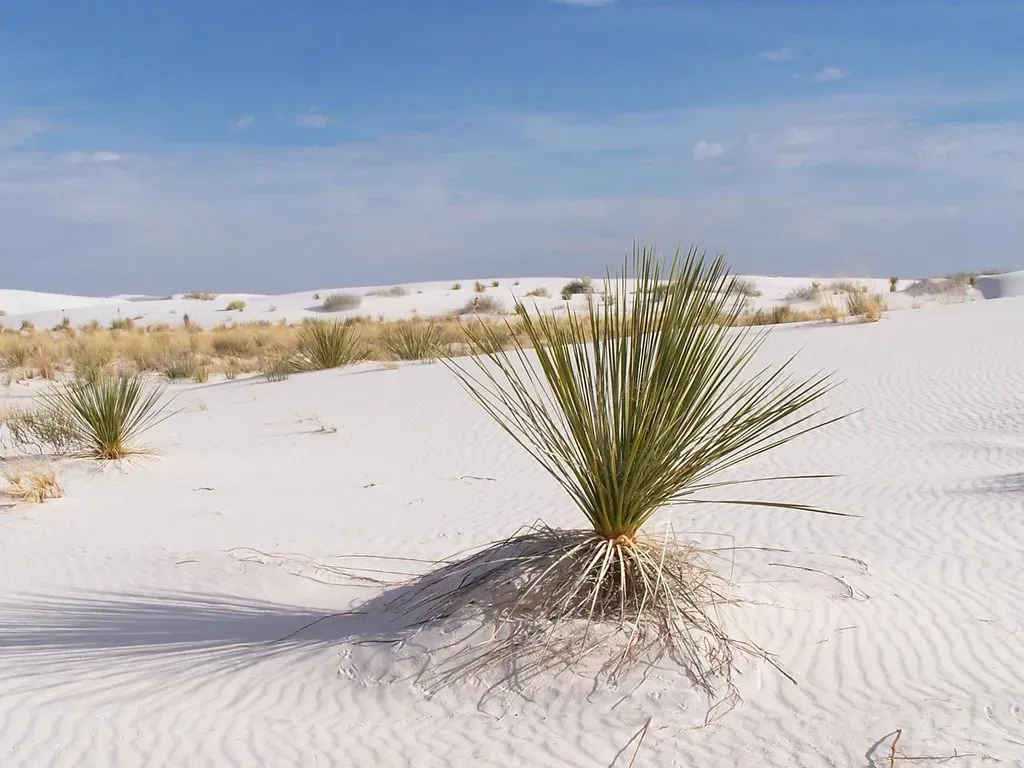
White Sands doesn’t look real the first time you see it; it’s like someone spilled powdered moonlight across the desert. Waves of pure white gypsum dunes roll out in every direction, their edges so clean they almost look carved. On bright days, the ground is so luminous it tricks your eyes, and shadows take on this deep blue color that feels more Arctic than Southwestern.
Unlike typical sand that burns your feet, these gypsum crystals stay surprisingly cool, even under a brutal New Mexico sun. People sled down the dunes on plastic saucers like it’s a snow day on another planet, laughing against a backdrop that could easily double for a sci‑fi colony world. Stay until sunset and the whole place shifts from dazzling white to soft peach and lavender, as if the desert is dimming its lights for the night.
4. Craters of the Moon National Monument, Idaho
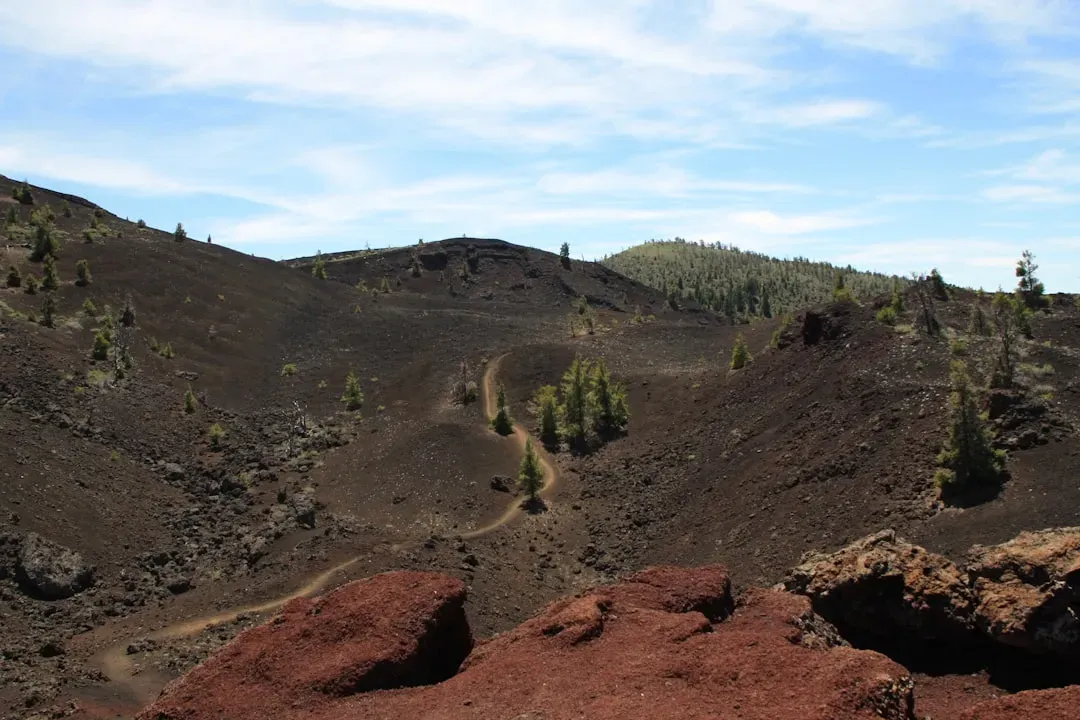
Drive into Craters of the Moon and you quickly understand why early explorers compared it to the lunar surface. The ground turns black and jagged, a vast ocean of frozen lava flows, cinder cones, and collapsed tubes that seem more volcanic nightmare than gentle Idaho countryside. It feels like the world here melted, boiled, and then suddenly stopped mid‑eruption.
The lava rocks are sharp, twisted, and eerily light, like chunks of broken planets. Small plants and wildflowers push through in places, stubborn patches of life that look almost defiant against the stark dark ground. Walking across the rough terrain, with distant cones rising like dead volcanoes, you could easily imagine you’re astronaut training, testing how it feels to move across a newly discovered world.
5. The Wave, Arizona
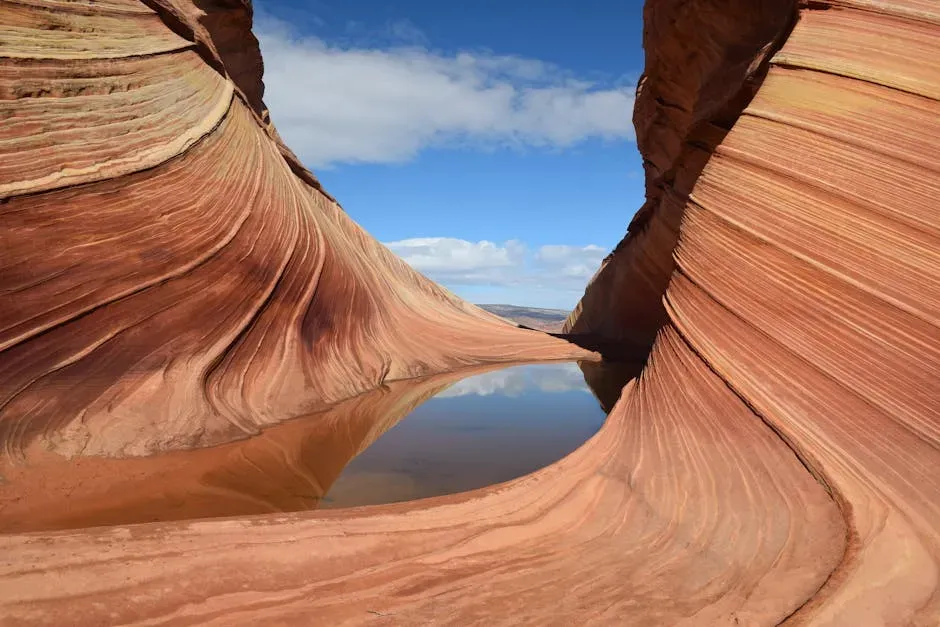
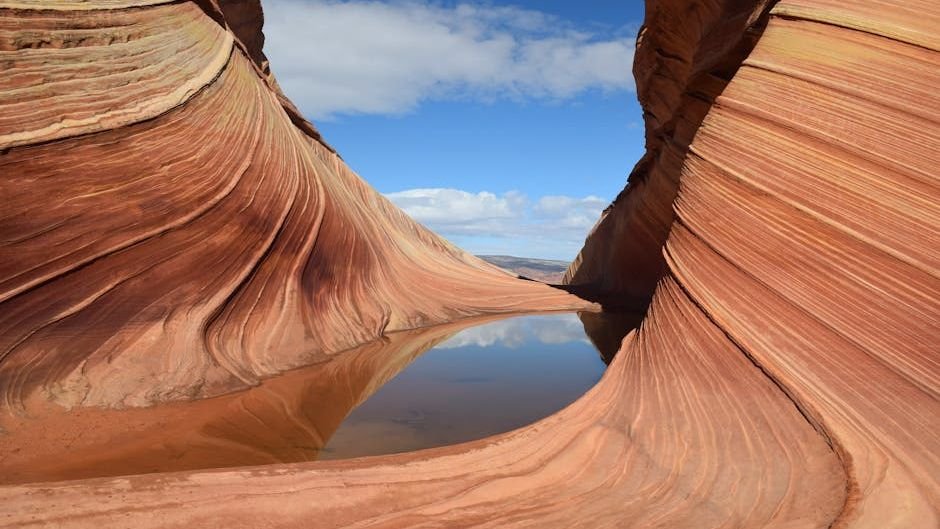
The Wave is one of those places that looks Photoshopped even when you’re standing right inside it. Layers of Navajo sandstone curl and twist around you in ribbons of red, orange, and cream, forming a narrow, swirling corridor that feels like stepping inside a frozen ocean. The rock is so smooth and delicately sculpted that it looks more like swirling cake frosting than solid stone.
Because only a small number of people are allowed in each day, it’s eerily quiet, just the wind moving through this natural stone hallway. Every angle shifts the lines and curves, creating new patterns like an optical illusion that never quite settles. You end up slowing down, touching the rock, tracing the bands of color, half expecting the whole place to start moving like liquid under your hand.
6. Yellowstone’s Geothermal Basins, Wyoming
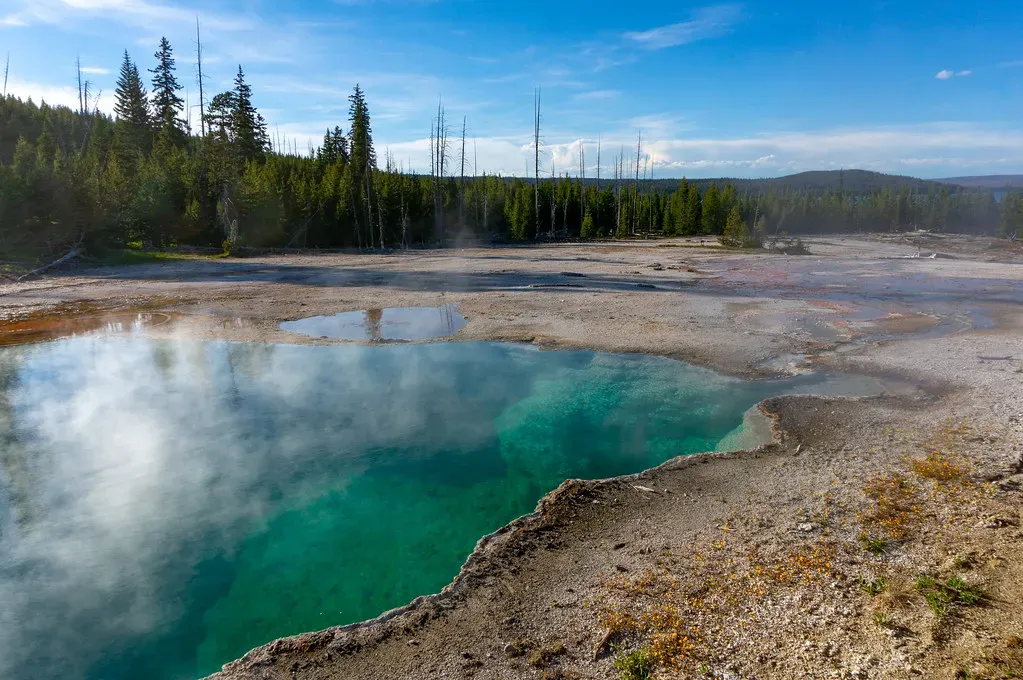
Yellowstone is famous, but its geothermal basins still feel deeply alien when you stand close to them. Pools glow in impossible shades of electric blue, neon green, and rusty orange, ringed by mineral terraces that look like terraces built for a dragon. Steam constantly hisses from vents in the ground, and the air smells faintly of sulfur, reminding you that this entire place sits on top of a massive, restless supervolcano.
Some of the bacterial mats around hot springs form swirling patterns that could easily pass as abstract art from another civilization. Geysers erupt without warning, launching boiling water into the air like the planet is exhaling. Even on a busy day with crowds and boardwalks, there’s a lurking feeling that this landscape is wild at a scale humans don’t really control and barely understand.
7. Badlands National Park, South Dakota
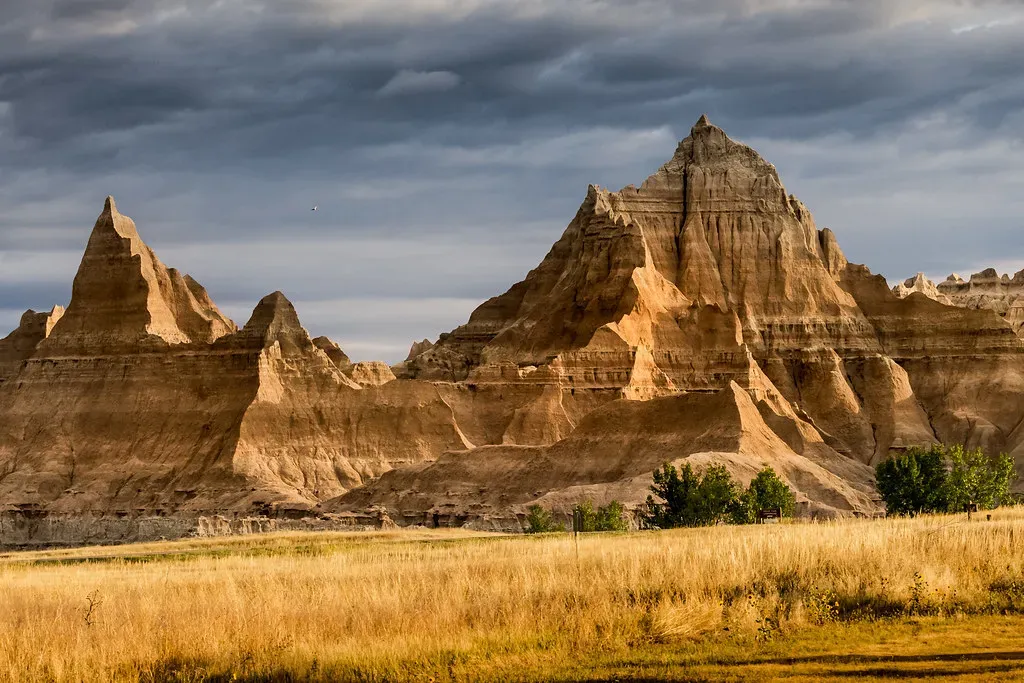
The Badlands hit you like a sudden glitch in the plains. One moment you’re driving through gentle grasslands, and the next the Earth just collapses into a maze of jagged ridges, striped buttes, and eroded spires that look like the skeleton of a long‑dead world. The layers of rock stack in bands of gray, red, yellow, and white, like a layered cake baked by an impatient universe.
As the light changes, so does the entire mood of the place: harsh and stark at noon, soft and almost tender at sunrise or sunset. Fossils from ancient creatures have been pulled from these formations, so you’re literally walking through a graveyard of vanished ecosystems. Standing on a rim overlook, staring into the twisted, broken terrain, it’s easy to imagine this as some distant exoplanet where life once flourished, then slowly faded away.
Scattered across the country, these seven places quietly rewrite what most people think “America” looks like. They’re proof that you don’t have to board a spaceship to feel disoriented, humbled, or completely in awe of a landscape that doesn’t play by the usual rules.
Whether it’s salt that mimics ice, dunes made of cool white crystals, or lava fields that resemble a cosmic accident, each of these spots offers a different version of “otherworldly.” They remind you that this planet is stranger, older, and more inventive than we usually give it credit for. Which of these alien corners would you step into first if you could go tomorrow?