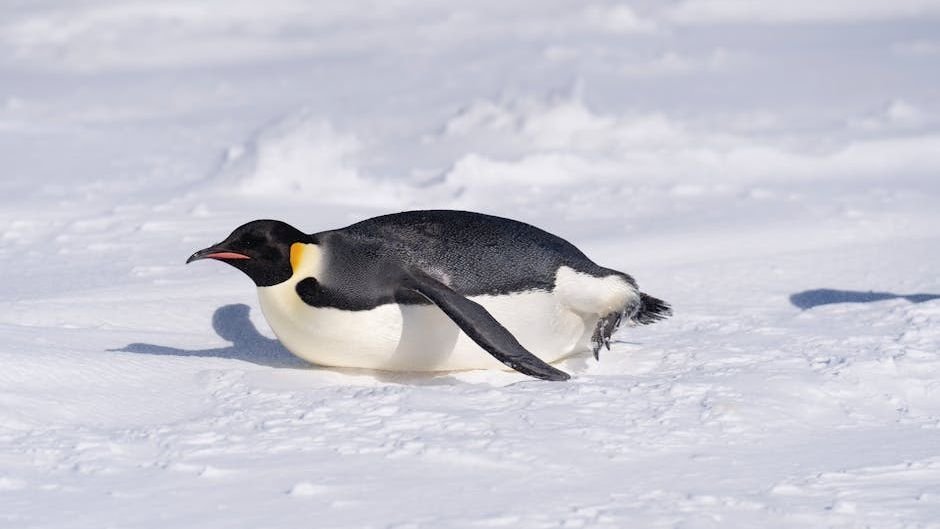

Imagine standing in the middle of Antarctica, where the wind chill slices through your layers like a blade and temperatures plunge well below anything your body was ever designed to handle. You wouldn’t last long. Yet, all around you, life is thriving. Penguins waddle past. Seals lounge on ice. Fish dart through water that hovers just fractions of a degree above its own freezing point.
Antarctica and the Arctic are the coldest places on Earth, yet many animals thrive in these icy environments, relying on incredible adaptations that help them cope with extreme cold and scarce food in winter. Honestly, once you understand how these creatures pull it off, you’ll never look at a polar bear or a tiny wood frog the same way again. Let’s dive in.
Blubber: Nature’s Ultimate Insulating Blanket
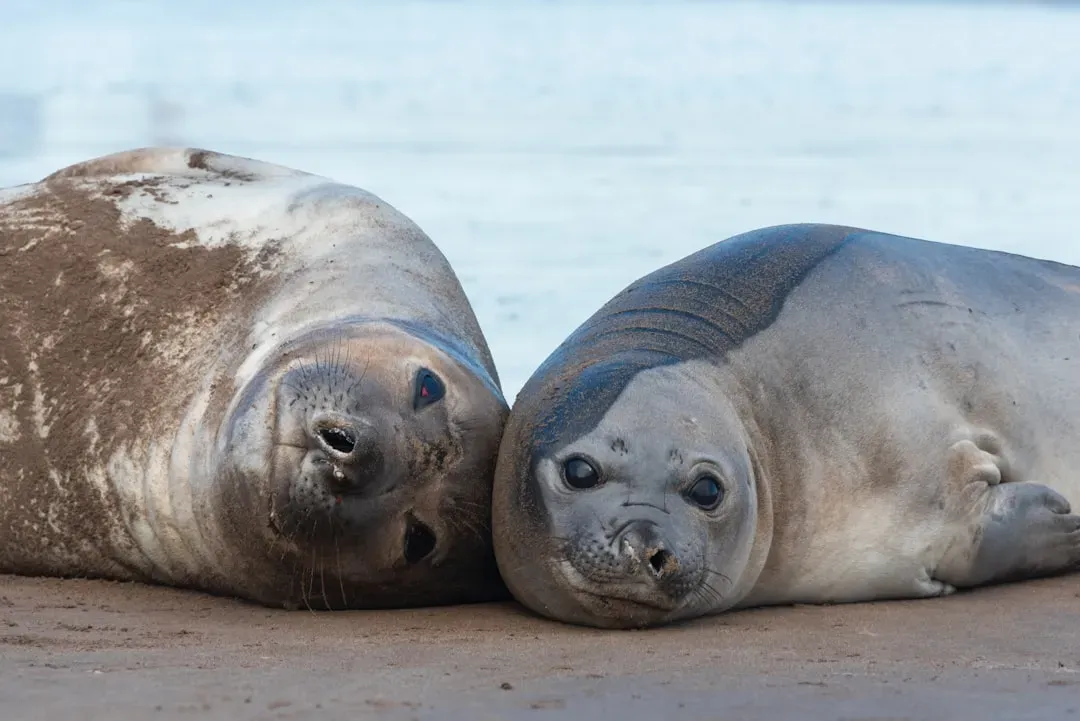
Here’s the thing about fat. Most of us spend our lives trying to get rid of it. For animals in the world’s coldest places, fat is the difference between life and a very quick death. Seals, penguins, and whales have a thick layer of insulating fatty tissue called blubber, and it is far more than just a layer of fat. Think of it less like the fat on a steak and more like a wetsuit you can never take off.
Whales, seals, and some penguins rely on these thick fat layers to trap body heat in, much like wrapping yourself in a thick blanket. What’s remarkable is that this same layer doubles as an emergency fuel tank. In marine animals where fur offers little insulation value, a thick layer of blubber becomes essential for protection against cold seas, and it also serves as a food reserve. You could say blubber is the original all-in-one survival kit.
Antifreeze Blood: The Biological Marvel Hidden in Polar Fish
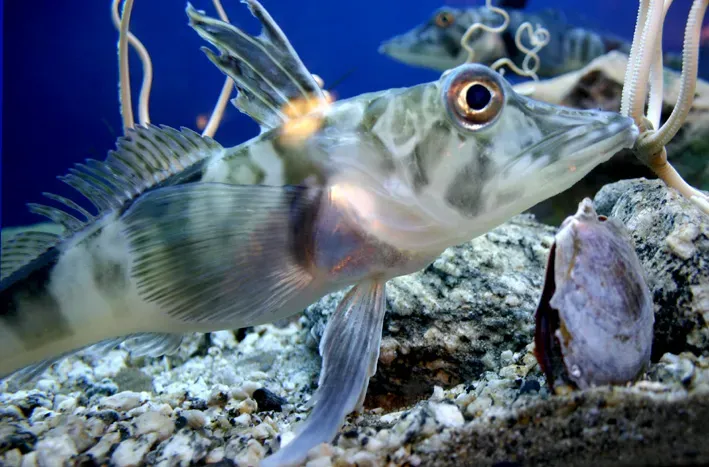
I know it sounds crazy, but some animals are literally running antifreeze through their veins. Not the kind you pour into a car radiator, of course, but something arguably more elegant. Certain fish have antifreeze proteins that lower the freezing point of their blood, and these proteins attach to small ice crystals that enter the circulatory system through the gills, preventing those crystals from growing.
The blood of Antarctic icefish contains antifreeze proteins that protect their cells against damage from ice crystals, binding to ice crystals as they form and slowing their growth, preventing them from linking up with other ice crystals whose sharp edges could damage tissue. Even the smallest ice crystals have the potential to burst cells and cause death, which is why many fish species are simply unable to exist in frozen environments. The fact that some fish evolved a molecular-level solution to this problem, entirely on their own, over millions of years, is nothing short of extraordinary.
The Penguin Huddle: Collective Warmth as a Survival Strategy
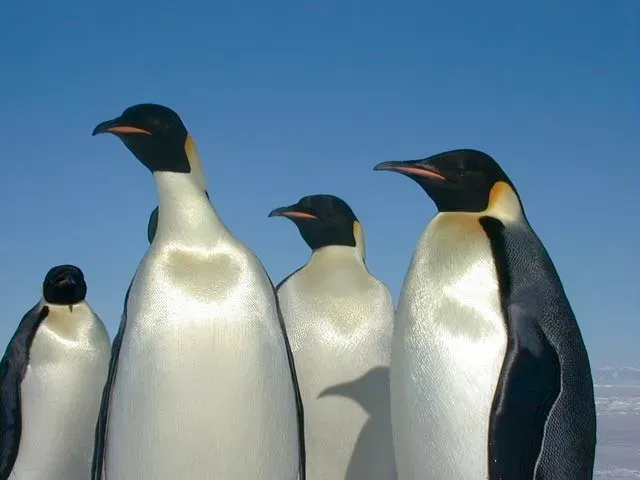
You’ve seen photos of emperor penguins grouped together in massive, seemingly chaotic clusters. What looks like a cozy social gathering is actually one of the most finely tuned survival mechanisms in the animal kingdom. Emperor penguins are known for their amazing huddles, which allow them to conserve energy while fasting in sub-zero temperatures, and these huddles form for several hours at a time, usually during storms.
The huddles are always in motion, with penguins gradually moving from the cold, exposed outer edge toward the center, where temperatures can reach as warm as 100 degrees Fahrenheit. That’s a staggering contrast to the brutal air outside. In each colony, the males form large units with about 10 birds per square metre, and using time-lapse photography, researchers have captured the true nature of this phenomenon, which almost becomes a unified organism in itself. There’s something deeply moving about that: individual survival built entirely on collective cooperation.
Counter-Current Heat Exchange: The Genius of Warm Blood in Cold Limbs
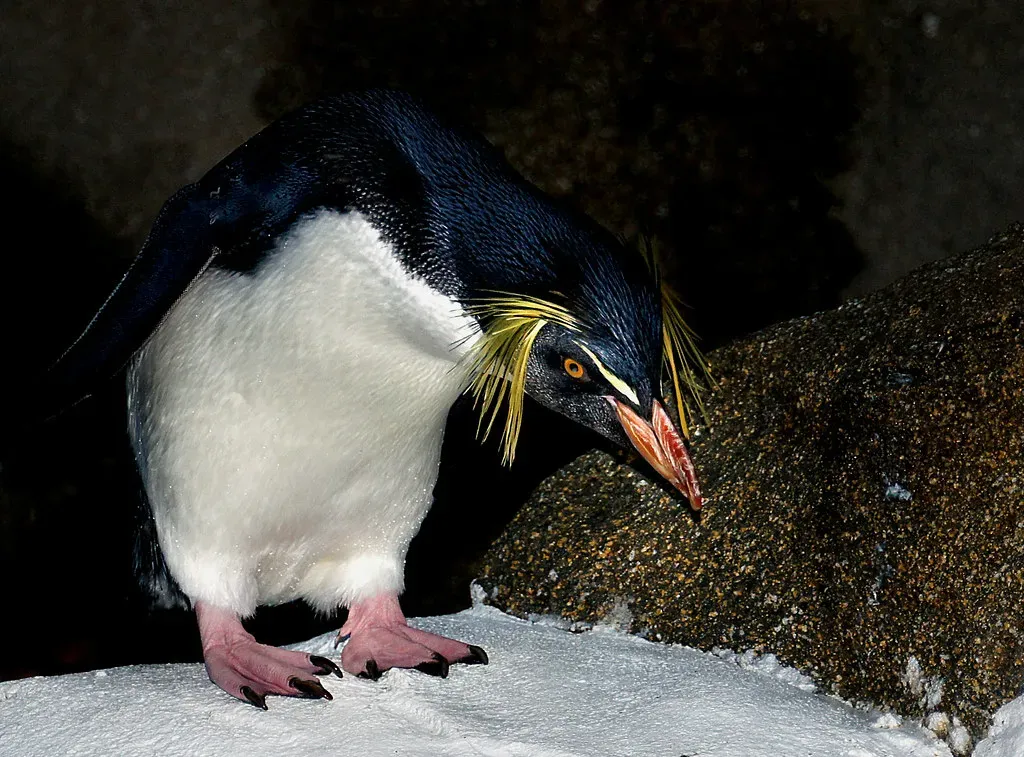
Have you ever wondered why a penguin’s feet don’t freeze solid when it stands on ice for hours? Or why geese can paddle through near-freezing water and seem perfectly unbothered? The answer lies in an almost shockingly clever piece of biological engineering. Many species have evolved sophisticated blood flow regulation systems in body parts exposed to the cold, and in marine mammals, a network of blood vessels in the flippers operates as a counter-current heat exchange system, where warm blood flows to the flipper transferring heat to cooler blood returning from it, conserving heat in critical areas while maintaining functionality in the extremities.
Other animals like geese and waterfowl have vascular systems that allow warm, oxygenated blood to flow to the extremities while cooler blood passes nearby on its way back to the heart, which is exactly why their feet don’t freeze to ice. It’s like having a built-in radiator system that recycles heat before it escapes. Emperor penguins even have special nasal chambers that recover heat lost through breathing, along with closely aligned veins and arteries, all of which enable them to recycle their own body heat.
Freeze Tolerance: The Wood Frog’s Wild Trick of Surviving Death Itself
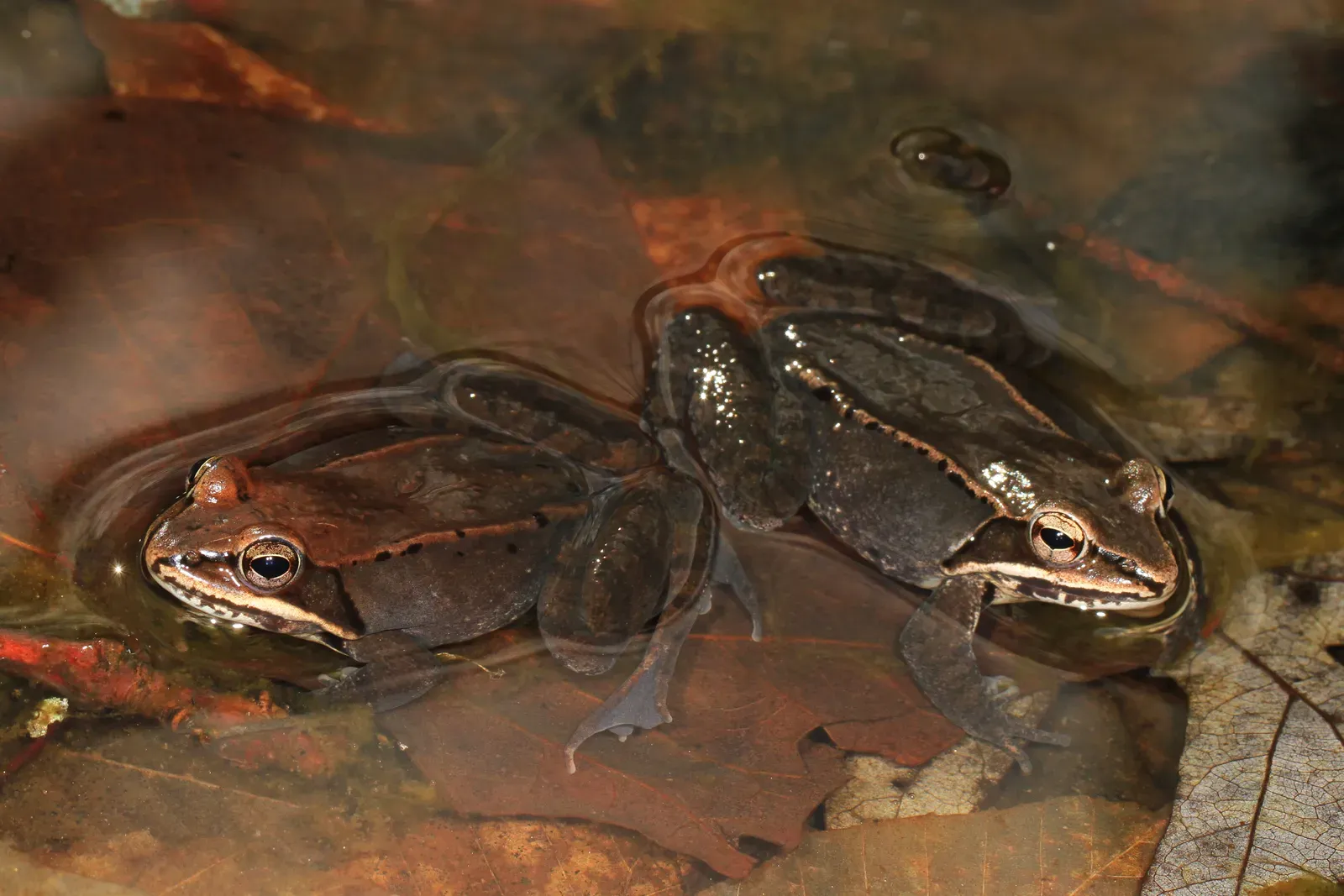
Let’s be real. If you told someone that a frog can freeze solid, stop breathing, stop its heart entirely, and then wake up perfectly fine in spring, they’d think you were making it up. For most animals, freezing solid would be fatal, but the wood frog has adapted to survive in this state, living in Alaska, Canada, and the northeastern USA, where temperatures can plummet as low as minus 60 degrees Celsius.
Wood frogs freeze solid for up to eight months, during which ice takes over their abdominal cavity and encases their organs, then their brain freezes, then finally their heart, and they stop breathing completely while ice crystals even form in their blood. The secret weapon here is sugar. The frog’s liver releases large amounts of glucose, which acts as an antifreeze, preventing cells from completely freezing and becoming damaged or punctured by large ice crystals. A wood frog can survive up to roughly two-thirds of its total body water freezing. Nature occasionally goes completely off-script, and honestly, this is one of its most breathtaking examples.
Thick Fur and Hollow Hairs: The Polar Bear and Arctic Fox’s Wearable Armor
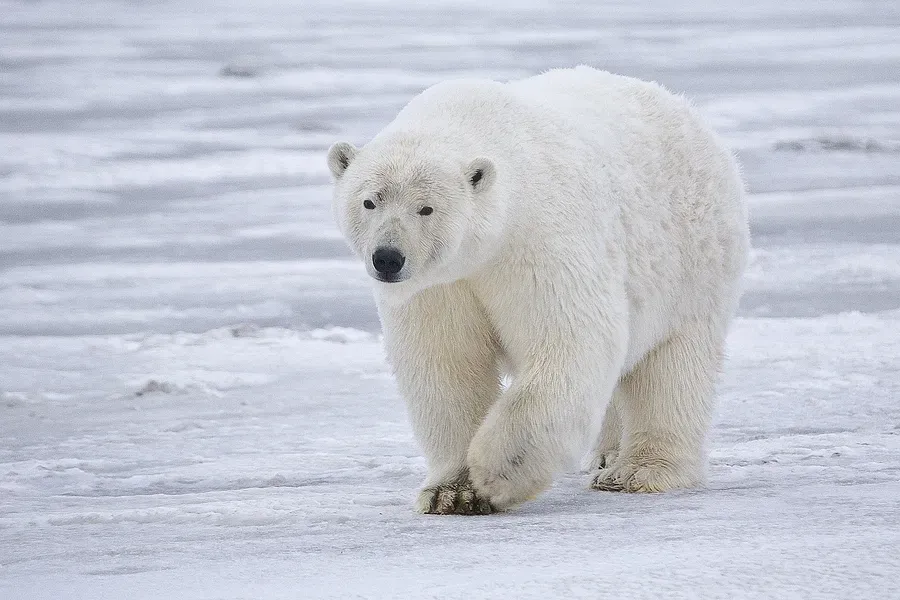
There’s a common misconception that polar bear fur is simply “really thick.” The reality is far more sophisticated. Polar bears are the largest land carnivores in the world, and they have thick white fur that provides both insulation against extreme cold and camouflage in the snow, while underneath that fur their black skin absorbs heat from the sun, backed by a thick layer of blubber. That blubber layer can be up to around 4.5 inches thick, helping polar bears maintain a stable body temperature even at minus 50 degrees Fahrenheit.
Arctic foxes take a similarly dramatic approach to dressing for the occasion. Arctic foxes can thrive in temperatures as low as minus 70 degrees Celsius without even shivering, relying on dense winter fur that is roughly 200 times thicker than their summer coat, with fur on their paw pads for traction, and a compact body shape with small ears and a short muzzle to minimize heat loss. Mountain goats similarly grow very heavy wool undercoats and hollow hairs that keep air trapped close to the body, keeping both cold and wetness out. Think of hollow hairs as nature’s version of a down jacket, full of tiny air pockets that trap warmth at the skin level.
Hibernation and Metabolic Slowdown: The Art of Doing Almost Nothing to Stay Alive
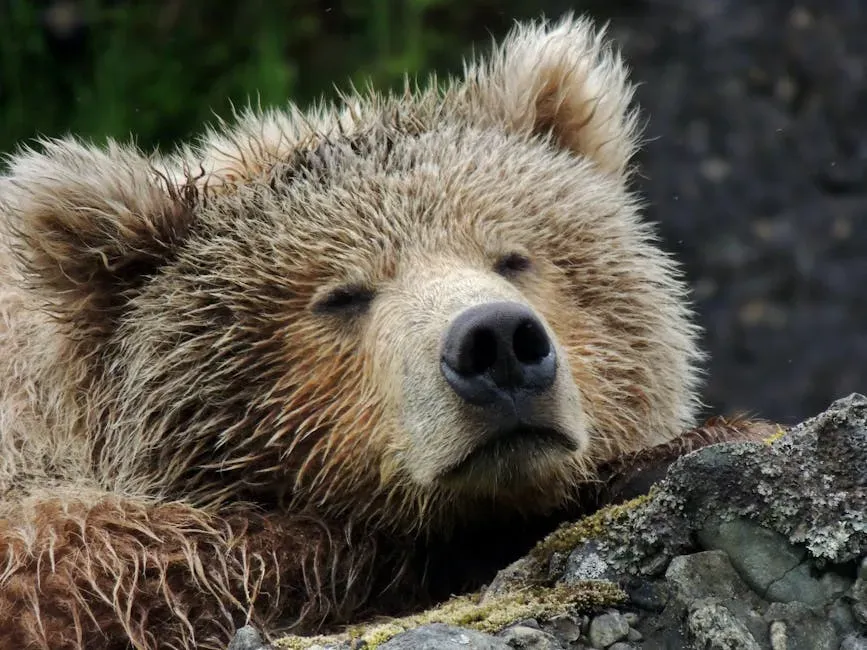
Sometimes the smartest survival strategy isn’t to fight the cold at all. It’s to simply disappear from it for months at a time. Some polar animals survive the winter by hibernating, and this is more than just sleeping: the animal’s breathing rate, body temperature, and heart rate become much lower than normal. Think of it as putting your entire body into airplane mode.
Hibernation or dormancy is where animals become inactive to survive harsh winter conditions when food is often scarce, entering a dormant state that lowers their metabolism to conserve energy, with heart rate and breathing slowing dramatically and body temperature dropping to just a few degrees above the ambient temperature. It’s hard to say for sure which is more fascinating, the animals that fight the cold head-on or the ones that simply opt out of it entirely. True hibernators like Columbian ground squirrels and marmots experience an extreme body temperature drop from around 90 degrees Fahrenheit normally to roughly 39 degrees Fahrenheit while hibernating, breathing only once every four to six minutes. The energy efficiency of that process is something human engineers can only dream about replicating.
Conclusion
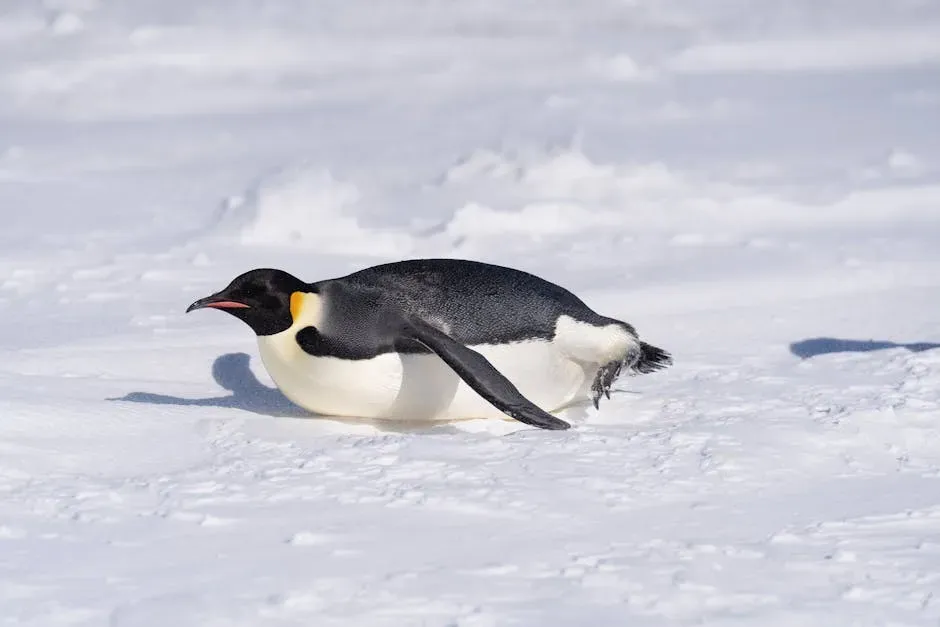
What ties all seven of these adaptations together is a shared theme: life is extraordinarily stubborn. Whether it is a penguin recycling its own body heat, a fish running molecular antifreeze through its blood, or a frog that literally freezes solid and wakes up unharmed, nature has found a way. Every animal living in the most extreme polar environments has evolved in particular ways to thrive there, and their ability to endure is constantly expanding our understanding of life, its limitations, and its incredible capacity to flourish in even the most forbidding places.
These are not small victories. They are millions of years of evolutionary problem-solving compressed into feathers, fat, and frozen blood. Wildlife have lived through extreme weather conditions for hundreds of thousands of years, evolving both behavioral and physical adaptations to survive. Next time you shiver reaching for your coat on a cold morning, spare a thought for the wood frog buried under ice somewhere in Alaska, calmly waiting for spring. What adaptation surprises you the most? Let us know in the comments below.