
Ever wonder how humans manage to survive at the top of Everest or in scorching deserts where temperatures can melt the soles of your shoes? Our bodies are way more resourceful than we give them credit for. When you think about it, we’re these soft, relatively fragile creatures with no fur, no thick blubber, no built-in antifreeze in our blood. Yet somehow, we’ve managed to inhabit practically every corner of this planet.
The truth is, your body has a secret arsenal of adaptations that kick into gear when the environment gets hostile. These aren’t things you consciously control or even notice most of the time. They happen quietly, behind the scenes, reshaping your blood, your breathing, even the way your cells function. Some of these changes take just hours, others need weeks, but all of them are working to keep you alive when nature turns up the dial to extreme.
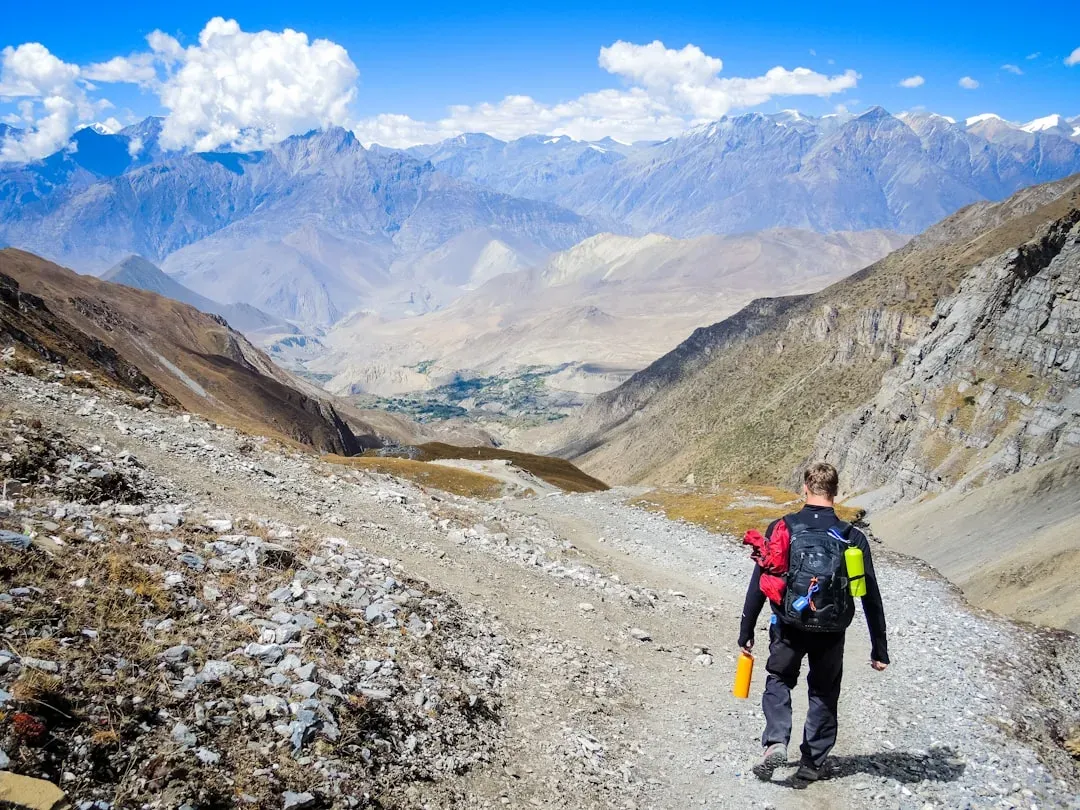
Your Blood Transforms at High Altitude
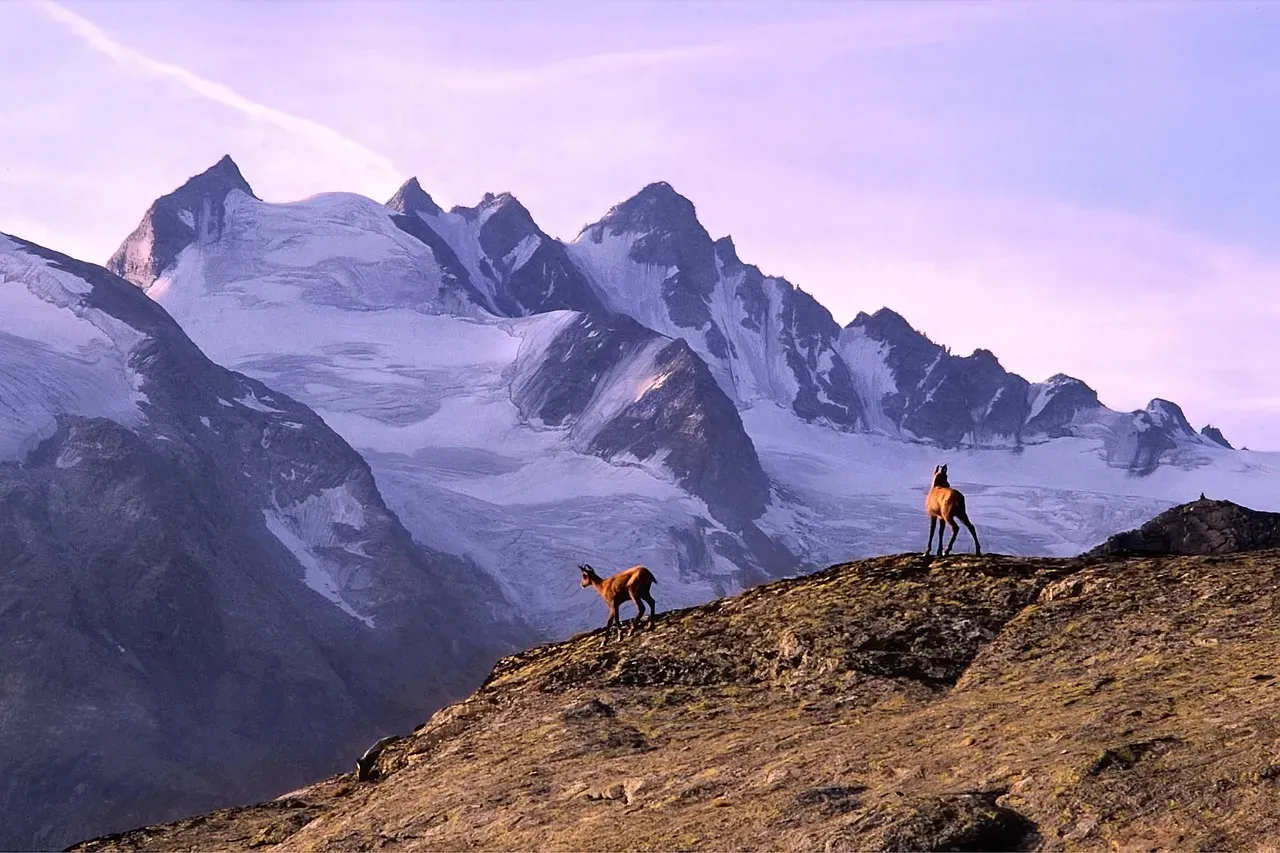
When you first arrive at high altitude, your body immediately senses the lack of oxygen through specialized sensors called carotid bodies, which triggers an increase in breathing depth and rate. It’s an uncomfortable feeling at first. You might get dizzy, nauseous, maybe a pounding headache that won’t quit.
What’s really fascinating is what happens next. Full acclimatization requires days or even weeks, during which the body compensates for respiratory alkalosis by renal excretion of bicarbonate, allowing adequate respiration to provide oxygen without risking alkalosis, taking about four days at any given altitude. The main adaptation is increased levels of circulating red blood cells, which improve the carrying capacity of oxygen by hemoglobin, an adaptive response due to erythropoietin secretions in the kidneys that act on the liver to increase erythrocyte production. Your blood literally thickens with more oxygen-carrying cells. Think of it like adding more delivery trucks to handle increased demand.
Sweating Becomes Your Superpower in Extreme Heat

The three classic signs of heat acclimatization are lower heart rate, lower core temperature and higher sweat rate during exercise-heat stress. Sounds counterintuitive, right? But sweating more is actually a good thing when you’re dealing with brutal heat.
Here’s what happens. Skin temperatures are often lower and sweating starts earlier and at a lower core temperature after heat acclimatization, and the sweat glands become resistant to fatigue so that higher sweat rates can be sustained, particularly in high humidity climates. Your body basically becomes a more efficient cooling machine. Humid heat poses a far greater threat than dry heat; humans cannot carry out physical outdoor activities at any temperature above 32°C when the ambient humidity is greater than 95%, and the theoretical limit to human survival in the shade, even with unlimited water, is 35°C. Let’s be real, those are terrifying numbers. Humidity isn’t just uncomfortable; it can be deadly because it prevents sweat from evaporating.
Your Metabolism Shifts in Freezing Temperatures
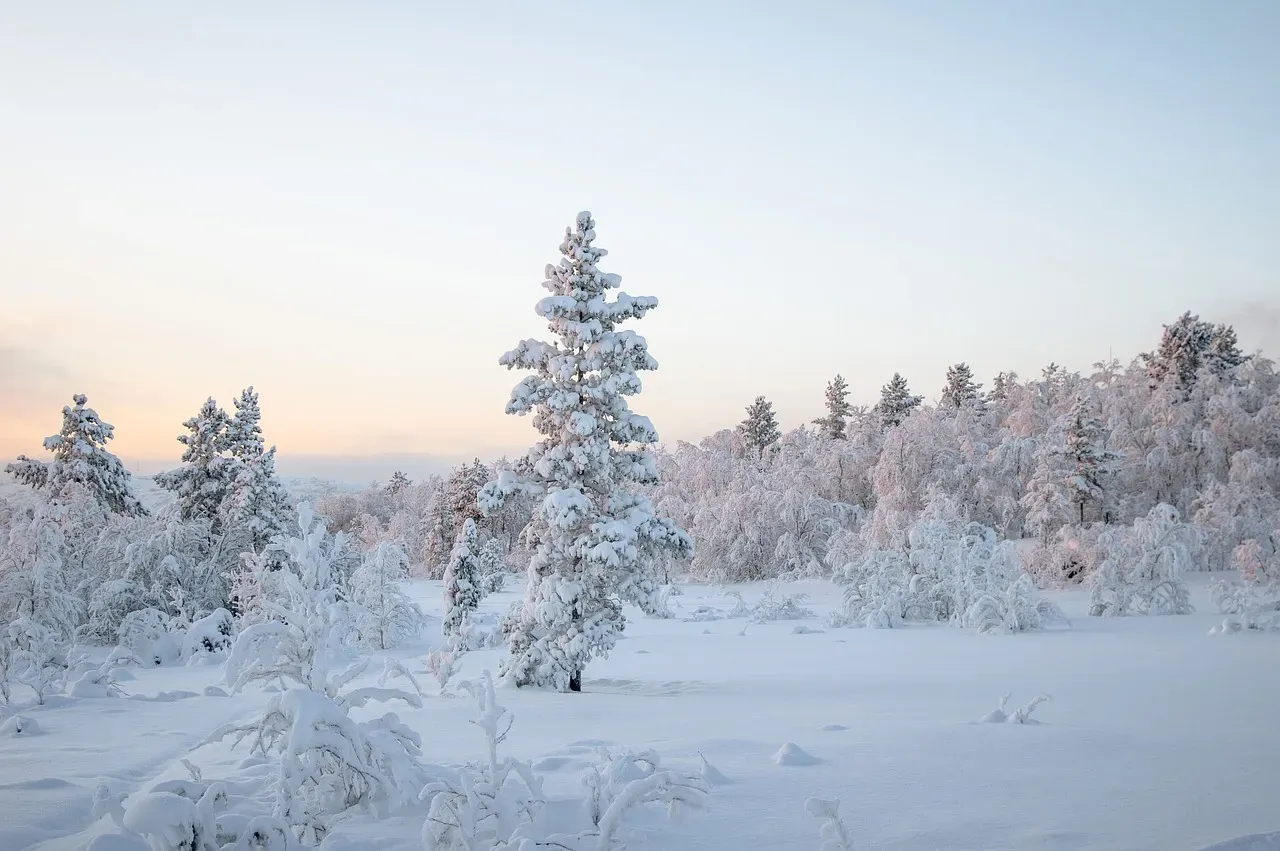
When you’re exposed to cold, something remarkable happens beneath your skin. The decrease in peripheral blood flow reduces convective heat transfer between the body’s core and shell, increases insulation, and becomes maximal when skin temperature is about 89°F or less, so central core temperature defense occurs at the expense of a decline in skin temperature. Basically, your body sacrifices your fingers and toes to protect your vital organs.
Human cold adaptation in the form of increased metabolism and insulation seems to have occurred during recent evolution in populations, but cannot be developed during a lifetime in cold conditions as encountered in temperate and arctic regions. This means that while populations living in arctic regions for generations may have some genetic advantages, you can’t just train yourself to become cold-resistant like you can with heat or altitude. The body can adapt to working long hours in the cold, as seen with Eskimos and fishermen, with higher metabolic rates in indigenous people due to their high protein diets allowing for more heat production. Still, without proper clothing and shelter, even the toughest individuals face severe limits.
Diving Deep Reshapes Your Entire Cardiovascular System
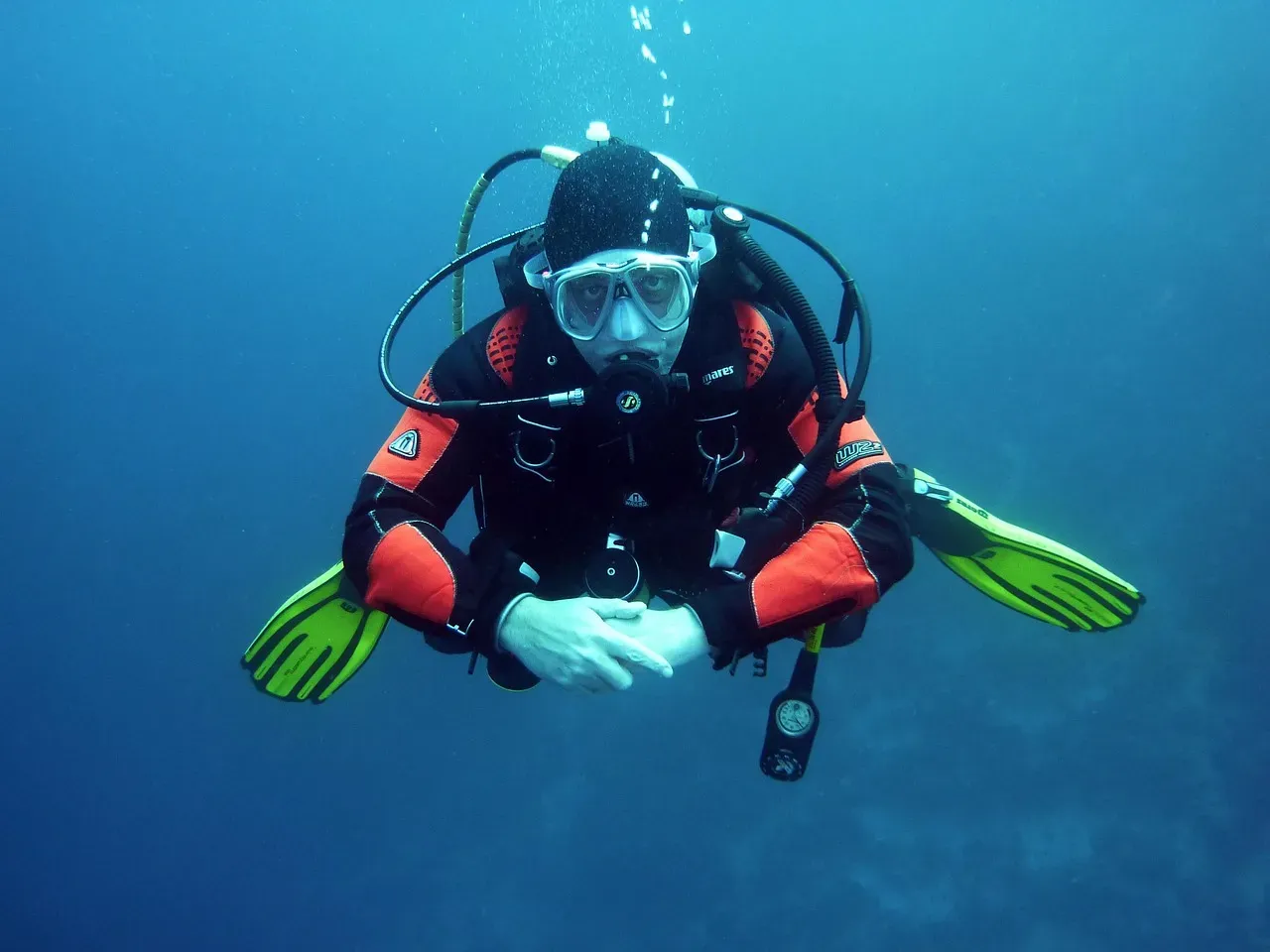
The Sea Nomads of Southeast Asia have built a culture around breath-hold diving, frequently necessitating diving to depths of over 100 ft for periods of several minutes. These aren’t superhuman beings; they’re regular people whose bodies have undergone some pretty wild adaptations.
The large spleens observed in the Bajau divers present a unique example of selection acting to produce a novel adaptation that enhances functionality. The spleen acts like an oxygen reserve tank, storing extra red blood cells that get released during a dive. Oxygen storage capacity is greater than that of terrestrial mammals, with more blood volume per body mass, greater numbers of red cells per blood volume, and muscle myoglobin up to twenty times more concentrated than in terrestrial mammals. It’s hard to say for sure, but these kinds of adaptations might represent some of the most extreme examples of human physiological flexibility.
Your Body Learns to Ignore Hunger and Sleep Less at Altitude
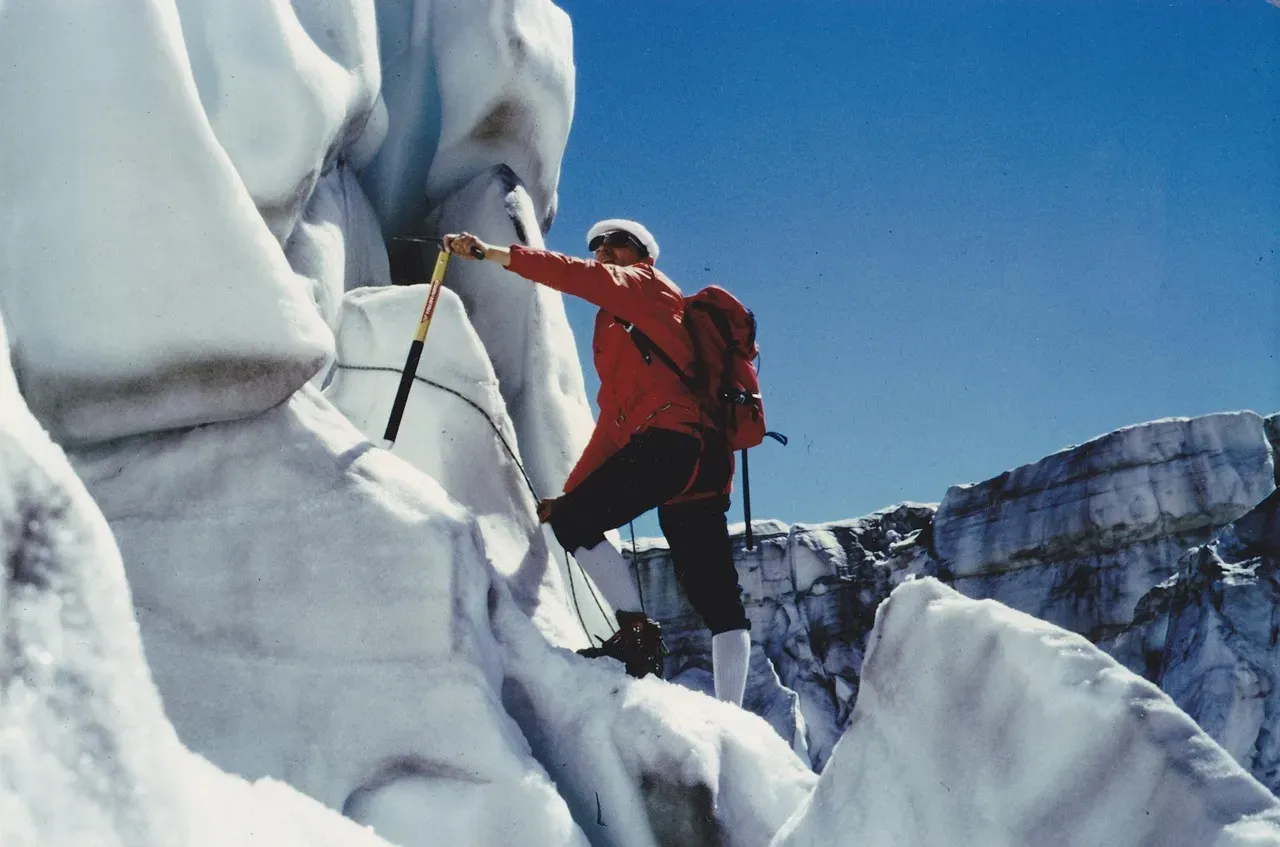
Altitude exposure usually leads to significant weight losses in nonacclimatized individuals, attributed to the novelty of the environment, the effects of altitude-related illnesses, and various other factors. You’d think you’d be ravenous after all that extra breathing work, but the opposite happens. Many climbers report losing their appetite entirely at extreme elevations.
Sleep becomes a nightmare too. At very high and extreme altitudes, sleep arousals of up to 30 to 40 per night can occur, probably caused by increased episodes of periodic breathing, with a concurrent 50 percent reduction in total sleep time and a fivefold reduction in the REM sleep stage. You wake up constantly, gasping for air, your brain panicking because it thinks you’re suffocating. Above 5500 m, weight loss owing to catabolic loss of fat and lean body mass is inevitable, with intestinal malabsorption, impaired renal function, polycythemia leading to microcirculatory sludging, right ventricular strain, fragmented sleep, and prolonged cerebral hypoxia all combining to limit the human body’s ability to adapt. There’s a reason mountaineers call the zone above roughly 8000 meters the “death zone.”
Pressure at Depth Forces Your Cells to Evolve on the Fly
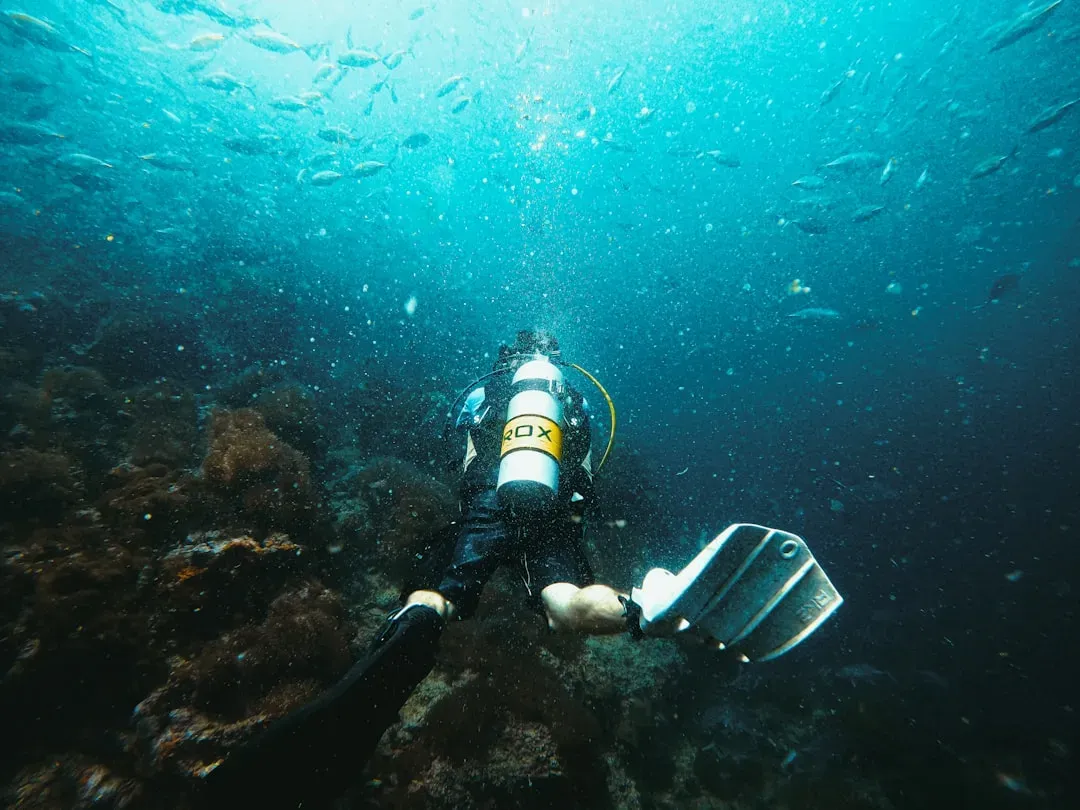
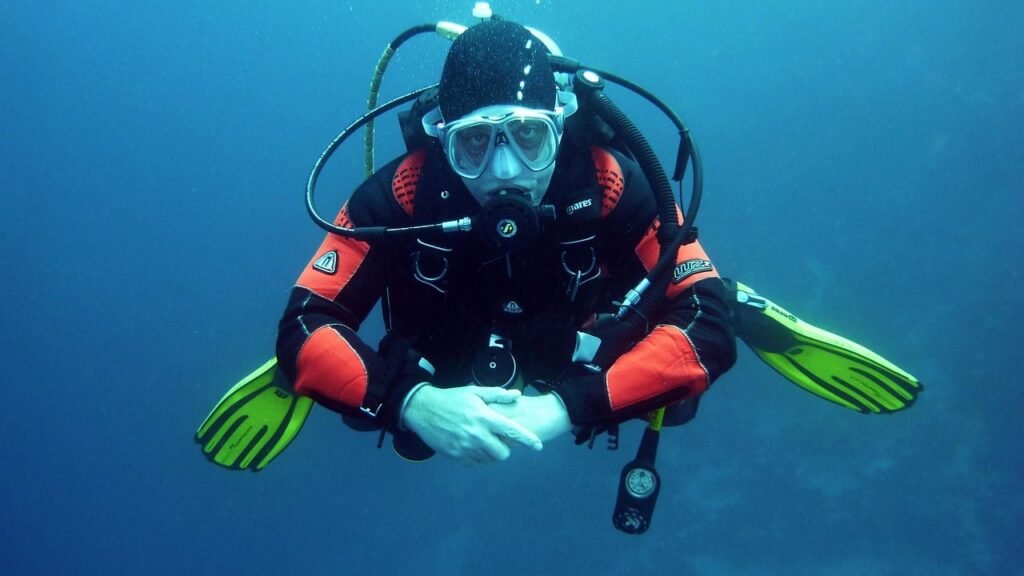
Pressure in the deep sea is up to 1,000 times higher than what we experience at the surface, the equivalent of an elephant standing on your thumb. That’s an absurd amount of force. Yet humans have managed to dive to depths that would crush most organisms.
A descent of 10 metres in water increases the ambient pressure by an amount approximately equal to the pressure of the atmosphere at sea level, so a descent from the surface to 10 metres underwater results in a doubling of the pressure on the diver. Your body has to deal with air spaces compressing, nitrogen dissolving into your blood, and the risk of decompression sickness if you ascend too quickly. If we come up from a dive too quickly, the natural off-gassing mechanisms are overloaded, and dissolved gas comes out of solution too fast, forming bubbles that can cause decompression sickness. It’s like shaking a soda bottle and then opening it. The results can be catastrophic: joint pain, nerve damage, even death.
Conclusion
Your body is an adaptation machine, constantly recalibrating itself to whatever extreme environment you throw at it. From thickening your blood on mountains to supercharging your sweat glands in deserts, these changes happen whether you’re aware of them or not. Some happen in hours, others take weeks, and a few require generations of evolution.
The limits are real though. Beyond certain thresholds, technology and culture become necessary. No amount of acclimatization will save you in the death zone of Everest or the crushing pressures of the deep ocean without proper equipment. Still, it’s kind of incredible what we’re capable of, isn’t it? Next time you’re gasping for air on a mountain trail or sweating through your shirt in the summer heat, remember: your body is working overtime behind the scenes, quietly reshaping itself to keep you alive. What’s your take on it – ever experienced any of these adaptations yourself?