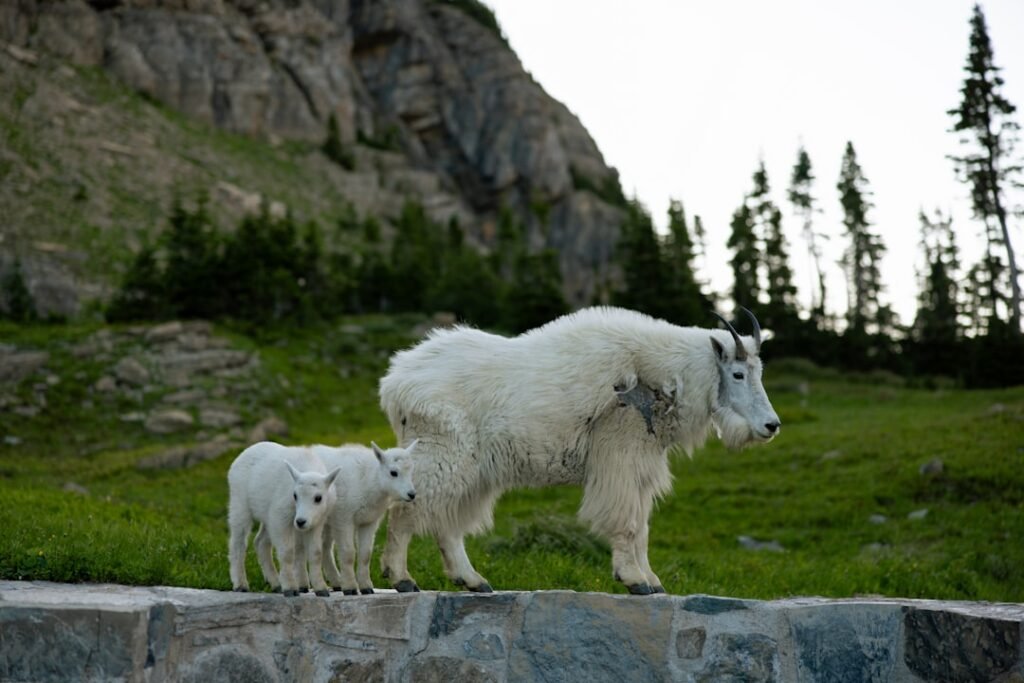

Picture this. Sheer rock cliffs stretching thousands of feet into the sky, alpine meadows kissed by snow, and somewhere up there, perched impossibly on a narrow ledge, a brilliant white creature with jet black horns watches the world below. You’re looking at one of North America’s most remarkable alpine athletes, the mountain goat. While these animals might look like they belong in the high peaks of Asia, they’re actually native to just a handful of states in the Pacific Northwest and northern Rockies. Their populations aren’t evenly spread, though. Some states host thriving herds while others have just a few scattered groups clinging to remote ridges.
So where exactly can you find the largest populations of these sure-footed climbers? The answer might surprise you. Let’s venture into the high country and discover which six states claim the biggest mountain goat populations in America.
Alaska: The Northern Stronghold
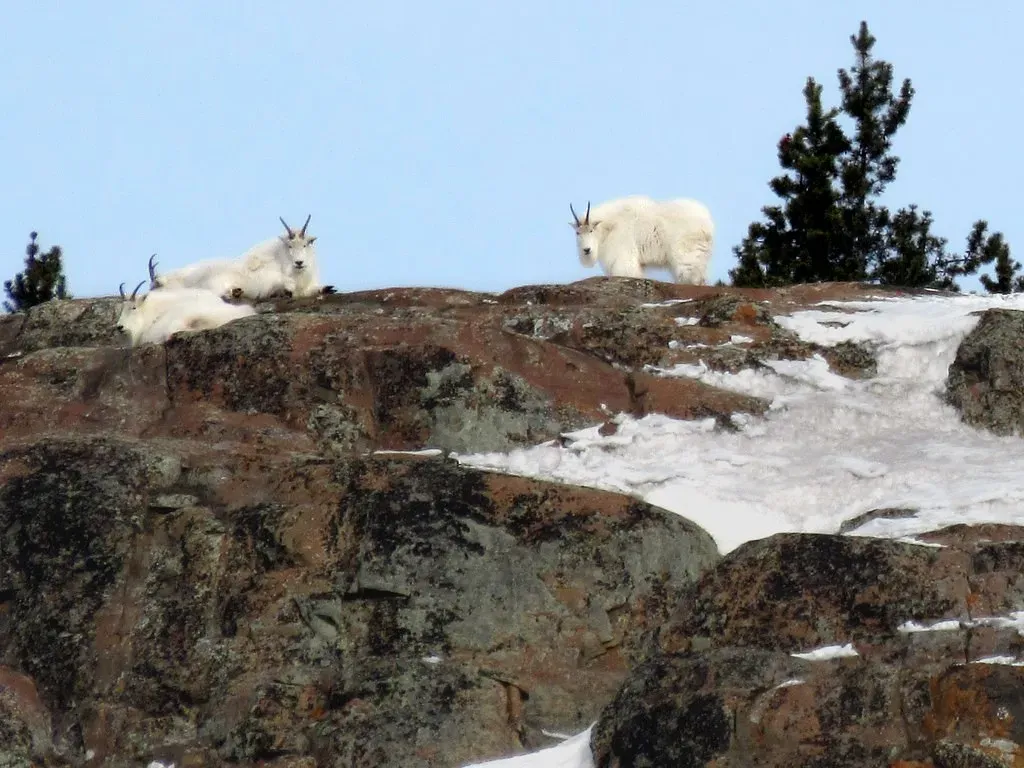
Alaska holds an estimated population of up to 33,500 mountain goats, making it one of the most significant strongholds for the species in the United States. These animals occur throughout the southeast Panhandle with their range continuing north and west along the coastal mountains to Cook Inlet. The sheer vastness of Alaska’s wilderness provides mountain goats with relatively undisturbed habitat where they can thrive without much human interference.
Mountain goats in Alaska inhabit the Chugach and Wrangell mountains, although small numbers of goats have been documented in the Talkeetna Mountains. Here’s what makes Alaska special for these animals. The coastal mountains create a unique maritime climate that actually supports mountain goat populations better than you might expect. Mountain goats are more tolerant of the wetter coastal climates than many other alpine species, which gives them an advantage in southeast Alaska’s famously rainy environment.
Mountain goats have also been introduced to non-native range on Kodiak and Baranof Islands where populations have expanded. These island populations have done remarkably well, adding to the state’s overall numbers. The biggest challenge for Alaska’s mountain goat populations isn’t predators or weather, it’s actually helicopter tourism and industrial disturbance in their remote habitats.
Montana: Where Native Herds Roam
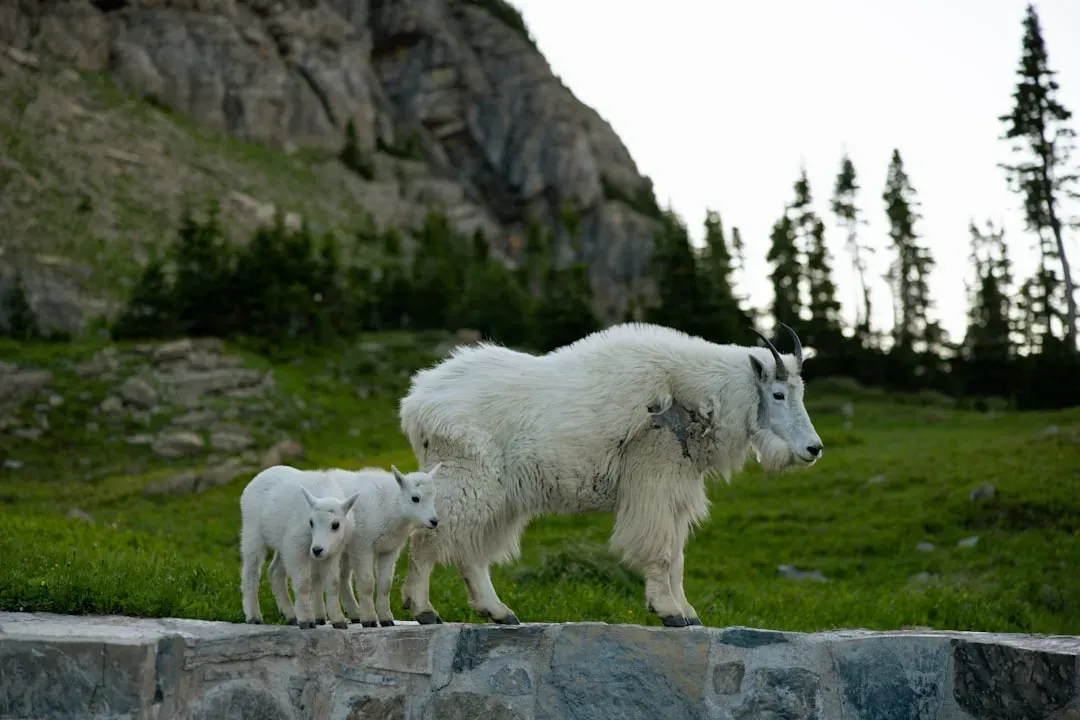
Montana represents the heart of native mountain goat country in the lower United States. Glacier National Park has one of the largest populations of mountain goats in the lower 48 states, and the state’s rugged western terrain provides ideal habitat for these animals. From the Cabinet Mountains in the northwest to the Absaroka Range in the south, Montana’s mountain goats occupy some of the most spectacular alpine habitat in North America.
Mountain goats inhabit the steep, rugged mountains throughout Montana, with native populations in the western region and introduced populations in the eastern region. The distinction matters because native populations tend to be better adapted to local conditions. Montana’s mountain goat populations face challenges from climate change, with Glacier experiencing warming three times the global average at higher elevations, which could dramatically affect suitable habitat in coming decades.
What’s fascinating about Montana is the diversity of its mountain goat habitat. Some herds live near the Canadian border in areas that receive massive snowfall, while others inhabit drier, more continental ranges. The state has maintained relatively stable populations through careful management, though biologists keep a watchful eye on herd health and recruitment rates.
Washington: Cascade Range Populations
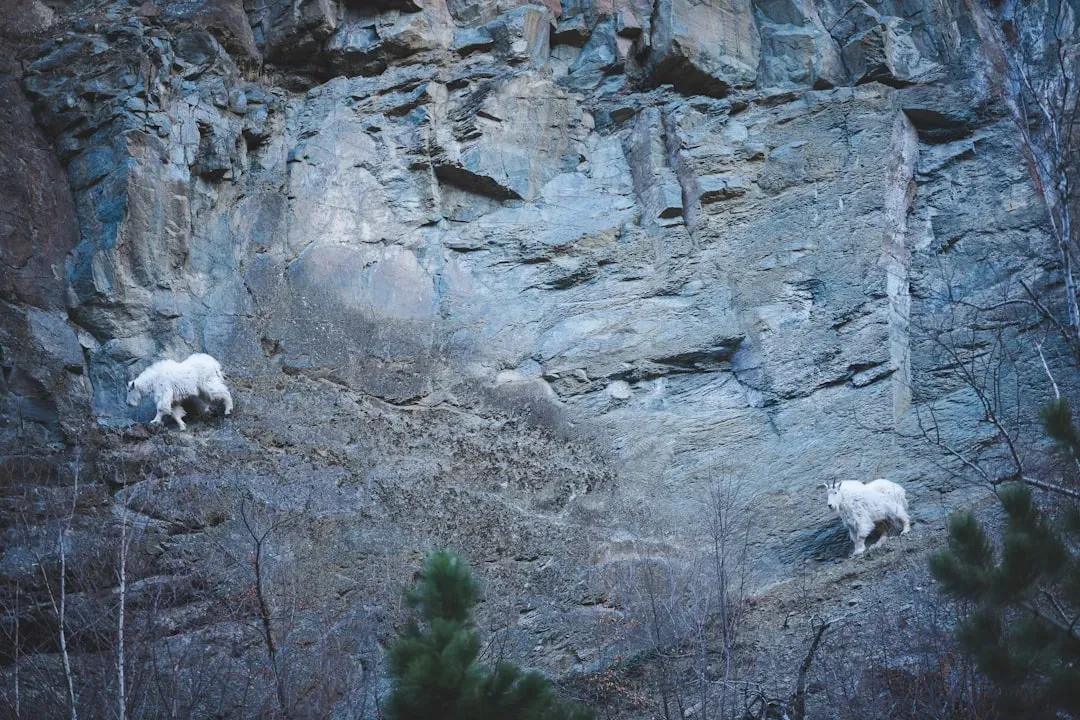
Washington’s most recent statewide estimate of mountain goats was approximately 2,800 to 3,200 animals as of 2012. The state’s mountain goat story is actually quite complex. Native populations exist in the North Cascades, but mountain goats were introduced in the 1920s into Washington’s Olympic Mountains, where they eventually became problematic. From 2018 to 2022, hundreds of mountain goats were relocated from Olympic National Park back to the North Cascades.
Mountain goat populations in the North Cascades have been declining since around 2016, likely due to more severe winters and especially winters that are preceded by severe drought. Climate change impacts alpine environments faster than other ecosystems, and Washington’s mountain goats are feeling the effects. Still, certain populations remain stable or even growing, particularly in remote wilderness areas far from human disturbance.
Washington’s mountains include the Blue Mountains, Mount Rainier, Mount Baker, Mount Adams, and Glacier Peak, with mountain goats traversing the Blue Mountains in the southeastern region. The translocation effort from the Olympics has actually helped boost genetic diversity in the North Cascades herds, which might prove crucial for long-term population health.
Idaho: Rugged Mountain Sanctuaries
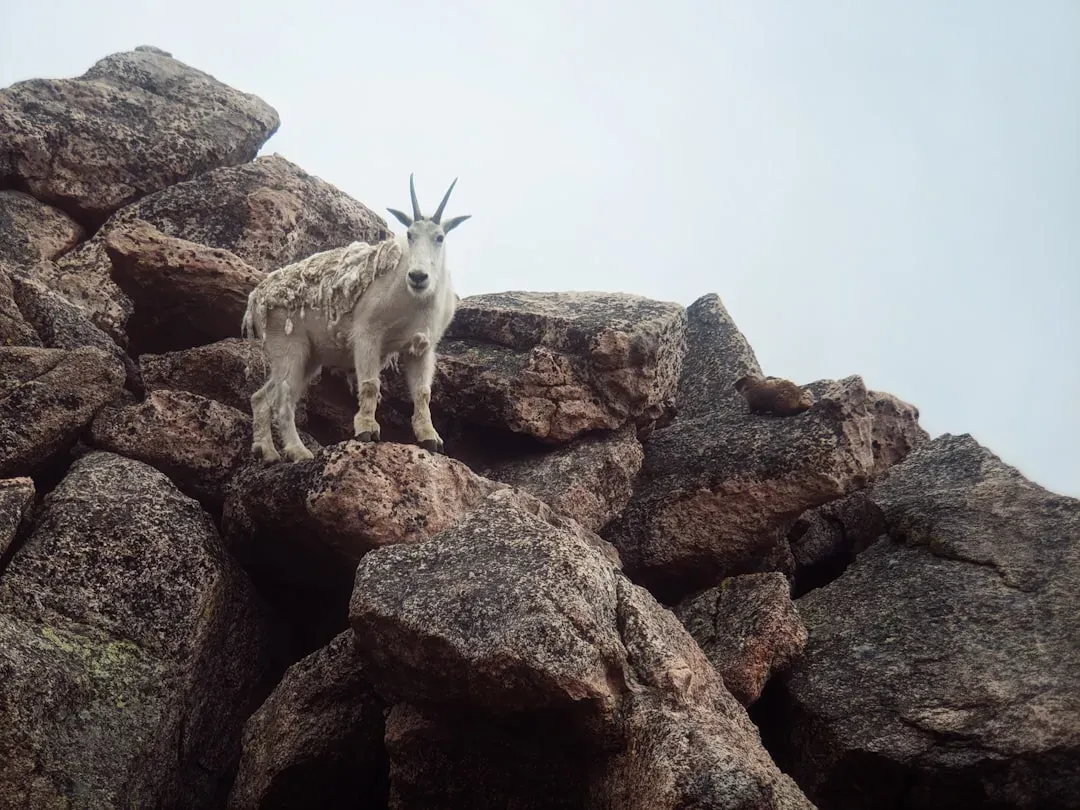
Idaho’s mountain goat population presents an interesting case study in alpine wildlife management. Idaho’s mountain goat population has declined from a high of 3,000 in 1995 to around 2,400, though more recent data suggests some populations have stabilized or even recovered. Mountain goats are native to Idaho and have been observed in 18 counties throughout the state, particularly in the northern panhandle region and central mountains.
Idaho’s Sawtooth herd is the state’s largest, with more than 500 mountain goats recorded during the most recent survey in 2019. This population alone accounts for a significant portion of the state’s total. Because Idaho has little alpine habitat, most mountain goat herds occur in subalpine habitats near treeline at elevations ranging from 7,000 to 10,000 feet. This makes them slightly more vulnerable to habitat changes than populations in states with more extensive alpine zones.
The Seven Devils area in Idaho represents one of the state’s most robust mountain goat populations. Human recreation pressures continue to increase in Idaho’s backcountry, which poses challenges for mountain goat management. Educating hikers and backcountry users about maintaining distance from wildlife has become essential for population conservation.
Colorado: An Introduced Success Story
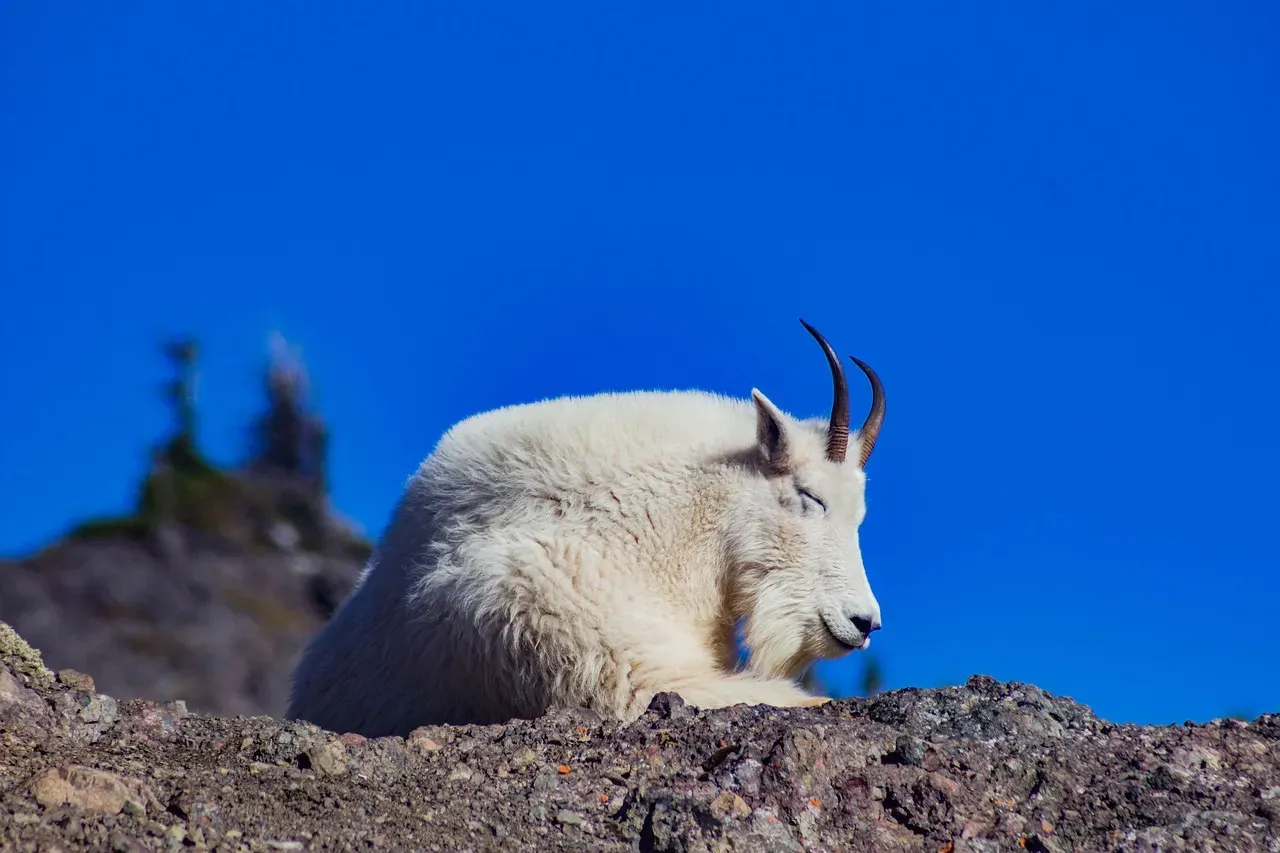
Here’s something most people don’t realize about Colorado’s mountain goats: they’re not native. Mountain goats were first introduced to Colorado from Montana in 1947, with the last introduction occurring in 1972. Despite this relatively recent arrival, Colorado’s populations have expanded dramatically across the state’s high country, from the Sawatch Range to the San Juan Mountains.
The Colorado Division of Wildlife introduced mountain goats to improve hunting opportunities and to provide a revenue stream from hunting licenses, which cost hundreds or even thousands of dollars depending on residency status. The introduction has been wildly successful from a population standpoint, though it’s created some controversy. As mountain goat numbers have grown, bighorn sheep numbers have declined, raising questions about competition between the two species.
Colorado’s high peaks provide spectacular habitat for mountain goats. Some populations live above 13,000 feet for much of the year, making them among the highest-elevation large mammals in North America. The state now hosts thriving populations in numerous mountain ranges, and mountain goat sightings have become relatively common for hikers exploring Colorado’s fourteeners.
Oregon: Small But Healthy Herds
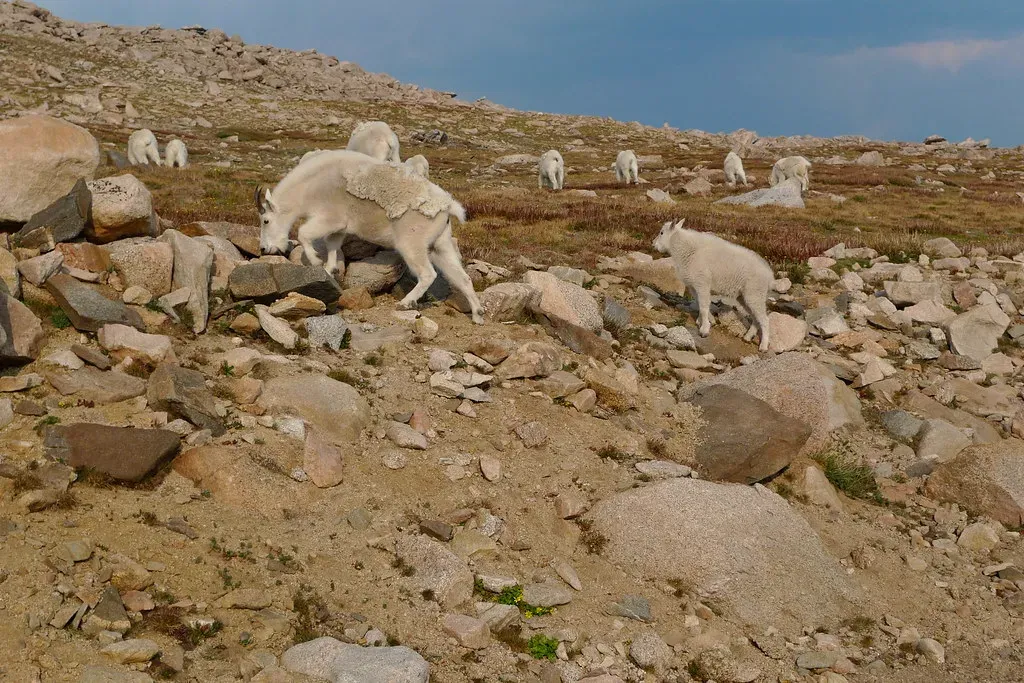
Mountain goats in Oregon are considered the rarest game animal found in the state, with Oregon only making 25 mountain goat tags available each year. The populations are small but carefully managed, concentrated primarily in the Wallowa, Strawberry, and Elkhorn Mountains. What Oregon lacks in total numbers, it makes up for in the quality of its mountain goat habitat and trophy potential.
Oregon’s mountain goat populations are primarily introduced rather than native, though they’ve adapted remarkably well to the state’s terrain. The Elkhorn Mountains in particular have developed a reputation for producing large billies with impressive horn growth. The limited hunting opportunity reflects the conservative management approach Oregon takes with its mountain goat herds.
Harvest success for all Oregon mountain goat hunts typically runs near 100%, which speaks to both the quality of the habitat and the dedication of hunters who draw these coveted tags. The state continues to monitor populations closely, adjusting harvest levels to ensure long-term sustainability. For wildlife enthusiasts willing to venture into Oregon’s remote high country, spotting mountain goats remains a genuine wilderness experience.
Conclusion
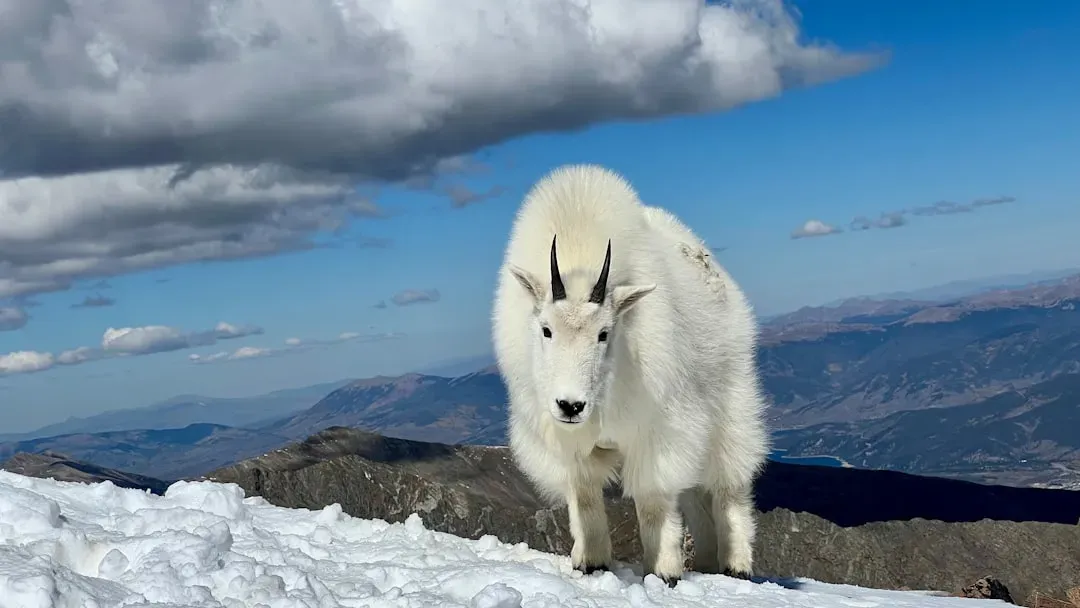
From Alaska’s coastal mountains to Oregon’s remote peaks, mountain goats represent one of North America’s most successful alpine specialists. The six states we’ve explored each play a crucial role in conserving these remarkable animals. Alaska holds the largest population by far, while states like Montana and Washington maintain critical native populations. Idaho and Colorado show how careful management can sustain healthy herds, and Oregon proves that even small populations can thrive with proper conservation.
Climate change, recreational pressures, and habitat fragmentation pose ongoing challenges for mountain goat populations across all these states. Yet with continued monitoring, thoughtful management, and public education about alpine ecosystems, these white-coated climbers will hopefully continue gracing North America’s high peaks for generations to come. Have you ever had the chance to spot mountain goats in the wild? Let us know in the comments which state you’d most like to visit to see these incredible animals in their natural habitat.