

Space is supposed to be ruled by clear physical laws, yet the deeper we look, the stranger it gets. Telescopes keep sending back data that doesn’t always fit the neat equations in textbooks, and sometimes the universe behaves a bit like a mystery novel that refuses to be solved. The wild part is that many of the biggest puzzles are not on the edges of our imagination, but written directly into the structure of reality itself.
Over the last few decades, some of the most advanced observatories and satellites ever built have uncovered phenomena that don’t quite add up. Astronomers are not just dealing with tiny glitches, but with huge, universe‑shaping questions. Why is most of the universe made of something we can’t see? Why are there signals that appear out of nowhere, last milliseconds, and then vanish? Let’s walk through six of the weirdest cosmic mysteries that still refuse to fully cooperate with our theories.
1. Dark Matter: The Missing Mass Holding Galaxies Together
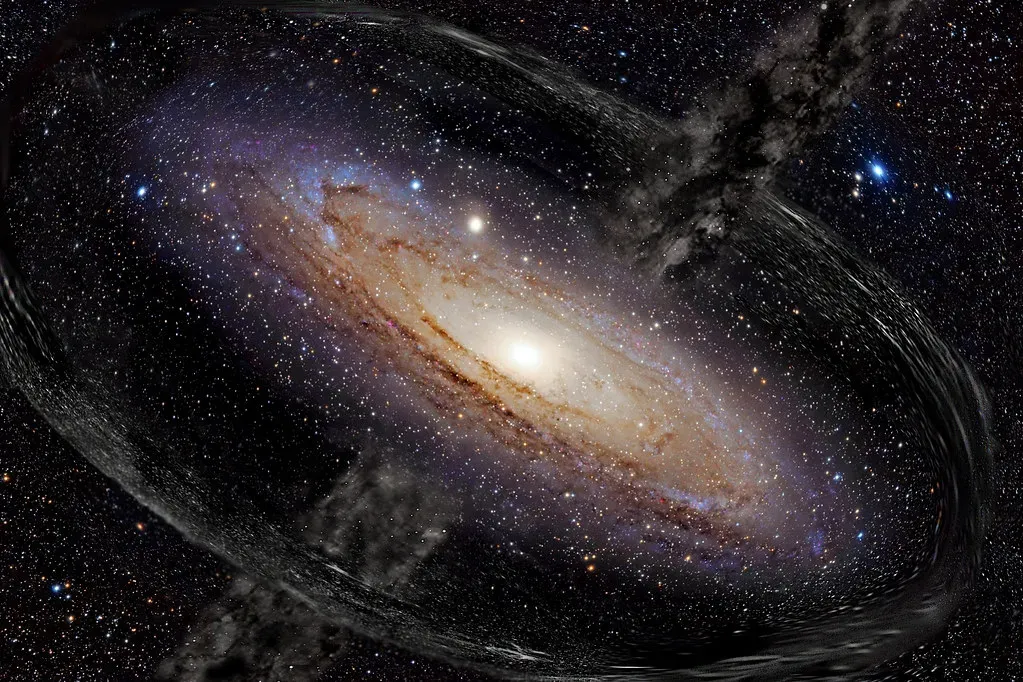
Imagine spinning a playground carousel faster and faster, and somehow all the kids stay on without flying off, even though there’s not enough weight or friction to explain it. That’s roughly the problem astronomers hit when they studied how galaxies rotate. When scientists measured how fast stars orbit around their galaxies, those stars were moving so quickly that, based on visible matter alone, the galaxies should’ve ripped themselves apart long ago.
To explain this, astronomers proposed that there must be extra mass we can’t see, now known as dark matter. This invisible stuff seems to make up the majority of matter in the universe, forming huge halos around galaxies and acting as cosmic glue. Yet no one has ever directly detected a dark matter particle in a lab, even though incredibly sensitive experiments underground and in space have been hunting for it. We see its gravitational effects everywhere, but what it actually is remains one of the most stubborn questions in modern science.
2. Dark Energy: The Force Behind the Accelerating Universe
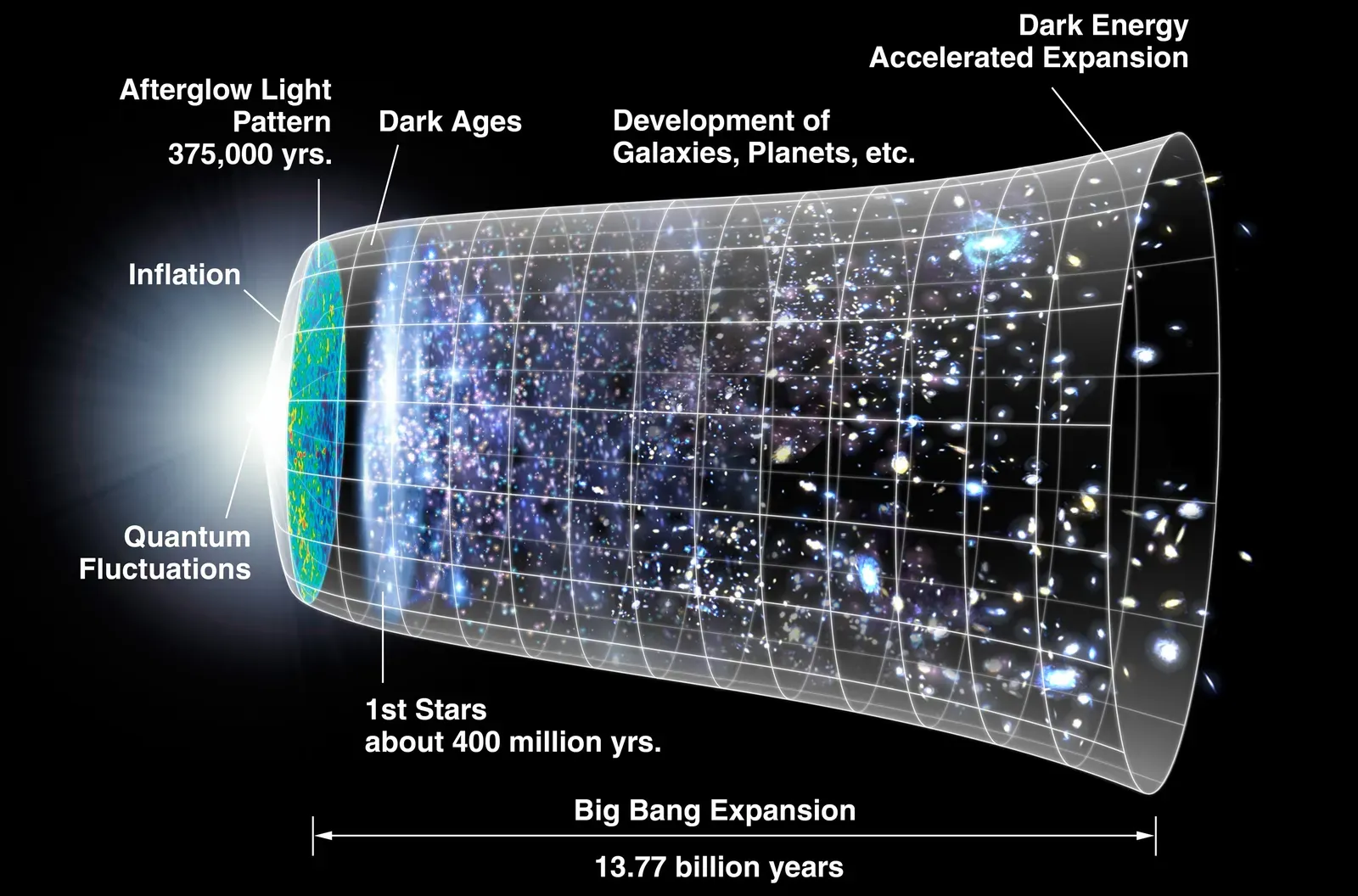
For a long time, many scientists assumed that the expansion of the universe, triggered by the Big Bang, would gradually slow down as gravity pulled everything back together. Then, in the late twentieth century, observations of distant exploding stars showed something almost offensive to common sense: the expansion of the universe isn’t slowing down, it’s speeding up. It’s as if someone pressed an invisible accelerator pedal on the cosmos.
To account for this, astronomers introduced the concept of dark energy, an unknown form of energy that seems to be built into the fabric of space itself. Dark energy appears to make up the largest share of the universe’s total content, outweighing both normal matter and dark matter combined. Yet we don’t know what it is, why it exists, or whether it’s truly constant over time. It might be a fundamental property of space, or a sign that our theory of gravity needs a dramatic upgrade, and right now, we simply don’t have a satisfying answer.
3. Fast Radio Bursts: Millisecond Signals from the Deep Unknown
Fast radio bursts, or FRBs, are like cosmic camera flashes that you only see after they’ve already happened. They’re incredibly bright pulses of radio waves that last just a few thousandths of a second, yet can release as much energy as the Sun outputs in days or even weeks. The first one was noticed in archival data almost by accident, and at first some astronomers thought it might be a glitch in the instruments.
Now we know these bursts are real and come from distant galaxies, but that only deepens the mystery. A few FRBs repeat, suggesting some sort of ongoing engine like a highly magnetized neutron star, while others fire only once and never show up again. Various models exist, from colliding stars to exotic magnetic processes, but no single explanation fits every observation. The sky is now being monitored constantly, new bursts are popping up all the time, and still, the universe is not yet giving up the full story of what’s causing these sudden shouts across space.
4. The Pioneer Anomaly: Spacecraft That Didn’t Quite Obey the Script
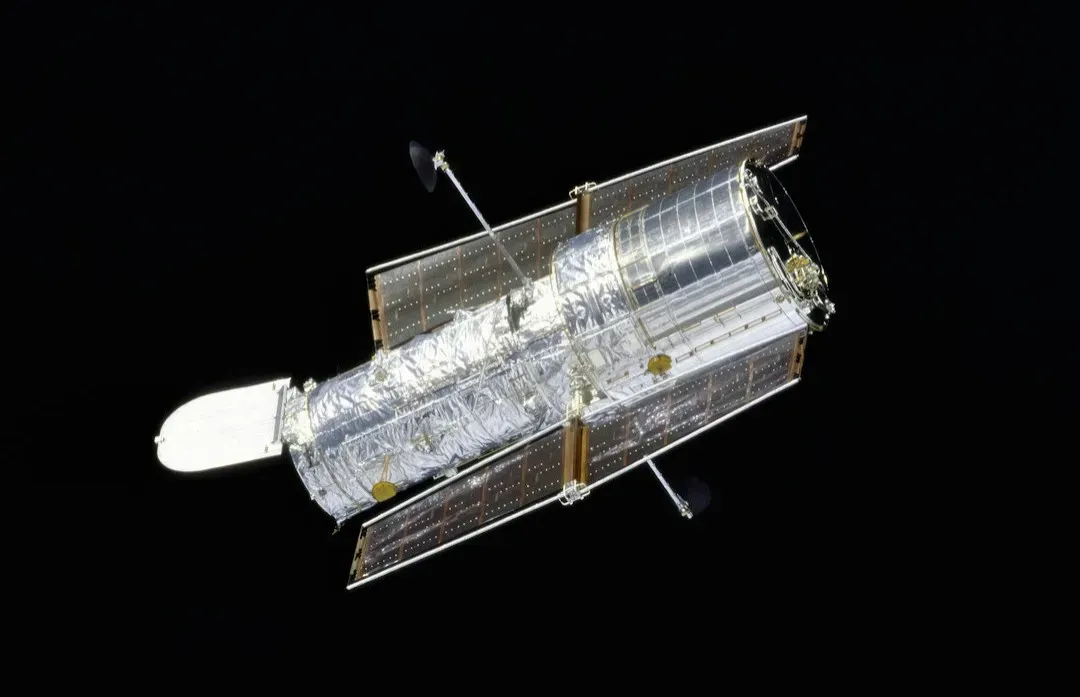
When the Pioneer 10 and Pioneer 11 spacecraft were launched in the 1970s to explore the outer solar system, no one expected them to become part of a physics puzzle. Decades into their journey, careful tracking revealed that both spacecraft were slowing down just a tiny bit more than predicted. The effect was small but persistent, like a faint tug in the wrong direction that refused to disappear in the data.
This odd behavior became known as the Pioneer anomaly, and for a while, people seriously wondered if it hinted at a subtle flaw in our understanding of gravity at large distances. Later analyses suggested that heat from the spacecraft, radiated unevenly from their components, might act like a weak thruster pushing them slightly. Even so, the debate that followed showed how fragile and complicated precise measurements in deep space can be. The episode still stands as a reminder that even familiar technology can surprise us when it’s flung into the enormous emptiness between the planets.
5. The Wow! Signal and Other Mysterious Radio Blips
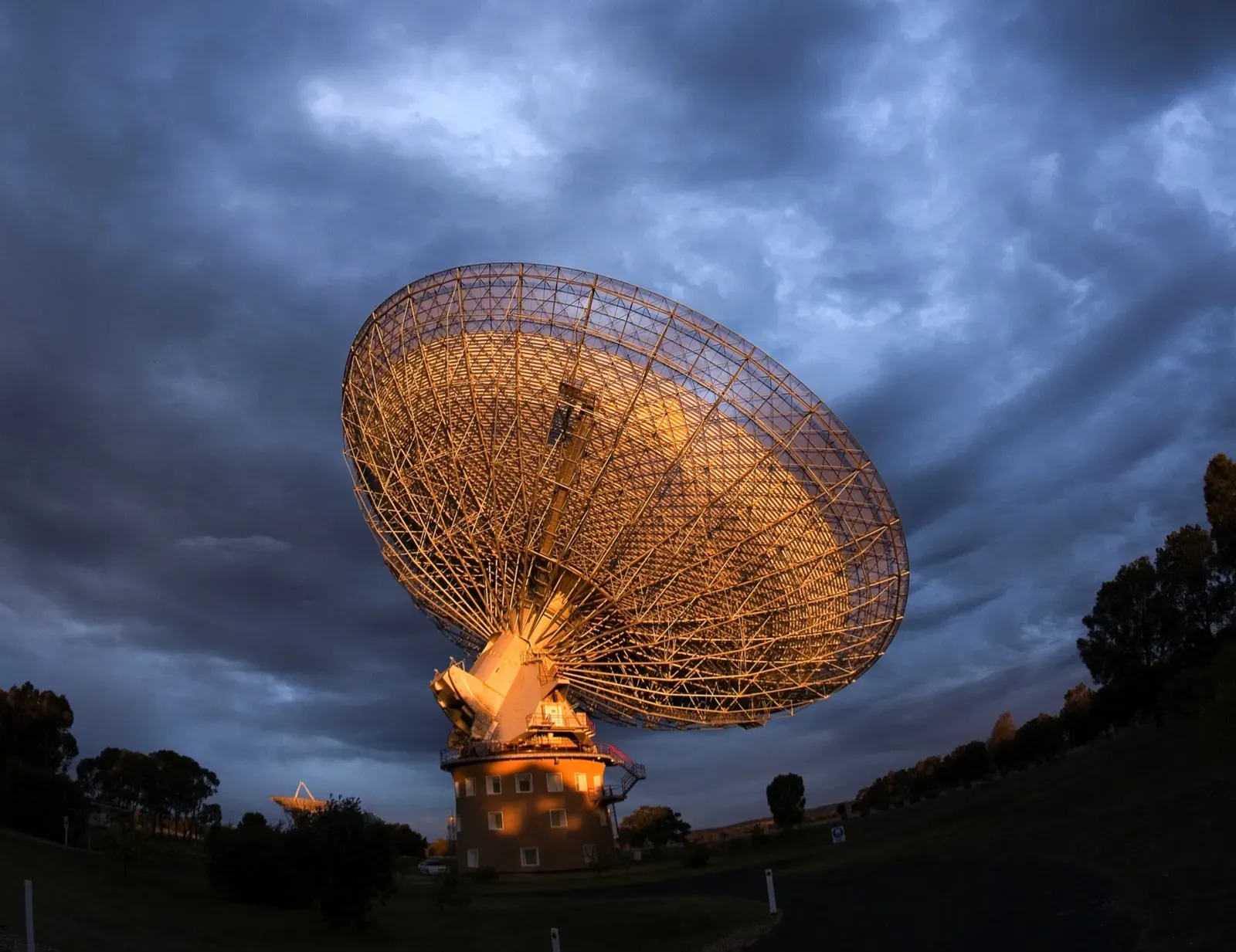
Every so often, the universe sends a radio signal that makes astronomers sit up a little straighter. One of the most famous cases is a strong, narrowband radio signal detected in the late twentieth century, which looked eerily like what you’d expect from an artificial transmission rather than a natural source. It lasted a bit over a minute and came from a region in the sky where no obvious source was found, then never repeated.
That single event sparked decades of debate, from speculative talk about alien civilizations to more sober ideas like rare natural emissions or unknown interference. Since then, other odd radio blips have come and gone, sometimes repeating, sometimes not, keeping the field of radio astronomy on edge. Despite better instruments and smarter data processing, no clear explanation has fully closed the case on all of them. The result is an uncomfortable tension: we’re catching whispers from the cosmos, but we still don’t know if they’re just nature’s weird background noise or something far more intentional.
6. The Matter–Antimatter Imbalance: Why Anything Exists at All
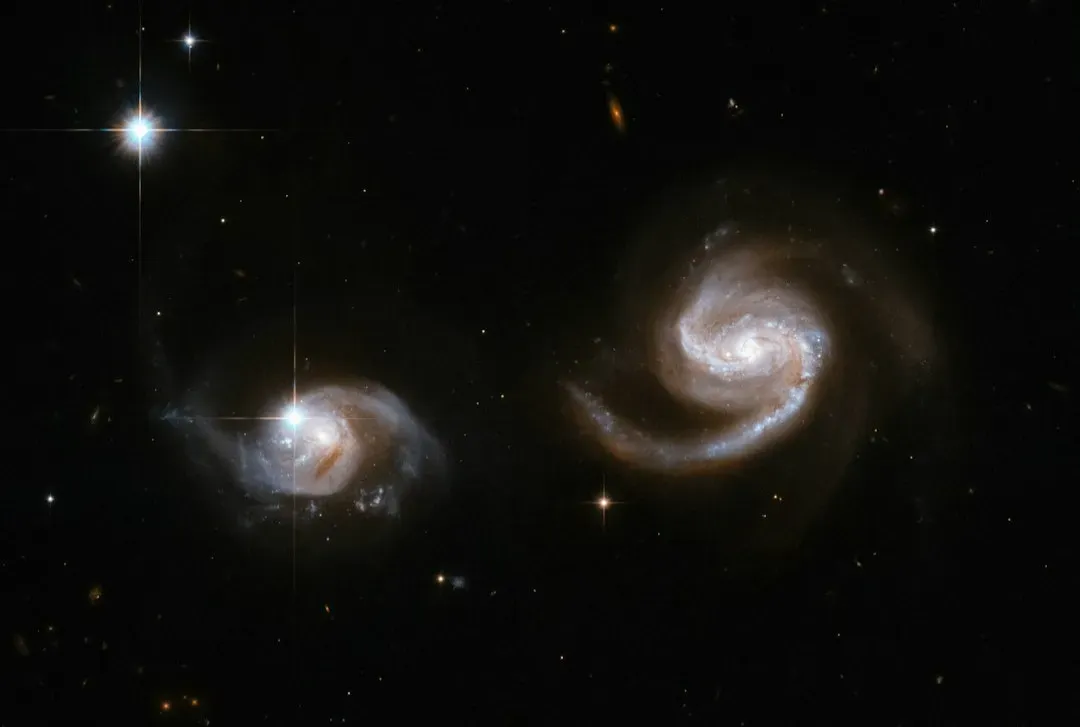
On paper, the universe should be much more boring than it is. According to current physics, the Big Bang ought to have produced matter and antimatter in almost perfect balance. When matter and antimatter meet, they annihilate each other, turning into pure energy, so if that symmetry had held, everything should’ve mostly canceled out. Instead, we live in a universe overwhelmingly dominated by matter, with only trace amounts of antimatter around.
Astronomers and particle physicists have been chasing tiny differences in how matter and antimatter behave, hoping to explain why matter won this cosmic coin toss. Experiments have found a few subtle asymmetries, hints that matter and antimatter don’t follow exactly the same rules, but those effects don’t seem large enough to account for the entire imbalance we observe. That leaves us with a quietly astonishing question hanging over every star, galaxy, and person: what early-universe process allowed matter to survive and build everything we see today?


