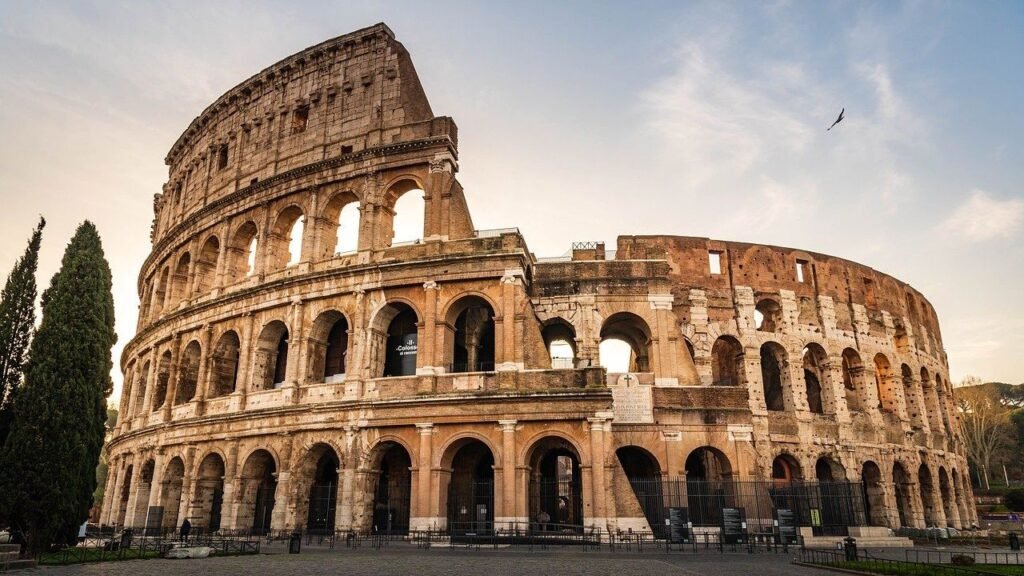

Stand in front of the Colosseum today and it almost feels unreal that this battered oval of stone once shook with the roar of tens of thousands of people. It’s easy to see it as just another famous ruin on a postcard, but in its time, the Colosseum was closer to a gigantic, high-tech entertainment complex than a simple arena. It broke records in engineering, logistics, and crowd control that would put many modern stadiums to shame.
What makes it truly fascinating, though, isn’t just its size or age. It’s the sheer ambition behind it: the Romans wanted to impress, intimidate, entertain, and control their people, all with one building. Every stone, every arch, every underground corridor had a purpose. When you zoom in on the details, you start to see why this place wasn’t just impressive for the ancient world – it was outright unique.
1. A Massive, Precision-Built Arena on an Almost Unthinkable Scale
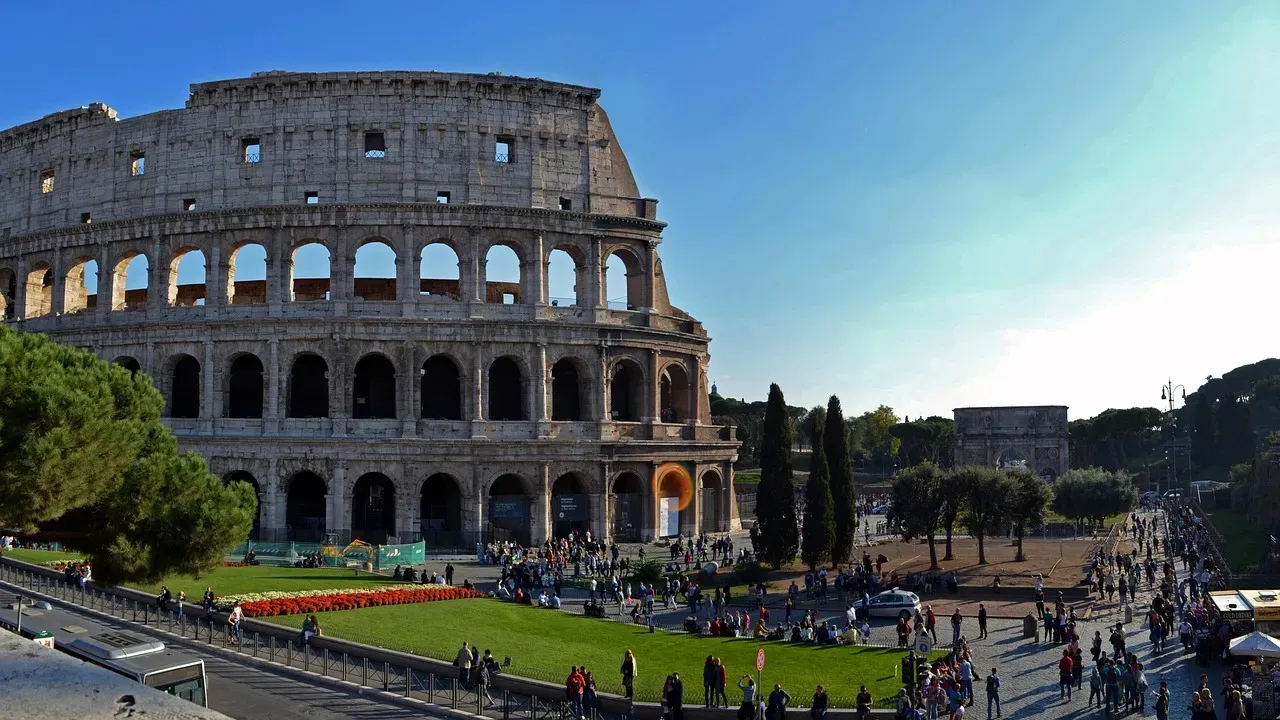
Imagine a stadium big enough to hold somewhere between the population of a small town and a modern sports arena, built without cranes, steel, or computers. The Colosseum could seat roughly about fifty thousand to maybe sixty thousand spectators, arranged in carefully tiered levels that reflected Roman society from top to bottom. The entire structure rises in four main stories, with an elegant rhythm of arches and columns that wasn’t just for looks – it also made the building lighter and stronger. Even stripped of most of its outer stone, the skeleton that remains still dominates the landscape.
What really stands out is how mathematically precise it is. The amphitheater’s elliptical shape isn’t random; it allowed everyone to have a decent view of the arena floor, something modern stadium architects still struggle with. Its footprint stretches around one and a half times the length of a modern football field, but the Romans maintained astonishing symmetry in the layout. To build something this huge, so neatly aligned, and so structurally sound with ancient tools is a reminder that Roman engineering wasn’t just advanced – it was daring.
2. A Brutally Efficient Crowd-Flow System Centuries Ahead of Its Time
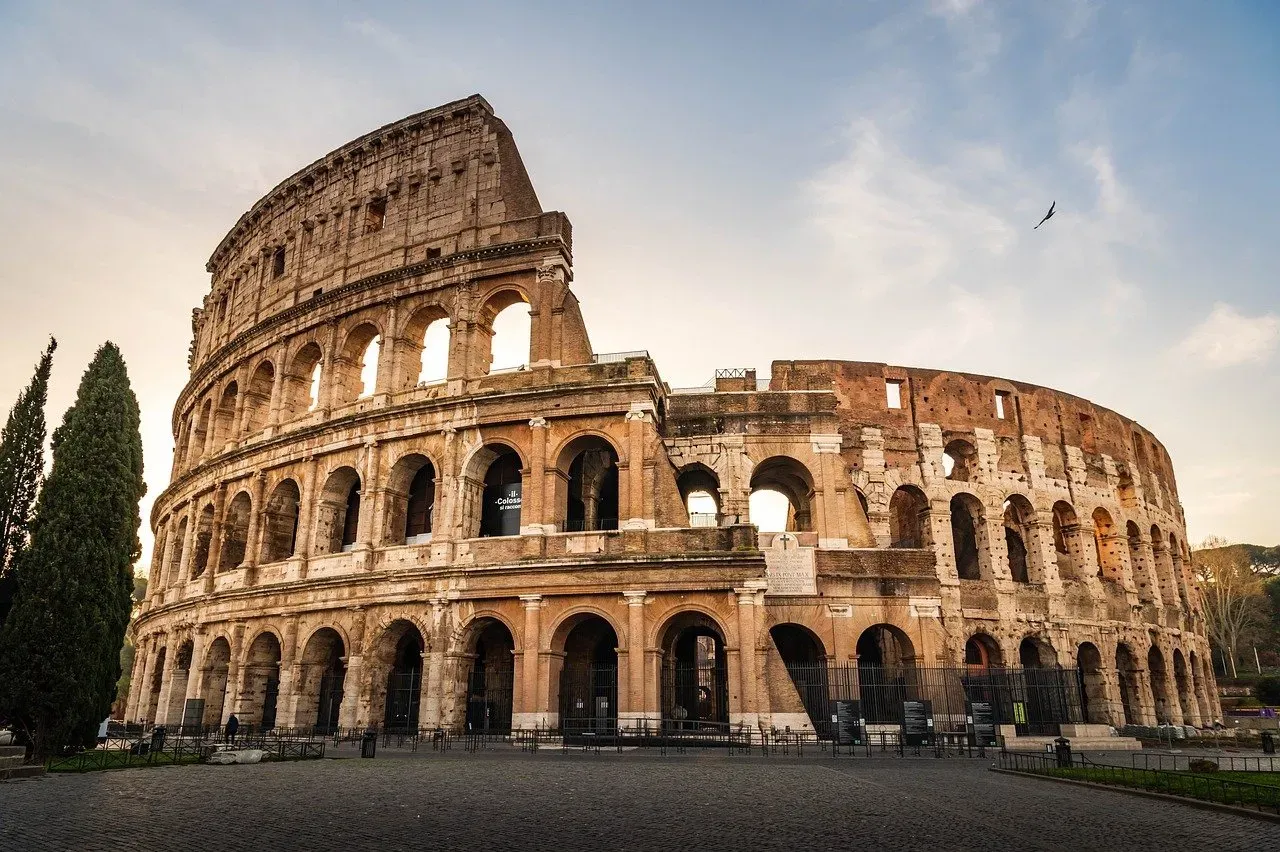
One of the most shocking things about the Colosseum is how fast it could fill up and empty out. The Romans designed around eighty entrances, including more than seventy public “vomitoria” – passageways and staircases that channeled crowds in and out of the stands. That name sounds violent, and in a way it fits: the system allowed tens of thousands of spectators to pour out of the arena in only a few minutes. For a city packed with people and prone to unrest, this level of crowd control was not just clever – it was essential.
The seating was strictly organized by class, gender, and status, and the architecture enforced that social order. The emperor and elite watched from prime positions, while women and the poor were pushed higher up in the stands. Each ticket indicated a particular entrance and staircase, and the layout guided people automatically to their designated area. Walking those tunnels today, you can still feel how the design dictates movement. In a sense, the Colosseum was not just a place of entertainment; it was a machine for organizing society, and the Romans built that logic directly into the stone.
3. An Underground “Backstage” Labyrinth: The Hypogeum
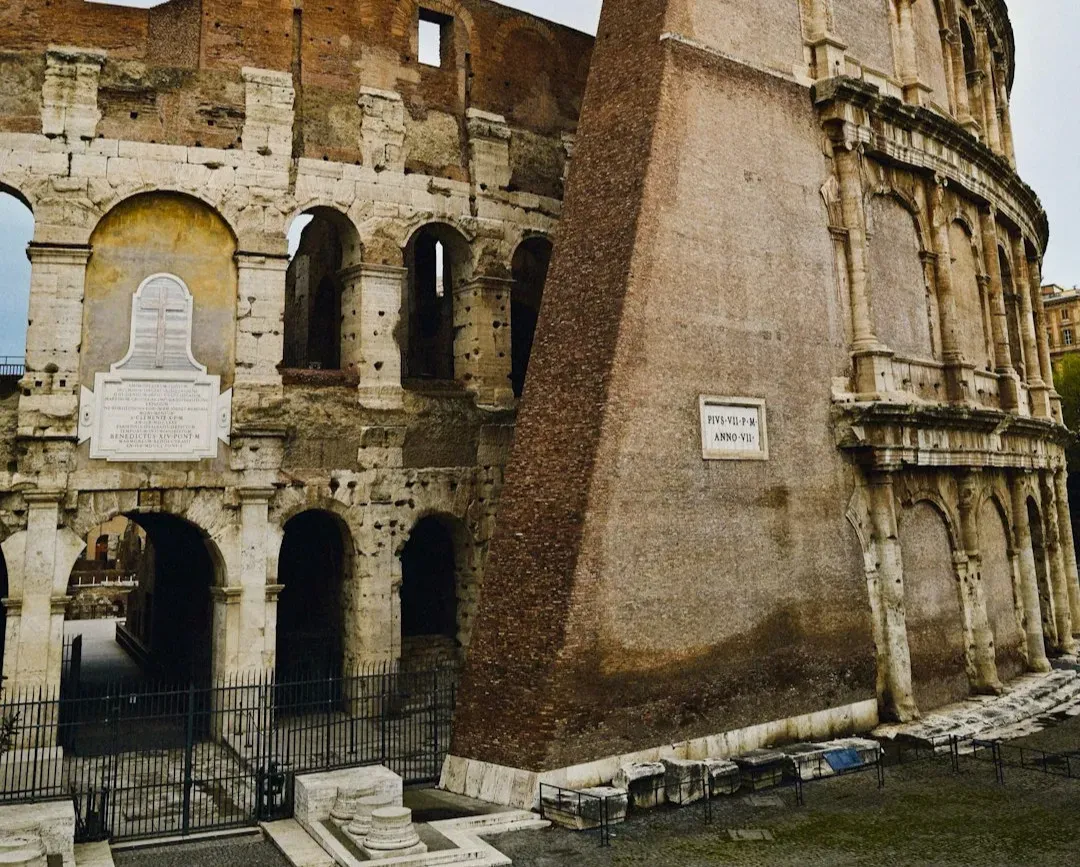
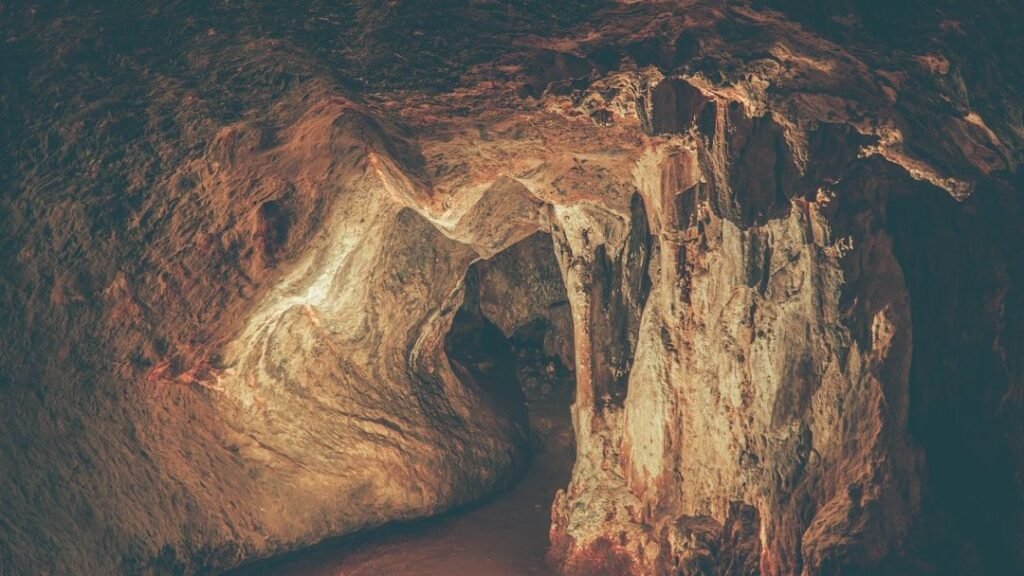
What visitors see now is only the surface; the real magic – and horror – happened below. Under the arena floor lay the hypogeum, a dense, two-level underground complex of corridors, animal pens, cage rooms, storage areas, and holding cells. This hidden maze allowed animals, gladiators, stagehands, and props to be moved around out of sight, then lifted into the arena in carefully timed sequences. It turned the Colosseum into something like a live-action theater with surprise effects that must have felt almost supernatural to the crowd.
The hypogeum’s layout also reveals the dark logistics behind the games. Wild animals captured from across the empire were kept in cramped quarters, starved or agitated to make their appearance more dramatic. Human combatants waited in narrow rooms, listening to the roar of the crowd above, not knowing if the next door opening meant their turn. Trapdoors dotted the arena floor, connected to vertical shafts and lifts driven by teams of workers. When you look down into the hypogeum today, you’re essentially looking at the hidden machinery of a carefully choreographed, very real life-and-death spectacle.
4. Ingenious Stage Technology: Lifts, Trapdoors, and Surprise Spectacles
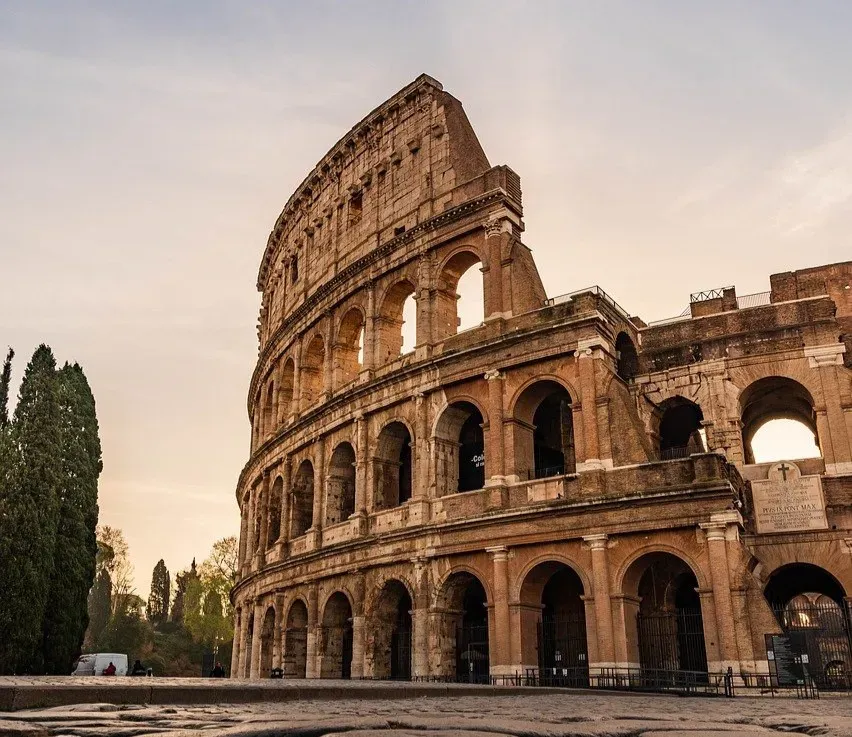
The Colosseum didn’t just host simple one-on-one gladiator duels; it was built to deliver shock and awe. Archaeological studies have found evidence of dozens of lifts, pulleys, and mechanical devices used to raise animals, fighters, and giant set pieces into the arena. Many of these were powered purely by human or animal muscle, using winches and counterweights, yet they were coordinated well enough to produce sudden, theatrical reveals. One moment the sand might look empty; the next, a bear or lion would burst into view through a hidden hatch.
This machinery turned the arena into a constantly changing stage. They could create artificial landscapes with trees, rocks, or temporary structures, then remove or replace them for the next act. Historical sources describe elaborate shows where mythological scenes were re-enacted with real people and real danger. Compared to modern stage productions with electric motors and digital controls, the Colosseum’s technology might look primitive, but for its era it was astonishingly advanced. The genius lies in how the Romans used simple mechanical principles, scaled up, to create massive special effects.
5. The Velarium: A Giant Retractable Shade Covering the Crowd
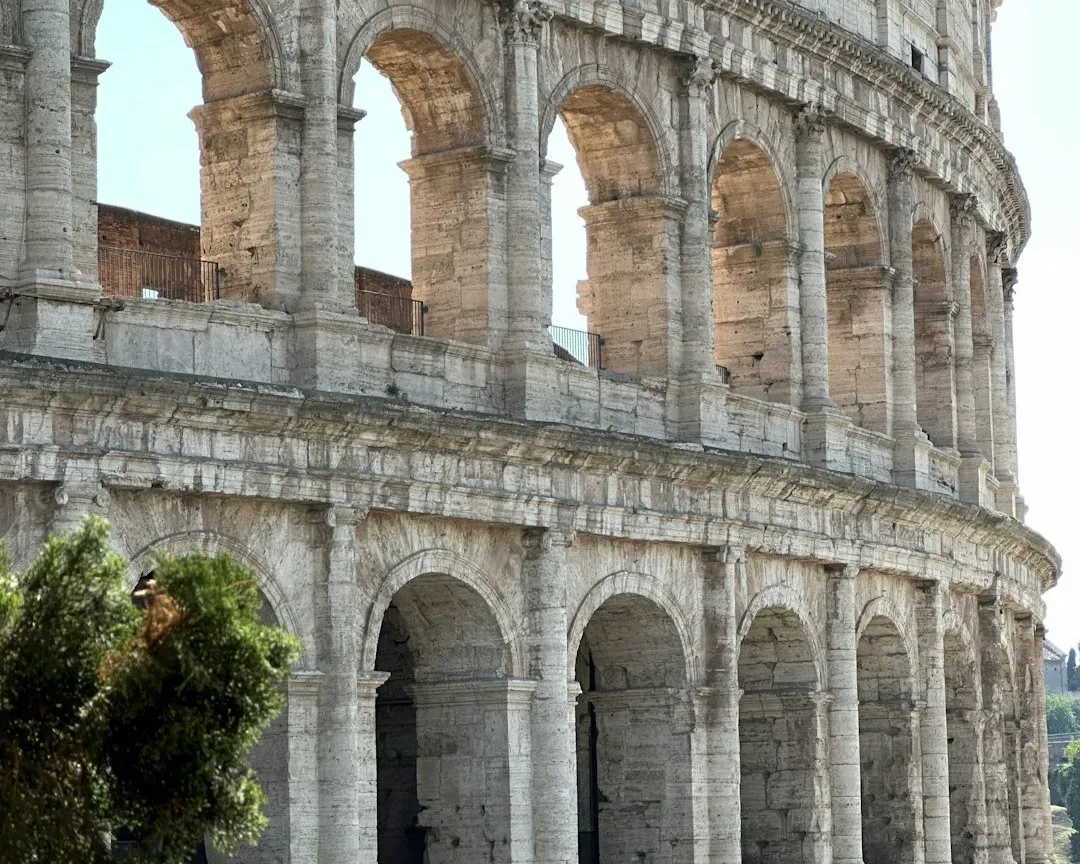
Rome in summer can be brutally hot, and the Colosseum didn’t leave tens of thousands of spectators baking in the sun. Above the seating area, sailors from the Roman navy helped operate a huge awning system called the velarium. This fabric canopy stretched over much of the stands, anchored by an intricate network of ropes, pulleys, and massive masts built into the top of the structure. It filtered the sunlight, provided shade, and likely even helped catch a bit of breeze, making long days of games more bearable for the crowd.
What makes the velarium so unique is the combination of scale and complexity. We’re talking about an enormous, semi-retractable cover controlled manually, adjusted depending on the angle of the sun and the weather. The fact that the Romans regularly deployed this system without modern materials or machinery is almost hard to wrap your head around. You can still see holes and supports at the top of the Colosseum where the masts once stood. It’s a reminder that the designers were thinking not just about spectacle and structure, but also about comfort and experience – a surprisingly modern mindset for an ancient stadium.
6. A Political and Social Weapon Disguised as Entertainment
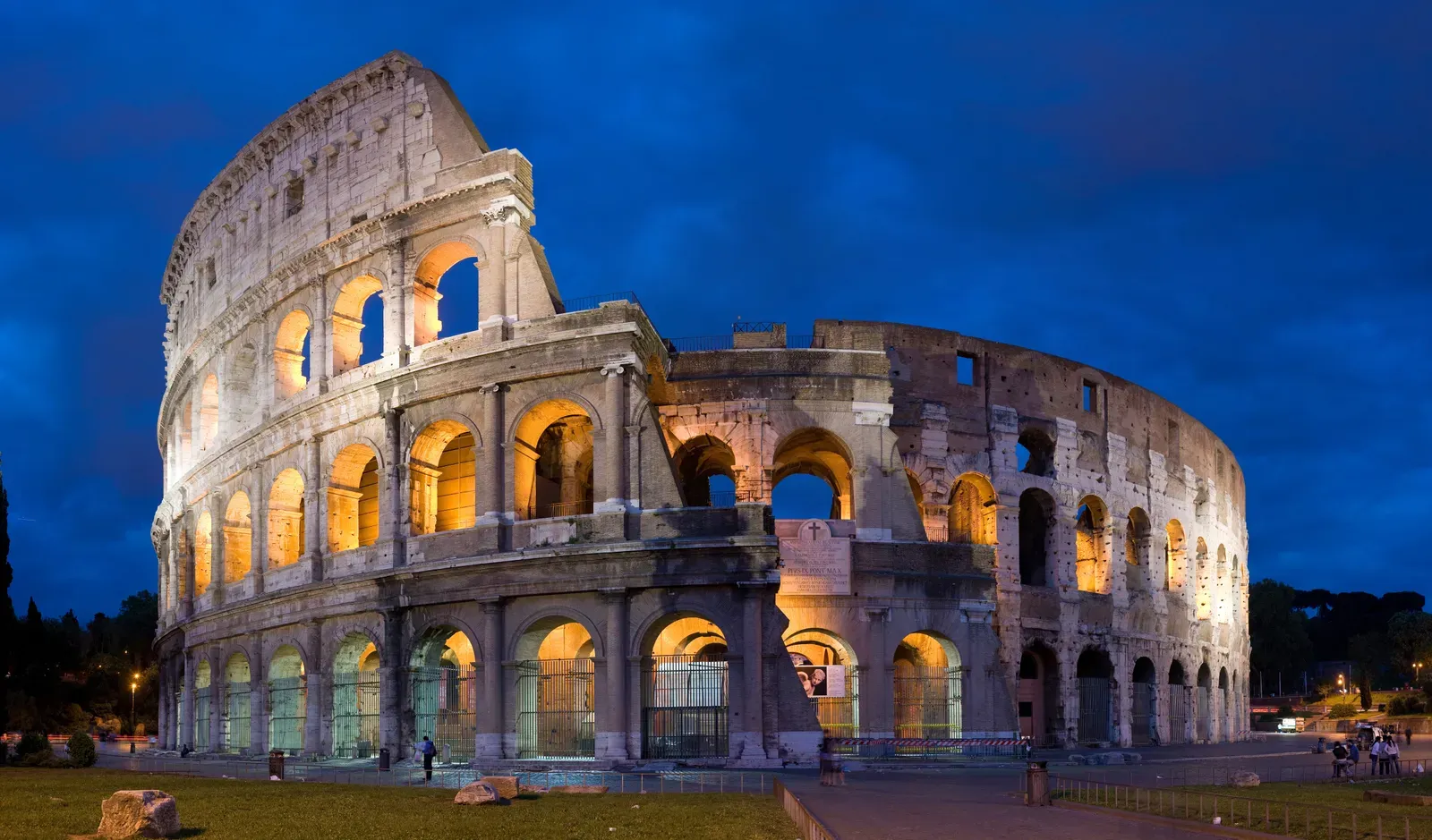
At first glance, the Colosseum looks like the world’s most extreme sports venue. But underneath the blood, sand, and shouting, it was also a tool of power. Emperors used the games to impress the population, reward loyalty, celebrate military victories, and distract people from political problems. Entry for ordinary Romans was usually free, and the message was clear: the empire might be harsh, but it knew how to put on a show. The building itself, raised on land once claimed by a disgraced emperor, was a symbol of giving something “back to the people.”
In that sense, the Colosseum was unique not only as an engineering feat, but as a kind of stone-and-mortar propaganda machine. The spectacles reinforced Roman identity, glorified military conquest, and made violence feel normal, even entertaining. The scale of the building said that Rome was unstoppable; the roar of the crowd said that the people were, at least for a while, satisfied. When you put all of this together – the size, the tech, the crowd systems, the political purpose – you see that the Colosseum wasn’t just a stadium. It was the Roman Empire, compressed into one arena.
The Colosseum’s uniqueness comes from how many roles it played at once: cutting-edge building, deadly theater, political stage, and social pressure valve, all engineered with a level of skill that still feels intimidating today. Its hypogeum, mechanical lifts, velarium, and crowd-management system weren’t isolated tricks; they were parts of a single, integrated design built to control space, time, and people on a massive scale. Even as a ruin, it quietly reveals how ambitious, creative, and ruthless Roman society could be.
Walk around it now and you’re not just looking at old stone; you’re standing inside a blueprint that has influenced arenas, stadiums, and mass entertainment for nearly two thousand years. The details that once kept animals caged, crowds shaded, and emperors adored are still visible if you know where to look. In the end, that might be what makes the Colosseum truly unique: it’s a monument that shows not only what the Romans built, but how they thought. Who knew one arena could hold so much?