Your senses might not work exactly the way you think they do. Beyond the traditional five senses you learned about in school, scientists have discovered fascinating mechanisms that control how you perceive the world around you. Research is revealing hidden sensory systems working behind the scenes, cross-connections between different types of perception, and surprising ways your brain processes sensory information.
These discoveries challenge everything we thought we knew about human perception. Let’s dive into the remarkable world of sensory science and uncover some truly surprising truths.
Your Body Actually Has More Than Five Senses

The classical five senses that everyone learns about in elementary school tell only part of the story. Scientists now recognize that humans have developed sensory organs for their ‘major’ senses and specific neuronal receptors for several additional, ‘minor’ senses, expanding far beyond Aristotle’s original classification from 350 BC.
The vestibular system contributes to balance and orientation in space, acting as your internal gyroscope. The proprioceptive system senses the position, location, orientation, and movement of the body muscles and joints. Interoception is located in the dorsal posterior insula and it creates distinct feelings from the body including pain, temperature, itch, muscular and visceral sensations, vasomotor activity, hunger, thirst, and the need for air.
These hidden senses work together continuously to keep you upright, aware of your body’s position, and responsive to internal signals. Think about it this way: when you close your eyes and touch your nose, that’s proprioception at work. When you feel hungry or thirsty, that’s interoception sending you vital information about your body’s needs.
Your Senses Cross-Talk in Unexpected Ways
The most obvious expression of odor–taste interactions is the widely observed attribution of qualities that are more usually associated with basic taste qualities to odors. When asked to describe the odor of caramel or vanilla, most people will use the term “sweet-smelling”; similarly, “sour” is used for the odor of vinegar.
This phenomenon extends far beyond simple smell-taste connections. A strawberry odor can amplify sweetness, and conversely, a sweeter solution will be rated as smelling fruitier. Discrimination between flavors is negatively affected when the color of a liquid does not match its taste, manipulating the sound produced when eating crisps can enhance perceived crunchiness, and color and label information can affect flavor perception.
Such acquired perceptual similarity has been seen as an example of a “learned synesthesia,” in which qualities in one sensory system are able to evoke qualities in another only as a result of their frequent co-occurrence. Your brain naturally creates these connections through experience, making your sensory world richer and more integrated than you might realize.
Balance Requires Three Separate Systems Working Together
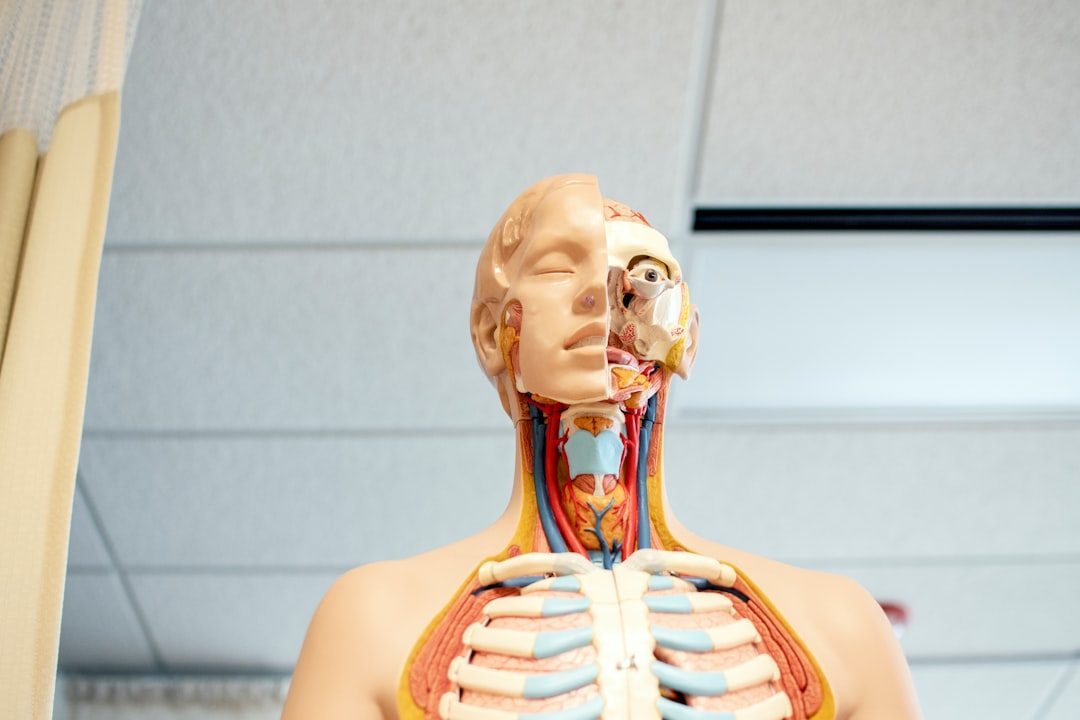
The vestibular system of the inner ear, vision and proprioception are the main three requirements for balance. As the head moves through space, both rotation and linear acceleration are detected by organs in the vestibular labyrinth. Rotation is perceived by three bilateral, orthogonal semi-circular canals.
The vestibular sense, often called the “balance sense,” is a sensory system in the inner ear that provides information to the brain about head position, motion, and spatial awareness. The vestibular system works with other sensory systems to help us understand where our bodies are in space, maintain stability, and move confidently through our environment.
When any one of these three systems fails, your balance becomes compromised. Patients with damage to the vestibular system suffer from postural instability and an inability to appropriately respond to unexpected perturbations. This explains why you might feel dizzy when you have an ear infection or why elderly individuals with vision problems are at higher risk for falls.
Your Brain Processes Different Senses at Different Depths
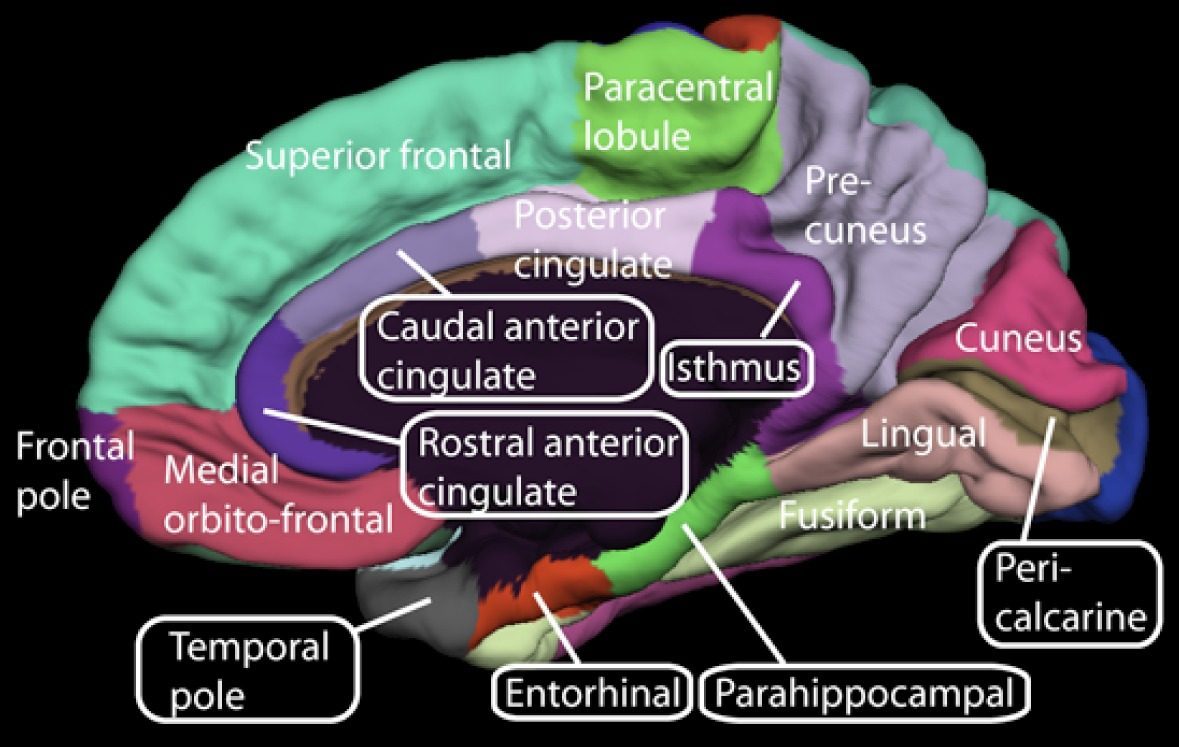
Scientists at the Max Planck Institute did not restrict their observations to the surface the cerebral cortex. For the first time, they also measured the sensory signals at different depths in the cortex. This groundbreaking research revealed something remarkable about how your brain handles sensory information.
When we have to process different sensory impressions at the same time, different neuron circuits become active, depending on what we focus our attention on. We have now been able to make these interactions visible through novel computerized experiments. In auditory brain regions the researchers also observed, for the first time, that the activity pattern, across different cortical layers, changed when participants were presented with only sounds. The situation was different when participants only perceived “something to the eye”: in that case there was no change.
This discovery suggests your brain has specialized circuits at different levels that activate based on which sense you’re focusing on. It’s like having multiple floors in a building, each dedicated to processing specific types of sensory information in unique ways.
Proprioception Lets You Know Where You Are Without Looking

This is a review of the proprioceptive senses generated as a result of our own actions. They include the senses of position and movement of our limbs and trunk, the sense of effort, the sense of force, and the sense of heaviness. Proprioception refers to sensory input we receive from our muscles and joints that tells us about our body position and where we are in relationship to other objects. Proprioception receptors are located in the muscles, joints, ligaments, and other connective tissue throughout our body.
Without this important system, we would not know where different parts of our body were when not looking at each part. For example, if you ask a child to raise their hands above their heads, most do not need to look in a mirror to know that their hands are above their heads. A nonconscious reaction is seen in the human proprioceptive reflex, or righting reflex – in the event that the body tilts in any direction, the person will cock their head back to level the eyes against the horizon. This is seen even in infants as soon as they gain control of their neck muscles.
This sense operates so seamlessly that most people don’t even realize they have it. Proprioceptive sensations are mysterious because we are largely unaware of them. They are distinguishable from exteroceptors such as the eye and the ear in that they are not associated with specific, recognizable sensations. Yet, when we are not actually looking at our limbs, we are able to indicate with reasonable accuracy their positions and whether they are moving.
Individual Differences in Sensory Sensitivity Shape Your Reality
Data analysis results showed that subjectively most visually uncomfortable simple patterns cause more variable temporal judgments. Supposedly, this inaccuracy depends on the currently perceived visual comfort and thus the current visual system sensitivity, which cannot be satisfactorily derived from trait-based measures. Biological sex was an important variable across experiments, as males experienced temporal compression of stimuli compared to females.
Research across a range of scientific disciplines has revealed that sensory perception alone is capable of modulating physiology, health, and even aging. Empirical research show that specific practices such as yoga, mindfulness, Tai Chi, meditation, and other mind-body disciplines can modify human perceptual modality. Specifically, these practices enable perception skills to switch from the external towards a higher ability to focus on internal signals.
Your sensory experience isn’t fixed or universal. Past actions and events that transpire right before an encounter or any form of stimulation have a strong degree of influence on how sensory stimuli are processed and perceived. This means your personal history, current state of mind, and even your biological makeup all contribute to creating your unique sensory reality.
Conclusion
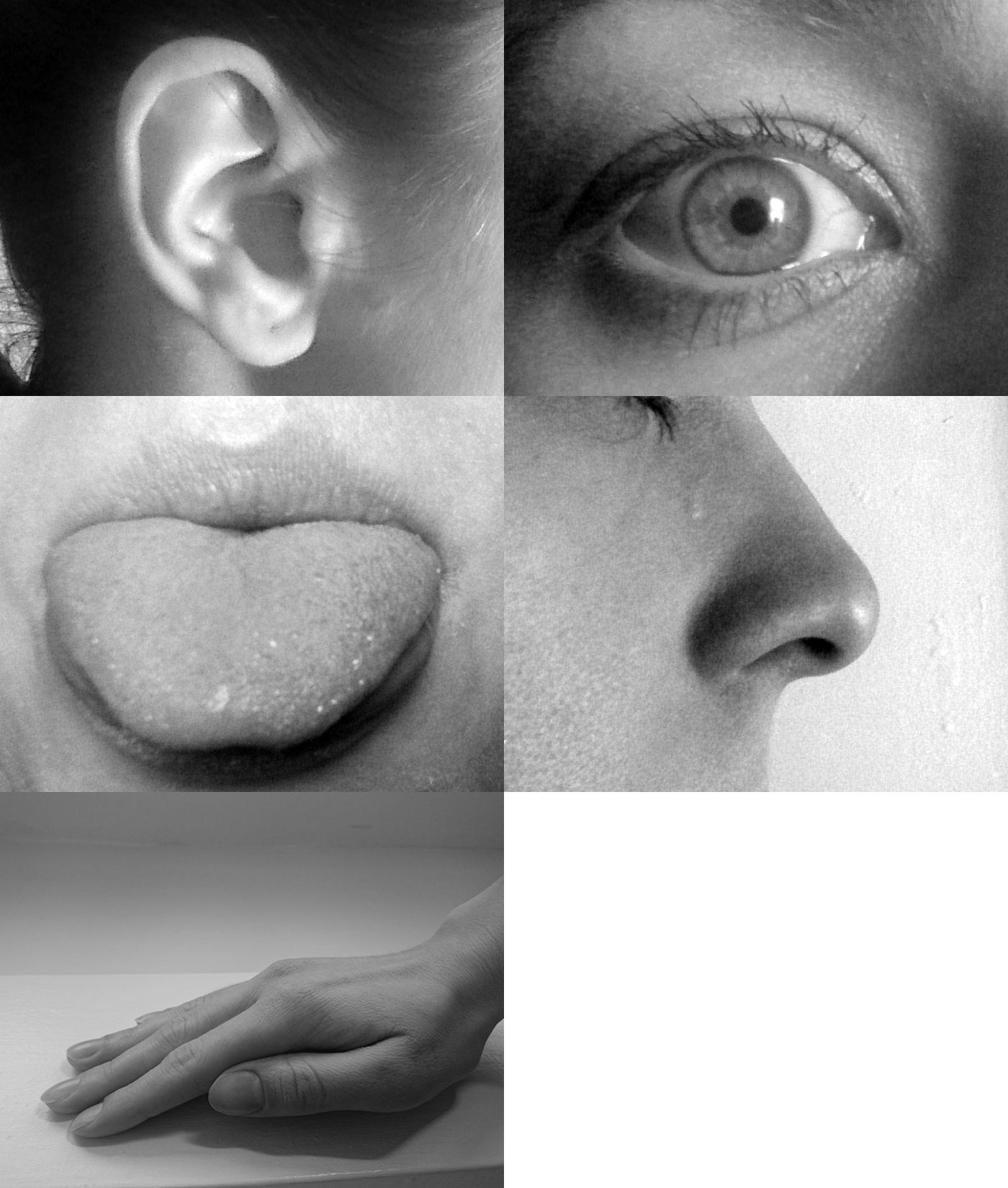
These scientific discoveries reveal that human perception is far more complex and interconnected than the simple five-sense model suggests. Your body operates with multiple hidden sensory systems, your senses communicate with each other in sophisticated ways, and your individual characteristics shape how you experience the world.
Understanding these opens up new possibilities for improving balance, enhancing sensory experiences, and even addressing sensory processing challenges. The next time you effortlessly walk across a room or instantly know the position of your hand without looking, remember the incredible biological machinery working behind the scenes to make it all possible. What other hidden aspects of human perception might scientists uncover next?