
You’ve probably heard the same story countless times. Climate change is accelerating, fossil fuels are running out, and we desperately need cleaner energy solutions. Yet every time you glance at your electricity bill or read about another climate target we’ve missed, it’s hard not to feel a bit skeptical about whether anything will truly change.
Here’s the thing, though. Right now, in labs and research facilities around the world, scientists are achieving breakthroughs that sound like something straight out of science fiction. We’re talking about energy sources that could power entire cities without producing a single ounce of carbon emissions. Technologies that seemed impossible just a decade ago are now being tested at commercial scales. So let’s dive into six scientific breakthroughs that genuinely have the potential to transform how we produce and consume energy.
Nuclear Fusion Finally Breaks Its Density Barrier
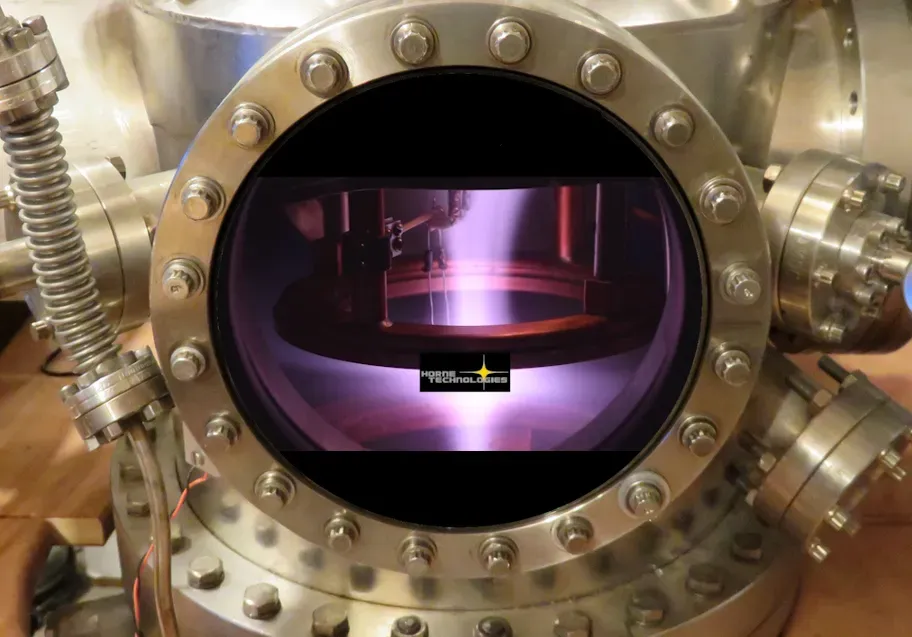
China’s EAST nuclear fusion reactor has successfully kept plasma stable at extreme densities, passing a major fusion milestone and potentially bringing humanity closer to wielding near-limitless clean energy. This isn’t just another incremental improvement. It’s the kind of achievement that makes fusion researchers sit up and take notice.
The team showed that plasma density can be pushed well past long-standing empirical limits without triggering the disruptive instabilities that usually end experiments, challenging decades of assumptions about how tokamak plasmas behave at high density. Think of it like trying to contain a miniature sun in a magnetic bottle. For years, scientists believed there was a hard limit to how dense you could make that plasma before everything fell apart.
What makes this particularly exciting is the backing it’s receiving. Global private investment in fusion has exceeded US $10 billion, reflecting growing confidence in the sector. Meanwhile, developments in government and industry indicate that fusion energy could begin contributing to national grids in the 2030s, marking a shift from experimentation to deployment. That’s not some distant dream anymore. That’s your lifetime, possibly even within the next decade.
Perovskite Solar Cells Shatter Efficiency Records
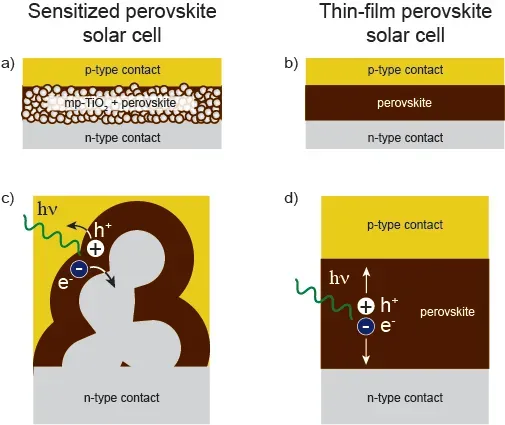
Let’s be real, traditional silicon solar panels have served us well. They’re reliable, proven technology. Still, they’ve been hitting a wall when it comes to efficiency gains.
Enter perovskite tandem cells. The best performing perovskite tandem cells has an impressive 34.85% efficiency set by Longi in April 2025, representing a remarkable leap beyond what conventional silicon alone can achieve. Perovskite-silicon tandem cells achieve 34.6% efficiency by stacking two different photovoltaic materials that capture a broader spectrum of sunlight, with the perovskite layer absorbing high-energy photons while silicon captures lower-energy light that passes through, resulting in 57% higher efficiency than traditional 22% silicon panels.
The really fascinating part? Hybrid solar cell manufacturers have already achieved mass-production-ready efficiencies, and the first commercial versions are expected to reach the market in 2026. You might actually be able to purchase these panels for your home within a year or two. The technology isn’t stuck in some university basement anymore. It’s ready to scale.
Green Hydrogen Production Gets a Major Efficiency Boost

Hydrogen has always been this tantalizing possibility. Clean fuel, abundant raw materials, only water as a byproduct. The problem has been making it efficiently enough to compete with fossil fuels.
That’s changing fast. A research team at the University of Wollongong has developed a breakthrough electrolyser that achieves 95% efficiency – far exceeding current models, which typically waste around 25% of input energy. I know it sounds crazy, but imagine cutting energy waste by three-quarters in a single innovation. The team’s startup, Hystata, is already attracting global interest, with potential to revolutionize hydrogen production and position Australia as a leader in the hydrogen economy.
Recent advancements in electrolysers, including the development of solid oxide and proton exchange membrane (PEM) technologies, have improved the efficiency and cost-effectiveness of green hydrogen production. The technology isn’t just getting better in one area. It’s improving across multiple fronts simultaneously, which suggests we might finally be approaching that tipping point where green hydrogen becomes genuinely competitive.
Iron-Air Batteries Transform Energy Storage
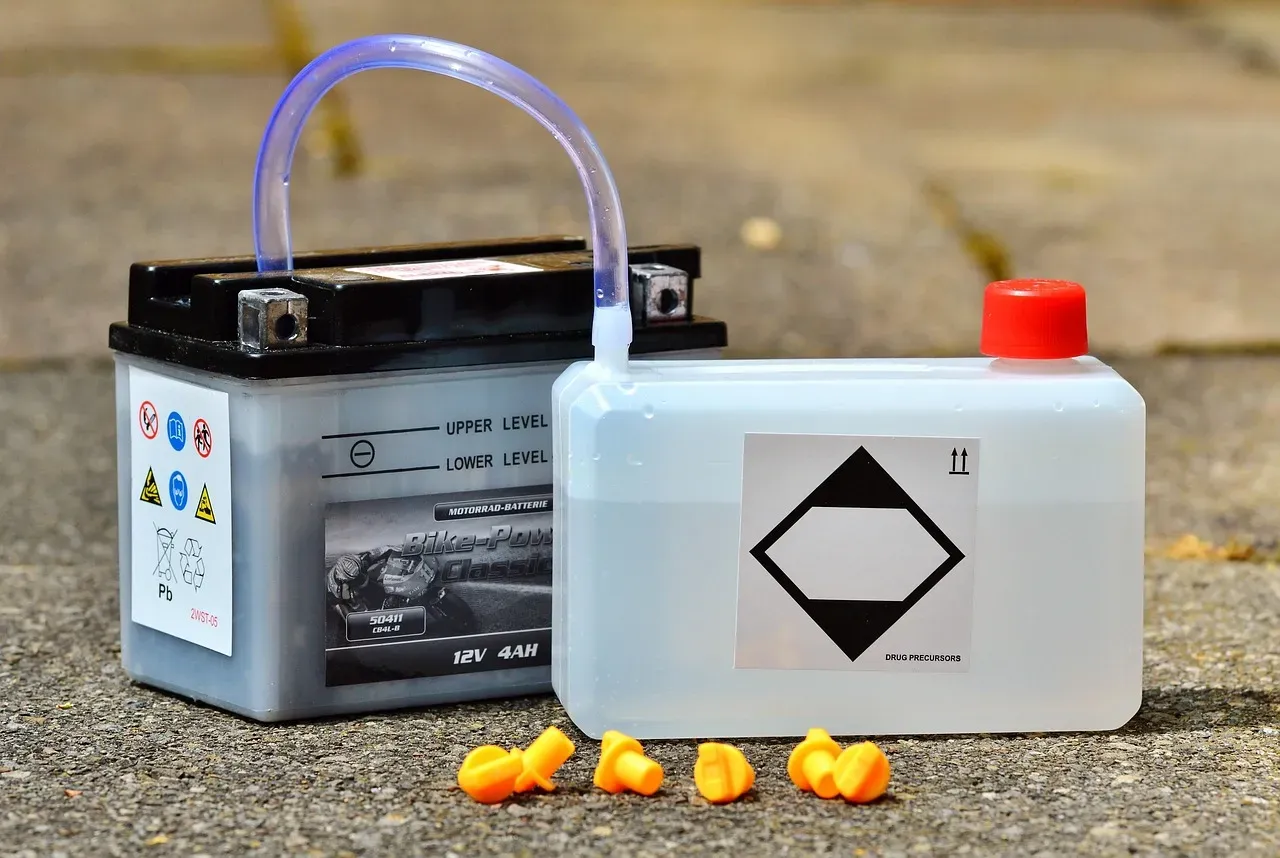
Here’s something most people don’t think about. Renewable energy is great when the sun is shining or the wind is blowing. What happens at night during a calm evening? You need storage, and lots of it.
New material science battery technologies are surpassing current lithium-ion batteries in cost and material availability, with iron-air batteries built on the reversible rusting of iron, and in 2025, Form Energy began manufacturing these batteries at scale, enabling multi-day energy storage using plentiful, non-toxic materials like iron, water, and air. Multi-day storage changes everything. It means you can store Tuesday’s excess solar power and use it on Thursday.
The beauty of iron-air technology lies in its simplicity and abundance. Iron is everywhere. It’s cheap, non-toxic, and doesn’t require mining rare earth elements from environmentally sensitive regions. The U.S. Energy Information Administration projects a record-breaking expansion of battery storage capacity in 2025, with 18.2 gigawatts set to be added to the grid, driven by increased renewable energy deployment, regulatory incentives, and advancements in lithium-ion and alternative battery technologies.
Sodium-Ion Batteries Offer a Lithium Alternative
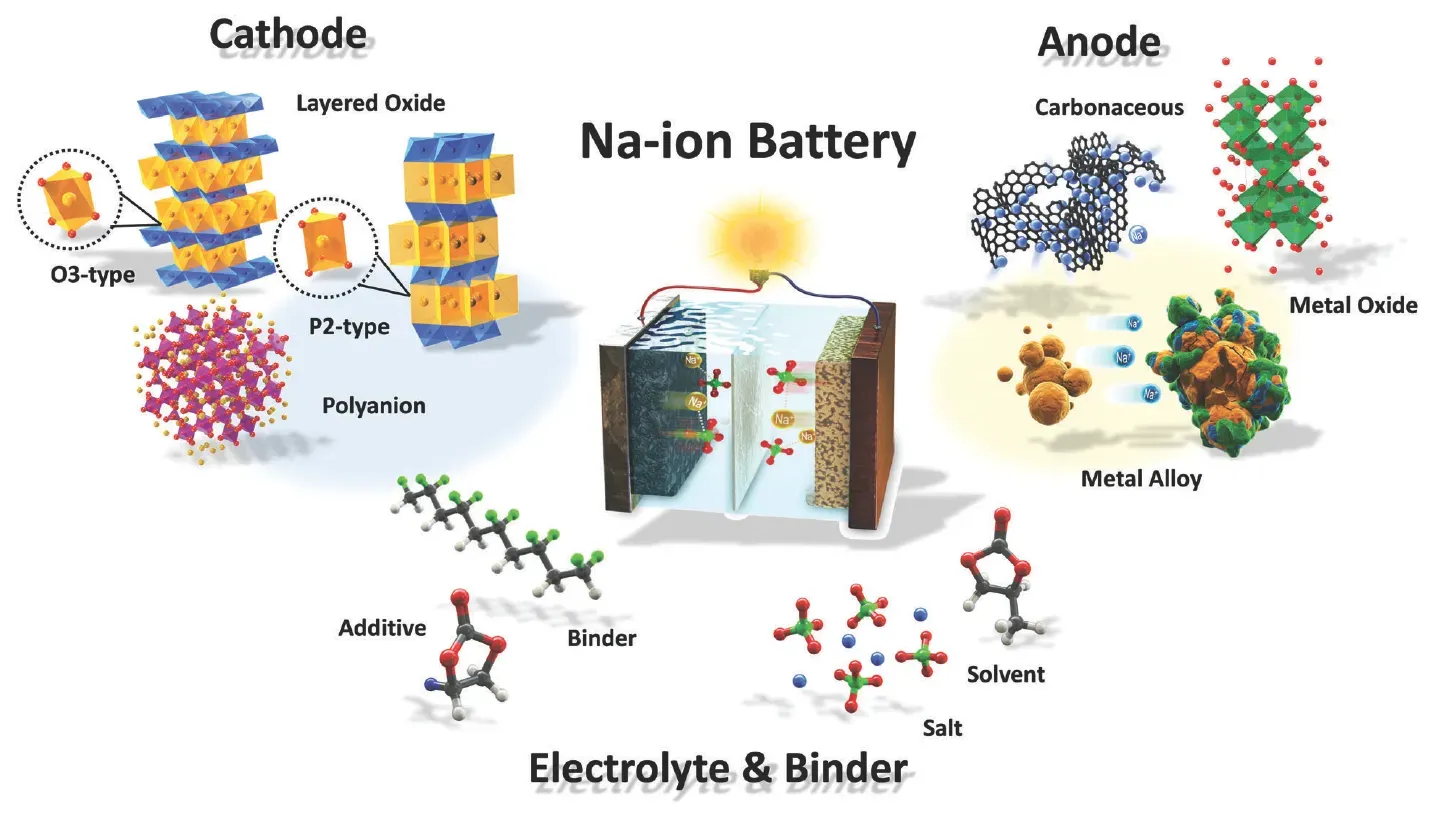
Lithium has become so valuable that countries fight over access to deposits. Supply chains are fragile. Prices fluctuate wildly. Enter sodium, one of the most abundant elements on Earth.
Sodium-ion batteries, with their low cost, enhanced thermal stability, and long cycle life, are an attractive alternative, and Peak Energy, a startup in the US, is already deploying grid-scale sodium-ion energy storage. This isn’t theoretical research anymore. Companies are actually installing these systems and connecting them to power grids.
High-energy lithium-ion systems, quasi-solid-state configurations and sodium-ion batteries were among the main strategies pursued in 2025 to achieve goals for smart grid integration, with advances in manganese-rich layered oxide cathodes, ultra-microporous hard-carbon anodes and low-temperature electrolyte and interface engineering supporting grid-scale deployment and stable operation at –40 °C. That extreme temperature tolerance matters enormously for regions with harsh winters, where conventional batteries struggle to function.
Renewable Energy Surge Crosses Historic Threshold
Sometimes the breakthrough isn’t a single technology. Sometimes it’s the convergence of many advances reaching a tipping point simultaneously.
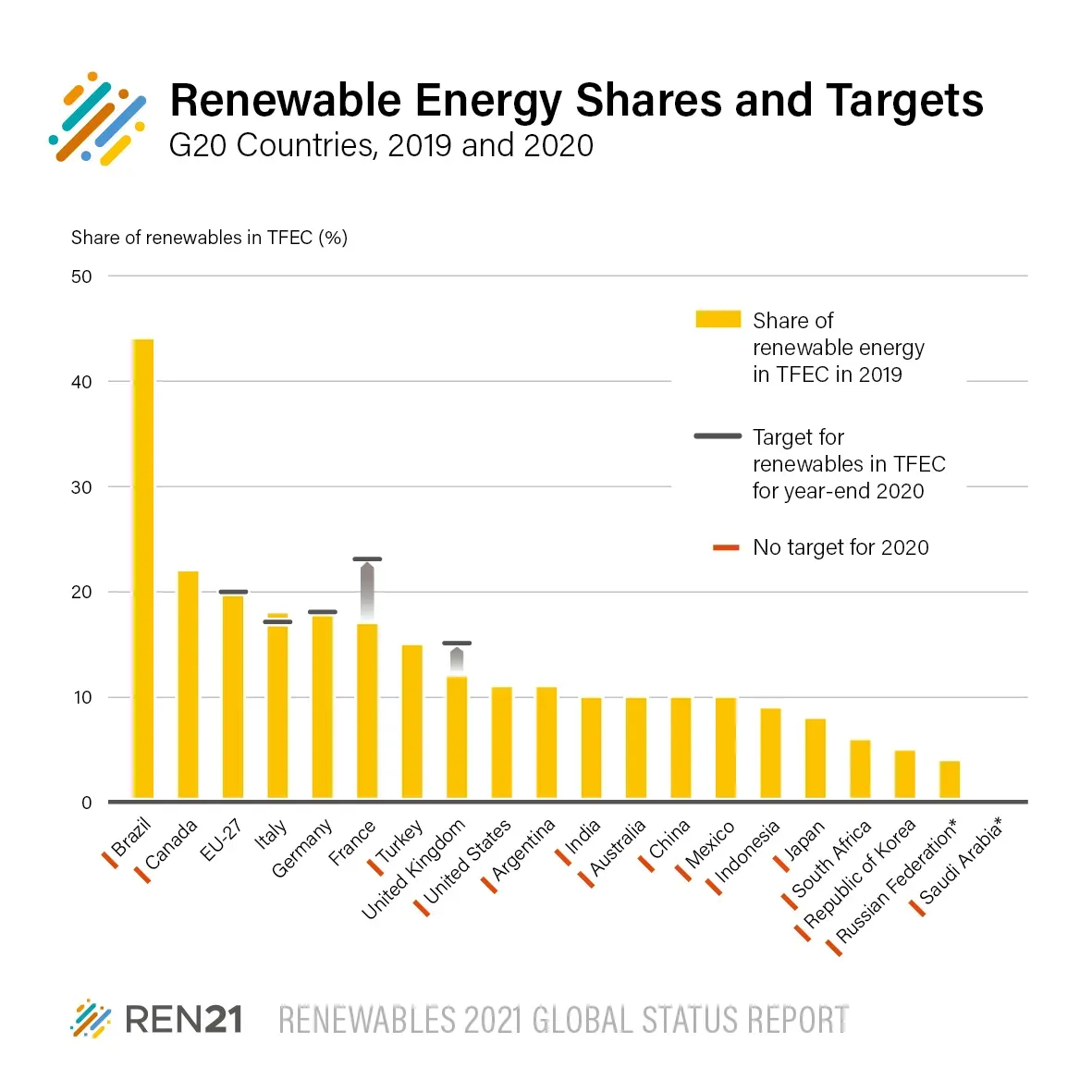
This year – for the first time – the world produced more energy via renewable sources than with coal, and the meteoric rise of these greener energy technologies, particularly in China, has brought us tantalizingly close to the turning point where annual global carbon emissions plateau and even decline. Read that again. More renewable energy than coal. Globally. That’s a genuinely historic moment.
Renewables surpassed coal as a source of electricity worldwide, and solar and wind energy grew fast enough to cover the entire increase in global electricity use from January to June. Every bit of new demand was met by clean energy. To many, the continued growth of renewables now seems unstoppable – a prospect that has led Science to name the renewable energy surge its 2025 Breakthrough of the Year.
Conclusion
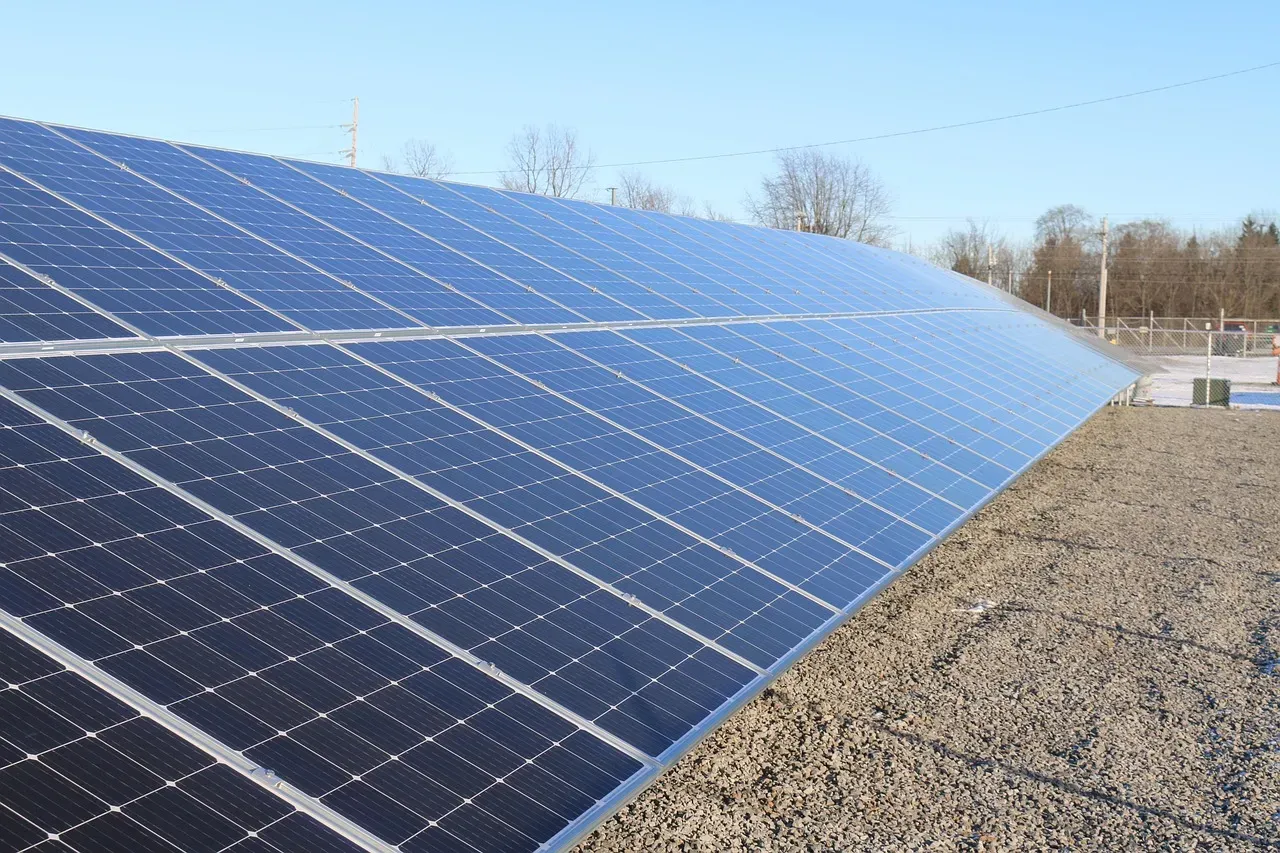
The energy revolution isn’t coming. It’s already here, unfolding in real time across laboratories, manufacturing facilities, and power grids worldwide. What sets these six breakthroughs apart from previous promises is their stage of development. These aren’t distant possibilities anymore. They’re technologies being manufactured, tested at scale, and in some cases already entering commercial markets.
From fusion reactors breaking density limits to solar cells achieving record efficiencies, from hydrogen production reaching unprecedented efficiency levels to battery technologies finally solving the storage puzzle, the pieces are falling into place. The question isn’t whether these technologies will transform energy production. It’s how quickly we can deploy them at the scale needed to address our climate and energy security challenges. What do you think about these developments? Are you optimistic about the energy transition, or do you think we still have too far to go?