
If you grew up thinking plants are passive, silent background characters, the truth is almost shocking. Hidden under our feet and floating in the air is a constant storm of chemical messages, electrical signals, alliances, sabotage, and quiet cooperation that would put a spy thriller to shame.
Once you start looking, plants stop being scenery and start feeling more like slow-motion animals with a very different set of tools. They sense, they warn, they persuade, and they even manipulate other species to do their bidding. The wild part is that most of this happens without a sound, traveling through roots, fungi, scents, and invisible signals we rarely notice.
Chemical SOS: Plants Warn Each Other of Danger

Imagine a forest where, the minute one leaf is chewed by an insect, a silent alarm begins to spread. When many plants are attacked by caterpillars or other herbivores, they release specific airborne chemicals that drift to their neighbors. Those neighbors, “smelling” trouble, start boosting their own defenses before the attackers even arrive.
Researchers have observed this in everything from sagebrush to corn fields, where untouched plants ramp up bitter or toxic compounds after picking up distress signals from damaged neighbors. It’s not casual small talk; it’s more like a neighborhood watch system. To me, it feels a bit like when you see flashing lights down the street and instinctively lock your door, even though nothing has reached your house yet.
Root Networks and the “Wood Wide Web”
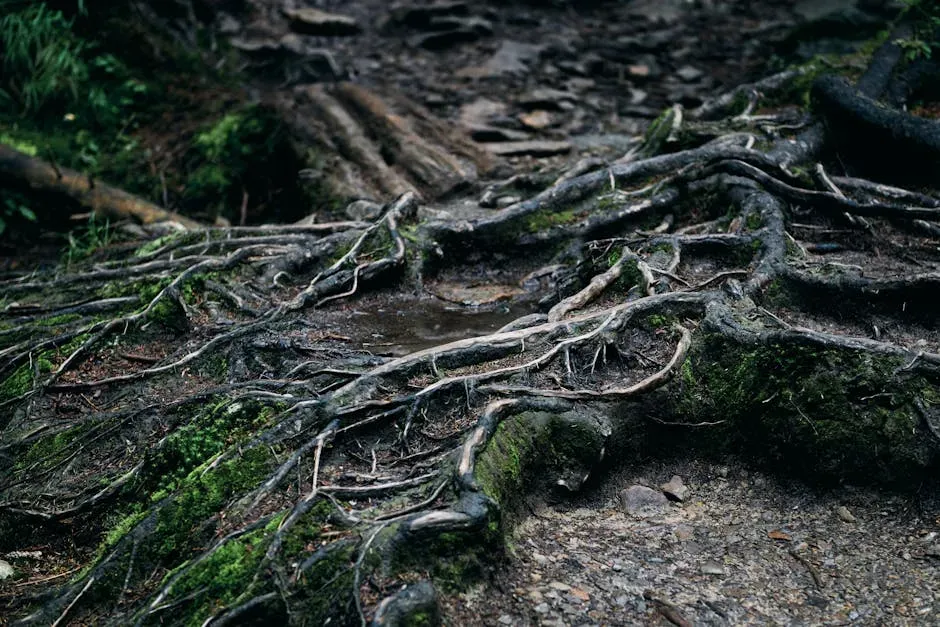
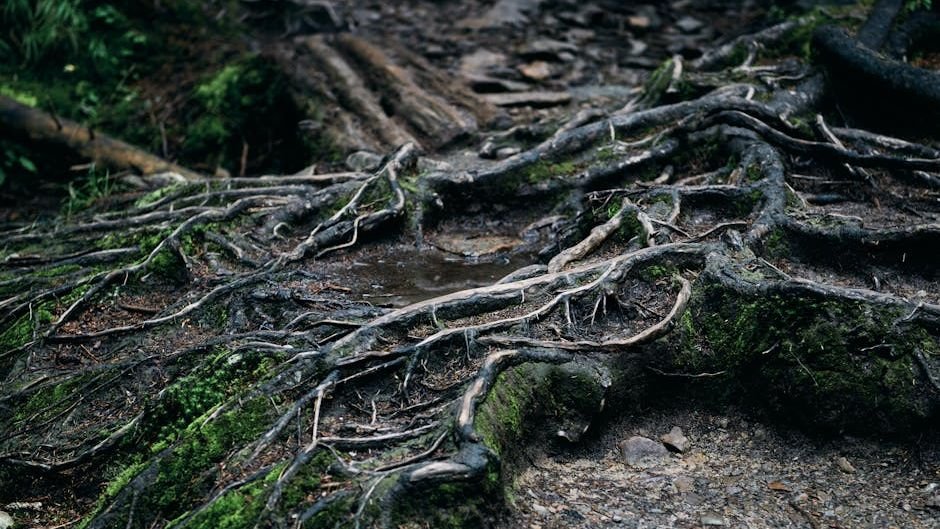
Beneath a forest floor, plant roots are laced together with fungal threads so fine you could fit dozens across a human hair. These fungal partners, known as mycorrhizae, form living networks that connect trees and plants into vast underground systems. Through these shared highways, plants can transfer nutrients, relay warning signals, and even influence which seedlings get a better start.
Some studies have shown older, well-established trees supplying sugars and minerals to shaded seedlings through these fungal cables, almost like parents quietly feeding their kids. At the same time, a plant under attack by pests can trigger chemical changes in the network, prompting neighbors to preemptively armor up. Once you know this, walking in a forest feels completely different – like stepping onto the floor of a crowded, whispering marketplace.
Airborne Messages: Scents That Attract Allies
When a plant is chewed on, it doesn’t just complain; it calls in backup. Many plants release special scents when attacked by insects, and those scents attract predators or parasites that feed on the attackers. It’s a clever move: instead of fighting directly, they outsource the job to something higher up the food chain.
For example, some crops under insect attack will change the cocktail of chemicals they emit to draw in specific wasps that lay eggs inside the pests. It’s brutal, but very effective. You could almost compare it to a homeowner setting off an alarm that summons pest control, except here the “contractors” are tiny flying hunters that turn the invaders into lunch for their larvae.
Electrical Signals: The Plant Version of Nerve Impulses
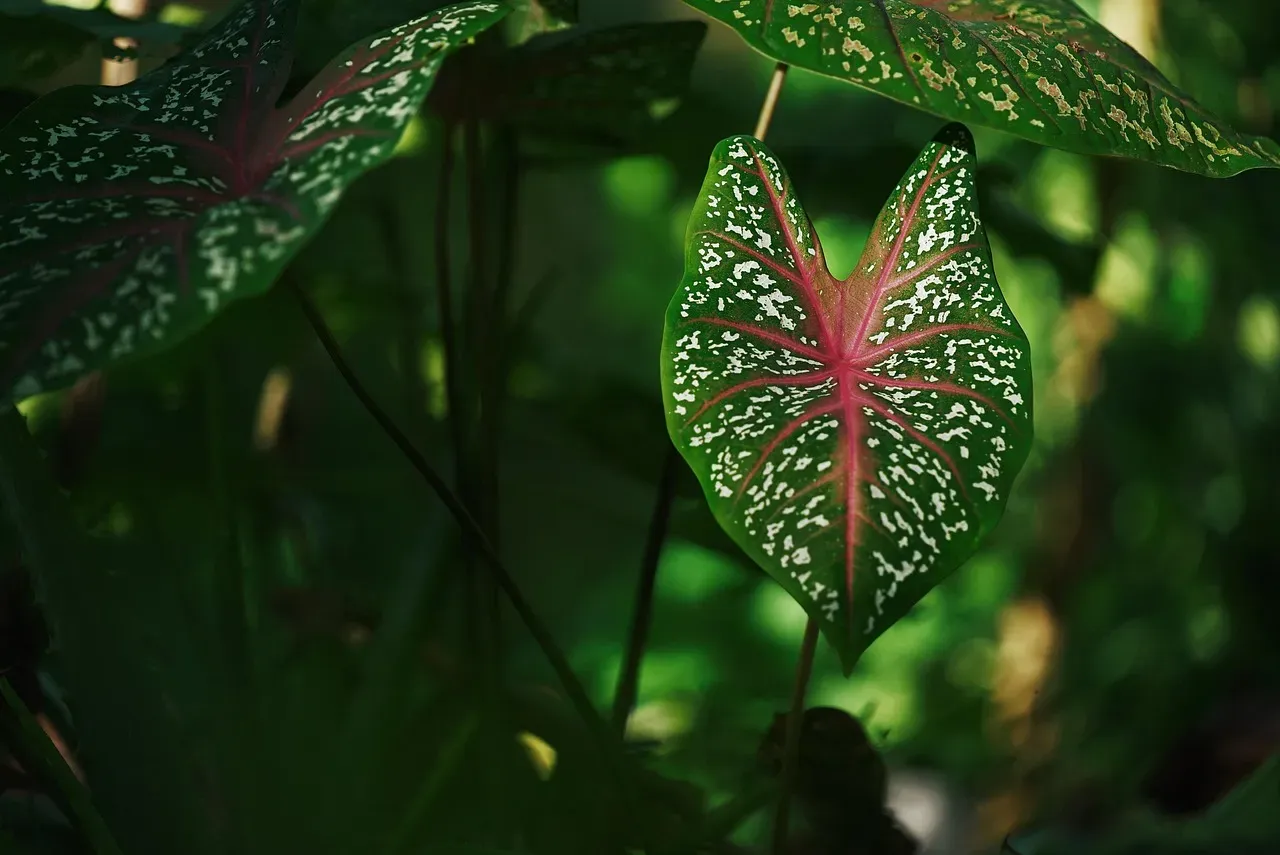
Plants don’t have brains, but they absolutely have signals that behave a lot like nerve impulses. When a leaf is touched, cut, or bitten, some species send rapid electrical waves through their tissues. These waves can trigger changes in distant leaves, such as closing pores, producing protective chemicals, or shifting growth patterns to reduce damage.
You can see a hint of this in action with species like the Venus flytrap or the sensitive plant whose leaves fold when touched. While those are dramatic examples, quieter electric signaling has been recorded in many ordinary plants too. Once I learned this, I stopped thinking of plants as static objects and started seeing them as bodies constantly buzzing with slow, deliberate information flows.
Manipulating Animals: Colors, Nectar, and Seed Bribes
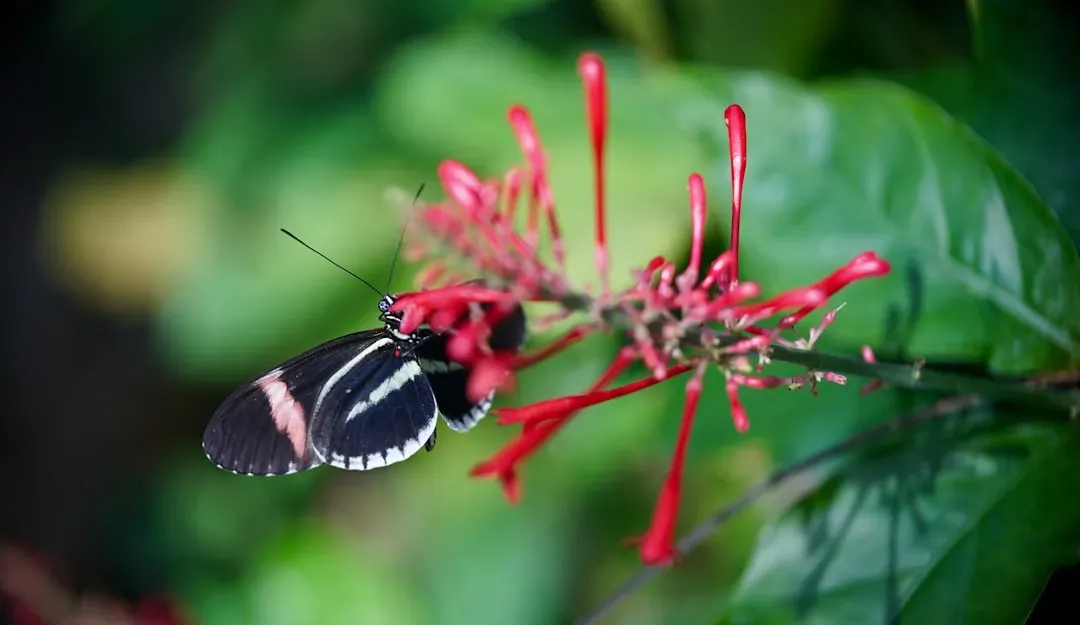
Not all plant communication is about danger; a lot of it is pure advertising. Flowers use color, smell, shape, and timing to signal to very specific pollinators: bright patterns for bees, deep tubes for hummingbirds, night scents for moths. These signals are like neon signs saying, “Free sugar here – in exchange for moving my pollen.” It’s a transaction, not a gift.
Fruits do something similar with animals that spread seeds. They change color, soften, and build up sugars right when seeds are ready to travel, enticing birds, mammals, and even humans to eat them. From the plant’s perspective, the animal is basically a customized delivery service with legs or wings. Every time you bite into a ripe strawberry or mango, you’re playing your tiny part in a long-running communication and transportation scheme.
Allelopathy: Chemical Warfare and Quiet Sabotage
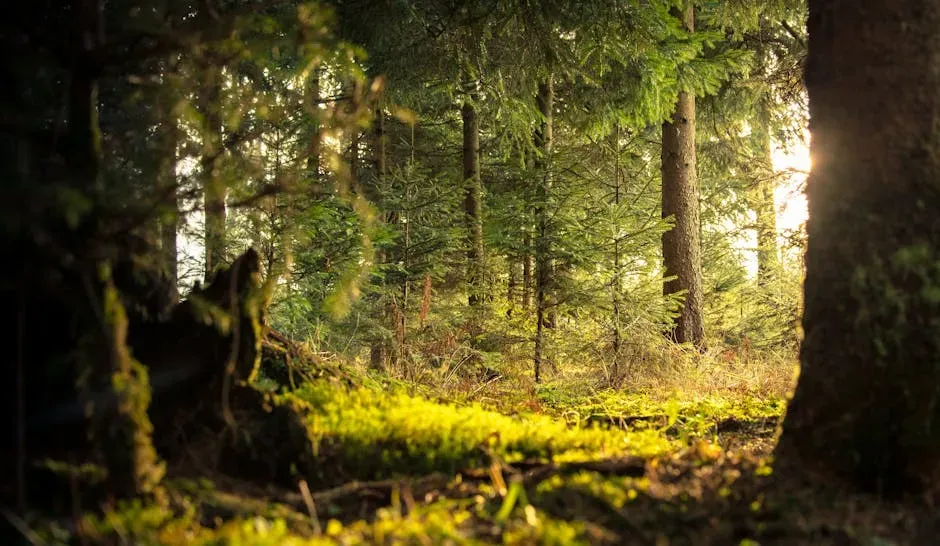
Plants aren’t always kind neighbors; sometimes they are ruthless competitors. Certain species release chemicals into the soil or air that slow down or even prevent the growth of nearby plants. This strategy, known as allelopathy, gives them more access to light, water, and nutrients by quietly sidelining the competition. It’s not obvious at first glance, but it can shape entire landscapes.
Black walnut trees are a classic example, with roots and fallen leaves that leach compounds many other plants can’t tolerate. Some weedy invaders also use this trick, creating invisible barriers that native species struggle to cross. In a way, it’s like a slow-motion turf war with no shouting, just chemistry and patience deciding who wins the space.
A Living Conversation All Around Us
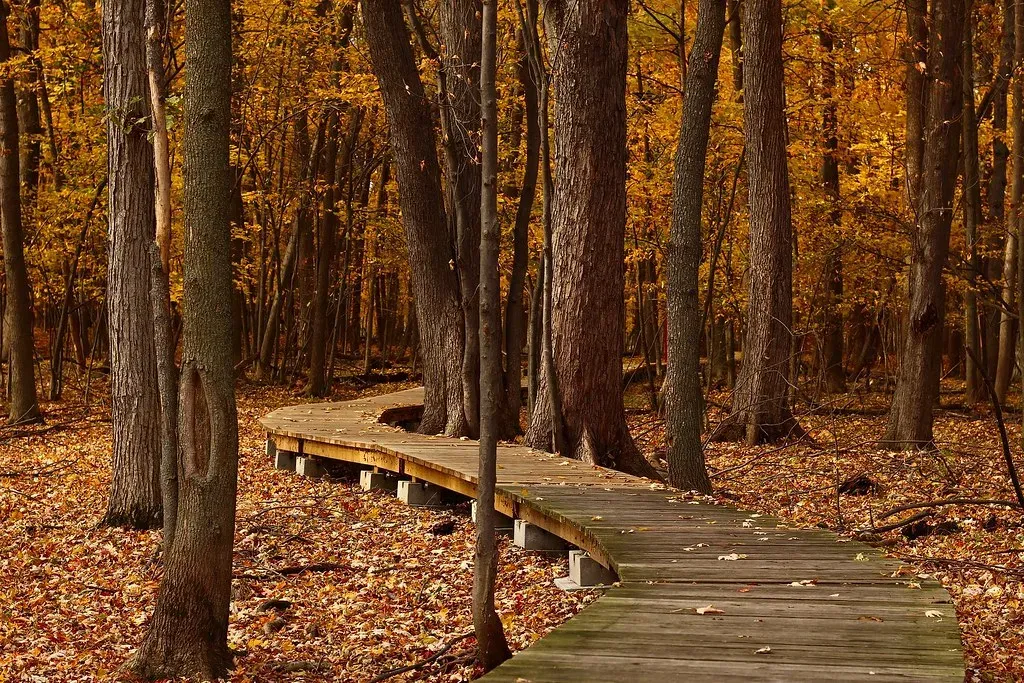
Once you know how plants communicate – through scents, roots, electricity, alliances, and even sabotage – the natural world stops feeling quiet. A meadow, a forest, even a scruffy roadside verge becomes a place where information is constantly flowing. It’s not communication the way we do it, but it’s organized, purposeful, and often surprisingly strategic.
Next time you walk past a tree or lean over a patch of wildflowers, it’s worth pausing for a second and imagining all the invisible messages moving around you. The air might be full of chemical warnings, the soil humming with shared resources, and animals unknowingly running errands for plants. Does it change how you see that “silent” green world now?