
What if everything we think we know about ancient civilizations is just a fraction of the real story? Across continents and millennia, archaeologists have unearthed artifacts and sites that seem to whisper secrets we can’t quite grasp. Some discoveries feel strangely out of place, as if they were left behind by people who knew more than they should have. Others simply refuse to reveal their purpose, no matter how many theories scholars propose.
It’s honestly humbling when you think about it. We’ve sent rovers to Mars and decoded the human genome, yet a carved disc from Crete or a cluster of stone spheres in Costa Rica can leave researchers completely stumped. These objects challenge what we assume about the ingenuity, technology, and knowledge of ancient peoples. The more we learn, the more questions seem to arise. So let’s explore six of the most fascinating archaeological mysteries that continue to perplex experts worldwide.
The Antikythera Mechanism: An Ancient Computer That Shouldn’t Exist
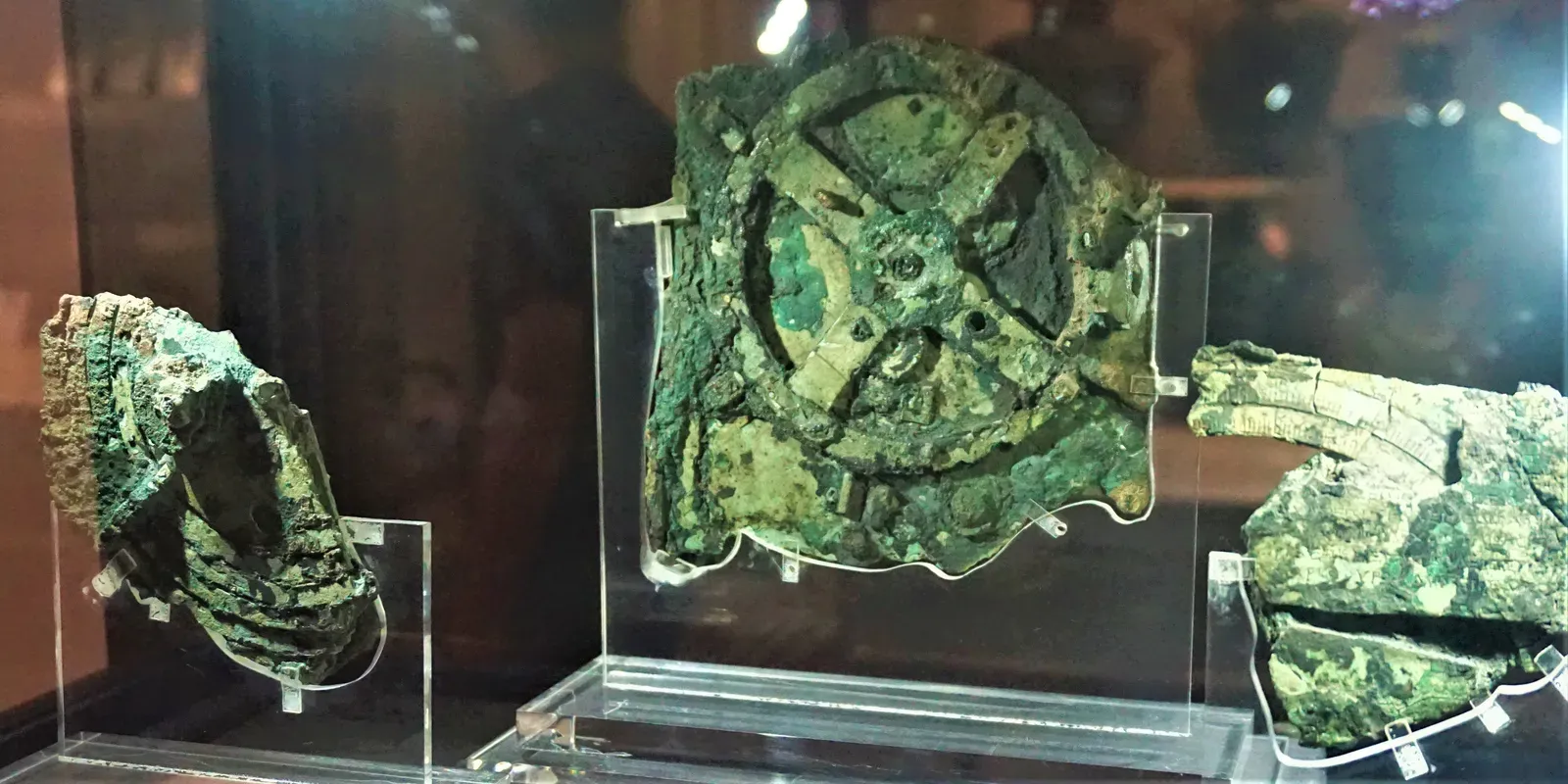
Found in a shipwreck off the Greek island of Antikythera, buried under 45 meters of water, the Antikythera Mechanism was designed to calculate astronomical positions. What makes this artifact truly jaw-dropping is its sophistication. Consisting of a box with dials on the outside and a very complex assembly of gear wheels mounted within, it’s about as complex as an 18th-century top-notch clock, although it’s 2100 years old.
Recent discoveries have shed some light on the Antikythera Mechanism. In 2006, X-ray imaging and 3D computer modeling revealed previously unknown features of the mechanism, including two hidden dials. Despite these advances, the full scope of what this device could do remains mysterious. How did ancient Greek craftsmen achieve such precision without modern tools? Still, the mechanism’s ultimate purpose remains a mystery that continues to baffle scientists.
The Nazca Lines: Messages Written for the Sky
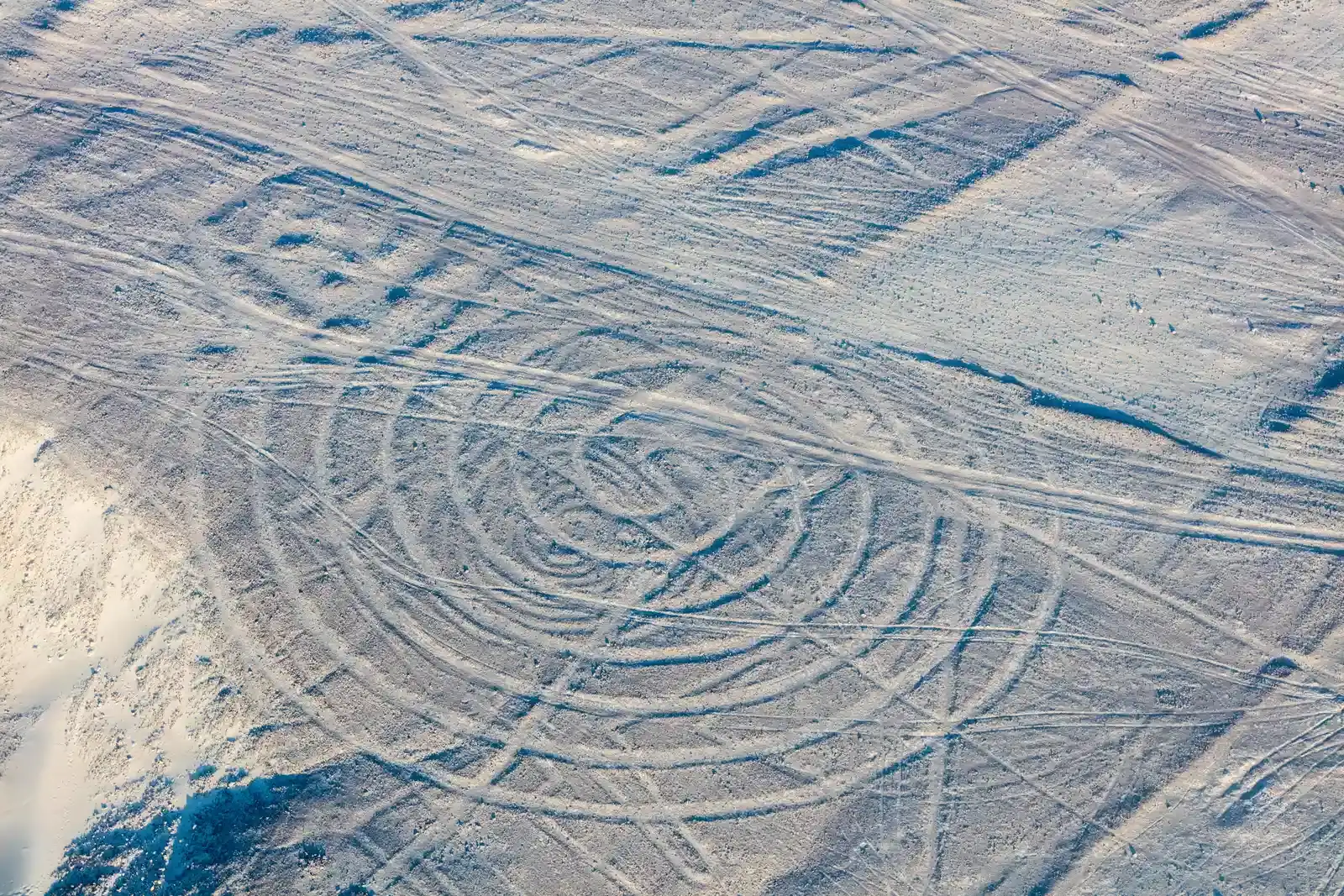
200 miles southeast of Lima, in a desiccated desert that receives less than an inch of rainfall per year, lies another archaeological mystery that still makes scientists scratch their heads. Known as the Nazca Lines, in honor of the town closest to them, these finds are a collection of unique shapes, first spotted by commercial aircraft, that continue to puzzle archaeologists.
These designs cover an area of roughly 19 square miles (50 square kilometers). They are believed to have been created by the Nazca people between 500 BC and AD 500. The figures include animals such as birds, spiders, and monkeys, as well as geometric shapes and humanoid figures. Here’s the thing: the lines are best viewed from high above, yet these ancient people had no known way to see their own creations from the air. According to the best theories, the geoglyphs and lines may be ritualistic in nature, relating to nature and fertility. However, their original purpose remains somewhat of a mystery.
The Stone Spheres of Costa Rica: Perfectly Round and Completely Puzzling
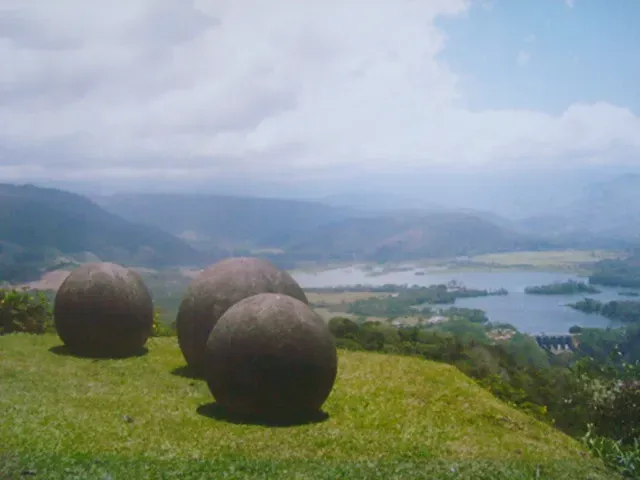
Giant stone spheres – some dating as far back as A.D. 600 – pepper the Diquis Delta of southern Costa Rica. Known locally as Las Bolas (“The Balls”), these monuments were the works of a Pre-Colombian civilization, and most are made from gabbro, a rock that forms from molten magma. The people who carved the stones into their perfectly spherical shapes likely did so using other small stones, according to archaeologists who study the ancient rocks.
What truly baffles researchers is the purpose behind these perfectly crafted orbs. Hundreds of perfectly round stone spheres, some weighing up to 15 tons, have puzzled archaeologists since their discovery in the 1930s. Scattered across Costa Rica’s Diquís Delta, the artifacts, dated between 600 and 1000 CE, are attributed to the Diquís culture, an ancient civilization that vanished long before the Spanish conquest. The precision with which these spheres were shaped despite the absence of advanced tools suggests an exceptional level of craftsmanship. Many are arranged in clusters, alignments, and geometric patterns, leading some to speculate on their potential astronomical or ceremonial significance.
The Phaistos Disc: An Undeciphered Message from Bronze Age Crete
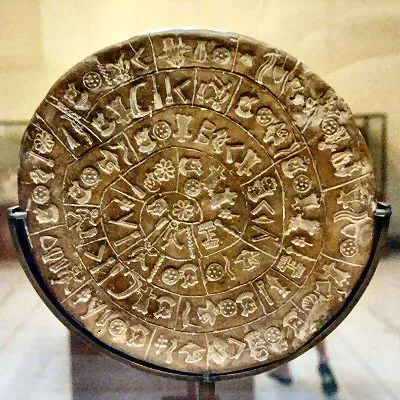
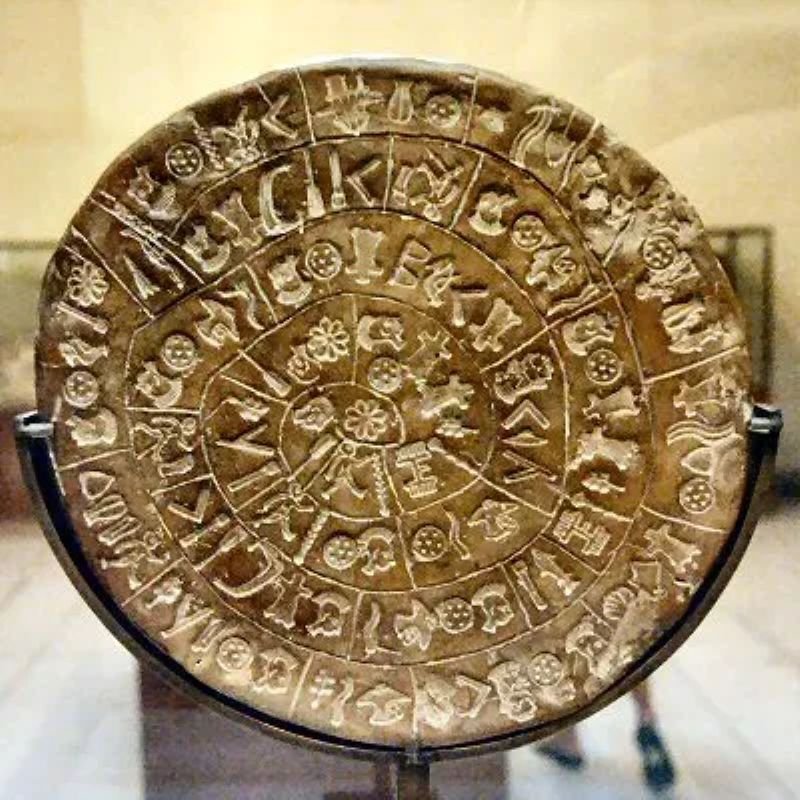
Unearthed in 1908 on Crete, the Phaistos Disc is a fired clay object inscribed with spiraling, stamped symbols. Scholars have struggled for decades to decipher its meaning – some believe it’s a hymn or prayer, while others think it could be a type of game or record. The symbols appear to have been stamped into the clay using individual seals, which suggests a level of organization and perhaps even an early form of printing technology.
Let’s be real: nobody has definitively cracked this code. The true purpose of the disc remains elusive, adding to its allure as one of archaeology’s most intriguing puzzles. The fact that nothing else quite like it has been found makes the mystery even deeper. Was it a one-off creation, or does it represent a forgotten writing system that simply hasn’t survived elsewhere?
Roman Dodecahedrons: Beautiful, Mysterious, and Everywhere
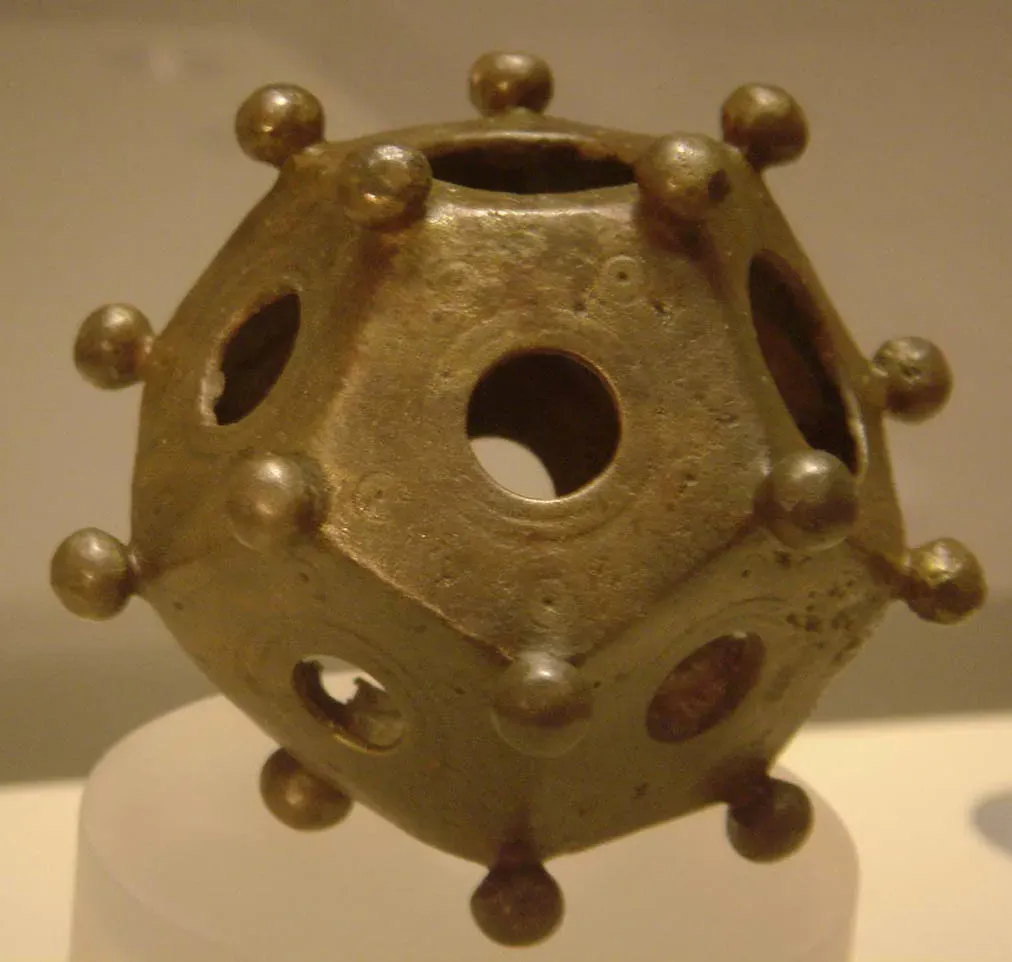
No representations of these objects are known in ancient art or literature. They do not conform to a standard size and rarely show use-wear which could hint at their purpose. Although armchair experts will tell you their granny used one to knit gloves, archaeologists are undecided on their intended use. Over the past century, archaeologists working throughout the extent of the Roman Empire’s ancient boundaries have unearthed numerous small metallic objects known today as dodecahedrons.
These mysterious objects got their name from their 12 sides, but the shape is about all that experts can agree on. They were made between AD 100 and 300 of bronze or stone with a hollow center, and the Roman use for the Dodecahedrons is hotly debated. Some believe the 12 sides had to do with zodiac signs, while other theories suggest the objects were weapons, toys or religious symbols. I know it sounds crazy, but despite finding dozens of these things, we still have no solid answer about what they were for.
Göbekli Tepe: The Temple That Rewrote Prehistory
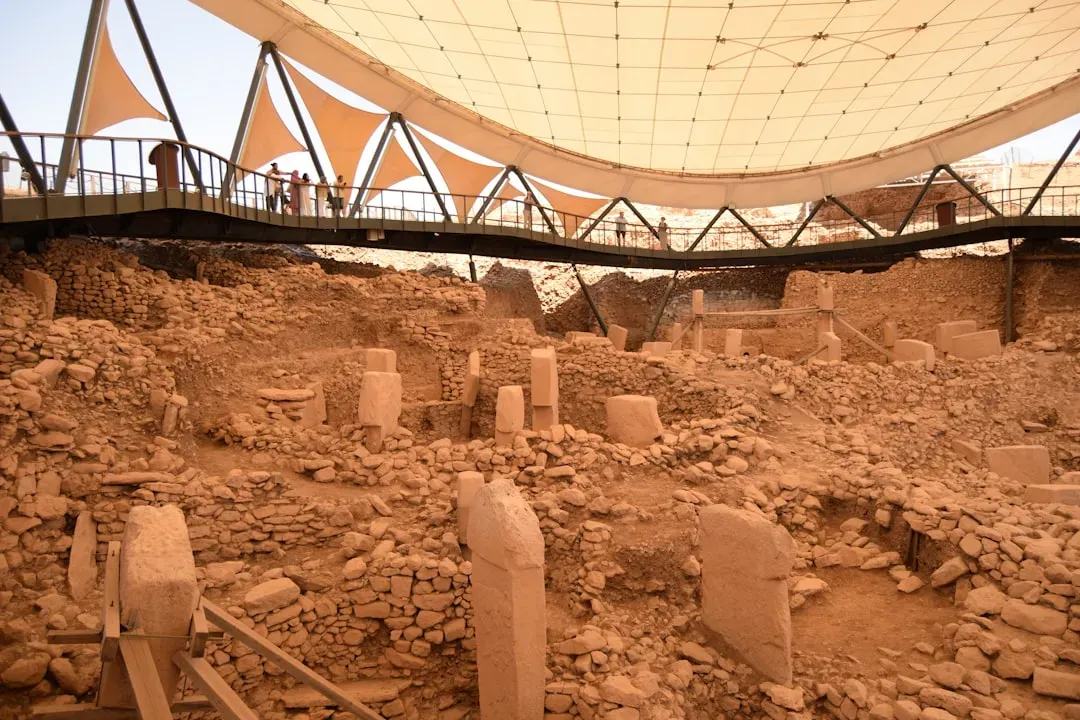
Located north of the Turkish city of Sanlıurfa lies the 12,000-year-old site of Gobekli Tepe. Since its discovery in the middle of the 20th century, this monumental structure has vastly changed our understanding of humans during the end of the last ice age. This is where things get really wild. Comprised of enormous T-shaped stone pillars, some as tall as 16 feet and weighing in excess of 50 tons, to this day, archaeologists know very little about its original inhabitants or how they cut and moved such monumental stones.
To date, experts have still NO IDEA who built this massive, fascinating site around 12,000 years ago. Göbekli Tepe is considered the world’s first temple. What makes it even more remarkable is that it predates agriculture, pottery, and even permanent settlements. These people were supposedly hunter-gatherers, yet they organized massive construction projects that would challenge even modern engineers. Most of this ancient site still remains buried. Whoever built it, made sure the complex would survive along thousands of years, by backfilling the various sites and burying them deep under.
Conclusion
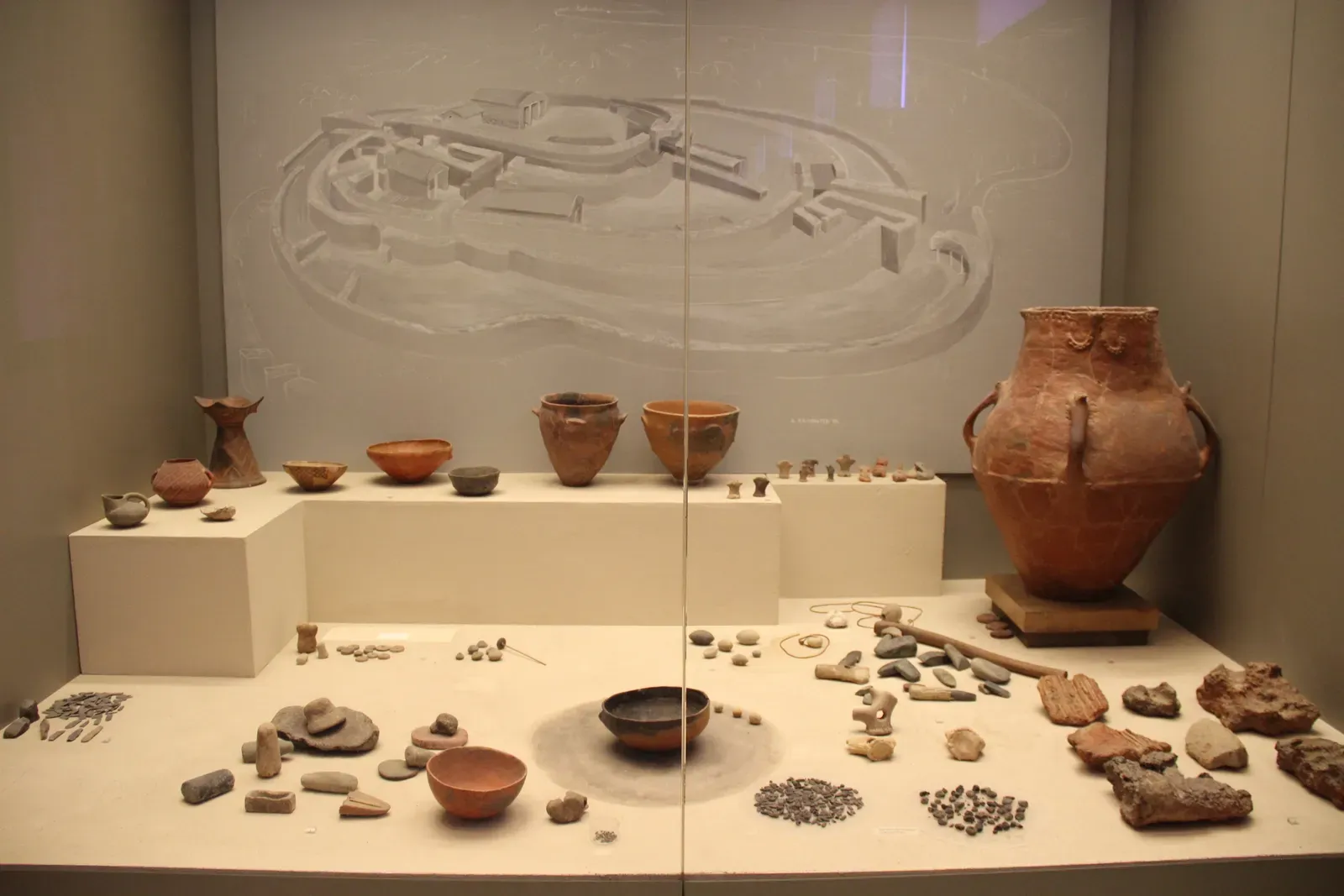
These six discoveries remind us that history isn’t a closed book with all the answers neatly written down. Every stone sphere, ancient mechanism, and towering pillar represents a question mark in our understanding of what ancient people could achieve. It’s hard to say for sure, but perhaps the real lesson here is humility. Our ancestors were clearly far more capable and knowledgeable than we often give them credit for.
As technology advances and new analytical methods emerge, we might one day unlock these mysteries. Then again, maybe some secrets are meant to stay buried, waiting patiently beneath the earth for future generations to ponder. What do you think about these baffling finds? Did any of them surprise you as much as they continue to surprise the experts?