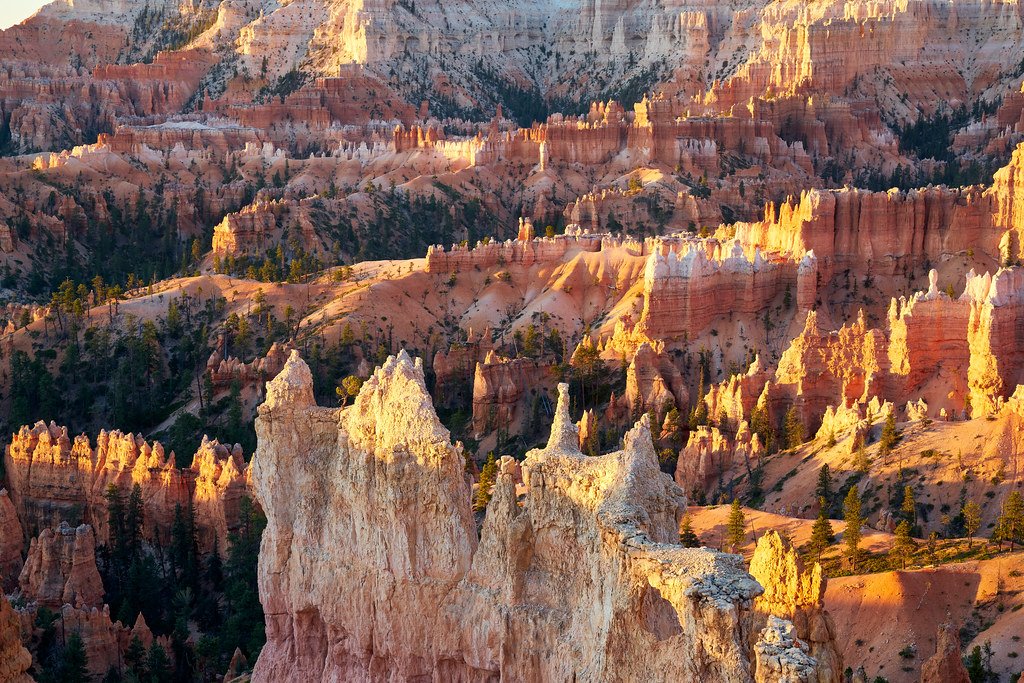

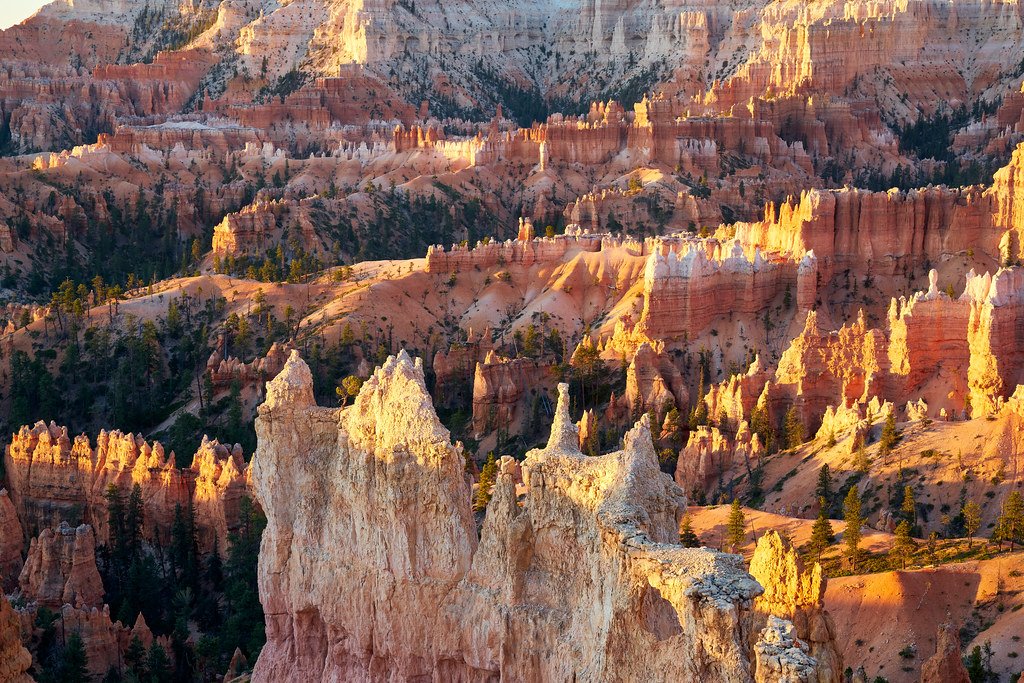
Standing at the edge of Bryce Canyon’s fiery amphitheater, surrounded by towering hoodoos and endless stretches of red rock wilderness, it’s easy to forget that you’re sharing this spectacular landscape with some of nature’s most formidable inhabitants. While millions of visitors come here each year to marvel at geological wonders that took millions of years to create, few realize they’re entering territory where predators still rule and survival instincts matter more than your hiking boots. The pristine beauty of this Utah treasure masks the reality that beneath its stunning facade lies a complex ecosystem where danger can emerge from the most unexpected places, transforming your dream vacation into a survival story you’ll never forget.
Mountain Lions: The Silent Stalkers of Red Rock Country
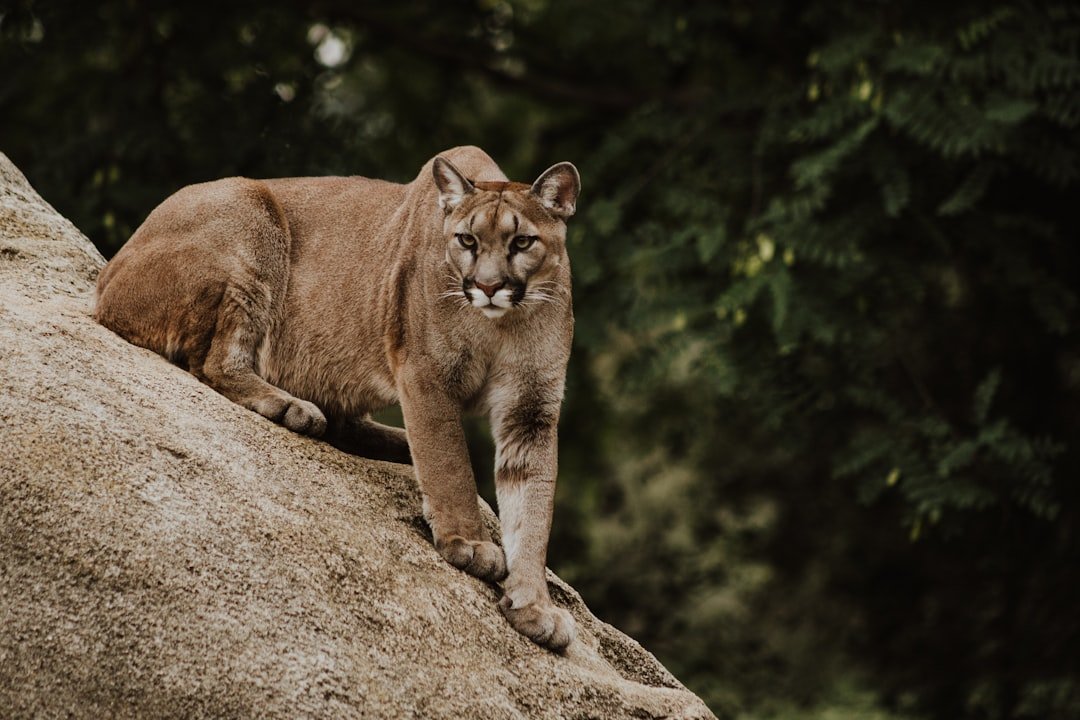
The most dangerous animal that you may accidentally encounter while exploring Bryce Canyon is likely the mountain lion. These magnificent predators, also known as cougars or pumas, represent the apex of stealth and power in this high desert environment. Mountain lions, also called cougars, are large cats that can reach 7-8 feet in length from nose to tail. Their size, speed, and agility make them a dominant predator.
While sightings are rare because mountain lions tend to want to avoid humans, they do occur in the park – especially at night, in winter, or on backcountry trails that are less trafficked. At Bryce Canyon, you are most likely to see a mountain lion in the southern part of the park, in the backcountry along the Riggs Spring Loop Trail. If you encounter warning signs like scratch marks on trees or cached animal remains, it’s time to calmly exit the area – you’ve likely wandered into a big cat’s hunting grounds.
Black Bears: Unexpected Giants of the High Country
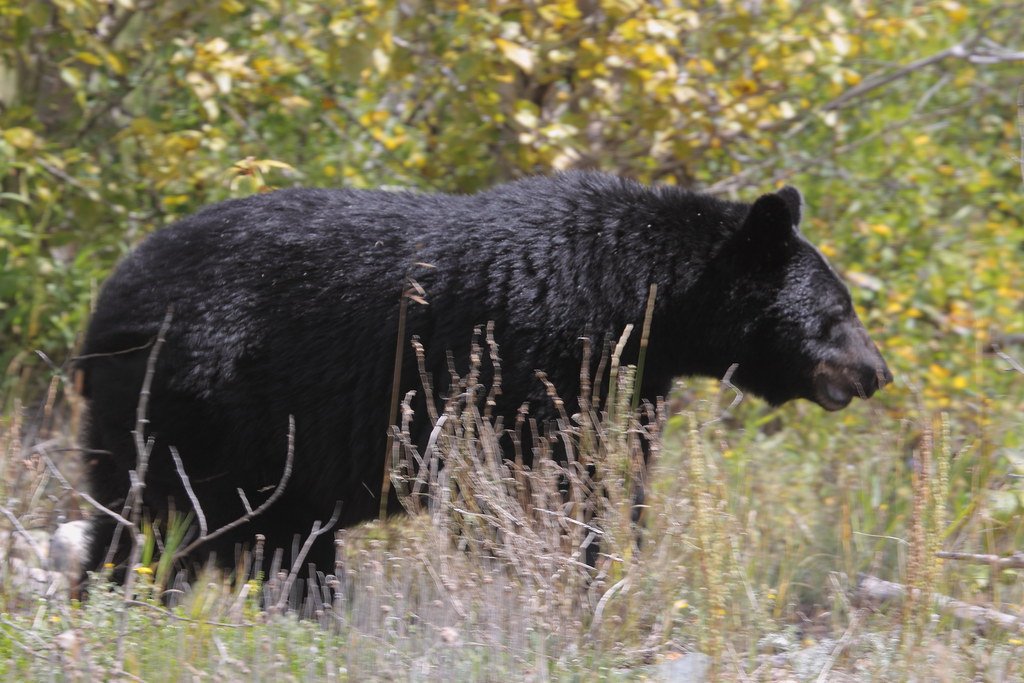
Although the brilliant orange and red canyons of Utah may not be where you would expect to encounter a black bear, there are around 4,000 to 5,000 black bears at any given time in the state. Estimates usually put the number of bears in Bryce Canyon as somewhere between 10 and 12. These powerful omnivores might seem out of place among the desert hoodoos, but they’re perfectly adapted to the park’s diverse elevation zones.
Unlike their coastal cousins who feast on salmon, Bryce Canyon’s black bears survive on a diet that’s nearly ninety percent vegetation, supplemented by insects and occasional scavenged meat. If you encounter a black bear while hiking or camping in Bryce Canyon, you should stand your ground and give the bear time to move around you. With black bears, it is important not to run away or play dead. You should also avoid making eye contact as this may be taken as a sign of aggression.
Great Basin Rattlesnakes: Masters of Desert Disguise
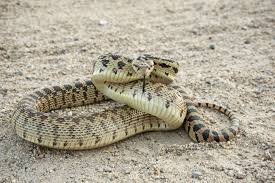
The Great Basin Rattlesnake is the only venomous snake in Bryce Canyon National Park. The great basin rattlesnake is one of those animals that can be very dangerous because they are venomous and quite hard to see due to their brown and tan bodies that blend in so well with their desert surroundings. These serpentine specialists have perfected the art of camouflage, making them nearly invisible against the park’s rocky terrain.
You will know when you encounter one by its distinct rattle of the tail. They are usually brown or gray with dark blotches along their back. While death from a rattlesnake bite is pretty rare nowadays especially if the bite victim is able to get to a hospital quickly to be treated, it can still happen and is more likely to happen if you are out in the middle of nowhere far from the nearest hospital. The good news is that these snakes would rather slither away than fight, but their warning rattle isn’t just for show.
Elk: Towering Titans with Attitude Problems
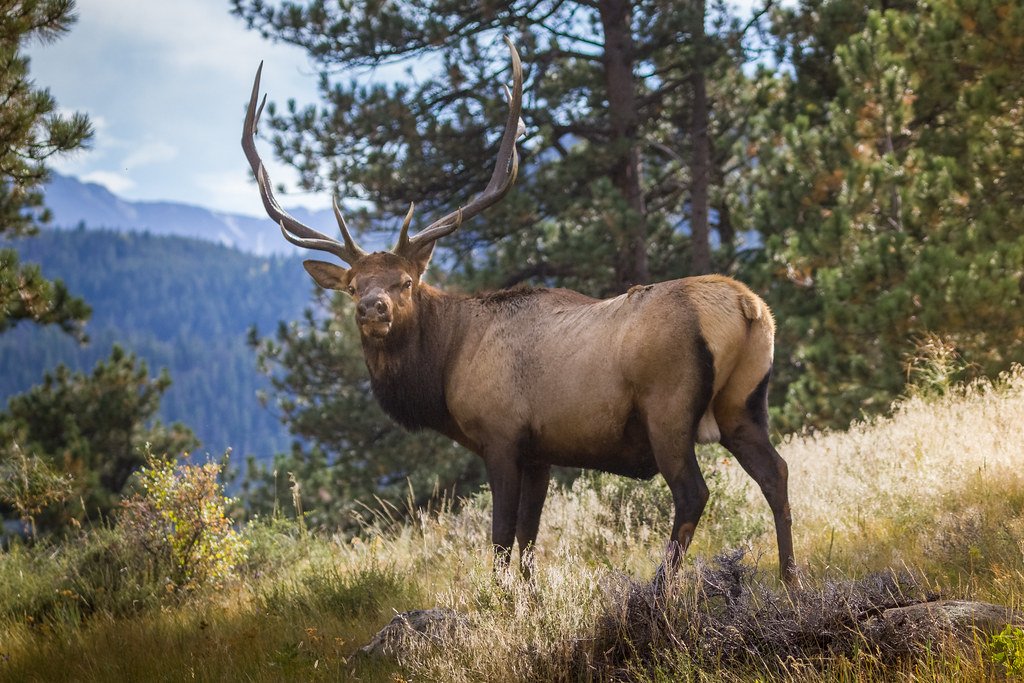
Although not believed to be full-time residents of either park, Rocky Mountain elk are known to frequent the area and are sometimes spotted in or near the parks at the higher elevations, particularly in the fir and spruce forest at the southern end of Bryce Canyon National Park. Known for the buck’s large racks of antlers, Rocky Mountain elk can reach weights of more than 1,000 pounds. These massive herbivores might look peaceful while grazing, but they’re responsible for more injuries in national parks than most predators combined.
Elk are one of the most dangerous animals in Grand Canyon National Park. They are not usually aggressive, but will defend themselves if people get too close. Please do not approach elk, and view them from at least 100 feet (30 m). During mating season, bull elk become particularly unpredictable, their massive antler racks transforming them into thousand-pound battering rams with serious attitude problems. Even cow elk protecting their calves can deliver bone-crushing kicks that’ll send you flying.
Coyotes: Clever Opportunists of the Canyon Rim
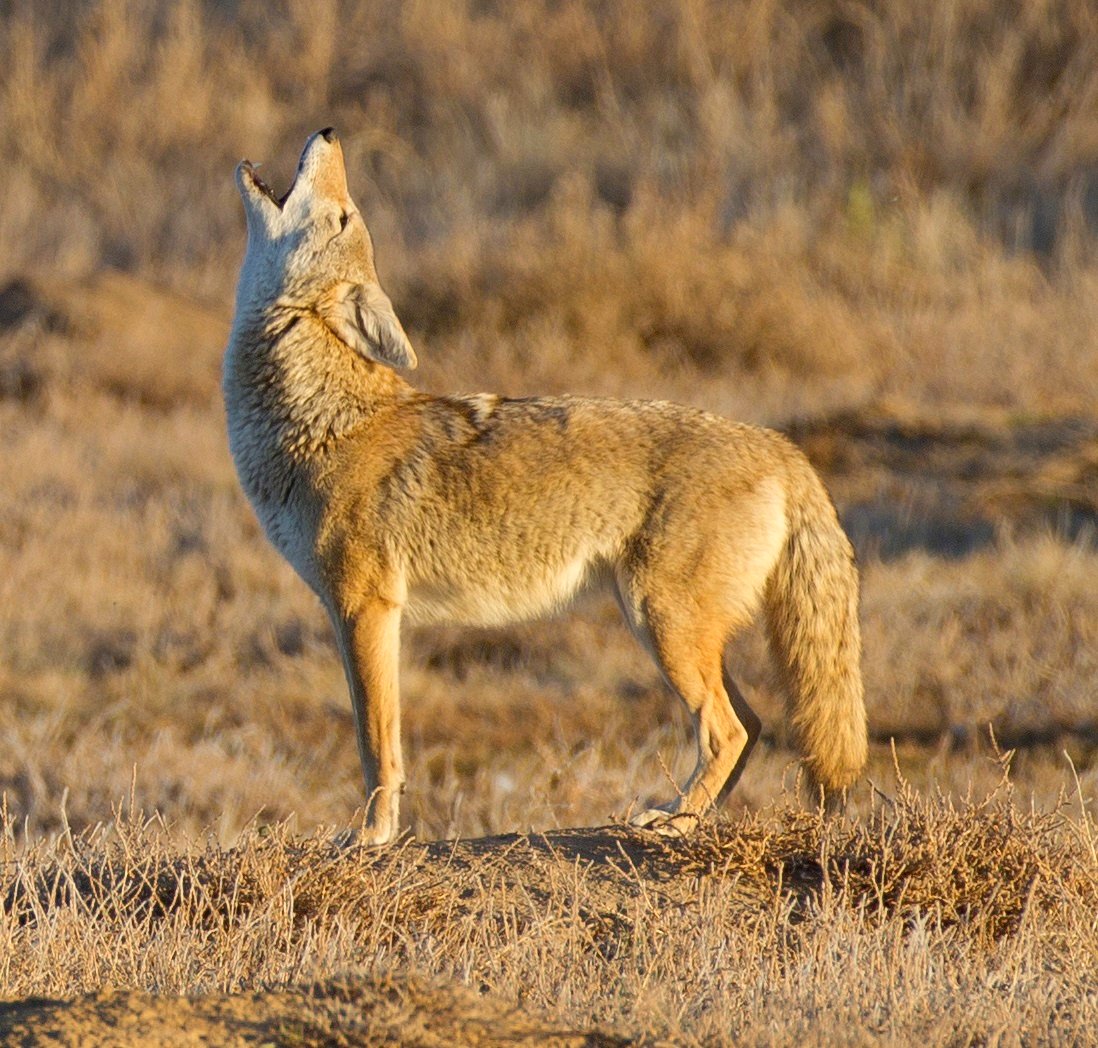
Coyotes are survivors, and they are increasing in population throughout the United States. They are seen – or more often heard – throughout both Zion and Bryce Canyon, where they hunt rabbits, rodents, and other small animals. Tan or yellow-gray, with bushy tails, coyotes look much like domestic dogs and usually weigh 30 to 40 pounds. These adaptable predators have mastered the art of living alongside human development, making them one of the most successful carnivores in North America.
Mule deer tend to migrate to lower elevations during winter along with mountain lions, bobcats, and coyotes. While generally wary of humans, coyotes can become bold around campsites and picnic areas where food scraps attract their attention. Coyote choruses are often heard at night, consisting of a series of sharp yelps, barks, and howls. That haunting sound echoing off canyon walls isn’t just atmospheric – it’s a reminder that you’re sharing the landscape with intelligent predators who work together to survive.
Utah Prairie Dogs: Small But Surprisingly Significant
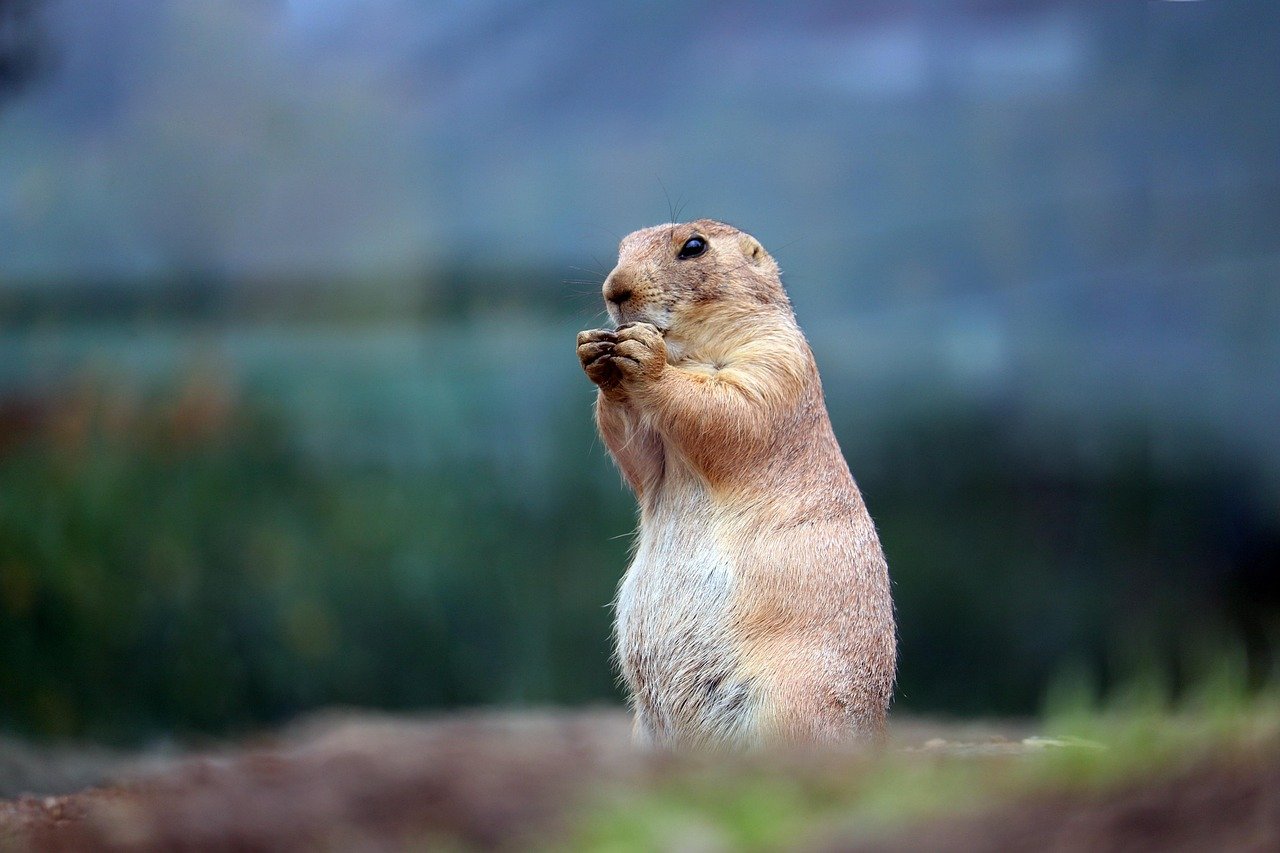
Bryce Canyon’s mammal population includes porcupines, racoons, the Utah prairie dog, and the more plentiful mule deer. While Utah prairie dogs might seem harmless compared to the other creatures on this list, these small rodents can pose unique risks that many visitors overlook. These endangered animals are protected by federal law, meaning any interaction with them could result in serious legal consequences.
Listen for when the prairie dogs begin to chitter and “bark”–this may alert you to a predator along the treeline or soaring above. Beyond legal issues, prairie dogs can carry diseases transmissible to humans, including plague and tularemia. Their burrows also create hidden hazards for hikers, as a wrong step into a prairie dog hole can result in twisted ankles or broken bones. Utah Prairie Dogs typically begin to depart underground for hibernation by November, and the first males are often seen reemerging in late February or early March.
Conclusion: Respecting the Wild in Wonder
Bryce Canyon’s breathtaking beauty comes with an inherent wildness that demands respect rather than fear. The best way to view wildlife is from a safe distance. Remember to treat Bryce Canyon Country’s wildlife with reverence – they are wild animals, no matter how tame they appear. These six creatures represent just a fraction of the park’s diverse ecosystem, each playing a crucial role in maintaining the delicate balance that makes this landscape so extraordinary. Understanding their behaviors, recognizing potential dangers, and preparing appropriately doesn’t diminish the magic of your visit – it enhances it by keeping you safe while allowing you to appreciate these magnificent animals from a respectful distance.
The key to a successful Bryce Canyon adventure lies not in avoiding wildlife entirely, but in developing the awareness and respect that transforms potential encounters from dangerous surprises into unforgettable wildlife experiences. After all, isn’t sharing the landscape with creatures that have called these red rocks home for thousands of years part of what makes visiting a true national treasure so humbling and remarkable?
Hi, I’m Andrew, and I come from India. Experienced content specialist with a passion for writing. My forte includes health and wellness, Travel, Animals, and Nature. A nature nomad, I am obsessed with mountains and love high-altitude trekking. I have been on several Himalayan treks in India including the Everest Base Camp in Nepal, a profound experience.