
Picture a world where boiling water is refreshing, pure salt is a comfort food, and radiation is just background noise. It sounds like science fiction. Yet right now, across the scalded edges of volcanic vents, the bone-dry floors of ancient deserts, and the crushing darkness of the deep ocean, living creatures are thriving. Not just surviving. Actually thriving. And the biology behind that feat is genuinely astonishing.
You might be wondering what separates an organism that can shrug off temperatures that would cook your DNA from one that dies at the first cold snap. The answer lies in a handful of elegant, jaw-dropping biological processes shaped by billions of years of evolution. Let’s dive in.
Cryptobiosis: The Art of Playing Dead to Stay Alive
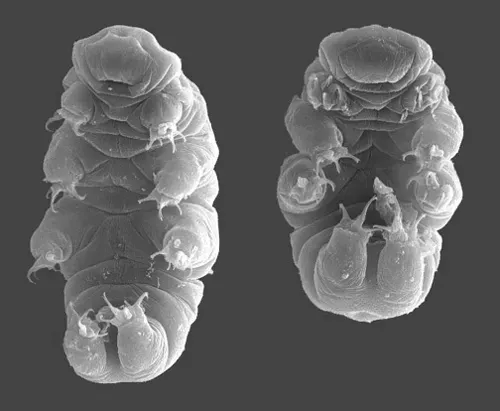
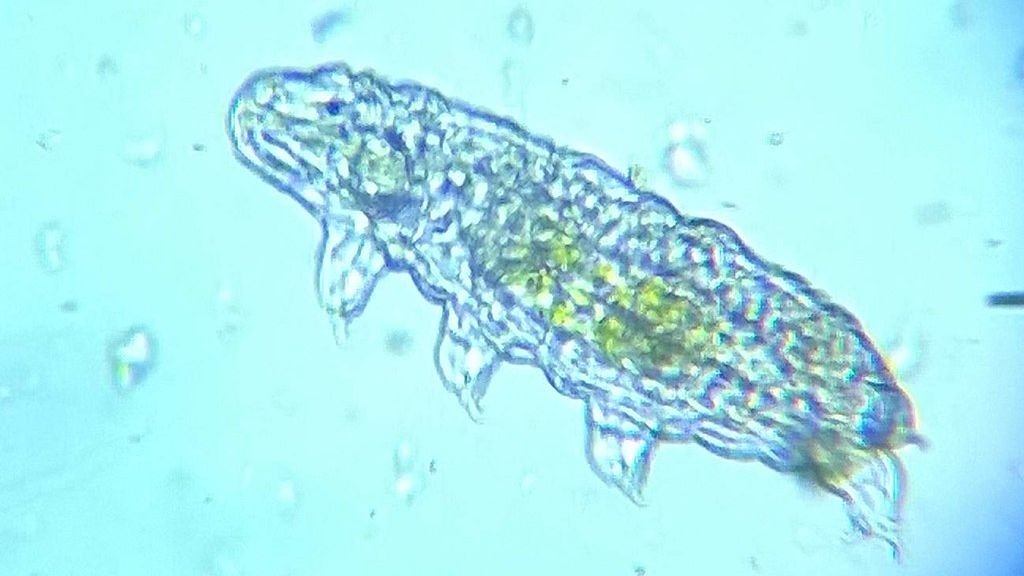
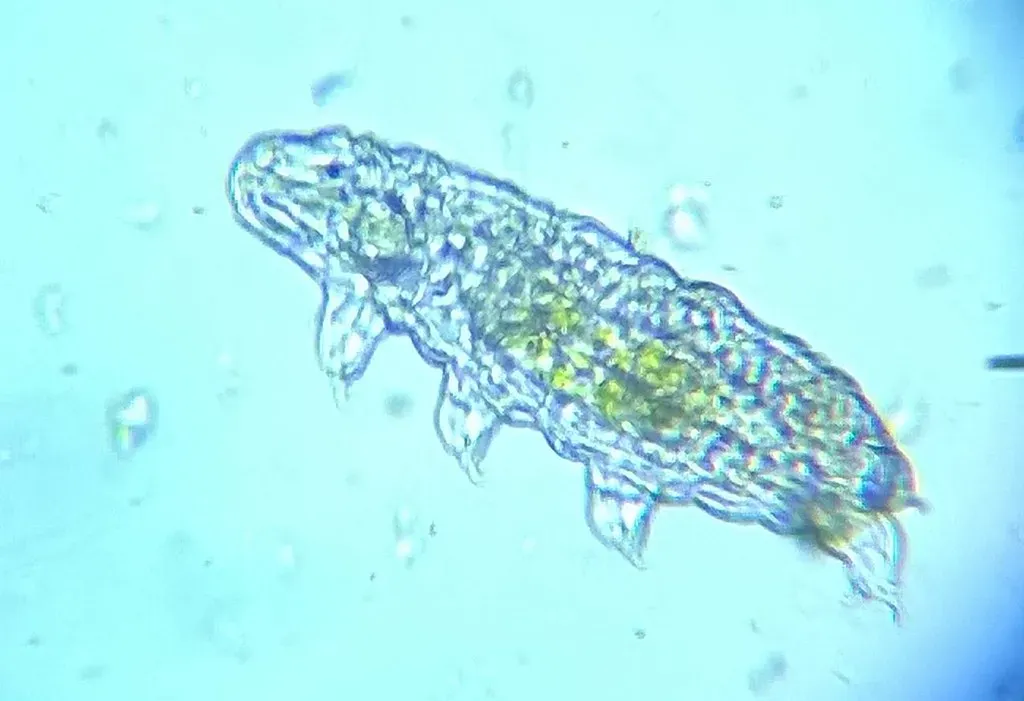
If you’ve ever heard of a tardigrade, you already know the concept. But knowing it and really understanding it are two different things. Cryptobiosis is a metabolic state in extremophilic organisms triggered by adverse conditions like desiccation, freezing, and oxygen deficiency. In the cryptobiotic state, all measurable metabolic processes stop, preventing reproduction, development, and repair.
Here’s what makes this truly mind-bending. The tardigrade, or water bear, can undergo all five types of cryptobiosis. While in a cryptobiotic state, its metabolism reduces to less than 0.01% of what is normal, and its water content can drop to just 1% of normal. It can withstand extreme temperature, radiation, and pressure in this state. Think about that. One percent of normal water. That’s not just dehydration. That’s essentially becoming a dried speck with a heartbeat on standby.
Tardigrades can live in this state of suspended animation, a form of cryptobiosis known as anhydrobiosis, for decades. In this desiccated condition, they have endured the vacuum of space and pressures six times that of the ocean bottom. They’ve persisted through temperatures as low as around minus 237 degrees Celsius and higher than 149 degrees Celsius. They’ve also emerged unscathed from bombardments of radiation that are roughly 1,400 times higher than the levels that would kill a human being.
The molecules behind this are just as incredible. Tardigrade-specific proteins are proposed to play a role in stabilizing the cell and its elements both by replacing water during desiccation and by forming a glass-like matrix within cells, physically preventing protein denaturation, protein aggregation, and membrane fusion. It’s like wrapping every single piece of your cellular machinery in biological bubble wrap before going dormant. Honestly, it’s one of the most elegant survival tricks in all of biology.
Specialized Protein Stabilization: Keeping the Machinery Running Under Extreme Heat
Let’s be real for a second. Heat destroys proteins. You see this every time you fry an egg and watch the whites go from clear to solid white. The same thing would happen to the proteins inside any of your cells if you dunked them in boiling water. So how exactly do organisms living near hydrothermal vents, where water erupts from the seafloor at temperatures reaching 400 degrees Celsius, manage to keep their cellular machinery intact?
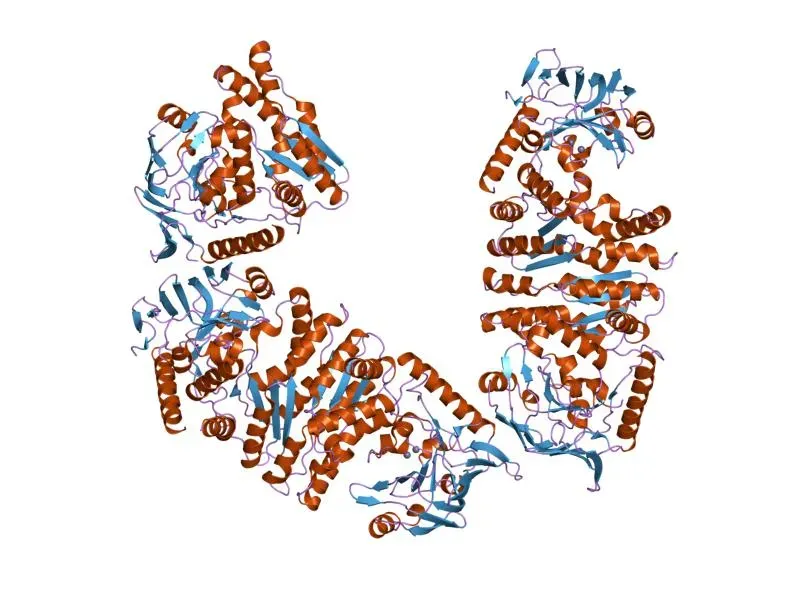
Thermophilic proteins tend to have a prominent hydrophobic core and increased electrostatic interactions to maintain activity at high temperatures. In other words, these proteins are engineered at the molecular level to be fundamentally sturdier, like swapping the plastic frame of a cheap chair for welded steel. Thermophiles contain stable enzymes that resist heat, along with special features like temperature-responsive membrane lipids, durable cell membranes, and elevated GC levels in rRNA and tRNA to improve molecular stability.
One well-known example is Thermus aquaticus, a bacterium used in PCR due to its heat-stable DNA polymerase. This organism, discovered in the hot springs of Yellowstone, essentially handed us a molecular biology revolution. Its heat-resistant enzyme is now used in labs worldwide to replicate DNA, and it all came from studying a microbe living in a place most scientists once believed was too hostile for any life at all. Proteins are central to enabling these organisms to survive and function under such harsh conditions, and studies have shown that some extremophiles, particularly hyperthermophiles, are closely related to the universal ancestors of all life, providing valuable insights into early Earth’s conditions.
Antifreeze Protein Production: Nature’s Biological Antifreeze
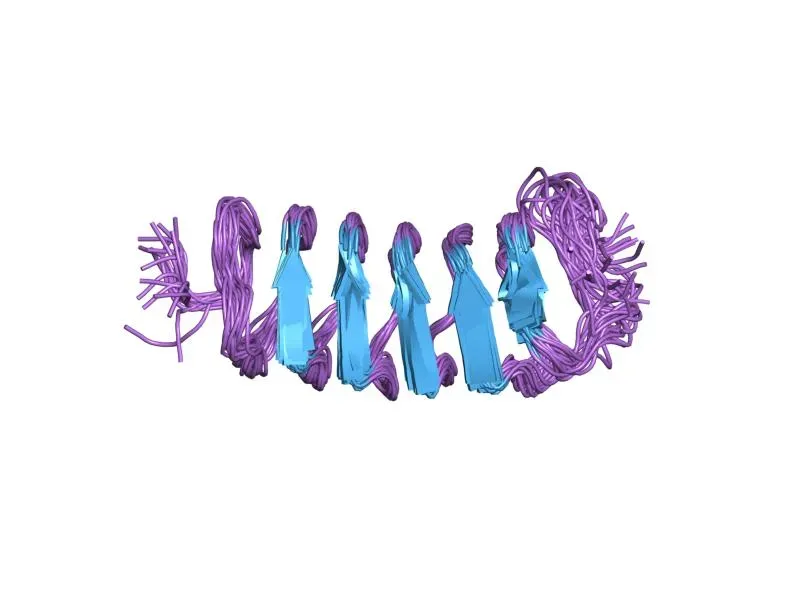
Now flip the script completely. Instead of blazing heat, imagine life at minus 10 degrees Celsius. Your cells would freeze. Ice crystals would tear through membranes like tiny shards of glass, destroying everything. Yet psychrophiles, cold-loving organisms found in polar regions and deep ocean waters, live their entire lives right at those temperatures. How do they do it?
Psychrophiles produce antifreeze proteins that lower the freezing point of their cellular fluids, allowing them to remain active even in frigid temperatures. These proteins inhibit ice crystal formation inside cells. It’s almost too simple when you put it that way. They just make a protein that tells ice crystals to back off. But the biochemistry involved is intricate and remarkable. Psychrophiles exhibit distinct molecular and genomic features including flexibility in their enzymatic activity, a higher number of antifreeze and cold-shock proteins, membrane fluidity, decreased hydrogen bonding, and greater hydrophobicity on their surface which help them survive in cold environments.
Psychrophilic proteins have a reduced hydrophobic core and a less charged protein surface to maintain flexibility and activity under cold temperatures. Think of it like this: where your phone might crack in freezing weather because its casing becomes rigid and brittle, these organisms have evolved cellular components that stay supple and flexible no matter how cold it gets. The Antarctic ciliate Euplotes focardii and its associated bacterial consortium represent a well-studied psychrophilic system, showing pronounced molecular adaptation for cold. Metagenomic studies identified an antifreezing protein that provides strong cryoprotection, underscoring the cooperative survival strategy of the consortium in Antarctic environments.
Osmotic Regulation: Thriving in Salt Concentrations That Would Pickle Most Life Forms
The Dead Sea. Salt flats shimmering white under a blazing sun. Hypersaline lakes where the water is thicker than it looks. These are not places you’d expect to find lush life. Yet halophiles not only survive in such environments, they actually require them. In the Dead Sea, the sodium concentration is ten times higher than that of seawater, and the water contains high levels of magnesium that would be toxic to most living things. Yet microbial life persists there.
The mechanism is clever and precise. Halophiles had to evolve a system to deal with extreme osmotic stress. To facilitate this, they possess a membrane system to pump potassium in while pumping sodium out. The intracellular concentration of potassium can vary dramatically depending on the species. This functions to maintain osmotic balance in the cell. It’s essentially a biological salt-management system running 24/7, keeping the inside of the cell at a livable balance while the outside is essentially a brine bath.
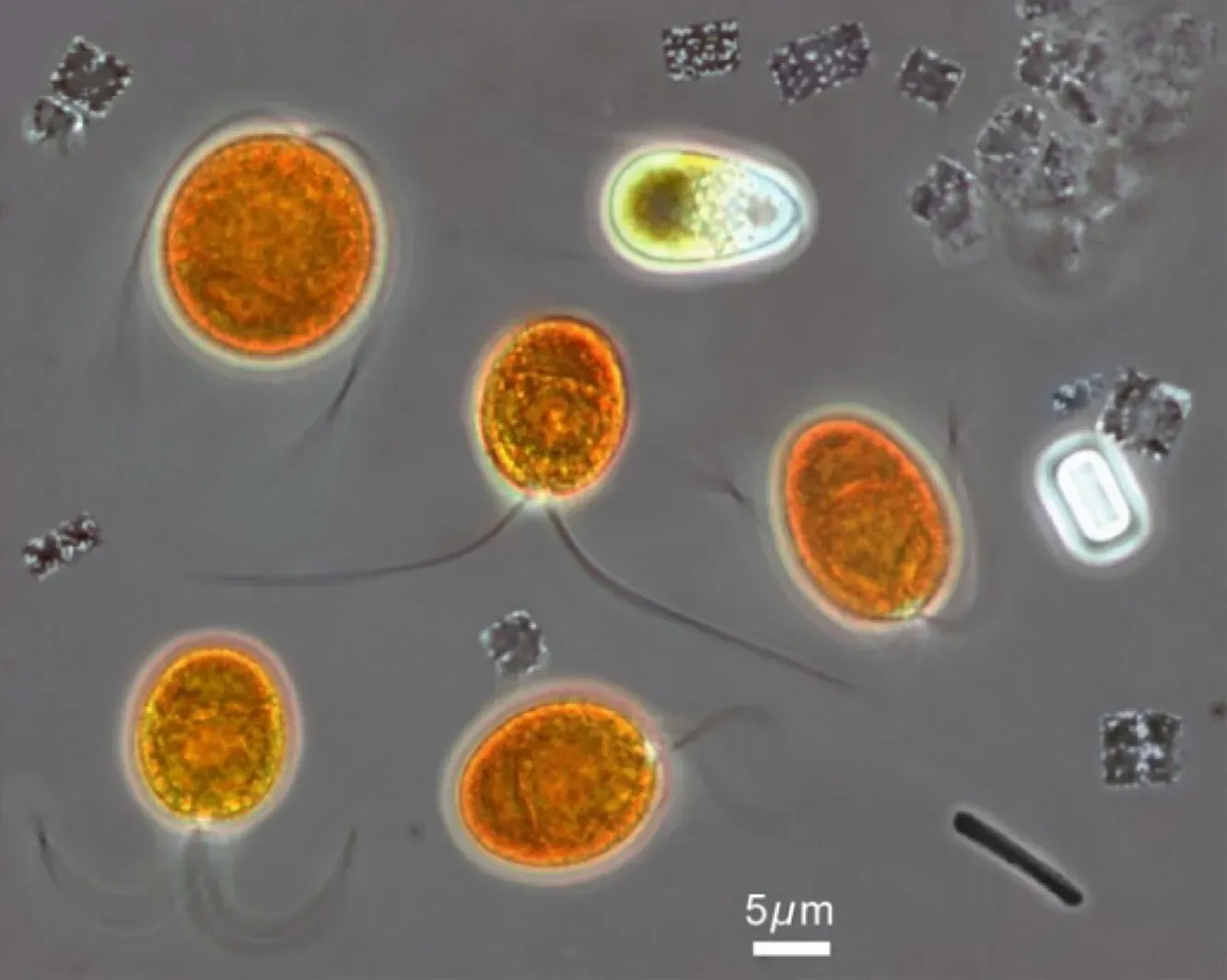
Halophiles thrive in hypersaline environments through specialized adaptations such as salt-stable proteins and enzymes, accumulation of compatible solutes like potassium ions and glycine betaine, and modified cell membranes coupled with efficient DNA repair mechanisms. One especially fascinating case is the halophilic algae Dunaliella salina, found in salt pans and salt lakes. This unicellular organism has evolved specialized mechanisms to cope with high salt concentrations, including the production of compatible solutes that help maintain cellular osmotic balance. It’s a perfect reminder that life finds a way, even in conditions that seem cartoonishly hostile.
Chemosynthesis: Feeding Off Chemicals Instead of Sunlight
Here is the process that genuinely upended decades of scientific thinking. For a long time, it was assumed that all life on Earth ultimately depended on sunlight. Plants capture it, animals eat the plants, everything traces back to the sun. Simple. Neat. Wrong. In the 1970s, scientists started finding microorganisms in extreme environments that could digest chemicals from the Earth itself. That discovery changed biology forever.
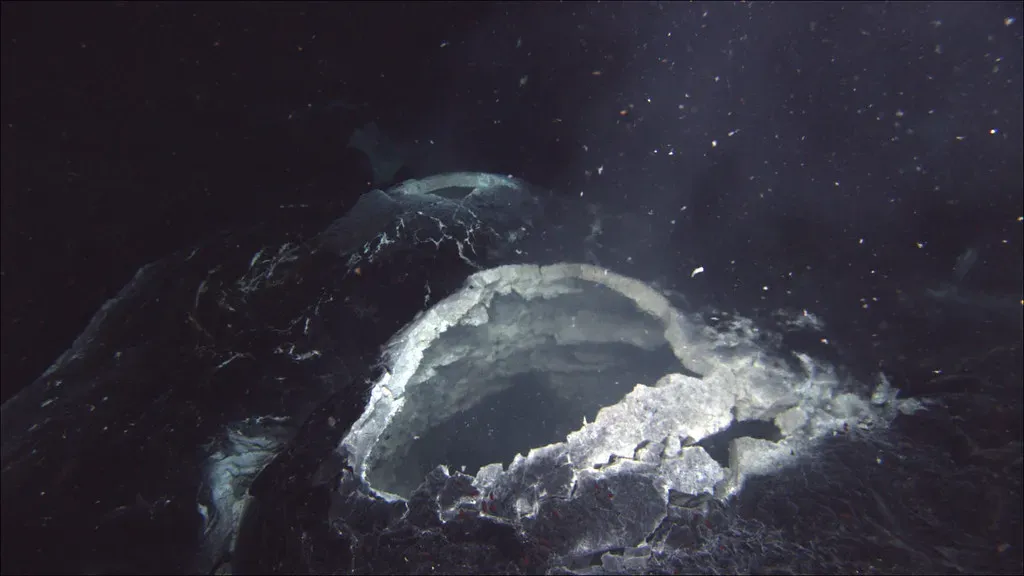
In the depths of our oceans, where volcanism brings magma close to the Earth’s crust, we find hydrothermal vent systems. In these regions, water erupts from the seafloor at temperatures up to 400 degrees Celsius, and there is no sunlight to act as an energy source. Yet these systems are host to diverse ecosystems of worms, clams, mussels, crabs, shrimp, and octopuses. At the base of these ecosystems are microbes called archaea and bacteria. An entire food chain, completely independent of the sun.
Thermophilic bacteria found near hydrothermal vents participate actively in chemosynthesis, converting inorganic compounds into organic matter that sustains entire ecosystems devoid of sunlight. It’s a bit like discovering that some people can sustain themselves by eating rocks. Absurd from the outside, but perfectly logical once you understand the biochemistry. Some hyperthermophiles utilize chemosynthesis, a process where they obtain energy by oxidizing inorganic compounds such as sulfur or iron, instead of relying on sunlight or organic matter for energy production. In a world with no light, chemistry itself becomes the sun.
Radiation-Resistant DNA Repair: Rebuilding the Blueprint After Nuclear-Level Damage
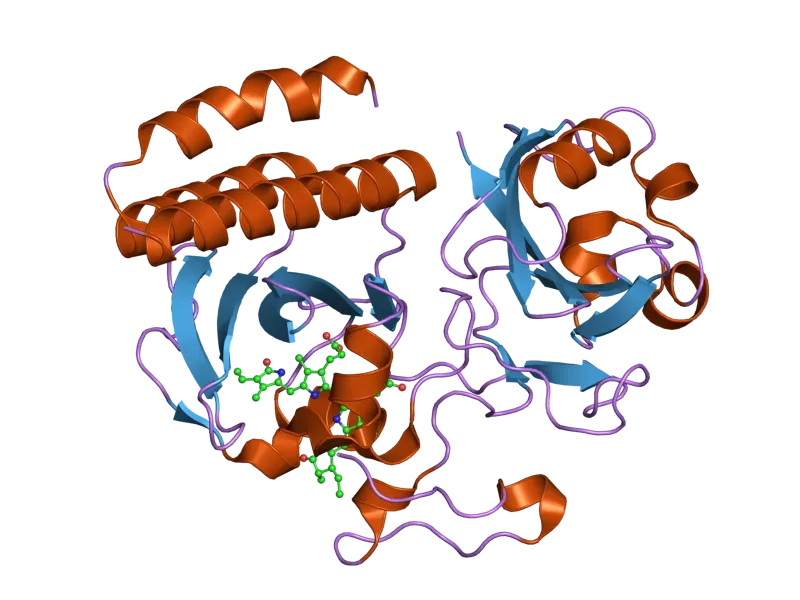
This last one is, I think, the most jaw-dropping process of all. Radiation tears DNA apart. It breaks the strands, scrambles the code, and usually means cellular death. For most organisms, that’s the end of the story. Not for Deinococcus radiodurans. Deinococcus radiodurans is a bacterium often referred to as one of the toughest known organisms. It is renowned for its ability to withstand extreme environments, particularly high levels of radiation. This organism can survive doses of ionizing radiation such as gamma rays or X-rays that would kill most forms of life, including humans.
It has developed DNA repair mechanisms that allow it to reconstruct its chromosome even if it has been broken into hundreds of pieces by radiation or heat. Hundreds of pieces. Imagine shredding a complete instruction manual into confetti, then watching someone reassemble it perfectly in a matter of hours. That is essentially what this bacterium does with its own genetic code. The key to this tough bacterium’s radiation resistance lies in its highly efficient DNA repair mechanism. This ability means it can rapidly recover from exposure. Deinococcus radiodurans can also survive extreme dryness, both freezing and hot temperature extremes, and chemical exposure.
The peculiar evolution of such intriguing microbes involves the acquisition of unique genetic traits that enable them to thrive in extreme conditions, including specialized proteins and enzymes that function optimally under harsh environmental factors. Horizontal gene transfer also plays a significant role in extremophile evolution by facilitating the acquisition of new genes or gene variants that provide adaptive advantages. The implications for medicine are enormous. The unique mechanisms that enable tardigrades and other extremophiles to protect and repair their cells under stress could potentially inform breakthroughs in human medicine, such as enhancing tissue preservation, developing new therapies for age-related diseases, and improving human tolerance to extreme environments.
Conclusion: Life Has No Limits, Only Boundaries It Hasn’t Crossed Yet
What you’ve just explored is not a series of biological oddities or scientific footnotes. These six processes represent the full, astonishing breadth of what life is truly capable of. From the tardigrade playing dead in the vacuum of space to deep-sea bacteria running on volcanic chemistry in total darkness, the evidence is overwhelming: life does not simply tolerate hardship. It evolves to master it.
For every extreme environmental condition investigated, a variety of organisms have shown that they not only can tolerate these conditions, but that they often require those conditions for survival. That reframing is worth sitting with. What feels extreme to you is simply home to something else. And as scientists continue uncovering new extremophiles in previously unexplored corners of this planet, one has to wonder: how many more of these biological tricks are still out there, waiting to be discovered?
What do you think is the most mind-blowing of these six biological processes? Drop your thoughts in the comments below.