
Some ancient buildings feel almost like a dare from the past. You stand in front of them, do the math in your head, and a quiet question creeps in: how on earth did they pull this off without cranes, laser levels, or computer models? Even with everything we know in 2026, there are still stone puzzles out there that modern engineers can’t fully reverse‑engineer.
We’re not talking about magic or aliens, but about raw human ingenuity pushed to an edge that still surprises experts. The stones are real, the measurements are real, the logistics had to be real too – and yet the details slip through our fingers. Let’s walk through six of the most baffling structures on the planet, and you can decide where human brilliance ends and honest mystery begins.
1. The Great Pyramid of Giza: Nearly Perfect Without Machines
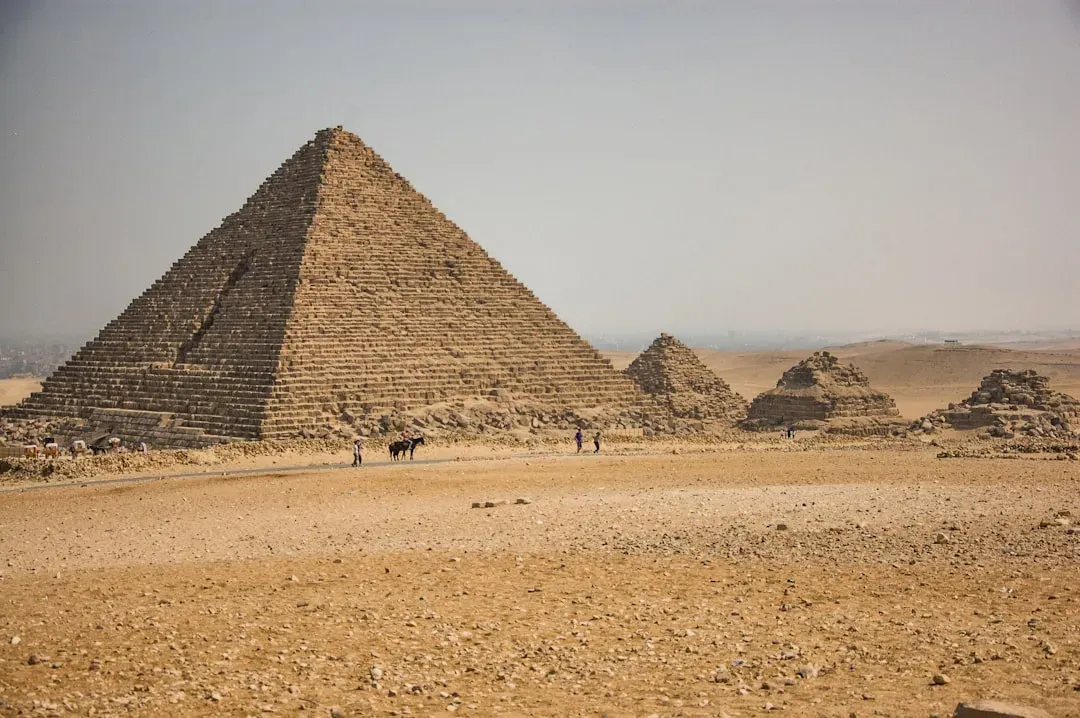
Walk up to the Great Pyramid and the first feeling is usually disbelief. This thing is huge, made from millions of stone blocks, some weighing as much as several pickup trucks put together, yet its sides are astonishingly straight and almost perfectly aligned to the cardinal directions. Modern surveyors still shake their heads at just how precise the layout is, given that it was built more than four thousand years ago with tools that look primitive by today’s standards.
Archaeologists have decent ideas about ramps, sledges, rollers, and massive labor forces, but no single construction theory fits every detail cleanly. Did they use a giant straight ramp, a spiraling internal ramp, or some combination that’s left almost no definite trace? Even the way the inner chambers and relieving blocks were positioned deep within the structure still feels like a logistical nightmare. We can reproduce pieces of the process in experiments, but scaling it up to the real pyramid remains partly guesswork.
2. Stonehenge: A Circle of Stones From Farther Than Makes Sense
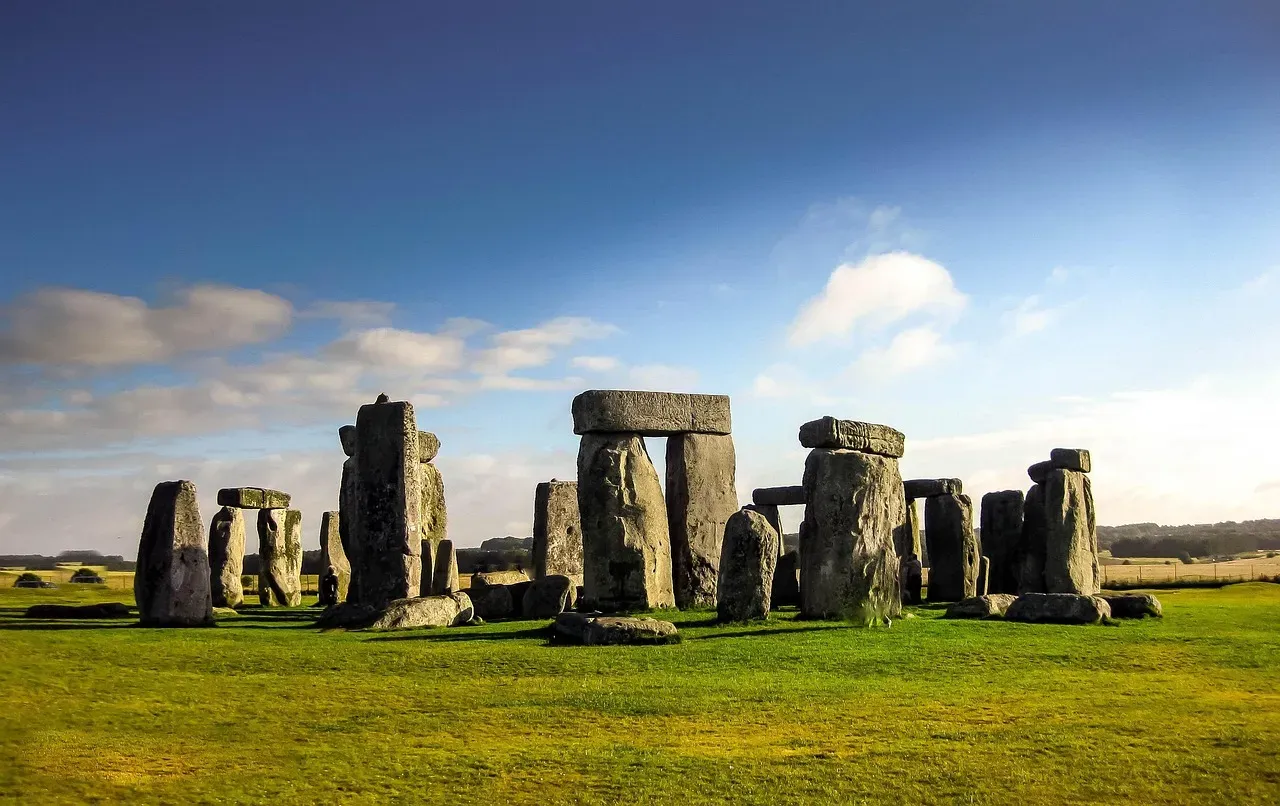
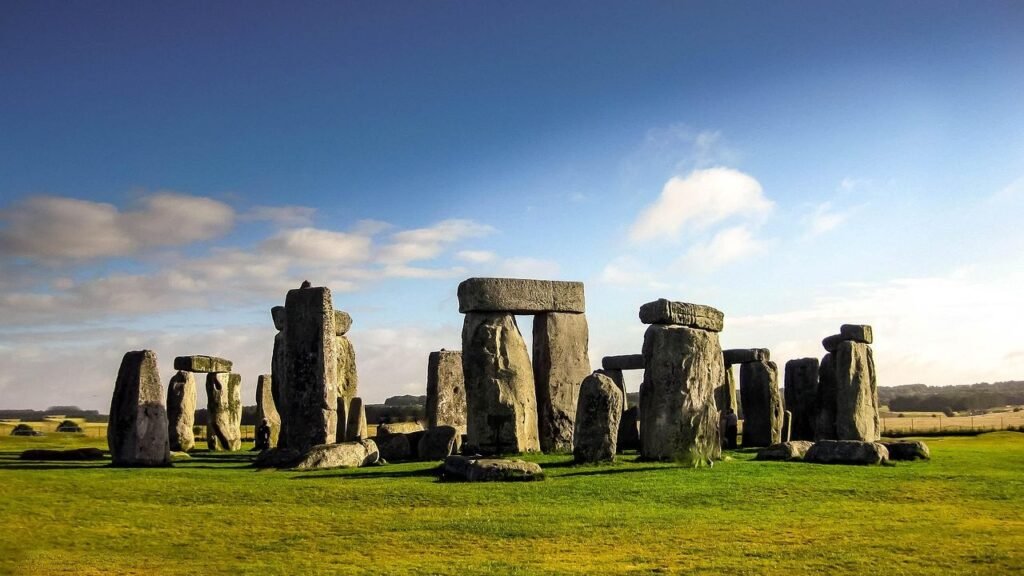
Stonehenge looks almost simple at first glance: big stones in a circle, sky above, grass below. But once you hear that some of those stones came from quarries more than a hundred miles away, the picture changes. Moving multi‑ton stones over rolling hills, bogs, and rivers without roads, wheels in wide use, or metal trucks is hard enough; arranging them in that iconic pattern with astronomical alignments adds another layer of difficulty.
Researchers have suggested wooden sledges, log rollers, rafts, and even greased tracks, and they’ve managed to move scaled‑down versions in modern tests. Still, we don’t have a universally accepted, fully detailed play‑by‑play of how Neolithic builders did the job from quarry to final placement. The mortise‑and‑tenon joints carved into the stones themselves – basically stone carpentry – also hint at a level of planning and craftsmanship that doesn’t match the stereotype of “primitive” builders. We know the why only partly; the how is still blurry around the edges.
3. Machu Picchu: A Cliffside City Sewn Into the Mountain
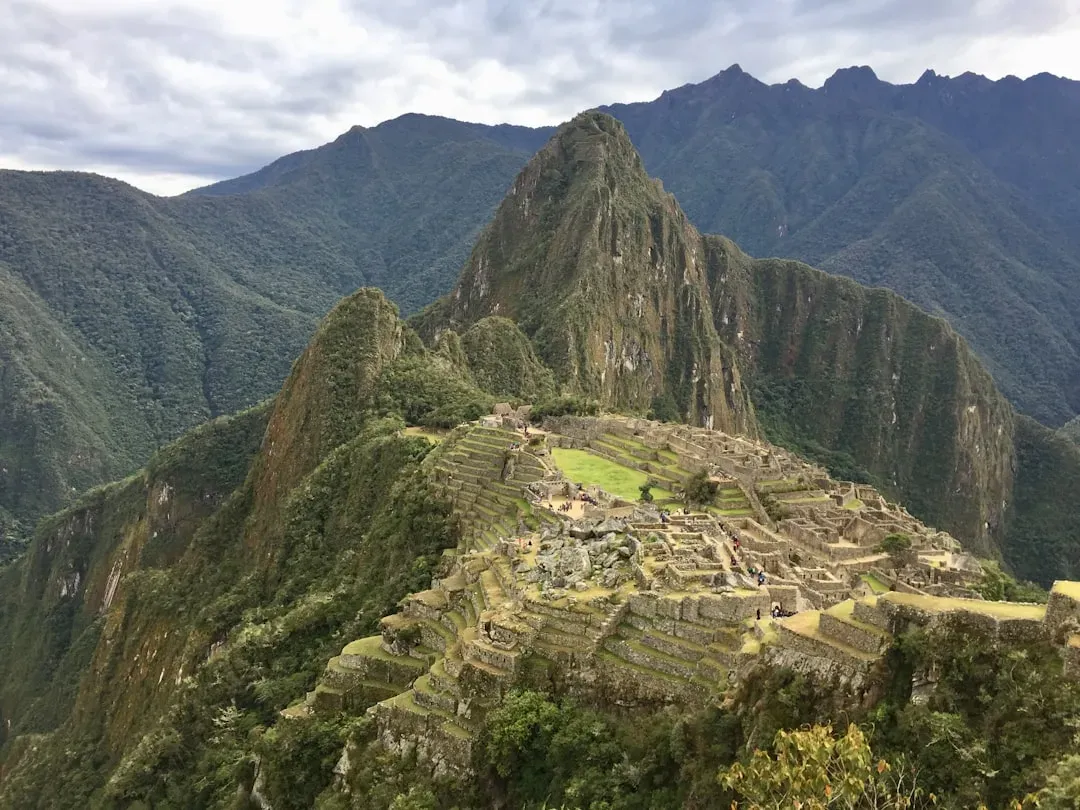
Machu Picchu is dramatic even before you talk about engineering. It’s perched high in the Andes, wrapped in clouds, and sliced by steep slopes that look like they’re begging for landslides. Yet the stonework sits there calmly, as if gravity is more of a suggestion than a law. The Incas used finely cut stones that lock together without mortar, forming walls that can handle earthquakes better than many modern buildings in the same region.
The biggest mystery isn’t just the fitting of the stones, but how they moved and placed them in such punishing terrain with no wheeled vehicles and no draft animals capable of hauling those loads. The terracing system that supports the slopes and prevents erosion is brilliant hydrological engineering, using layers of rock and soil to control drainage. When you add in the water channels, fountains, and agricultural terraces, it feels less like someone “built a city” and more like they carefully stitched human structures into a living mountain, using methods we still can’t fully map out in detail.
4. Baalbek’s Trilithon: Stones So Big It Almost Feels Like a Joke
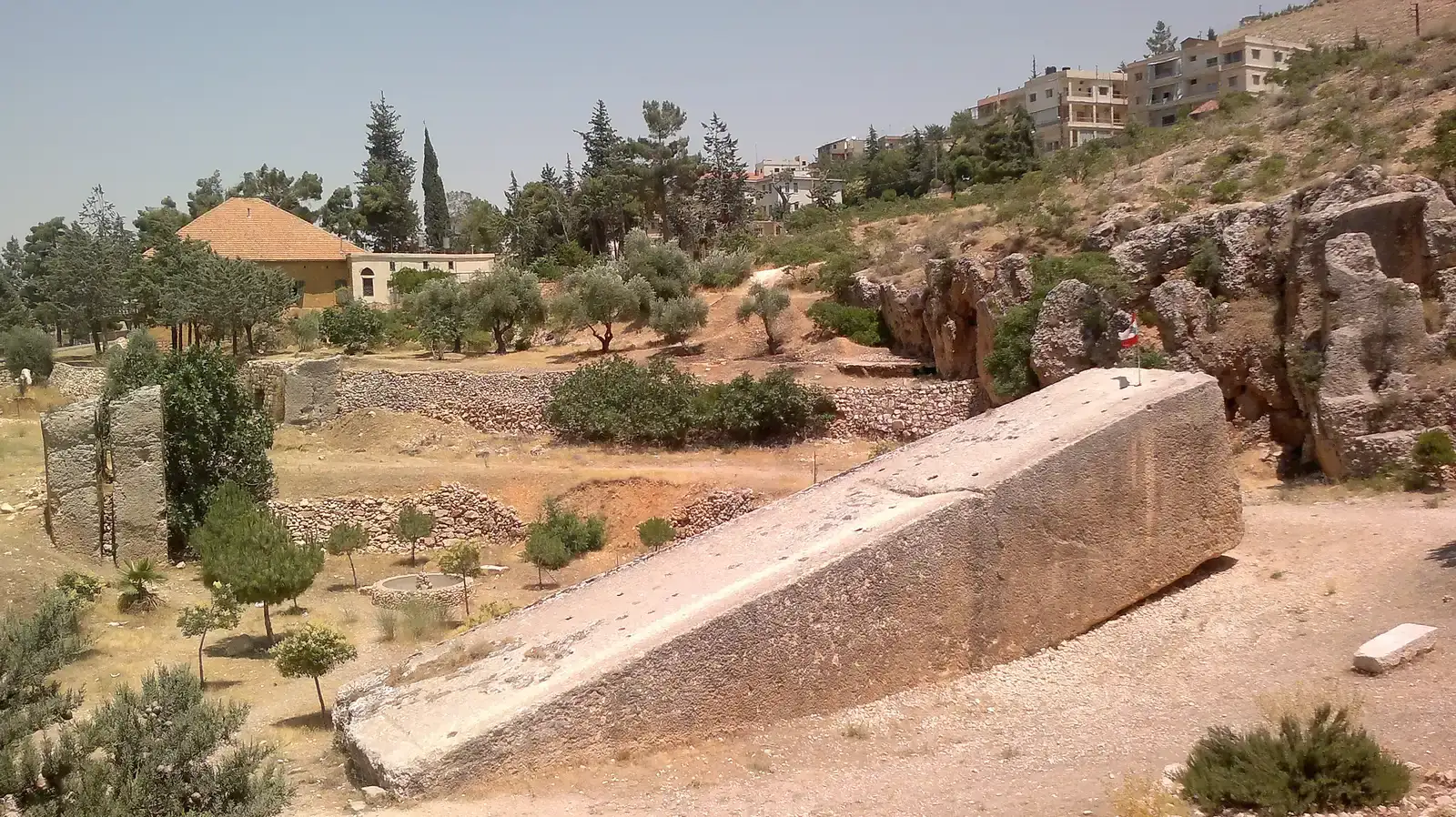
In the ancient city of Baalbek, in modern‑day Lebanon, there’s a platform that plays a bit of a mind trick on you. Most visitors see the impressive Roman temple ruins, but the real shock is the so‑called Trilithon: three gigantic stone blocks in the foundation, each weighing several hundred tons, set with uncanny precision. Nearby in the quarry lies an even larger stone, partially cut, that weighs more than a fully loaded commercial airplane.
We have strong evidence of Roman construction techniques in many places, but no clear, detailed record of exactly how these extreme‑weight blocks were transported and laid on top of already‑constructed courses of stone. The usual explanations – sledges, rollers, teams of animals and humans, perhaps earthen ramps – are technically possible in theory, but testing them at that scale and with that level of precision is another story. The margin for error would’ve been tiny, and yet the joints and alignments suggest they got it right the first time, which is hard to fully wrap your head around.
Sacsayhuamán: Interlocking Stones Like a Giant 3D Puzzle
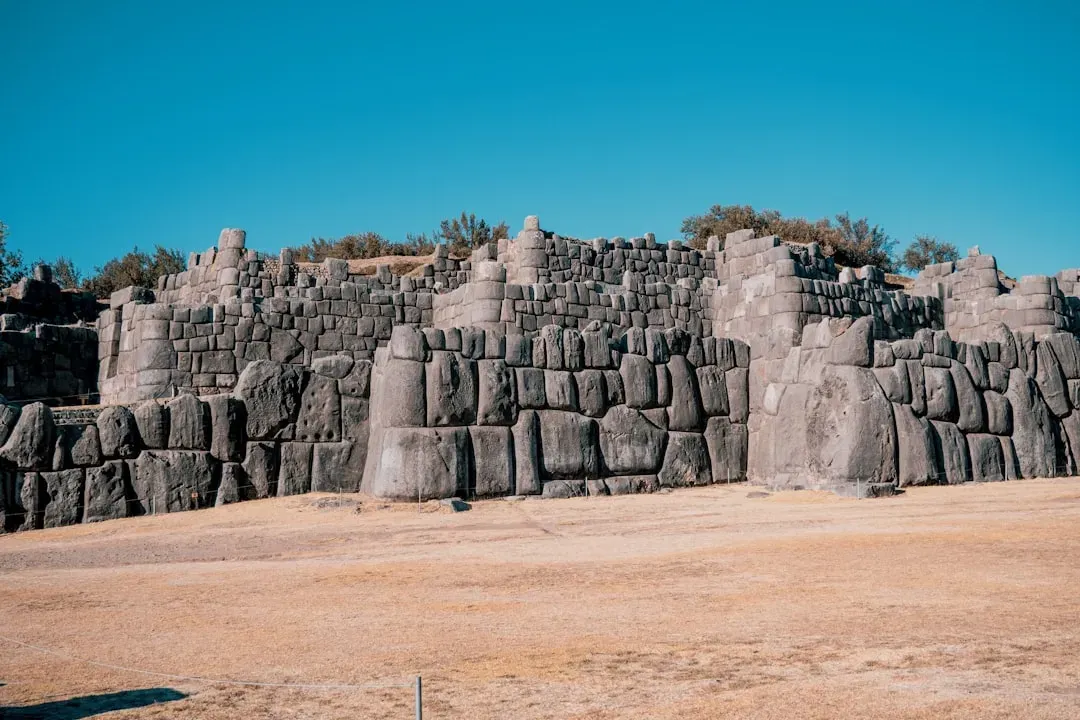
Sacsayhuamán, above the city of Cusco in Peru, looks like some kind of stone Tetris game played by giants. The walls are made of huge, irregularly shaped stones, each one carved so precisely that they snap together without mortar, often with many sides and tight joints that barely let a knife blade through. Some of the blocks are taller than a person and weigh as much as a loaded truck, yet they fit together with a casual kind of perfection.
We know the Incas were master stoneworkers, but there’s still no consensus on the exact sequence of cutting, polishing, and fitting needed to get such a snug, earthquake‑resistant structure. One popular idea is that they shaped stones by constant trial and error, lifting and lowering them repeatedly until the fit was perfect – but that would demand insane patience and clever lifting techniques. The walls also curve gently and zigzag, which looks artistic but also improves stability, suggesting an understanding of structural behavior that went beyond simple trial and error. It’s engineering that feels both intuitive and strangely advanced at the same time.
Göbekli Tepe: Monumental Architecture Before Cities
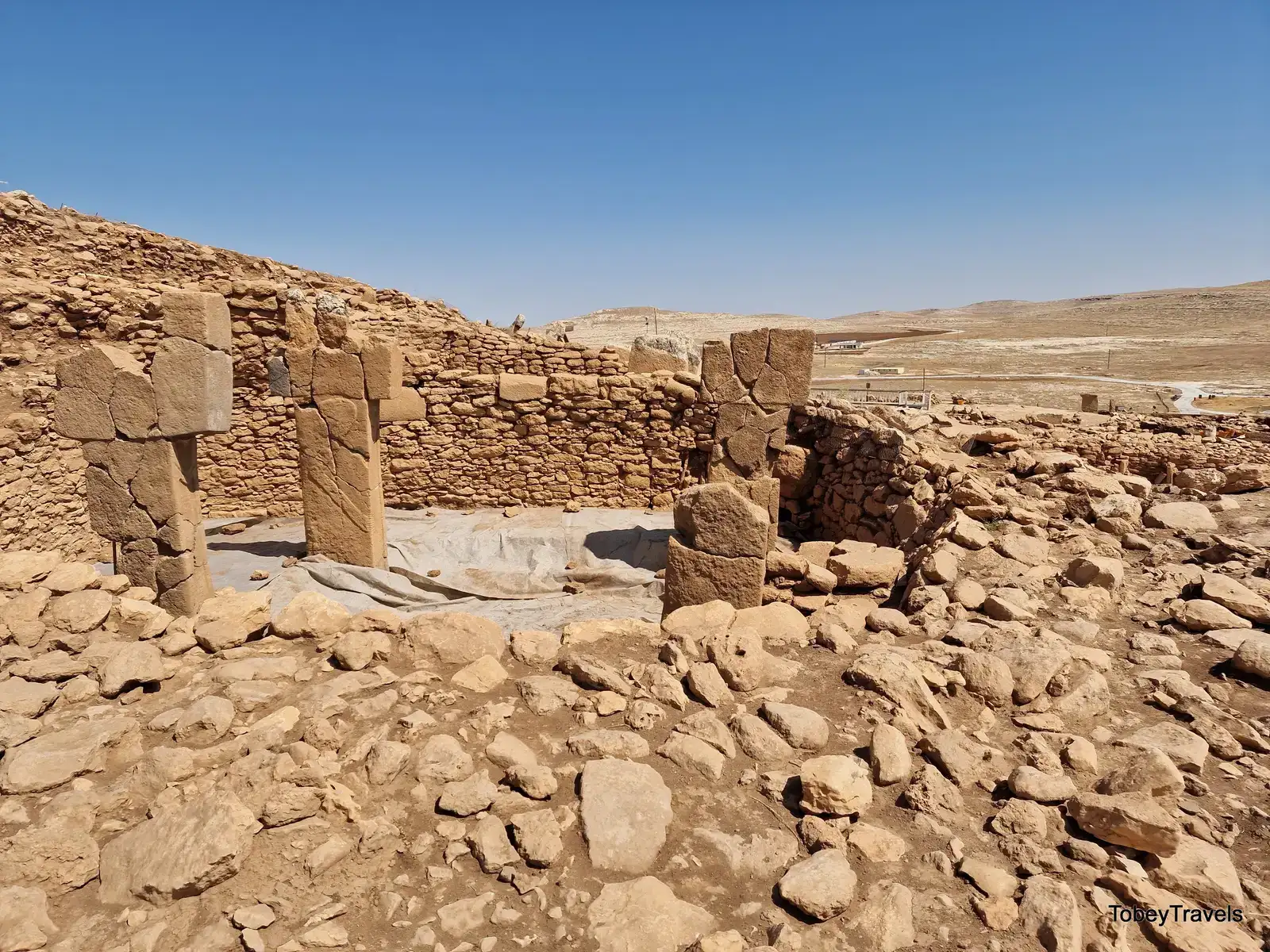
Göbekli Tepe in modern‑day Turkey quietly rewrote the timeline of what humans were capable of. These stone circles and T‑shaped pillars are more than ten thousand years old, far older than Stonehenge or the pyramids, and were built by communities that, as far as we can tell, didn’t yet have cities, pottery, or metal tools. Yet the site features multi‑ton pillars, carefully carved with animals and abstract symbols, arranged in planned, circular enclosures.
The big riddle here is less about a particular machine and more about how such early groups organized enough labor, planning, and technical knowledge to produce something so large and symbolically rich. Without settled farming in full swing, how did they feed the workers over the time needed to build and maintain these structures? Archaeologists are still piecing together whether the site was a ritual center that helped pull communities together, or even helped push people toward more permanent settlement. However you frame it, the construction methods and social systems behind Göbekli Tepe don’t fit neatly into older stories of “first farming, then monuments” – they complicate that story in the best possible way.
Human Ingenuity With Just Enough Mystery Left
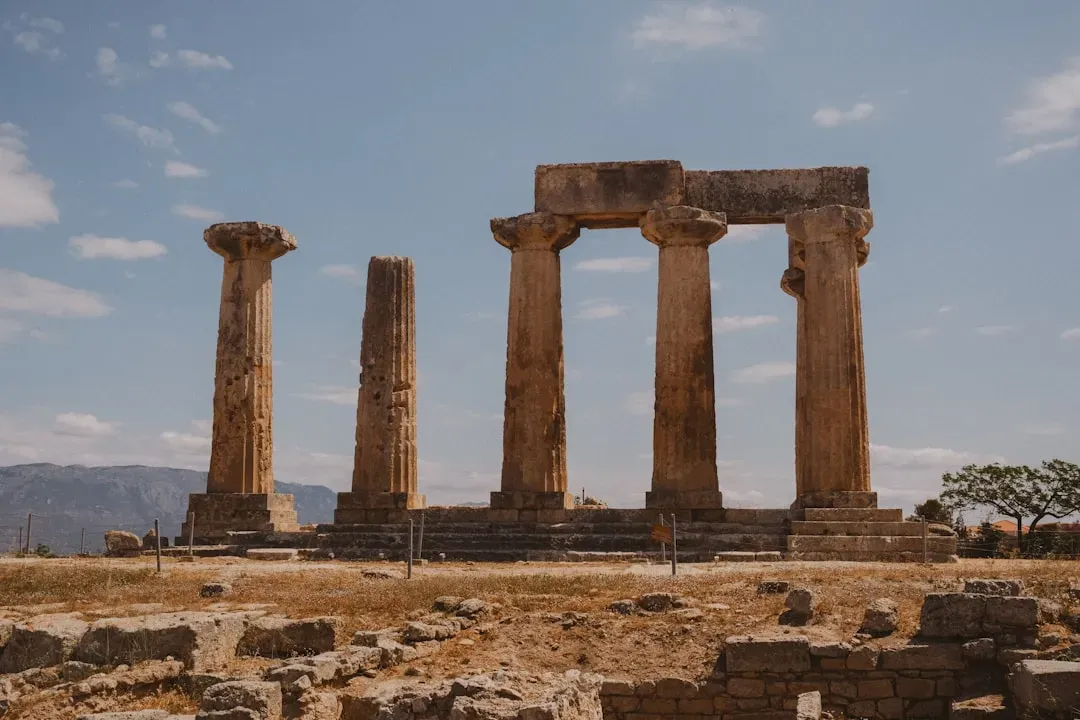
When you line these six sites up, a pattern emerges: people have been doing nearly impossible things with stone for a very long time, long before steel beams and hydraulic cranes. Each structure has theories stacked around it like scaffolding – ramps here, sledges there, trial‑and‑error stone fitting somewhere else – yet the full, exact recipes remain out of reach. The gaps aren’t always huge, but they’re big enough to keep both professionals and curious travelers arguing on long plane rides home.
Maybe that’s part of their power: these places remind us that the past was not simple, and that humans have always pushed far past what seems reasonable for belief, ritual, status, or sheer stubborn pride. The mystery isn’t a sign that people couldn’t have done it; it’s a sign that they found ways to do it that we haven’t completely re‑discovered. Next time you see one of these ancient giants in a photo or in person, it’s worth pausing and asking yourself a quiet question: if they could do all that with so little, what might we still be underestimating about ourselves today?