
Every few months, a new dig, a sharper satellite image, or a better dating method peels back another layer of the ancient world – and with it, another wave of claims that aliens must have helped. The idea is seductive: when human skill seems to collide with impossible precision, it feels easier to blame visitors from the stars than to accept how much time, labor, and ingenuity our ancestors poured into stone. Yet the more scientists study these sites, the more human fingerprints they find, from quarry chisel marks to evolving architectural mistakes. This article dives into six of the most famous “alien-built” candidates and looks at what current research actually shows, where real mysteries remain, and why the legend of extraterrestrial masons refuses to die.
Giza’s Great Pyramid: Precision, Backbreaking Labor, and No UFOs Required
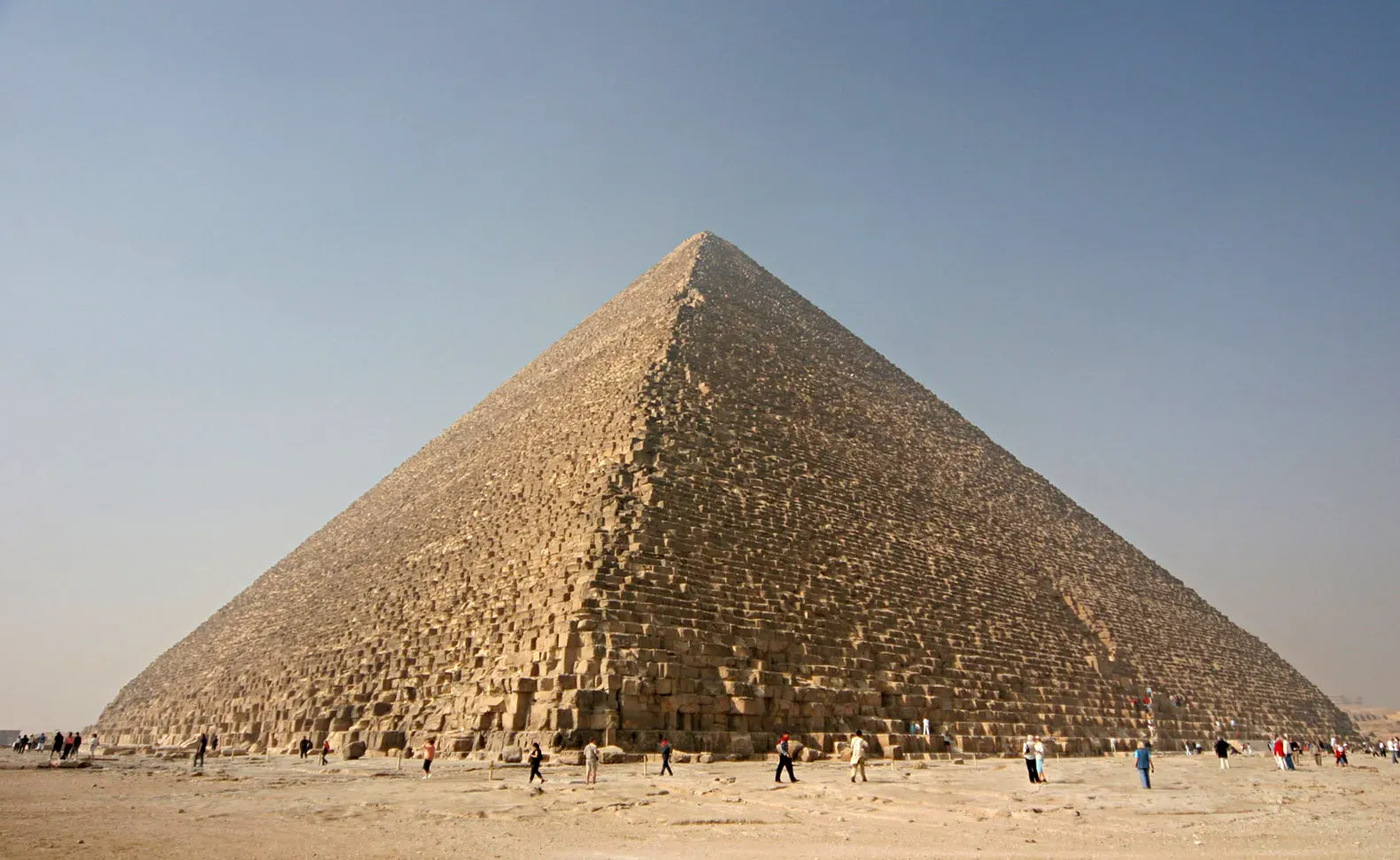
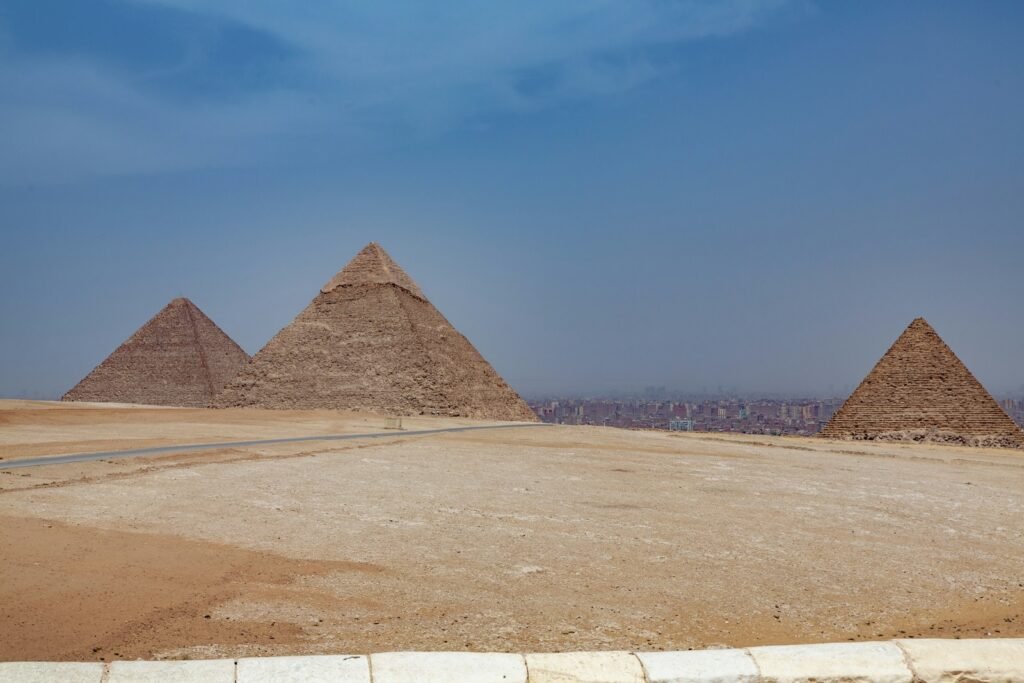
Few structures attract alien theories as stubbornly as the Great Pyramid of Giza, whose sides are aligned astonishingly close to true north and whose original casing stones fit with razor-thin joints. To many viewers, that level of precision, achieved around the middle of the third millennium BCE, seems impossible without advanced technology or outside help. Archaeology paints a very different picture: remains of workers’ villages, bakeries, and medical facilities reveal a massive state-organized workforce of skilled laborers, not enslaved extraterrestrial construction crews. Experimental archaeologists have shown that copper tools, stone hammers, sledges, and simple lubrication methods are enough to move and shape limestone blocks at the needed scale, given enough people and time.
The real “engineering magic” lies in logistics and social organization rather than in exotic physics. Quarry marks match stones to specific sources on the Giza plateau and beyond, proving known human supply chains rather than mystery deliveries from orbit. Internal structures like relieving chambers above the King’s Chamber also show trial-and-error problem solving over earlier Egyptian pyramids, including collapses that forced redesigns. When you view the Great Pyramid not as a one-off miracle but as the culmination of generations of architectural experimentation, it becomes less an alien anomaly and more a massive, human learning curve carved in stone.
Stonehenge: Cosmic Alignment Without Cosmic Visitors
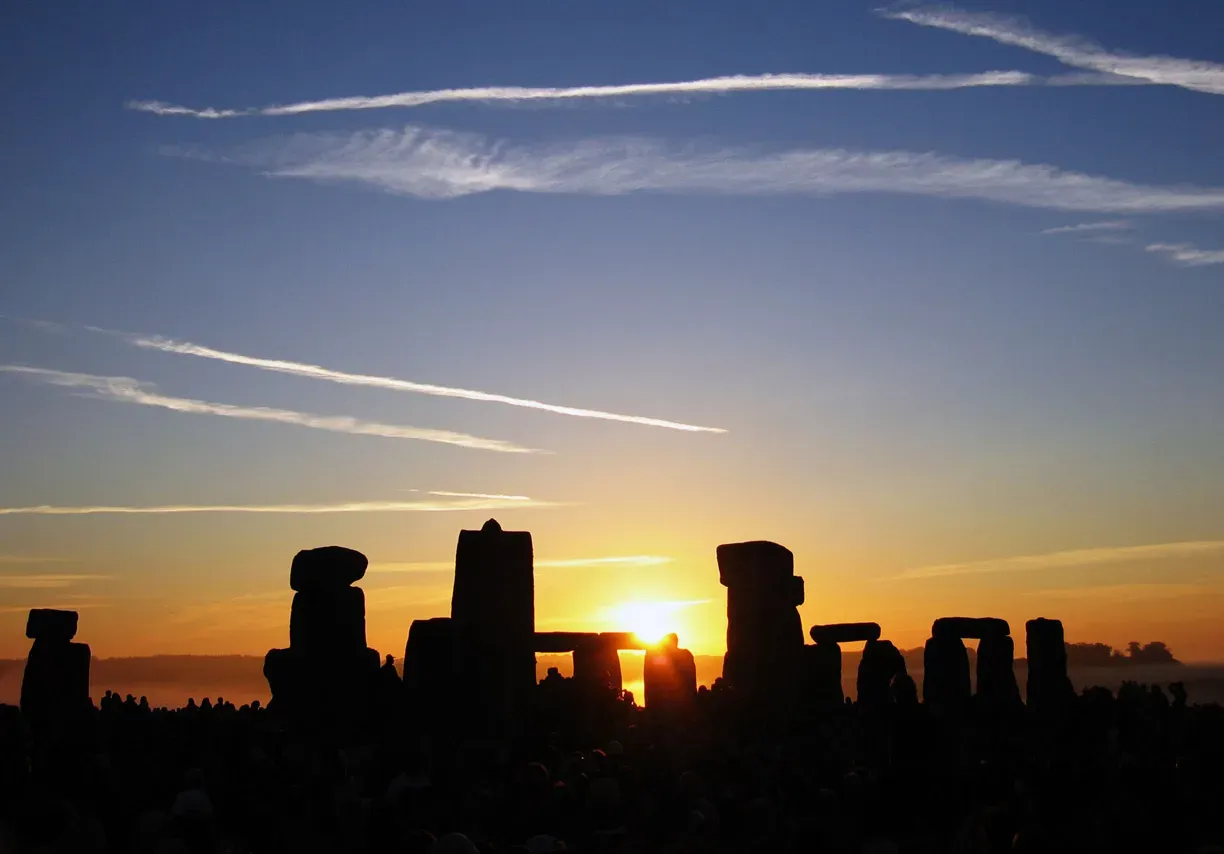
On the windswept Salisbury Plain, Stonehenge’s great sarsen trilithons and transported bluestones look like the remains of some crashed alien device carefully propped upright. The fact that its main axis lines up strikingly with the summer solstice sunrise and winter solstice sunset only deepens that impression, as if some advanced astronomer-engineers dropped a sky-calibrated machine in rural Britain. Yet ongoing excavations and high-resolution surveys of the surrounding landscape show Stonehenge as the centerpiece of a much larger complex of earthworks, burial mounds, and timber circles that evolved over many centuries. The engineering challenge – dragging multi-ton stones, some over long distances – appears to have been met with sledges, wooden rollers, ropes, and a lot of coordinated human labor.
What can feel “too precise” for Neolithic builders is better understood when you imagine a community watching the horizon day after day, year after year, tracking the Sun’s extreme points like a slow, glowing metronome. Aligning stones to those points is impressive but does not require telescopes or advanced mathematics, only persistent observation and shared ritual purpose. Archaeological evidence of feasting and animal remains suggests that building and visiting Stonehenge were social events that cemented alliances and identities. The site’s mystery remains powerful, but it is a mystery of human belief, memory, and landscape, not interstellar construction teams.
Teotihuacan’s Pyramids: Urban Planning on a Superhuman Scale
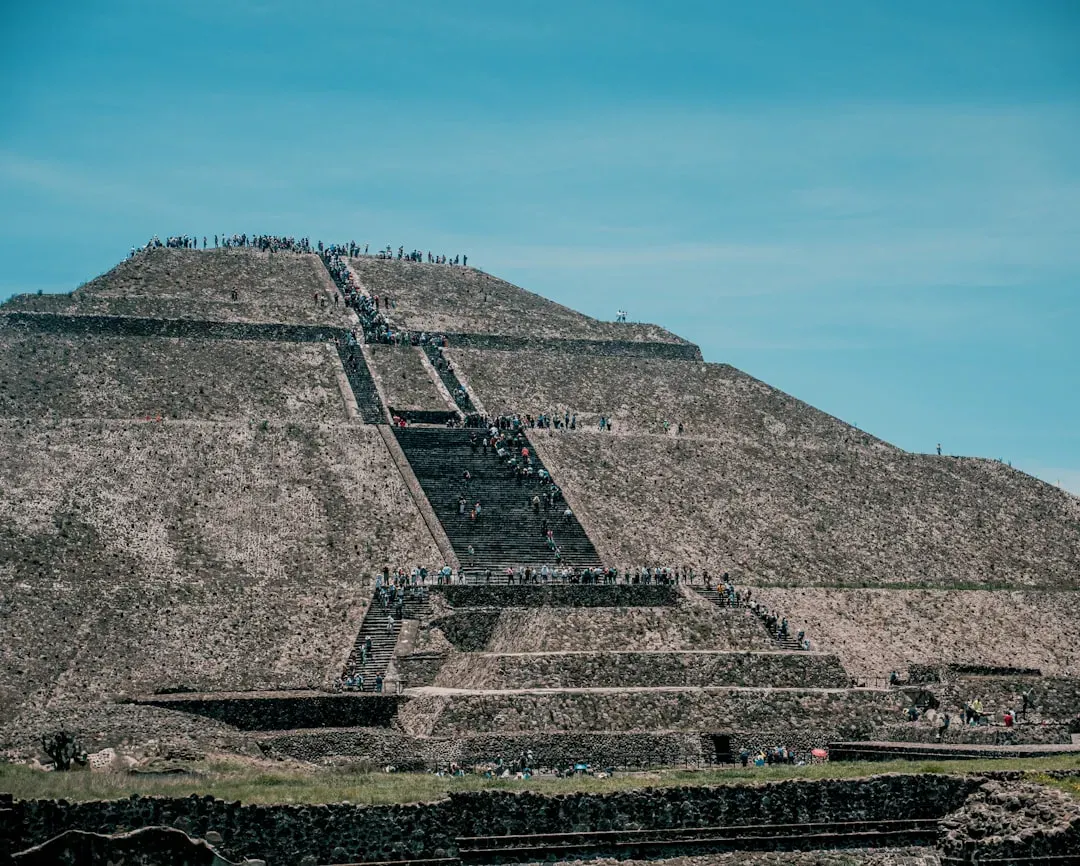
North of modern Mexico City, the pyramids of the Sun and the Moon at Teotihuacan rise out of a rigidly planned grid of avenues and apartment compounds, so geometric that early aerial photos sparked ideas of alien-designed circuitry. The Avenue of the Dead runs arrow-straight for kilometers, and some enthusiasts have claimed that pyramid placements encode star maps or distances to planets. Archaeologists instead see the fingerprints of a powerful urban state that flourished from the first millennium BCE into the first half of the first millennium CE, capable of mobilizing thousands of workers and enforcing a strongly ordered city plan. The scale is extraordinary, but the evidence points to administrative sophistication and religious ambition rather than otherworldly designers.
Excavations beneath the pyramids have uncovered tunnels, offerings, and traces of liquid mercury and pyrite, hinting at symbolic underworlds and shimmering ritual spaces, not alien reactors. Construction shows phases, modifications, and repairs typical of human projects that grow and change over time. The materials – adobe, stone, lime plaster – are entirely local and understandable with known technologies. What often gets lost in the alien-builders narrative is how much these structures tell us about Teotihuacan’s social experiments in multiethnic living, trade, and centralized authority. Reducing that complexity to a science-fiction story not only sells humans short, it also flattens the very real drama of a city that rose, dominated, and then mysteriously fell without any need for extraterrestrial plot twists.
Nasca Lines: Giant Geoglyphs Drawn by People Who Understood Their Desert
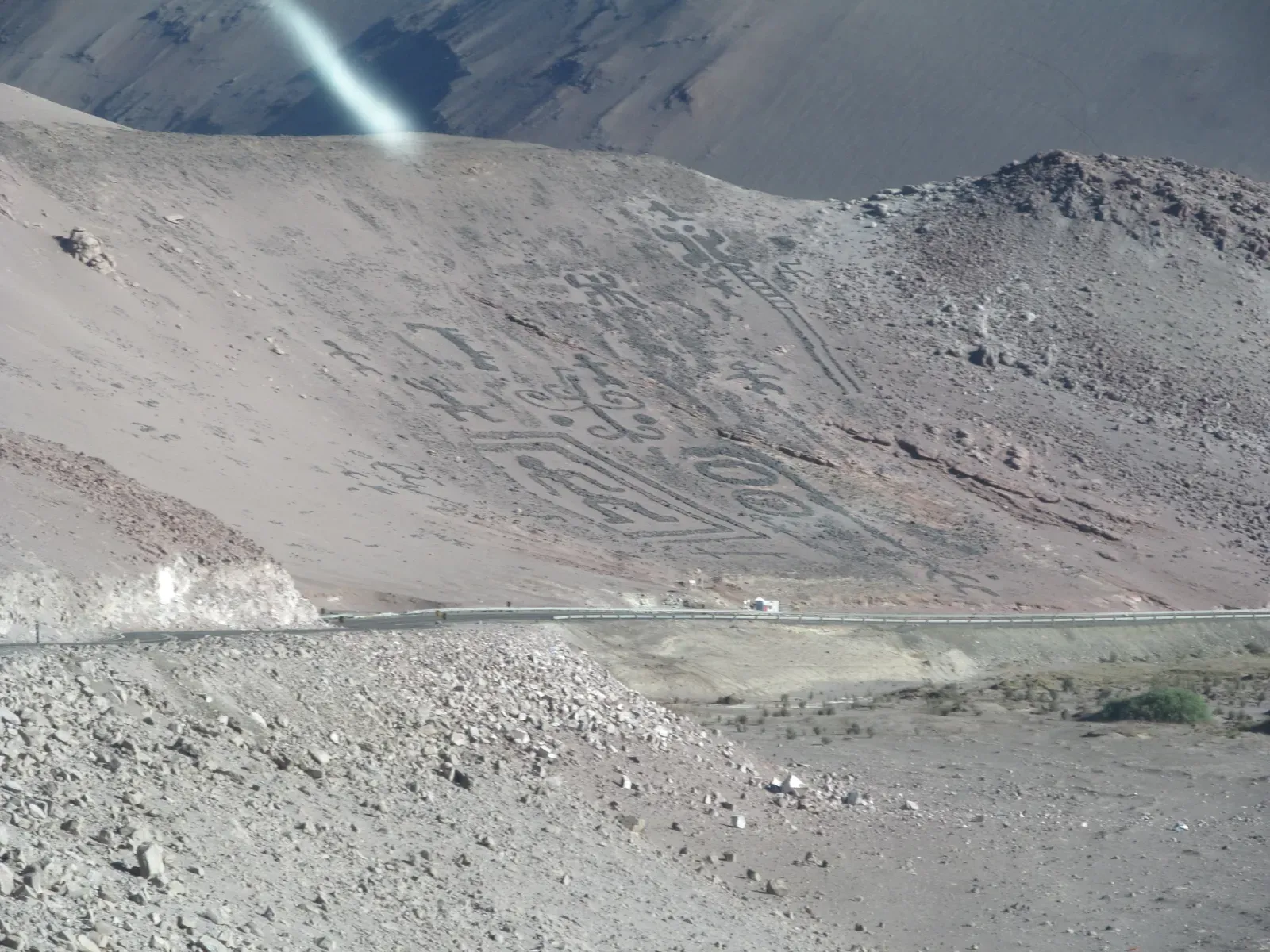
Viewed from the ground, the Nasca Lines in southern Peru can seem like a jumble of shallow trenches in a barren plain, but from the air they resolve into vast figures of animals, plants, and geometric shapes. Their sheer scale – some stretching for hundreds of meters – has fueled the idea that pilots or spacecraft must have been involved, since their creators around the first millennium CE had no airplanes. Researchers have tested this assumption repeatedly, and the answer keeps coming back to careful, low-tech surveying. Simple tools like wooden stakes, ropes, and sighting lines are enough to lay out large, accurate figures when you understand perspective and use the flat desert as a giant canvas.
Studies of the desert surface show how removing the dark, oxidized pebbles reveals lighter soil beneath, creating long-lasting contrasts that can persist for centuries with minimal rain. Archaeologists have also found small wooden posts at line endpoints and intersections, likely used as reference markers for the builders. The figures’ placements seem linked to nearby ceremonial centers, water sources, and ritual routes rather than to landing strips for alien craft. Some lines do align with celestial events, but that alone does not require extraterrestrial knowledge – many farming societies watched the sky closely. Far from evidence of UFO guidance, the Nasca Lines testify to people who understood their harsh environment so well that they turned it into a ritual map written at a monumental scale.
Puma Punku and Tiwanaku: Laser-Like Stonework From Hammerstones and Patience
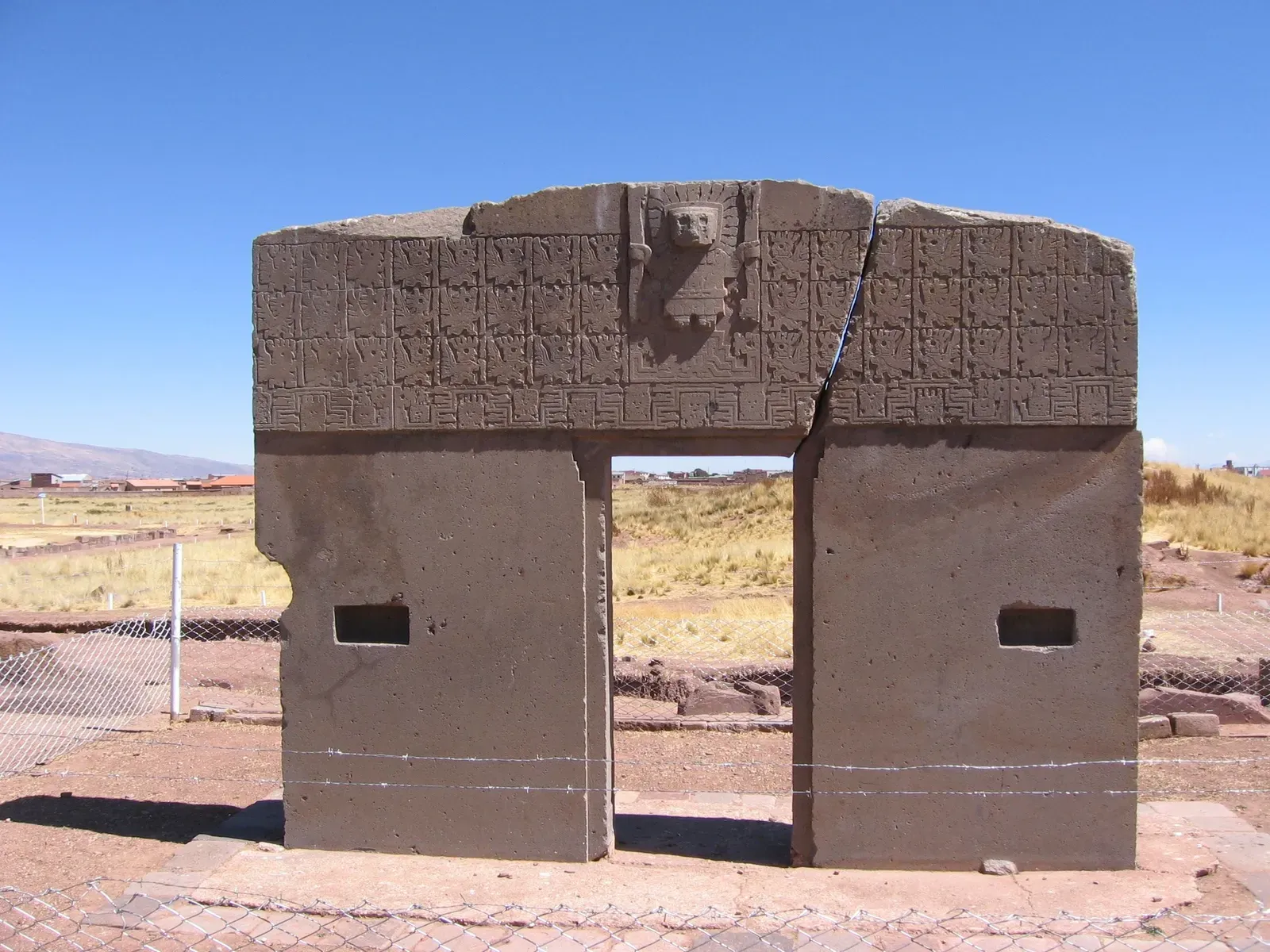
High on the Andean Altiplano near Lake Titicaca, the stone blocks of Puma Punku and the wider Tiwanaku complex often star in viral videos claiming proof of alien machining. The famous H-shaped blocks and sharply cut andesite faces look, at first glance, like they were milled by industrial tools, complete with right angles and tight joints. However, detailed studies of tool marks and unfinished blocks point instead to a combination of stone hammers, abrasion with sand and water, pecking techniques, and careful templating. The precision is real in some places, but it is not uniform; many surfaces are rough, and measurements show small inconsistencies that you would not expect from advanced machines.
Geological surveys trace the stone sources to quarries within reachable distances, and experiments have shown that andesite can be shaped with harder stones and abrasives, given enough time and organized effort. The Tiwanaku civilization, which reached its height in the first millennium CE, controlled a significant region and agricultural surplus, more than enough to fund ambitious ritual architecture. Misinterpretations of site dates once pushed Puma Punku into much earlier time frames, making it look impossibly advanced, but better radiocarbon dating has shifted those timelines into line with known cultural developments in the region. Where true puzzles remain – such as the exact sequences of construction or the full meaning of specific layouts – they are mysteries of human planning and symbolism, not of alien toolkits.
Ba’albek’s Megastones: The Temptation of “Too Big for Humans”
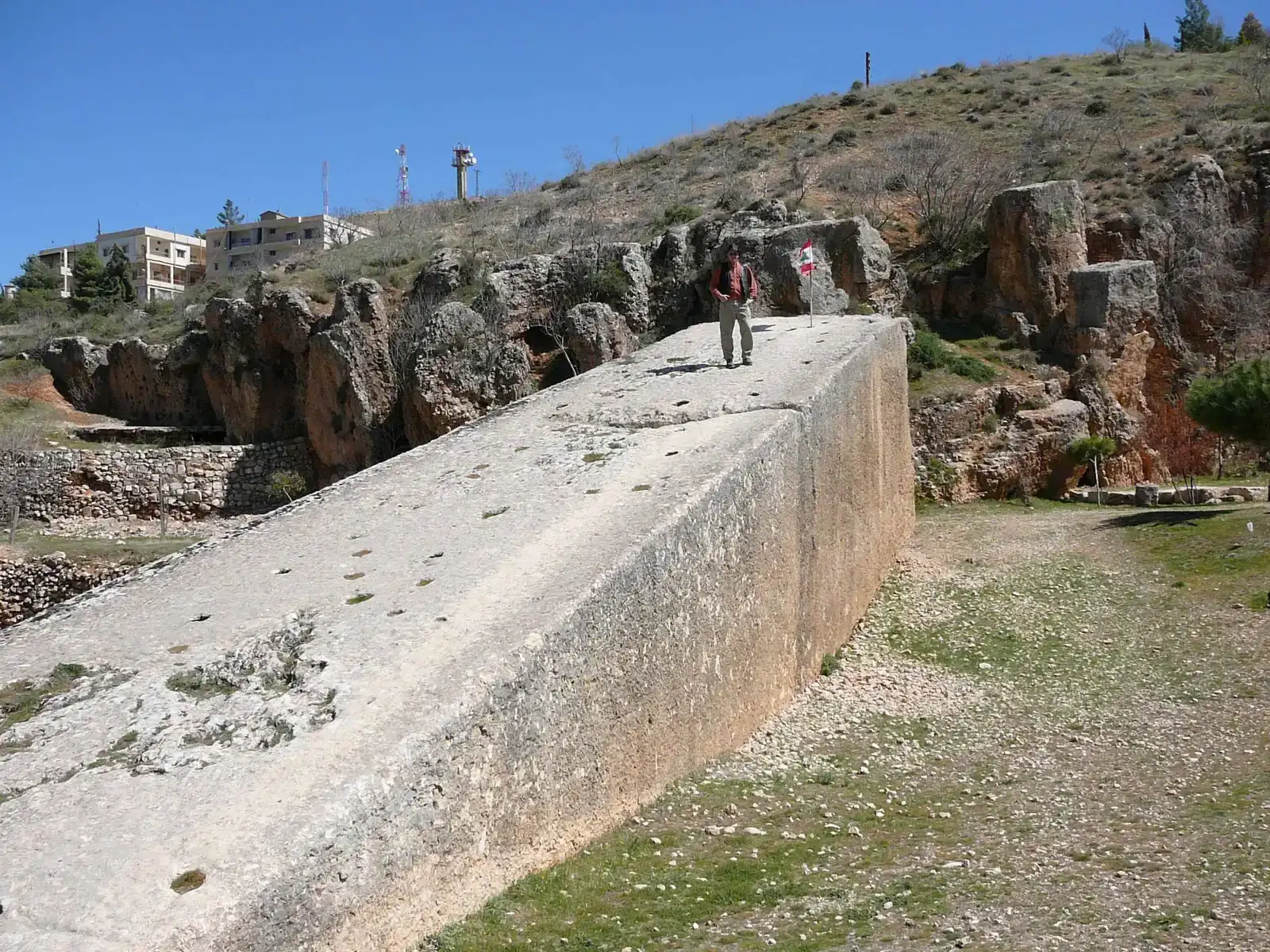
In Lebanon’s Beqaa Valley, the ruins of Ba’albek include some of the largest building stones ever used in ancient construction, with several quarry blocks weighing hundreds of tons. Photos of these colossal stones, often nicknamed with dramatic titles, circulate widely among alien-architecture enthusiasts as supposed proof that no human technology could have moved them. Yet archaeologists and engineers have documented comparable feats elsewhere, including massive obelisks and statuary in Egypt, moved with sledges, rollers, ramps, and carefully managed teams. At Ba’albek itself, evidence from the main temple platform shows how smaller stones interlock with larger ones in progressive stages of construction, consistent with Roman engineering practices layered over earlier local traditions.
Some of the largest blocks in the quarry were never actually placed; they remain partly detached, suggesting that even ancient builders hit practical limits and abandoned overly ambitious pieces. That detail alone undercuts the idea of effortless alien levitation, replacing it with a story of human trial, miscalculation, and adjustment. The site’s long history – spanning local cult centers, Roman imperial building, and later religious reuse – adds further human complexity. Each phase introduced new techniques and aesthetic choices rather than a single burst of inexplicable construction genius. The awe we feel standing beside those stones is completely real, but it arises from recognizing how far human determination can push simple physics when people are motivated by power, faith, or prestige.
From Alien Myths to Human Genius: What These Sites Really Reveal
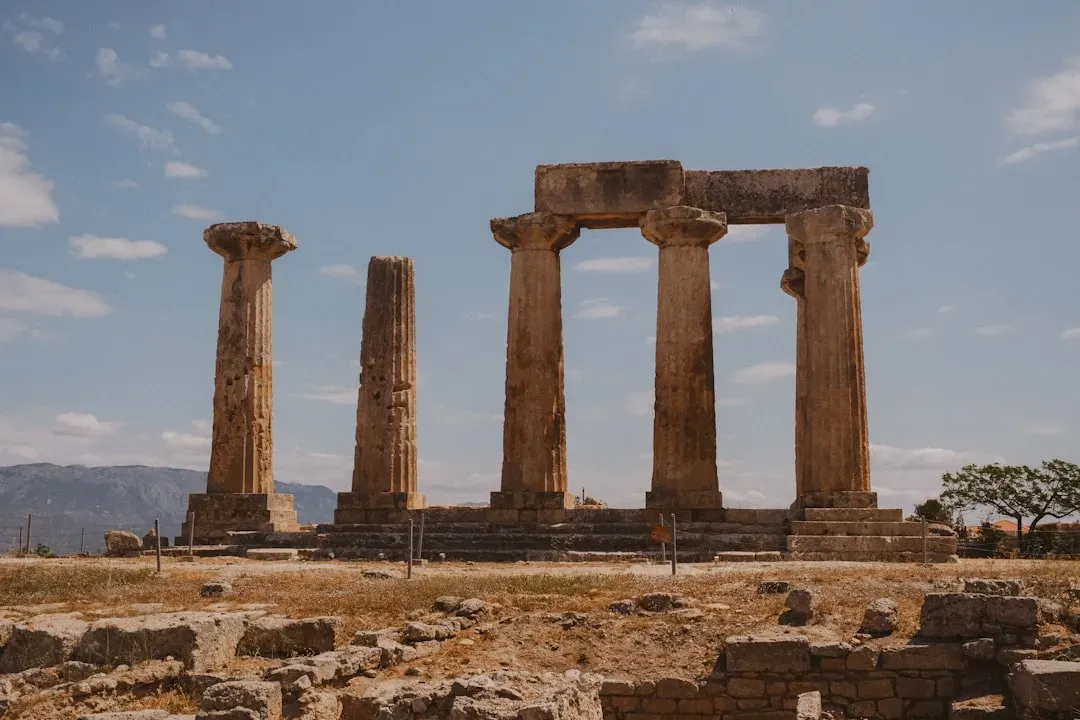
Stepping back from individual sites, a pattern emerges: whenever ancient engineering feels uncomfortably impressive, alien explanations rush into the gap between what the public thinks past people could do and what the evidence shows they actually did. For much of the twentieth century, textbooks and popular culture often underestimated the mathematical knowledge, observational skill, and organizational power of ancient societies, especially outside Europe. The alien-builder narrative feeds on that underestimation, implying that complex architecture, precise alignments, or giant stones must have come from elsewhere. Modern archaeology, however, keeps documenting the incremental steps, failed attempts, worker communities, and evolving techniques that link modest beginnings to monumental achievements.
Scientifically, the alien hypothesis has another problem: it does not generate testable predictions grounded in the material record. If beings with advanced technology had built these sites, we would expect to find exotic materials, unknown alloys, anomalous residues, or tools that do not fit any local technological sequence. Instead, we find very human signatures – copper chisels, stone hammers, woodworking traces, and logistics systems that match regional traditions. Culturally, shifting credit from human societies to aliens often erases the ingenuity of the very people whose descendants still live near these sites. Recognizing that farmers, priests, rulers, and artisans organized and executed these projects with the tools they actually had is not only more respectful; it is also far more interesting than a story that hands everything over to unproven visitors from the stars.
Why the Alien-Builders Story Keeps Spreading Anyway
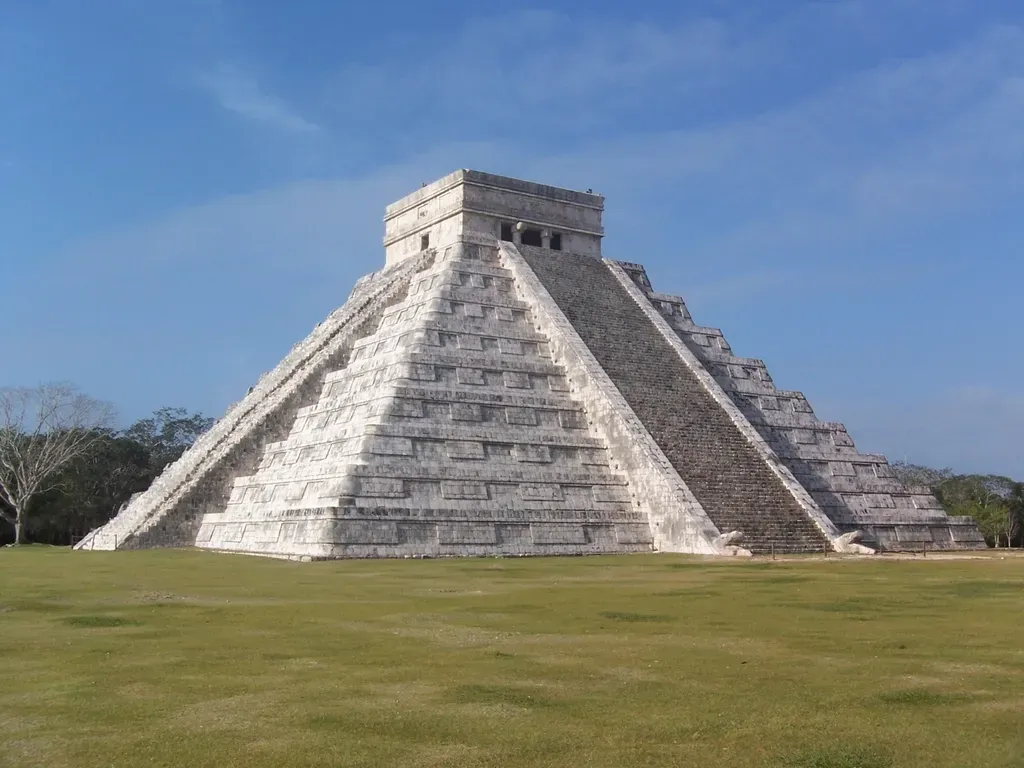
Even as evidence piles up for human construction, the idea of alien-built temples and pyramids continues to flourish in documentaries, social media, and casual conversations. Part of the appeal comes from genuine wonder: when you stand under a perfectly fitted lintel stone or trace a geoglyph only visible from the air, your brain reaches instinctively for extraordinary causes. Popular media often amplifies that impulse by emphasizing mystery over method, showing the finished monument but rarely the quarry marks, failed experiments, or everyday tools that make it understandable. The alien story delivers instant awe with no need to engage with dusty details of stratigraphy, radiocarbon dates, or comparative architecture.
There is also a more uncomfortable angle: alien explanations have often been applied selectively to sites built by non-European civilizations, subtly implying that certain cultures could not possibly have developed sophisticated knowledge on their own. This double standard distorts both science and history, even when it is not intended maliciously. Tackling that bias means telling fuller stories about how knowledge travels, how different societies solve similar engineering problems, and how innovation can appear in many places independently. When we see ancient people as capable experimenters rather than passive recipients of cosmic gifts, the world’s archaeological record becomes a tapestry of parallel breakthroughs instead of a series of unsolved riddles waiting for spaceships.
Looking Up Without Looking Away From the Evidence
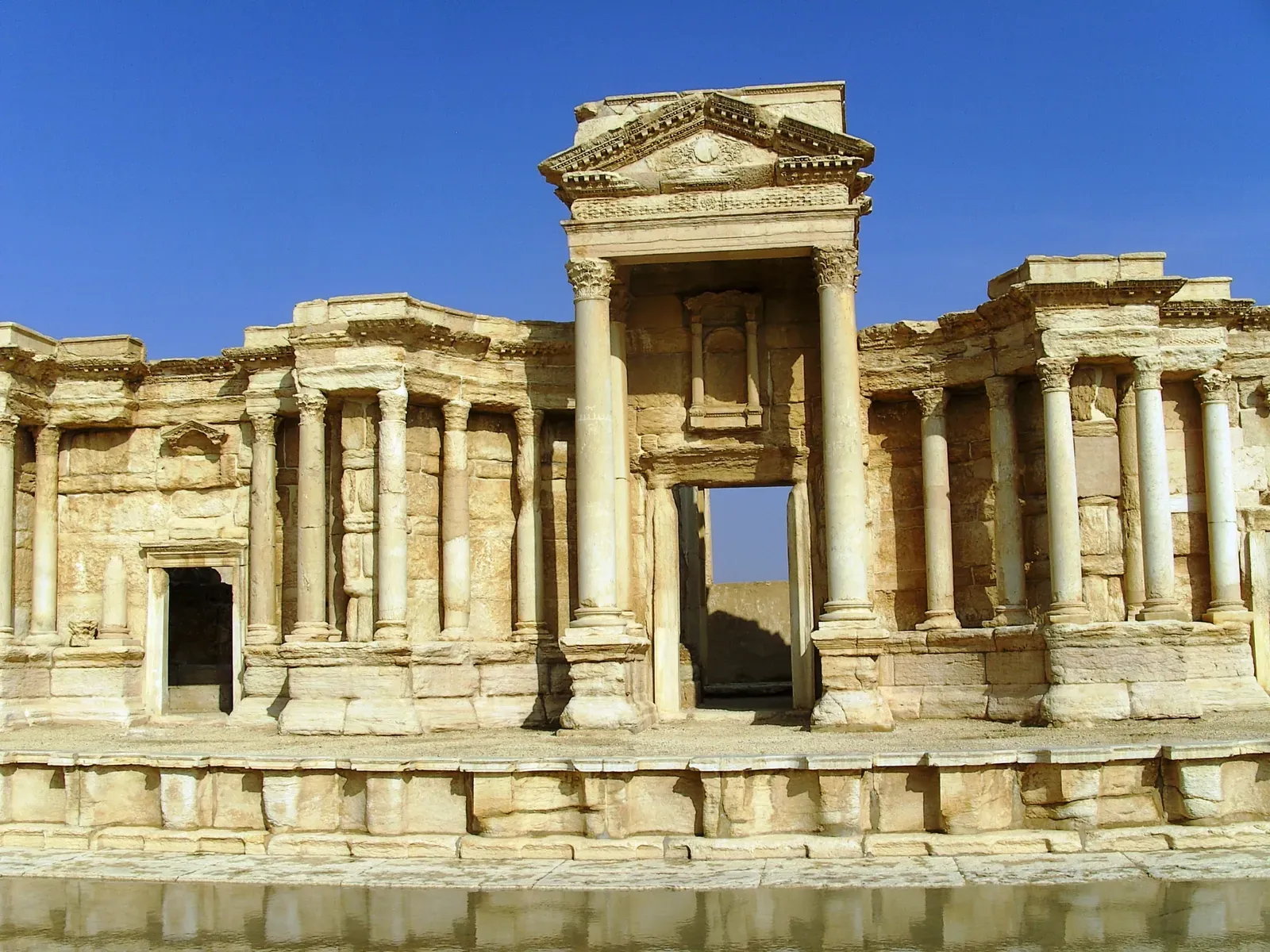
None of this means we have to abandon our sense of wonder about the universe or stop asking big, unsettling questions about life beyond Earth. It does mean that the best place to start answering those questions is not by rewriting the accomplishments of ancient builders as alien projects, but by understanding those accomplishments on their own terms. Readers who are fascinated by these sites can dig deeper – literally and figuratively – by visiting museums, exploring open-access excavation reports, or reading work by archaeologists who specialize in the regions that grab their imagination. Many research teams now share 3D models, drone imagery, and field diaries online, offering a far more intimate look at how knowledge is built than any speculative TV special.
If these monuments move you, consider supporting cultural heritage organizations, learning about local communities that steward these landscapes, or simply being more critical about the stories you share when images of ancient wonders cross your feed. Curiosity is a powerful force; paired with evidence, it can bring us closer to both our distant ancestors and to whatever else may be out there in the cosmos. The next time someone tells you that aliens must have built a pyramid or carved a geoglyph, you might pause and ask a different question: what does it say about us that we keep underestimating what humans, working together, can do?
Suhail Ahmed is a passionate digital professional and nature enthusiast with over 8 years of experience in content strategy, SEO, web development, and digital operations. Alongside his freelance journey, Suhail actively contributes to nature and wildlife platforms like Discover Wildlife, where he channels his curiosity for the planet into engaging, educational storytelling.
With a strong background in managing digital ecosystems — from ecommerce stores and WordPress websites to social media and automation — Suhail merges technical precision with creative insight. His content reflects a rare balance: SEO-friendly yet deeply human, data-informed yet emotionally resonant.
Driven by a love for discovery and storytelling, Suhail believes in using digital platforms to amplify causes that matter — especially those protecting Earth’s biodiversity and inspiring sustainable living. Whether he’s managing online projects or crafting wildlife content, his goal remains the same: to inform, inspire, and leave a positive digital footprint.