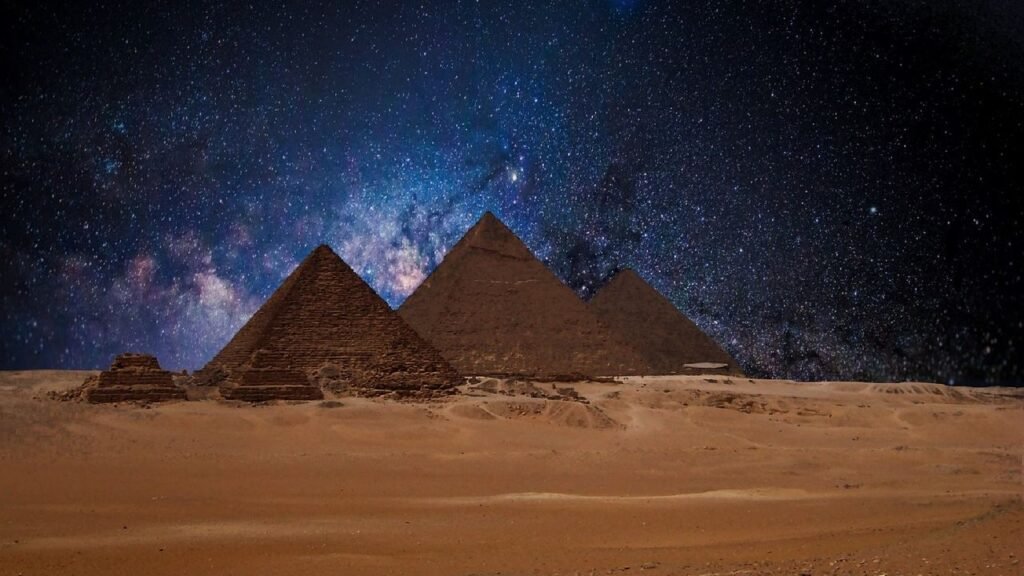

When you look up at the night sky on a clear evening, you might take out your smartphone to identify constellations or check an app for meteor showers. It’s pretty easy to forget that humans have been staring at those same stars for thousands of years, long before we had telescopes or GPS. Here’s the thing, though: ancient peoples weren’t just gazing at the cosmos in wonder. They were mapping it, predicting eclipses, and using celestial patterns to guide their entire civilizations.
You might assume that advanced astronomy is a fairly modern achievement. The reality is far more fascinating. Long before the scientific revolution, cultures around the world were tracking planetary movements with astonishing precision, building monuments aligned to celestial events, and creating calendar systems that rival our own. Some of their observations were so accurate that modern scientists still consult their records today.
The Babylonians: Masters of Mathematical Astronomy
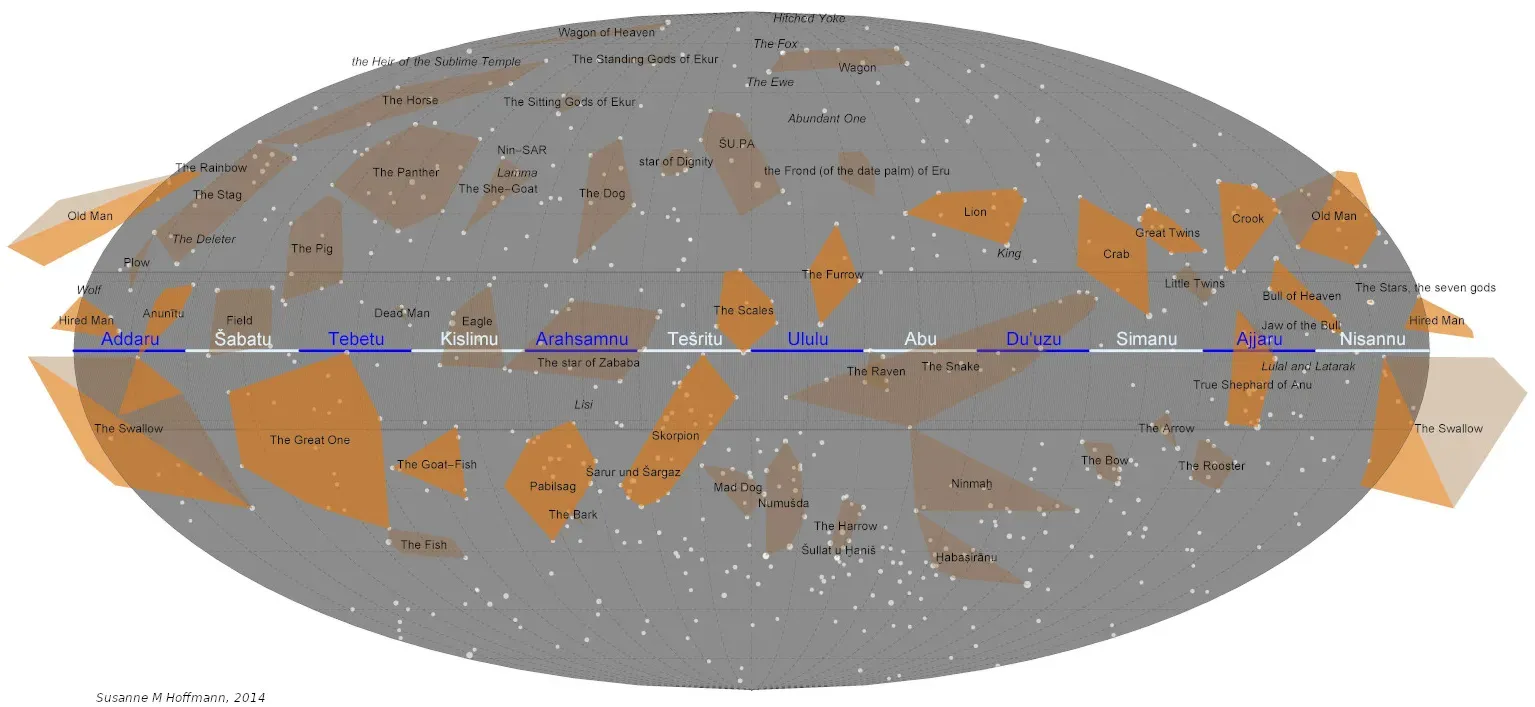
Dating back to 1800 B.C., the Babylonians were among the first civilization to document the movements of the sun and the moon, maintaining very detailed records of these motions including daily, monthly, and yearly positions of celestial bodies. Think about that for a moment. Nearly four thousand years ago, scribes in ancient Mesopotamia were tracking the heavens with such dedication that they created what amounts to the world’s first astronomical database.
Although their vision of the universe was based on mythological beliefs, the Babylonians’ astronomical observations and predictions were astoundingly accurate, as they were the first-known people to predict eclipses and could track and predict the relative movements of the sun, the moon, Mercury and Venus. The Babylonians were the first to recognise that astronomical phenomena are periodic and to apply mathematics to their predictions, with systematic records allowing the discovery of a repeating 18-year Saros cycle of lunar eclipses. Without telescopes, satellites, or computers, they accomplished this through meticulous observation, generational record-keeping, and early mathematics.
The Ancient Maya: Precision Beyond Their Time
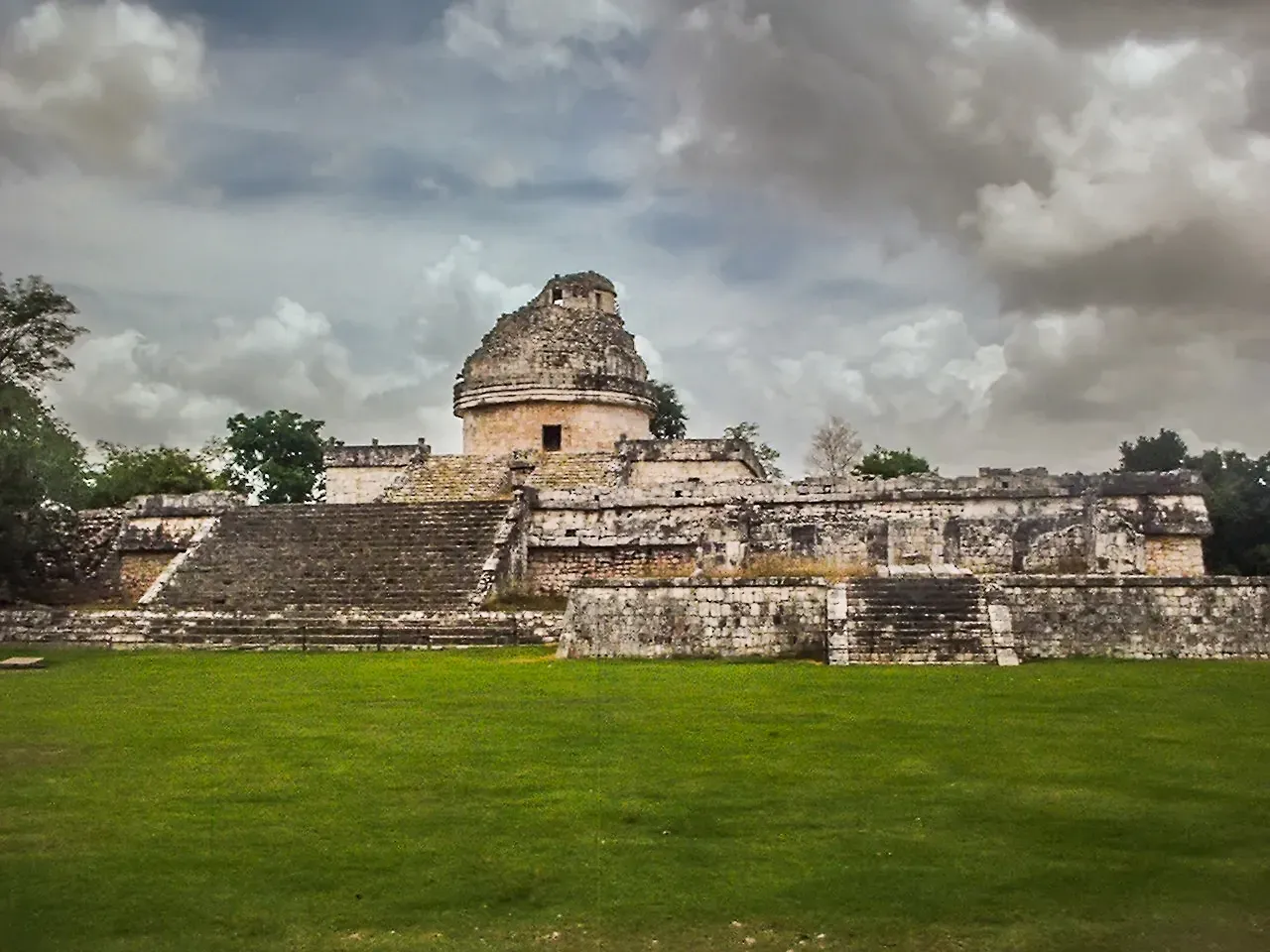
The Maya civilization possessed what might be the most sophisticated pre-telescope astronomy in the world. The Classic Maya developed some of the most accurate pre-telescope astronomy in the world, aided by their fully developed writing system and positional numeral system, with their estimate of the length of the synodic month more accurate than Ptolemy’s, and their calculation of the tropical solar year more accurate than the Spanish when they first arrived. That bears repeating: their measurements were more precise than those of Renaissance Europeans.
The Dresden Codex, a Maya manuscript, contains accurate astronomical tables thought to be based on thousands of years of observational knowledge, with the Maya tracking Venus over generations to predict its appearances and remarkably accurate tables enabling solar eclipses to be predicted within a three-day window. In fact, two Maya scholars used the Dresden Codex in 1991 to predict a solar eclipse to the day, at least 800 years after those tables were originally compiled. Using their knowledge of astronomy and mathematics, the ancient Maya developed one of the most accurate calendar systems in human history.
Ancient Egypt: Building by the Stars
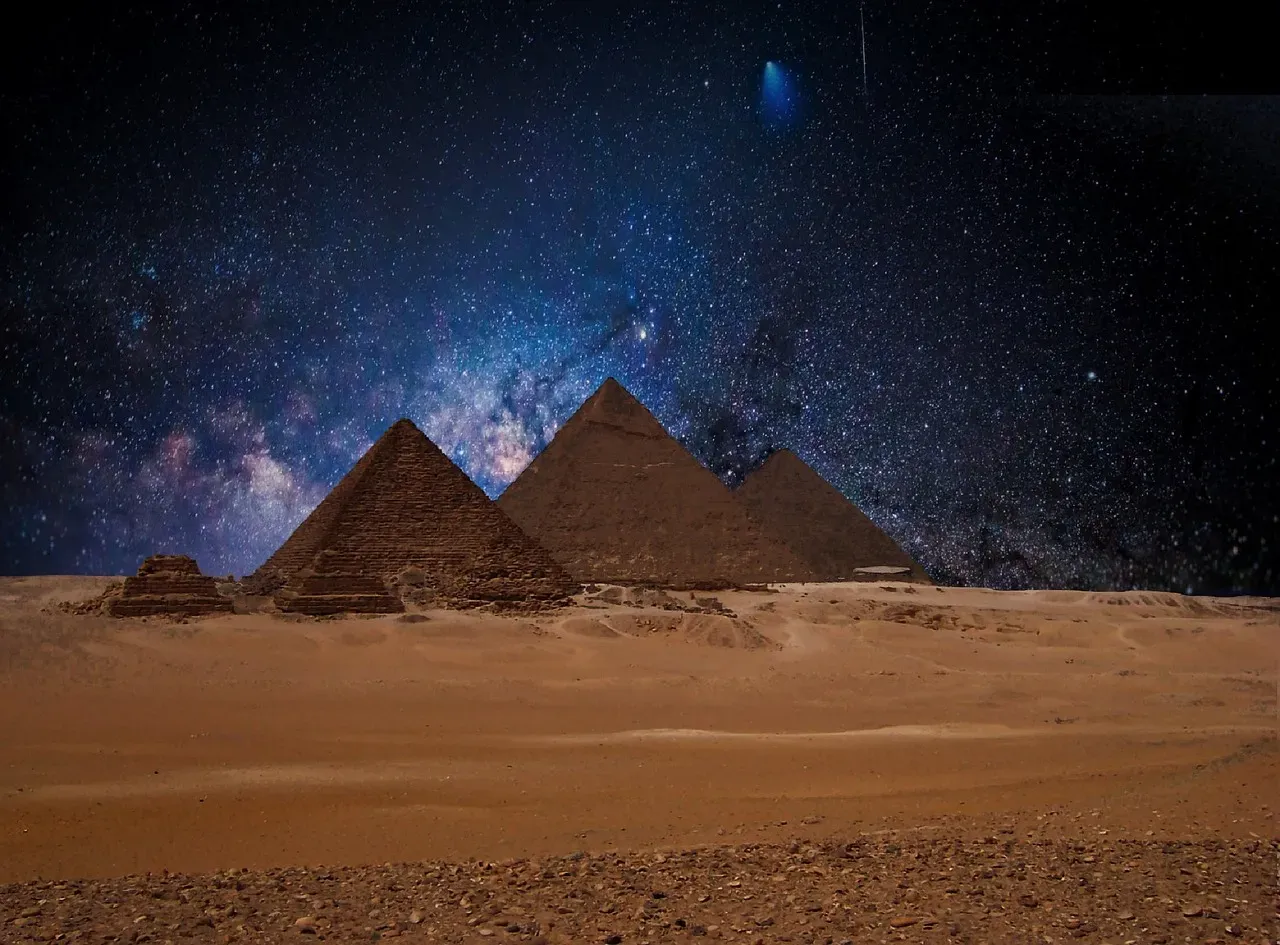
The pyramids of Egypt, particularly those of the IV Dynasty Kings Cheops, Khephren and Mycerinus raised on the plateau of Giza some 4500 years ago, are orientated with extraordinary accuracy with the four cardinal points. The square base of the Great Pyramid of Cheops is just 3.4 arcminutes off of true north, a precision of about 1 millimeter per meter. Honestly, that level of accuracy is mind-boggling when you consider the tools available.
Researchers use trends in the orientation of Old Kingdom pyramids to demonstrate that the Egyptians aligned them to north by using the simultaneous transit of two circumpolar stars, with modeling the precession of these stars yielding a date for the start of construction of the Great Pyramid accurate to within five years. The ancient Egyptians tracked celestial bodies to inform their architecture, agriculture, and religious practices. Their observatories were integrated into their temples, and their knowledge of the stars was woven into the very fabric of their monuments.
Ancient China: Recording Celestial Wonders
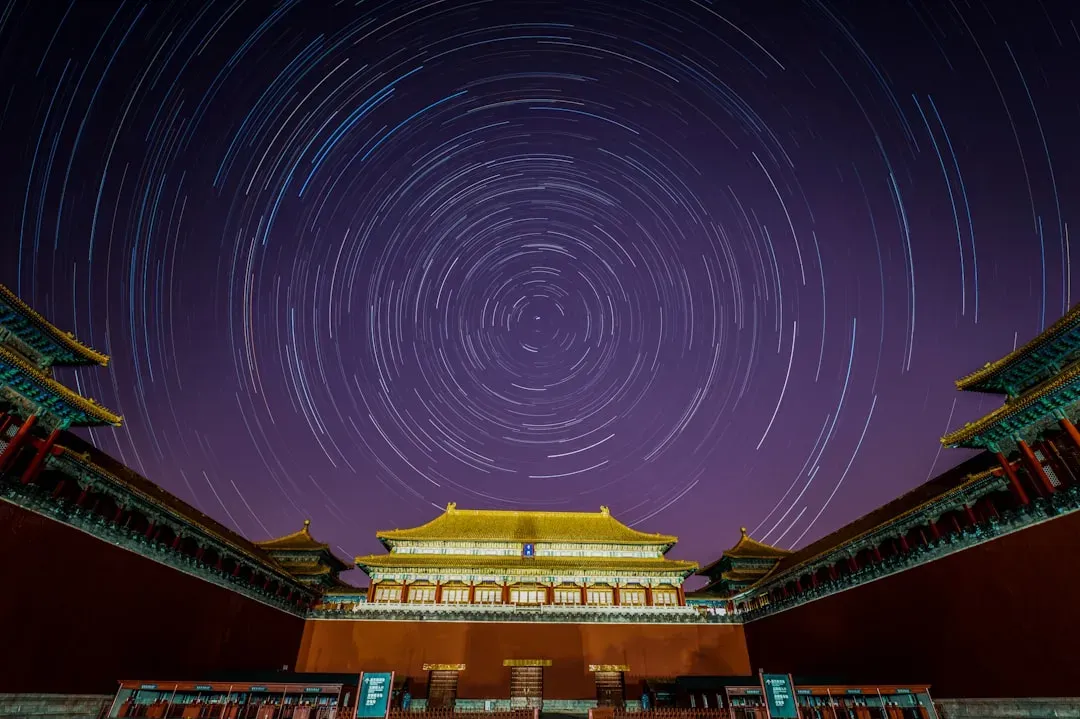
The Chinese have one of the most detailed documentation of astronomical observations, with astronomer Gan De being the first to take notice of Ganymede, which he described as a small reddish star around Jupiter. Think about that: Chinese astronomers were observing Jupiter’s moons with the naked eye centuries before Galileo pointed his telescope skyward.
The Chinese took notice of stars that suddenly appear among other fixed stars, and it was believed that what they observed was a supernova. The Dunhuang Star Atlas was discovered in a Buddhist cave in Dunhuang, China, and is said to be the earliest known preserved star map in the world which dates back before AD 700. These meticulous records prove invaluable even today when astronomers study historical celestial events and need ancient observational data to validate their models.
The Polynesians: Navigating by Heaven’s Map

The ancient Polynesians achieved something that seems almost impossible: they navigated thousands of kilometers across open ocean to tiny islands using only the stars, waves, and natural signs. Polynesian navigators used wayfinding techniques such as navigation by the stars and observations of birds, ocean swells, and wind patterns, relying on a large body of knowledge from oral tradition. No compasses, no sextants, no GPS. Just knowledge passed down through generations.
The positions of the stars helped guide Polynesian voyages, with stars holding fixed celestial positions year-round and each star having a specific declination that could give a bearing for navigation as it rises or sets, with voyagers setting a heading by a star near the horizon and switching to a new one once the first rose too high, memorizing a specific sequence of stars for each route. Master Polynesian navigators memorize the rising and setting positions of hundreds of stars, organizing this information through systems like the Hawaiian star compass which divides the sky into eight families of stars occupying 32 houses. That kind of spatial memory and astronomical knowledge is truly extraordinary.
Ancient Greece: Laying the Foundations
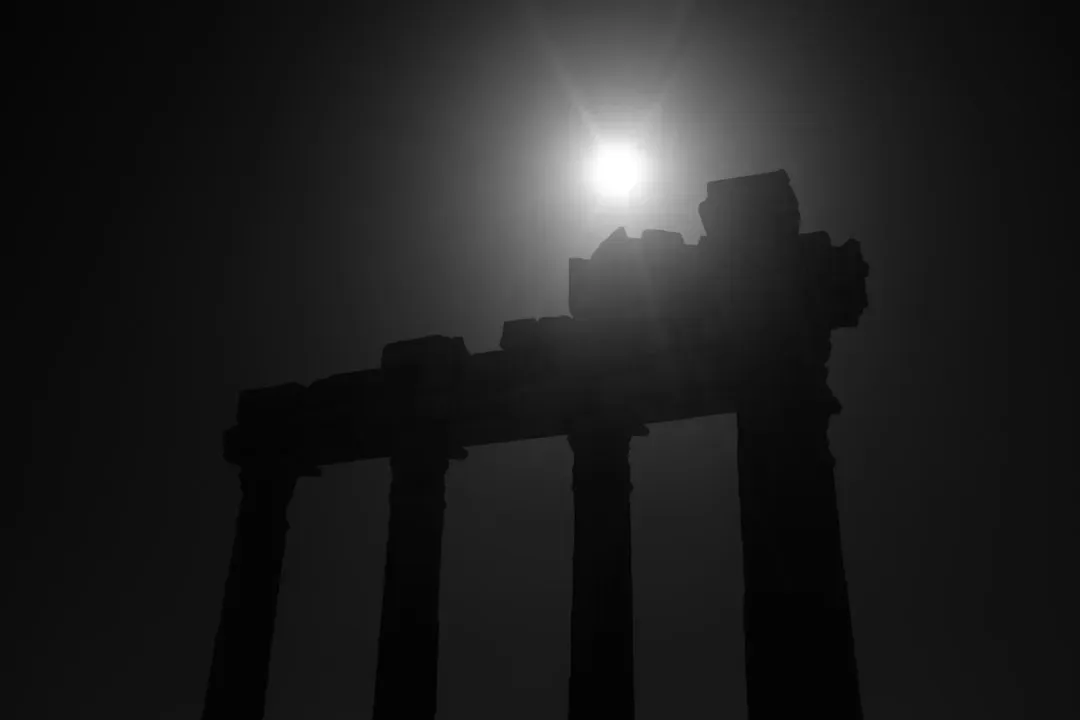
The ancient Greeks are often credited as the fathers of Western astronomy, and for good reason. Greek scholar Eratosthenes excelled not only in astronomy but also in geography, mathematics, poetry, and music, with his most important contribution being the calculation of the earth’s circumference, with his computation off by only a few hundred or a few thousand miles despite the lack of apt technology. He also calculated the tilt of Earth’s axis and conceptualized leap day.
Aristarchus of Samos, one of the greatest astronomers of antiquity, was responsible for the earliest-known heliocentric theory of the solar system, placing the sun at the center of the known universe with Earth revolving around it, describing the sun as the central fire of the cosmos and succeeding in correctly mapping all the then-known planets in order of distance around it. Let’s be real: he had the right idea almost two thousand years before Copernicus made it stick. Unfortunately, his contemporaries rejected this revolutionary insight, and the geocentric model dominated thinking for over a millennium.
The legacy of these ancient astronomers continues to resonate through time. Their careful observations, mathematical innovations, and astronomical records laid the groundwork for modern science. These cultures remind us that human curiosity about the cosmos isn’t new. Long before we could send probes to distant planets or photograph black holes, people were already decoding the language of the stars with nothing but their eyes, their minds, and an insatiable desire to understand the universe above them. What do you think about these ancient achievements? Would you have had the patience to track planetary movements night after night for years?