Perched high in Colorado’s San Juan Mountains, looks, at first glance, like just another beautiful alpine lake stitched into the landscape. But hidden beneath that glassy surface is a physics story as dramatic as the cliffs that ring it – a tale of landslides, trapped water, and time unfolding at geological speed. Scientists are now reading this lake the way astronomers read starlight, using its depths and sediments to decode ancient disasters and future risks. What makes so compelling is that it was born in a single catastrophic moment, yet it behaves today like a slow, precise natural laboratory. Understanding this lake means understanding how mountains move, how water remembers, and how even a “quiet” body of water can be a living experiment in earth science.
The Lake That Exists Because a Mountain Fell
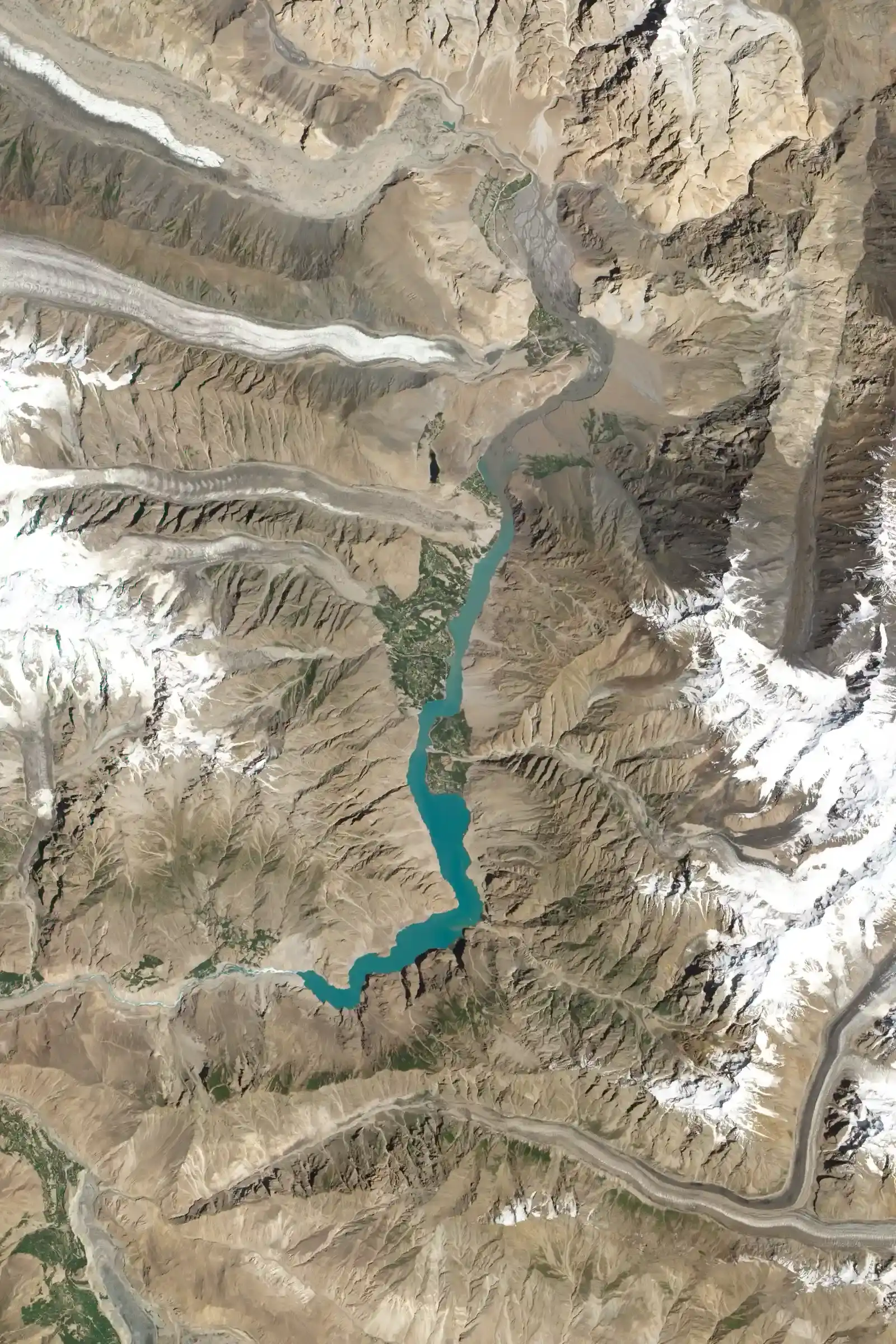
Perhaps the most astonishing fact about is that it should not exist at all, at least not in the way most lakes do. It is not a glacial basin carved by ice or a wide, gentle valley flooded by a river; instead, it is held back by a natural dam made of a collapsed mountainside. Roughly eight hundred years ago, a huge landslide barreled down the narrow valley of the Lake Fork of the Gunnison River, piling up a chaotic wall of rock and debris hundreds of feet thick. The river, blocked by this rubble dam, began to back up, slowly filling the new basin and giving birth to what is now Colorado’s second-largest natural lake.
In physics terms, is a frozen moment of kinetic energy transformed into a long-lived reservoir of potential energy. The boulders and shattered earth that once roared downhill now stand as a rough, porous barrier, while the water behind them presses and seeps and flows, constantly testing the structure that confines it. Geologists see this as a rare, large-scale example of how energy transfer in a landslide rewrites a landscape in minutes but continues to shape it for centuries. When you stand on the shore today, you are literally watching a natural experiment in stability – an immense system still negotiating the balance between gravity pulling down and water pushing out.
A Natural Dam That Teaches Structural Physics
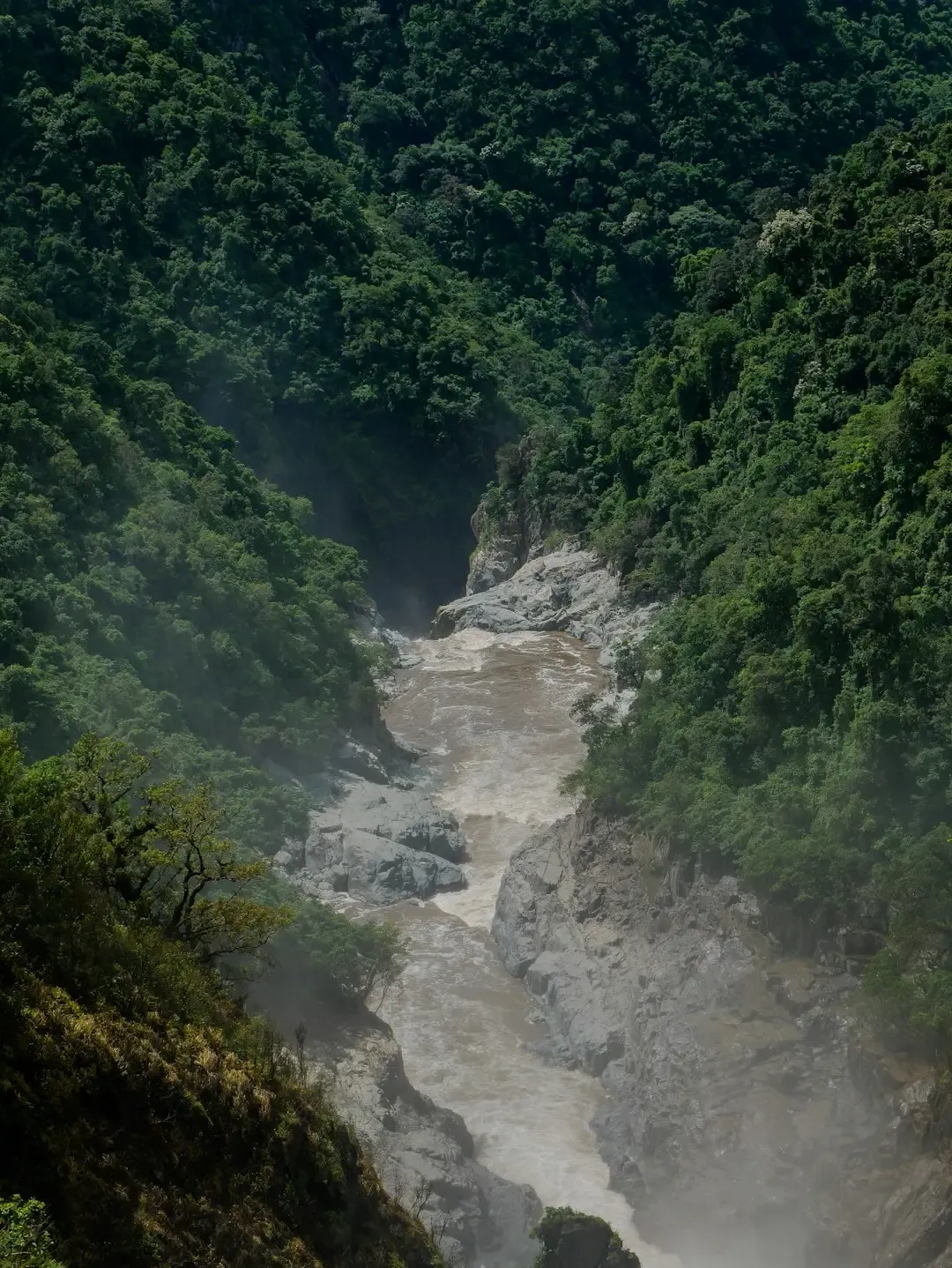
The massive slide that created is more than just a scenic curiosity; it is a full-scale demonstration of how porous, irregular structures can hold back a moving fluid. Unlike engineered concrete dams, this natural barrier is a tangled matrix of rock fragments, soil, and voids, forming a kind of three-dimensional sieve. Water does not simply slam into it and stop; instead, it infiltrates the pile, weaving through tiny channels and fractures, losing energy as it squeezes past grains and surfaces. The lake’s level, surprisingly stable over human timescales, is governed by this intricate internal plumbing, where friction and tortuous flow paths dissipate pressure.
Hydrologists studying the dam often approach it like a real-world testbed for Darcy’s law, the equation that describes how fluids move through porous media. By measuring seepage, seasonal lake levels, and the chemistry of water emerging downstream, researchers can estimate how fast and through which layers the lake is quietly draining. In a sense, the dam is both barrier and filter, converting gravitational potential energy into subtle heat and slow motion instead of catastrophic failure. This makes a rare outdoor classroom where the physics behind groundwater flow, filtration, and structural stability can all be observed playing out at full landscape scale.
Water Layers That Behave Like a Mountain’s Memory
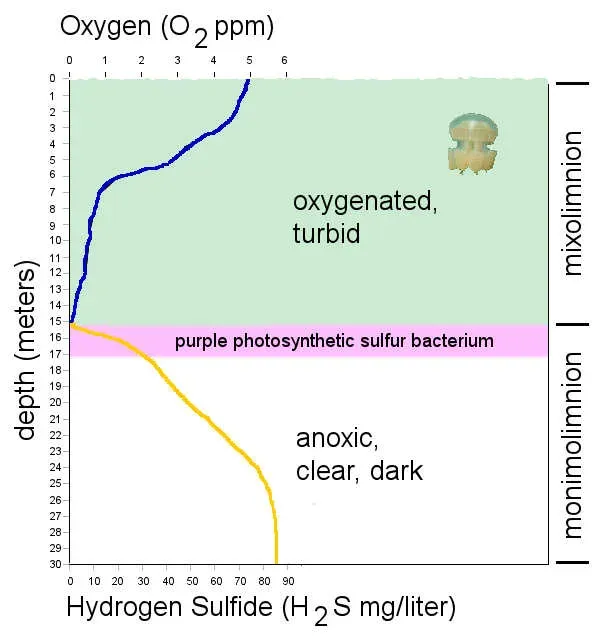
Peek beneath ’s shimmering surface, and you’ll find that its waters are not just a single, well-mixed volume; they are layered like the pages of an unwritten history. Because the lake is relatively deep and sheltered within steep mountain walls, its water often stratifies into distinct thermal layers: warmer, lighter water near the surface and colder, denser water below. This vertical structure, known as thermal stratification, governs how oxygen, nutrients, and even tiny organisms move and mix through the lake. It also means that the deep waters can sometimes remain isolated for months, storing chemical and thermal imprints of earlier seasons.
Limnologists studying treat these layers as a kind of physical memory, where each season’s temperature swings, snowmelt pulses, and storm events leave subtle traces. When the lake overturns – usually during spring and fall – those stored signatures are released, mixing upward like long-shelved stories finally told. The physics here is similar to what happens in Earth’s oceans, where stratification can lock away heat and carbon for years or even centuries. In this smaller, more accessible mountain setting, researchers can probe those processes with sensors and sampling gear, turning into a model system for understanding how climate and water interact in layered environments.
Sediment Cores as Time Capsules of Catastrophe
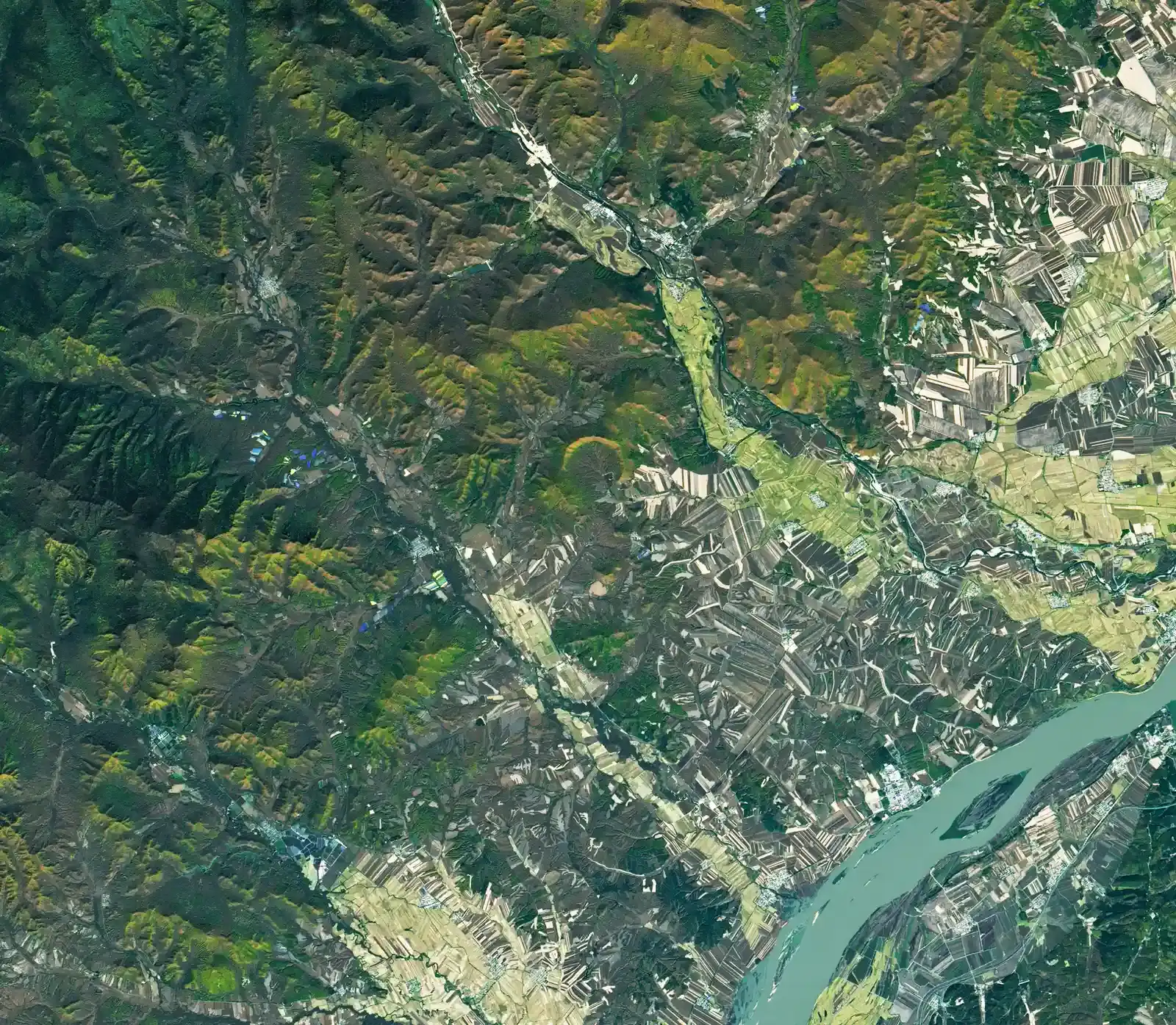
Not all of ’s secrets are written in water; many of them are buried quietly in the mud. Over centuries, fine sediment, pollen, volcanic ash, and organic material have drifted to the bottom and settled into thin, delicate layers. When scientists drive long, hollow tubes into that soft lakebed and pull up cores, they are essentially retrieving a vertical timeline of the lake’s life. Each layer can be analyzed for its grain size, composition, and chemical fingerprints, revealing past landslides, wildfires, droughts, and even subtle shifts in vegetation on the surrounding slopes.
From a physics perspective, these sediments are a logbook of energy events – moments when floods carried heavy material farther than usual, or when calmer years left only the finest particles to drift down like dust. Researchers can identify abrupt spikes in coarser debris that line up with major slope failures, as well as quiet intervals when the watershed was relatively stable. This makes an invaluable archive for reconstructing natural hazards in the San Juan region before written records existed. In effect, every muddy centimeter in those cores turns the lake into both historian and witness, recording not just what happened but how intensely energy and matter moved through the valley.
A Living Laboratory for Mountain Hazards and Risk
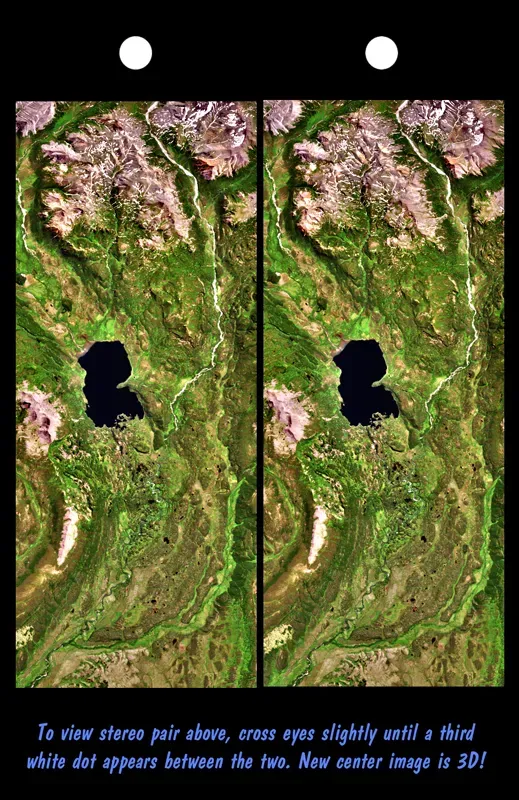
is not just a pretty backdrop for vacation photos; it is an active case study in how mountain landscapes fail and recover. Scientists and engineers see the landslide dam as part warning, part opportunity. On the one hand, any structure holding back a large volume of water – especially one made of loose debris – carries some risk of instability if triggered by earthquakes, extreme rainfall, or internal erosion. On the other hand, carefully studying how this natural dam has remained intact for centuries helps researchers refine models that predict the behavior of similar formations worldwide.
In an era of intensifying storms and rapid snowmelt, mountain communities downstream from lakes like San Cristobal are keenly interested in what those models say. Field measurements, remote sensing, and numerical simulations all converge here to answer practical questions: How fast could the lake drain if the dam eroded? What kind of flood wave would surge downstream? How does vegetation rooting into the debris pile change its strength over time? This is where theory meets lived reality, as planners and residents weigh the physics-based assessments of risk against the daily experience of living in a landscape shaped by an ancient, still-relevant disaster.
Why Matters Beyond Its Shoreline
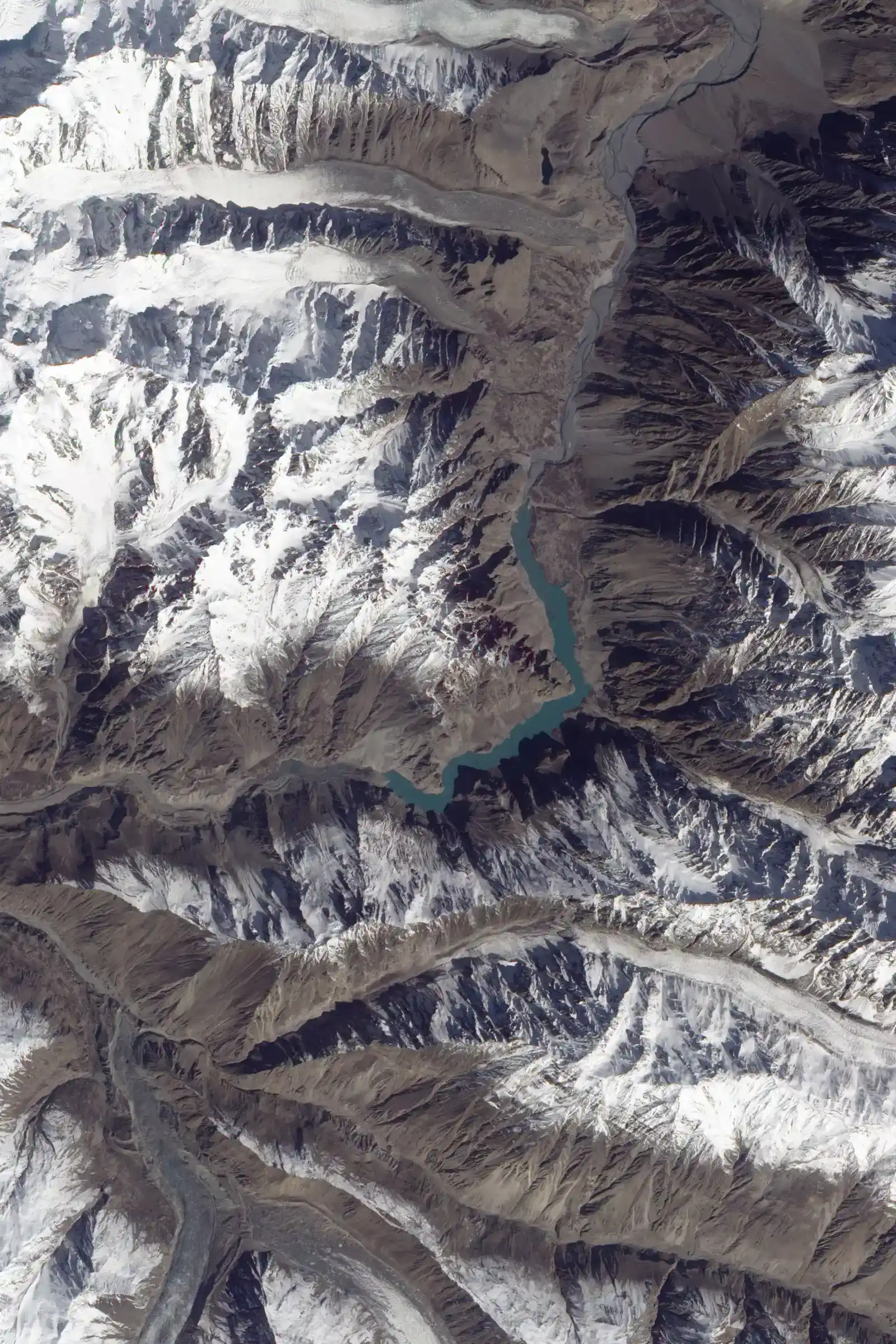
It might be tempting to see as an isolated curiosity tucked away in the San Juan Mountains, but its importance stretches far beyond its scenic shoreline. The physics lessons encoded in this single lake directly inform our understanding of landslide dams and natural reservoirs in other mountainous regions, from the Himalayas to the Andes. At a time when more intense rainfall and rapid glacier melt are increasing the likelihood of valley-blocking slides, having a long-lived, well-studied example like San Cristobal is invaluable. It offers a rare real-world test for the models that forecast how water and debris will interact when landscapes suddenly rearrange themselves.
Compared with traditional engineered dams, which are carefully designed, monitored, and maintained, ’s dam shows what happens when nature takes the lead and humans must adapt. This contrast helps scientists refine how they think about safety factors, failure modes, and resilience. It also highlights the broader role of physics in hazard assessment: the same equations that describe water seeping through rock piles here apply to levee stability, groundwater contamination, and even planetary surfaces beyond Earth. In that sense, learning from this one mountain lake helps build a more general, global toolkit for understanding risk wherever gravity, water, and unstable slopes collide.
The Future Landscape: Watching a Slow Experiment in Real Time
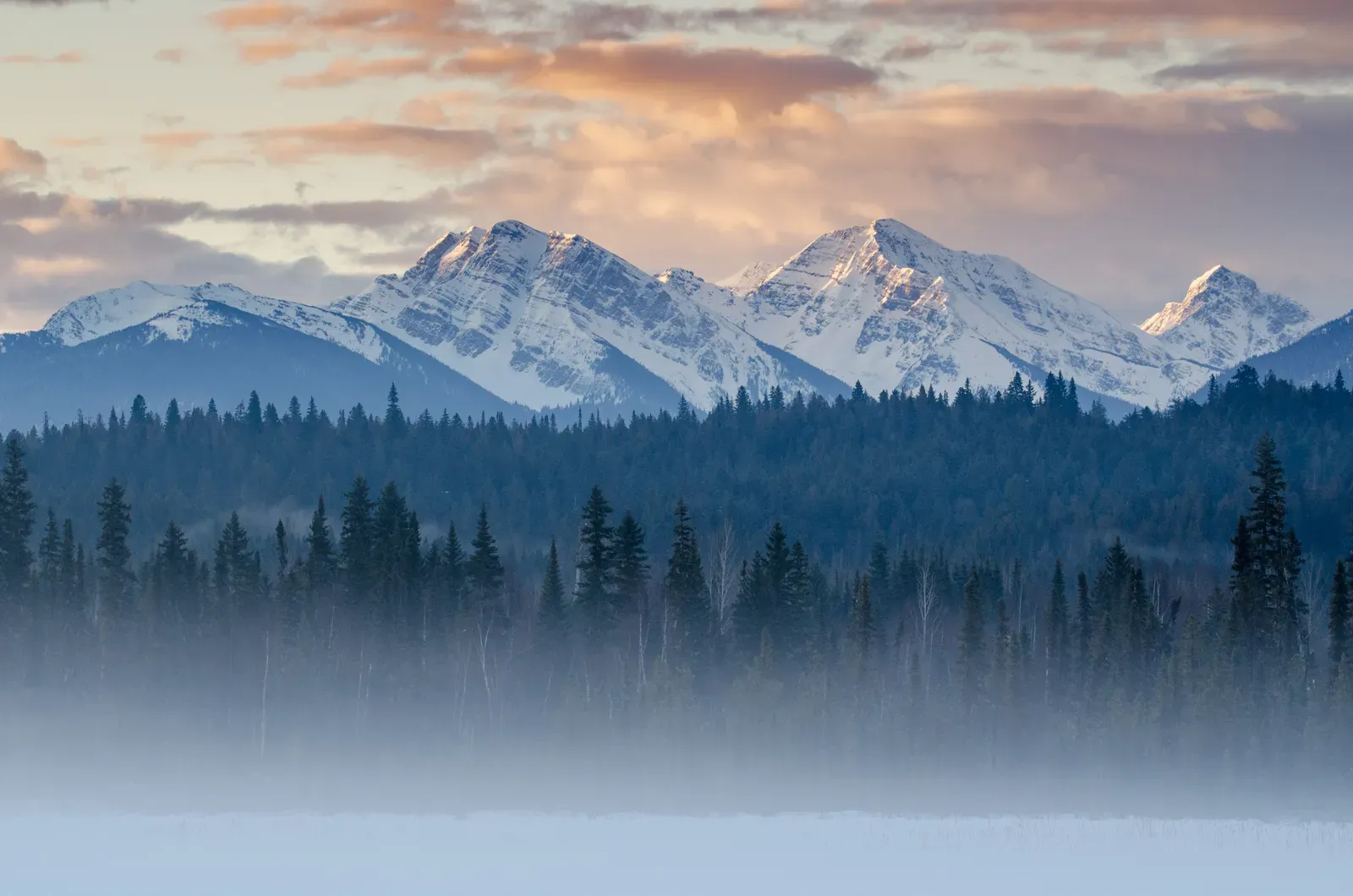
Looking ahead, ’s greatest scientific gift may be that it is still changing, albeit slowly, right in front of us. As climate patterns shift, snowpack in the San Juans fluctuates, and extreme rainfall events become more common, the lake’s behavior offers an evolving record of how a high-mountain catchment responds. Future monitoring efforts are likely to lean heavily on emerging technologies: high-resolution satellite imagery to detect subtle movement in the landslide dam, autonomous sensor platforms to log temperature and chemistry, and advanced computer models to simulate failure scenarios. Even small changes in seepage rates or shoreline position can, over years, signal important shifts in the underlying balance of forces.
There are also broader global implications, because what researchers learn here can be applied to other natural dams in more densely populated or politically fragile regions. Remote mountain valleys in Asia and South America, where landslide-dammed lakes threaten thousands of people downstream, could benefit from insights first honed in Colorado’s quieter setting. The challenge is to translate this detailed, site-specific understanding into generalized principles that hold across different climates, rock types, and tectonic settings. In that way, becomes not just a local feature but a prototype for how we watch and interpret landscape-scale experiments in a warming world.
How Visitors and Communities Can Engage With This Hidden Laboratory
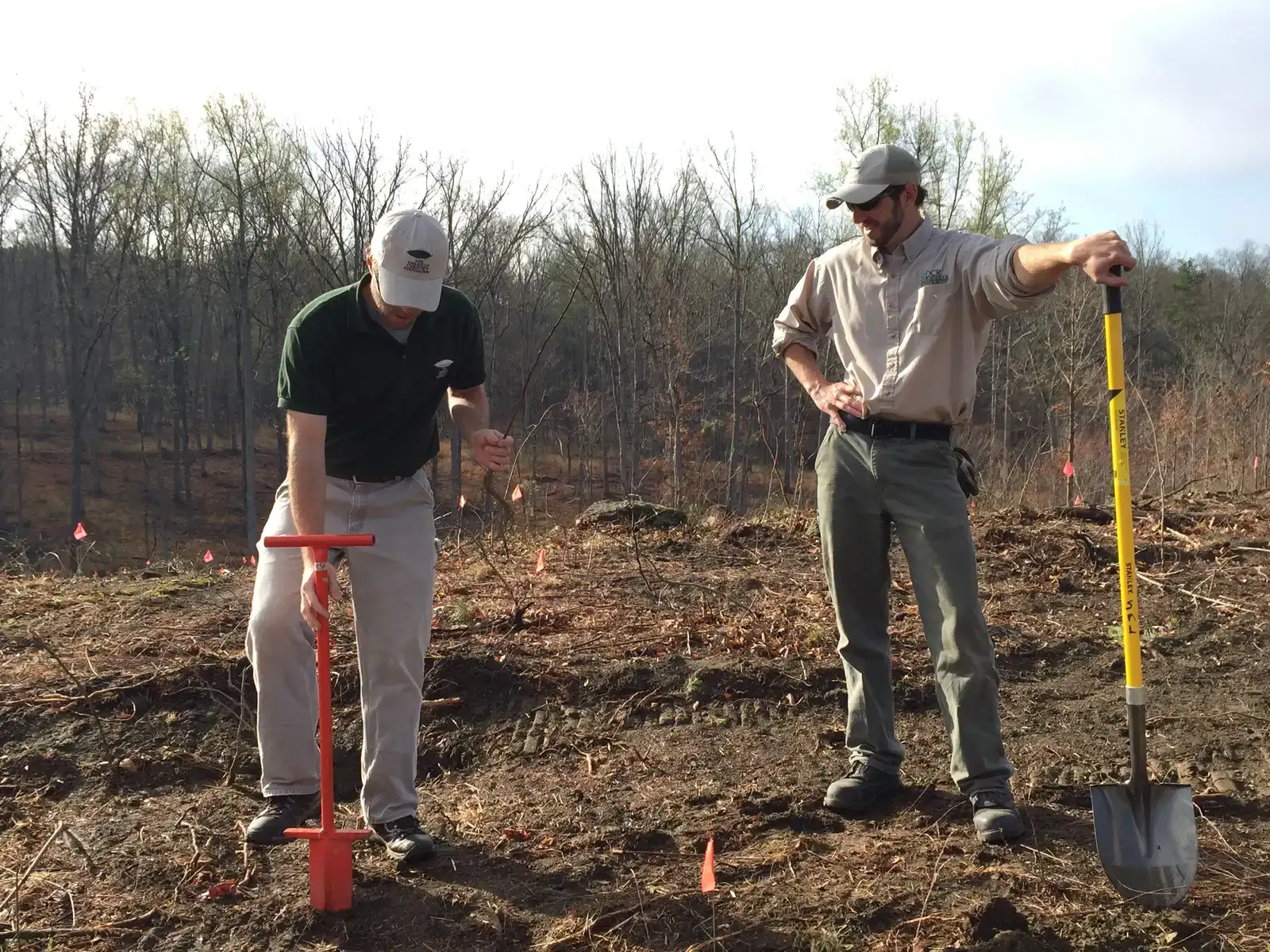
You do not need to be a professional scientist to participate in ’s unfolding story; in fact, attentive visitors and local residents often notice changes first. Simple actions can make a real difference in preserving the lake as a clean, informative natural laboratory. Staying on established trails, minimizing shoreline erosion from boats or foot traffic, and packing out all trash helps keep both the water and sediments as undisturbed as possible. Responsible recreation also reduces the noise in the data that researchers collect, making it easier to detect genuine environmental changes rather than human-made disturbances.
There are also more direct ways to engage. Local conservation groups and land managers sometimes rely on volunteers for lake monitoring, educational outreach, or citizen science projects that track water clarity, seasonal ice cover, or unusual events. Sharing observations with park staff or scientific teams – such as sudden changes in water color, new seepage spots on the dam, or unexpected shoreline slumps – can provide early clues about shifts in the system. Supporting research funding, visiting interpretive centers, or simply telling the lake’s origin story accurately helps build a culture that sees this place not just as scenery, but as an ongoing experiment worth safeguarding. In the end, ’s most important protective measure may be a community that understands it as both wonder and warning.
Suhail Ahmed is a passionate digital professional and nature enthusiast with over 8 years of experience in content strategy, SEO, web development, and digital operations. Alongside his freelance journey, Suhail actively contributes to nature and wildlife platforms like Discover Wildlife, where he channels his curiosity for the planet into engaging, educational storytelling.
With a strong background in managing digital ecosystems — from ecommerce stores and WordPress websites to social media and automation — Suhail merges technical precision with creative insight. His content reflects a rare balance: SEO-friendly yet deeply human, data-informed yet emotionally resonant.
Driven by a love for discovery and storytelling, Suhail believes in using digital platforms to amplify causes that matter — especially those protecting Earth’s biodiversity and inspiring sustainable living. Whether he’s managing online projects or crafting wildlife content, his goal remains the same: to inform, inspire, and leave a positive digital footprint.