If you’ve ever been certain you heard your phone buzz only to find… nothing, you already know your senses can’t always be trusted. We like to believe we’re seeing and hearing the world exactly as it is, like a high‑definition camera recording reality. But your brain is less like a camera and more like a movie director, constantly editing, filling in gaps, and sometimes flat-out making things up to keep the story moving.
What’s wild is that most of this trickery happens during totally normal everyday moments, not only in optical illusion pictures or magic shows. From the way food tastes, to how you hear your name in a crowded room, to memories that feel real but never happened quite that way, your brain is constantly “auto-correcting” your experience of reality. Let’s pull back the curtain on five of the most surprising ways your senses are quietly fooling you every single day.
The Vision Lie: Why You Don’t Really See What You Think You See
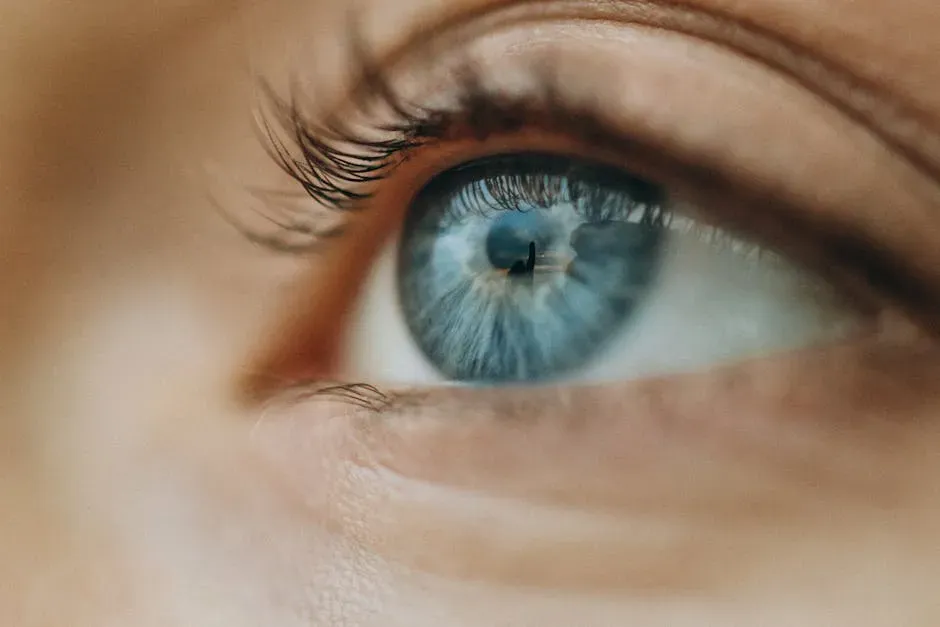
Here’s a shocking fact: there’s actually a tiny blind spot in each of your eyes where the optic nerve connects to the retina, and you never notice it. Your brain just calmly fills in the missing visual information using surrounding details and past experience, like a photo-editing app patching over a hole. That means part of what you “see” is educated guesswork, not raw reality. When you glance quickly at something and feel sure you saw it clearly, your brain is often stitching together a bunch of partial snapshots into one smooth image.
This is why you can miss a cyclist while looking right in their direction or swear a car “came out of nowhere.” Your attention, not just your eyes, decides what’s important enough to render in high resolution. Everyday illusions like thinking the moon looks gigantic on the horizon or misjudging how fast a car is moving are reminders that vision is a story your brain tells, not a perfect recording. Once I realized this, I stopped trusting my first glance in traffic and started double-checking like my life depends on it – because it kind of does.
Phantom Sounds: When Your Ears Hear What They Expect

Have you ever yanked your phone out of your pocket because you were absolutely sure you heard it vibrate, only to see a blank screen? That’s your brain predicting a sound so strongly that it feels real, a sort of auditory phantom. Your hearing system constantly guesses what should come next in a stream of noise – like when you understand a muffled announcement at a train station just because you already know the routine words. In noisy environments, your brain leans even harder on expectations, sometimes “hearing” things that aren’t actually there.
There’s a reason you can pick your name out of a loud party even when you weren’t paying attention: your brain is secretly scanning the noise for familiar patterns. But that same system can misfire, making you think someone called you, or that you heard a baby cry when it was just the wind or a squeaky pipe. Misheard lyrics are another everyday example – once you think a song says a certain phrase, it’s almost impossible to un-hear it. Your ears send the raw sound, but your brain is the one that decides what those sounds mean, and sometimes it chooses the wrong story.
The Taste Trick: How Your Eyes, Nose, and Expectations Flavor Your Food

Most people think taste lives on the tongue, but your mouth is only part of the story. Smell, texture, color, even the sound of a crunch all team up to convince your brain what something tastes like. Change just one of those, and your experience can flip in an instant. There have been simple experiments where people drank identical beverages dyed different colors, and many swore they tasted different flavors purely because of the color cue.
Think about how bad a cold can wreck your favorite meal; when your nose is stuffed, food suddenly tastes flat and sad, even if the recipe is exactly the same. Packaging and mood also matter way more than we like to admit. The same coffee in a cheap paper cup can seem weaker than in a heavy ceramic mug, simply because your brain associates weight and design with quality. I’ve had “expensive” chocolate that turned out to be basic supermarket stuff poured out of a fancy bag, and I was convinced it tasted richer – right up until I saw the wrapper and felt a little betrayed by my own senses.
Time Warps: Why Moments Feel Longer, Shorter, or Just Wrong
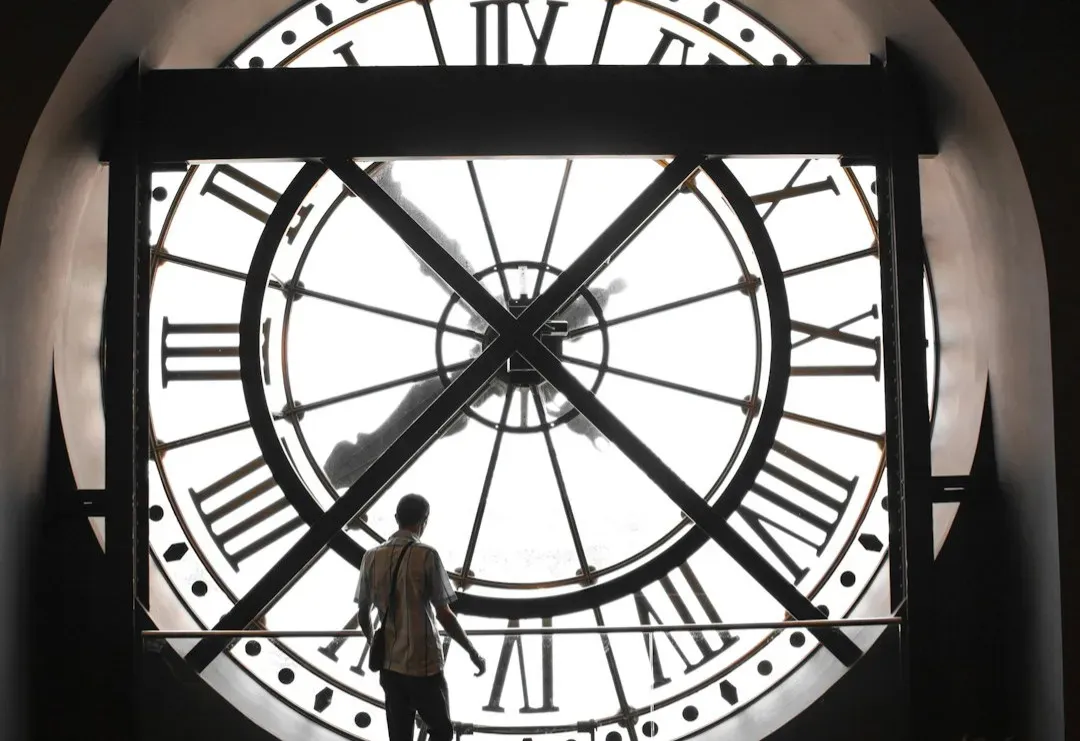
Ever notice how a boring meeting feels like it lasts forever, but a fun evening with friends is over in what feels like five minutes? Your sense of time isn’t measured by some internal clock ticking away evenly. Instead, your brain uses changes, emotions, and attention as rough markers to estimate how much time has passed. When lots of new things happen, your brain lays down more vivid memories, and looking back, that period seems longer and fuller.
On the flip side, when you’re doing something repetitive – scrolling your phone, sitting in traffic, waiting in line – your brain doesn’t bother saving many details, so the moment can actually feel stretched out and empty while you’re in it. Stress bends time too: a sudden scare can make a few seconds feel weirdly slow, like the world dropped into slow motion. This isn’t the universe changing speed; it’s your brain cranking up attention and memory in overdrive. The strange part is that, later, you often can’t accurately say how long it really took, only how intense it felt.
Memory Glitches: When Your Brain Rewrites Your Past
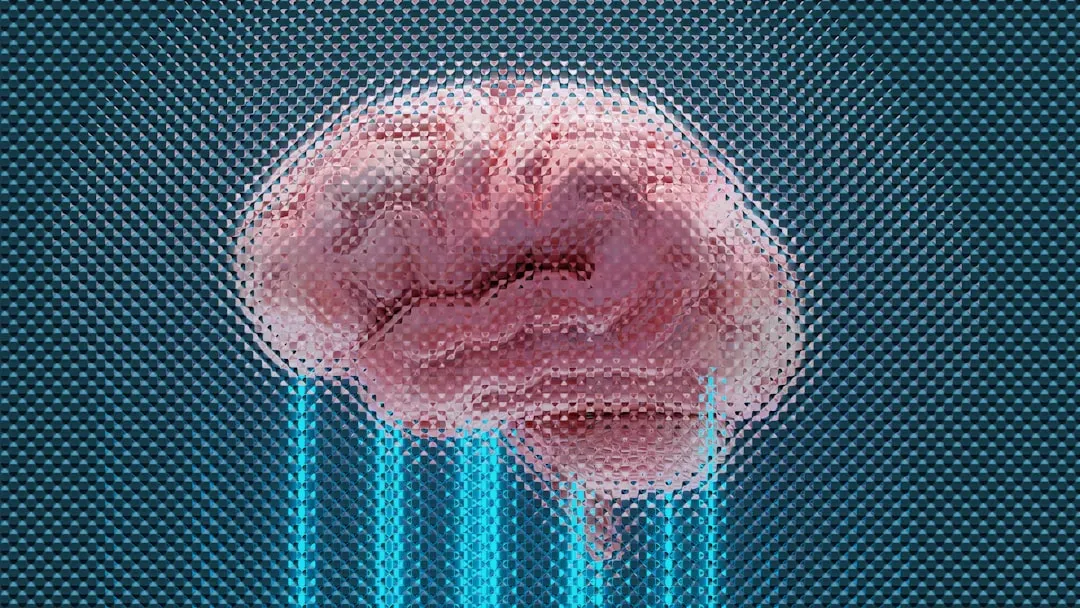
Memory feels like replaying a video, but in reality it’s more like rewriting a story every time you open the book. Each time you recall an event, your brain reconstructs it from fragments, mood, and current beliefs, then saves that updated version as if it were the original. That means your most confident memories are not always your most accurate ones. Small details like what someone was wearing, who stood where, or the exact order of events are especially easy to twist without realizing it.
This is why two people can argue heatedly about “what really happened” and both feel totally sure they’re right. Your senses captured pieces of the moment, but your brain filled in gaps and smoothed the rough edges into a convincing narrative. Even simple prompts – like someone asking if you “remember” a detail that wasn’t there – can nudge your brain into editing your memory to fit. I’ve caught myself insisting on details from childhood that my family flatly denies, and it’s unsettling to realize that my own brain might be the unreliable narrator in my life story.
Conclusion: Living With a Brain That Fools You

Once you see how often your senses bend, blur, or flat-out invent parts of your experience, everyday life starts to look a little different. Instead of assuming your first impression is always right, you start allowing for the possibility that your brain is taking shortcuts. That doesn’t mean you can’t trust yourself at all, but it does mean leaving a bit of space for doubt, especially in fast, emotional, or confusing moments.
The truth is, these “tricks” are usually your brain trying to help you: filling in missing visual information so you can move quickly, predicting sounds so you can keep up with speech, compressing time so you’re not overwhelmed, and shaping memories into stories you can live with. Knowing this doesn’t break the magic; it just lets you work with it more wisely. The next time you’re absolutely certain about what you saw, heard, or remember, will you pause for a second and wonder what your brain might have quietly edited behind the scenes?