
We tend to think of tool use as one of the defining traits of being human. You know the story – our ancestors picked up a rock, figured out it could crack open a nut, and the rest is history. The notion that intelligence, creativity, and foresight are somehow uniquely ours has been a comfortable idea to hold onto. Comfortable, but increasingly wrong.
Science has been quietly dismantling that assumption for decades, and honestly, the more you dig in, the more humbling it gets. From ocean floors to tropical forests, animals across the planet are improvising, planning, and sometimes outright engineering solutions to problems in ways that would leave most humans stunned. The evidence is rich, the stories are wild, and the implications go far deeper than most people realize.
So buckle up. What you’re about to read might make you look at a crow, an octopus, or even a wolf very differently. Let’s dive in.
1. New Caledonian Crows: The Bird That Uses One Tool to Get Another
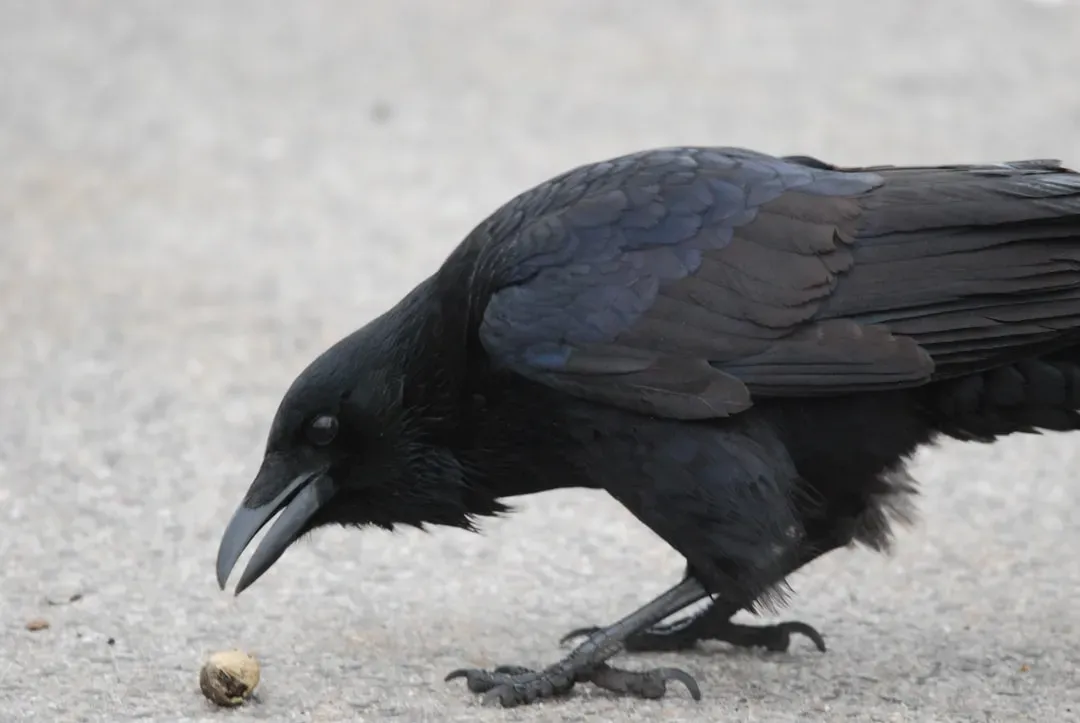
If you’ve ever struggled to find the right tool for a job, imagine being a small bird who not only solves that problem, but plans several steps ahead to get the tool you need before you even need it. That’s precisely what New Caledonian crows do, and it is, frankly, mind-blowing.
These crows have been observed using an easily available small tool to get a less easily available longer tool, and then using it to get an otherwise inaccessible longer tool to reach food that was out of reach of the shorter tools. Think of it like a bird playing a multi-level puzzle, not by accident, but with clear intention. In a series of metatool problems where each stage was out of sight of the others, crows were able to mentally represent the sub-goals and goals of the problem, keeping in mind the location and identities of out-of-sight tools and apparatuses while planning and performing a sequence of tool behaviors.
What makes this particularly astonishing is that the cognitive demands involved go well beyond simple habit or instinct. New Caledonian crows can combine objects to construct novel compound tools, and when presented with combinable elements too short to retrieve food targets, four crows spontaneously combined elements to make functional tools, doing so conditionally on the position of food. One even made three and four-piece tools when required. What truly sets these birds apart is their sophisticated tool manufacturing, carefully crafting tools from materials in their environment with a precision that rivals primitive human toolmaking, even creating hooks from twigs by precisely trimming branches and carving small barbs to extract grubs from tree hollows.
2. Bottlenose Dolphins: Nature’s Original Ocean Foragers With a Sponge on Their Nose
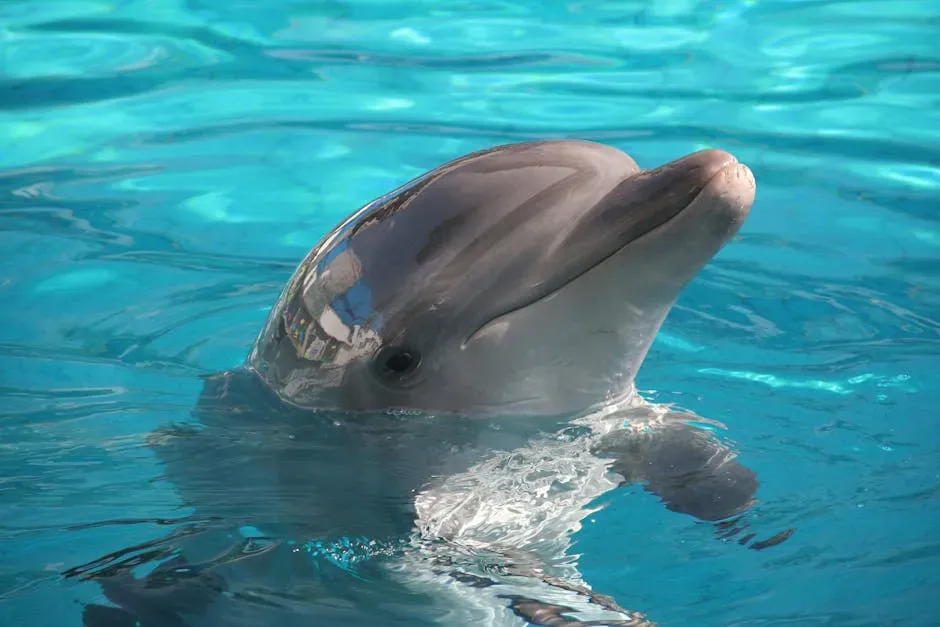
Here’s a scenario that sounds almost comedic until you understand what’s actually happening. A dolphin swims to the seafloor, carefully selects a sponge, places it over her snout like a protective glove, and begins raking through the sandy sediment for hidden fish. It looks almost casual. It is anything but.
A group of bottlenose dolphins in Shark Bay, Australia, carries marine sponges in their beaks to stir ocean-bottom sand and uncover prey, spending more time hunting with tools than any animal besides humans. That’s a staggering detail. Not “spending time,” but spending more time than almost any other creature on Earth. These dolphins tear basket sponges up from the seabed and wear them over their beaks for protection while foraging along the seafloor. The sponge essentially functions as a glove, protecting their delicate snouts from sharp rocks and stinging creatures hiding in the substrate.
The really remarkable twist? This behavior is passed down through generations, but not widely. Sponging takes a long time to learn, is strictly vertically transmitted, and does not spread to others despite close association with tool users. Over ninety percent of daughters born to spongers use sponge tools, compared with only fifty percent of sons. I think that’s one of the most fascinating details in all of animal behavior. It’s not instinct, and it’s not casual social copying. It’s a deep, deliberate, almost culturally exclusive skill passed from mother to daughter, like a family trade.
3. Veined Octopuses: The Invertebrate That Plans for the Future
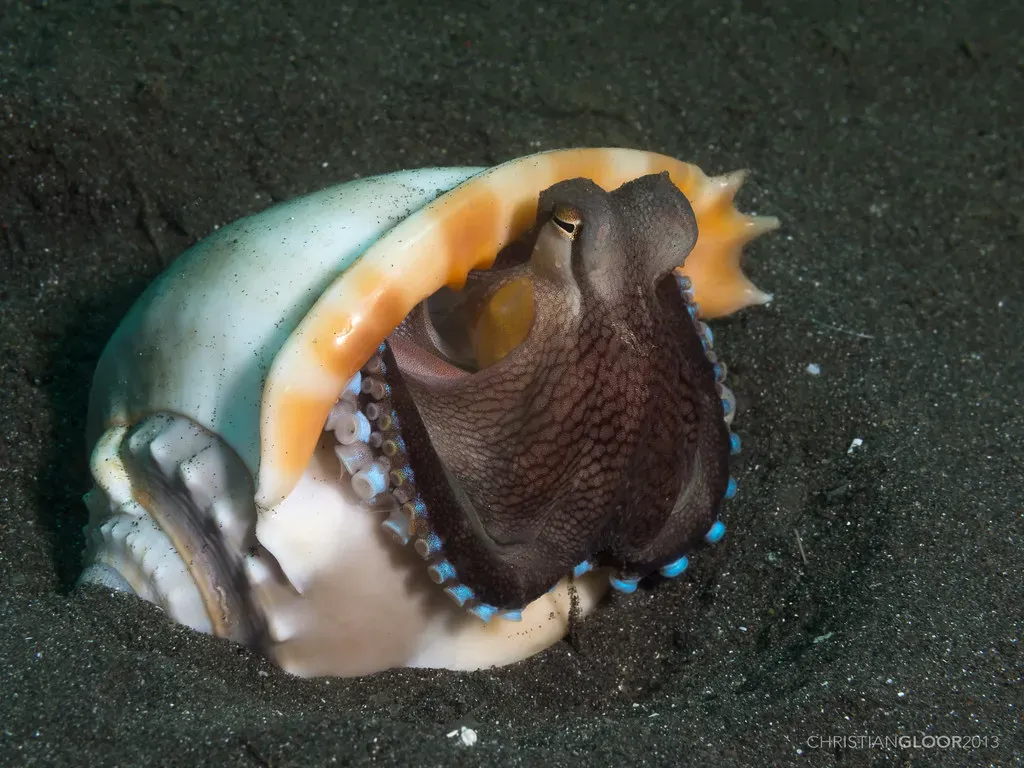
You might expect an octopus to be clever with its eight arms. You might not expect it to carry a portable house across the ocean floor on the off-chance it might need shelter later. Yet that is precisely what the veined octopus does, and it completely rewrote the rule book on what non-vertebrate animals are capable of.
The veined octopus demonstrates one of the most sophisticated examples of tool use among invertebrates, collecting discarded coconut half-shells from the ocean floor and repurposing them as portable protective shelters. Particularly impressively, these octopuses will stack two half-shells together, carry them beneath their bodies in an awkward “stilt-walking” motion across open seafloors, and then reassemble them into a spherical shelter when needed. Picture that for a moment. A soft-bodied creature, with no skeleton, walking in an uncomfortable and energetically costly gait, carrying something that provides zero immediate benefit, purely because it might need it later.
First documented in 2009 by researchers in Indonesia, this behavior represents a clear case of tool use as the octopuses transport the shells specifically for future use rather than immediate shelter. The premeditated nature of this behavior suggests advanced cognitive abilities involving planning for future scenarios, a mental capacity previously thought to be limited to vertebrates. Their distributed nervous system, with two-thirds of their neurons located in their arms, allows for a unique form of embodied cognition, enabling each arm to partially “think” on its own while coordinating with the central brain, giving octopuses problem-solving abilities that rival those of many vertebrates despite their evolutionary distance from humans.
4. Burrowing Owls: Using Dung as Bait to Lure Prey
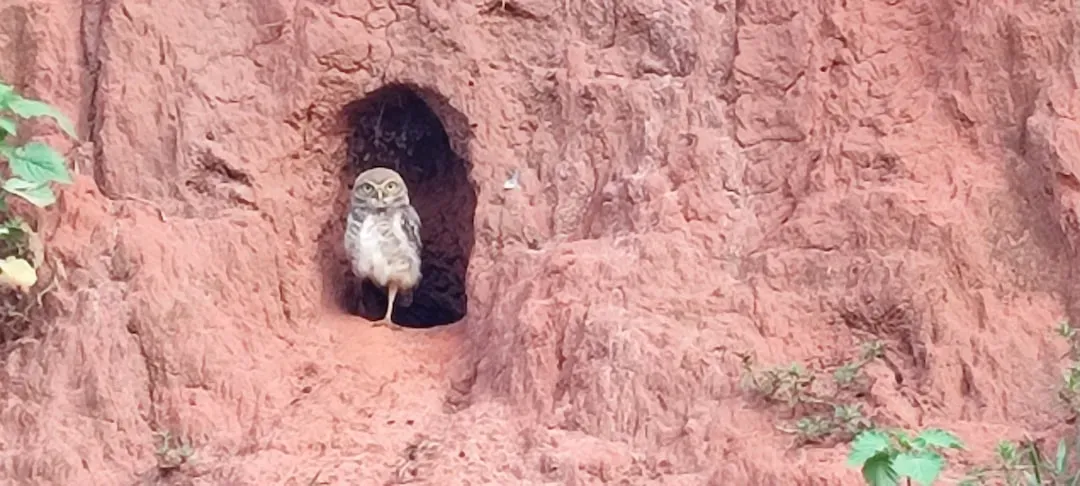
Let’s be real. Nobody thinks of owls as tool users. They’re predators, sure. Stealthy and sharp-eyed, absolutely. Clever enough to strategically lay bait using the droppings of other animals? That one tends to catch people off guard.
To attract their favorite prey, dung beetles, some owls collect and place the dung of other animals outside their homes. This is not accidental. The owls are deliberately sourcing a material, transporting it, and positioning it as an attractant for a specific type of prey. It’s essentially setting a trap with bait. Among birds known for setting bait for prey, seven heron species drop tempting food morsels in the water to attract fish, but one unexpected practitioner of this technique, the burrowing owl, is found in much drier ecosystems hunting very different prey.
What strikes me as especially impressive here is the indirect logic of it. The owl isn’t using the dung as a weapon or a shelter. It’s using it as a psychological lever, exploiting the sensory preferences of a completely different species to bring food directly to its doorstep. While animals considered “smart,” such as birds and mammals and especially primates, have received most attention from scientists studying tool use, a growing number of studies have provided clear evidence of the behavior among a range of more unexpected species. The burrowing owl is a perfect example of how widely and creatively tool use has evolved across the animal kingdom.
5. Wild Wolves: Pulling Submerged Crab Traps From Deep Water
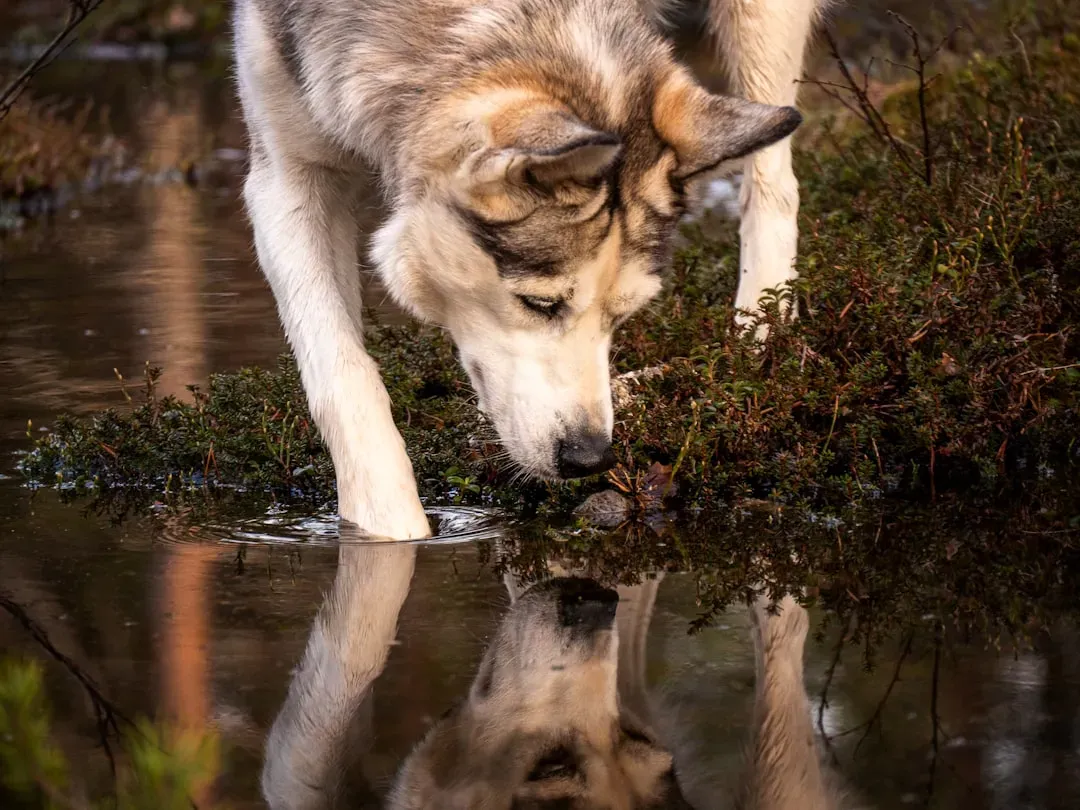
Of all the entries on this list, this one is perhaps the most recent and the most electrifying. Wolves are known for being highly intelligent pack hunters, social animals with sophisticated communication. Still, nobody had documented a wild wolf using a tool in the classic sense. Until now.
In 2023, members of an Indigenous stewardship program monitoring the Central Coast of British Columbia noticed something peculiar. Their crab traps, some submerged in deep water, showed repeated damage. Soon after, footage from a remote camera captured a female wolf emerging from the water with a buoy in her mouth, expertly pulling the attached line to retrieve the trap. She then ate the tasty bait inside. The unexpected discovery could potentially represent the first known example of tool use in wild wolves, published in the journal Ecology and Evolution.
The wolf’s actions appeared purposeful and efficient, suggesting she understood there was food beneath the water and what steps were needed to access it. Because wolves have an excellent sense of smell, she may have sniffed out the herring and sea lion bait inside the trap. Although it remains unclear exactly how she learned to pull the traps, it is possible she figured it out incrementally, initially targeting exposed traps and gradually working her way up through trial and error to those submerged in deeper water. Future research will answer questions about whether other wolves also learn to use a rope, and whether this behavior becomes culturally transmitted within this population.
Conclusion: Nature’s Toolbox Is Bigger Than We Ever Imagined
article
image description image source, CC BY 2.5)
There is something deeply moving about all of this, if you let it sink in. Every one of these animals is solving a real problem in a real environment, under real pressure, using whatever the world has given them. No instructions. No blueprints. Just intelligence meeting necessity.
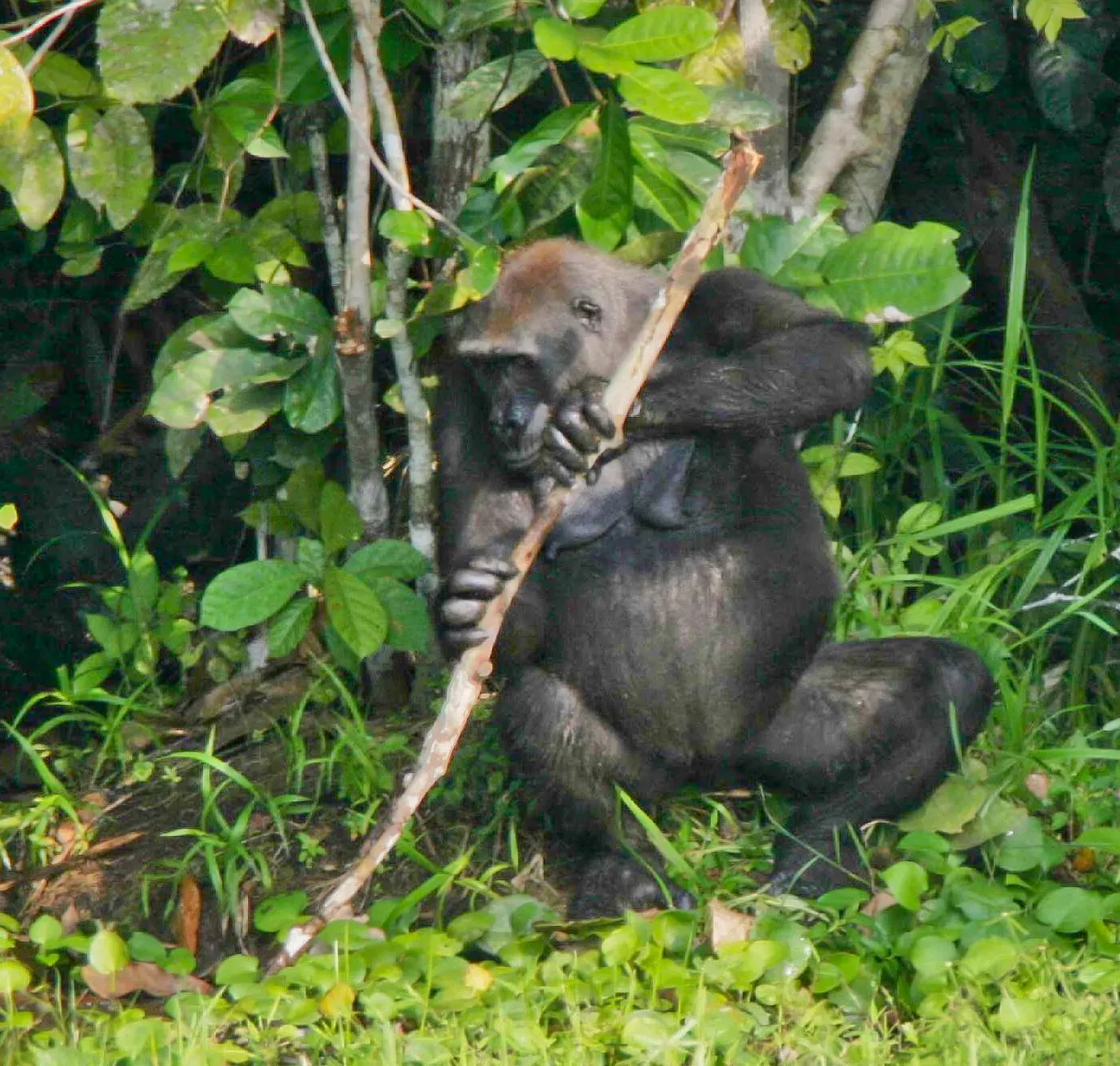
A wide variety of animals use tools, and some clever surprises are among them, with examples involving invertebrates, reptiles, fish, birds, and mammals showing different levels of sophistication and complexity. The more scientists look, the more they find. Research from the National Institutes of Health confirms that complex cognition evolved independently in several animal groups. This means intelligence is not rare in nature. It is widespread and shaped by survival demands.
Honestly, I think the biggest takeaway here isn’t just about animals. It’s about us, and the assumptions we carry. Every time science finds a crow planning three moves ahead, or an octopus essentially packing its luggage for a trip, or a wolf reverse-engineering a human-made crab trap, it chips away at the wall we’ve built between “human intelligence” and “animal instinct.” That wall was never as solid as we thought.
What do you think – does knowing that a bird can plan tool sequences the same way we do change how you see the animal world? Share your thoughts in the comments below.