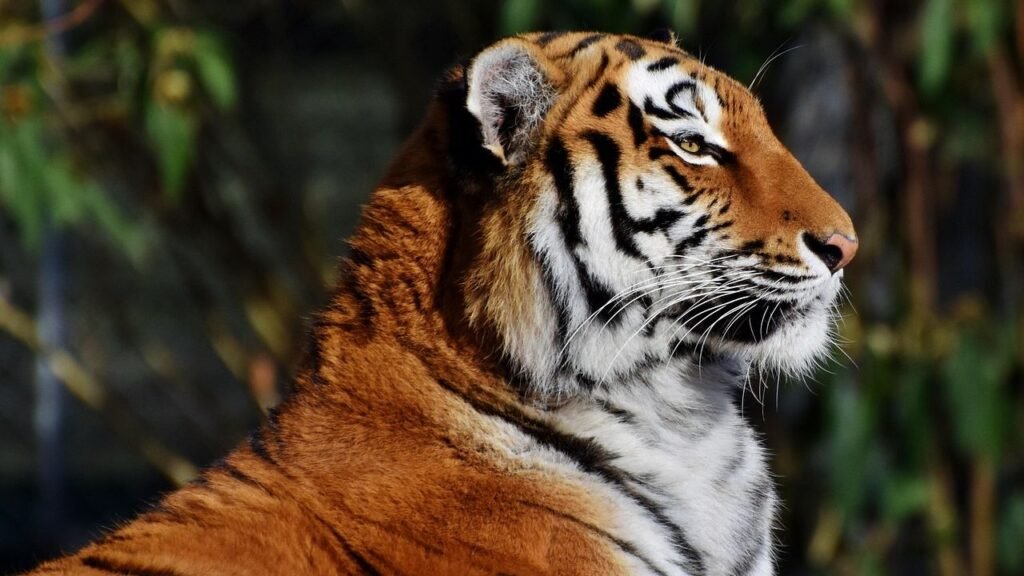

Out , survival is supposed to be ruthless and cold. Yet every now and then, animals completely ignore the script and form bonds that seem to break every rule we think we understand. These are the moments that make researchers pause, rewind camera traps, and ask themselves if they really just saw what they think they saw.
While some animal friendships can be explained by clear benefits like food or protection, others look a lot closer to what we’d simply call companionship. The five stories below are all documented by researchers, rangers, or long-term field projects, and each one not only feels surprising and emotional, but also forces us to rethink what words like loyalty, trust, and even “family” might mean outside our own species.
A Cheetah and a Dog: From Predators to Playmates
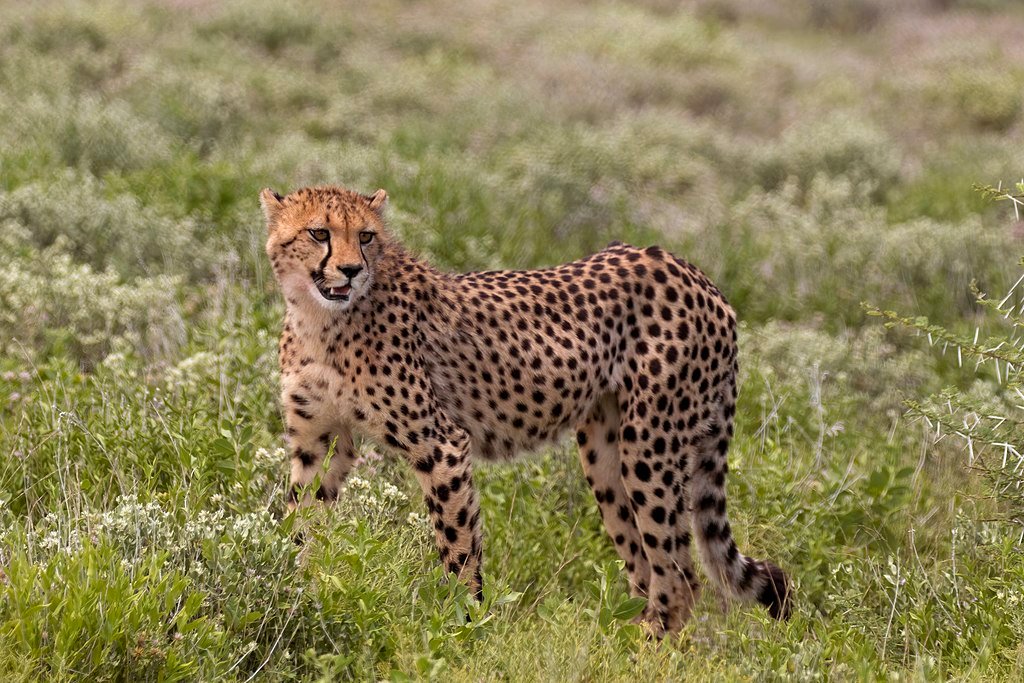
One of the most striking cross-species bonds seen in African reserves is the friendship between wild cheetahs and domestic dogs that live and work on the same land. On some livestock farms and conservation properties in southern Africa, farmers use large guardian dogs, such as Anatolian shepherds, to protect their herds from predators like cheetahs. Over time, camera traps and field observations have recorded individual cheetahs repeatedly approaching these dogs not as enemies, but as familiar neighbors, even resting within sight of them without any sign of aggression.
What begins as a tense standoff often softens into cautious tolerance and eventually a kind of odd, arms-length friendship. The dog holds its ground, the cheetah learns that this particular “opponent” will not run, and both end up sharing the same space day after day. In some documented cases, cheetahs have been seen lying down calmly while the dog patrols nearby, almost like two coworkers silently sharing a shift. It’s not a cuddly cartoon friendship, but it is a relationship built on mutual respect, predictable behavior, and maybe a quiet understanding that neither of them really wants a fight.
Hippos and Crocodiles: Dangerous Neighbors with an Uneasy Truce
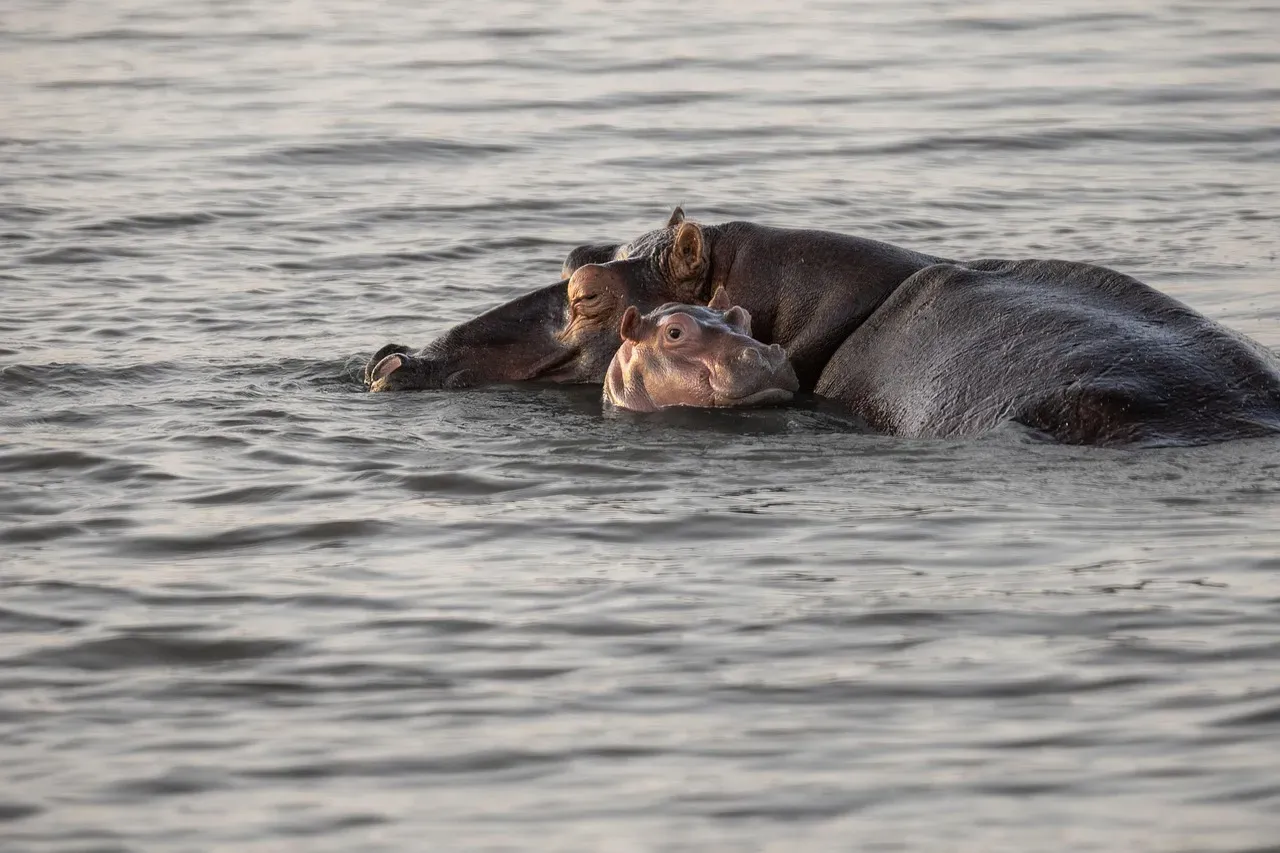
On paper, hippos and Nile crocodiles should be bitter enemies. They both rule African rivers, they both can be extremely dangerous, and crocodiles are more than capable of taking young or sick animals if given a chance. Yet if you watch footage from places like the Luangwa or Mara rivers, you’ll sometimes see a scene that looks almost unreal: massive hippos wading or sleeping while crocodiles bask only a few meters away, everyone pretending the others are just part of the scenery.
In rare but memorable moments, hippos have even been seen protecting or nudging crocodiles away from danger, such as moving themselves between crocodiles and a threat in the chaos of a river crossing. Scientists don’t think this is affection in the way we’d describe it, but it clearly isn’t simple hostility either. The hippos’ sheer size and power mean crocodiles usually choose not to pick a fight, and hippos seem to accept the crocs as inevitable roommates of the river. It’s an uneasy, high-stakes friendship of convenience, where peace is maintained mostly because both sides know exactly how bad war would be.
Jackals and Tigers: Unlikely Allies in Indian Forests
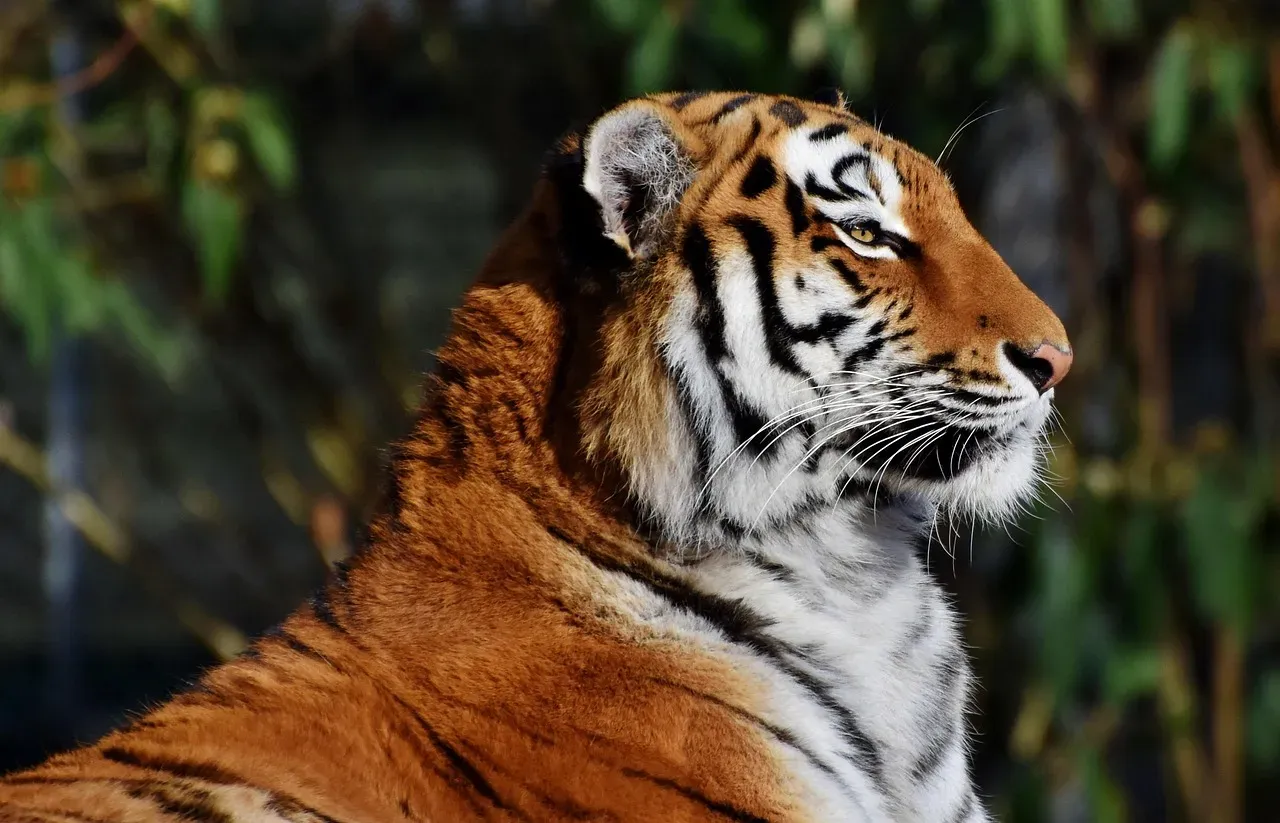
In parts of India, field biologists have documented something that sounds like myth but shows up again and again in the data: golden jackals shadowing wild tigers, sometimes for weeks. These jackals are not prey. Instead, they follow at a distance, using the tiger like a walking hunting partner, grabbing leftovers from big kills or taking advantage of prey that the tiger panics but doesn’t manage to catch. This repeated trailing behavior has been seen enough that some researchers describe the jackal as an informal helper or “scout” that benefits from sticking close to the big cat.
What makes it feel like a real relationship is that certain tigers appear to tolerate specific jackals, allowing them remarkably close while showing aggression to others. The tiger gets nothing obvious out of this, except perhaps the very small advantage of a jackal’s sharp senses spotting danger or prey. Yet this loose partnership has been recorded over long periods with the same individuals, almost like a wild version of an apprentice tagging along with a master hunter. It’s not friendship in the human sense, but it is a consistent, cooperative bond that challenges the idea that big predators always work alone.
Chimps and Monkeys: From Prey to Playmates
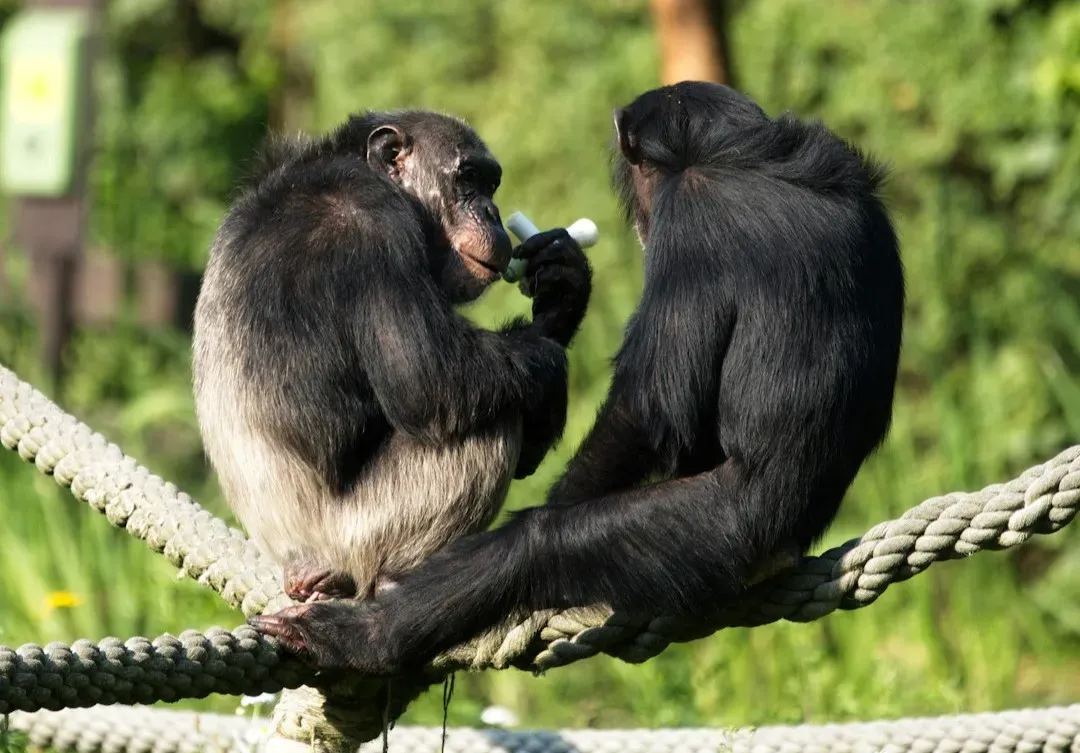
Chimpanzees are known to hunt smaller monkeys, especially red colobus, which makes the next kind of relationship especially surprising: young chimps occasionally forming gentle, almost playful bonds with the very species adults consider food. In some long-term study sites in Africa, researchers have seen juvenile chimps picking up baby monkeys, grooming them, or carrying them around much like a human child might carry a doll. Instead of attacking, these chimps seem curious and even protective, keeping the infants close for days at a time.
These bonds rarely last forever, and sometimes end abruptly or sadly, but they still offer powerful glimpses into how flexible and emotional animal behavior can be. The same chimpanzee that joins a hunt as an adult may once have cradled a monkey of the same species when younger. This kind of contrast makes it hard to draw simple lines between predator and friend. It hints that social instincts, nurturing behavior, and maybe even something like affection are simmering under the surface, waiting for the right combination of age, personality, and opportunity to show up.
Ravens and Wolves: Partners in Crime in the Snow
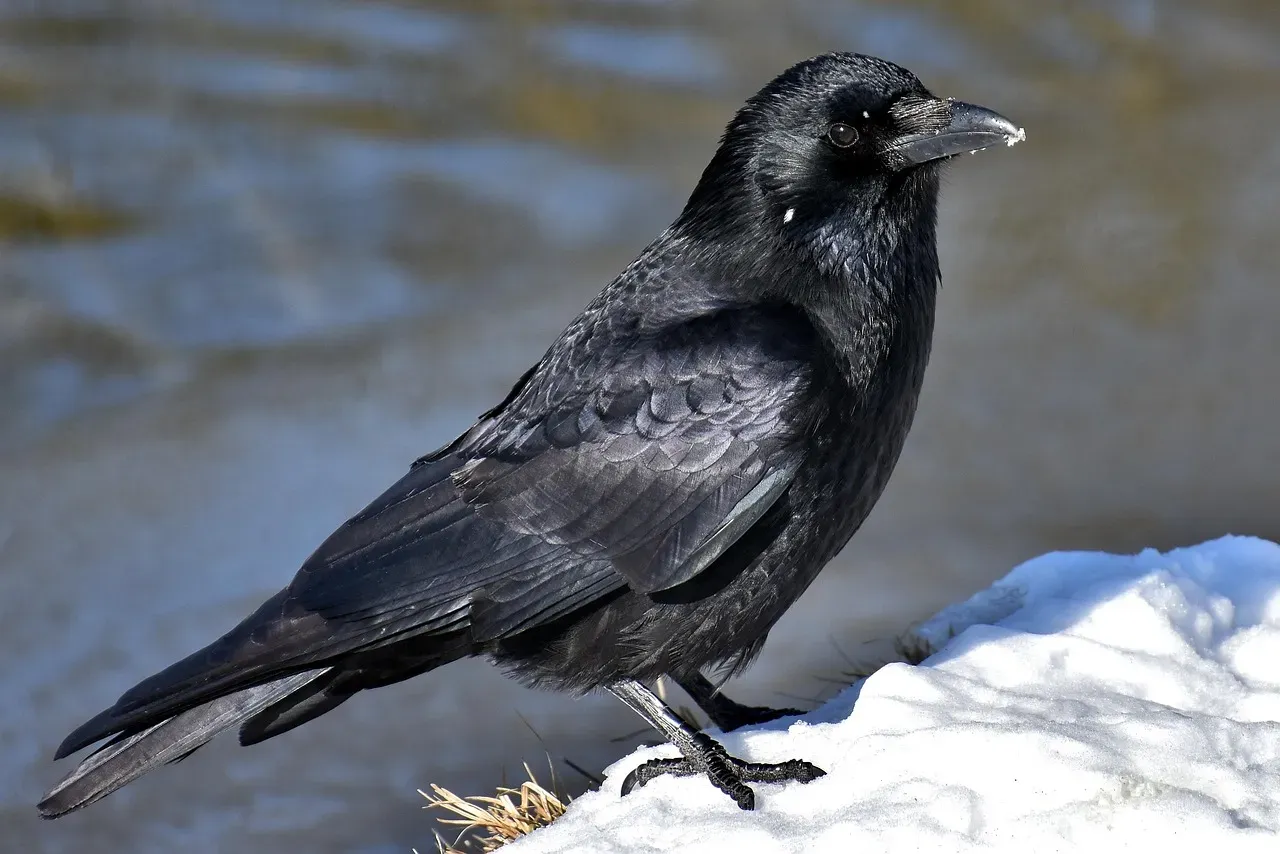
In snowy forests and tundra across North America and Eurasia, ravens and wolves have formed one of the most famous wild partnerships. Ravens are often seen circling above wolf packs or hopping alongside them as they travel and hunt. When wolves make a kill, ravens swoop in quickly, tearing off scraps the wolves leave behind or even tugging at carcasses while the wolves are still eating. Instead of constantly chasing the birds away, many wolves appear to tolerate these pushy dinner guests and sometimes even seem to respond when ravens call out excitedly, as if announcing fresh food.
Researchers studying this relationship over many years have found that ravens can recognize individual wolves and may prefer to follow particular packs that are especially good hunters. For the ravens, the benefit is obvious: wolves open carcasses that would otherwise be too tough to access. For the wolves, the ravens’ behavior may act like a set of flying scouts, pointing them toward opportunities or helping them relocate old kills hidden under snow. It’s a gritty, opportunistic friendship built not on sentiment, but on shared advantages and long memory – yet when you see them traveling together across a white landscape, it’s hard not to feel that there’s something deeper going on.
Conclusion: Rethinking What Wild Friendship Really Means
These five unlikely relationships – cheetahs and dogs, hippos and crocodiles, jackals and tigers, chimps and monkeys, ravens and wolves – show that the wild is not just a brutal battlefield of every animal for itself. It’s also a complex social web where loyalty, tolerance, and cooperation can appear in the most unexpected places. Sometimes the connection is practical, like a shared meal; sometimes it looks strangely close to what we’d casually call friendship.
Spending time with these stories shifts the way we see other species and, honestly, the way we see ourselves. If predators and prey can slip, even briefly, into roles of partner, playmate, or neighbor, then maybe nature is far more flexible and less predictable than we give it credit for. The next time someone claims animals are driven only by instinct, it’s hard not to think of a raven choosing a favorite wolf pack or a young chimp gently holding a baby monkey and wonder: would you have guessed any of this was possible?