
Some animals pull off feats so strange they sound like urban legends until you see the footage or read the data. They sense earthquakes before they happen, find their way across entire oceans, and literally freeze themselves solid, then walk away as if nothing happened. Scientists have measured, scanned, modeled, and argued about these abilities for decades, and yet big pieces of the puzzle are still missing.
What makes this even more fascinating is that these creatures are not using futuristic technology, just flesh, blood, and a few million years of evolution. Their minds and bodies are doing things our best computers struggle to replicate. As someone who happily falls down rabbit holes reading about this stuff at 2 a.m., I’m still blown away every time a new paper comes out and ends with: “the underlying mechanism remains unclear.” Let’s dive into five of those mysteries.
The Mind‑Bending Magnetic Compass of Birds

If you release a small migratory bird on a completely unfamiliar continent, there’s a good chance it will still try to head exactly where it needs to go. Many migratory birds can travel thousands of kilometers along roughly the same route every year, often at night, in clouds, or over open ocean with no obvious visual landmarks. Even more shocking, some can adjust when they’re experimentally displaced, as if they carry an internal map and not just a simple compass.
We know, at least in part, that birds can sense Earth’s magnetic field, but how they do it is still a major scientific mystery. There are leading theories: one involves tiny particles of iron in the beak acting like microscopic compass needles, another points to light‑sensitive proteins in the eye creating quantum‑level reactions that somehow “visualize” magnetism. Both ideas have experimental support, but neither fully explains the accuracy and flexibility of bird navigation. The fact that a creature the size of your hand might be running quantum chemistry in its eyes just to decide which way is north is the kind of thing that makes even physicists shake their heads.
The Impossible Regeneration Powers of Axolotls
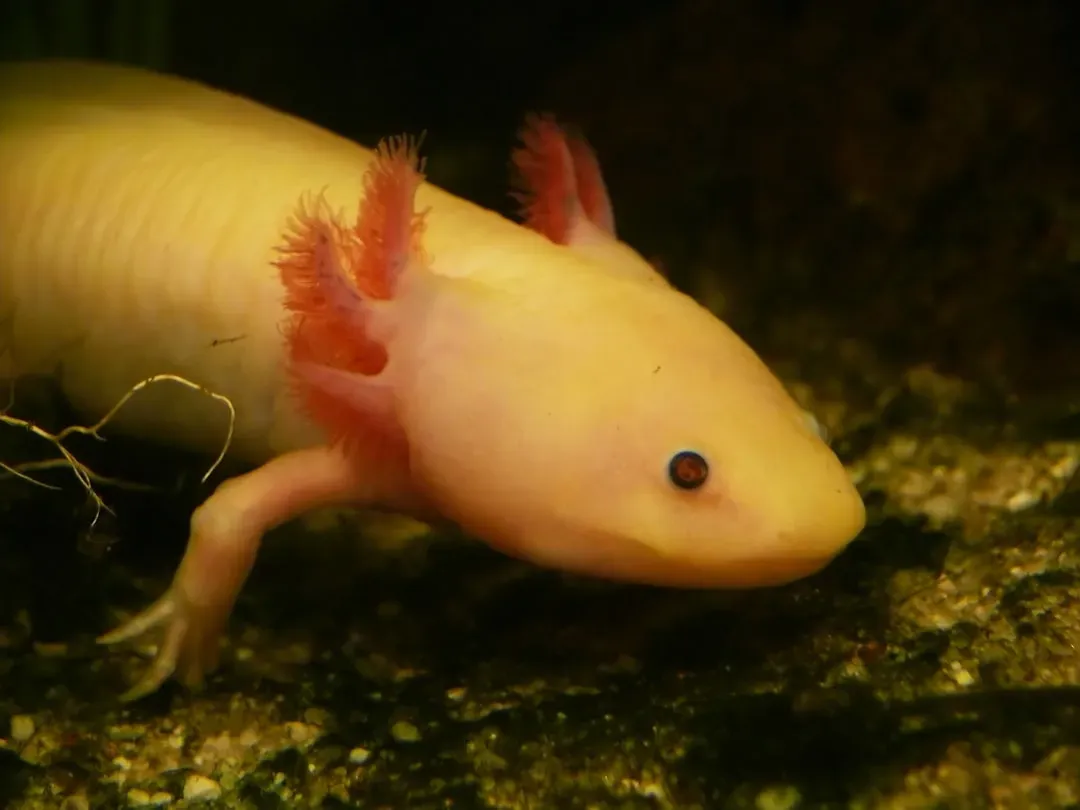
The axolotl, a strange salamander that looks permanently stuck in its cute, fringy‑gilled teenage phase, can do something that feels almost like cheating at biology. Lose a limb, part of the spinal cord, even chunks of the brain or heart, and it can regrow the missing tissue with almost no scarring. The new limb is not a rough patch or a stump; it’s a fully working replacement, complete with bones, muscles, nerves, and skin, often indistinguishable from the original.
Scientists have spent decades studying how axolotls pull this off, especially now that we can sequence their enormous genome and track individual cells with advanced imaging. We know that after an injury, cells at the wound site revert to a more flexible state, forming a structure called a blastema, a kind of controlled throwback to embryonic development. Yet the precise coordination that tells each cell exactly what to become, in the right shape and proportions, is still not fully understood. We can’t just copy‑paste this process into humans, even though researchers dream of using it to improve wound healing and organ repair. For now, the axolotl remains a walking, swimming reminder of how limited our own regenerative abilities really are.
The Quantum‑Level Night Vision of Deep‑Sea Creatures
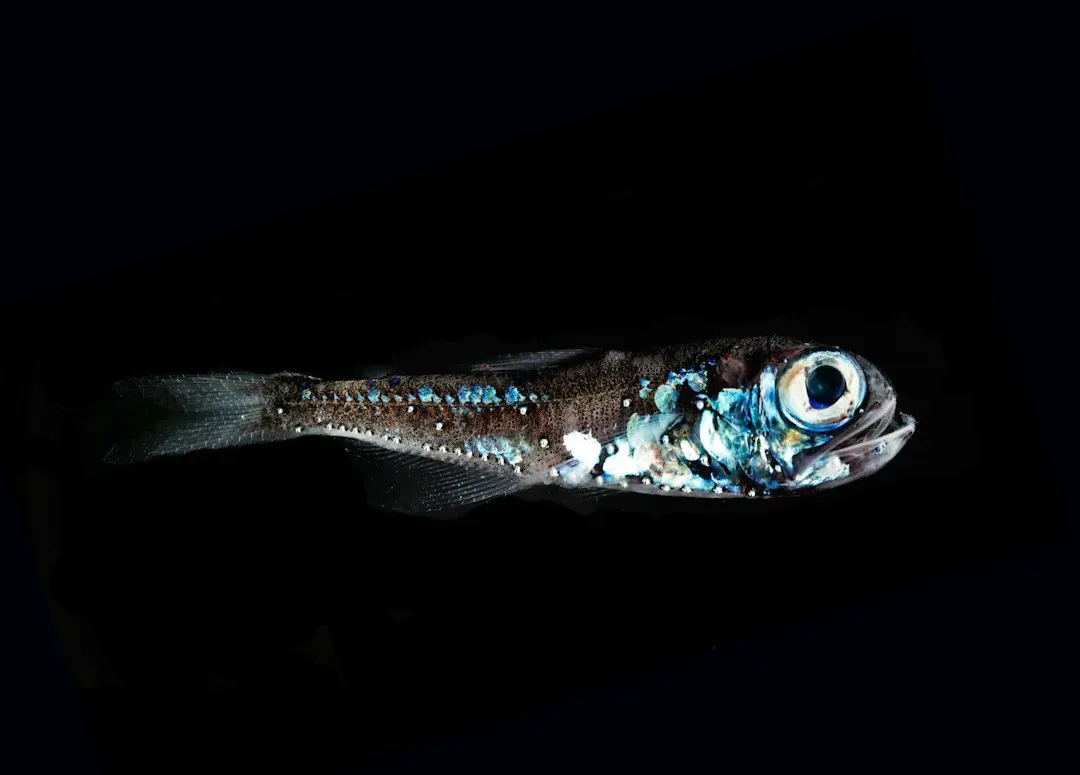
Far below the surface, beyond the reach of sunlight, a different world begins. In this midnight zone, some fish, squid, and crustaceans navigate an environment that’s almost perfectly dark to us, but not to them. Certain deep‑sea animals can detect the faintest glimmers of bioluminescent light, sometimes from a single photon at a time. Their eyes are tuned to light levels so low that, from a human perspective, it might as well be nothing.
Researchers have discovered eyes with enormous pupils, tightly packed photoreceptor cells, and bizarre structures that act like natural light funnels, yet the full story is still murky. At these extremes, vision stops being a simple camera and starts flirting with quantum physics, where random events and noise should drown out useful signals. Yet these animals reliably detect patterns, movements, and tiny flashes in the dark. How their brains extract meaning from such sparse input, without being overwhelmed by false alarms, remains a huge open question. It’s as if they’re listening for whispers in a hurricane and somehow hearing every syllable.
The Freeze‑to‑Death‑and‑Come‑Back Trick of Wood Frogs
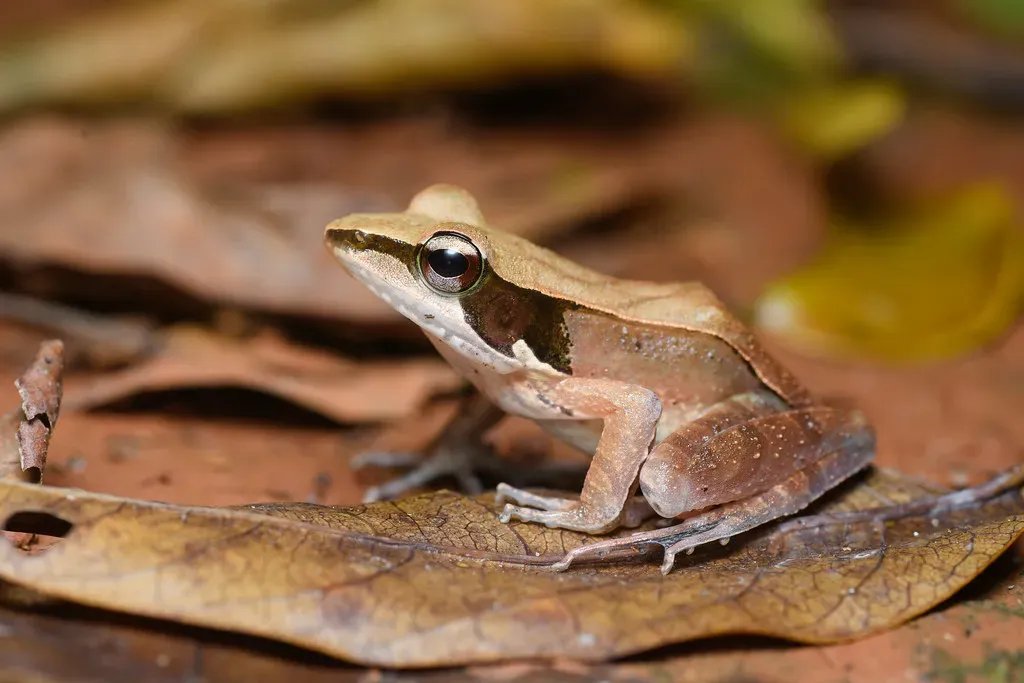
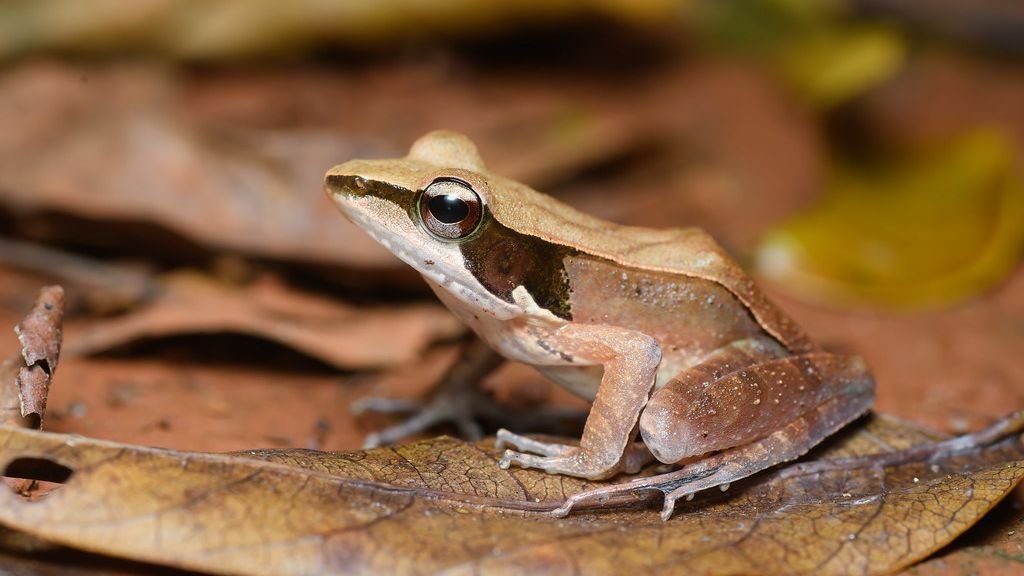
Imagine stepping outside on a freezing night, your body’s water turning to ice, your heart stopping, your brain activity flatlining, and then waking up in the spring as if you just had a long nap. Wood frogs in North America essentially do this every winter. A large portion of the water in their bodies freezes solid, ice crystals form around their organs, and their metabolism drops to almost nothing, conditions that would be instantly fatal for most animals, including humans.
Scientists have identified some of the chemical tricks these frogs use, like flooding their cells with glucose and other compounds that act like natural antifreeze and protect delicate structures from ice damage. Still, there’s no complete explanation for how their organs tolerate months of no circulation and then restart without catastrophic failure. The restart itself is especially mysterious: hearts begin beating again, cells resume normal function, and the brain comes back online with memories seemingly intact. Medical researchers are eager to understand this better, hoping it could one day help protect human tissues during surgery, organ transport, or even extreme accidents, but we’re very far from reproducing the frog’s winter magic.
The Ocean‑Spanning Memory and Mapping of Whales
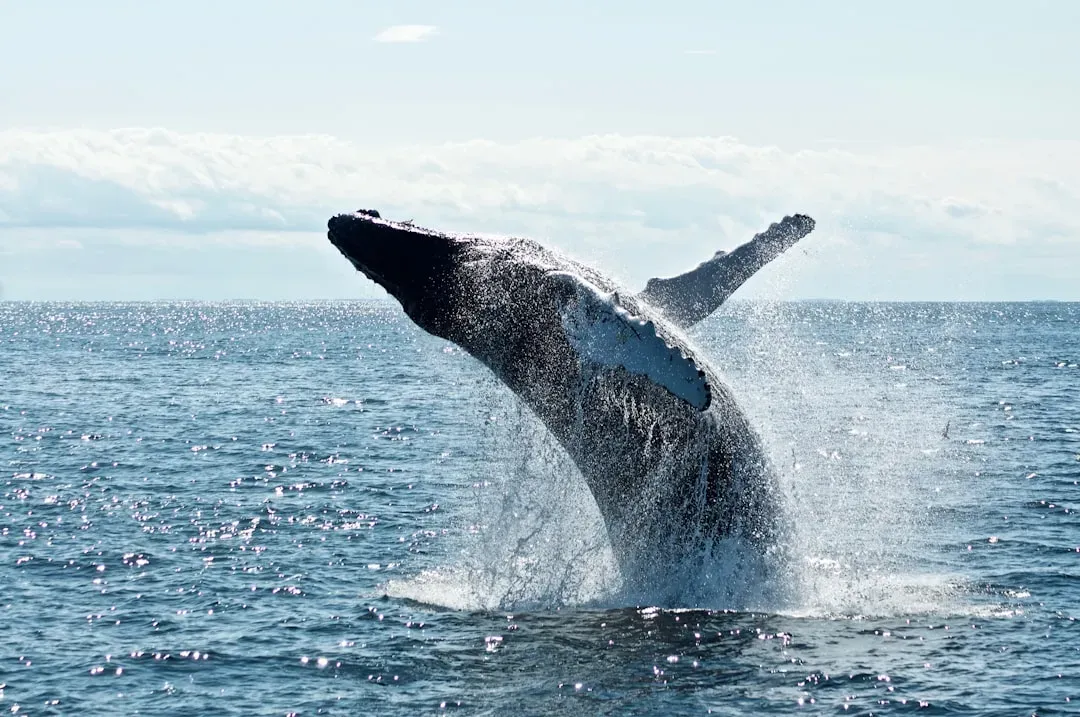
Large whales travel across entire ocean basins, revisiting feeding and breeding grounds year after year with impressive consistency. Humpbacks, for example, can migrate thousands of kilometers between polar feeding areas and tropical breeding sites, often following remarkably similar routes across a largely featureless seascape. There are no signposts, no coastlines for much of the journey, just shifting currents and open water.
We know they use sound extensively and that ocean topography, currents, and even temperature gradients may play a role, but the internal representation that guides them is still mostly a black box. Their brains are large and complex, yet we have only a rough idea of how a whale encodes a mental map of something as huge and dynamic as an ocean. Some evidence hints at cultural transmission, where migration routes are learned and passed on, which adds another layer of complexity to the mystery. It’s like trying to understand how someone could remember every street of a city that constantly rearranges itself, then walk it blindfolded and still arrive right on time.
The more we uncover about these animals, the less comfortable the old idea sounds that humans sit neatly at the top of some simple intelligence or ability ladder. A bird quietly running a built‑in magnetic detector, a salamander rebuilding a limb, a frog turning itself into a temporary ice sculpture, a deep‑sea fish seeing single sparks in the dark, and a whale carrying an ocean in its memory each reveal a different edge of what life can do. These abilities are not science fiction; they’re here right now, hidden in forests, oceans, and laboratories where researchers watch and admit, again and again, that they still do not fully understand.
Maybe that’s the most important part: the mystery itself pushes science forward. Every partial answer about magnetoreception, regeneration, extreme survival, or animal navigation opens two new questions, reminding us that evolution has had far more time to experiment than we have had to study its results. The next time a headline claims that a new study has finally solved one of these puzzles, it’s worth reading the fine print; more often than not, the last line quietly admits that the story is still unfinished. Did you expect that?