
You’d think scientists, of all people, would be good at predicting the future with eerie precision. And sometimes they are. But just as often, their ideas land in reality with a strange twist: the prediction is right, yet the form it takes is completely different from what anyone imagined.
Looking back from 2026, the most fascinating stories in science aren’t just about what we got right, but how sideways reality arrived. It’s like ordering a simple black coffee from the future and getting a triple-layered caramel latte you never knew you wanted. Let’s walk through five predictions that technically came true, but in ways no one really saw coming.
Einstein’s Gravitational Waves: From “Probably Unmeasurable” To Everyday Tool
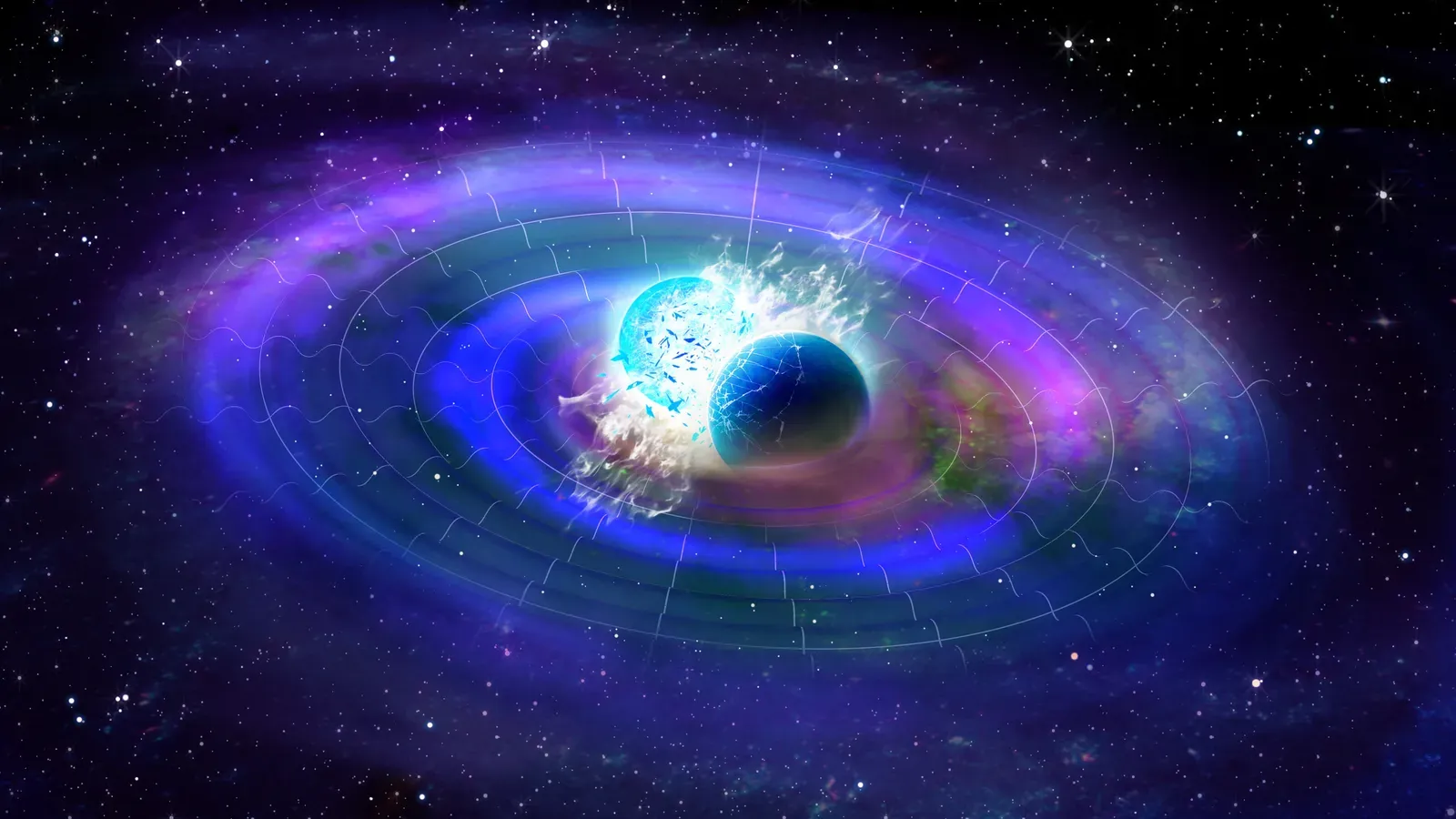
When Albert Einstein’s theory of general relativity implied the existence of gravitational waves, even he doubted humans would ever be able to detect them. He was essentially predicting something real but practically unreachable, like hearing the sound of a single snowflake landing on a roof during a storm. For decades, gravitational waves lived mostly as a beautiful mathematical idea, respected but untouchable.
Fast forward to 2015, when the LIGO observatory detected the ripples from two black holes colliding over a billion light-years away. Since then, scientists have built a catalog of cosmic crashes, and new detectors across the world and in space are being planned. What began as a prediction that felt almost philosophical is now a practical tool for astronomy, letting us “listen” to the universe, not just look at it. The unexpected twist isn’t that gravitational waves exist, but that they’ve become a routine part of how we explore the sky.
“Thinking Machines”: AI Didn’t Look Like Anyone Expected
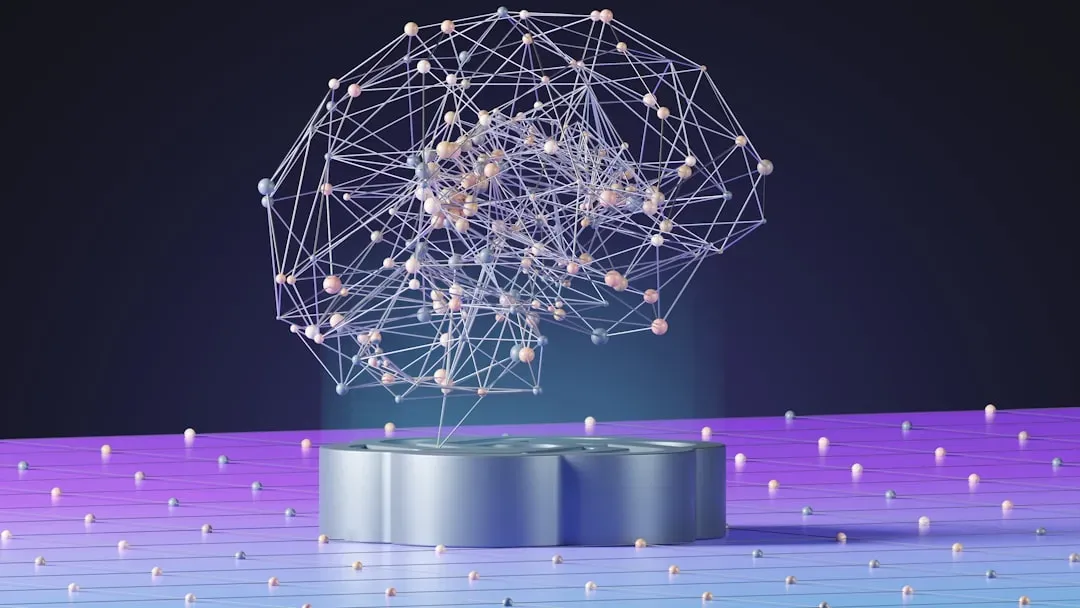
Early computer scientists and philosophers predicted “thinking machines,” but they often imagined something very human-like: robots with conversation, common sense, and maybe a friendly face. The original vision leaned more toward a mechanical person than the invisible algorithms we live with today. People thought of AI as a singular brain, not a quiet army of specialized models scattered across phones, servers, and sensors.
Instead, we got search engines that guess what we want, recommendation systems that know our guilty pleasures, and language models that can draft emails or code. AI runs traffic lights, filters spam, translates languages on the fly, and powers chatbots that can sound almost disturbingly human. The strange part is that the prediction that “machines will think” did come true – just not in the tidy, self-contained, humanoid way. Modern AI is more like electricity or plumbing: everywhere, invisible most of the time, and shaping almost everything without looking anything like a robot butler.
Wireless “World-Brains”: The Internet Was Weirder Than the Vision

Long before the web existed, some scientists and writers predicted a global information network, a kind of “world brain” that would link knowledge across the planet. They imagined people tapping into shared databases and libraries, accessing facts from anywhere. That part feels familiar, but those early visions usually sounded tidy and academic, as if people would mostly use it for research, education, and calm intellectual exchange.
What actually emerged was the internet we know today: a chaotic mash-up of social media, streaming, memes, misinformation, activism, niche communities, and everything in between. Yes, it is a global brain of sorts, but it runs on emotion as much as information – arguments, jokes, outrage, support groups, and viral trends. The prediction of a connected knowledge network came true, yet it arrived as something messier and more human than anyone anticipated, more like a crowded, endless bazaar than a quiet digital library.
CRISPR and Gene Editing: Cures, Controversies, and Uncomfortable Speed
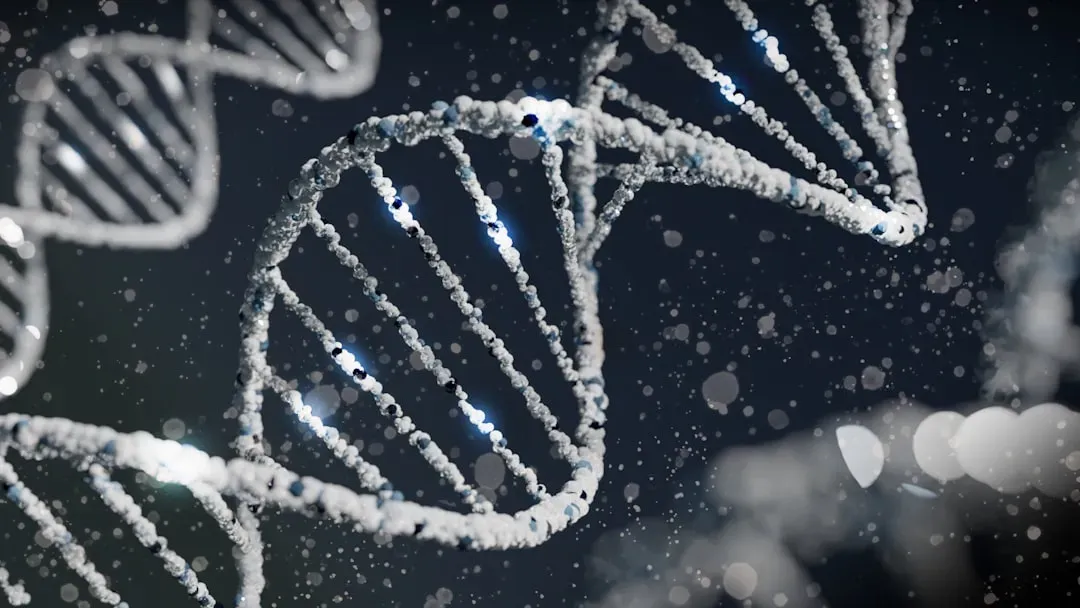
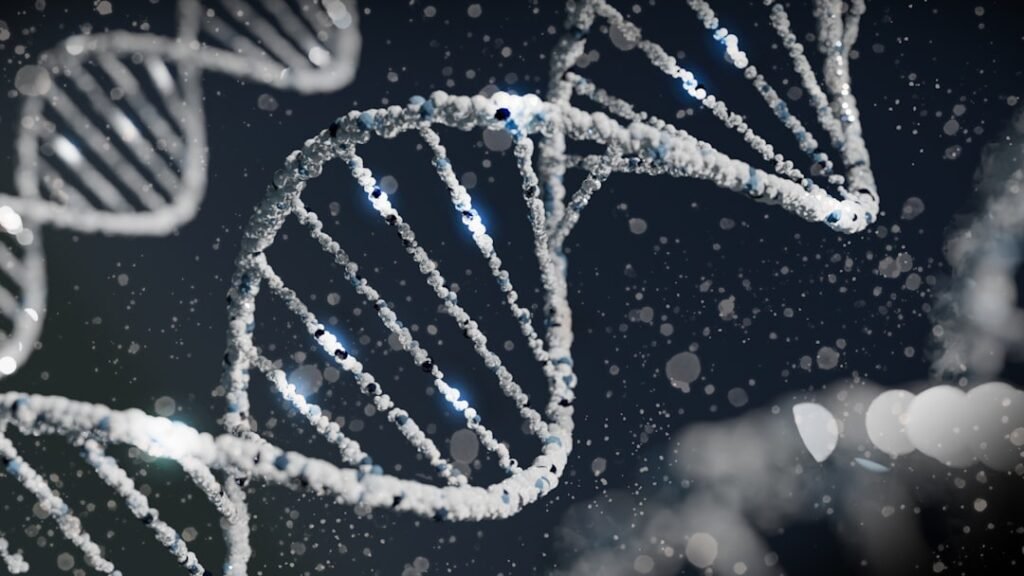
Geneticists predicted that once we could precisely edit DNA, medicine would change forever. The rough idea was there for decades: fix faulty genes, treat inherited diseases at the root, maybe even wipe out some conditions entirely. Most imagined this future would unfold carefully and slowly, controlled by tight ethics and long timelines, handled by cautious medical institutions.
What happened was faster and stranger. The CRISPR-Cas9 tool, adapted in the early 2010s, made gene editing surprisingly accessible and relatively inexpensive. Researchers quickly moved from proof-of-concept to real therapies in development, and by the early 2020s, gene-editing approaches began entering clinical use for some blood disorders. Yet there were also unsettling moments, including unauthorized experiments that sparked global outrage. The prediction of powerful gene editing came true, but the emotional landscape – excitement, fear, ethical battles – has been far more intense and uneven than many expected.
Climate Change Warnings: Right About Warming, Wrong About How It Would Feel

Climate scientists have been warning for decades that burning fossil fuels would heat the planet, melt ice, raise sea levels, and disrupt weather. Those predictions, rooted in physics and observations, have turned out to be deeply accurate: the world has warmed, extreme weather has become more frequent, glaciers and ice sheets are shrinking, and seas are rising. In that sense, the science largely called it correctly a long time ago.
What many people didn’t expect was how climate change would feel in daily life: smoke-choked summers from megafires, heatwaves that push cities to their limits, floods hitting places that never thought of themselves as vulnerable. We also didn’t fully anticipate the strange mix of despair and innovation it would trigger – youth movements, new climate tech startups, rapid growth in renewable energy, and political fights that shape elections. The prediction that the planet would warm came true in a fairly straightforward way, but the human experience around it – the psychology, politics, and social upheaval – has been far more complicated than a simple graph of rising temperatures could show.
Looking at these five examples, a pattern quietly stands out: science can be excellent at getting the “what” roughly right, while the “how” and “feels like” often arrive from an unexpected angle. Gravitational waves turned into a routine listening device for the cosmos, AI melted into every corner of daily life, global networks became emotional arenas, gene editing raced ahead with ethical turbulence, and climate predictions unfolded into a lived, messy reality.
In a way, that’s the humbling lesson of all this: the future is rarely clean and never as linear as the graphs in a scientific paper. Even when predictions land, they twist, adapt, and collide with human behavior, culture, and chance. The next time we hear a bold forecast about what’s coming, it might be worth asking not just “Will this happen?” but also “What strange, sideways form might it really take?”