
If you’ve ever felt a little naive for believing a sensational headline, you’re in good company. History is packed with scientific hoaxes so convincing that journalists, professors, and even museums fell for them. These weren’t just harmless pranks; they shaped textbooks, public beliefs, and even government decisions for years.
What makes these hoaxes so unsettling is how easily they slipped past smart, skeptical people. They remind us that we don’t just believe facts; we believe stories that fit what we already want to be true. Once you see how some of the biggest frauds in science were pulled off, it’s hard to look at a bold new “breakthrough” in quite the same way again.
The Piltdown Man: The Fossil That Never Was
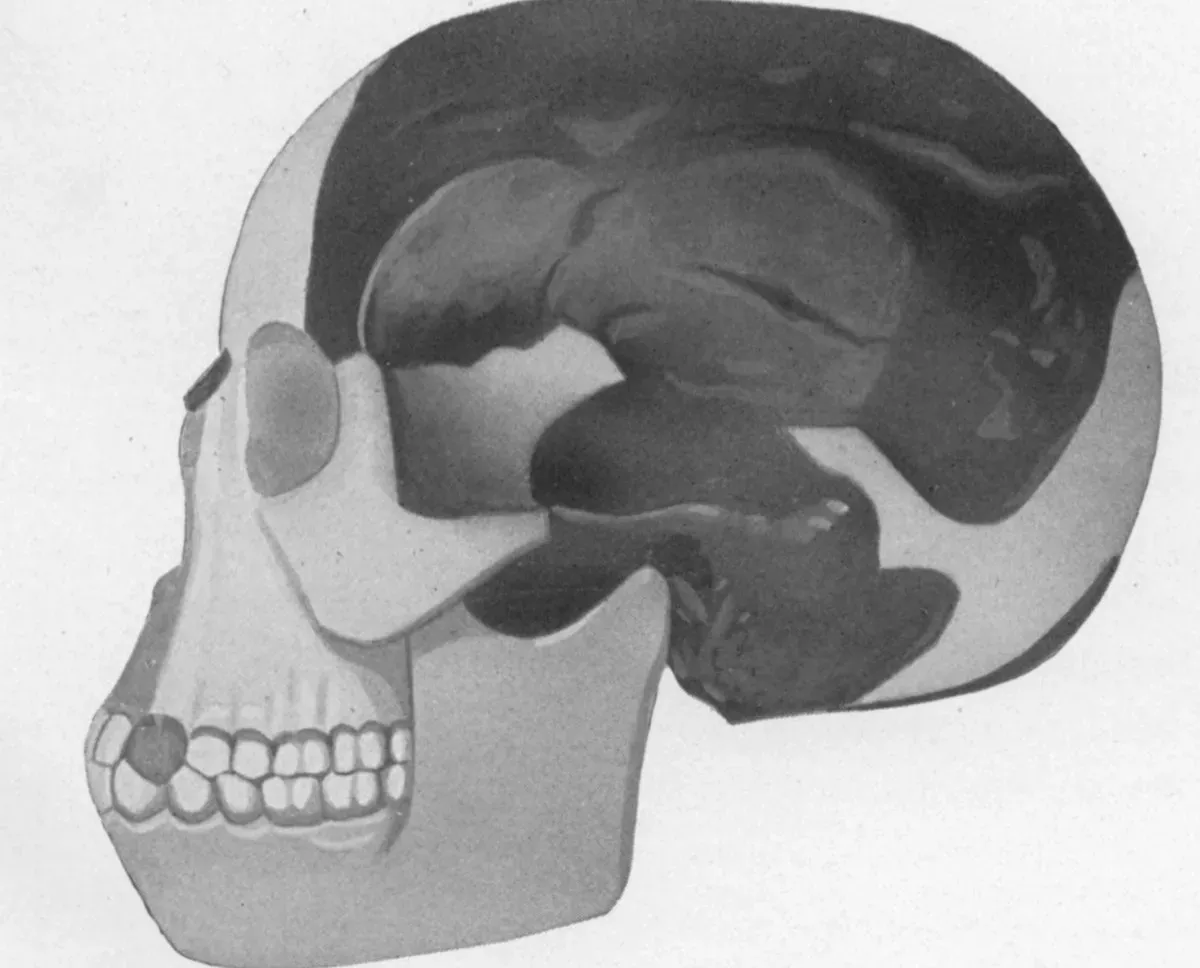
The Piltdown Man might be the most infamous scientific hoax of all time. In the early twentieth century, a skull and jawbone “discovered” in a gravel pit in England were hailed as the missing link between apes and humans. For decades, it was treated almost like national treasure, conveniently supporting the idea that human evolution had an important chapter in England. It felt like patriotic science, and that emotional pride helped keep questions at bay.
The hoax finally started unraveling when better dating methods and more hominin fossils turned up in Africa and Asia, making Piltdown look increasingly odd. In the nineteen fifties, chemical tests showed the skull fragments were a mix of a medieval human skull and an orangutan jaw, artificially stained and altered. The teeth had been filed down to look more human, which feels almost cartoonishly crude in hindsight. The exposure of Piltdown forced scientists to admit how much bias and wishful thinking had shaped their early acceptance.
The Cottingley Fairies: Photographic “Proof” of the Supernatural
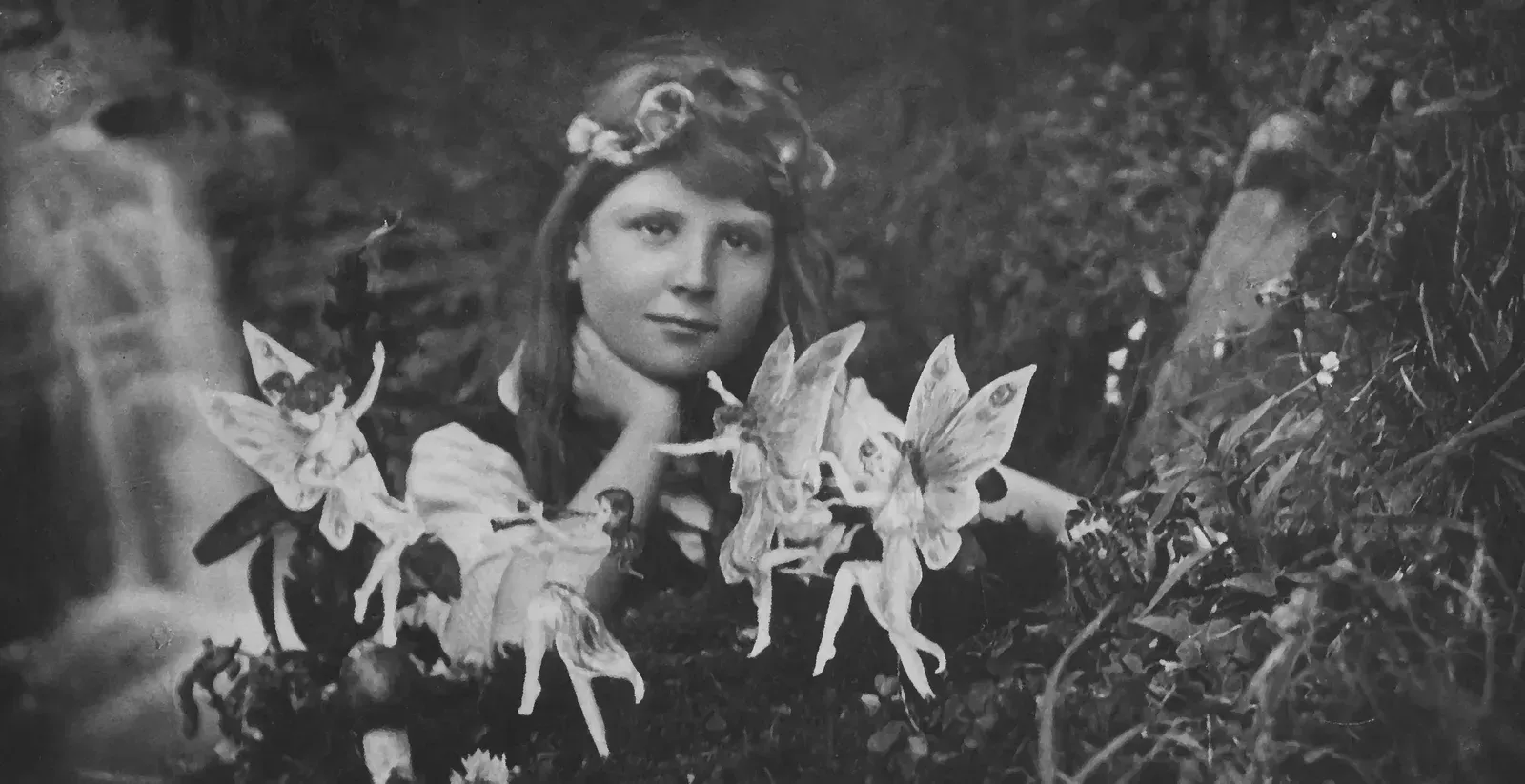
In the nineteen teens, two young girls in Cottingley, England took a series of photographs that appeared to show them surrounded by small, delicate fairies. At a time when spiritualism and the idea of hidden realms were wildly popular, these images landed like a thunderbolt. Well-known public figures and some scientifically minded people wanted to believe that cameras could finally capture proof of another world. The photographs seemed gentle, magical, and oddly comforting after the horrors of the First World War.
The truth was far less mystical: the “fairies” were paper cut-outs, propped up with hatpins and photographed with real skill and care. For years, the girls stuck to their story, and critics who raised doubts were often brushed aside as joyless skeptics. Decades later, when the women were elderly, they admitted the figures were fakes, though they still maintained that one photo was somehow real. The Cottingley case shows how even simple tricks can thrive when they tap into a deep cultural longing for wonder and escape.
Cold Fusion: Energy Revolution or Experimental Illusion?
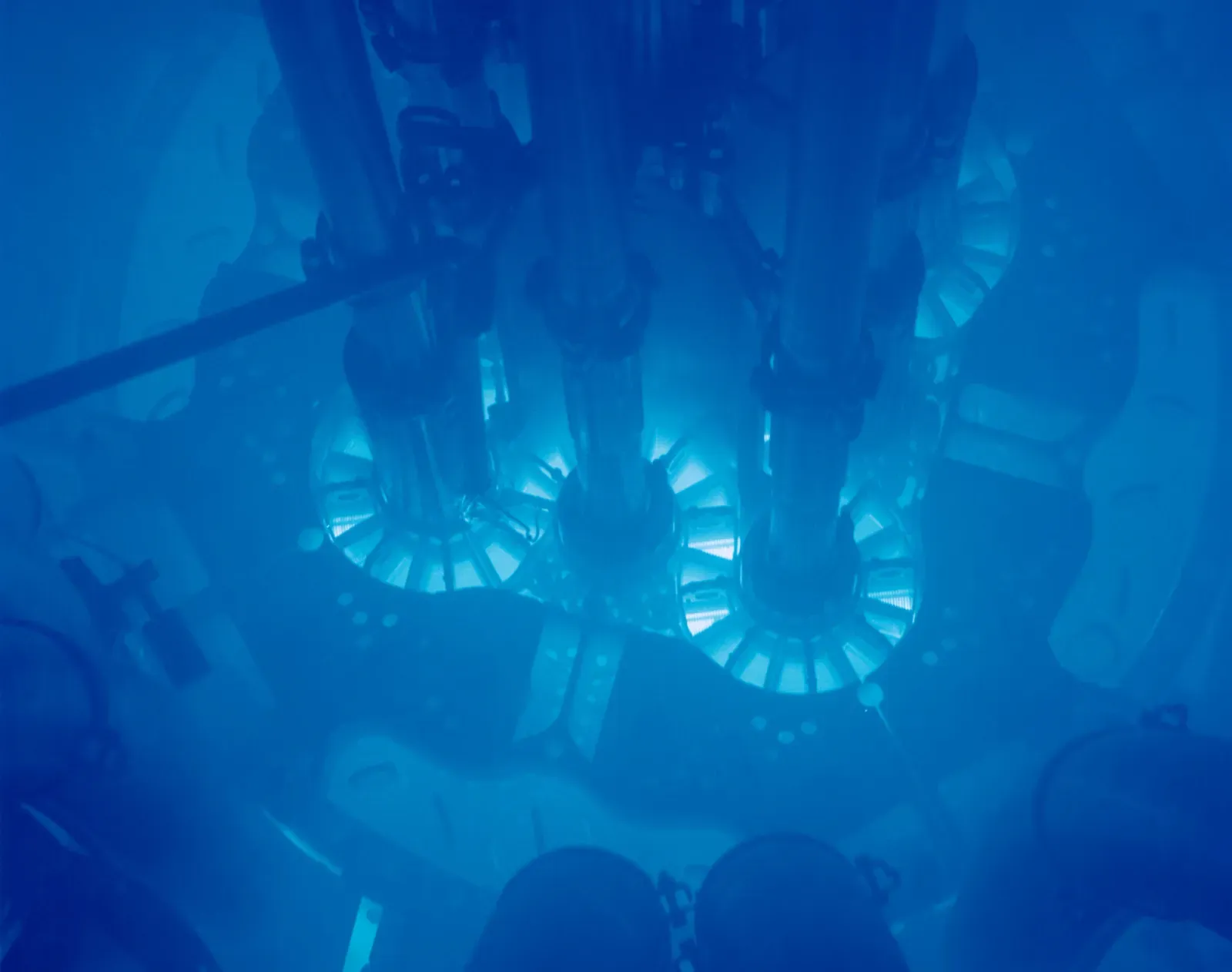
In 1989, two chemists, Martin Fleischmann and Stanley Pons, announced that they had achieved nuclear fusion at room temperature. If true, it would have been the kind of breakthrough that rewrites history: nearly limitless, clean energy without giant reactors or extreme conditions. Newspapers went wild, governments took notice, and labs around the world scrambled to reproduce the experiment. For a moment, it felt like the future had arrived early, delivered in a test tube rather than a massive facility.
The excitement collapsed just as quickly when independent groups could not reliably replicate the results. Detailed investigations found flaws in the measurements and interpretations, especially around excess heat and supposed nuclear byproducts. No clear, repeatable evidence of true fusion emerged, despite intense scrutiny. While it wasn’t a deliberate hoax in the classic sense, the episode showed how overhyped announcements and poor-quality data can mislead the world almost as effectively as an outright fake. It also left a long shadow over any future claims of revolutionary energy breakthroughs.
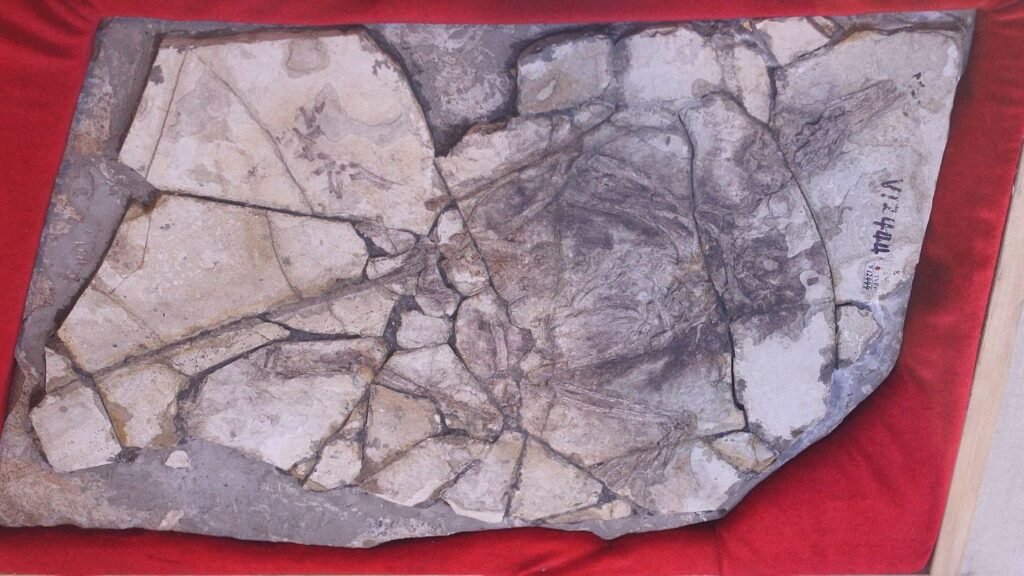
The Archaeoraptor Fossil: A Frankenstein Dinosaur-Bird
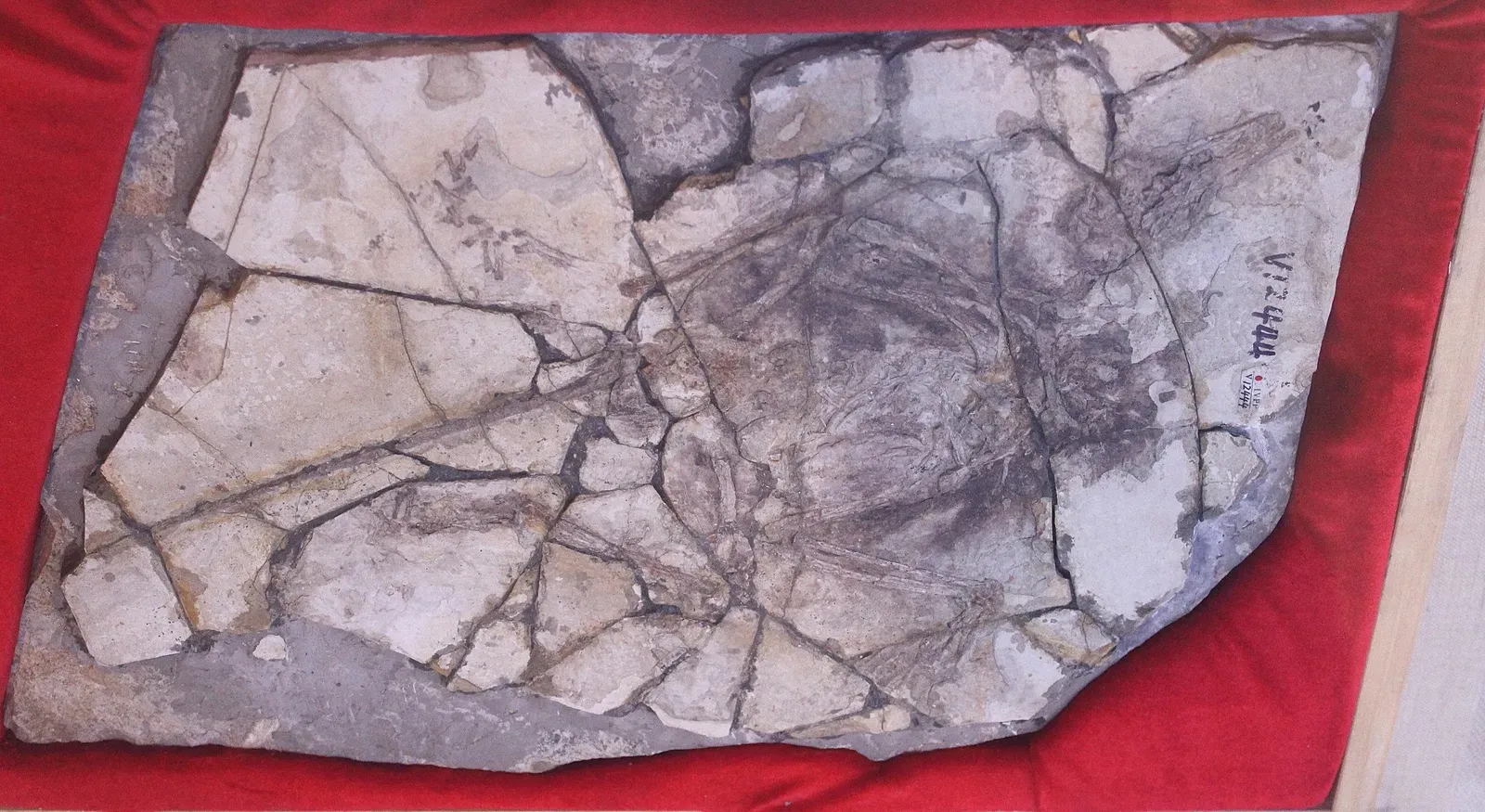
In the late nineteen nineties, a fossil known as Archaeoraptor was presented as a stunning missing link between birds and non-avian dinosaurs. A major magazine featured it enthusiastically, and the fossil was promoted as powerful evidence for the dinosaur-to-bird transition. The timing was perfect: feathered dinosaur discoveries from China were turning paleontology into front-page news. Archaeoraptor fit the storyline so well that its authenticity initially seemed almost beyond doubt.
But suspicious details emerged when experts noticed strange mismatches in the fossil’s anatomy. Closer analyses and imaging revealed that the fossil was a composite: parts from different species glued together to create a more dramatic specimen. It had literally been assembled like a jigsaw puzzle from unrelated pieces, likely to make it more valuable to the fossil trade. The exposure of Archaeoraptor was embarrassing for everyone involved and fueled skepticism among critics of evolution, even though genuine feathered dinosaur fossils remained solid evidence. The case highlighted how commercial pressures and media hunger for headlines can push science into risky territory.
The “Memory of Water”: Homeopathy’s Brief Moment in the Spotlight

In the late nineteen eighties, a study led by French immunologist Jacques Benveniste claimed that water could “remember” substances that had been diluted away to the point where none of the original molecules remained. The experiment seemed to support a central claim of homeopathy: that ultra-dilute solutions could still have biological effects. For believers in alternative medicine, it felt like long-awaited scientific validation. Mainstream scientists were skeptical, but a respected journal published the paper, which amplified its impact globally.
When an investigative team, including a well-known magician and skeptic, visited Benveniste’s lab, they insisted on tighter controls and double-blind procedures. Under these conditions, the dramatic effects disappeared. Later attempts to replicate the findings consistently failed, and the broader scientific community rejected the “memory of water” claim. The whole episode became a textbook example of how bias, loose protocols, and wishful interpretation can generate results that vanish under stricter scrutiny. It also showed how hard it is to put the genie back in the bottle once a bold but shaky claim hits the public.
The way these hoaxes were exposed is just as important as how they fooled people. Careful replication, stricter controls, better tools, and a willingness to challenge cherished ideas were what finally broke them apart. The lesson isn’t to distrust every new discovery, but to stay curious in both directions: excited by possibilities and equally curious about whether the evidence really holds up. When you see the next viral headline about a world-changing “breakthrough,” what questions will you ask first?