
For decades, we grew up with a handful of space “facts” that sounded so solid, teachers wrote them on blackboards like laws of nature. Space is silent. The universe is slowing down. Pluto is a planet. Black holes swallow everything forever. It all felt so clear and tidy, almost comforting in a way. But space, it turns out, refuses to stay in those neat little boxes we put it in.
In the last few years alone, modern telescopes, space probes, gravitational wave detectors, and planetary missions have flipped some of those old ideas upside down. The universe is stranger, louder, more dynamic, and more unpredictable than many of us were ever told in school. Let’s walk through five big “facts” about space that recent discoveries have broken apart – and see what really seems to be going on out there.
1. Old “Fact”: Space Is Completely Silent And Empty
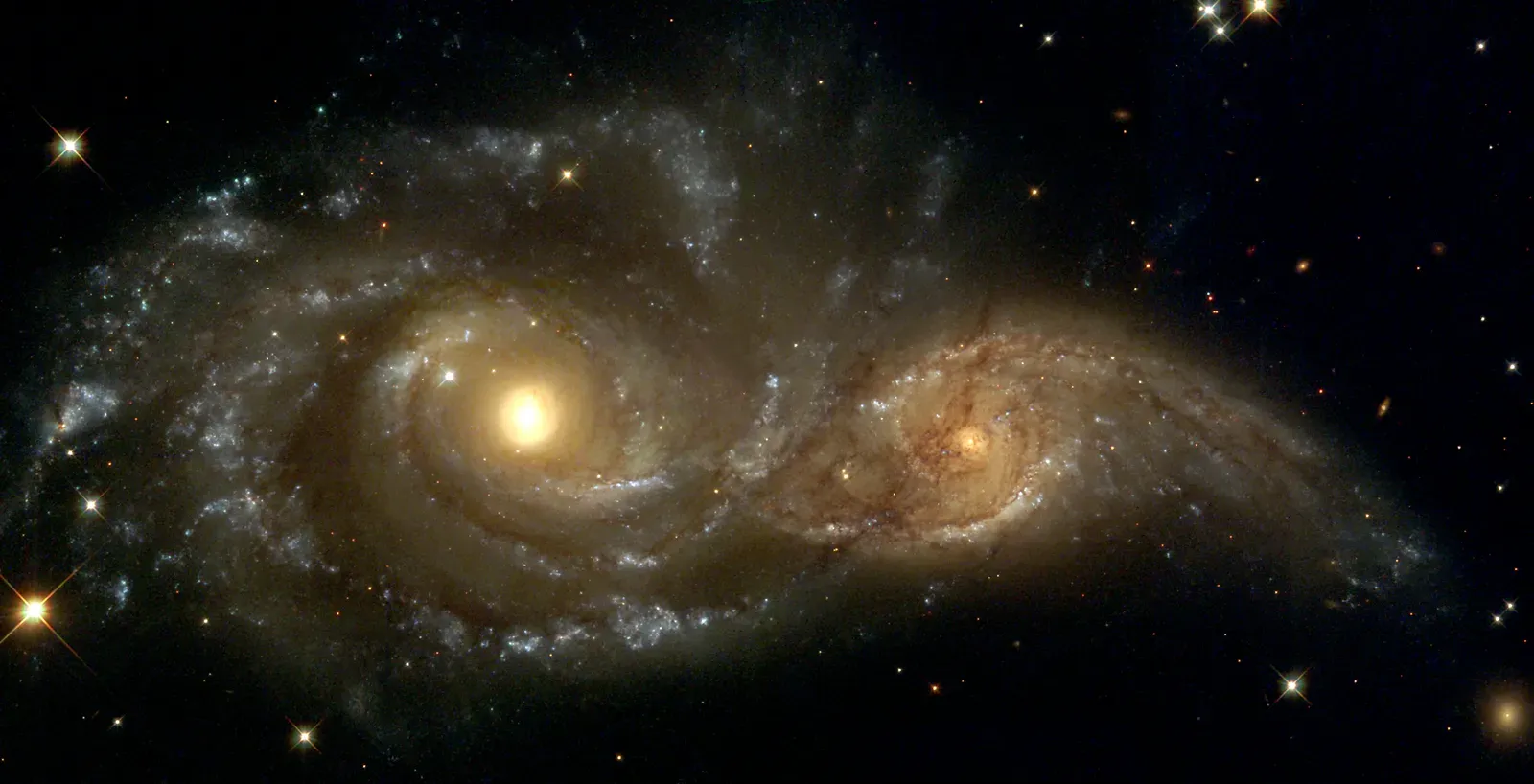
For a long time, people repeated the idea that “in space, no one can hear you scream” because sound needs air to travel, and space is a vacuum. That line is still technically catchy, but the full picture is a lot weirder. Modern observations show that space is not truly empty and not truly silent: it’s filled with thin gas, plasma, magnetic fields, and ripples that carry pressure waves across enormous distances.
Radio telescopes and space probes have picked up eerie, shifting signals from the Sun’s activity, the plasma around planets, and even waves rippling through galaxy clusters. Astronomers have also translated pressure waves in hot gas, like those observed in the Perseus galaxy cluster, into audible tones, revealing a kind of cosmic “hum” deep in space. It’s not sound as our ears experience it in air, but it’s still vibration and structure, like the universe gently drumming on a surface we can’t quite touch.
2. Old “Fact”: The Universe’s Expansion Is Slowing Down
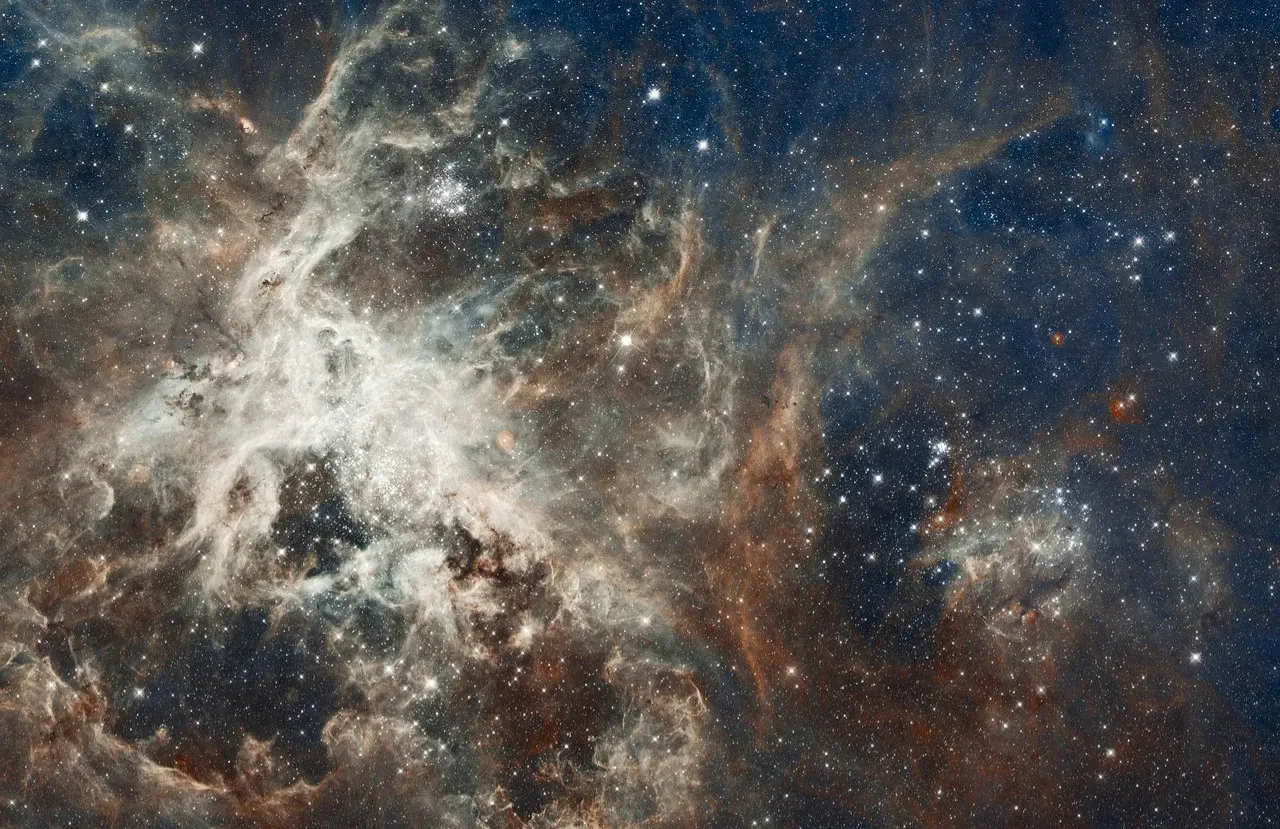
For much of the twentieth century, many scientists expected the universe’s expansion to be gradually slowing under the pull of gravity. The big debate was whether expansion would eventually stop and reverse, or just continue but at an ever-decreasing rate. It felt intuitive: if everything is pulling on everything else, expansion should be hitting the brakes over time, not the gas.
Then observations in the late nineteen-nineties of distant exploding stars, combined with more recent high-precision measurements from missions like Planck and surveys of galaxies, showed something shocking: the expansion of the universe is actually speeding up. The leading explanation involves a mysterious component called dark energy, which seems to push space apart and now dominates the large-scale behavior of the cosmos. Instead of a universe that is gently coasting to a stop, we live in one whose future may be an ever faster, ever colder, ever emptier expansion into the deep unknown.
3. Old “Fact”: Pluto Is Just A Downgraded Oddball, Not Really A Planet Anymore
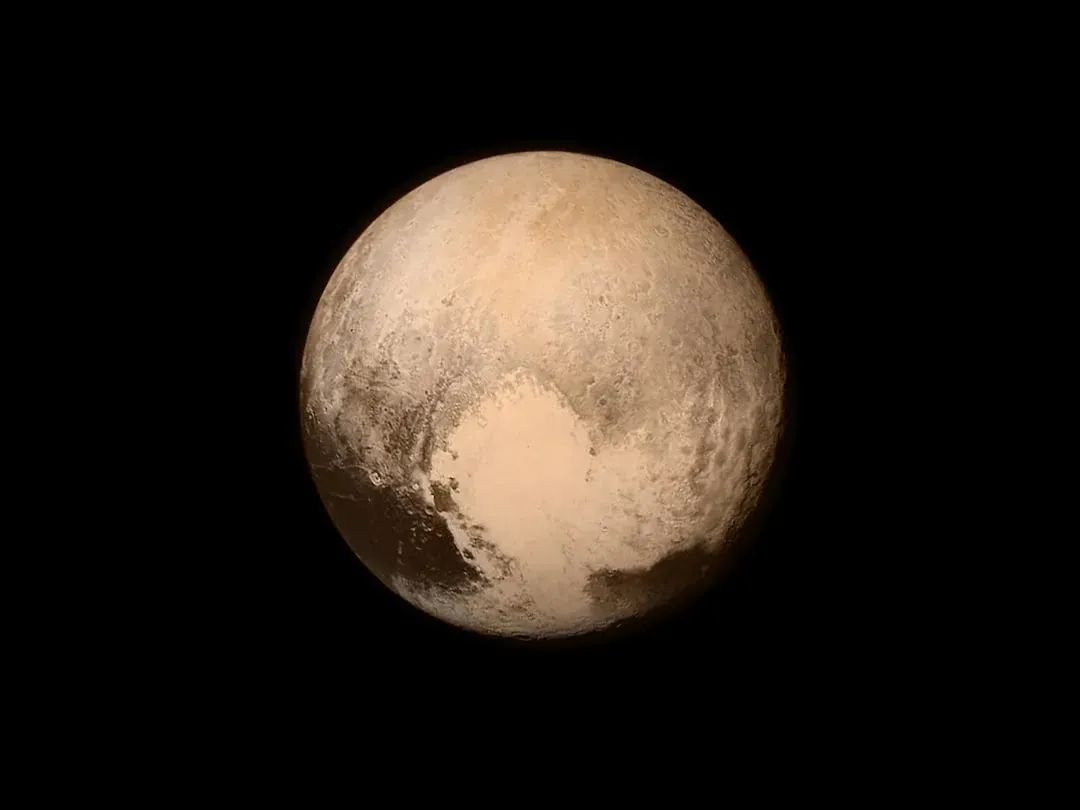
When Pluto was reclassified as a dwarf planet, many people took away a simple message: Pluto lost its status and became a sort of failed, second-class world. The narrative sounded like Pluto was less interesting, almost like it had been kicked out of the club. That view turns out to miss what modern planetary science has actually revealed about this distant object and others like it.
NASA’s New Horizons flyby in 2015, along with ongoing studies of other icy bodies beyond Neptune, showed Pluto as a surprisingly active, complex world with mountains of water ice, vast nitrogen plains, possible cryovolcanoes, and signs of internal processes still shaping its surface. Rather than shrinking Pluto’s importance, the dwarf planet category opened up a new class of rich, diverse worlds in the outer solar system. Pluto went from a lonely misfit to the poster child of a whole frontier of frozen, geologically intriguing objects we barely understood a generation ago.
4. Old “Fact”: Black Holes Are Perfect Cosmic Vacuum Cleaners
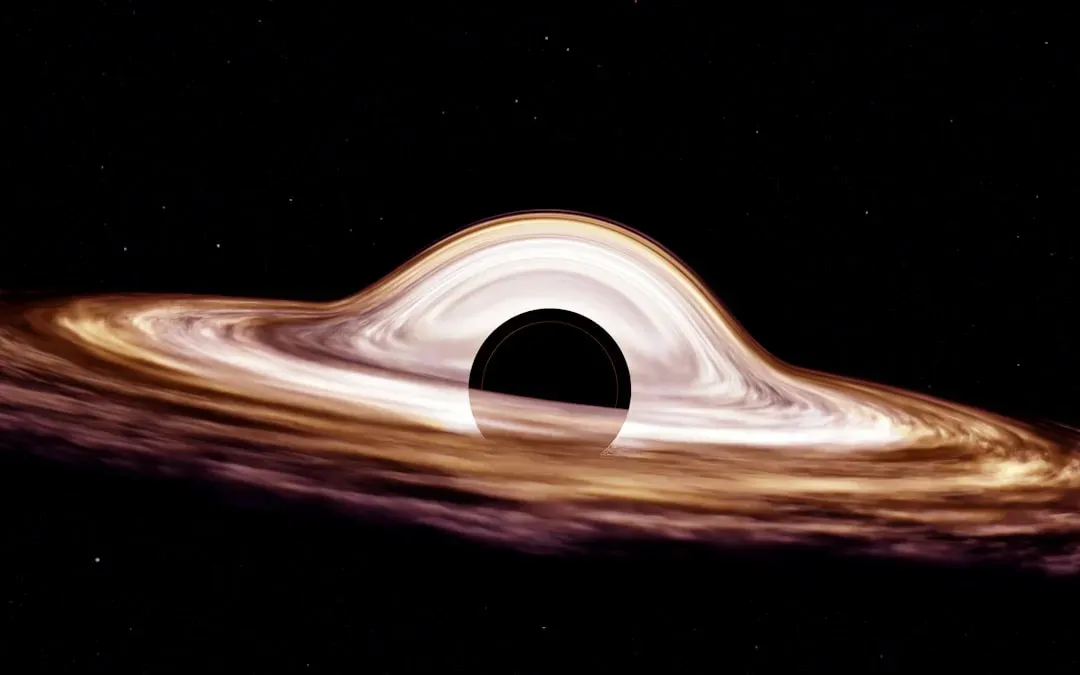
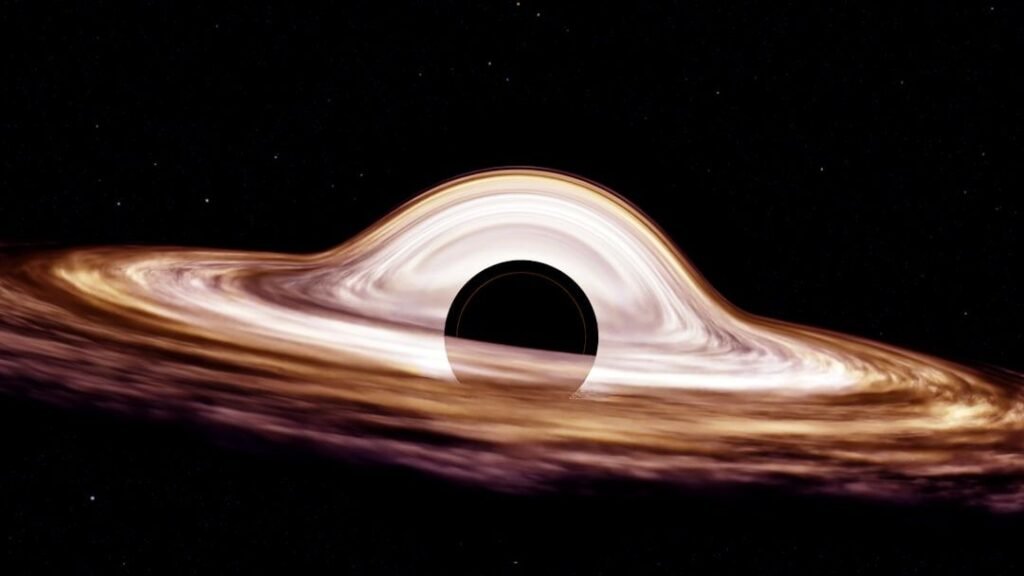
Black holes used to be described in very simple, brutal terms: one-way traps where anything that gets too close falls in and disappears forever, with no story left to tell. That image of an endlessly hungry vacuum cleaner gobbling up everything in its path was powerful and easy to visualize, so it stuck in popular culture. But more precise theories and recent observations have reshaped that picture into something much more nuanced.
We now know black holes do not suck in everything around them like magic drains; objects can orbit a black hole safely if they stay far enough away, much like planets orbiting the Sun. Some black holes also power enormous jets of material and energy that blast out across galaxies, influencing star formation and galactic evolution on staggering scales. Observations of black hole mergers using gravitational waves, along with direct imaging of black hole shadows in galaxies like M87 and our own Milky Way, show that black holes are not just endings – they’re engines, sculpting and energizing their environments rather than merely swallowing them.
5. Old “Fact”: The Solar System’s Planets Follow Neat, Predictable, Unchanging Paths
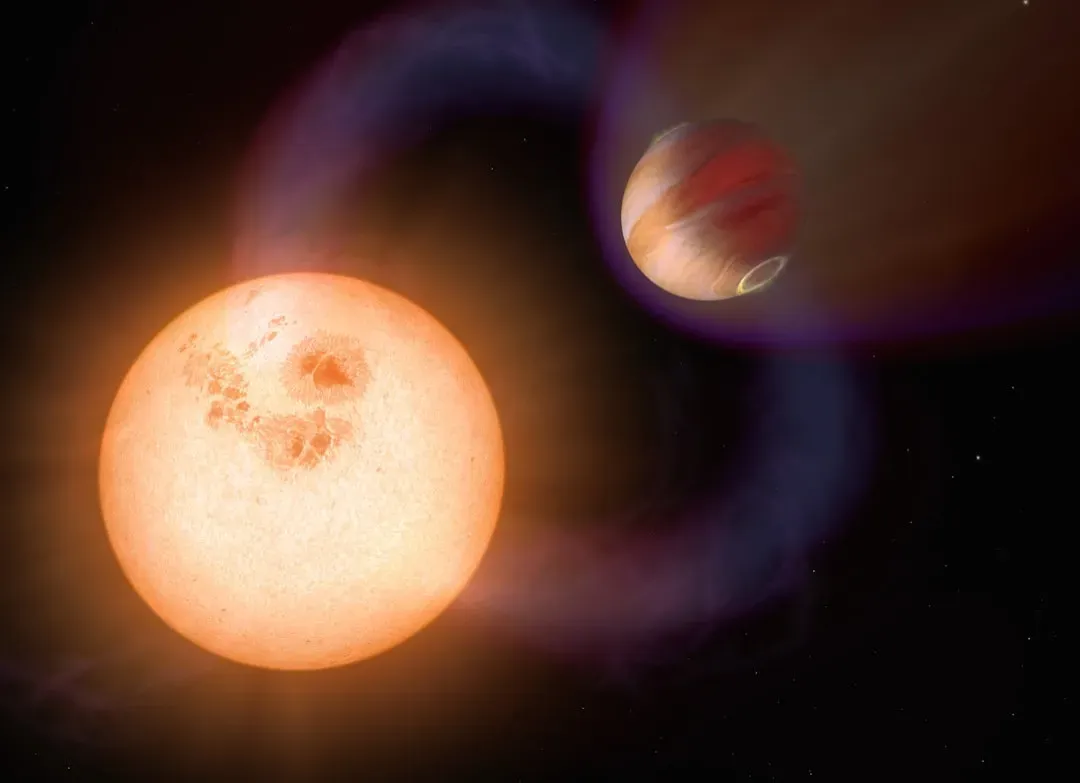
The classic textbook picture of the solar system shows planets on tidy, nearly circular, stable paths, like marbles glued to perfectly spaced rings around the Sun. That image suggests a calm, clockwork system that has mostly stayed the same for billions of years. Over the past couple of decades, though, simulations and observations of other planetary systems have painted a much messier story, even for our own backyard.
Studies of exoplanets have revealed giant planets migrating inward, tightly packed systems of worlds, and orbits that tilt and stretch in surprising ways. When scientists apply those insights to the early solar system, they find strong evidence that our giant planets likely shifted positions over time, scattering smaller bodies, reshaping the asteroid belt, and possibly flinging entire planets or planetary embryos out of the system. Instead of a perfectly arranged mobile, the solar system looks more like the aftermath of a long, chaotic dance that only gradually settled into the relatively calm pattern we see today.
A Universe That Refuses To Sit Still
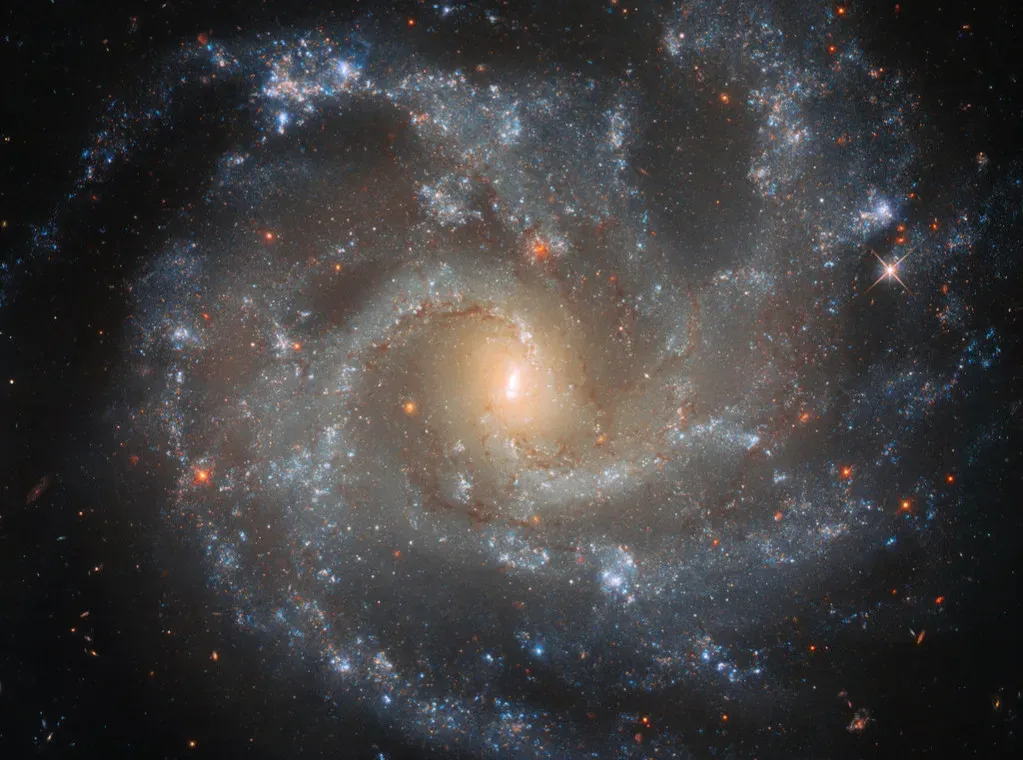
Many of the space “facts” we learned as kids were not exactly wrong so much as incomplete snapshots taken from an earlier stage of our understanding. As new instruments watch the sky in different wavelengths, feel spacetime through gravitational waves, and drop probes and rovers onto faraway worlds, the universe keeps revealing layers of complexity that older models could only hint at. Space isn’t silent, the cosmos isn’t simply slowing down, and the solar system didn’t form in the neat, gentle way those simple diagrams suggested.
To me, the most exciting part is realizing how temporary our current certainties might be. The “facts” we take for granted today may be the next generation’s outdated assumptions, quietly replaced by even stranger discoveries. The universe keeps reminding us that it’s bigger, wilder, and more surprising than our favorite stories about it – and that humble curiosity might be the most reliable guide we have. Did you expect that?