
Every once in a long while, humanity stumbles on an idea so powerful that everything before it feels like a different world. These discoveries don’t just add new facts to a textbook; they rewrite the rules of how we live, work, love, fight, and even imagine the future. If you zoomed out and watched human history like a time‑lapse video, these moments would look like sudden explosions of light.
What’s wild is that many of these breakthroughs started with simple, almost childlike questions: What happens if I mix this with that? Why does this fall? How does sickness spread? The answers ended up changing governments, economies, lifespans, and even our sense of who we are. Let’s walk through five discoveries that didn’t just move science forward – they turned the whole human story in a new direction.
The Discovery of Fire: Humanity’s First Great Technology
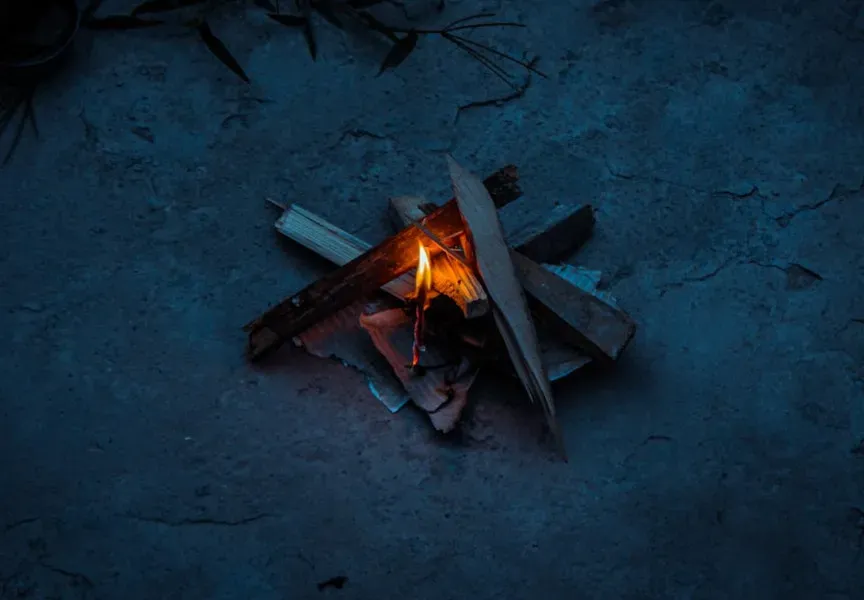
Imagine a cold, dark world where nights are terrifying and food is mostly raw, tough, and risky to eat. Then someone figures out how to control fire – not just stumble upon it after a lightning strike, but actually keep it, feed it, and carry it. Fire turned fear into power: it kept predators away, created warmth on demand, and made new landscapes habitable that would’ve killed early humans before. It was the original “on switch” for human technology.
Cooking with fire did more than just make food taste better; it made it easier to digest and safer to eat, letting humans draw more energy from the same calories. Many scientists today argue that this extra energy helped fuel the growth of larger brains, which reshaped how we thought, communicated, and organized ourselves. Fire also transformed social life, because people gathered around it, shared stories, and planned hunts and migrations late into the night. In a way, every glowing screen, engine, and power plant we depend on now is just a distant descendant of those first campfires.
The Scientific Method: Turning Curiosity into a Superpower
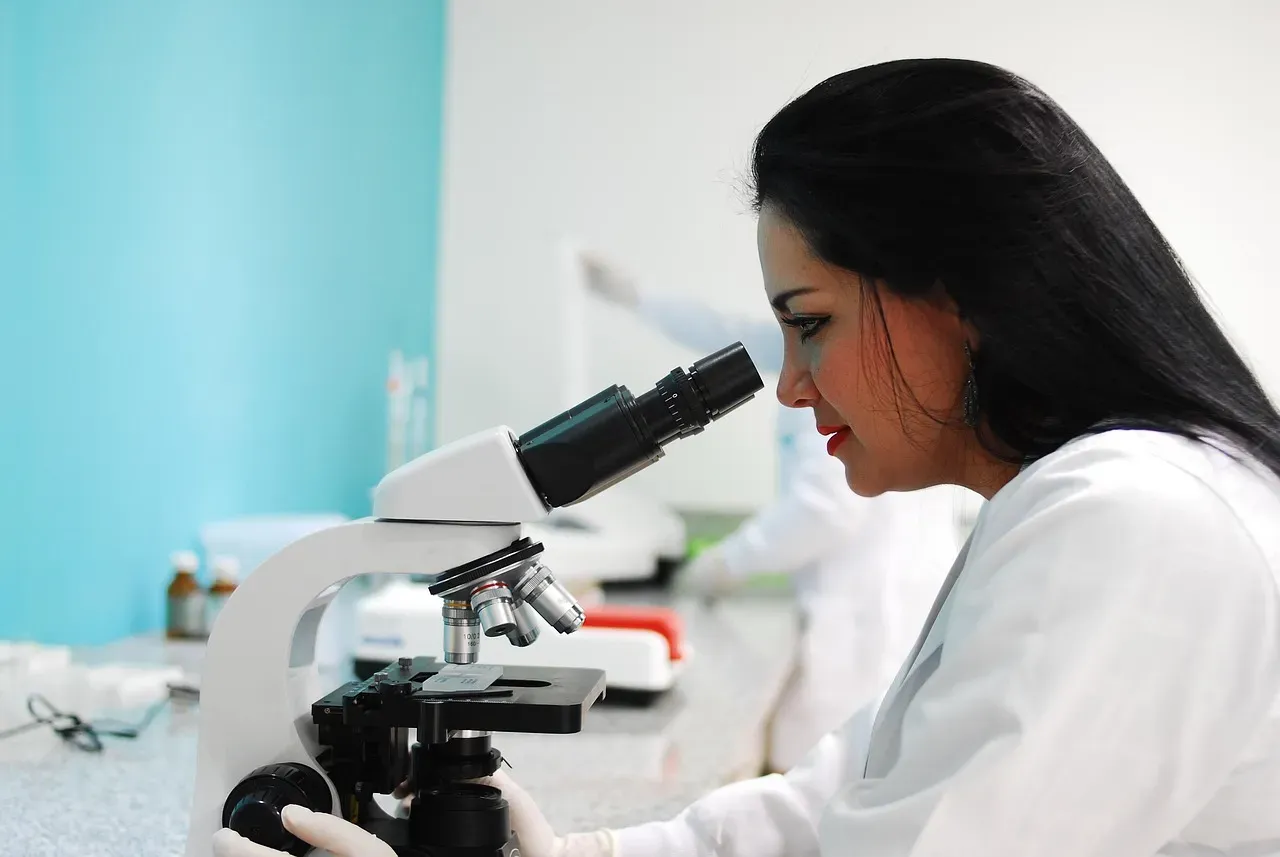
For most of history, people explained the world with stories, traditions, and authority: things were true because powerful people said so, or because “it’s always been that way.” The rise of the scientific method flipped that script by insisting that ideas had to prove themselves through carefully designed tests. Instead of asking, “Who said this?”, the question became, “What evidence do we have, and can anyone check it?” That shift sounds simple, but it was almost shockingly rebellious for its time.
The scientific method – observe, hypothesize, test, repeat – put a kind of engine under human curiosity. It allowed people to uncover hidden patterns in nature, from planets orbiting the sun to invisible germs making people sick. It also created a culture where being wrong wasn’t shameful; it was just another step toward being less wrong next time. Practically every modern technology, from vaccines to smartphones, rests on this way of thinking. Once humans learned to systematically doubt, test, and refine, progress stopped being random and started becoming a habit.
Germ Theory: Invisible Enemies, Visible Miracles
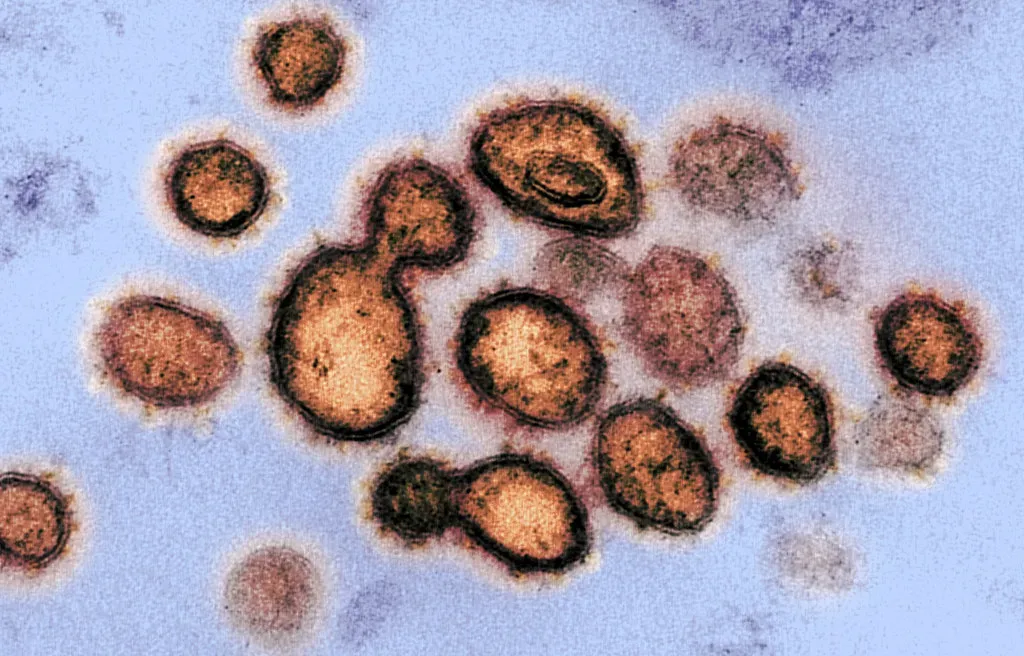
Before germ theory, illness looked like bad luck, curses, or punishment. Doctors tried things that sound almost unbelievable now – like bloodletting or using unwashed tools on multiple patients – because they simply couldn’t see the real culprits. The idea that tiny, invisible organisms could cause disease was shocking, but once it clicked, the world changed with almost frightening speed. Suddenly, everyday habits like handwashing and sterilizing instruments became lifesaving rituals rather than pointless chores.
This invisible revolution quietly extended human lifespans and saved more lives than almost any war ever destroyed. Vaccines, antibiotics, and modern surgery all rest on the realization that if you control germs, you control many of the worst killers in human history. Think about how normal it feels now to see disinfectant in hospitals, sealed syringes, or doctors wearing gloves and masks. Those details are actually monuments to the moment we stopped blaming bad air or angry gods and started targeting microbes. It’s no exaggeration to say germ theory gave humanity a second chance at life.
Electricity: Bottling Lightning and Powering the Modern World
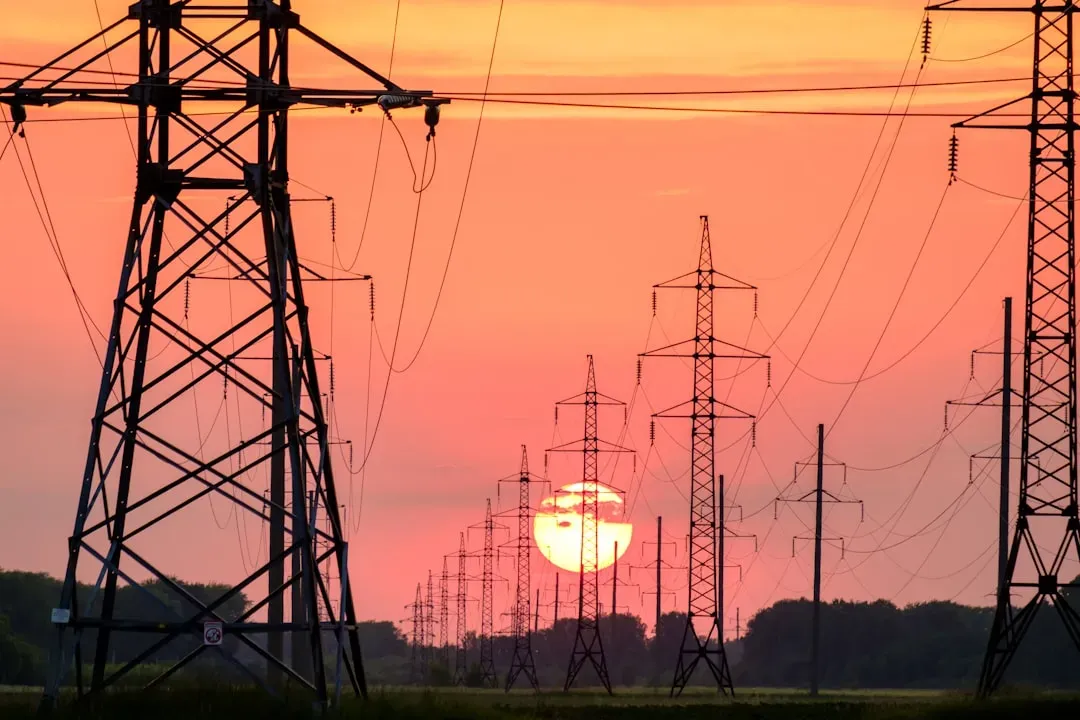
For ancient people, lightning was a terrifying mystery, something only the gods could throw around. The idea that humans could understand, harness, and eventually tame electricity is almost absurd when you think about where we started. Step by step, scientists and inventors learned how to generate electrical currents, send them over distances, and transform them into light, motion, and information. Streetlights lit up the night, factories ran longer hours, and cities pulsed with a kind of artificial daylight that never fully turned off.
Electricity didn’t just add convenience; it rearranged daily life from the ground up. Refrigeration changed how we stored food, electric motors transformed industry, and communication leaped from letters to instant signals, then to phones, then to the internet. Today, flipping a switch is so casual we barely think about the chain of discoveries under our fingertips. Yet if you switched off the power grids of the world for even a few weeks, nearly everything people take for granted – water systems, hospitals, transportation, finance – would unravel. In a sense, modern civilization is a story written in electric current.
DNA and the Code of Life: Reading What Makes Us Who We Are
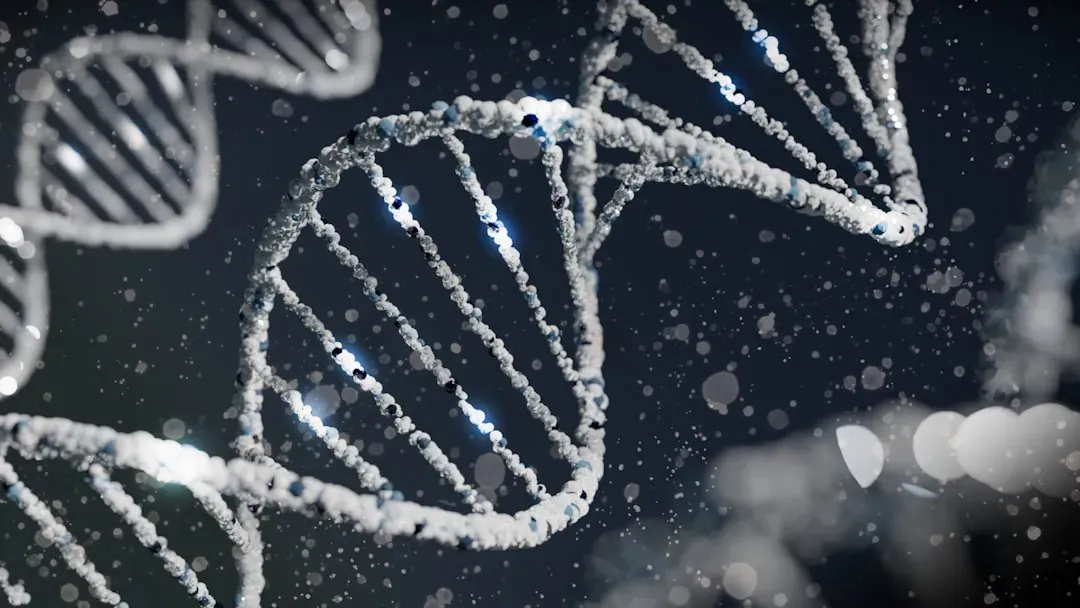
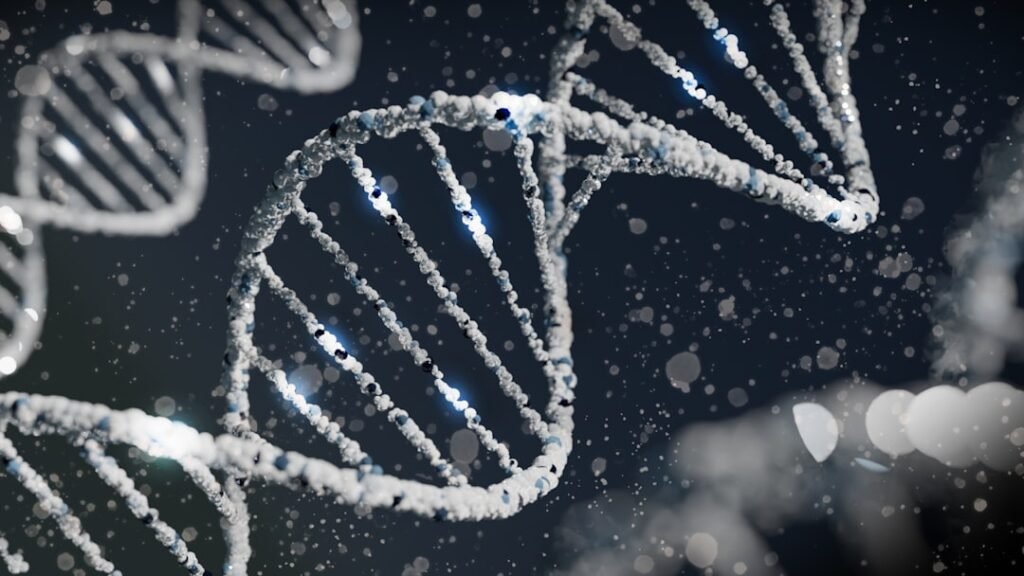
Under a microscope, DNA just looks like a tiny twisted ladder, but its impact on human history has been massive. Once scientists realized that this molecule carries the instructions for building every living thing, biology stopped being just descriptive and became deeply explanatory. Instead of saying, “This trait runs in families,” we could finally ask why, and point to actual segments of a genetic code. It was like discovering that every living cell carries a library written in a four-letter alphabet.
Understanding DNA opened doors that still make people feel a mix of awe, hope, and unease. We can trace ancestry across continents, solve crimes with a single hair, and diagnose inherited diseases before symptoms appear. Gene editing tools now make it possible, in some cases, to correct mutations or alter crops to resist drought and pests. At the same time, DNA research forces hard questions about privacy, inequality, and how far humans should go in rewriting life. In a world where we can literally read and edit parts of our own blueprint, the line between what we are given and what we choose has never felt thinner.
These Five Discoveries Changed What We Can Do
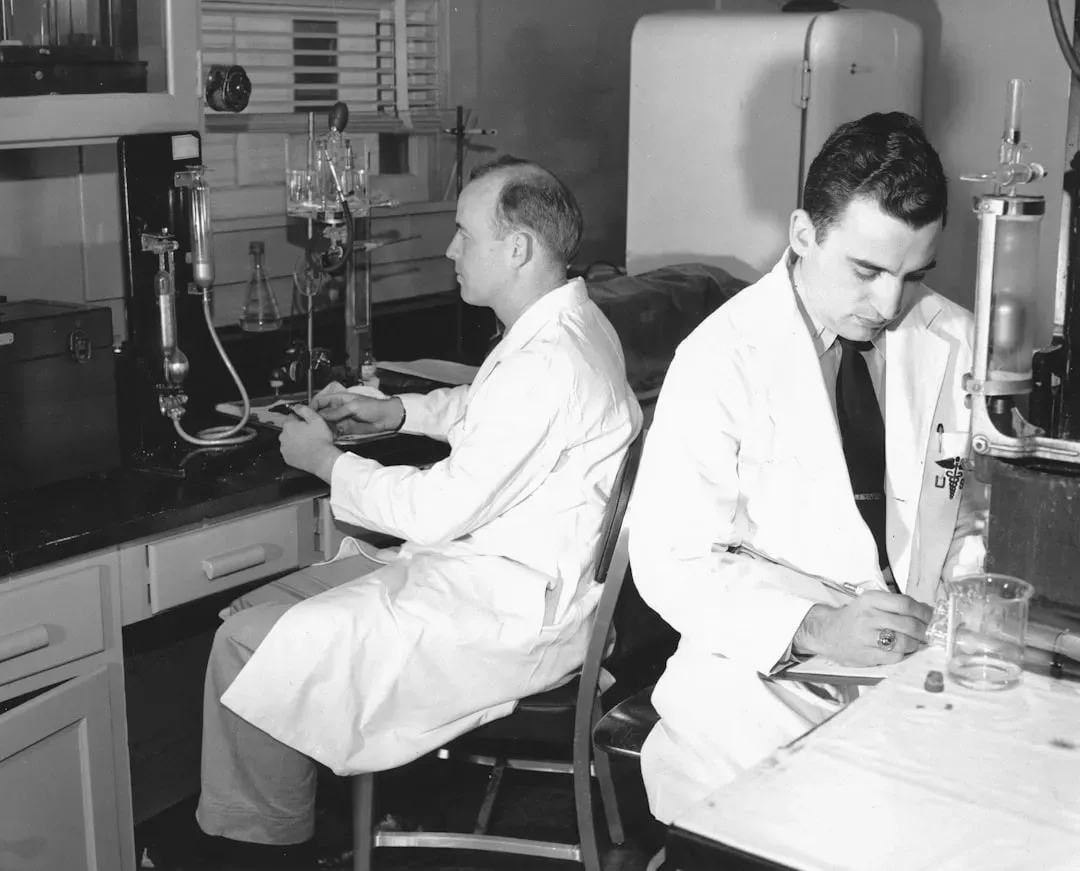
These five discoveries – fire, the scientific method, germ theory, electricity, and DNA – did more than change what we know; they changed what we can do and who we can become. Each one reshaped everyday life so profoundly that it’s difficult to imagine the world before it, the way you can hardly remember how quiet a room felt before the hum of electronics. They also share a common thread: someone dared to look at the familiar with fresh eyes and ask a deeper question.
When you see that pattern, history stops feeling like a fixed story and starts looking more like a series of open doors waiting for someone curious enough to walk through. The next discovery that transforms everything might already be sitting in a lab notebook, on a computer drive, or in the mind of a kid staring at the night sky. Which of these breakthroughs surprised you the most?