
Picture this: the world’s population is hurtling toward ten billion people, farmable land is shrinking, climate chaos is destabilizing harvests, and yet scientists in labs across the globe are quietly cooking up solutions that sound almost too extraordinary to be real. We’re talking about meat grown without a single animal, crops that can survive droughts through targeted DNA edits, and farms that stack food forty feet into the air inside city buildings. The future of how we eat is being written right now, in petri dishes and algorithm banks and biofermentation tanks.
Honestly, I think most people have no idea just how close we are to a fundamental shift in how food gets to our plates. If the years 2024 and 2025 were defined by experimentation, then 2026 is clearly the year of execution, where the focus has shifted from searching for the next big idea to refining, scaling, and integrating what already works. The breakthroughs you’re about to read aren’t decades away in some sci-fi future. They are happening right now. Let’s dive in.
1. Cultivated Meat: Growing Protein Without the Farm
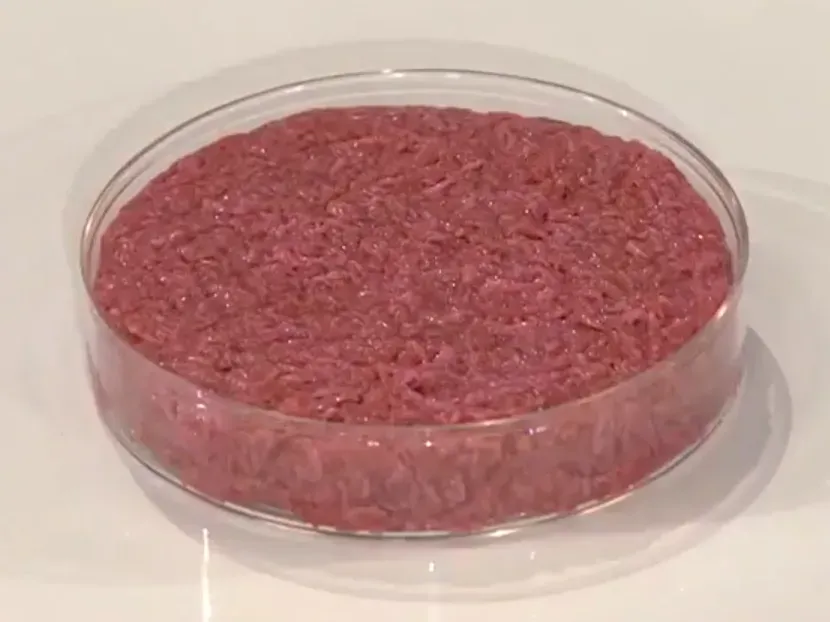
Cultivated, or lab-grown, meat is one of the most promising innovations in both food technology and sustainability, offering a direct solution to the environmental and ethical concerns tied to traditional livestock farming. Think of it like growing a steak the same way you grow skin cells in a wound, you take a few animal cells, give them the nutrients they need, and let biology do the rest. No feeding, no slaughtering, no sprawling ranch required.
Cellular agriculture holds great potential to usher in a modern agricultural revolution, but must first address key innovation challenges before cultivated meat and fish can become mainstream consumer products. Still, the momentum is staggering. In 2020, total publications on the subject more than quadrupled to 125, including research articles presenting new data. By 2024, total articles quintupled to 647, including nearly two hundred articles with new data, and the first quarter of 2025 alone produced 71 articles. That is not a slow-moving field. That is a sprint. Regulators in Australia approved Vow’s cultivated meat, and the U.S. FDA issued a “no questions” letter for cultivated salmon, clear signals that the category is scientifically credible and edging toward mainstream food production. Lab-grown meat is also projected to become roughly thirty percent cheaper than traditional beef by 2030, offering significant ethical and environmental benefits.
2. CRISPR Gene Editing: Rewriting the Recipe for Crops
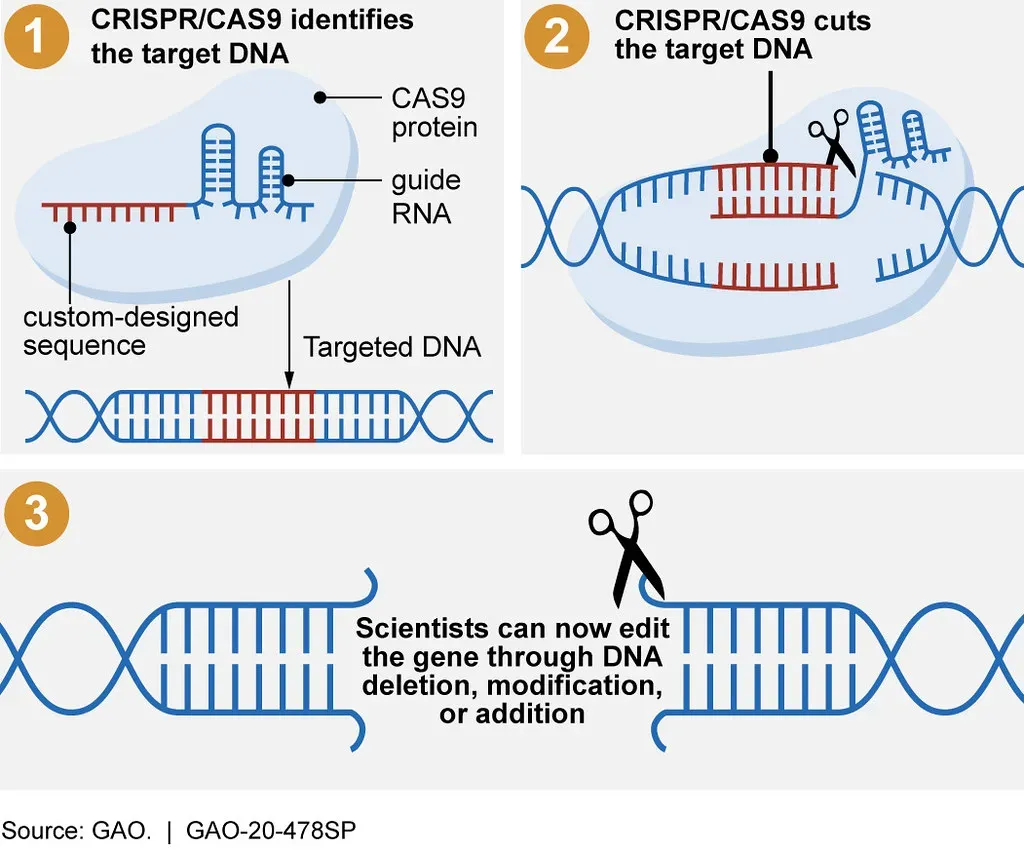
You may have heard the name CRISPR tossed around in news articles, but here is the thing, it is genuinely one of the most transformative tools ever handed to agricultural science. Genome editing in agriculture uses precise molecular tools that allow scientists to make targeted changes to plant DNA, much like a pair of molecular scissors that can be programmed to cut the DNA double helix at specific locations. Unlike older, clunkier genetic modification methods, CRISPR is surgical in its precision.
CRISPR technologies are revolutionizing agriculture by enabling precise genetic improvements in crops, livestock, and microbes. The real-world applications are genuinely jaw-dropping. Staple grain crops such as rice, wheat, and maize are particularly vulnerable to water scarcity, and CRISPR technology allows precise genetic modifications to improve drought tolerance by targeting genes that regulate water use efficiency and osmotic balance, with a notable breakthrough being the modification of the ZmHDT103 gene which improved drought tolerance in maize without compromising growth under normal conditions. Beyond drought resistance, genome editing is creating innovations such as non-browning avocados, tomatoes with considerably more sugar, and anti-browning mushrooms, while scientists also develop crops with enhanced drought tolerance, disease resistance, and improved nutritional profiles to tackle climate change and malnutrition simultaneously. Let’s be real, that is not just farming. That is food engineering at a molecular level.
3. Precision Fermentation: The Invisible Revolution in Your Kitchen
Most people picture fermentation as something that happens in a rustic wooden barrel, making beer or cheese. The modern version of fermentation, though, is something far more extraordinary. The most meaningful progress in alternative proteins is happening in fermentation-led ingredients, proteins designed for specific functionality such as emulsification, gelation, or nutrition enhancement. You are essentially programming microbes to produce exactly the ingredient you need, with unprecedented consistency.
Companies like Onego Bio have developed a way to produce egg white without chickens, with their product Bioalbumen produced through a safe, sustainable, and cost-efficient precision fermentation process that creates identical egg white protein without the need for animals. That is not a prototype sitting in a lab. That is a product headed for your grocery store. Fermentation has always been fundamental to food production, but in 2026 it is shifting from standalone assets to shared, modular platforms, where companies no longer need to raise enormous capital for dedicated plants and can instead plug into existing infrastructure while focusing resources on strain development, functionality, and cost-in-use. AI and computational design can now identify viable proteins in days rather than months, supporting a new wave of ingredient companies supplying fermented proteins and functional materials across the value chain. It is hard to say for sure how fast this will scale globally, but the direction is unmistakably clear.
4. AI-Powered Precision Agriculture: Farming Smarter, Not Harder
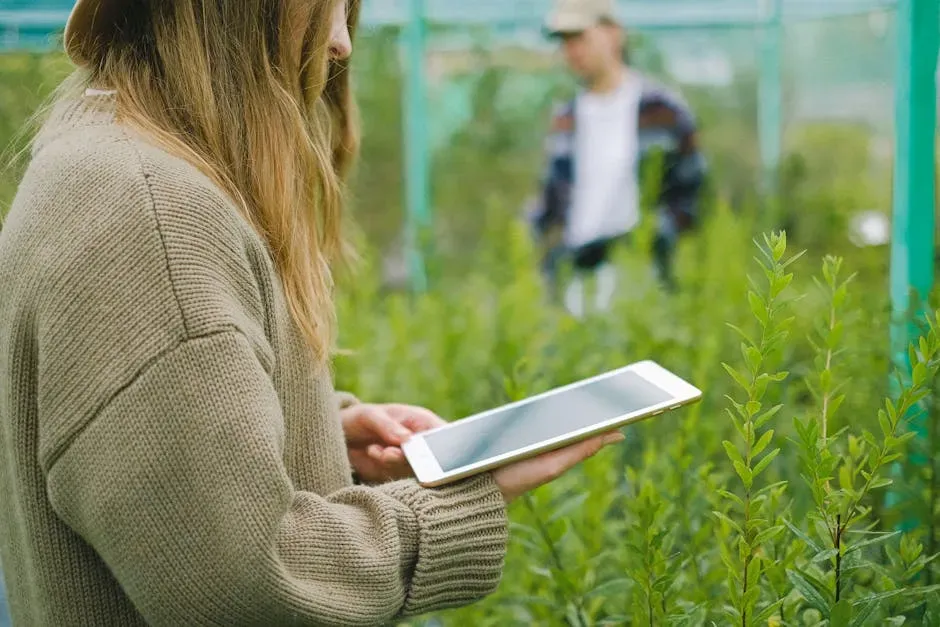
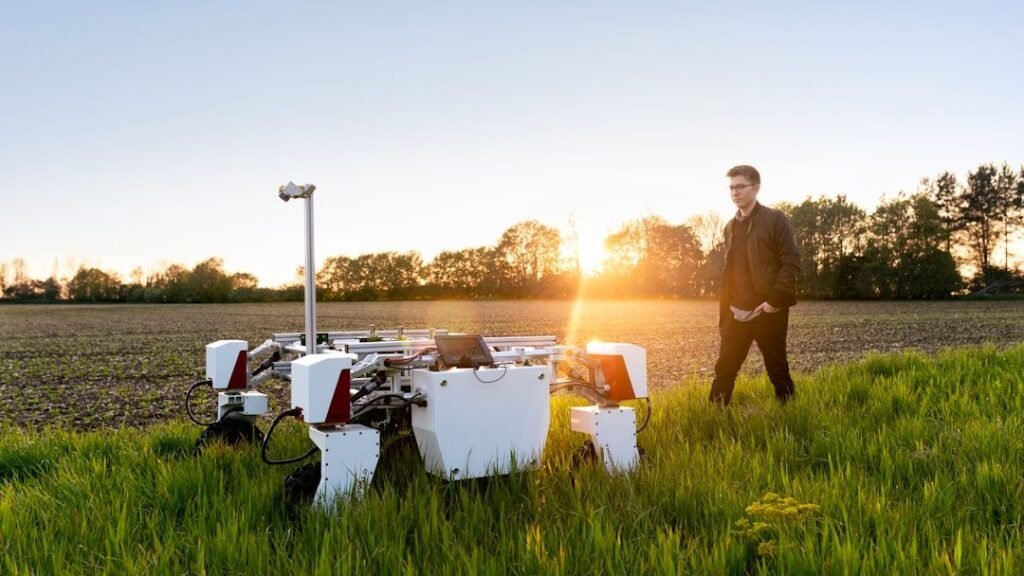
Here is a comparison that might surprise you: running a modern precision farm is starting to resemble operating a space mission. Every sensor, every drone, every data point feeds into an intelligence system that makes decisions faster and more accurately than any human farmer ever could. AI-powered precision agriculture is revolutionizing how farmers manage their fields by analyzing real-time data from soil sensors, satellite imagery, pest detectors, and weather forecasts to optimize the use of water, fertilizers, pesticides, and pest control systems, leading to higher yields with fewer inputs.
The numbers behind this are striking. Precision agriculture, utilizing GPS, drones, and IoT, improves yields by roughly twenty to thirty percent while cutting input waste by nearly half or more. Meanwhile, one of the most remarkable breakthroughs in 2025 is the adoption of AI-powered crop monitoring using autonomous drones, computer vision, and machine learning models that deploy hyperspectral cameras to scan vast fields within minutes, detecting diseases, pest infestations, and nutrient deficiencies at early stages, with data processed by AI for continuous accurate assessments. From supply chain optimization to personalized nutrition, AI is a major driver of food innovation and efficiency across every level, with 2026 expected to accelerate product development even further. The implications for smallholder farmers in developing nations could be genuinely life-changing.
5. Vertical Farming: Bringing the Harvest Inside City Walls
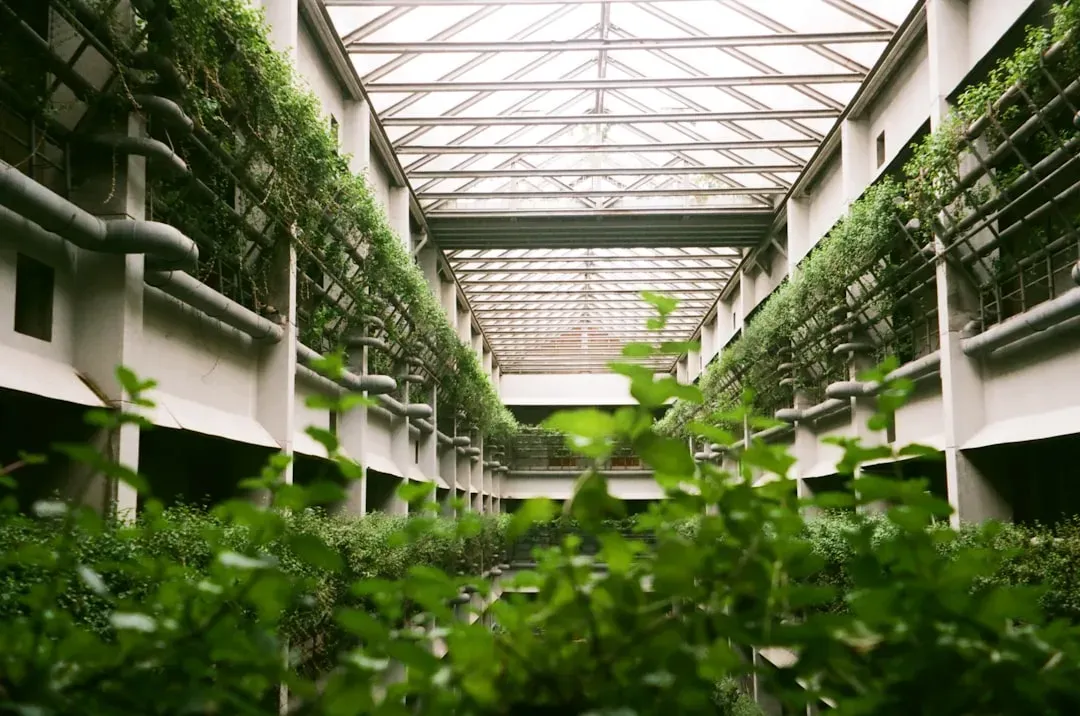
Imagine walking past a skyscraper in the middle of a city and knowing that ten floors of it are quietly growing fresh lettuce, herbs, and strawberries around the clock, regardless of what the weather is doing outside. That is not fantasy. Vertical farming automation is rapidly emerging as a revolutionary solution, and by 2025 advanced automation in vertical environments is expected to deliver higher yields, optimize resource management, and reshape the future of agriculture.
The resource efficiency alone should make your jaw drop. Vertical farms can use up to ninety-eight percent less water than traditional agriculture and can be located near urban centers, which helps reduce food transportation distances, cutting both emissions and food spoilage. Vertical farming also produces ten to twenty times more crops per square meter than traditional fields, offering a direct solution for urban food deserts. Solar-powered vertical farming epitomizes the frontier of technology, urbanization, and energy sustainability, and by 2026 more cities worldwide are expected to harness these controlled environment agriculture systems, stacking production upwards and maximizing every square meter. The food comes out pesticide-free, available year-round, and grown just miles from the people who will eat it. That, to me, feels like a genuinely different relationship between cities and food.
The Bigger Picture: A Food System on the Verge of Transformation
Each of these five breakthroughs is remarkable on its own. Together, they paint a picture of a food system that is fundamentally different from the one we inherited. Food security faces growing challenges due to population growth, resource limitations, economic pressures, and industrialization-induced lifestyle changes, and traditional food systems are struggling to adapt, making innovative solutions and sustainable practices essential. The good news is that the scientific community is responding at a pace few people fully appreciate.
The agrifood technology revolution must be systemic, collaborative, and cross-disciplinary, leveraging AI, robotics, functional nutrition, synthetic biology, and regenerative agriculture to create solutions that are scalable, adaptable, and, most importantly, impactful. These breakthroughs aren’t competing with each other. They are complementary pieces of the same puzzle. CRISPR-edited drought-resistant crops can feed AI-precision-managed farms. Cultivated meat reduces pressure on land that vertical farms can then repurpose. Precision fermentation fills nutritional gaps at a fraction of the environmental cost. The convergence of all five could be the closest thing we’ve ever had to a genuine solution for global hunger.
Here’s the thing though: science can open the door, but policy, investment, and public acceptance determine whether we walk through it. The era of transformation isn’t coming. It’s already here. The only real question is how quickly the world decides to fully embrace it.
What do you think? Are you ready to eat a burger grown in a lab or a salad harvested on the twelfth floor of a city building? Drop your thoughts in the comments below.