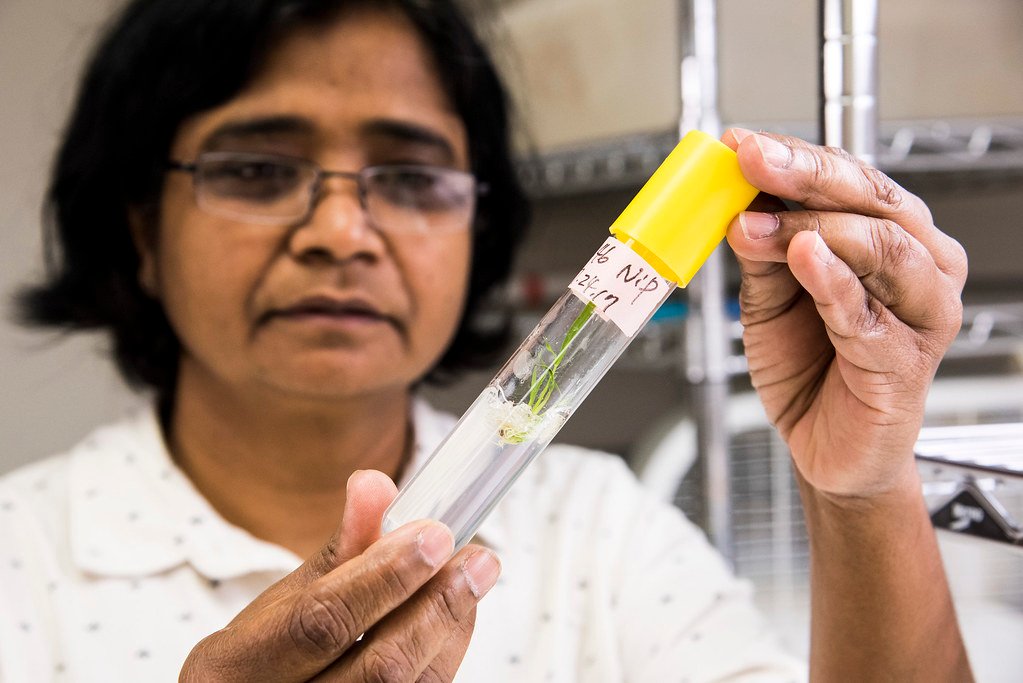

You’ve probably wondered if you could turn back the clock on aging. It’s not just fantasy anymore. Scientists are making real progress in understanding how we age and, more importantly, how to slow it down or even reverse it.
The human body wasn’t designed to last forever, yet researchers across the globe are discovering remarkable ways to extend not just how long you live, but how well you live those extra years. Some of these breakthroughs sound like science fiction. Others are already in early testing phases. Let’s dive into five of the most promising discoveries that could help you live healthier, longer.
Cellular Reprogramming: Turning Back Your Cell’s Clock
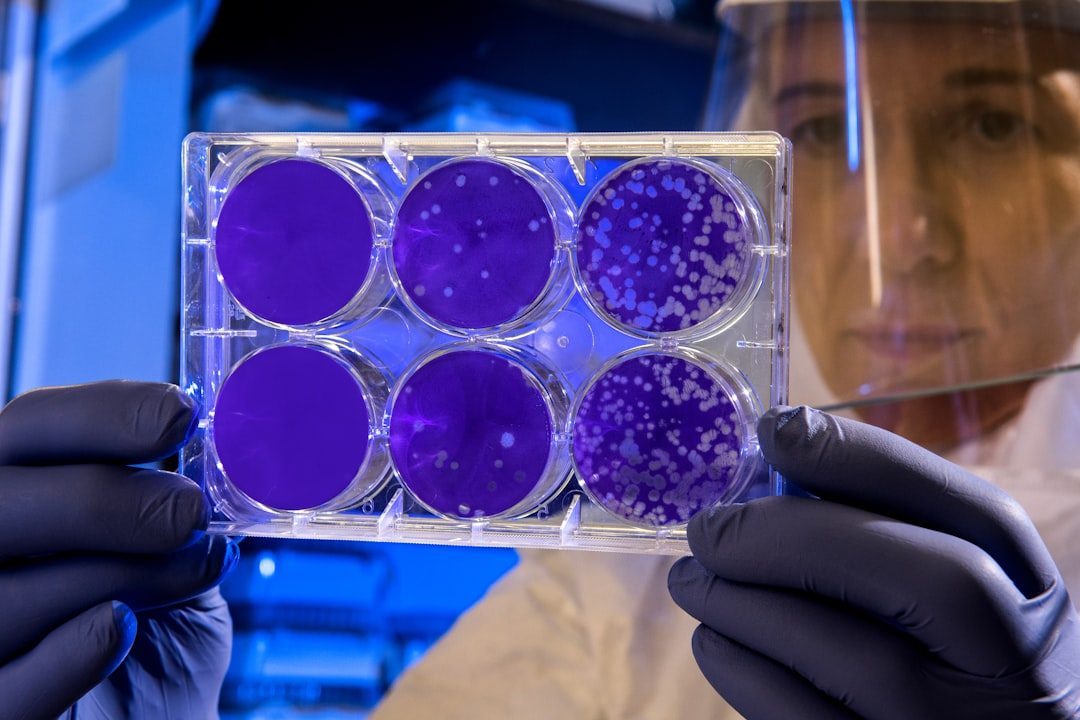
Scientists have made significant progress in cellular reprogramming, a technique that reverts cells to a more youthful state by altering their gene expression using Yamanaka factors, a group of proteins that can reset cellular age. Think of it like rebooting your computer to restore it to factory settings.
One research group used gene therapy to deliver Yamanaka factors into old mice and modestly extended their lifespan, while another team followed a similar strategy to reverse aging-like changes in genetically engineered mice, restoring part of the animals’ epigenome to a more youthful state. The results are genuinely exciting.
Harvard’s Dr. David Sinclair predicts that pills targeting certain genes to reverse aging in tissues throughout the body will be available within the next decade, and he believes scientists may one day find a way to nearly double the human lifespan. Companies like Altos Labs and Calico are leading the charge in applying cellular reprogramming to combat age-related diseases and improve tissue regeneration. It’s hard to say for sure when these treatments will reach clinics, but the momentum is undeniable.
Senolytics: Eliminating Your Body’s Zombie Cells
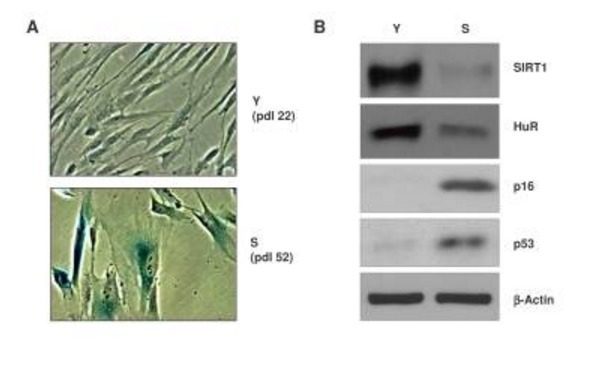
Imagine your body accumulates damaged cells as you age, cells that refuse to die but also refuse to function properly. These are called senescent cells, and they’re basically cellular zombies causing havoc in your tissues.
Dr. James Kirkland of Cedars-Sinai has been leading research on the first senolytic drugs since 2015, finding that a combination of the leukemia drug dasatinib and the natural plant pigment quercetin extended not just how long mice live, but also the time they live in good health. In preclinical models, interventions targeting persistent senescent cells have been shown to delay, prevent or alleviate multiple disorders, with the discovery of small-molecule senolytic drugs leading to promising strategies for treating multiple diseases and age-related conditions in humans.
Animal studies have found it was possible to reduce the burden of senescent cells and extend lifespan and improve health even when treatment was initiated late in life. More than thirty clinical trials of senolytic and senomorphic agents have already been completed, are underway, or are planned for a variety of indications. Let’s be real, clearing out these zombie cells might be one of the most straightforward approaches to healthy aging.
Gene Therapy: Rewriting Your Aging Code
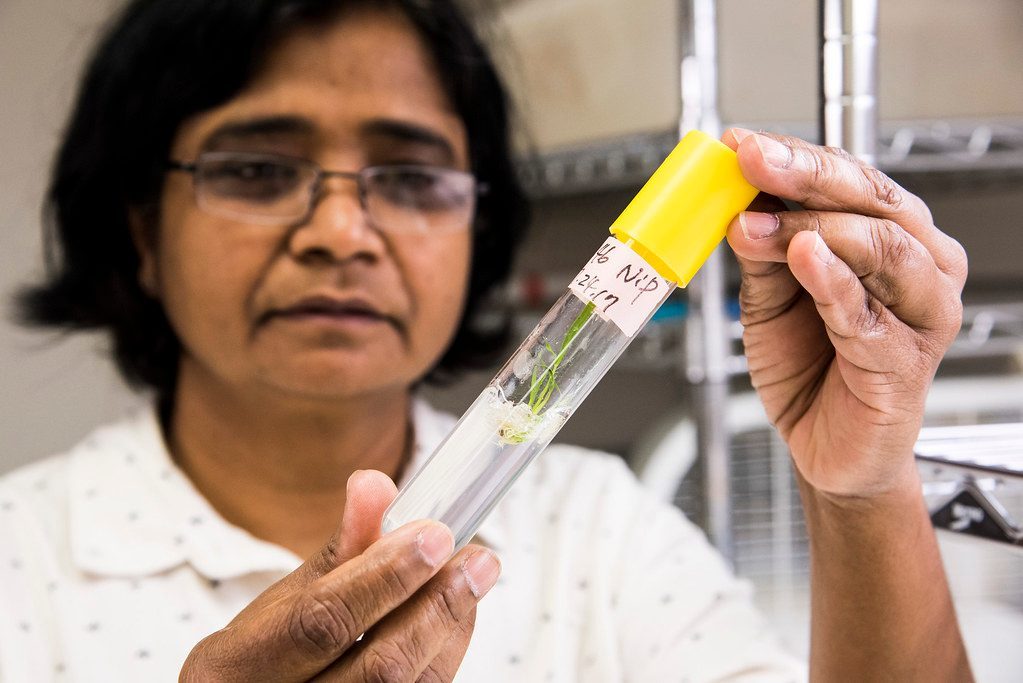
Using gene therapy vectors, researchers modified mice’s cells to produce higher amounts of the secreted form of the Klotho protein, and by the time the mice reached the equivalent of seventy human years, the treated group showed notable improvements in muscle strength, bone density, and cognitive performance. Gene therapy is getting more sophisticated every year.
Mice injected with the klotho gene at twelve months of age ended up living nearly twenty percent longer compared to mice injected with an empty solution. When treatment was initiated at mid-life, median lifespan increased by fifteen to twenty percent. The therapy also improved muscle regeneration, increased bone health, and enhanced brain cell numbers.
AAV vectors are well-established as prominent genetic therapies including therapies for aging, with several genes identified as potential targets for gene therapy aimed at enhancing longevity and health, often involved in signaling pathways that play a role in regulating cellular metabolism, oxidative stress, and inflammation. Honestly, the idea that we could inject ourselves with longevity genes sounds crazy, but that’s exactly where the science is headed.
NAD+ Boosters: Recharging Your Cellular Batteries
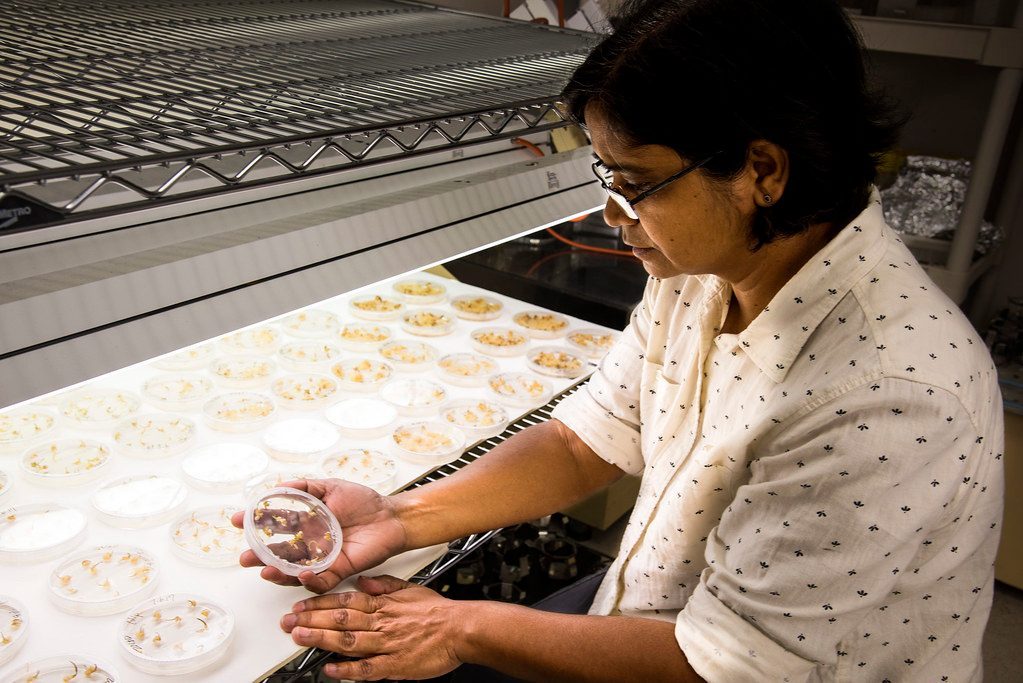
Your cells run on energy, and as you age, you produce less of a crucial molecule called NAD+. It’s like your cellular battery slowly dying. Declining levels of NAD+ are associated with general aging and chronic disorders including cognitive decline, sarcopenia, and metabolic diseases.
Treatment with the NAD+ precursor nicotinamide riboside induced the mitochondrial unfolded protein response and synthesis of prohibitin proteins, rejuvenating muscle stem cells in aged mice and delaying senescence of neural and melanocyte stem cells while increasing mouse lifespan. Treatment of old mice with NR extended their lifespan by nearly five percent even when started at an age where few treatments work well, with increased lifespan associated with improved mitochondrial function and preservation of stem cell function.
Early human trials confirm that daily supplementation raises blood and tissue NAD+ by fifty to one hundred percent and delivers measurable gains in muscle insulin sensitivity, arterial stiffness, aerobic capacity, and inflammatory profiles without serious adverse events. The compounds are already available as supplements, though more research is needed to understand optimal dosing.
IL-11 Inhibitors: Blocking a Key Aging Driver

Sometimes the breakthrough isn’t about adding something new to your body but blocking something harmful. In a mouse study published in 2024, treating animals with an antibody that binds IL-11 and blocks its effects extended lifespan by up to twenty-five percent.
IL-11 was found to be involved in multiple aging processes, and the benefits of anti-IL-11 were apparent in every organ researchers looked at. Clinical trials of IL-11 inhibitors have already begun, with Alphabet-owned Calico Life Sciences striking a licensing deal in June 2025 for one such IL-11 blocker. This approach is still early, but the results in animal models have been remarkable enough to push it rapidly toward human testing.
Looking Ahead: When Will These Treatments Be Available?

There is substantial evidence suggesting we are on the cusp of major scientific discoveries in aging research. Yet challenges remain. Scientists are still working to understand exactly how these interventions work and which combinations might be most effective.
Senolytics stand at the forefront of a potential paradigm shift in aging and chronic disease treatment, with the promise of not only extending lifespan but improving healthspan through selective cellular rejuvenation. Gene therapy has emerged as a clinically transformable approach leveraging advanced gene editing and delivery systems to target the molecular underpinnings of aging, focusing on approaches that enhance genomic and epigenetic stability, restore metabolic homeostasis, modulate immune responses, and rejuvenate senescent cells.
The truth is, some of these therapies might reach you within the next decade. Others may take longer. Progress in longevity science doesn’t happen in a straight line. Still, the fact that multiple independent approaches are showing real results is genuinely encouraging. The future of aging isn’t just about adding more years to your life but adding more life to your years. What would you do with an extra healthy decade or two?
Jan loves Wildlife and Animals and is one of the founders of Animals Around The Globe. He holds an MSc in Finance & Economics and is a passionate PADI Open Water Diver. His favorite animals are Mountain Gorillas, Tigers, and Great White Sharks. He lived in South Africa, Germany, the USA, Ireland, Italy, China, and Australia. Before AATG, Jan worked for Google, Axel Springer, BMW and others.