
Have you ever wondered what it would feel like to witness a complete transformation in medicine? Right now, at this very moment, researchers across the globe are rewriting the rules of disease treatment in ways that seemed like pure science fiction just a few years ago. We’re not talking about minor improvements or incremental progress. These are fundamental shifts in how we tackle illness at its core, from editing individual genes to teaching your own immune cells to fight back. Let’s dive in.
Personalized CRISPR Gene Therapy Saves a Baby’s Life
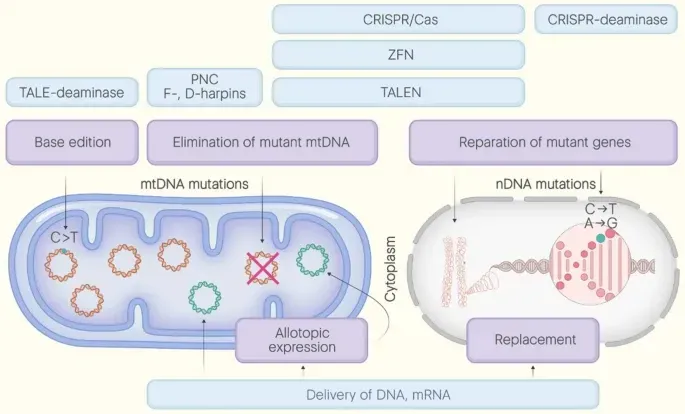
In a groundbreaking case, a baby named KJ became the first gene-edited baby and the first person to receive a custom in vivo CRISPR treatment for his rare genetic disease, which prevented his liver from converting ammonia into urea. Think about that for a second. Scientists designed a treatment specifically for one child’s unique mutation. The treatment has reduced the baby’s dependence on medications and greatly improved his quality of life. This wasn’t some off-the-shelf drug pulled from a pharmacy.
Here’s the thing that makes this so revolutionary. Scientists fixed the problem using a custom CRISPR-based therapy that erased KJ’s mutation and penciled in a correction, marking the first time scientists have treated a patient with a gene therapy designed just for them. With a new clinical trial in the works, it’s an approach that could soon be available for more individuals with rare diseases. Imagine a future where every rare genetic disorder gets its own tailored solution. That’s not a pipe dream anymore.
The Shingles Vaccine Might Actually Prevent Dementia
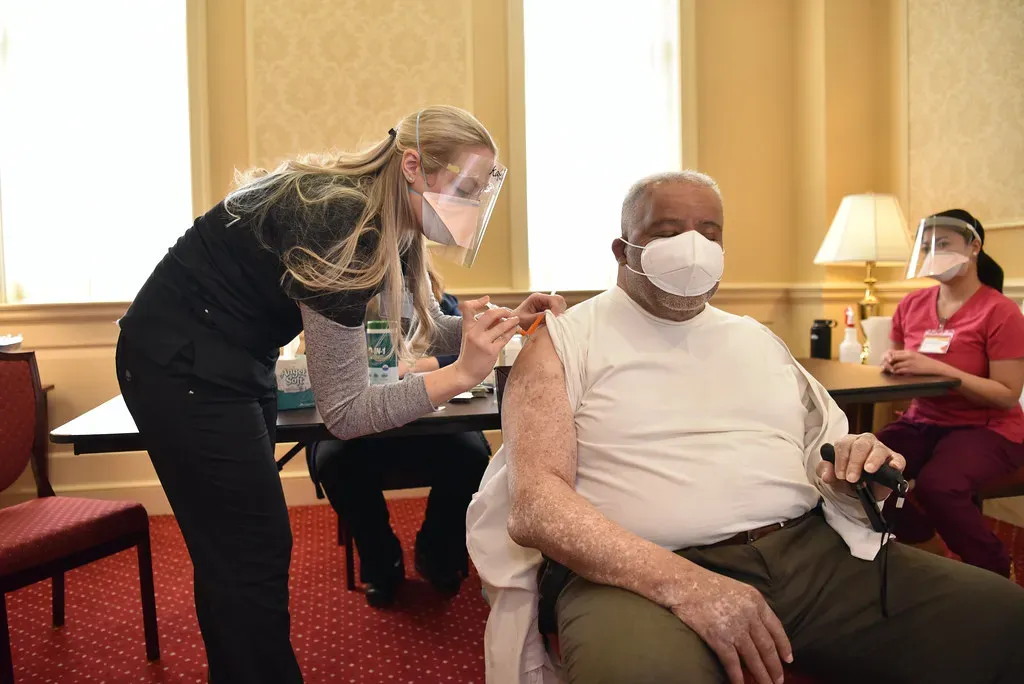
Let’s be real, nobody expects a vaccine designed for shingles to do anything for your brain. A landmark real-world experiment gave the strongest evidence yet that the shingles vaccine could lower the risk of Alzheimer’s disease and other forms of dementia, with people in Wales who received the shingles shot being 20 percent less likely to develop dementia over the next seven years. Twenty percent. That’s not a rounding error. That’s a massive protective effect for something you can get in a simple doctor’s visit.
It gets even more interesting when you consider the broader implications. Vaccines have proven effective tools for protecting against viruses, and new research shows that these shots may deliver broader benefits, including preventing heart attacks and dementia. The connection between viruses and long-term brain health is something researchers are only beginning to unpack. Honestly, it’s hard to say for sure how deep this rabbit hole goes, but the early signs are incredibly promising.
Immune System “Peacekeepers” Win a Nobel Prize and Transform Treatment
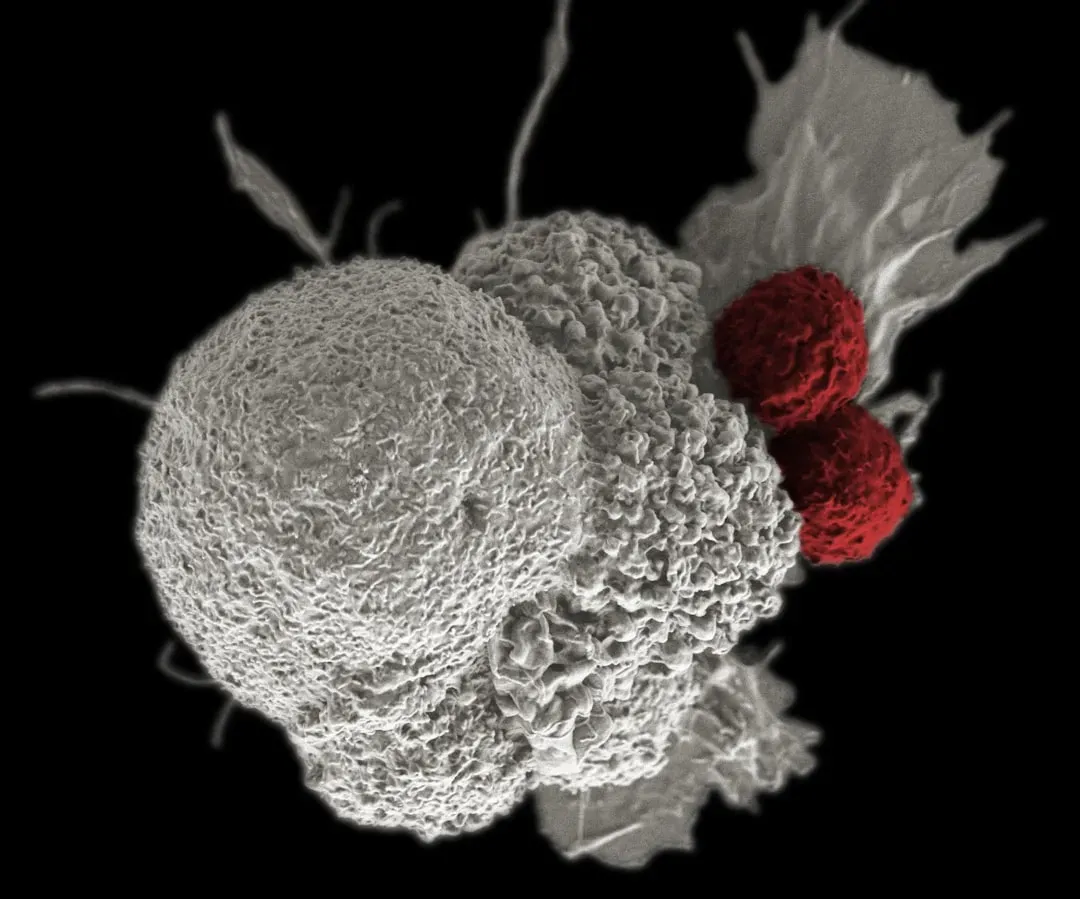
The 2025 Nobel Prize in Physiology or Medicine recognized research into the system that stops immune responses from running amok and attacking the body, with researchers Mary E. Brunkow, Fred Ramsdell and Shimon Sakaguchi winning for their fundamental discoveries about peripheral immune tolerance. This matters more than you might think at first glance. Your immune system is supposed to protect you, yet sometimes it turns against your own tissues.
Central to the process are immune cells called regulatory T cells, which were nicknamed “peacekeepers,” and scientists are now trying to tap these cells for new ways to treat cancer, type 1 diabetes, rheumatoid arthritis and organ or tissue transplant complications. Think of it this way: instead of fighting the immune system with blunt instruments, we’re learning to speak its language. Regulatory T cell therapies may finally become a reality, with the FDA potentially approving the first of these therapies for preventing graft-versus-host disease in bone marrow transplant recipients as soon as spring 2026.
AI Can Now Analyze Your Blood Cells Better Than Human Experts
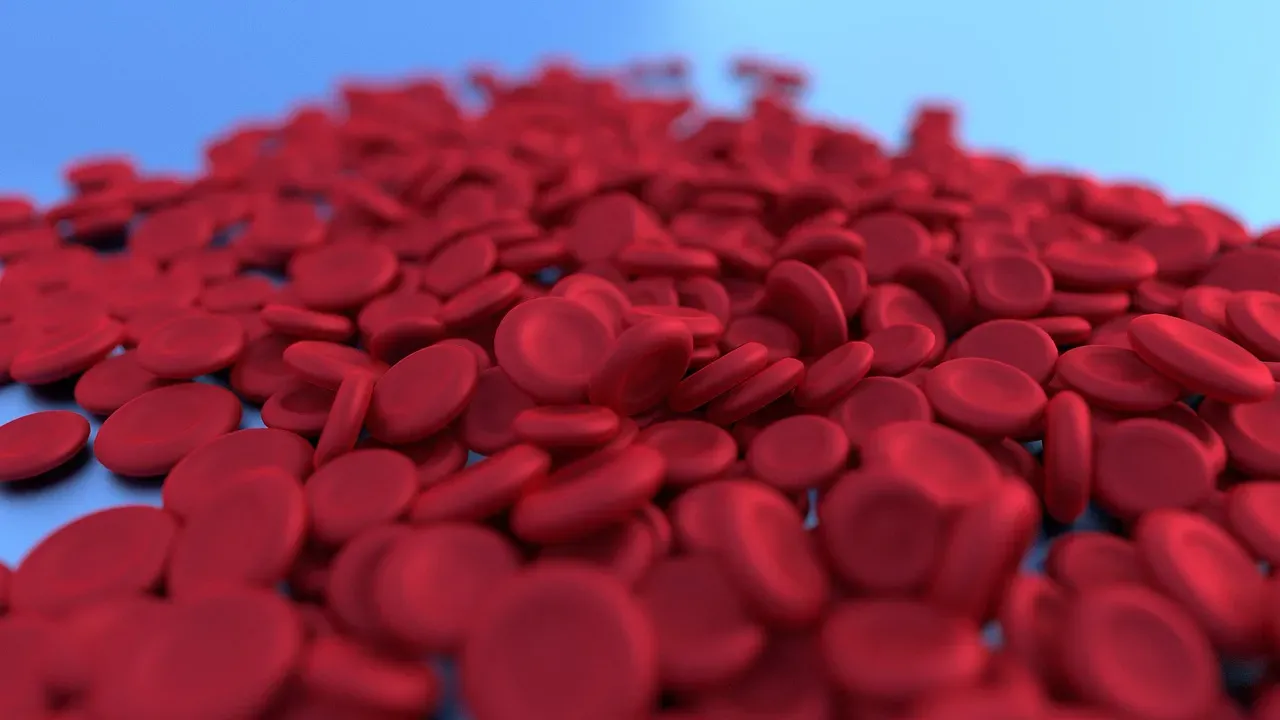
A generative AI system can now analyze blood cells with greater accuracy and confidence than human experts, detecting subtle signs of diseases like leukemia. That sentence alone should make you pause. We’re not talking about AI helping doctors. We’re talking about AI surpassing human capabilities in spotting the tiny abnormalities that signal serious disease.
What makes this truly fascinating is the self-awareness built into the system. It not only spots rare abnormalities but also recognizes its own uncertainty. I know it sounds crazy, but that humility might be what makes AI truly useful in medicine. Nobody wants a diagnostic tool that’s confidently wrong. The ability to flag when something doesn’t fit known patterns could catch diseases that even experienced pathologists might miss. This technology is already being integrated into real-world settings, changing how quickly and accurately we can identify blood disorders.
Whole Genome Sequencing Now Takes Under Four Hours
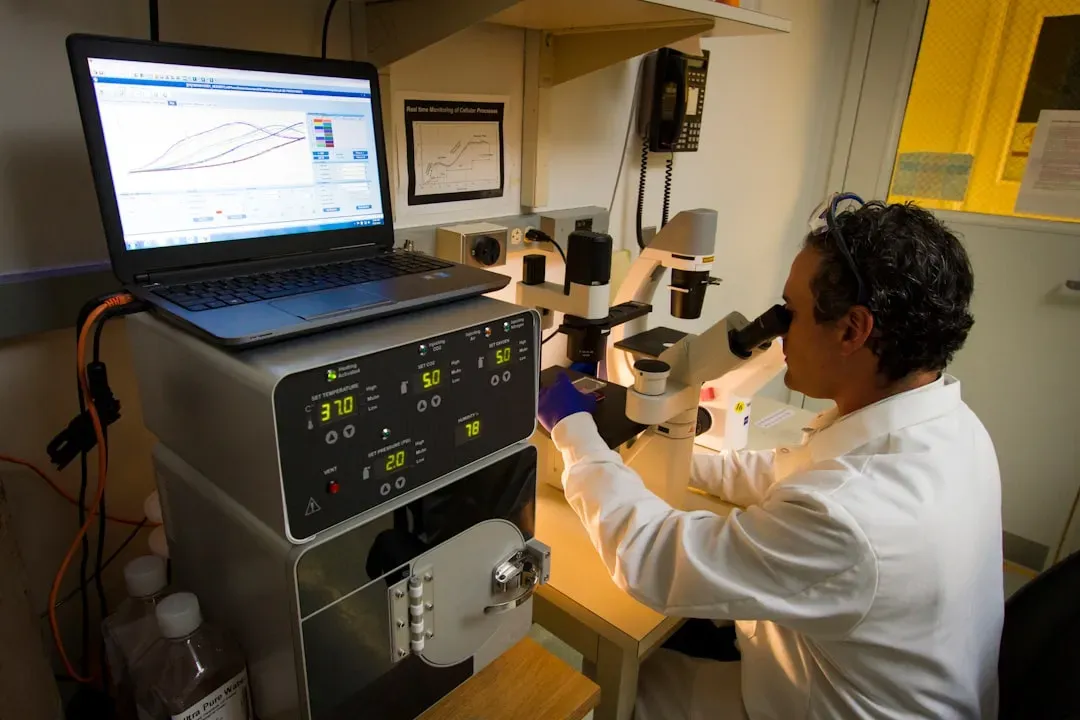
Speed matters in medicine more than most people realize. A research team at Roche and Boston’s Children’s Hospital set a new world record for the fastest human genome sequencing and analysis, taking under 4 hours to perform whole genome sequencing, compared to six months in the 2000s. Four hours. That’s less time than a long movie marathon.
Why does this matter so much? Consider a newborn in the ICU with a mysterious condition. Every hour counts. Researchers diagnosed a baby within days of birth and spent 6 months designing and testing a personalized gene-editing therapy before fixing his deficiency. Now imagine cutting that diagnostic time from days or weeks down to a few hours. You’re not just saving time. You’re saving lives by catching treatable conditions before they become irreversible. The technology is democratizing access to precision medicine in ways we couldn’t have imagined a decade ago.
Conclusion

These breakthroughs share something powerful in common. They’re all about precision, about understanding disease at the most fundamental level and intervening with surgical accuracy rather than broad strokes. From rewriting a single baby’s genetic code to teaching immune cells to behave, from AI that spots hidden patterns to genomic analysis at lightning speed, we’re entering an era where “impossible” is becoming routine. The real question isn’t whether these advances will change medicine. They already are. The question is how quickly they’ll reach everyone who needs them. What do you think about these developments? Which breakthrough surprised you the most?