
We live in a time when science fiction is quietly becoming science fact. Diseases that were once considered death sentences are now being targeted with tools so precise they can edit a single letter in your DNA. Technologies that used to live only in research labs are now stepping into hospital wards, clinics, and in some cases, directly into the human body.
Honestly, it is hard to keep up. The pace of medical innovation in the last two years alone has been breathtaking. From a baby whose genetic mutation was corrected before he could even walk, to cancer vaccines built from the same platform as COVID shots, the ground is shifting beneath medicine’s feet. If you thought you knew where healthcare was headed, get ready to think again. Let’s dive in.
1. CRISPR Gene Editing: Rewriting the Code of Life
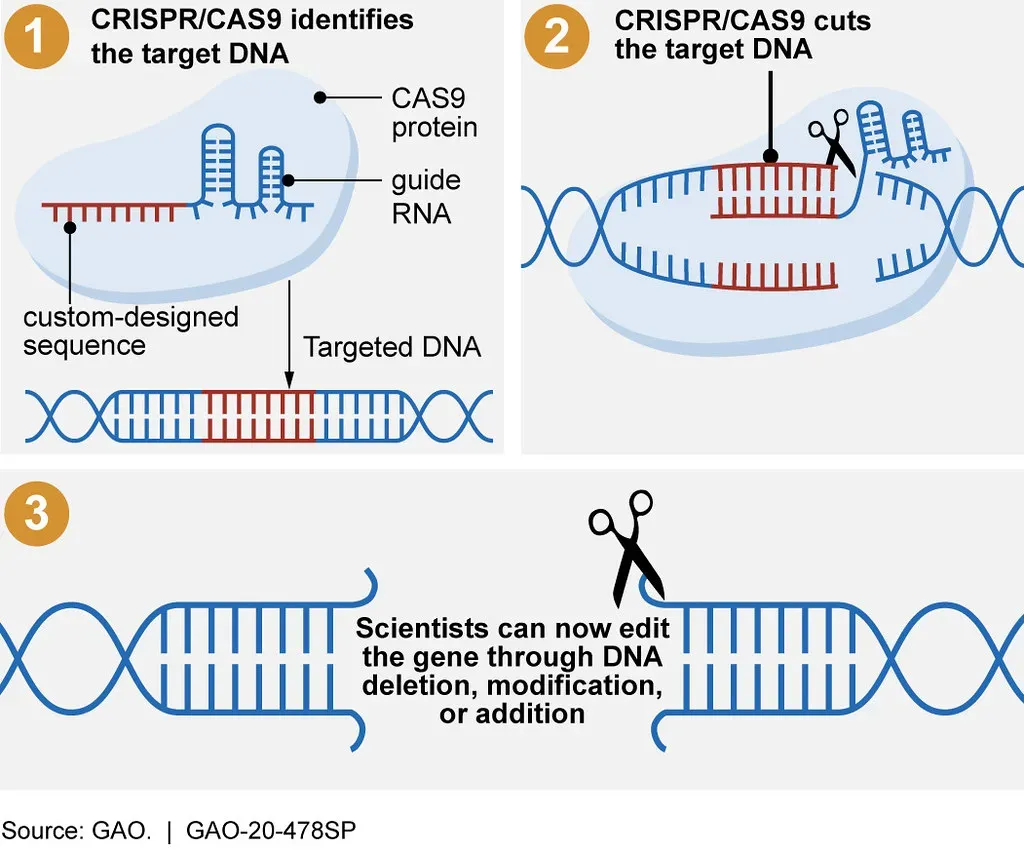
Few stories in modern medicine are as extraordinary as that of baby KJ. In a historic breakthrough, a child diagnosed with a rare genetic disorder was successfully treated with a customized CRISPR gene editing therapy by a team at Children’s Hospital of Philadelphia and Penn Medicine, with the infant born with a rare metabolic disease known as severe carbamoyl phosphate synthetase 1 (CPS1) deficiency. Think of it like fixing a single typo in a 3 billion letter book, while the book is still inside you.
The two CRISPR-based therapies approved prior were one-size-fits-all approaches, requiring cells to be removed, edited in a lab, and then reintroduced into the body. KJ’s treatment, by contrast, was made to tweak a specific mutation in his cells, and the editing took place inside his body. That distinction matters enormously. It represents a shift from generalized therapies to something genuinely personalized at the molecular level.
This landmark case paves the way for a future with on-demand gene-editing therapies for individuals with rare, until-now untreatable genetic diseases, and sets precedent for a regulatory pathway for rapid approval of platform therapies in the United States. The implications stretch well beyond one infant. In a separate development, results from a Phase 1 first-in-human clinical trial showed that a one-time infusion of a gene-editing therapy using CRISPR-Cas9 safely reduced LDL cholesterol and triglycerides in people with lipid disorders resistant to current medications.
A new CRISPR breakthrough also shows that scientists can turn genes back on without cutting DNA, by removing chemical tags that act like molecular anchors. The work confirms these tags actively silence genes, settling a long-running scientific debate, and this gentler form of gene editing could offer a safer way to treat Sickle Cell disease by reactivating a fetal blood gene. You are witnessing a field that is not just evolving. It is accelerating.
2. mRNA Cancer Vaccines: Your Immune System, Retrained to Fight
When mRNA vaccines proved themselves during the COVID-19 pandemic, scientists saw something bigger on the horizon. Vaccines that use messenger RNA technology gained fame during the COVID-19 pandemic, and hundreds of clinical trials are now testing them for influenza, HIV, genetic diseases, and even cancer, with several of these trials already yielding promising early results. It is like the pandemic, as devastating as it was, accidentally handed medicine a master key.
RNA-based cancer vaccines have emerged as transformative immunotherapeutic platforms, leveraging advances in mRNA technology and personalized medicine approaches, with recent clinical breakthroughs particularly the success of mRNA-4157 combined with pembrolizumab in melanoma patients demonstrating a 44% reduction in recurrence risk compared to checkpoint inhibitor monotherapy. That number is not a small statistical nudge. That is a sea change in outcomes for patients who previously had very few options.
An experimental mRNA therapeutic cancer vaccine for pancreatic cancer continues to show potential to stimulate an immune response, with new phase 1 trial results showing that the therapeutic cancer vaccine activated tumor-specific immune cells that persisted in the body up to nearly four years after treatment in some patients, and patients with a vaccine-induced immune response had a reduced risk of the cancer coming back at a three-year follow-up. Pancreatic cancer, of all diseases, has notoriously resisted treatment for decades. This is a big deal.
Cancer patients who received mRNA-based COVID vaccines within 100 days of starting immune checkpoint therapy were twice as likely to be alive three years after beginning treatment. Current RNA vaccine platforms include conventional mRNA, self-amplifying RNA, trans-amplifying RNA, and emerging circular RNA technologies, with over 120 clinical trials currently underway across various malignancies. The immune system, it turns out, just needed the right instructions.
3. AI-Powered Diagnosis: When Algorithms Catch What Eyes Miss
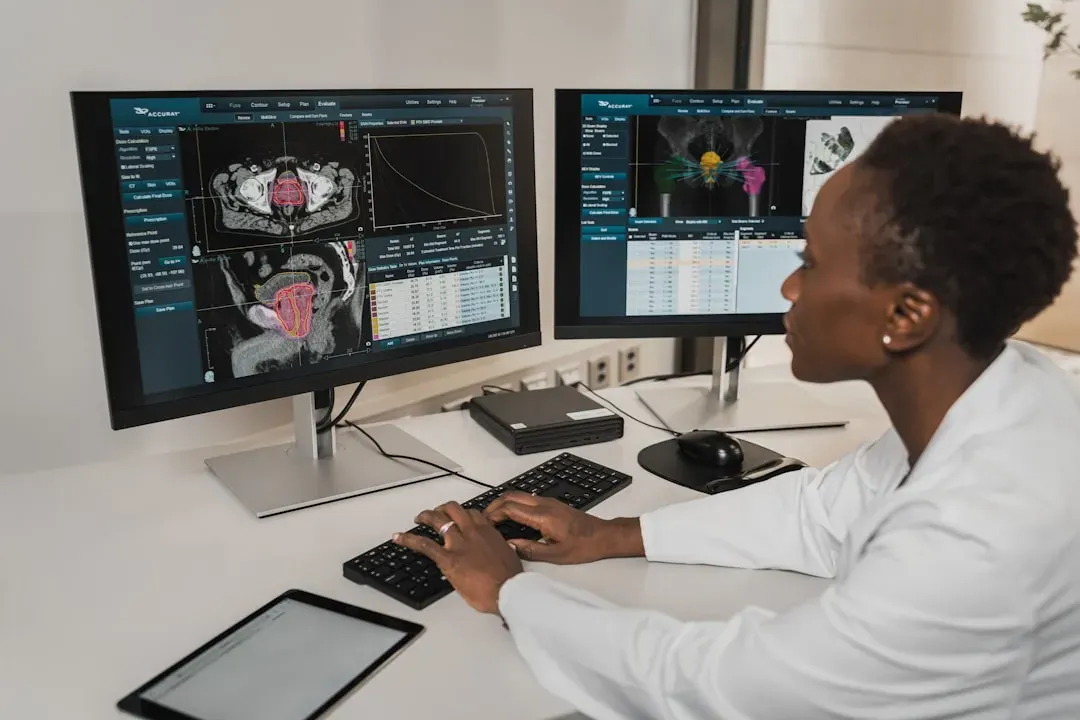
Let’s be real. Doctors are brilliant, but they are also human. They get tired, they have cognitive limits, and some diseases are genuinely microscopic in their earliest stages. That is exactly where artificial intelligence is stepping in to change the game. Artificial intelligence is rapidly transforming medical diagnostics by allowing for early, accurate, and data-driven clinical decision-making, with machine learning, deep learning, and emerging multimodal foundation models being used across imaging, pathology, molecular analysis, physiological monitoring, and electronic health record-integrated decision-support systems.
A generative AI system can now analyze blood cells with greater accuracy and confidence than human experts, detecting subtle signs of diseases like leukemia, not only spotting rare abnormalities but also recognizing its own uncertainty. That last part is surprisingly important. A system that knows when it is unsure is far safer in clinical settings than one that confidently gives wrong answers.
The integration of artificial intelligence in medical diagnostics represents a transformative advancement in healthcare, with projected market growth reaching $188 billion by 2030, with the technology particularly focusing on cancer, Alzheimer’s disease, and diabetes. In cancer diagnostics, AI systems have achieved breakthrough performances in analyzing medical imaging and molecular data, with notable advances in early detection capabilities across 19 different cancer types. Nineteen types. That scope would have been unthinkable even five years ago.
In 2026, AI diagnostics has evolved from an emerging technology to an essential component of modern healthcare systems, with machine learning and deep learning algorithms processing vast amounts of medical data swiftly and accurately, providing healthcare providers with invaluable insights for better patient care. The shift is no longer hypothetical. It is already happening inside hospitals right now, today.
4. Xenotransplantation: Pig Organs Stepping In for Human Ones
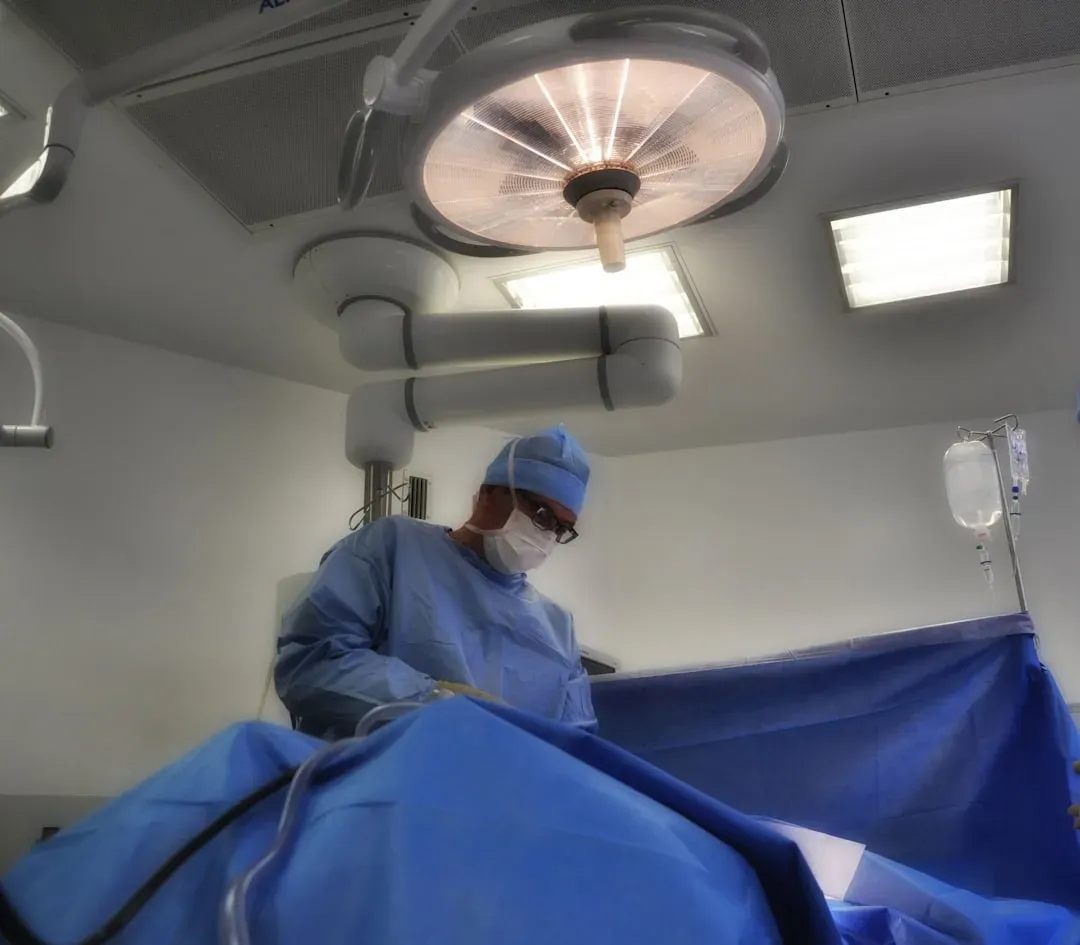
Here is something that genuinely sounds like science fiction. Scientists are now transplanting genetically modified pig organs into human patients, and the early results are holding up. One patient was a 71-year-old man with liver disease caused by hepatitis B and liver cancer who could not receive a human liver or undergo traditional surgery, and he survived for 171 days with the pig liver, showing the organ can perform essential functions in people. Scientists believe that transplanting modified pig organs into people may one day help alleviate the shortage of human organ donations.
Think about what that means practically. Thousands of people die every year waiting for a compatible organ donor. In recent years, several living patients have also received pig kidneys, lungs, and hearts, with some surviving for weeks. The survival timelines are still short, but every case adds critical data, and the science is moving fast. What once required a near-perfect biological match from another human may one day come from a modified animal in a medical facility.
The field, called xenotransplantation, is not without its challenges. Immune rejection remains a serious hurdle, and the long-term viability of cross-species organ function is still being tested. It is hard to say for sure how quickly this will scale, but the foundational science is now undeniably real. Scientists have already created an atlas of the human body and improved care for conditions ranging from food allergies to menopause to cervical cancer and HIV, and xenotransplantation fits squarely into this era of expanding biological possibility.
The pace of milestone cases in this space is accelerating. Each successful transplant, however long or short-lived, teaches medicine something new about compatibility, immune suppression, and organ function. Scientists are essentially learning to speak a new biological language, one organ at a time.
5. Vaccines That Protect Against Alzheimer’s and Dementia
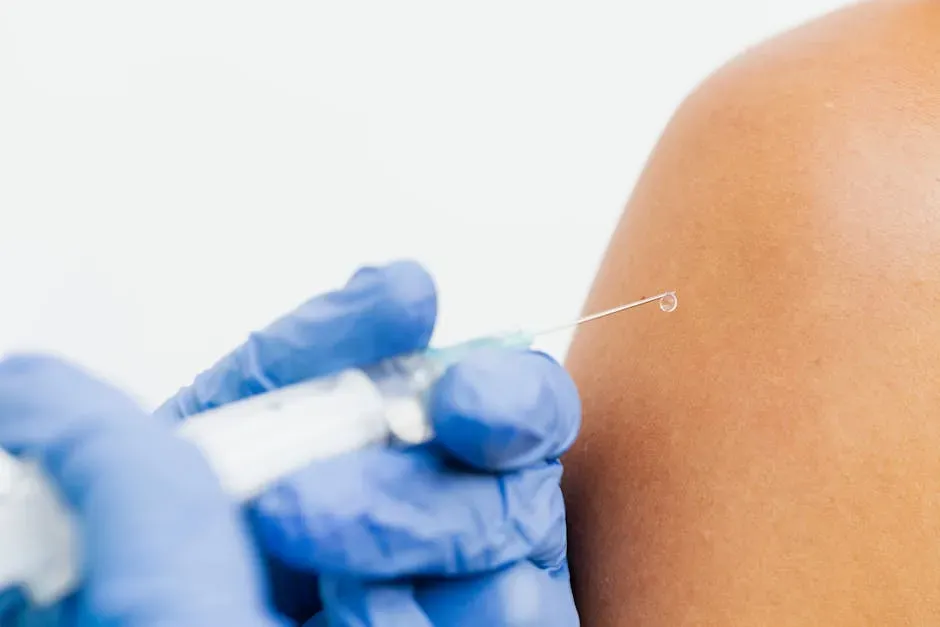
Perhaps the most quietly astonishing discovery of recent years is not a new drug or a surgical robot. It is a vaccine you may have already received. A landmark real-world experiment gave the strongest evidence yet that the shingles vaccine could lower the risk of Alzheimer’s disease and other forms of dementia, with people in Wales who received the shingles shot being 20 percent less likely to develop dementia over the next seven years compared with those who did not get it. Twenty percent. Over seven years. From a vaccine most people get to prevent a skin rash.
The mechanism is still being explored. Scientists cannot say for sure why getting vaccinated has these additional benefits, though they note that lingering viruses such as Epstein-Barr have been linked to dementia and other long-term health complications such as lupus, and that revving up the immune system could boost immunotherapy. In other words, waking up the immune system may do far more than fight the specific bug a vaccine targets.
Larger clinical trials in 2026 are testing how epigenetic clocks and other aging biomarkers respond to interventions, with these studies revealing whether observed changes reflect true biological improvement and guiding strategies to promote healthy aging. Dementia affects tens of millions globally, and for decades, researchers struggled to find anything that slowed it meaningfully. The idea that a widely available, affordable vaccine might be part of the answer is both humbling and genuinely exciting.
In a world-first, scientists in the United Kingdom also used living human brain tissue to monitor the early stages of dementia, exposing healthy cells collected during unrelated surgeries to a toxic protein linked to Alzheimer’s, known as amyloid beta, to show in real time how it can destroy connections between brain cells. Watching the disease in action, in living tissue, is a prerequisite to stopping it. Science is finally getting that close look.
The Road Ahead: Medicine Will Never Look the Same
What you have just read is not speculation or wishful thinking. These breakthroughs are already unfolding in labs, hospitals, and clinical trials around the world, right now. Despite a year marked by budget cuts and shrinking research teams, science delivered some remarkable wins in 2025, with breakthroughs across medicine reshaping how we understand human health and in some cases, changing how care is provided today.
Every single one of these advances, from the baby whose broken gene was fixed inside his own body to the pig liver keeping a dying man alive for nearly six months, represents a door being opened. Not just for the individuals involved, but for the millions who will benefit from the knowledge gained. Medical innovation affects our own lives, the health of people we know and love, and millions of people far away, and while people often describe innovation as a set of specific sporadic breakthroughs, it is really much more of a continuous stream every year.
We are living through one of the most consequential periods in the history of medicine, and most of us are scrolling past it on our phones without a second thought. The science is extraordinary. The challenge now is making sure these tools reach everyone, not just those lucky enough to be in the right clinical trial at the right time. That is the next frontier, and it matters just as much as the discoveries themselves.
What do you think? Which of these breakthroughs surprised you the most? Drop your thoughts in the comments below.