
You’ve probably felt it. That shift in the air, something fundamental changing beneath our feet. We’re living through one of those rare periods in history where technology isn’t just improving incrementally, it’s transforming the fabric of reality itself.
Every single week seems to bring another headline about breakthroughs that would’ve sounded like science fiction just a few years back. What makes this moment different from other technological booms? These innovations aren’t sitting in labs anymore. They’re touching lives, reshaping industries, and fundamentally altering what humans can do. Let me walk you through five game-changing technologies that are actively rewriting our world this very minute.
Artificial Intelligence: From Tools to Teammates
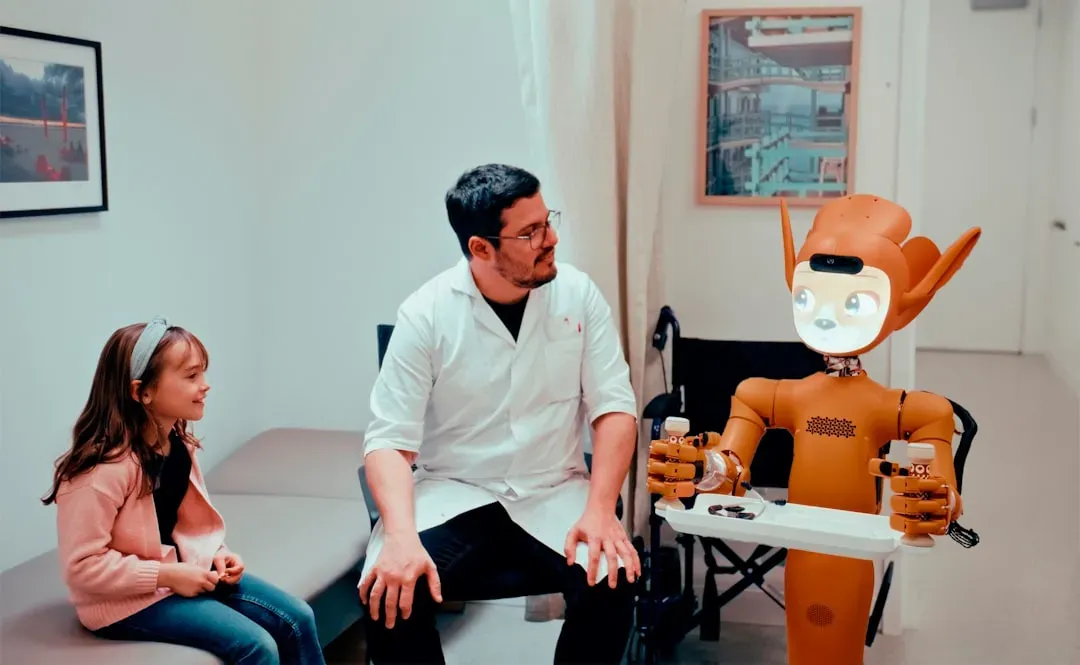
Let’s be real, AI isn’t new. Yet what’s happening right now feels different than anything before. In our current moment, AI is evolving from a simple instrument to a genuine partner, transforming how we work, create and solve problems while moving beyond just answering questions to actively collaborating with people and amplifying their expertise. Think about that shift for a second.
The next frontier centers on agentic AI, with intelligent, integrated systems gaining capabilities like extended context windows and human-like memory, while improvements in working memory will drive the most innovation by giving agents the persistent memory they need to learn from past actions and operate autonomously on complex, long-term goals. These aren’t chatbots anymore. Within the year, the bottleneck in building new products won’t be the ability to write code anymore, but the ability to creatively shape the product itself, and this shift will democratize software development, leading to a tenfold increase in the number of creators who can now build applications and do higher-value, creative work.
Honestly, it’s hard to grasp just how radical this becomes. The medical field provides a stunning example. Researchers at the University of Michigan have developed an AI model capable of diagnosing coronary microvascular dysfunction, a form of heart disease that is notoriously difficult to detect, using only a standard 10-second EKG strip, while previously this condition required advanced, expensive imaging or invasive procedures to identify. That’s the kind of breakthrough that saves lives.
Quantum Computing: Breaking Through the Impossible
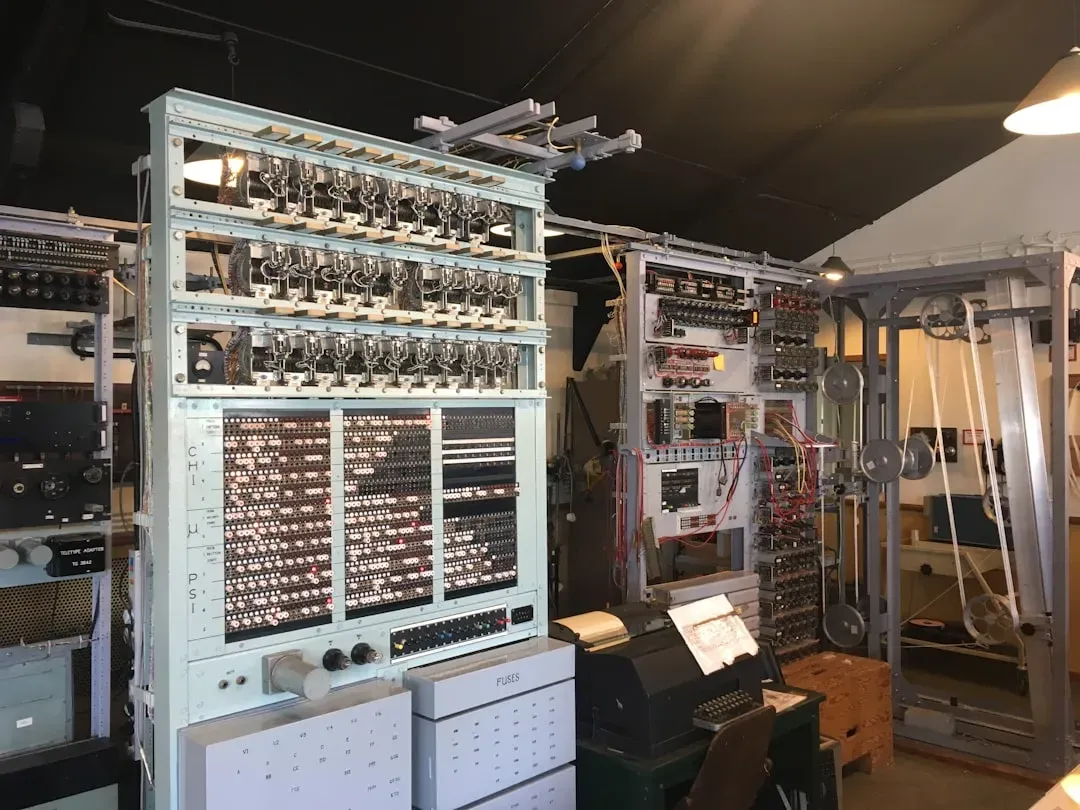
IBM has publicly stated that the year ahead will mark the first time a quantum computer will be able to outperform a classical computer, reaching the point where quantum machines can solve problems better than all classical-only methods, which according to IBM will unlock breakthroughs in drug development, materials science, financial optimization and more industries facing incredibly complex challenges. Yeah, you read that right. We’re crossing the threshold from theory to practical utility.
Here’s the thing about quantum computing that blows my mind. Quantinuum announced the commercial launch of its new Helios quantum computer, claiming to be the most accurate commercial system available today, with one architect stating you would need to harvest every star in the universe to power a classical machine that could do the same calculations they did with Helios. That level of computational power opens doors we didn’t even know existed.
In the last couple of years, researchers started to find ways around quantum computing’s error problems, both in making the individual qubits less prone to errors, and by improving the error-correction mechanisms, and this year, the error-correction announcements became a tsunami of progress with companies including QuEra, Alice & Bob, Microsoft, Google, IBM, Quantinuum, IonQ, Nord Quantique, Infleqtion, and Rigetti announcing developments. The momentum is undeniable.
CRISPR Gene Editing: Rewriting the Code of Life
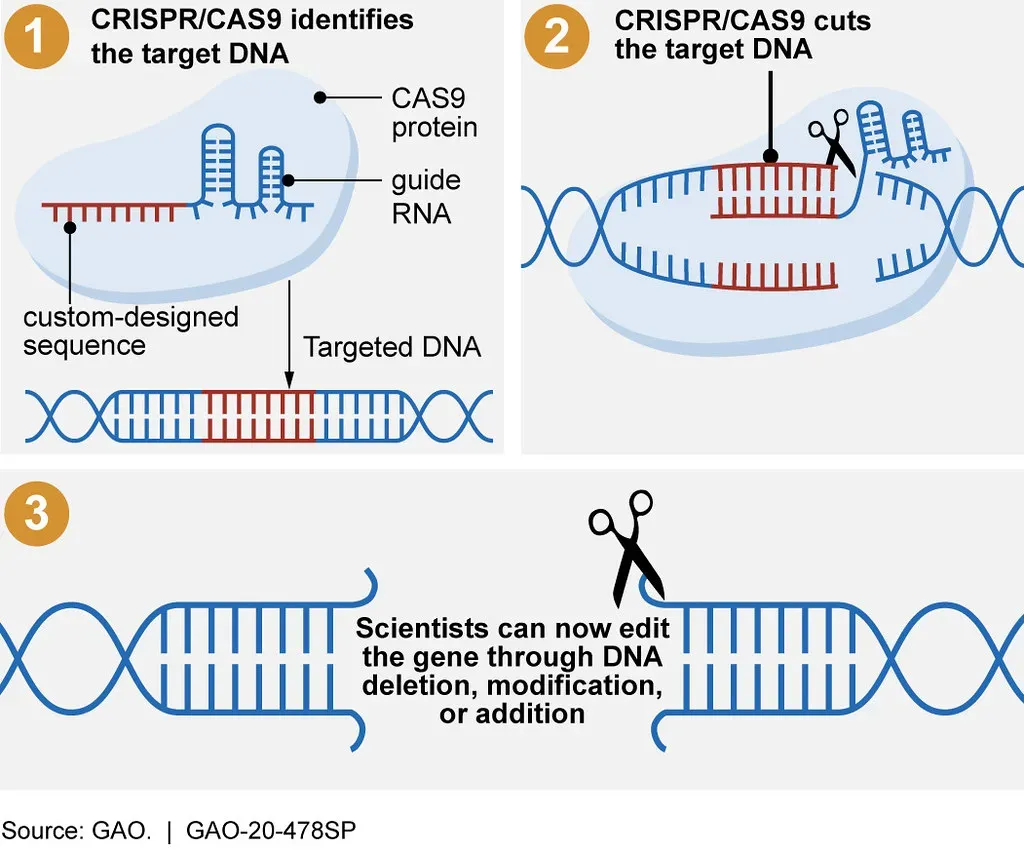
Gene editing used to be the stuff of ethics debates and distant possibilities. Not anymore. A team of scientists including five researchers from the Innovative Genomics Institute achieved a historic milestone when a personalized in vivo CRISPR therapy for an infant with CPS1 deficiency was developed, approved by the FDA, and delivered to the patient in just six months, with the treatment delivered by lipid nanoparticles and administered by IV infusion, and because the treatment was delivered with LNPs instead of a viral vector, doctors have been able to give additional doses to increase the percentage of cells that have been edited.
What strikes me most is how precise this technology has become. A new CRISPR breakthrough shows scientists can turn genes back on without cutting DNA, by removing chemical tags that act like molecular anchors, and the work confirms these tags actively silence genes, settling a long-running scientific debate. We’re talking about editing at the molecular level without breaking the actual DNA strands. The elegance of it is remarkable.
CRISPR genome editors are already being deployed in medicine and agriculture, with key examples including a CRISPR-based therapy treating sickle cell disease, a more nutritious CRISPR-edited tomato, and a high-yield, disease-resistant CRISPR-edited wheat, illustrating CRISPR’s current and potential future impacts in society. It’s not just about curing diseases anymore. This technology touches everything from the food we grow to how we approach inherited conditions.
Advanced Renewable Energy Systems: Powering a Sustainable Future
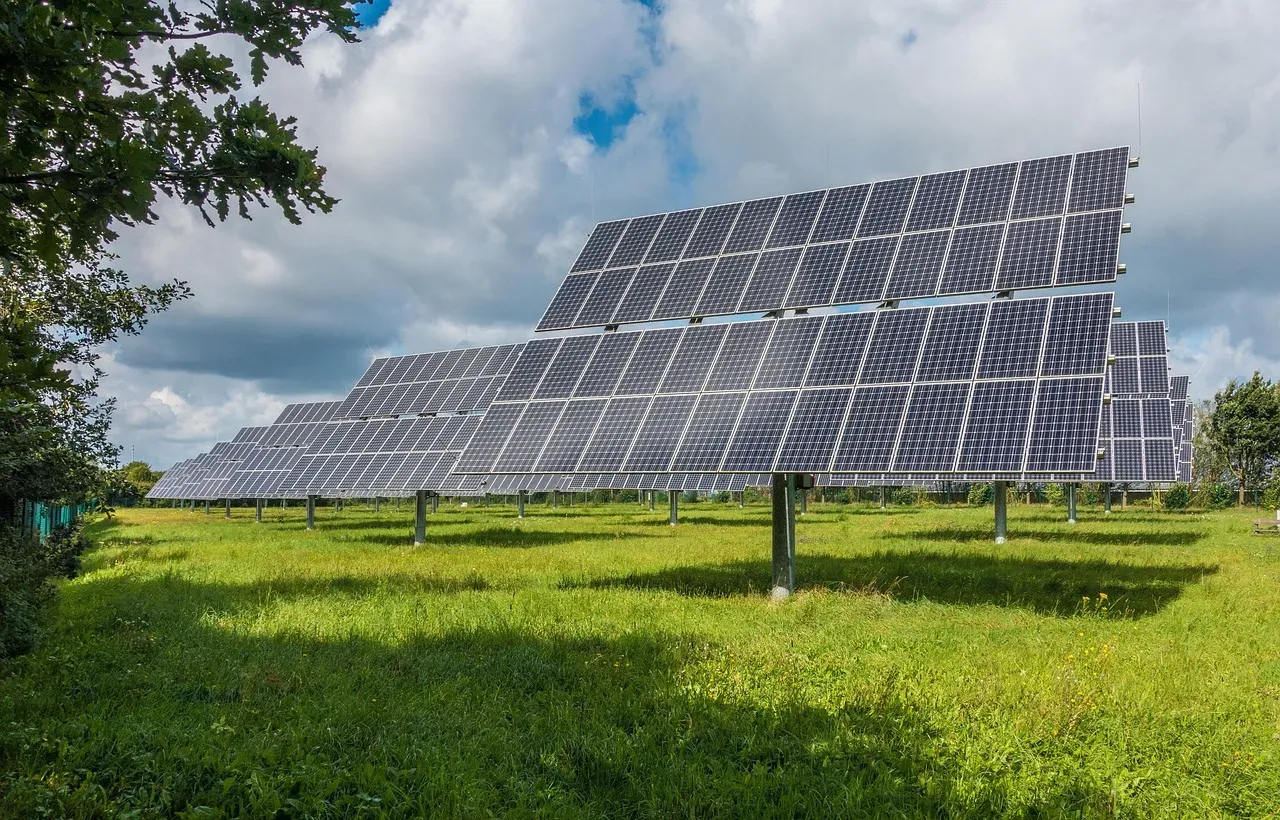
Energy storage has been the missing piece of the renewable puzzle for years. Well, that’s changing fast. Sodium-ion batteries, made from abundant materials like salt, are emerging as a cheaper, safer alternative to lithium, and backed by major players and public investment, they’re poised to power grids and affordable EVs worldwide. The implications for energy independence and sustainability are massive.
One of the defining clean energy innovations shaping the global renewable energy market is the significant improvement in solar and wind technology efficiency, with advances in photovoltaic materials, turbine design, and large-scale project deployment making renewable energy more competitive with traditional fossil fuels. This isn’t just incremental progress. Solar photovoltaic technology remains the world’s fastest-growing clean energy segment, with major drivers including widespread adoption of bifacial panels that absorb light on both sides, and rapid advancements in perovskite solar cells that promise efficiencies exceeding thirty percent at lower production costs, and these breakthroughs enable more installations on rooftops, floating platforms and even integrated with building materials.
Storage economics are shifting from ancillary services toward energy arbitrage and multi-contract models, with technology innovation seeing lithium iron phosphate batteries displacing other variants for cost and safety reasons, while long-duration pilots include hydrogen-lithium hybrids and iron-air batteries, and distributed storage has grown fivefold since several years ago. The whole energy equation is being rewritten before our eyes.
Next-Generation Nuclear Power: Clean Energy Gets a Makeover
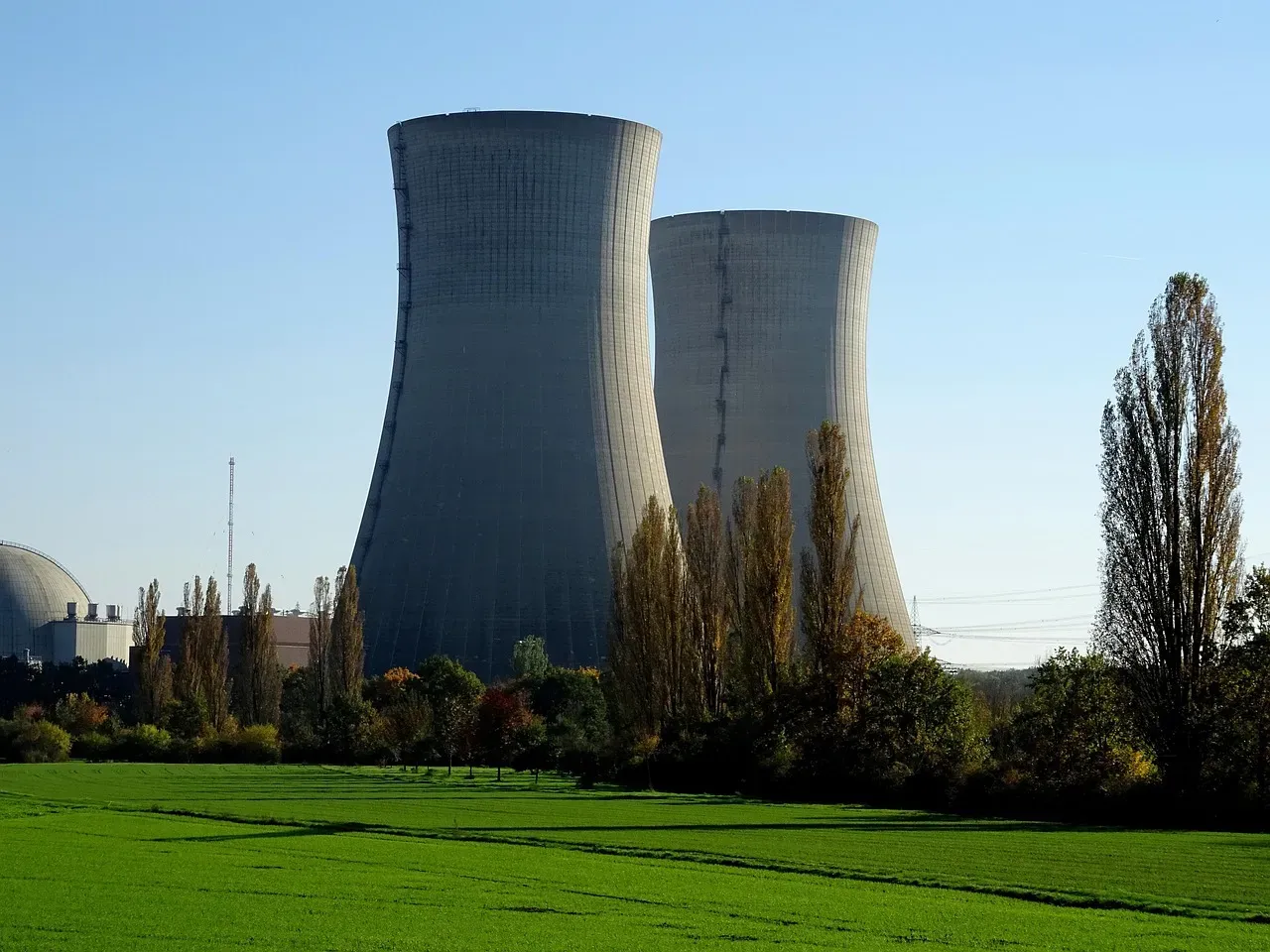
Nuclear power gets a bad rap sometimes. Yet the technology advancing right now bears little resemblance to what came before. Nuclear power already provides steady electricity to grids around the world, without producing any greenhouse-gas emissions, and new designs rely on alternative fuels and cooling systems or take up less space, which could get more reactors online faster. Smaller, safer, more flexible nuclear plants are becoming reality.
What excites me about modern nuclear technology is the shift toward modular systems. These aren’t the massive, decades-long construction projects of the past. We’re talking about reactors that can be manufactured in factories and deployed where they’re needed. The timeline from concept to operation has shrunk dramatically.
When an infant became just seven months old, the baby became the first person to receive a personalized gene-editing treatment, and a clinical trial is now planned, with bespoke gene-editing drugs potentially approved within the next few years. Wait, that’s actually about gene therapy. The point stands though about rapid deployment timelines for breakthrough technologies across multiple fields.
Looking Ahead

In the current year, these technologies will no longer be just trials but will become integral to products, businesses, and daily life, and from the applicative potential of quantum machines to the artistic ability of generative AI, these applications will gradually contribute to the future we are already living in. That last part resonates deeply. The future we are already living in.
These five revolutionary technologies aren’t waiting around the corner. They’re here, working, evolving, and fundamentally reshaping what’s possible for humanity. From AI systems that think alongside us to quantum computers solving the unsolvable, from gene editors curing diseases once thought incurable to renewable systems powering our entire civilization cleanly, and nuclear technology providing safe baseline power – each represents a pillar of transformation.
The real question isn’t whether these technologies will change our world. They already are. The question is how we’ll harness them responsibly, equitably, and wisely. What aspect of this technological revolution surprises you most? Share your thoughts below.